The Role Of The Adult
- Haim Ginott. (1972)
Depending upon the country, the culture, and because of cultural expectations and state regulations, I’ve visited Montessori classes with anything from two to nine (London) adults in the room. Schools can’t always control this and even when they can, many opt to please those parents who erroneously believe that more adults results in more education (because for many administrators it’s easier to give in to what’s wrong rather than fight for what’s right) but as I’m focusing on authentic Montessori, I’m going to concentrate on two roles, the role of the assistant (below) and the role of the lead guide, setting aside for now the role of the cleaner / cook / bodyguard (Russia) / etc.
The Role of the Lead Guide
There’s been a lot written about this topic, not all of it tremendously practical:
- Maria Montessori, The Absorbent Mind.
- Maria Montessori, The Secret of Childhood, p.153.
- Maria Montessori, The Child in the Family, p.63.
- Maria Montessori, The Secret of Childhood, p.149.
- E.M. Standing, quoting Maria Montessori, in Montessori, Her Life and Work, p.309.
- Maria Montessori, The Advanced Montessori Method: Volume 1., p. 150.
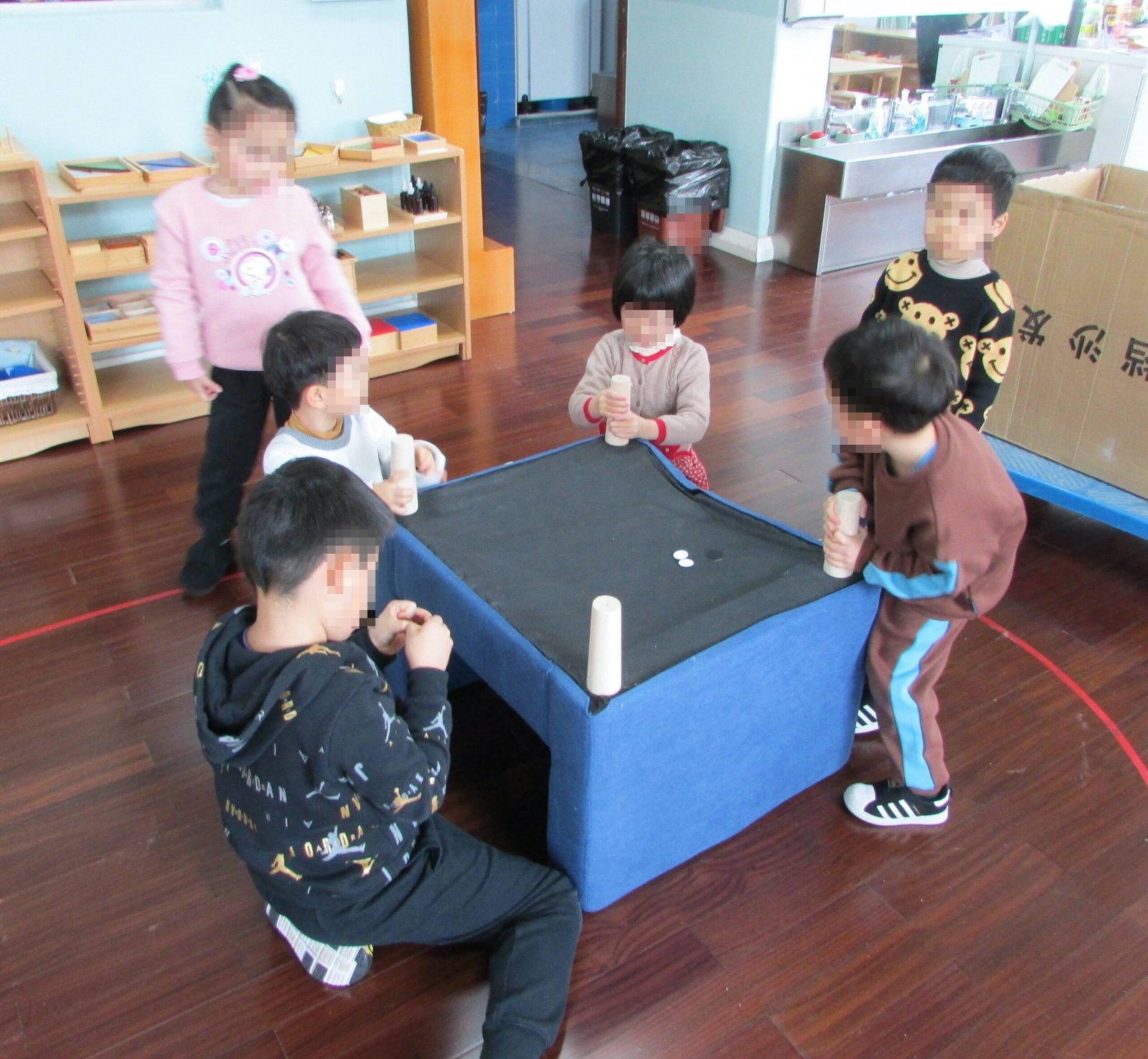
All of these statements are true, but they barely scratch the surface of the role of the adult, which is complex and multi-faceted. I nudge the children towards those materials that are designed to aid their development, I assist them in forming deep loving connections with their classmates, I direct them towards the Peace Table so they can practice resolving conflicts. In essence, I support and nurture and assist them in their physical, emotional, social, linguistic and intellectual development. These are some of my responsibilities to the children (and there are many, many, many more …) but I also have responsibilities to the school, responsibilities to the parents, and responsibilities to the environment.
Role 1 – Prepare the Environment
- Maria Montessori, Some Words of Advice to Teachers, AMI Communications, p. 4 + 14. 1995.
I’ve written elsewhere about The Prepared Environment, so I’ll briefly touch on the subject here. To summarise: the first responsibility of a Montessori guide is the preparation and maintenance of a safe, clean, well-organized and inviting learning environment, consistent with Montessori pedagogy, in which children will feel respected, safe and able to follow their needs and interests because,
- Maria Montessori, The Discovery of the Child, p.152.
I’ve been fortunate enough to work in well-established schools, with beautifully designed and thoughtfully arranged classrooms, and in others that needed a little adjustment. I was fortunate that my first job was at the Montessori School of Tokyo; the school was well established, the children in the class were (mostly) normalised, the parents were (mostly) tremendously supportive, and the environment had been prepared and refined over the course of many years by experienced Montessori guides. As a result, I was able to focus on teaching and learning all the things I needed to learn and didn’t have to worry or even think too much about the environment.
After I left Japan, I helped to set up new environments in Russia and Thailand, and this was the first time I had to really think deeply about this aspect of the job. In the following years I taught in China, where I worked in an established school in Beijing and set up a new class in Shanghai, after which I set up another new class in Switzerland (Geneva), and then another in Taipei. After Taiwan I returned to Shanghai, and although the school was well-established, after spending a week observing the way the children used the materials and interacted with each other, I reflected upon what worked and what didn’t, then went in on a weekend and moved the shelves and the tables so the class would have a better flow. My two more recent experiences have been in Beijing, where I first taught at an established school and then set up yet another new class.
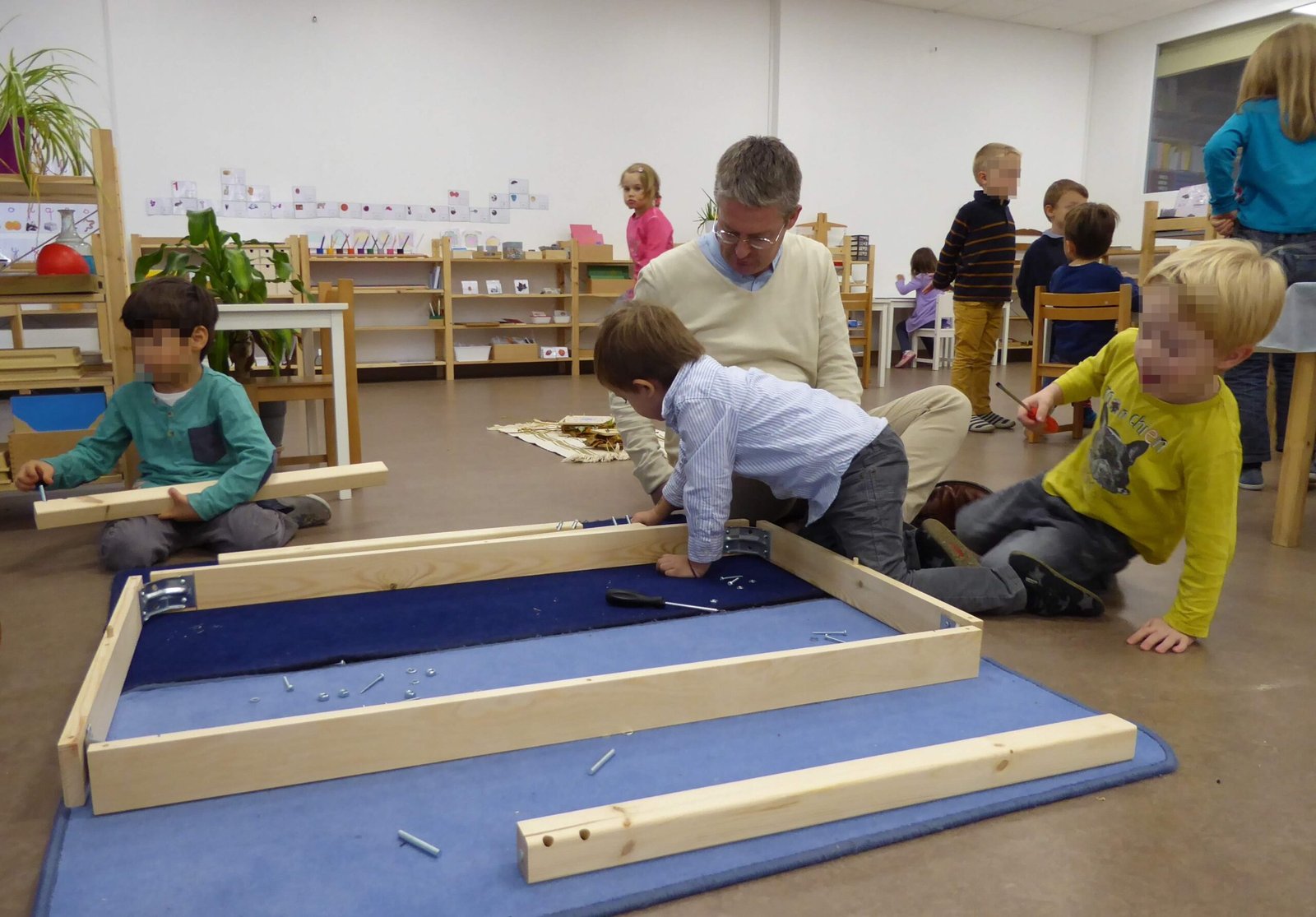
When preparing a new environment, some of the important tasks include ordering the furniture and planning its layout, establishing and maintaining an effective inventory of school supplies, materials and equipment, printing, laminating and cutting an array of paper materials, selecting and preparing Montessori activities and exercises, and ensuring the materials entice, challenge and serve the developmental needs of the children. Even when the class is established, the environment needs to be continually modifying so the materials are developmentally appropriate and engage the children. It’s a full-time job:
- Maria Montessori, The Absorbent Mind, pp. 277-81.
In broader terms, preparation of the environment also refers to the organisation of a daily schedule and routines, as well as the establishment of some simple but effective ground rules, so the group can operate in harmony, establishing parameters within which each child may develop their independence.
Role 2 – Administration
There’s a huge amount of administrative work that happens before the children walk into the class, work that happens behind the scenes, work that parents aren’t aware of, but work that is fundamental to the smooth functioning of all schools, or at least the better ones. What follows is a partial list of some of the various duties and responsibilities I have had in my decade and a half of teaching, with more detail about some of these important responsibilities in the Administration section. More on this topic here.
Faculty-related
No man is an island, and neither is a classroom: developing cooperative professional relationships with colleagues is necessary so that we can work together as an effective, harmonious team, and this requires participating in and organizing an array of activities, including faculty meetings, workshops, seminars and other professional pursuits.
A Montessori environment should be a place of discovery for the adults as much as the children, and this makes each day different, surprising, stimulating and educational.
- Maria Montessori, The Secret of Childhood, p.149.
Inter-level coordination
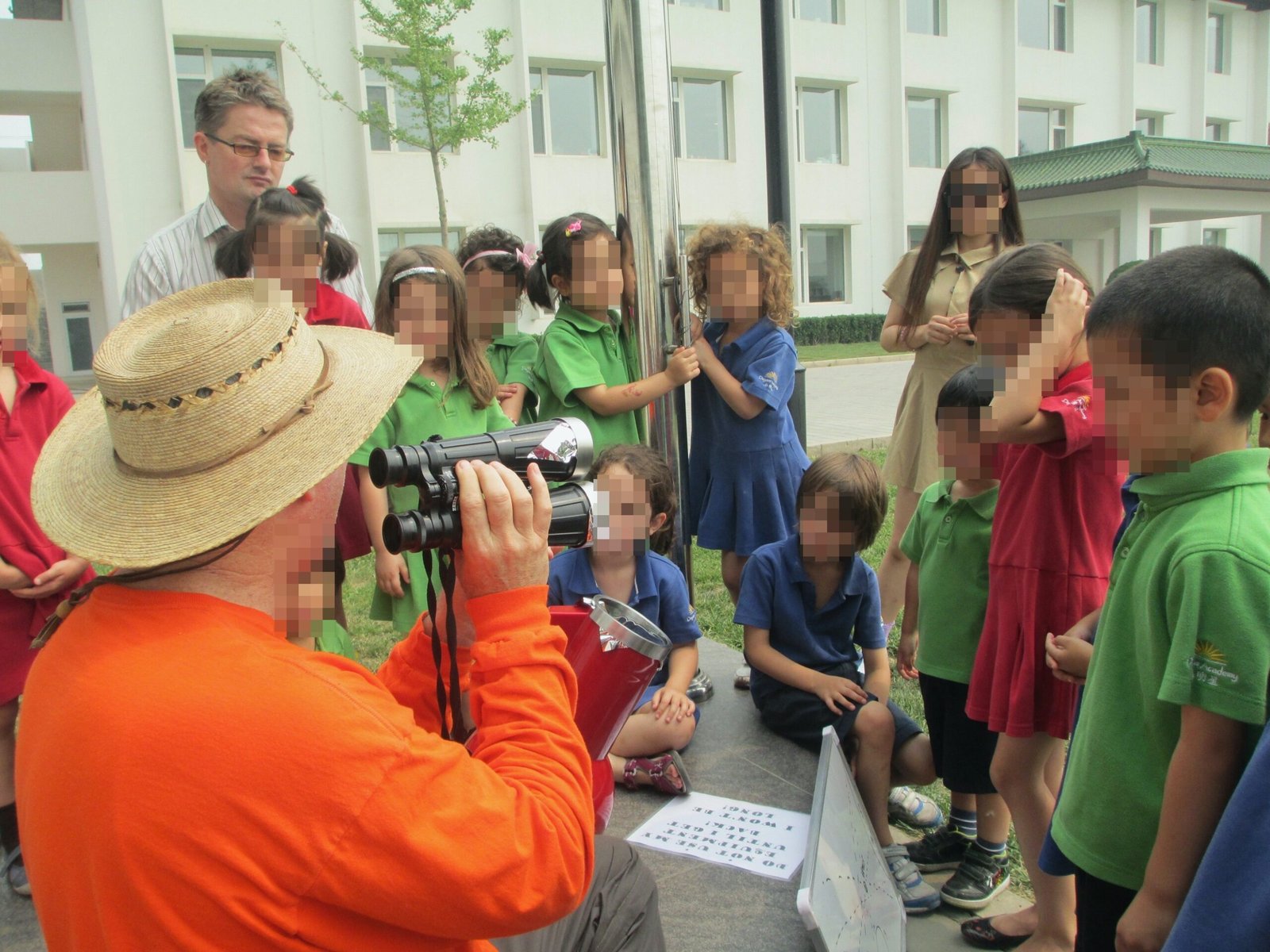
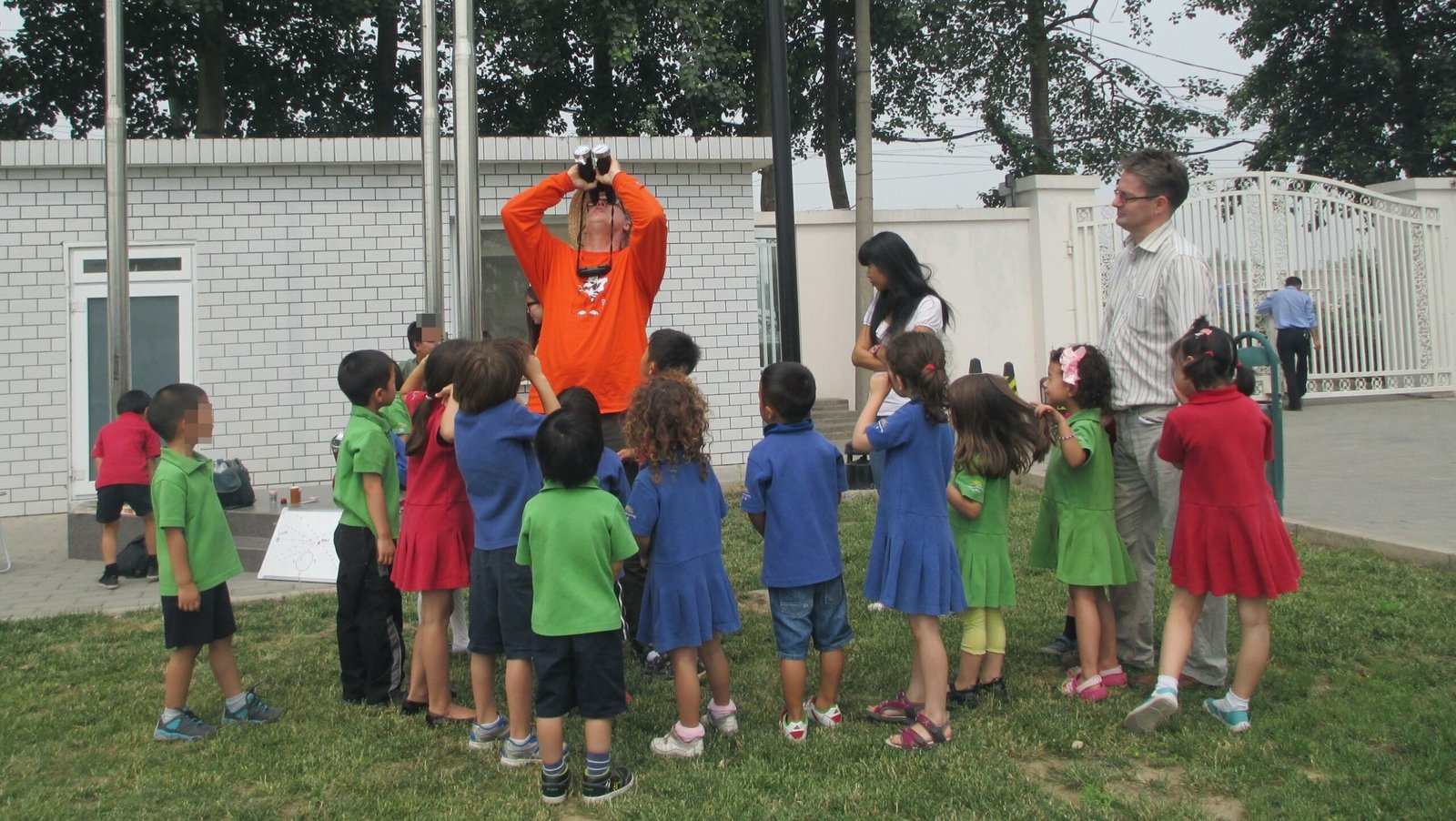
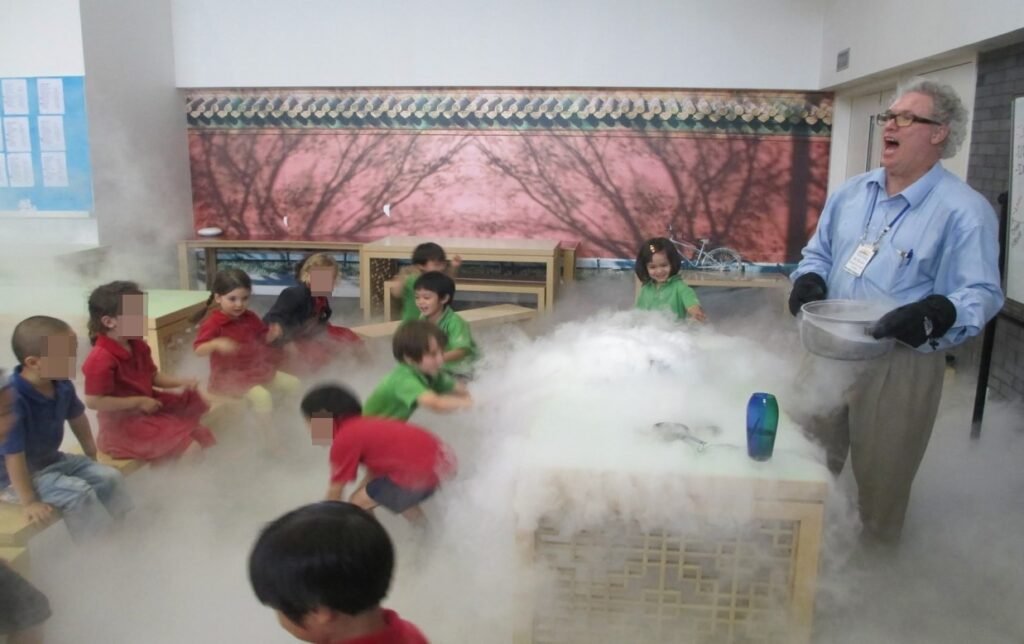
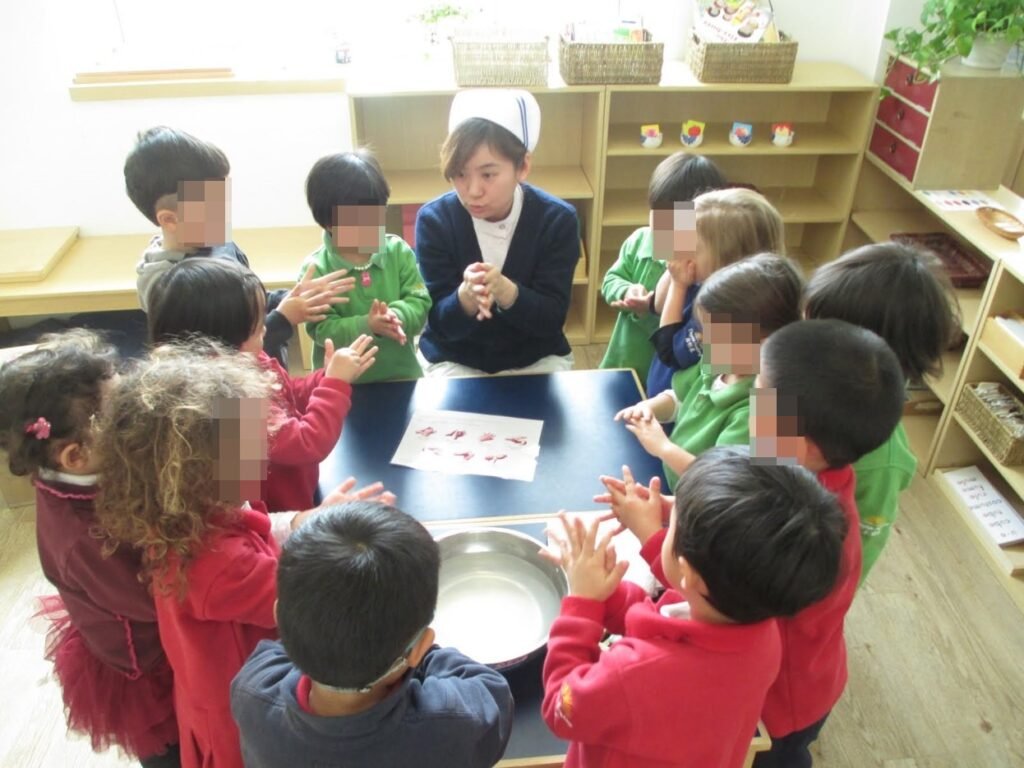
It’s important to build relationships with the other classes, 3-6, 6-9 or 9-12, so I coordinate with colleagues in the Elementary program so I’m aware of their expectations for next level readiness and can keep these in mind when planning how best to guide the children, particularly those in the third year. As an added bonus, if the Elementary teachers are planning something that seems of interest, I’ll ask if my group can join in, like one time when we observed the transit of Venus …
Budgeting
Maintaining an annual budget and submitting a regular accounting of funds provided each week/month/semester is standard practice in many schools.
Admissions
Many schools expect teachers to play a role in the admissions process by meeting new children and prospective families, hosting them in the classroom, assessing the child for readiness, and completing an assessment report to be submitted to the admissions team. I once worked at a school where the admin people met the families but no-one from the academic side did, so I volunteered to meet and assess each of the 54 children who has applied for admission. More on this topic here.
Staff-related
As the lead teacher, I’m expected to supervise and evaluate the performance of teachers, assistants and other members of the classroom team, providing feedback which facilitates professional growth. I’ve also been asked to assist in the hiring of new staff from time to time and have created a questionnaire so I can get to know the applicants. More on this topic here.
Communication
Updating management on the progress of the class or possible issues or areas of concern is an important responsibility, as is communicating with child psychologists or other child-care specialists (when necessary).
Professional Development
It’s useful to keep up to date with Montessori best practices via participation in activities within the school community, as well as attendance at Montessori conferences, workshops, etc., some of which are more useful/practical/interesting than others.
Inter-school Connections
Creating support networks is overlooked but invaluable, as building connections with other Montessori schools or associations -e.g., by facilitating the sharing of resources or scheduling observations, etc.- can be very helpful, particularly for newly qualified teachers.
Attendance
It’s vital to be able to check and confirm how many children are in school each day, but it’s also useful when you’re tallying up the number of absences and tardies to add to a Progress Report. This is the kind of essential but simple and time-consuming task that many teachers ask their assistant to deal with.
Lesson Planner
I can remember it like it was yesterday, the day it dawned on me that I had to create 25 unique lesson plans, for 25 unique children, covering the five areas of the curriculum, with three or four options in each area. In order to do this, the teacher needs to be familiar with the scope and sequence of each area (so they know which presentations need to be given immediately and which can be postponed for a week or a month or a year), they need to know which materials each child has mastered in each area, and then they have to factor in the needs and interests of each individual child before they can decide what to present next. More on this topic here.
Checklist
This is the document containing the curriculum, all of the presentations we’d like to cover in a three-year cycle and can be a hard copy in a binder or online using record-keeping software such as MRX, Montessori Compass or Transparent Classroom. Either way, there is one checklist per child, so I have to record a week of presentations, given by two teachers and perhaps an assistant, to 25 children. It can take a while. Some years ago, I created my own checklist of presentations -subsequently translated into both Mandarin and French- and refine it each year. More on this topic here.
Progress Reports
This is a document that contains a summary of each child’s progress over the course of the previous term. Depending on the school, these can be extremely vague or beautifully precise. Some Montessori schools to make a copy available on the school website, so I’ve been able to accumulate some wonderful examples over the years. If you’re a parent looking to enroll your child in a school, the level of detail in a Progress Report will tell you something about the standards in that school. More on this topic here.
Portfolio
Some schools create individual student portfolios to be sent home at the end of each year, containing examples of the child’s work and also including photos of the child using the materials in the class and/or interacting with their friends. ‘Process not product’ is a mantra of hard-core Montessorians, and I’m in broad agreement with this, but I also feel that it’s great for parents to have a tangible memory of their child’s year. More on this topic here.
Field-trips
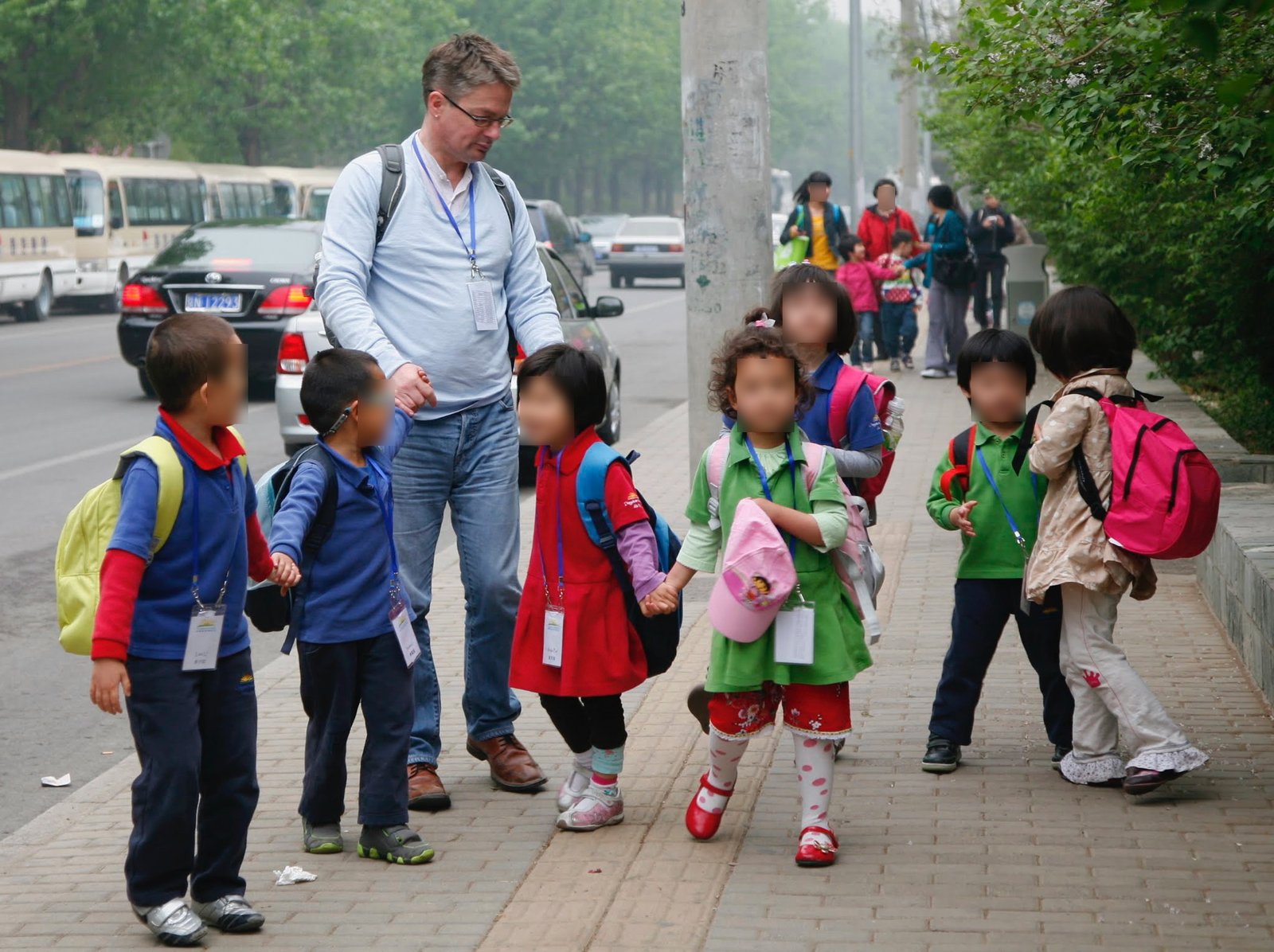
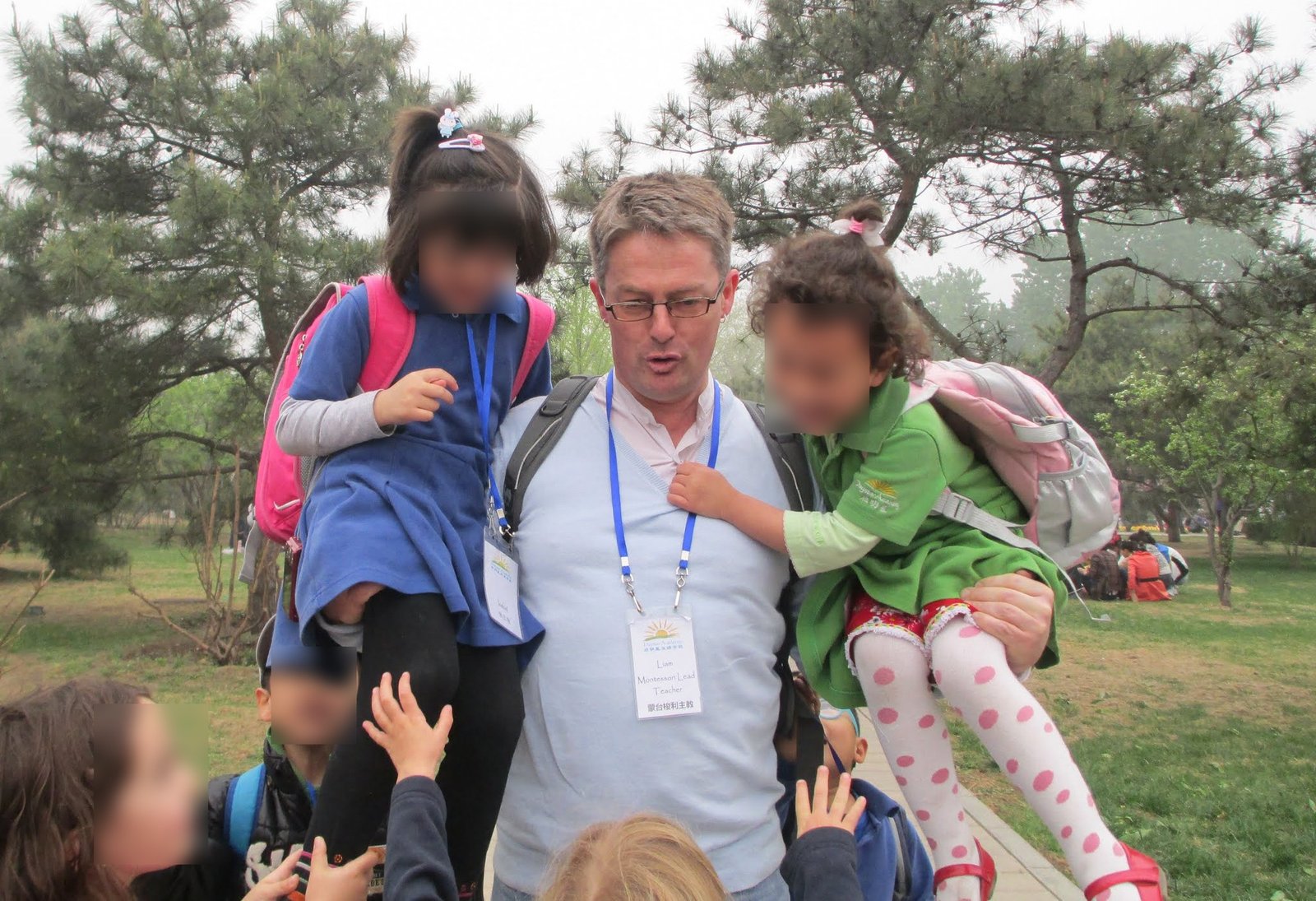
Planning for these can be time-consuming but it’s usually worth it when they turn out to be fun or educational or both. Safety is paramount: field-trips are fun for the children, but as a teacher, they’re one of the most nerve-racking events of the year (taking 20+ children to some place I’ve probably never been before poses quite a few logistical issues) so it’s always nice when you manage to get all the children back to school and in one piece.
Role 3 - Parent-Related
Parents are the child’s first teacher and play a key role in education, so it is essential to develop and maintain open and constructive relationships with them, creating a link between the classroom and the home, meeting with them to chat, answer questions, discuss progress or explain the Montessori approach.
Parents trust their children to a school, so teachers have an obligation to deserve and earn that trust, and one of the simplest ways to do this is by making sure that we’re available when they have questions or concerns or comments. Mornings can be hectic -I need to be in the class- so it makes it difficult to have more than the most basic interactions, but at dismissal-time I try to be found outside the school gate, so the parents can come and ask questions, chat, or simply say hello.
Communication is paramount, but different strokes for different folks: some parents like to have a chat every day, some will email me from time to time, and some I might see every morning but mightn’t communicate much beyond the words ‘hello’ and ‘goodbye’ every morning and afternoon. And that’s fine. Some children need structure, some respond better when they’re given a lot of freedom, and some just need a hug from time to time. I’ve found that parents are similar, so I try and give them what they ask for.
- Responding to queries in person or via email
- Sharing a variety of pedagogic documents, articles, reports, etc.
- Creating, editing and disseminating online photo albums
- Arranging parent observations and follow-up interviews
- Organizing and overseeing school community functions e.g., seminars/workshops on various aspects of the Montessori philosophy, Open Houses, end-of-term/year concerts, Meet the Teacher / Orientation days, etc.,
- Preparing and running parent-teacher conferences.
There’s a whole range of different ways a Montessori Guide can communicate with parents, and they all have value, and they all require quite a bit of work. Then, once all of that work has been finished, after the environment has been prepared, modified and maintained, and after all the responsibilities towards the school have been taken care of, and when all of the assorted administrative tasks have been resolved, then there’s the small matter of the education, well-being and social, emotional, physical, linguistic and academic/intellectual development of the children. More on this topic here.
Role 4 - Child-related
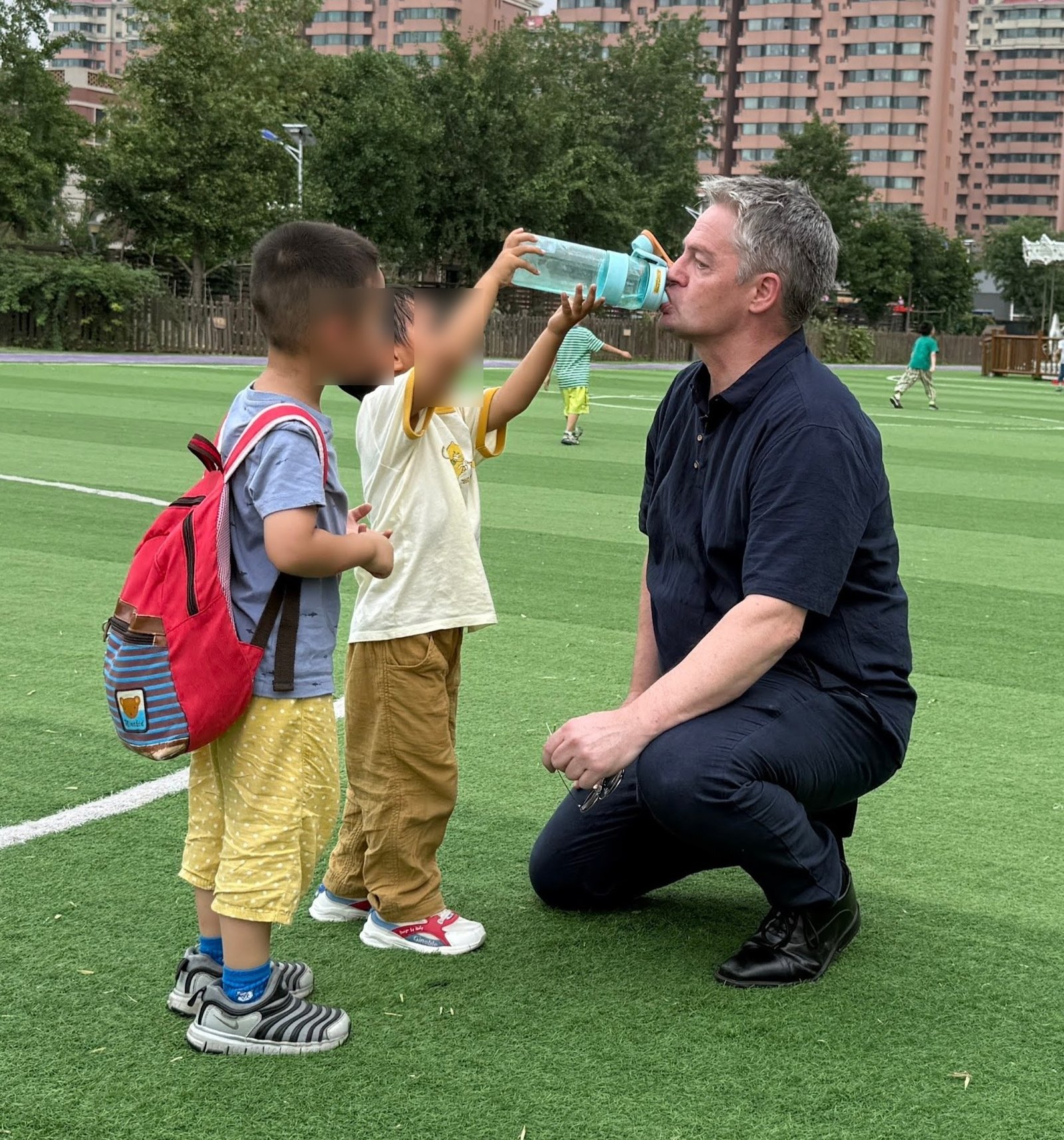
In a traditional classroom, the adult is the focus of attention and the person in the room who’s working the hardest. In a Montessori environment, the adult shouldn’t be front and centre, they should be sitting down or standing back, observing the children in order to decide how and when to guide them, while the children are engaged with the materials, moving, touching, talking, thinking, solving problems and learning independently. The focus is on the children learning and not on the teacher teaching.
- Paula Polk Lillard, Montessori, A Modern Approach, p. 50.
This phrase ‘a dynamic link’ is repeated ad infinitum during the AMI training -during my AMI training, at least- with not a great deal of time spent reflecting on what it actually means in practical terms: how and when and where? How do I serve as a dynamic link? When do I step in and guide a child and when do I leave them alone? Where should a presentation take place? After the training, in the real world, in the classroom, it’s massively challenging, and a great many guides stumble and fall and decide to quit, but it doesn’t have to be this way.
A little guidance on Classroom Management goes a long way.
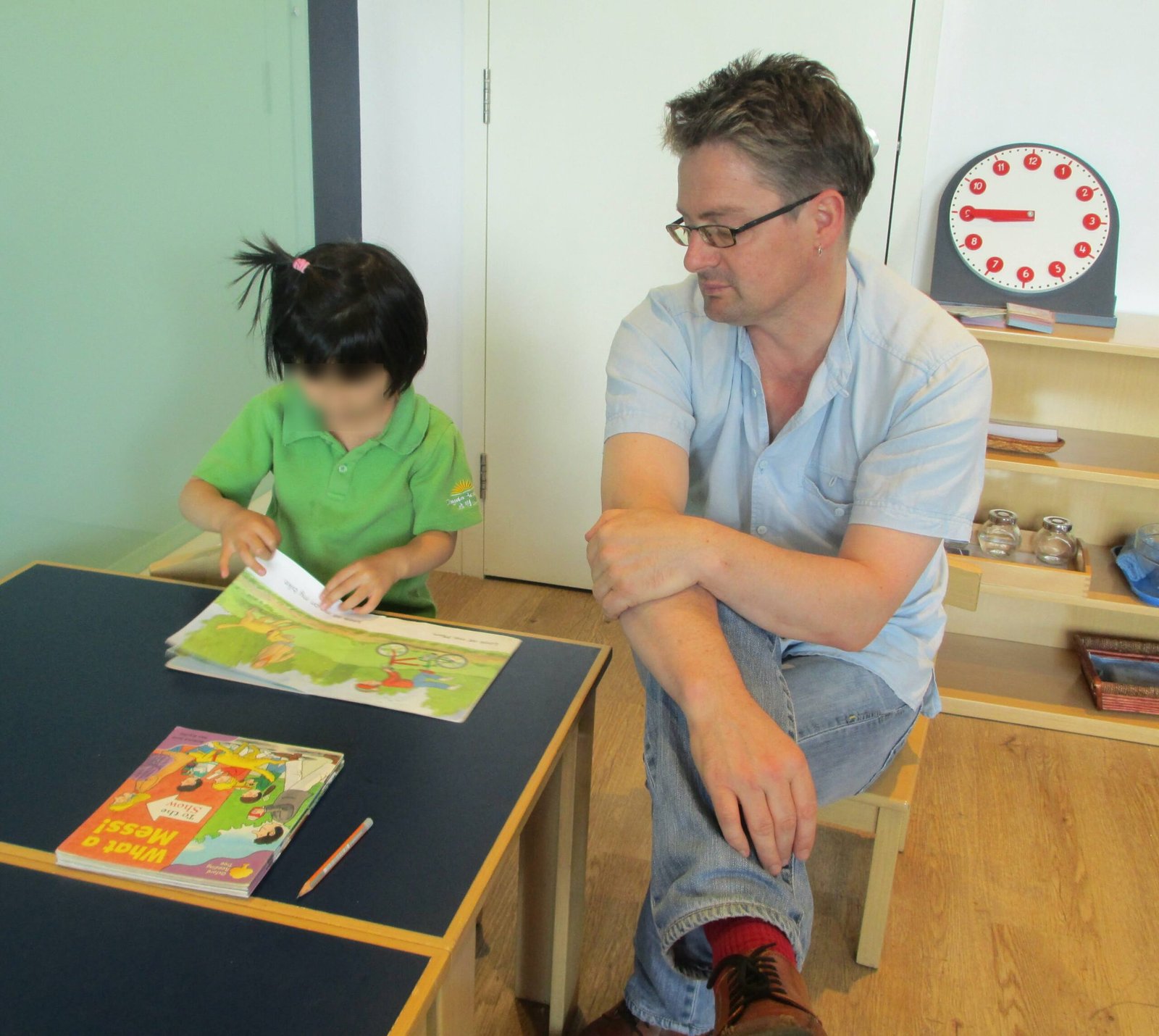
2008 was my first year in the class, and the dawning awareness that I wasn’t just responsible for giving lessons, but had a whole array of other responsibilities was quite a surprise, and a very unwelcome one. When I studied for my AMI Montessori diploma, our Teacher-Trainers hadn’t spent a single minute discussing how to prepare the environment, how to communicate with a co-teacher or an assistant or a cleaner, how to create a Lesson Plan, how to write a Progress Report, how to plan and present a Back-to-School evening, how to run an effective Parent-Teacher Conference, how to manage a class of 25 children, how to help a child who isn’t motivated, or any of the hundreds of other tasks that form the duties and responsibilities of a Montessori teacher.
90% of the training consisted of learning the presentations -the remaining 10% consisted of lectures on Maria Montessori’s thoughts on ‘Horme’ and ‘The Spiritual Embro’ and similar cutting-edge issues in child-development in the 21st century- and then creating albums of those presentations in the areas of Practical Life, Sensorial, Culture, Language and Mathematics. As a result, when I walked into the class that first morning, I had a reasonable grasp of the assorted materials I was expected to present in each of those areas of the curriculum, but the fact that there was a curriculum and that I had to make a plan for how to implement it and record it and explain it to the parents … well, that was all new.
Because the training is so heavily focused on how to give presentations, I believed -as all newly qualified Montessori Guides believe- that the principal part of the job is giving presentations, and many experienced teachers and school leaders share this misconception, because it was seemingly sanctioned by Montessori:
- Maria Montessori, Education for Peace, p. 79. (1936)
- A lack of guidance from management or experienced colleagues.
- Fear of negative consequences if they discipline a child.
- Apathy
- Insufficient knowledge of the philosophy.
- Poor training.
- All of the above.
On the first day of the AMI teacher-training, we were given a handout with our schedule for the year: dates for submitting Albums, for when we’d observe classrooms, when we’d do our practice teaching, which dates were holidays, and the dates of the final exams. And there, right at the bottom of the page, after the date of the exams, was the date when we’d receive a lecture on Classroom Management. Assuming this was a printing error, I raised my hand and pointed out the mistake, but it wasn’t a mistake: you can take the AMI training, and you can pass your exams and receive your AMI diploma without spending a solitary minute studying Classroom Management.
In traditional schools, children spend the majority of their days sitting immobile at their desks and are spoon-fed knowledge. Nevertheless, when you train to be a traditional teacher, you spend hours and days and weeks learning about this key topic. In a Montessori environment, movement and choice are fundamental to the approach, so you have a room with 25 unique children, with 25 unique sets of interests, needs, motivations and desires, moving from one activity to another, sometimes playing on a mat, other times on a table, sometimes with a friend, other times on their own, with the environment is in a constant state of joyous but semi-chaotic flux. And yet AMI believe that Classroom Management is of so little importance that they’ll certify you as a Montessori Guide without studying this topic for one solitary minute. The inevitable consequence of this is that AMI are producing generations of teachers without the faintest idea how to manage a class of children.
During my observations, I’ve seen over and over again how all effective classes have certain similarities and all chaotic classes are chaotic in similar ways, in a depressing echo of Tolstoy:
- Leo Tolstoy, Anna Karenina. (1878)
In a bad Montessori class, the guide doesn’t offer any guidance because they’re too busy giving endless lessons. The assistant will be left to manage upwards of 24 children -the most difficult part of the job- while the guide has the luxury of sitting with one child, often completely oblivious to the others and to the complete disarray behind their back.
In a good Montessori class, the guides use the ‘One-up, one-down’ system, where one adult gives presentations (‘down’ on the floor or on a chair) while the other manages the group (‘up’ as they’re standing, anticipating problems and aiming to resolve them before they happen).
In a bad Montessori class, the tables all face the class, so that when the teacher is giving a lesson, the child is facing the class, meaning that during the lesson, the child’s attention is inevitably drawn to the other children, or out the window, or to the snack table, or the fish tank, or the child who is hammering away at the bells on the other side of the room.
In a good Montessori class, more than half of the tables will face the wall, so that when the guide is giving a lesson, the focus of the child’s attention is on the Montessori materials that are being presented, and when the children practice with the materials their concentration is similarly protected.
In a bad Montessori class, most of the children are doing nothing. Some are roaming about, disturbing the few who have chosen an activity, others are sitting quietly in some corner, ignored and forgotten, and perhaps 3 or 4 are using the materials as intended.
In a good Montessori class, some children are moving about the room, others are sitting on their own or with classmates (sometimes silently but more often chatting away and yet still completing their task), and some are silently observing a classmate or looking at the shelves, deciding what to do next. The mood in the room is calm, relaxed and peaceful. The guide will occasionally give some minor direction to a child or consult with colleagues, but more often they will be silently observing and making mental notes of each of the children’s needs and tendencies (which they will later transcribe into the class observation journal).
In a bad Montessori class, the teacher believes that they should do nothing other than walk around and smile beatifically, using what a colleague referred to as ‘The Montessori Grin’ – observe the chaos, make an inane smile, move on, repeat.
I’ve worked in classes that typically contained anywhere from 20 to 30 children, aged from 3 to 6. Many of those children were gregarious while quite a few were shy; some were easy-going, calm and mellow, and there was also a couple who … well, they were less so:
- Maria Montessori, ‘The Child, Society and the World: Unpublished Speeches and Writings’, p.16.
What to do with, how to react to, how to guide those children who are “still the prey of all their different naughtinesses?”
This topic can be hugely challenging for Montessori teachers, and it doesn’t help that Montessori’s writing are a bit like The Bible: with enough digging it’s possible to find a quotation to support any point of view. Unfortunately it’s quotations like the ones that stress the primacy of Presentations that are highlighted by AMI …
- Maria Montessori, The Discovery of The Child, p.151.
… while others languish in the darkness, unread, unloved and unknown:
- Maria Montessori, The Absorbent Mind, pp.205/6. (1949)
Her son was equally clear about the dangers of inaction:
- Maria Montessori, The Discovery of The Child, p.151.
These quotations are from her final years, but as early as 1923 Montessori was advising guides on where they needed to focus their attention:
- Maria Montessori, The Child in the Family, P. 33. (1923)
In the most effective Montessori environments, the most authentic ones -those in which the children exhibit joy and concentration and curiosity- I’ve seen how the guides are authoritative and yet also kind and calm and gentle; sensitive to the feelings of the children, they display empathy but they also set clear and consistent limits, they establish some basic rules and when necessary they remind the children of the rules, and when these rules are infringed they implement clear, consistent, and reasonable consequences.
These quotations are from her final years, but as early as 1923 Montessori was advising guides on where they needed to focus their attention:
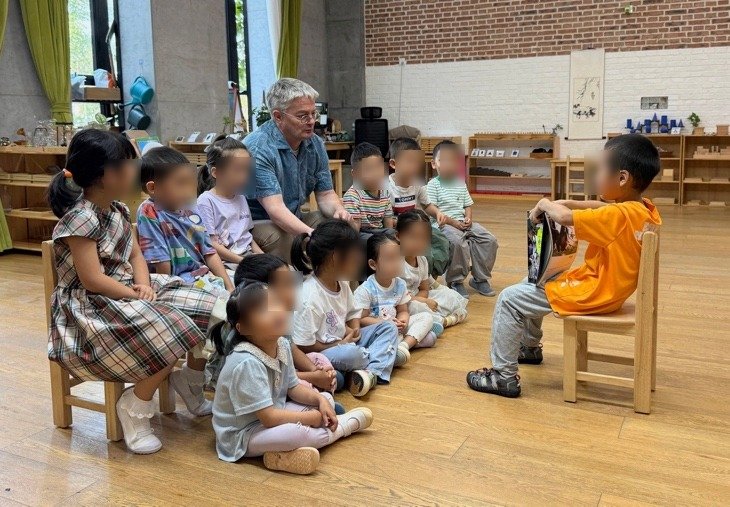
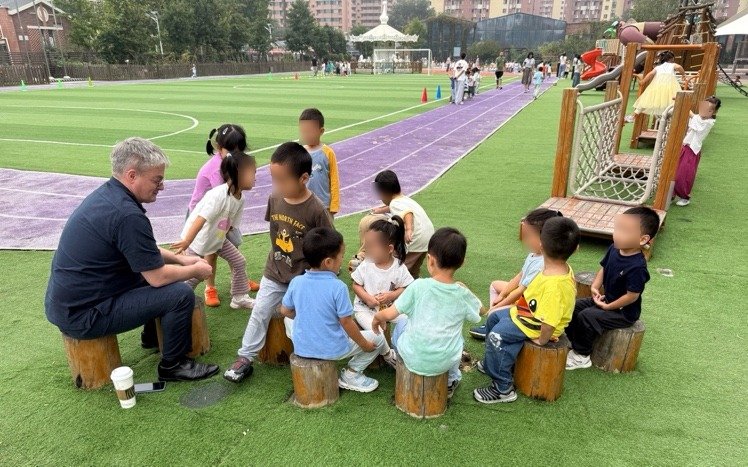
Giving presentations is also an important part of the job, but it’s been my experience that it’s the least important part of what I do, because my job description is not ‘Montessori Teacher’ or ‘Montessori Lesson Presenter’ but ‘Montessori Guide.’ I guide the children, and giving presentations while the class is in disarray is a waste of time, because children require peace and quiet and a calm, ordered environment so that they can develop their concentration. So I strive to create a peaceful and orderly environment that allows children to focus on their activities, whilst developing an awareness of their place in the group and the importance of respecting the needs of others. fostering collaboration and respect, I work to develop a sense of teamwork and a community of learners.
And in order that the children can co-exist in harmony, those members of the group who have yet to develop self-control need some rules and consequence that will help them to develop inner discipline:
- Maria Montessori, The Absorbent Mind, p. 248.
Sounds simple, and it is, but it’s also extremely difficult. Only by trial and error, learning by doing, do you start to get a handle on it. More than 2400 years ago Aristotle said, “The things we have to learn before we do them, we learn by doing them” and I’ve learnt to be a Montessori guide by being a Montessori guide, by figuring out how to get the children to follow me:
- Maria Montessori, The Absorbent Mind, pp. 277-81.
The Goldilocks Zone
- Maria Montessori, The Discovery of the Child, p. 65.
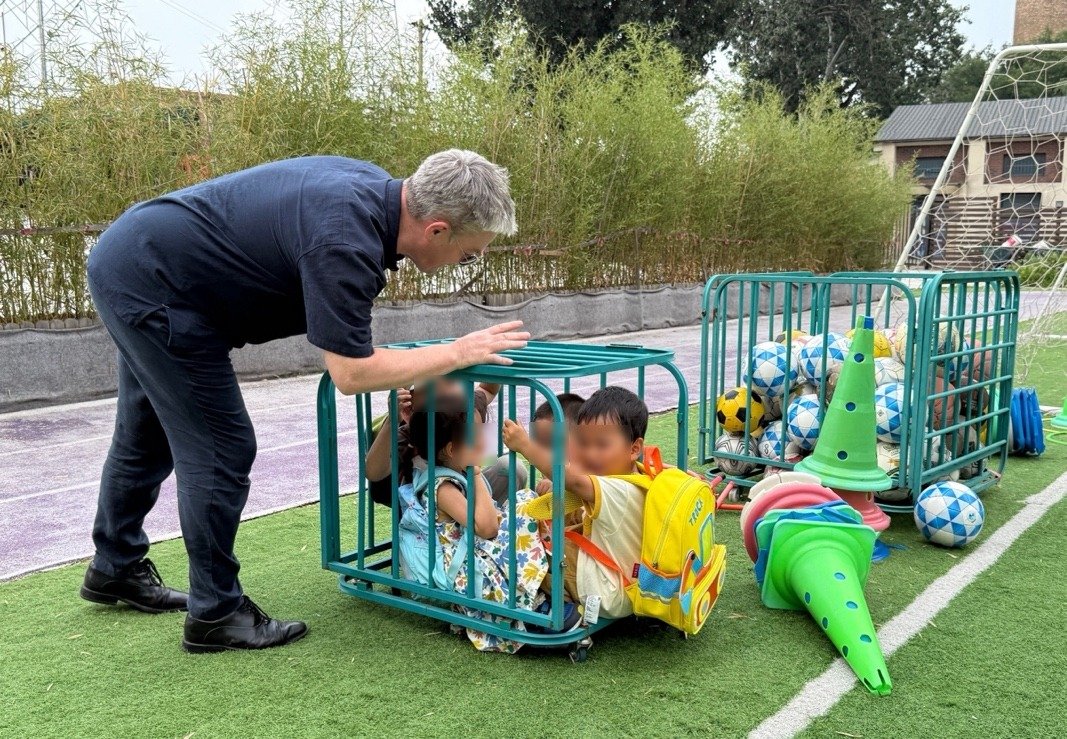
The art of being a Montessori guide is in knowing how much help to give, when to offer it and when to hold back, when to allow a child to struggle with a problem long enough to learn from it, but not so long that they become frustrated by it. At this crucial early stage, when the child is just becoming independent, it’s tempting to step in to help, but too much help is actually an obstacle:
- Maria Montessori, The Secret of Childhood, p.106.
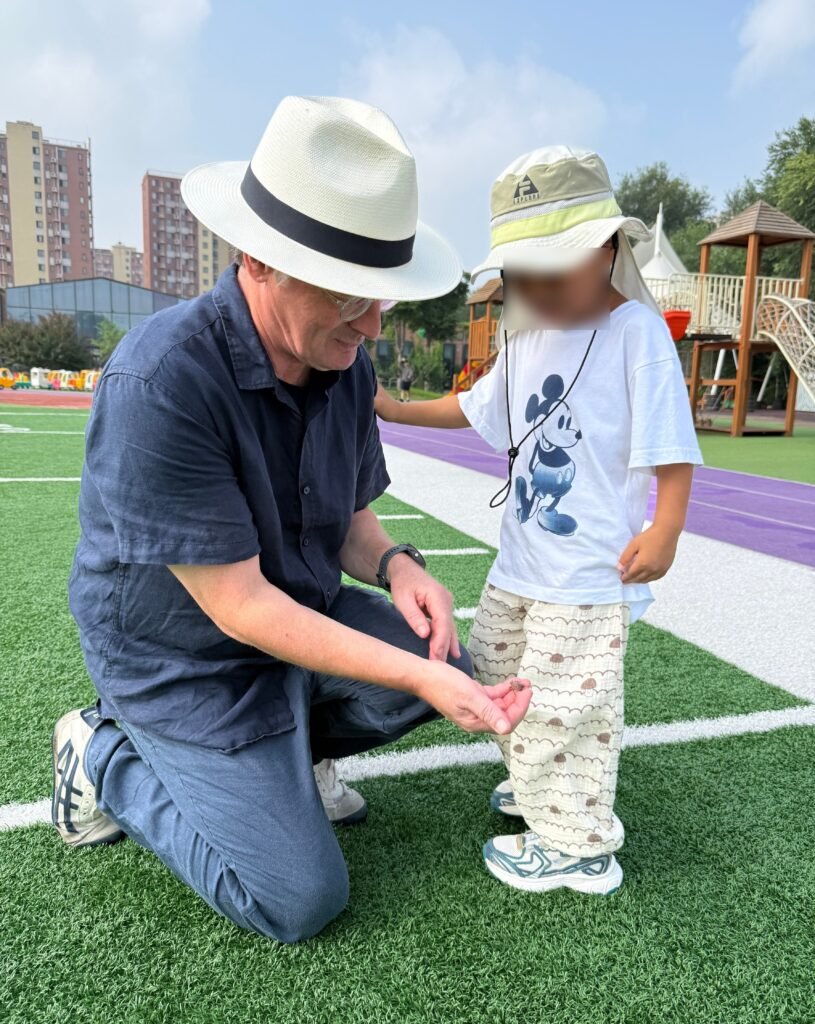
But we mustn’t abandon the child either:
- Maria Montessori, ‘The Child’, from "The Theosophist", December 1941.
It’s a delicate balance to strike:
- Maria Montessori, The Child in the Family, p.154.
So, when I see a child who is experiencing difficulty, I first have to decide whether to intervene and if so, how to intervene. Quite often the children can fix their own problems, but sometimes they very obviously need some guidance – they need just a little direction. A child who is building the Pink Tower can usually figure out which prism goes on top of which, but a 5-year-old child who is using the Puzzle Map of Europe and asks, ‘What is the capital of Italy?’ is not going to pluck the answer out of thin air.
When deciding how to guide a child, there are many options available, but also some common choices:
Do nothing – the go-to option of many Montessori teachers.
Tell the child to put the materials away – the opposite of Option 1, and equally unhelpful, but sometimes necessary.
Ask another child to assist / guide / teach the first child.
Offer the child some minor assistance, a small but crucial tweak that will allow them to continue on their own.
Sit with the child and re-present the materials.
Which of these options to choose depends on the child and the situation in the class and a dozen other factors which change from day to day and often from hour to hour, and quite often there isn’t a clearly right or wrong choice -and the choice today could be completely wrong tomorrow- so as with so many elements of the Montessori Method, I learn by doing, I make a decision and then reflect upon whether it was the right one, and use this knowledge to become a more effective guide tomorrow. The challenge is to somehow provide just the right amount of support required to aid the child’s development, and this requires a leap of faith -particularly at the beginning of the year- and an awareness of the key attribute we’re trying to develop:
- Maria Montessori, The Absorbent Mind, p.271.
- Maria Montessori, The Absorbent Mind, p. 255.
Easier said than done, sometimes.
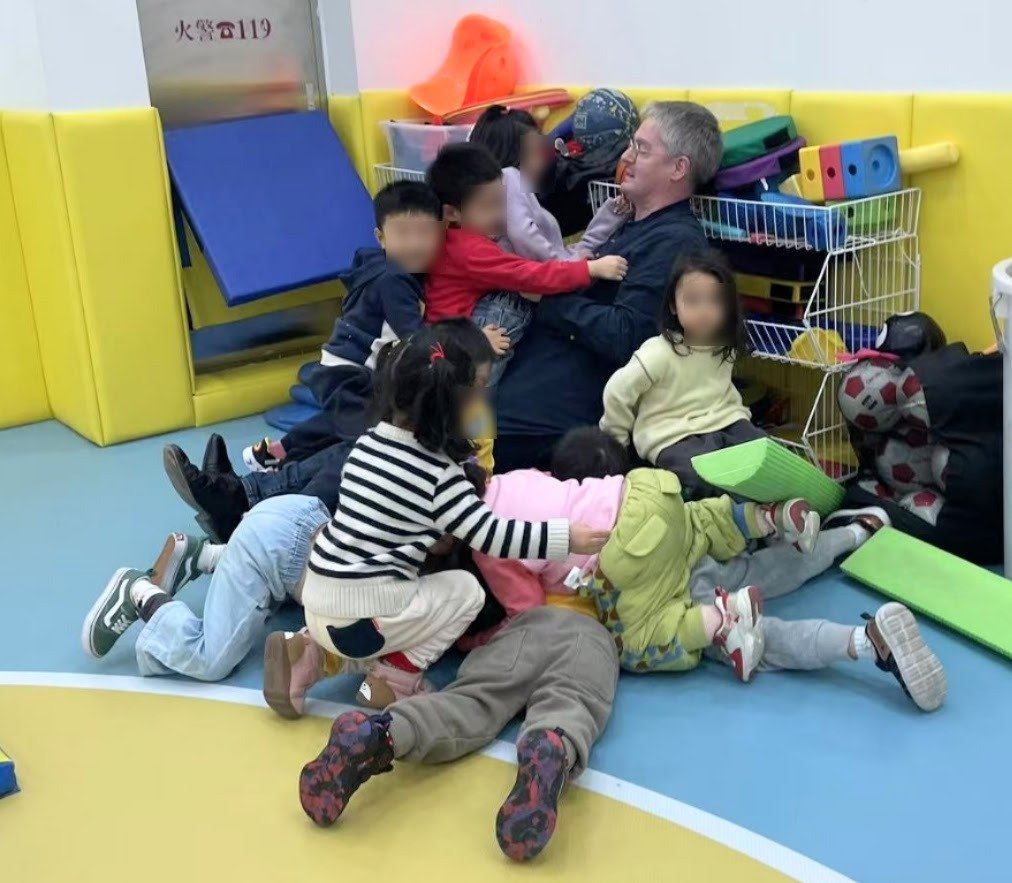
Presentations
Despite what I’ve written above about the excessive emphasis on presentations, they are a necessary and key element of the Montessori approach. Perhaps the single greatest difference between the role of a traditional teacher and that of a Montessori guide is the teaching bit: in traditional education all of the children are taught the same thing at the same time. In Montessori education the children are individually presented with a piece of material that is aimed at their precise needs and interests:
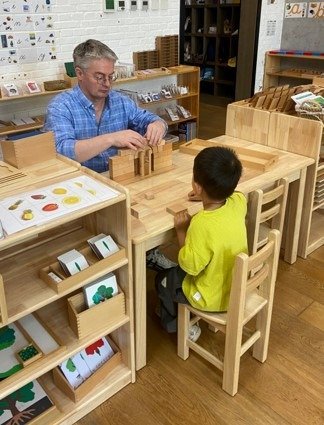
- Maria Montessori, The Discovery of the Child, p.151.

Every fortnight I create an individualised Lesson Plan for each child, based on their needs and interests, and refer to this plan when deciding which lessons to give. Inevitably, the plans are different for different children, and although there might be some overlap within age groups, the presentations that I give to a 5-year-old are generally more advanced than the ones I give to a 4-year-old or a 3-year-old, who are at a quite different stages in their learning journey. Almost all presentations are given to individual children, but occasionally I will present something like a science experiment to the whole group.
Presentations are brief and convey the most basic information necessary for the child to use the materials -the name of the activity, where it can be found in the environment, and how to use it- but sufficient to intrigue the child and serve as a springboard for further investigation and discovery. The precise, beautiful and appealing materials capture the attention of the children, and because freedom of movement and choice are baked into the approach, the child has time and opportunity to repeat and practice, so mastery is achieved through trial and error.
- Maria Montessori, The California Lectures of 1915, pp.31–33.
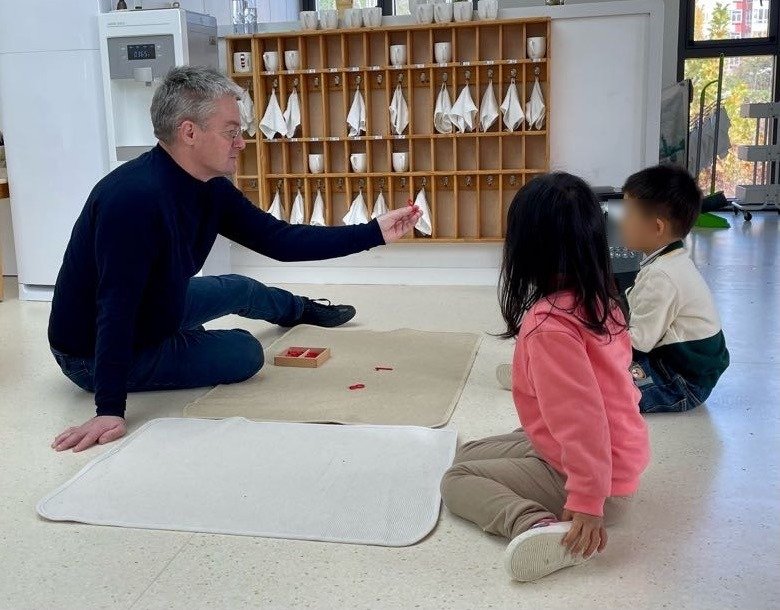
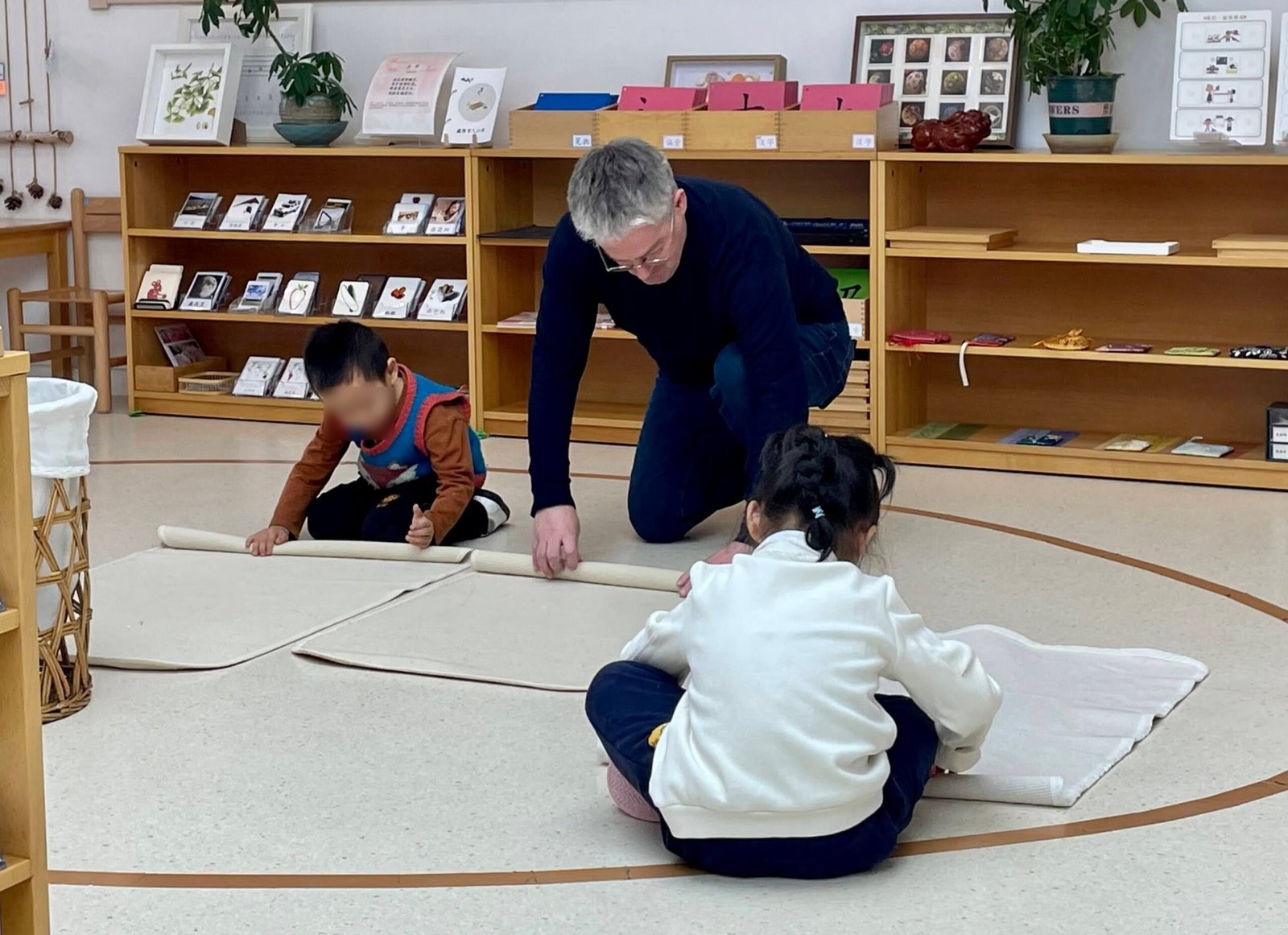
After the child has been introduced to the material and afforded the opportunity to explore, I return and refine and deepen understanding and provide language if necessary:
- Maria Montessori, The Discovery of the Child, p.153.
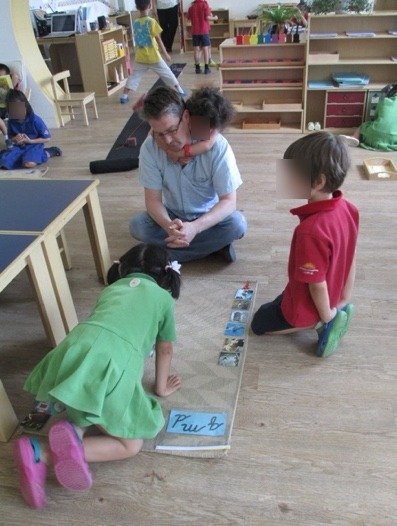
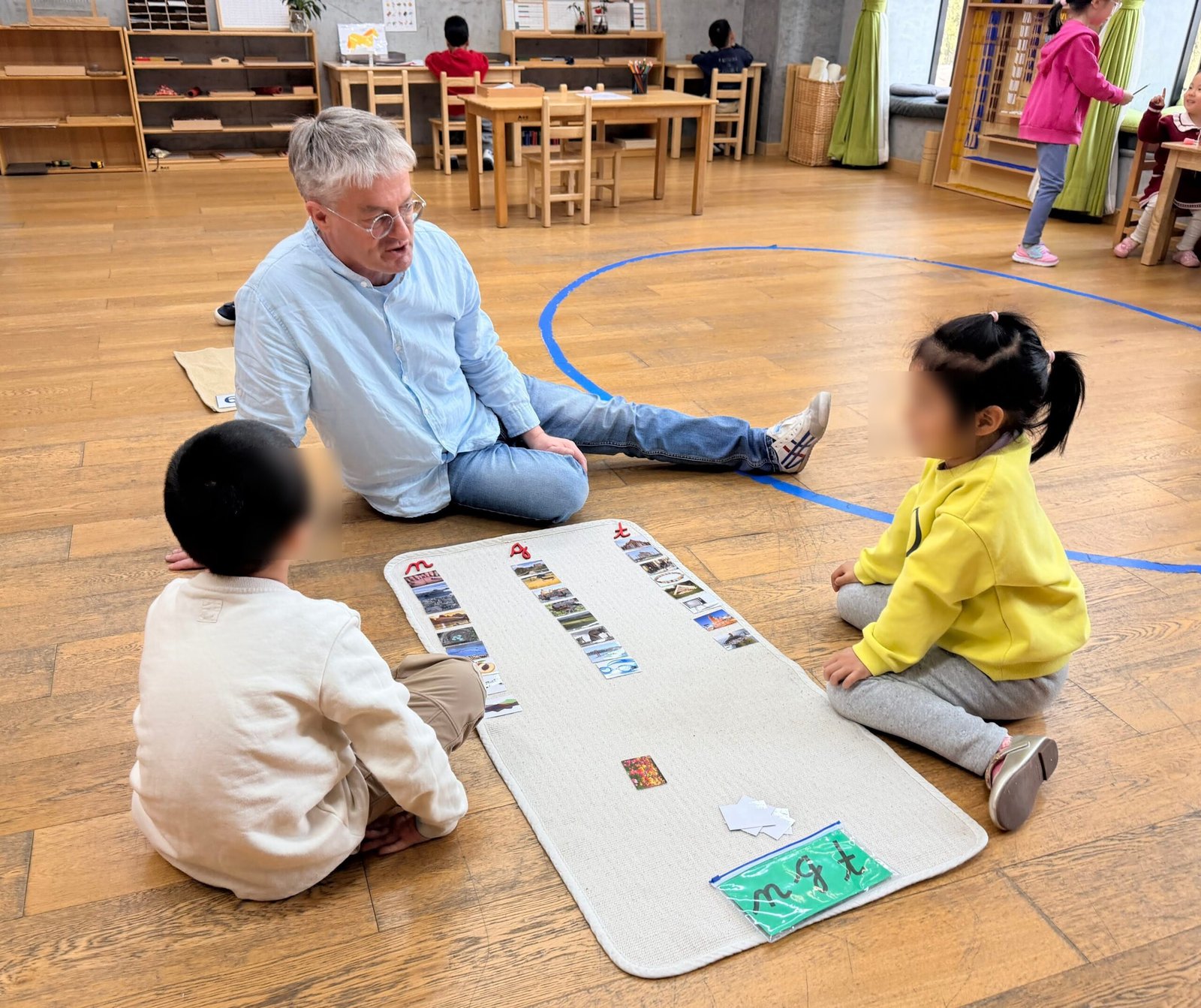
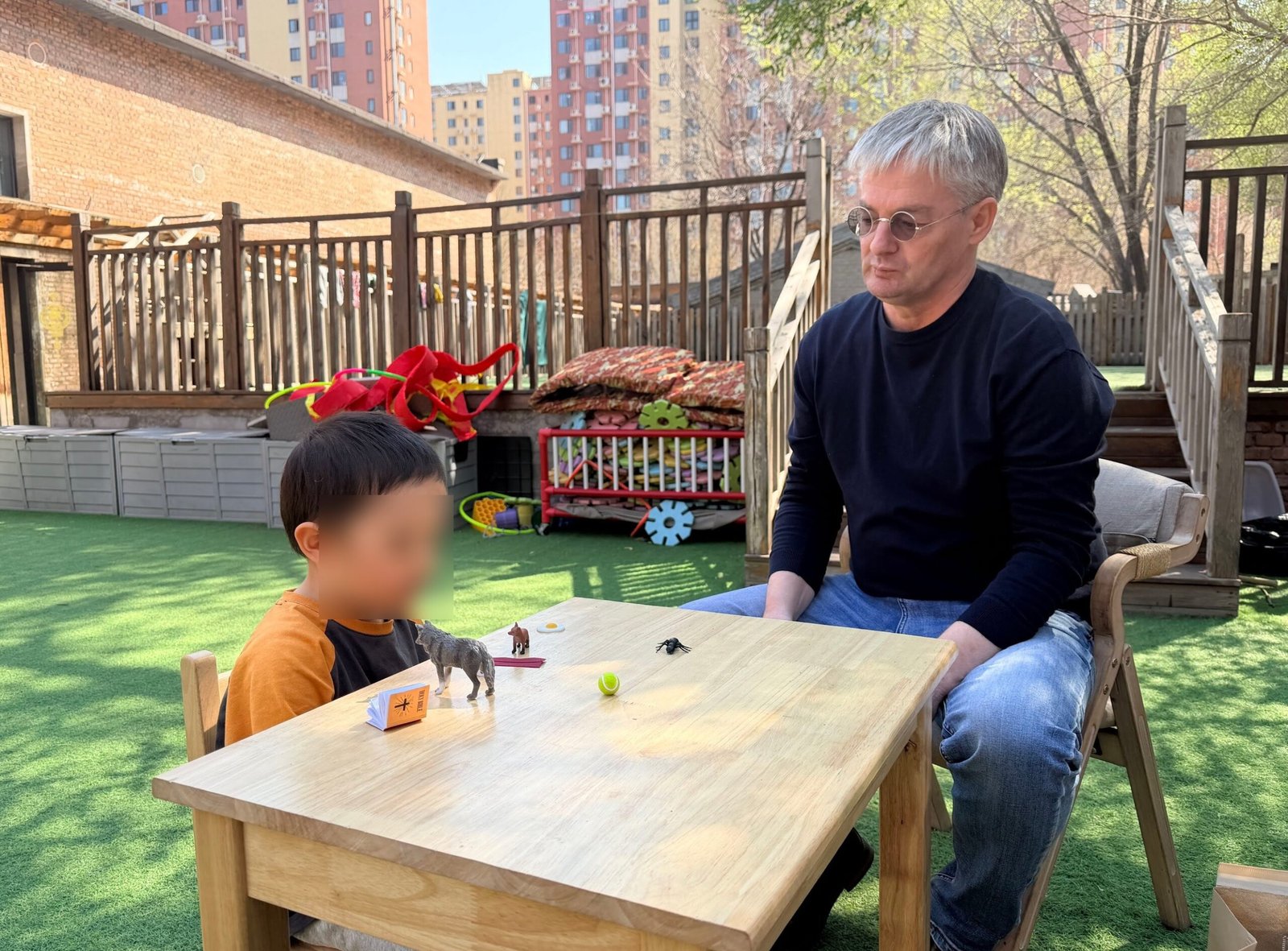
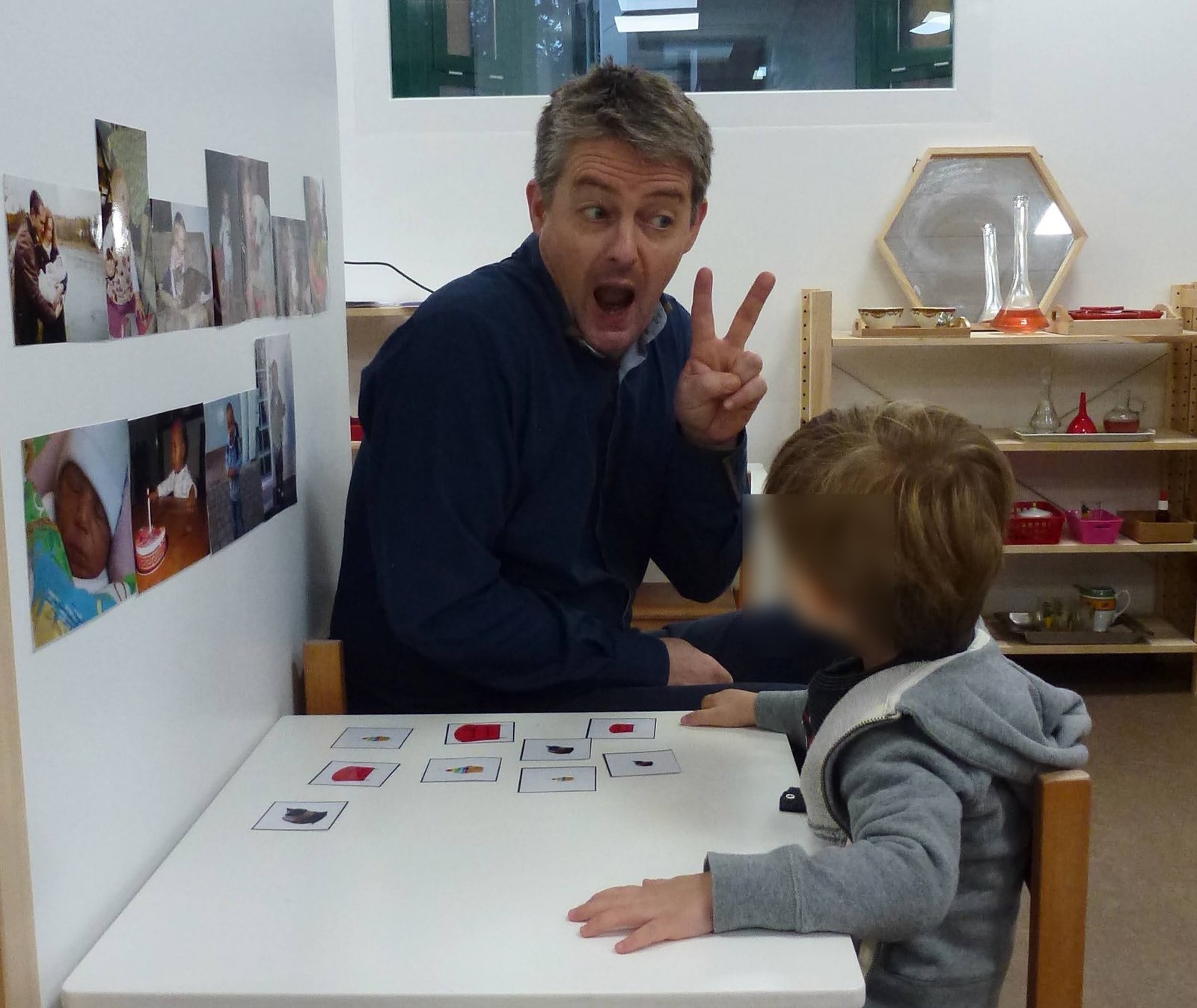
But even if the class is calm, there’s still many things that can go wrong. I mentioned that the training largely consists of learning the presentations, but the off things is, my trainers were solely focused on the how of the presentations and had absolutely nothing to say on what I would describe as the practicalities of a presentation: the who, why, the when and the where. In order to fill this gap in the training, I prepared the following guidance, comments, questions and suggestions for my colleagues.
Some Notes on Presentations
Check the materials in advance: if they aren’t ready, don’t give the presentation. For example, if there’s no paper for the Metal Insets, then the child can’t work with them that day. This not only reminds us to be prepared but it also demonstrates to the children that there will be times (in class and in life) they can’t have what they want.
If you aren’t familiar / haven’t practiced with the materials, don’t give the presentation.
Plan where to give the presentation: on a mat or a table? In the middle of the circle or at a table in the corner of the room?
Something to think about for a 3-year-old: are they more controlled sitting in a chair or next to a mat?
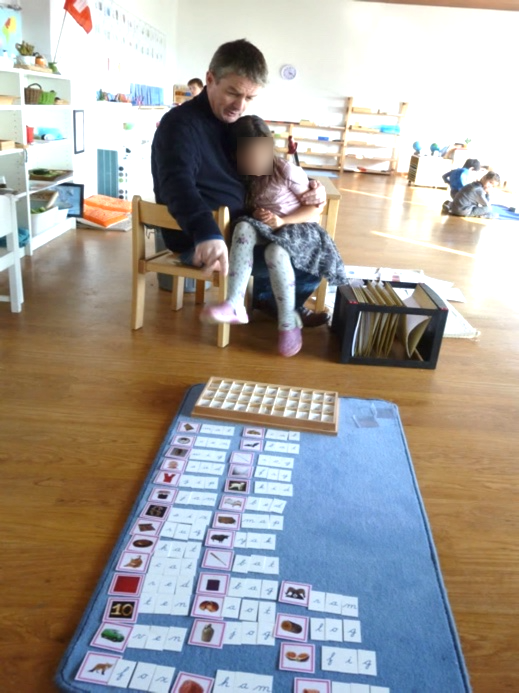
Presentations are given sitting next to the children (when on a table) or facing them (i.e. on the opposite side of a mat). They are not given standing above the child or crouched next to the table. Model how you’d like the child to sit and sit yourself.
A lesson begins when we invite the child and isn’t finished until the child has returned the materials to their proper place on the shelf.
Lessons are always more effective when they’re silent. Try not to speak and don’t respond if the child speaks. If the child insists on speaking, mimicking the silent gesture (placing index finger to lips) is a simple but effective response.
Monitor the child before, during and after the presentation:
Before
Do they seem aimless and/or ready for a presentation? Or are they engaged with something, someone, or looking like they’re taking a break?
During
Are they concentrating? If they’re distracted, wait for them to refocus or gently bring their attention back to the lesson. Sometimes they’re just taking a mental break, so try and gauge their mood and adapt your behaviour to suit.
After
Once you’ve invited the child to work with the materials, quietly and unobtrusively leave, but monitor them from a distance. Is the child mistreating the materials or merely exploring them? Did they seem to grasp the essential aim of the lesson? If yes, can you tell if they’ll soon be ready for the next presentation, or will they have to practice some more?
Once you’ve given the lesson, record it on the Lesson Plan immediately.
If you’ve brought a chair for a lesson, return it to its place once the lesson is finished.
Many teachers get into the habit of giving one presentation immediately after another. What are some disadvantages of this?
Some reasons why a presentation might be ineffective:
The child wasn’t ready (at that moment, on that day, during that week/month). This is a mistake on the part of the guide.
The presentation was unclear or imprecise. This is a mistake on the part of the guide.
The conditions in the room prevented the child from concentrating. This is a mistake on the part of the guide.
There’s a lot to consider, but once you know your children, the job becomes much easier, and a facial gesture or a quick question can be all the guidance they need. An example of this was the time when 8 of my children were grading 8 Bells. In this game, the children not only have to be able to distinguish the different notes but -more importantly- they also need to be able to cooperate so they can arrange themselves in a diatonic scale.
I set up this group this group of children, explained how the game worked, then left them to it, only asking that they come get me when they were finished. 10 minutes later they came and rang the bells, but they quite clearly weren’t in sequence, so it was quite jarring. I made a face and they all started laughing. That was the only guidance I offered.
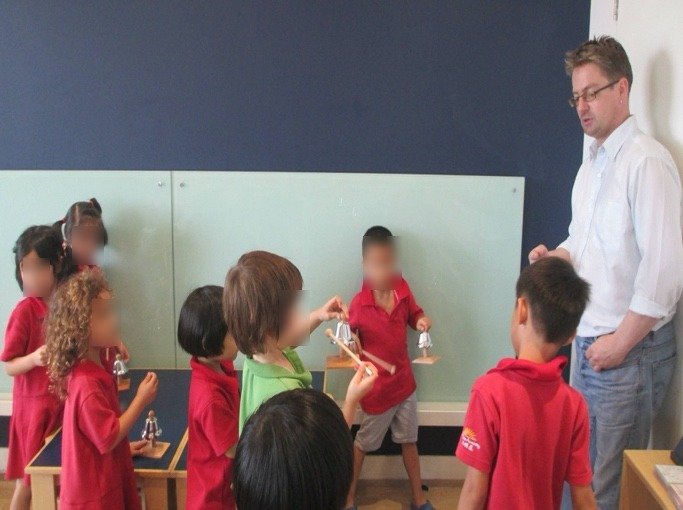
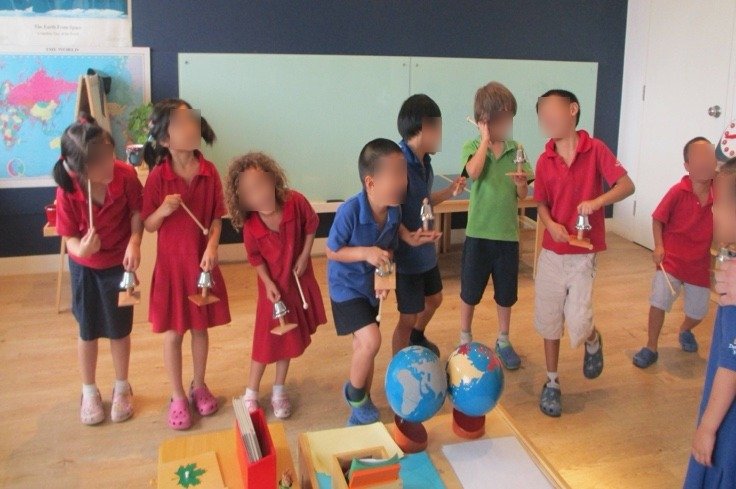
I then asked if they thought it was right and they all shouted ‘no!’ so I once again asked them to come get me when they were finished. A few minutes later they back and, and each child rang their bell. This time it was very obviously perfect, but I didn’t say anything beyond repeating my question and they shouted/laughed in unison, ‘yes!’
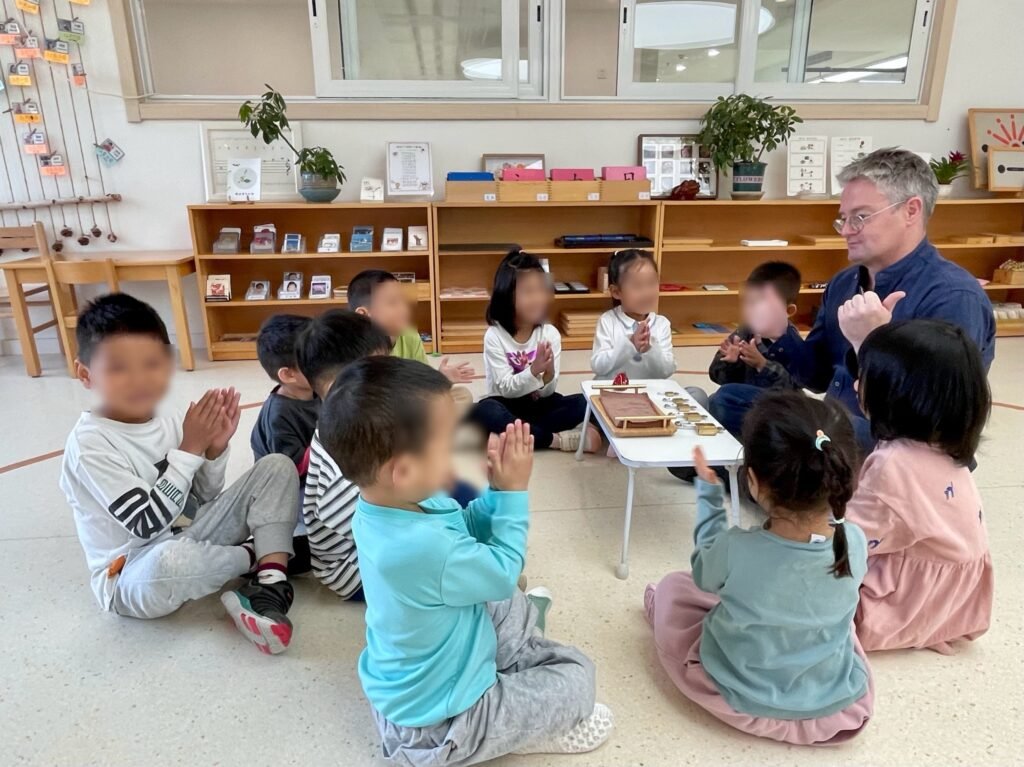
As I say, the more time you spend with the children the more you get to know their characters and the smallest tweak can be all that’s required to guide them. And from time to time, you can be pretty sure you’ve gotten something right, because the children will break out in a spontaneous round of applause.
A final thought on presentations
As I’ve written above, one of the odd things about the AMI teacher-training is the massive emphasis that is placed on the presentations. Equally puzzling is the fact that you will fail the final exams unless all students present the materials in in precisely the same way, precisely as our trainers told us to do it. If this sounds less than Montessori in spirit, it’s because it is:
E.M. Standing, Montessori, Her Life and Work, p.285.
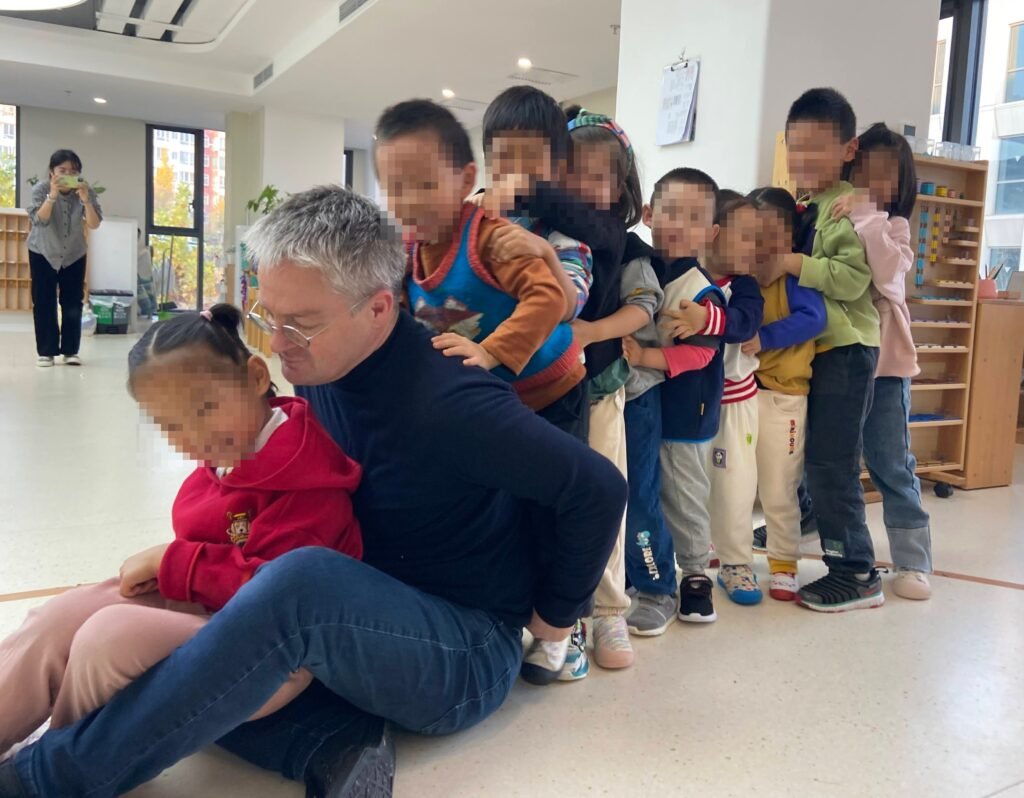
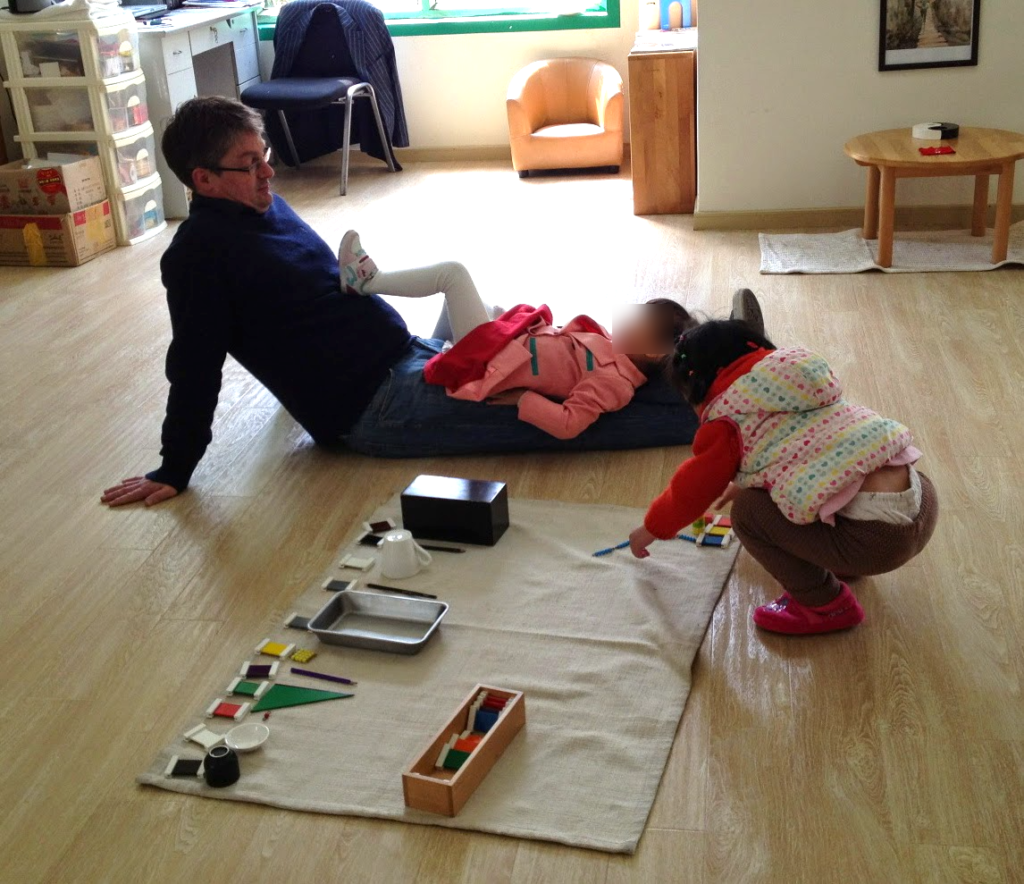
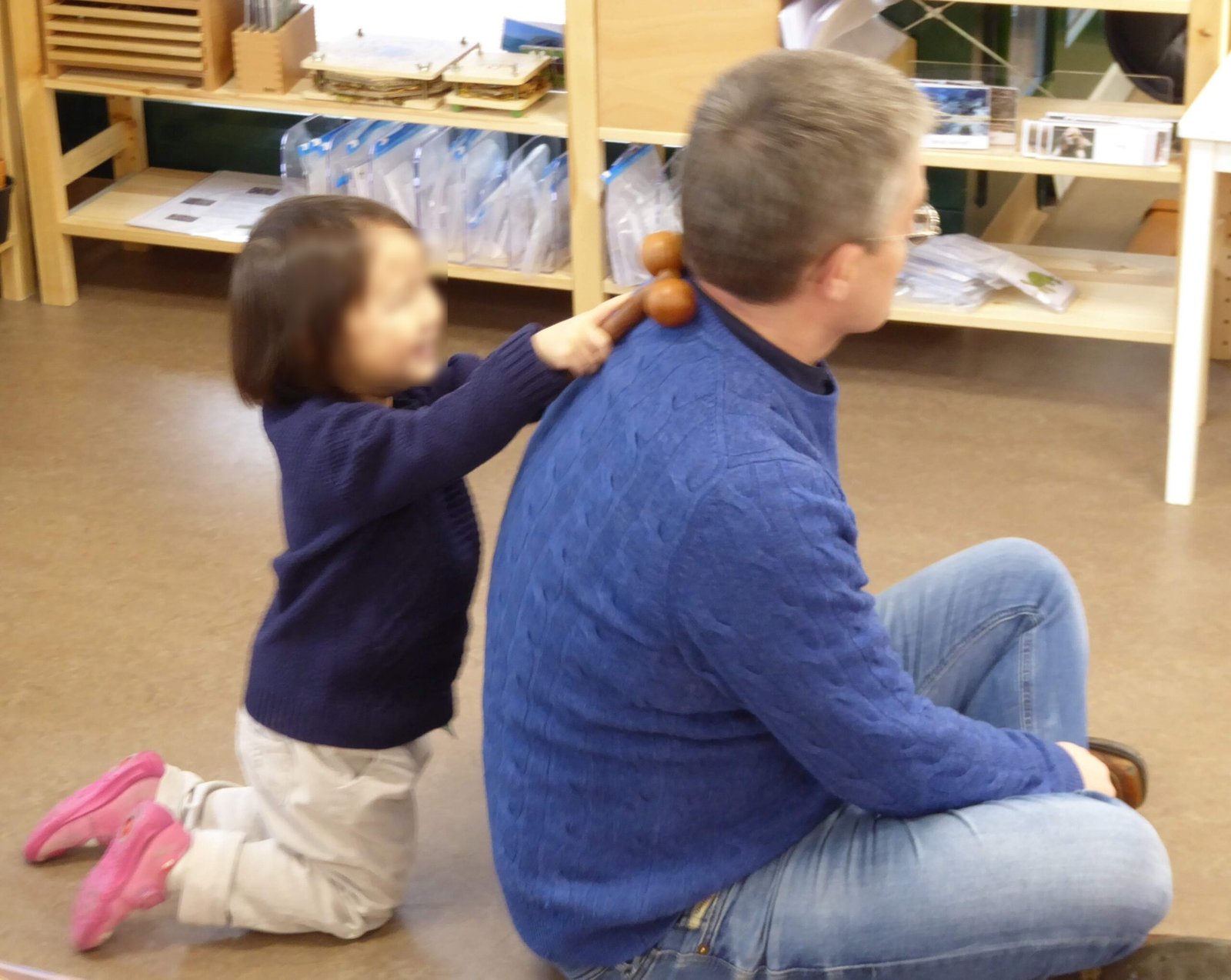
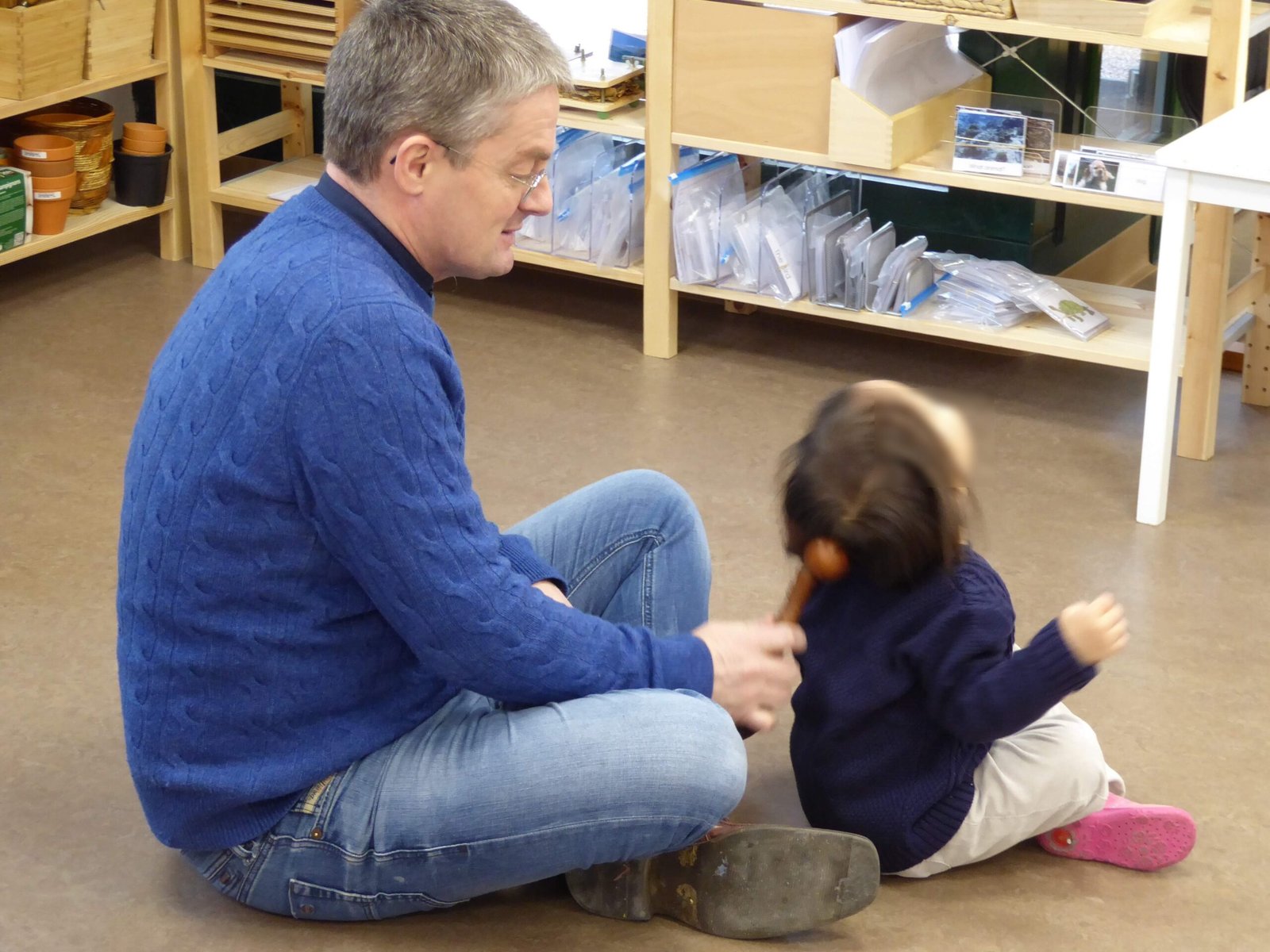
I wish this quotation were better known as it contains a great deal of truth, and in fact anticipated perfectly the rigid and absolute rules of the Association Montessori Internationale. I am in perfect agreement with E.M. Standing that adaptability and responding to the moment is key to my job, and in fact it is often the most enjoyable part. If every child is different, isn’t there a case to be made that every presentation should be different? How boring our jobs would be -and how bored our children would be- if we all did the same thing at the same time and in the same way. Fortunately, I don’t. I believe that you can present Colour Tablets 2 to one child while a second child uses me as a sofa.
Role-Model and Mentor
Maria Montessori spent 60 years lecturing in universities and giving training courses to adults throughout the world, but she rarely taught children. When she opened the first Casa dei Bambini, Montessori charged Candida Nuccitelli, the building porter’s daughter -who had no teaching experience or any kind of academic qualification- with giving lessons to the 40 or 50 children who were in the room. Nevertheless, Montessori had very specific ideas about how her guides should carry themselves:
- Maria Montessori, The Absorbent Mind, p. 277. (1995)
- Maria Montessori, The Secret of Childhood, p.93
- Maria Montessori, The Discovery of the Child, p. 302.
Of course. Remain dignified and gentle and graceful and move slowly and silently at all times. Completely agree, obviously.
Time-frame
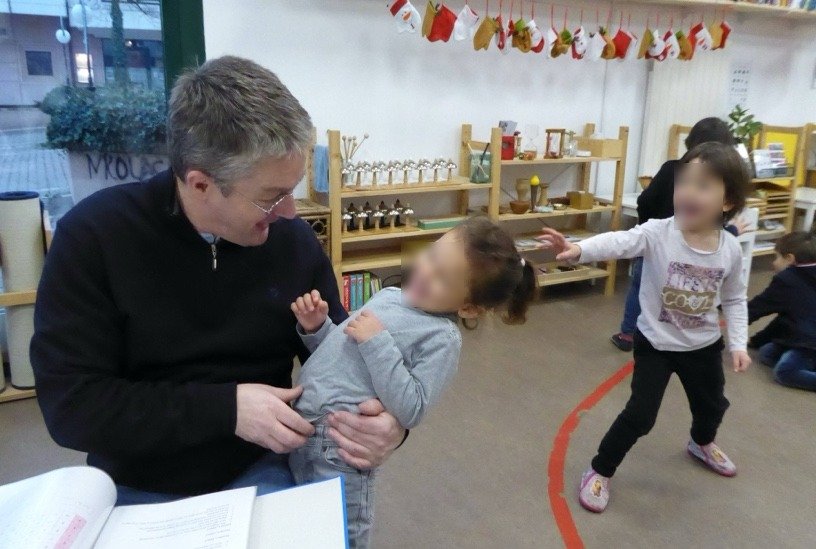
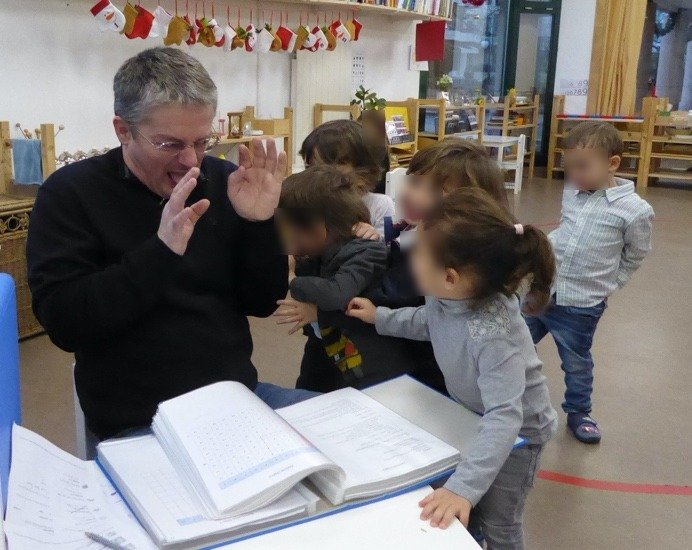
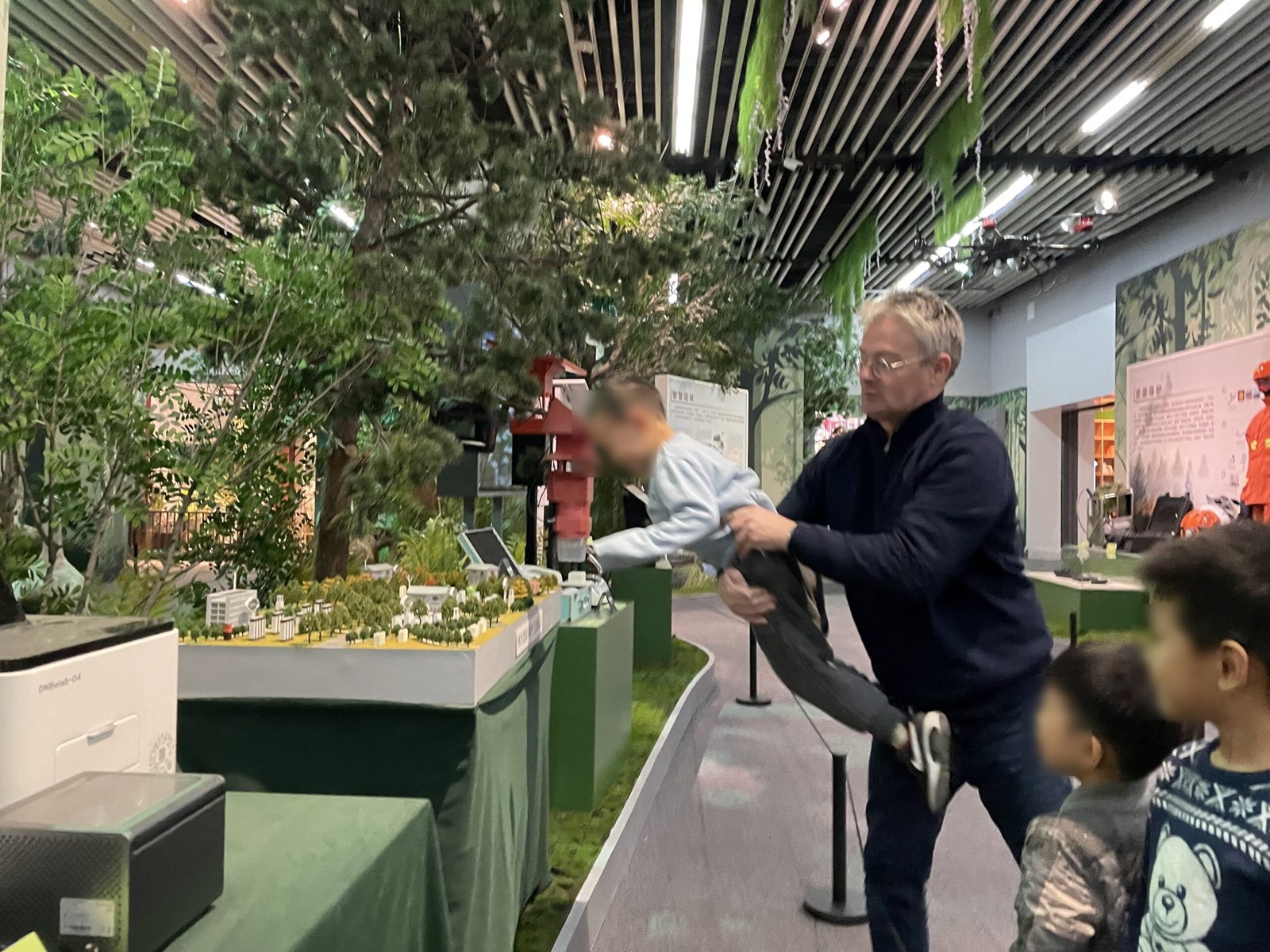
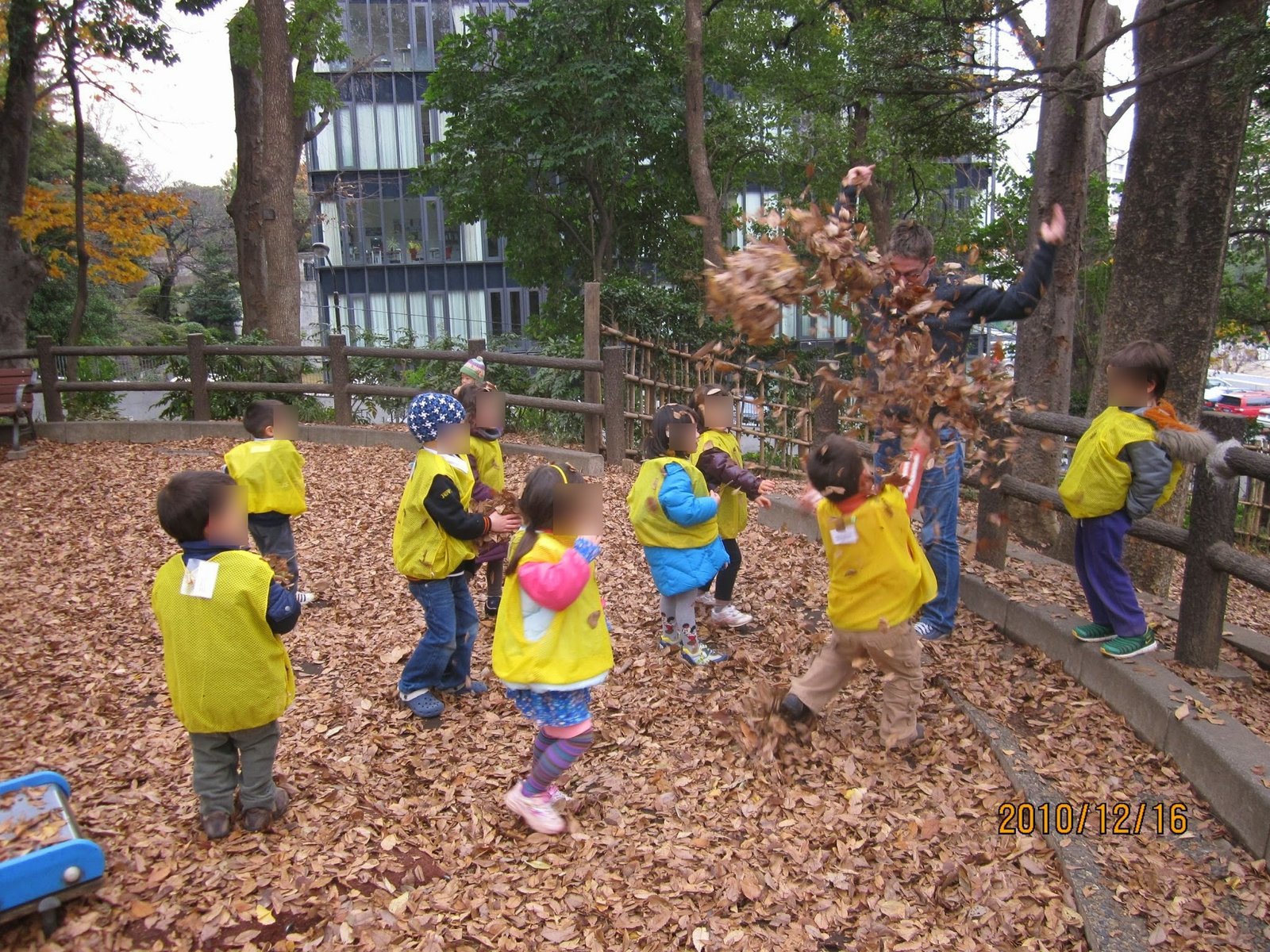
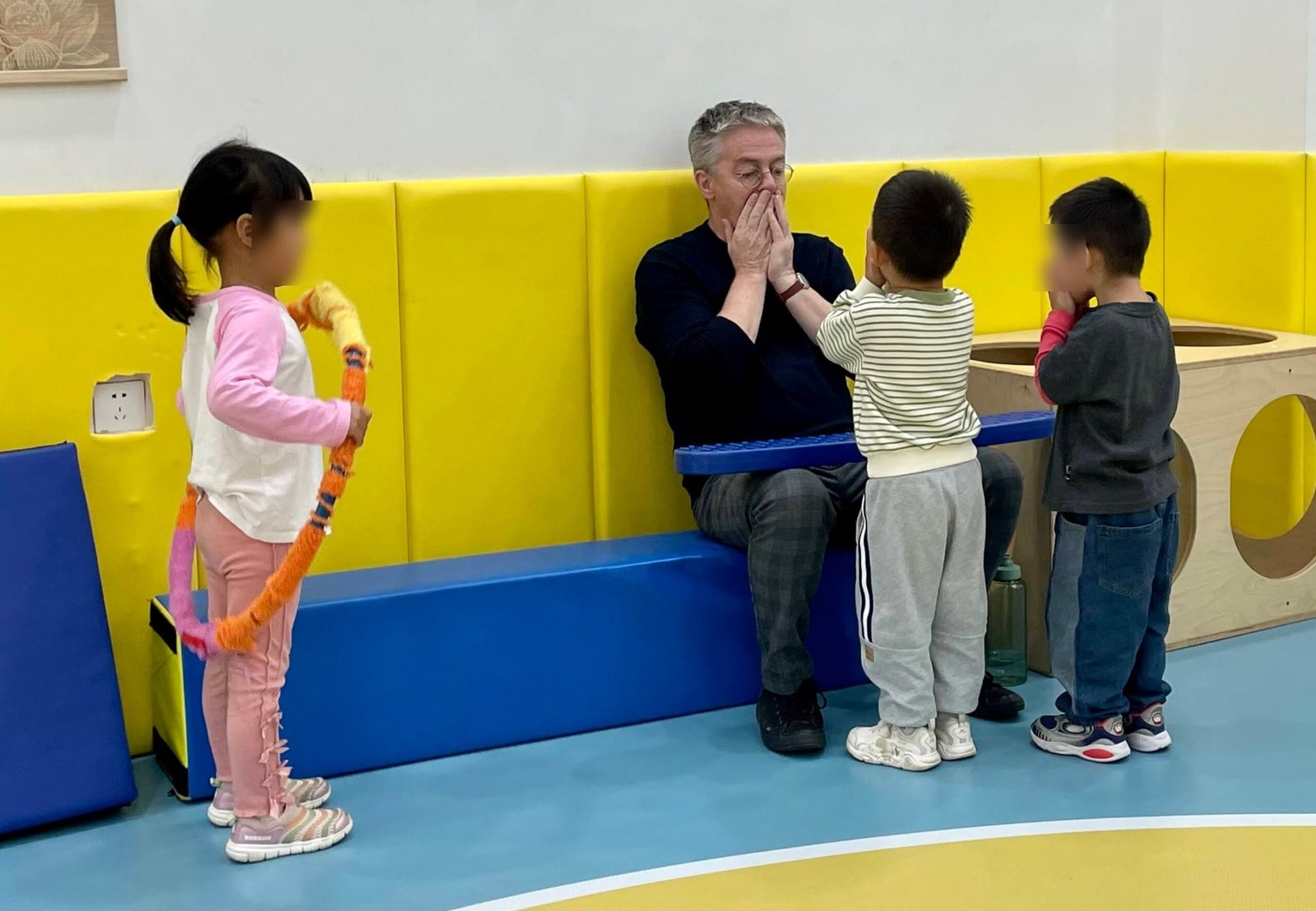
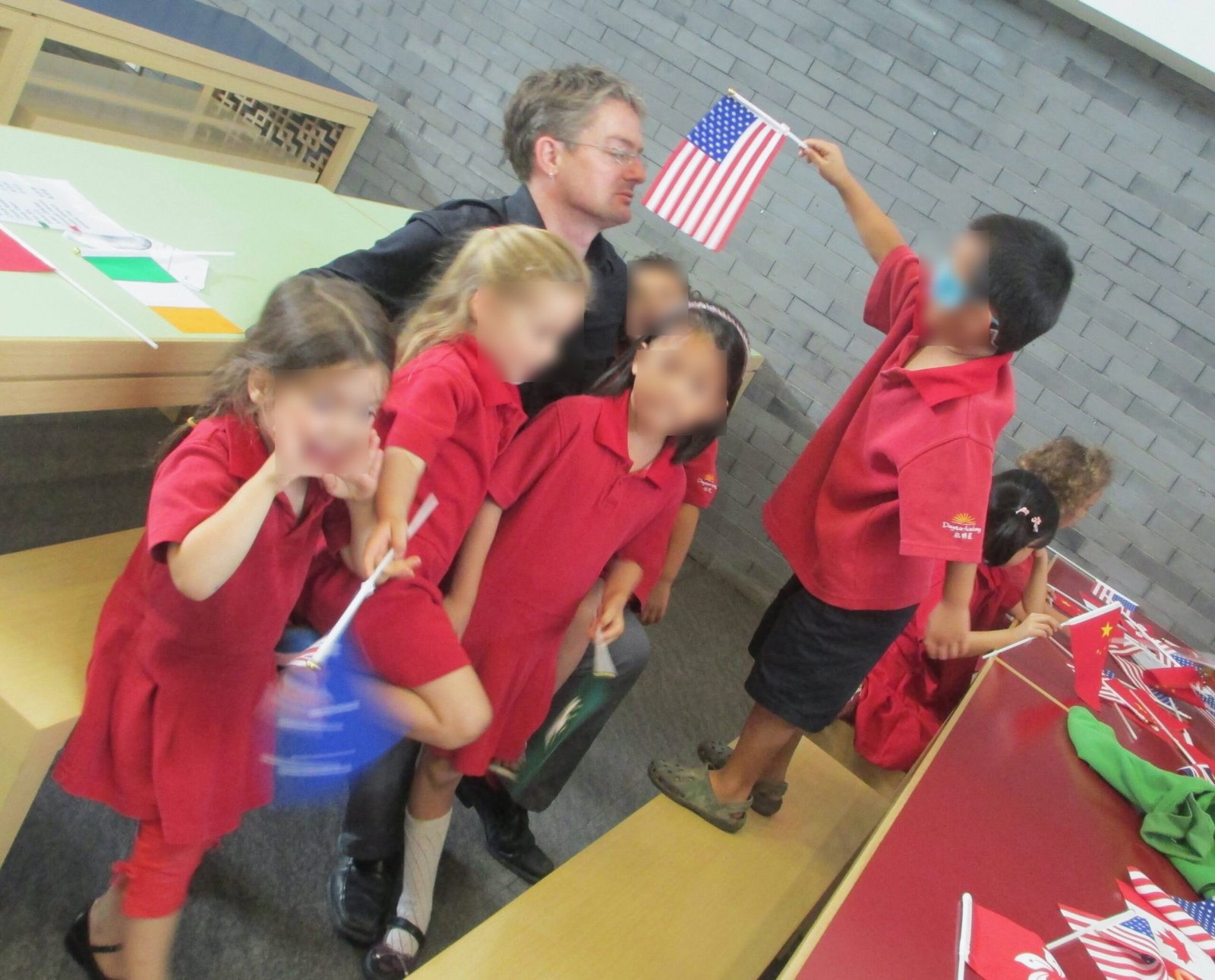
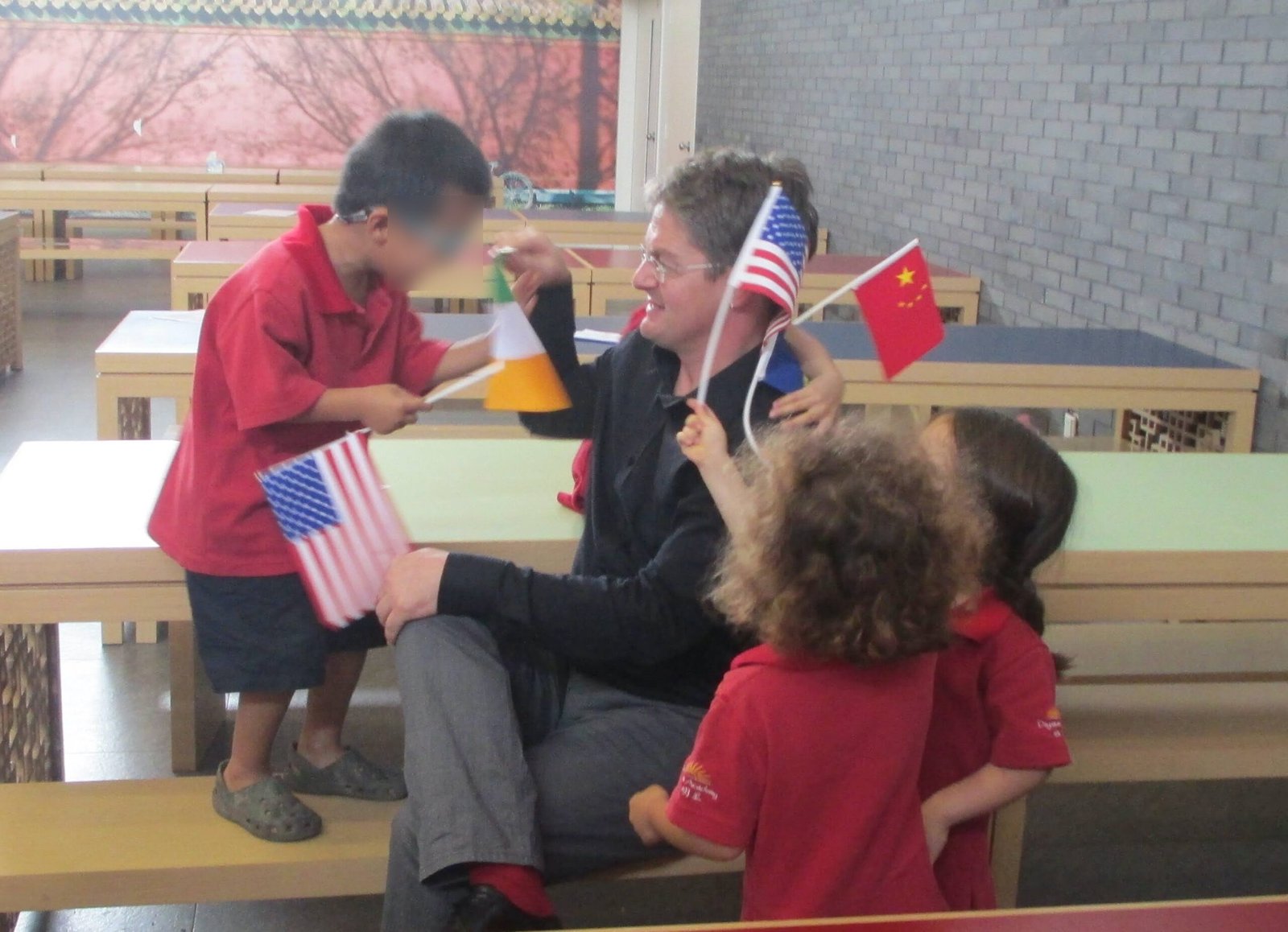
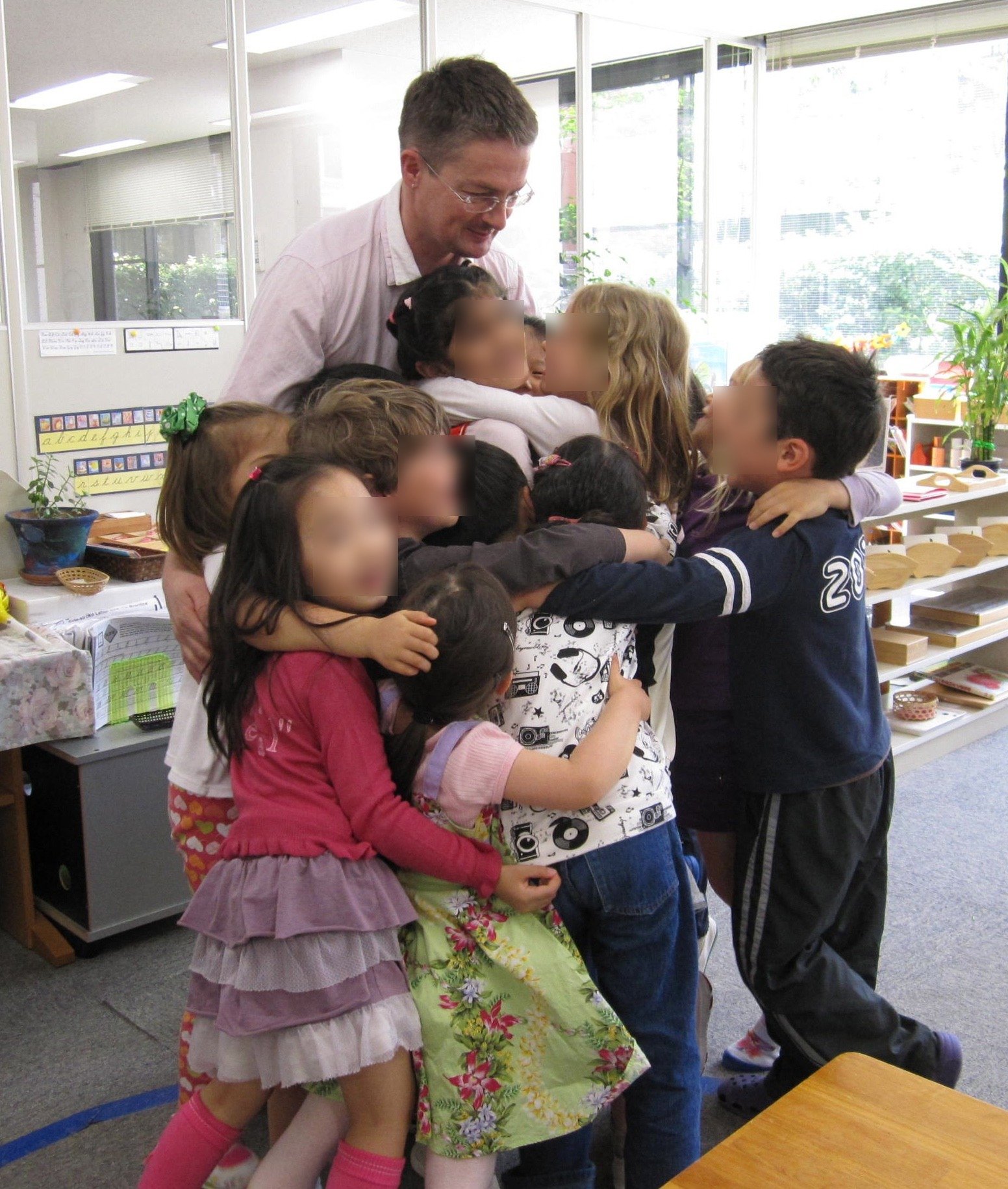
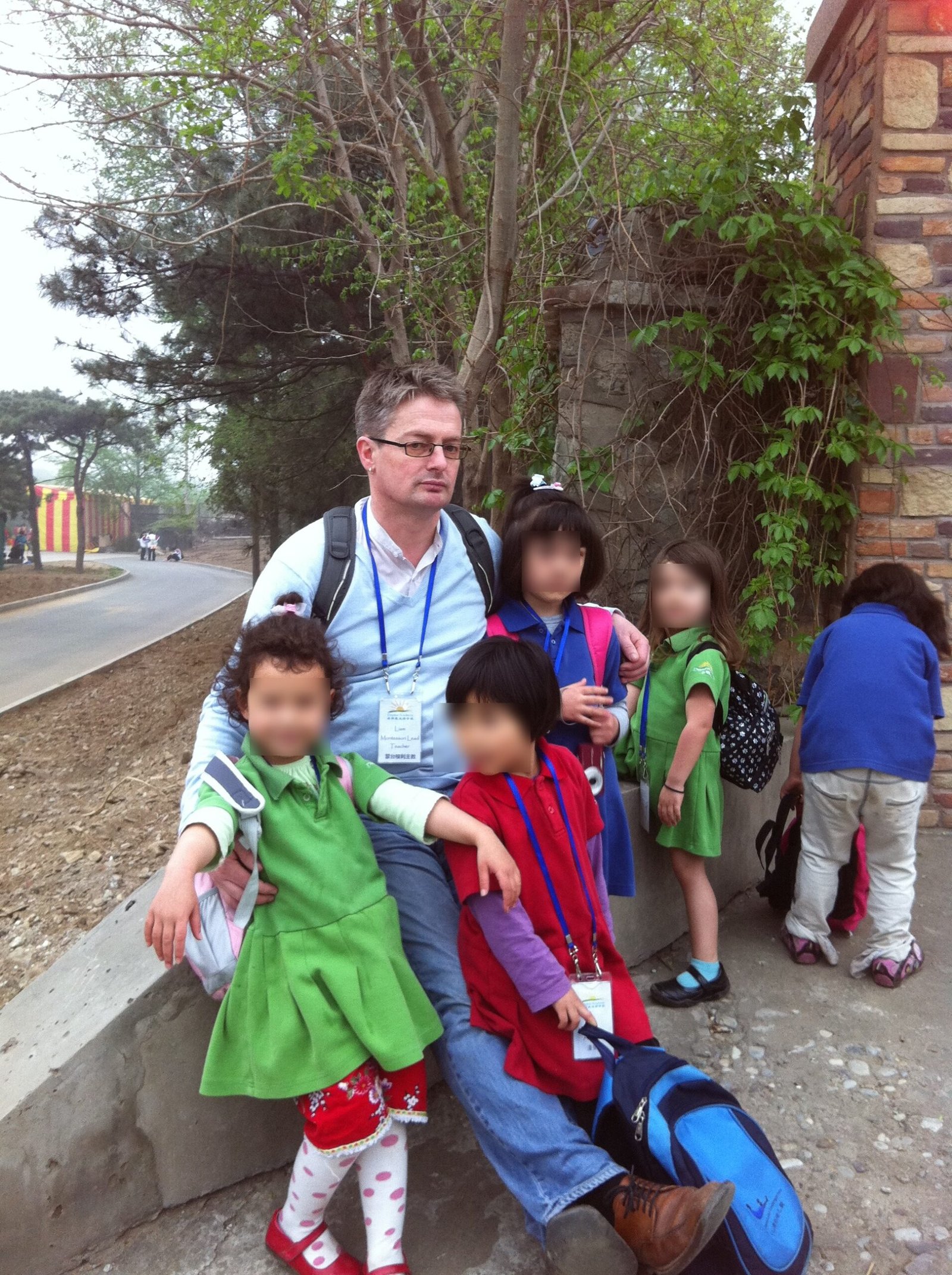
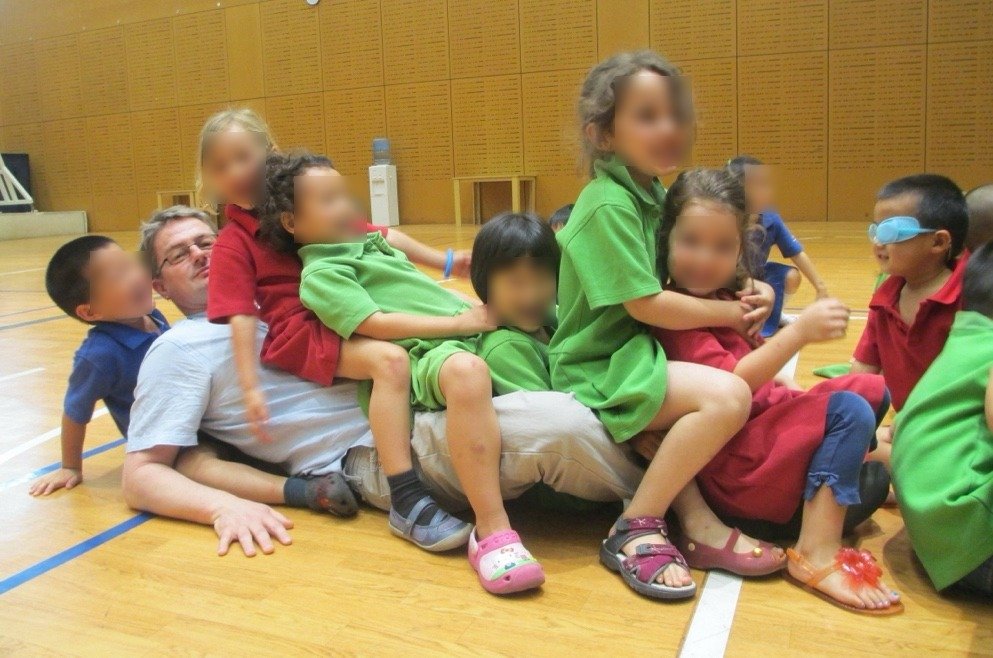
The children -hopefully remain with me for three years and this provides an opportunity for me to develop a knowledge of their learning style, interests, strengths and weaknesses, and an awareness of each child’s uniqueness. Over the course of those three years, I forge deep bonds with the children, and they trust me and then they follow me -a colleague referred to this as The Pied Piper Effect– and this ultimately is the key task of the adult: to gain the trust of the children.
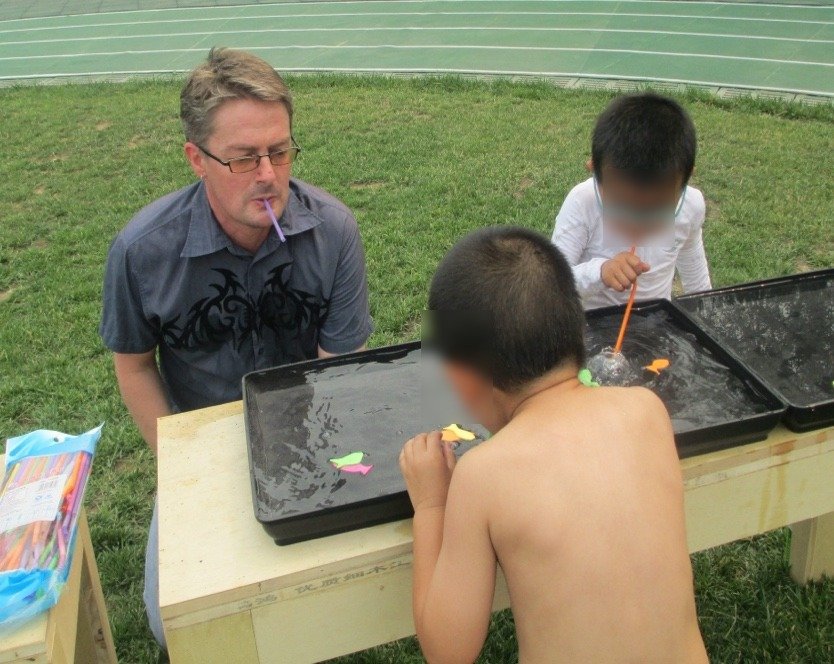
It takes a lot of work but once you do, the job becomes a lot of fun. If I were to give a new teacher one bit of advice, it’s this: make it fun and have fun. That’s what I’ve tried to do anyway.
Some Thoughts on Observation
- Maria Montessori, The Absorbent Mind, p.248.
- John Dewey.

Read pretty much any article on the key qualities of a Montessori Guide and it’ll be clear that one attribute in particular is absolutely paramount:
‘Through careful observation, the Montessori teacher comes to know each student’s interests, learning style, and temperament.’
‘The Montessori teacher is a trained observer of children’s learning and behaviour. These careful observations are recorded and used to infer where each student is.’
‘When he observes that the student has mastered a concept or skill, he introduces new lessons that become increasingly complex and abstract.’
‘to observe, present and guide children through discovery.’
‘unobtrusive, careful observation of both universal and individual needs.’
- Maria Montessori, The Montessori Method, p. 174. (1912)
I’ve witnessed (observed?) the result of this obsession with observation in many of the schools I’ve visited, where it’s depressingly common to see teachers sitting around, furiously jotting down notes like their lives depended on it:
In one school I worked alongside my replacement for the last month of the year. She spent about 75% of the work period observing, 25% giving presentations, and 0% managing the class. When I’d ask if she wanted to share what she’d observed, or how her observation would affect the way she interacted with the children, or what insights she’d gained from this glut of observation, she’d look at me with pity in her eyes and share pearls of wisdom like, “Well, Liam, every child is different” or “It depends on the child” or “I’m following the child” or one from her mental stockpile of other similarly profound statements.
The odd thing was, after weeks of observations, she never added or subtracted anything from the Lesson Planner, never made an effort to connect the children with their classmates, never altered the materials on the shelves, never in fact did anything that had any practical consequence in the class.
So, I guess my question is: what’s with all the careful, scientific, trained, unobtrusive observation? And is there any connection between teachers spending hours on end jotting down notes, and the fact that many of these very same teachers quit the job after a year or two or -even worse- keep teaching and creating classrooms that are Montessori in name only? I wonder.
A Final Thought
- Maria Montessori, ‘The Montessori Method’, Chapter 2, History of Methods, P. 87. (1912)

This is my favourite quote by Maria Montessori because it captures a truth that I have never seen discussed but which is of paramount importance: our job is tremendously valuable and can be tremendously enjoyable, but it is also tremendously draining. Every day we give some essential part of ourselves to the children, school finishes and we go home, utterly spent and exhausted, and eventually we collapse into sleep.
And the next day we give it all again. In Loco Parentis.
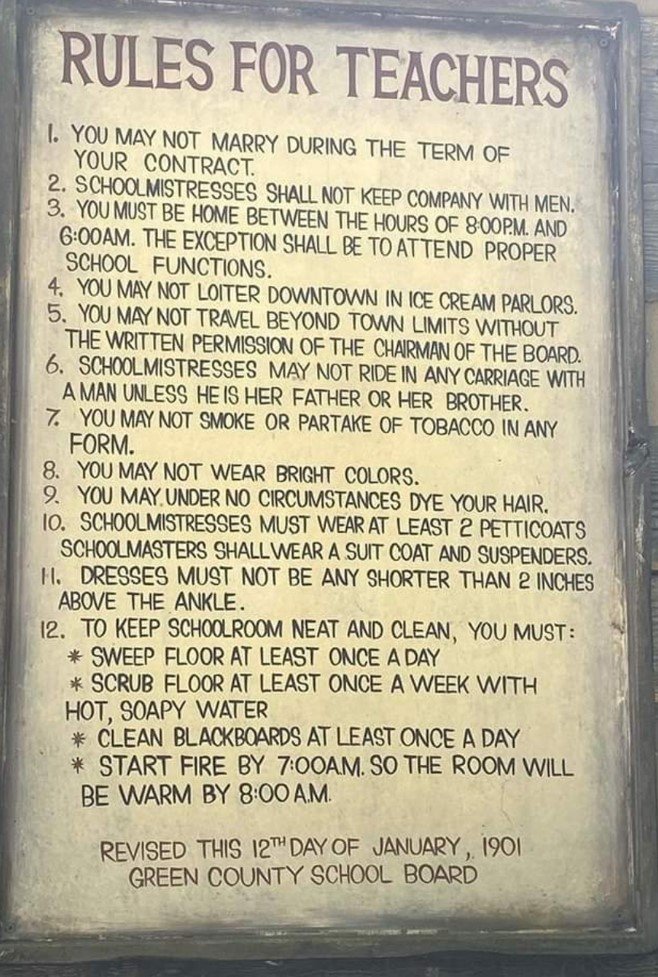
But at least we don’t work for the Green County School Board.