A Montessori Journey
1969 – 1988
Childhood in Ireland
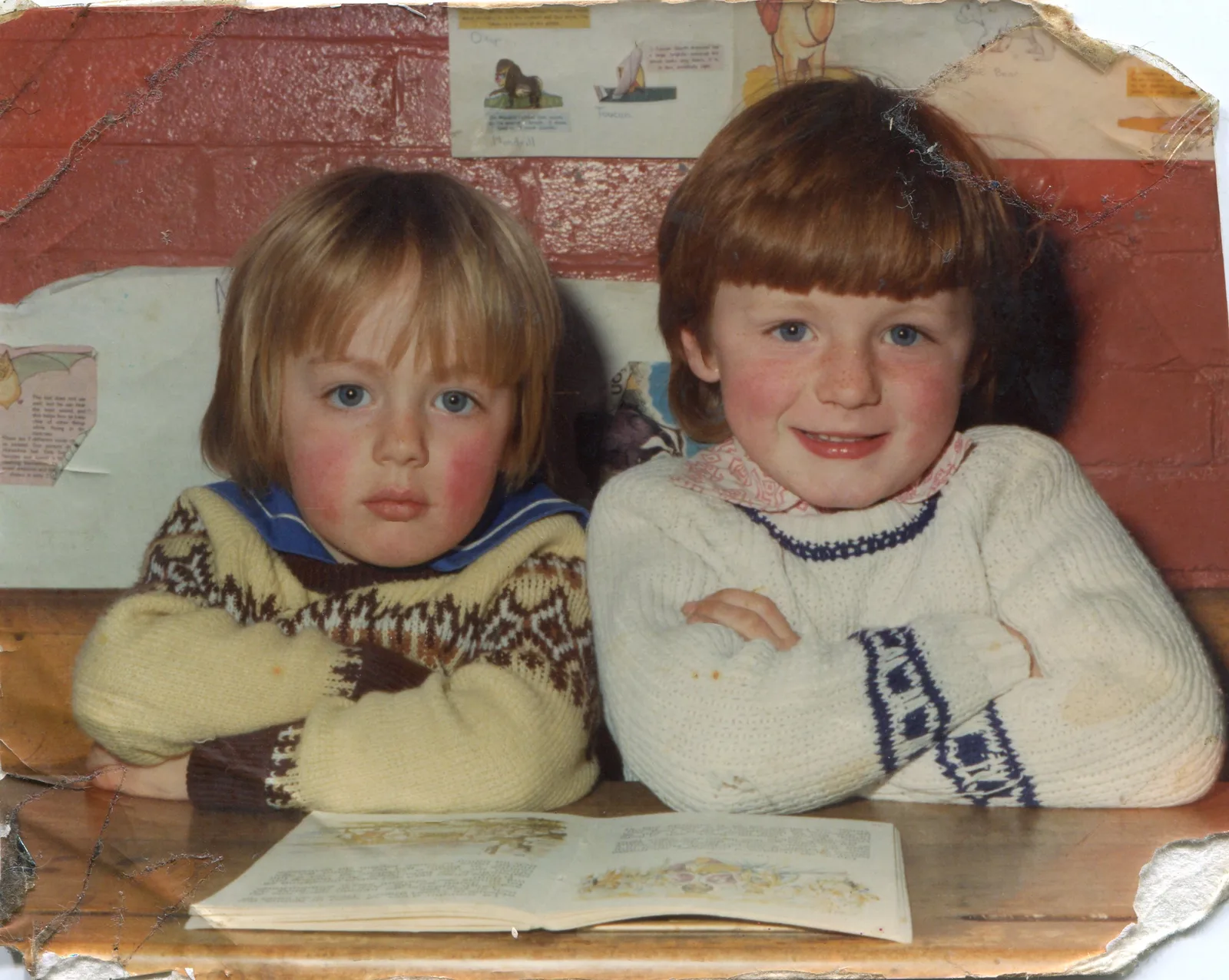
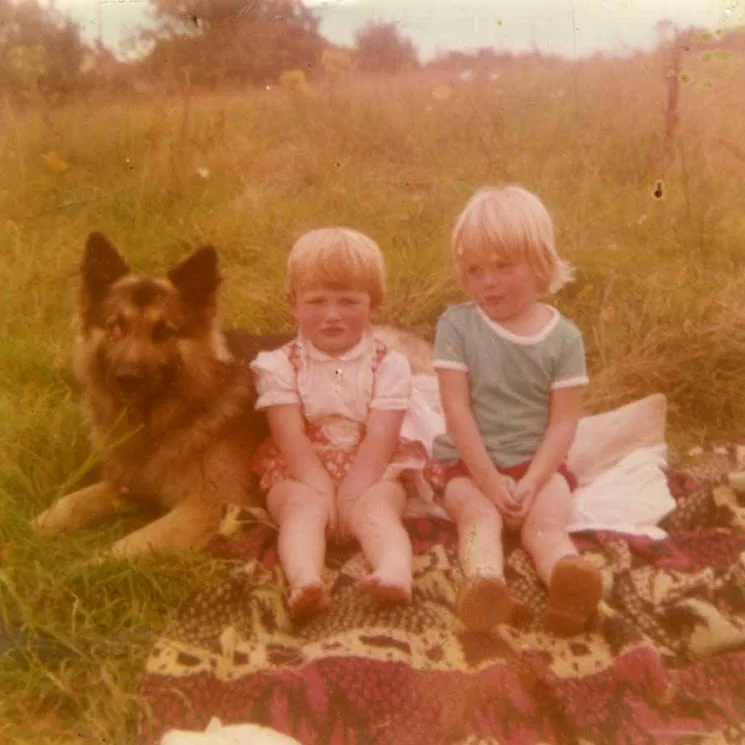
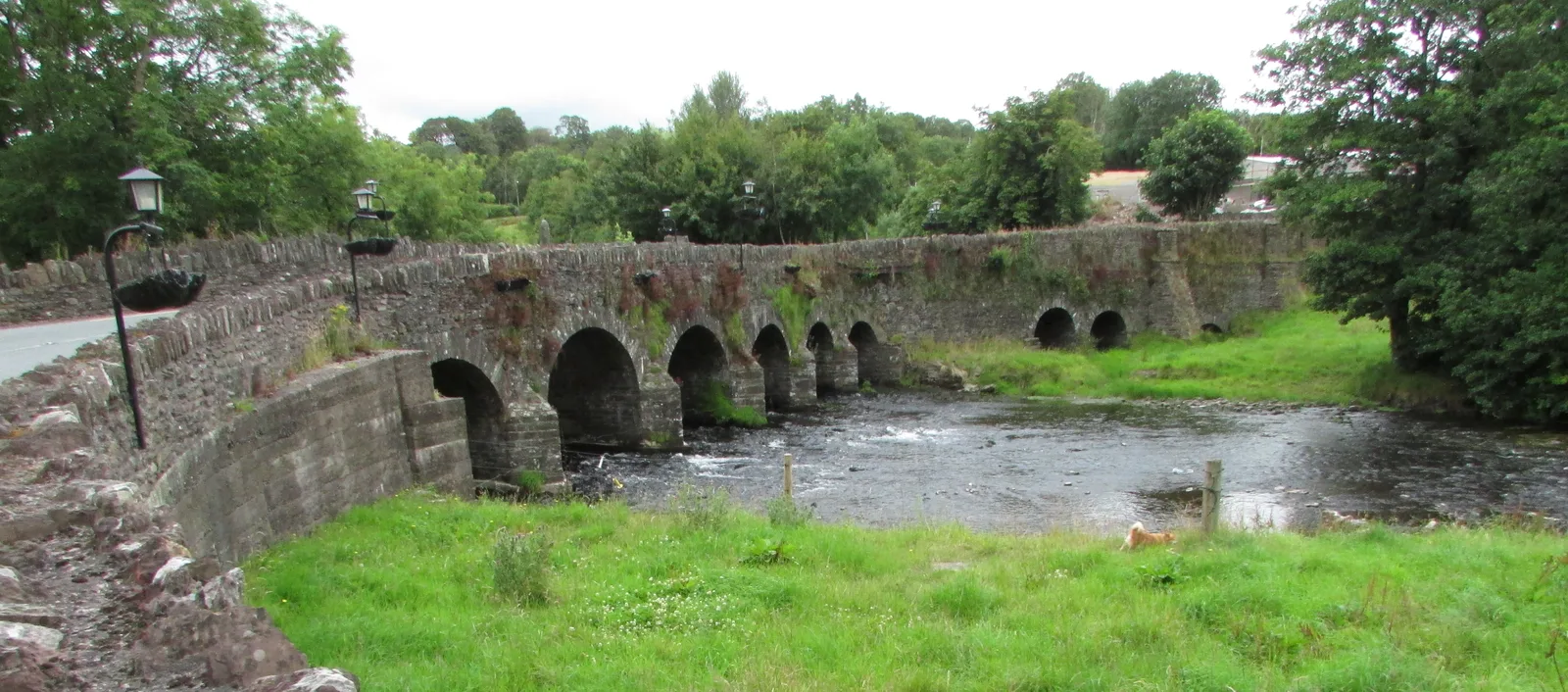
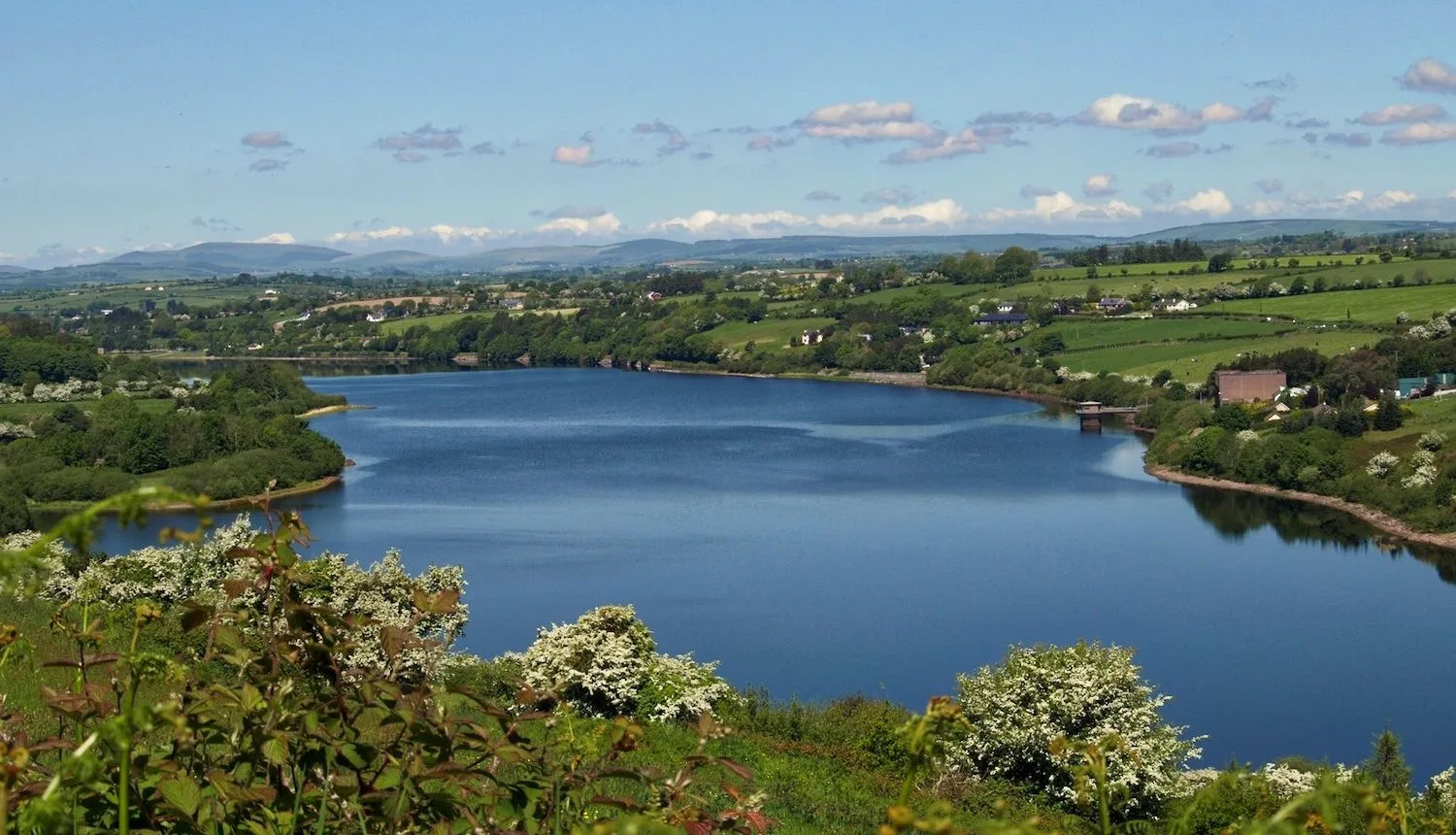
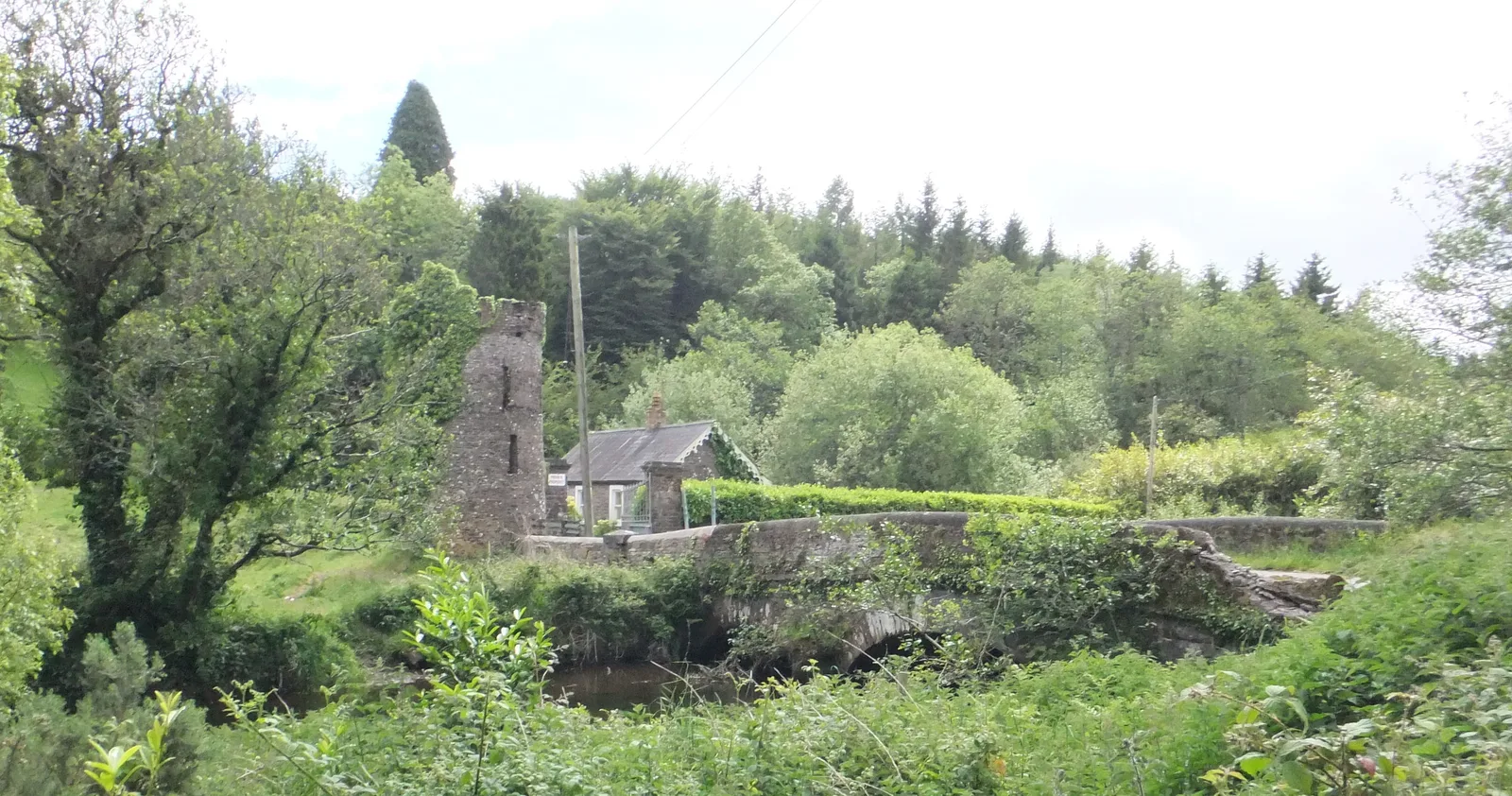
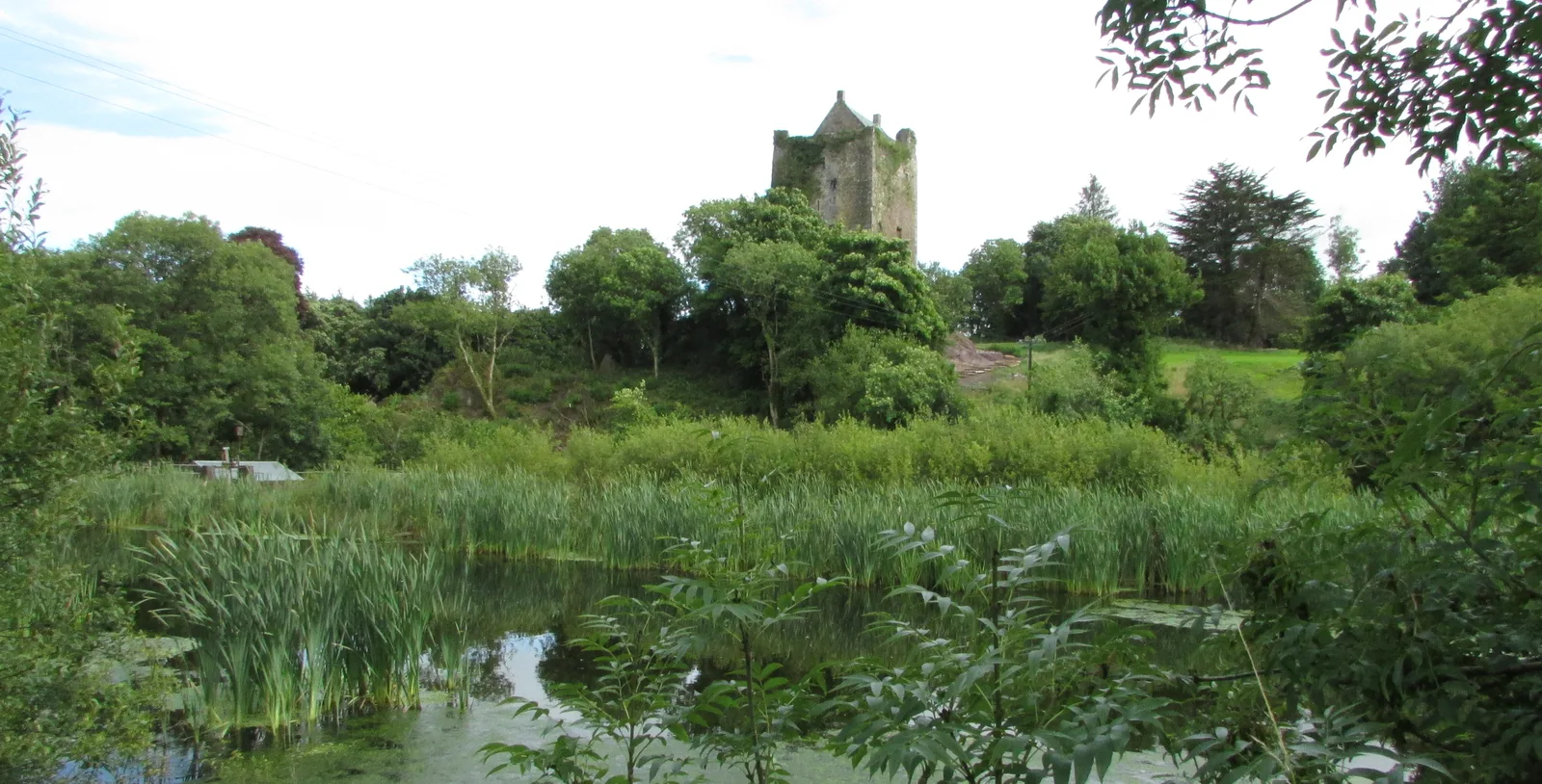
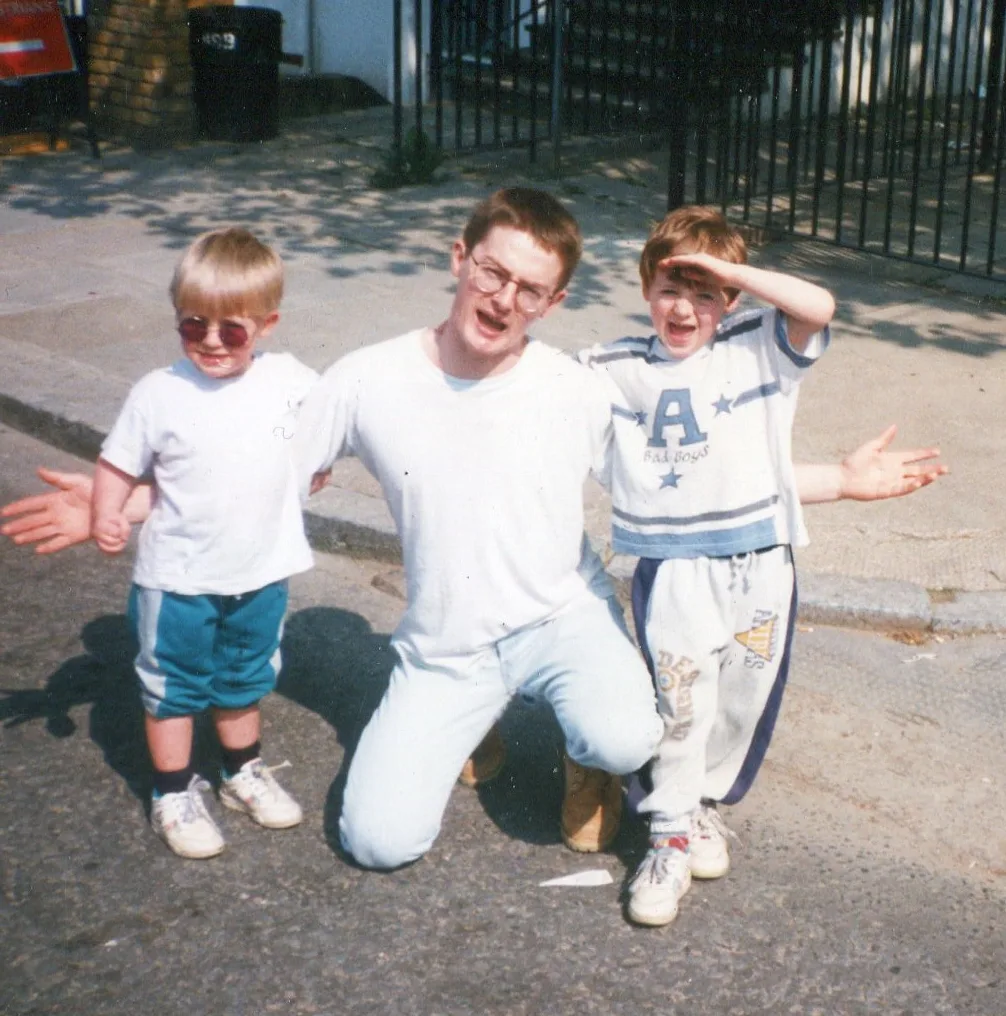
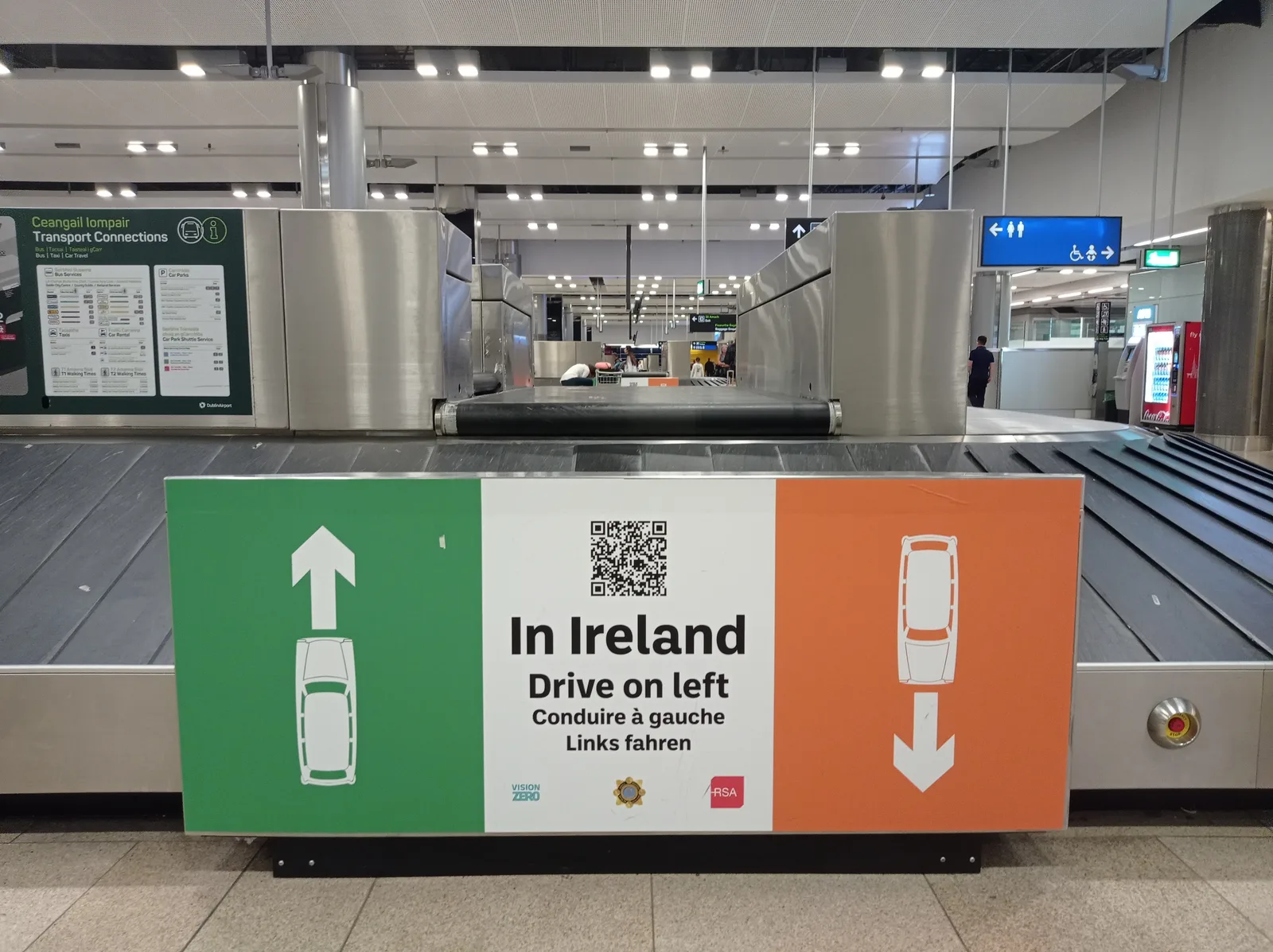
I was born in Ireland and grew up in the countryside, in a big family and a small village (population: 200) that was surrounded by fields, rivers, lakes and castles.
It was the kind of environment where children would disappear off into the fields and woods and no-one was worried about their safety of when or how (or if) they might come home. This might be the wellspring from which sprung my belief in the important of facilitating children’s independence.
During the summer holidays all the kids in the village jumped on our bikes and cycled to the lake for a day of swimming. Inniscarra Lake, a man-made reservoir formed in the 1950s when Inniscarra Dam was constructed by the Electricity Supply Board.
1988 – 1998
London
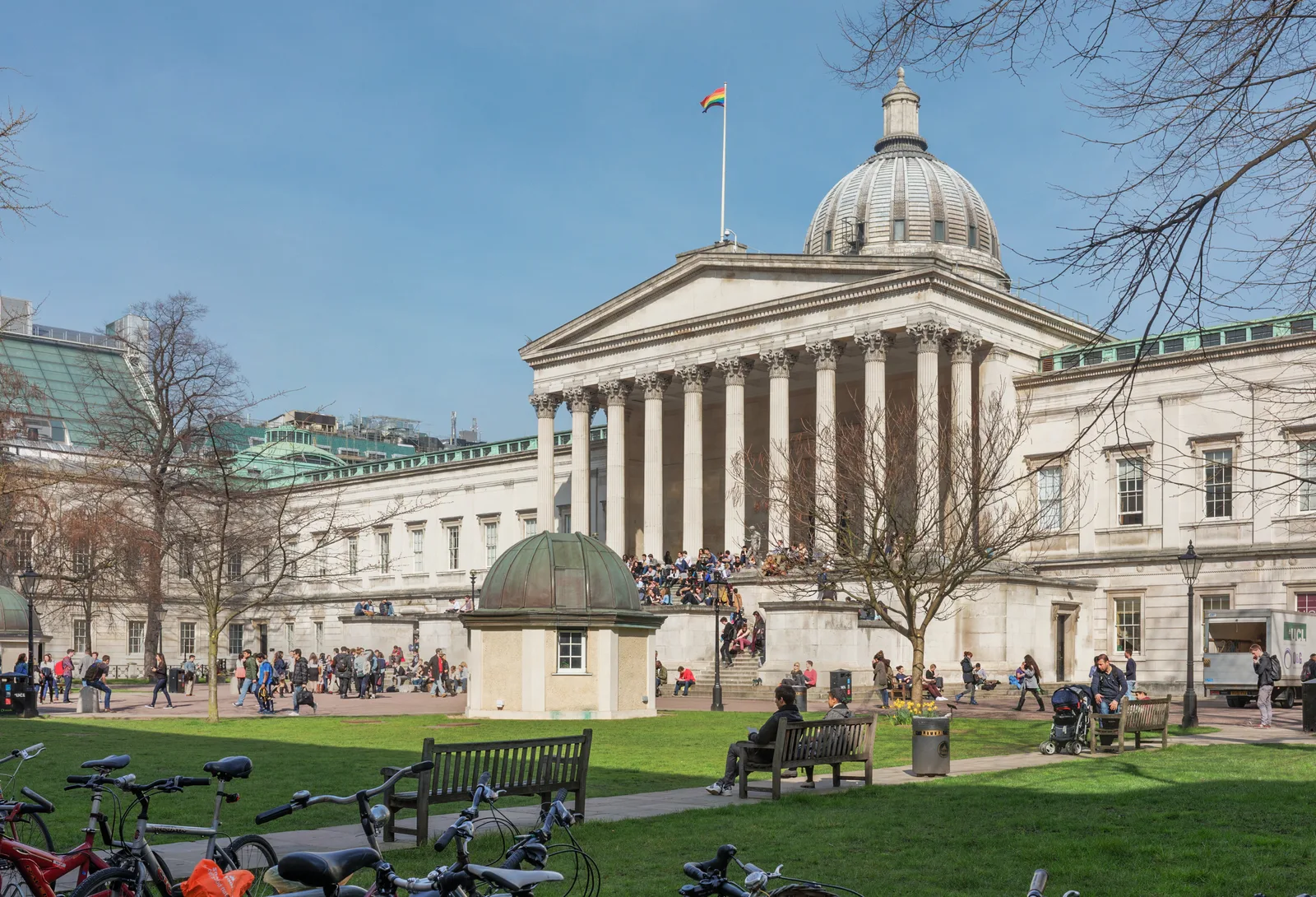
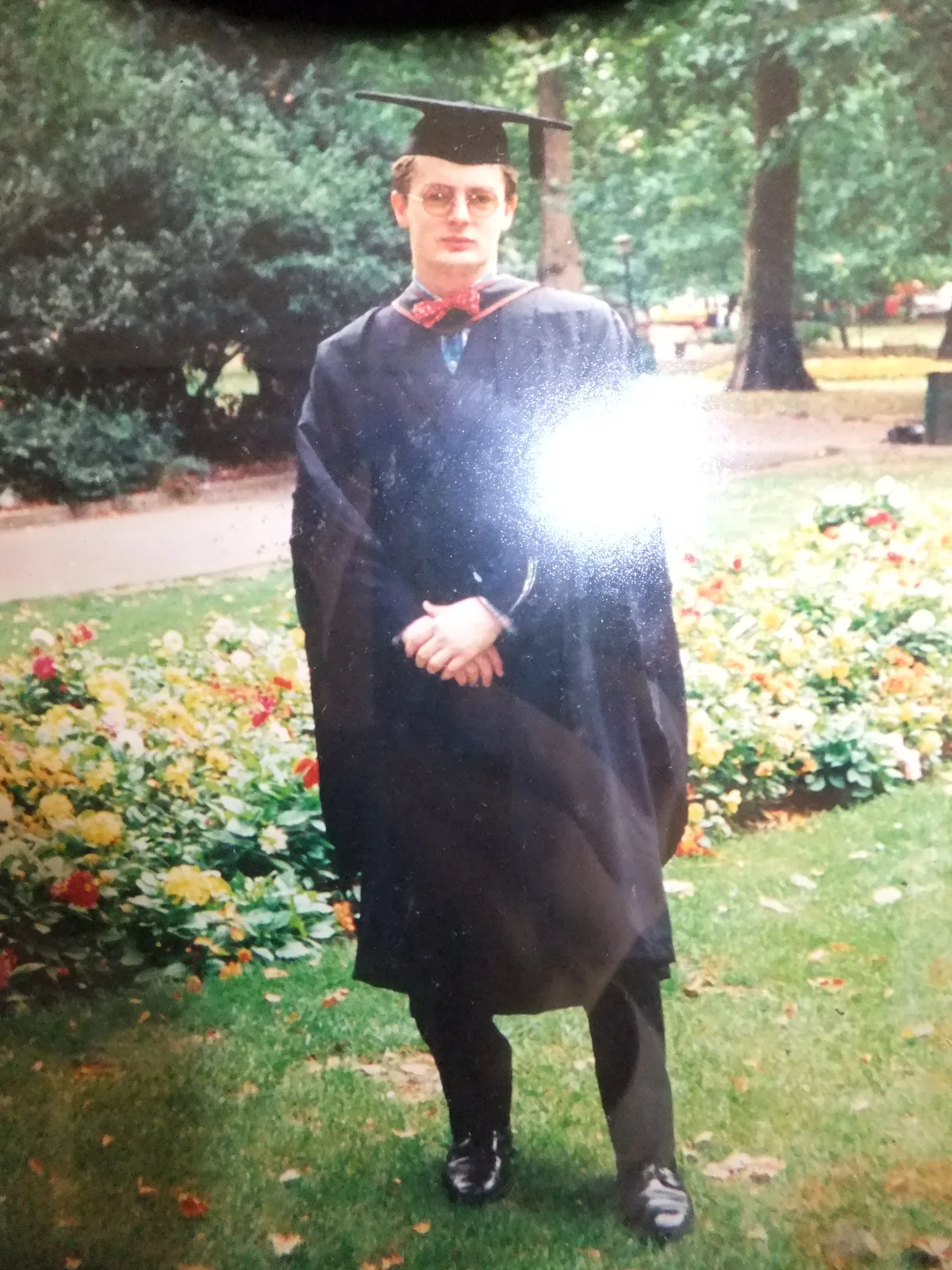
In the late 80’s Ireland didn’t have much in the way of economic opportunity, so after finishing my schooling I moved to London -a well-trod path for Irish people in the late 1980’s- and spent four years working on construction sites, I always nurtured a dream of entering higher education, and for a long time it seemed little more than a dream, but in 1992 the dream became reality when I was accepted to University College London.UCL is the third oldest university in the UK (after Oxford and Cambridge) and is ranked 9th in the most recent World University Rankings and I studied English Language and Literature, whose Faculty of Arts & Humanities is ranked 6th in the world.
I’ve always wanted to be a teacher, and my own experience confirmed my belief in the transformational power of education: I slipped through the cracks of the education system and ended up working in construction, but a combination of curiosity, opportunity and happenstance rescued me from a life shovelling concrete. Education transformed my life and I have never wavered in the conviction that it can do the same for children, provided they have the right, encouragement, support and guidance.
I’d planned to complete a Postgraduate Certificate in Education after graduation, but the more I researched traditional education and the more I reflected upon my own experience the more I became convinced that it wasn’t the right path for me, so I decided to step away and to spend some time thinking about which kind of teacher I wanted to be.
1999 – 2007
United States
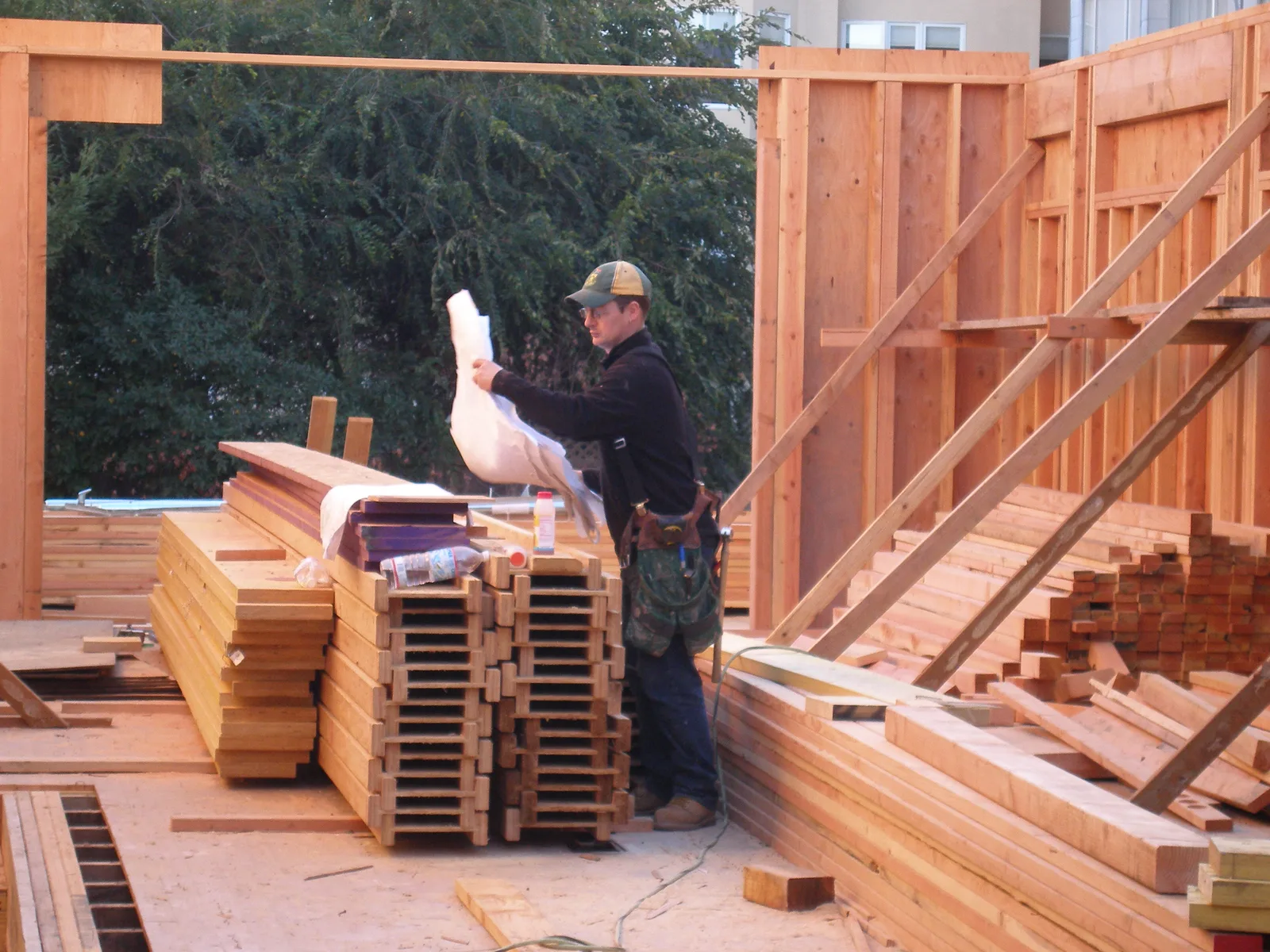
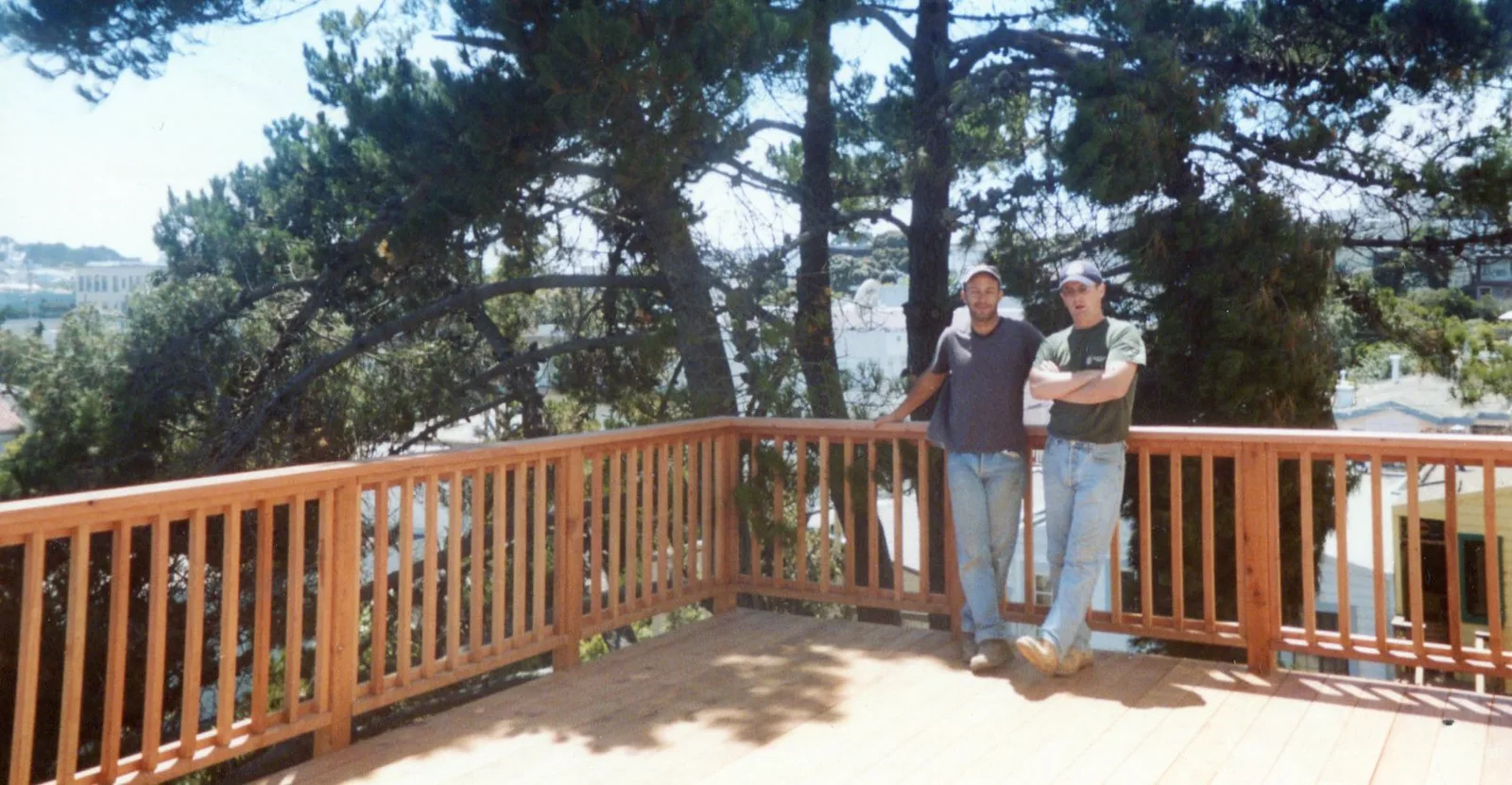
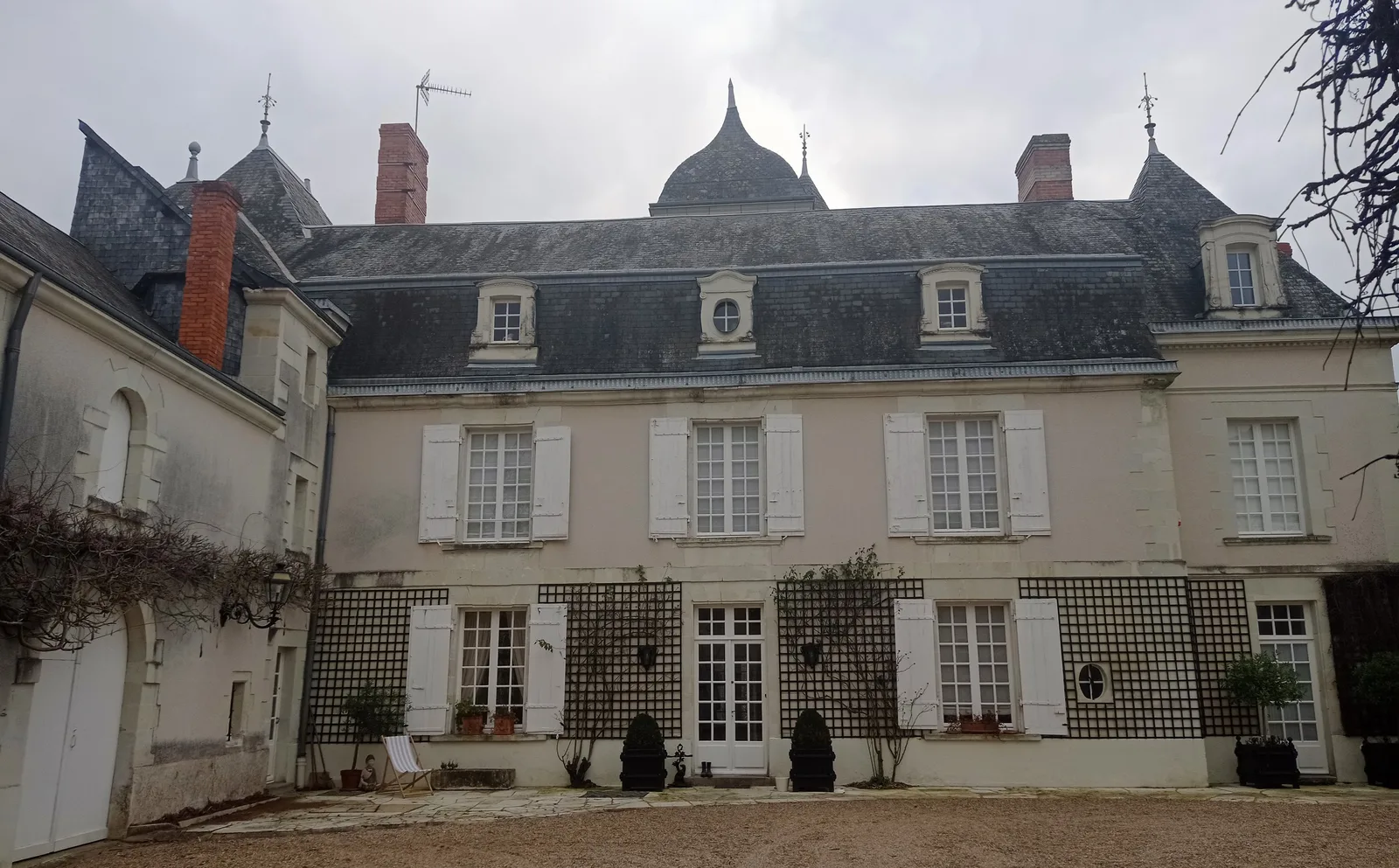
After I graduated from UCL I moved to the United States and worked as a carpenter, constructing wooden-frame houses in San Francisco. Construction and education are very different, but there are some important similarities between them: in both fields it’s essential to build down a solid foundation, in both planning ahead is of great importance and an action taken today will have consequences months or even years later, and in both its essential to develop open and harmonious relationships with a variety of stakeholders: architects, clients and contractors in construction, management, parents and colleagues in education.
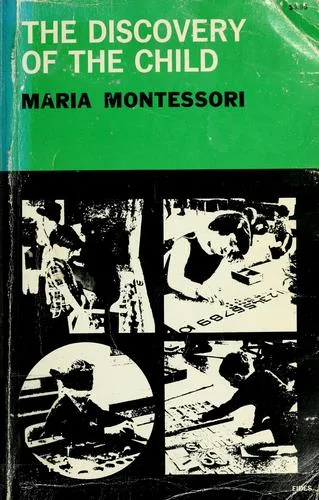
The job was interesting, it kept me fit, and it gave me time to work out what kind of teacher I wanted to become. Eventually, after many hours spent in libraries and bookshops, I stumbled upon Piaget, then Froebel, Pestalozzi and eventually Maria Montessori. I read ‘The Discovery of the Child’ and it immediately struck a chord: a holistic approach to education which tapped into the innate curiosity of children, which respected their interests and treated their energy as a positive to be utilised, instead of a negative to be controlled and limited and which placed the child at the centre of the educational process.
In this fresh way of looking at education, instead of a teacher who was the all-knowing source of knowledge and wisdom, the adult was a guide, neither abandoning the child nor completing their tasks for them, but supporting, guiding and assisting them. All of this rang true, and after I read more of Montessori’s books, visited some schools and spoke with teachers and parents, it gradually it became clear that this was the approach that I’d been seeking.
I began researching how to join this brave new world and after a fruitless search looking for a school which might sponsor me through the training, eventually discovering that AMI were unable – and are still unable – to provide a list of ways in which interested students can get scholarships to study for an AMI diploma, I decided that it might be a little more expensive, but would involve a lot less aggravation, were I to finance the training myself.

2007 – 2008
India
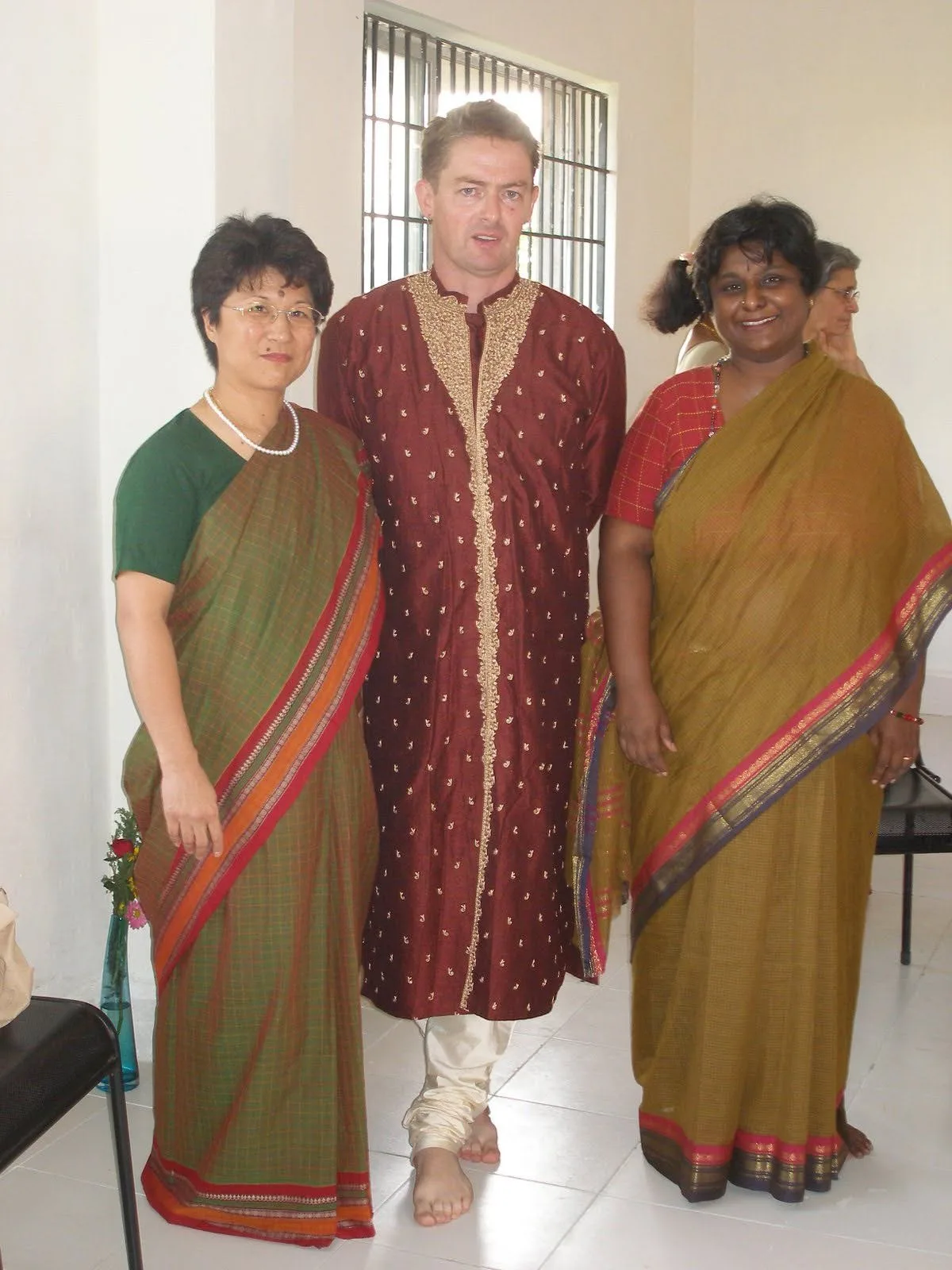
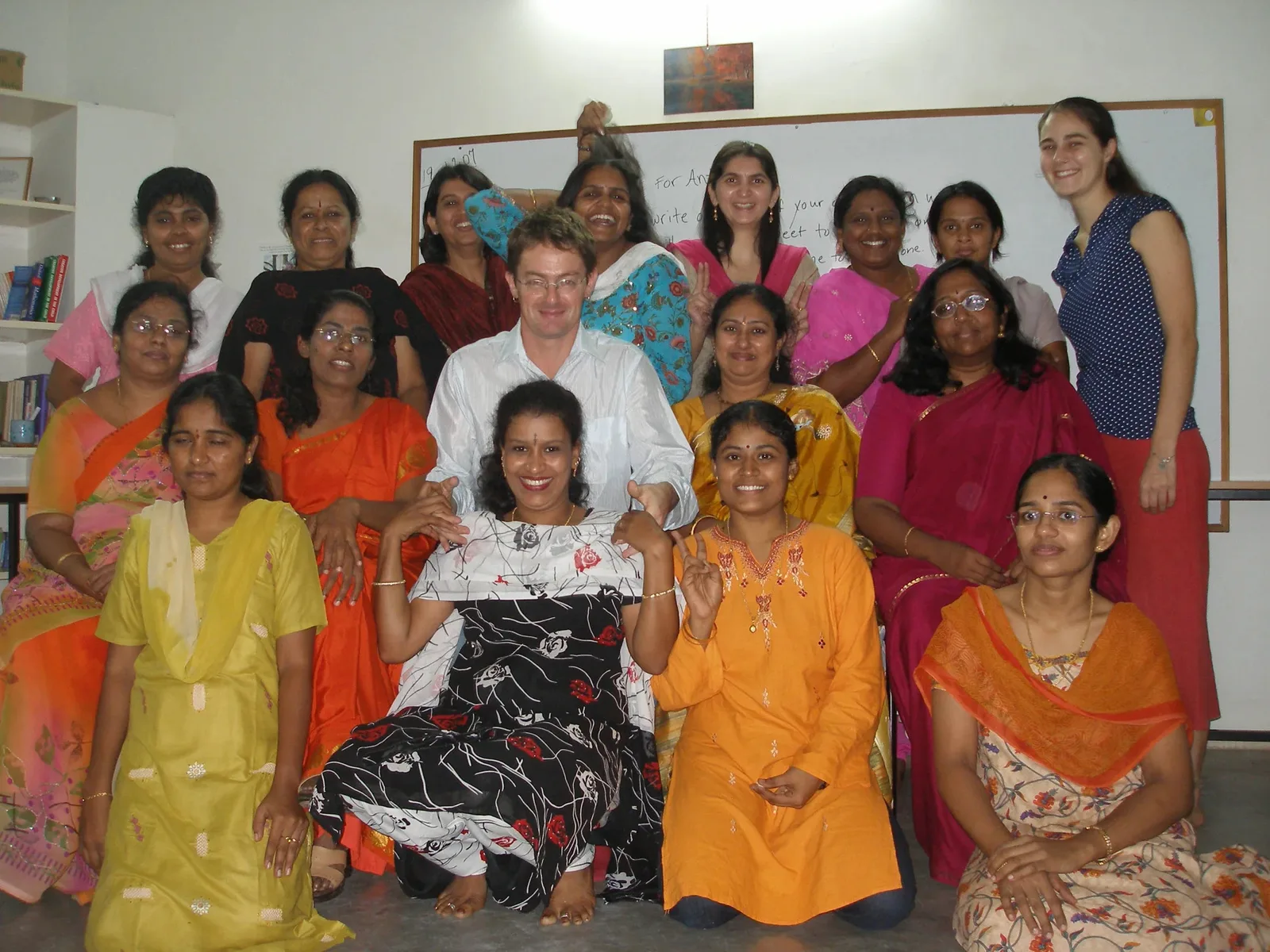
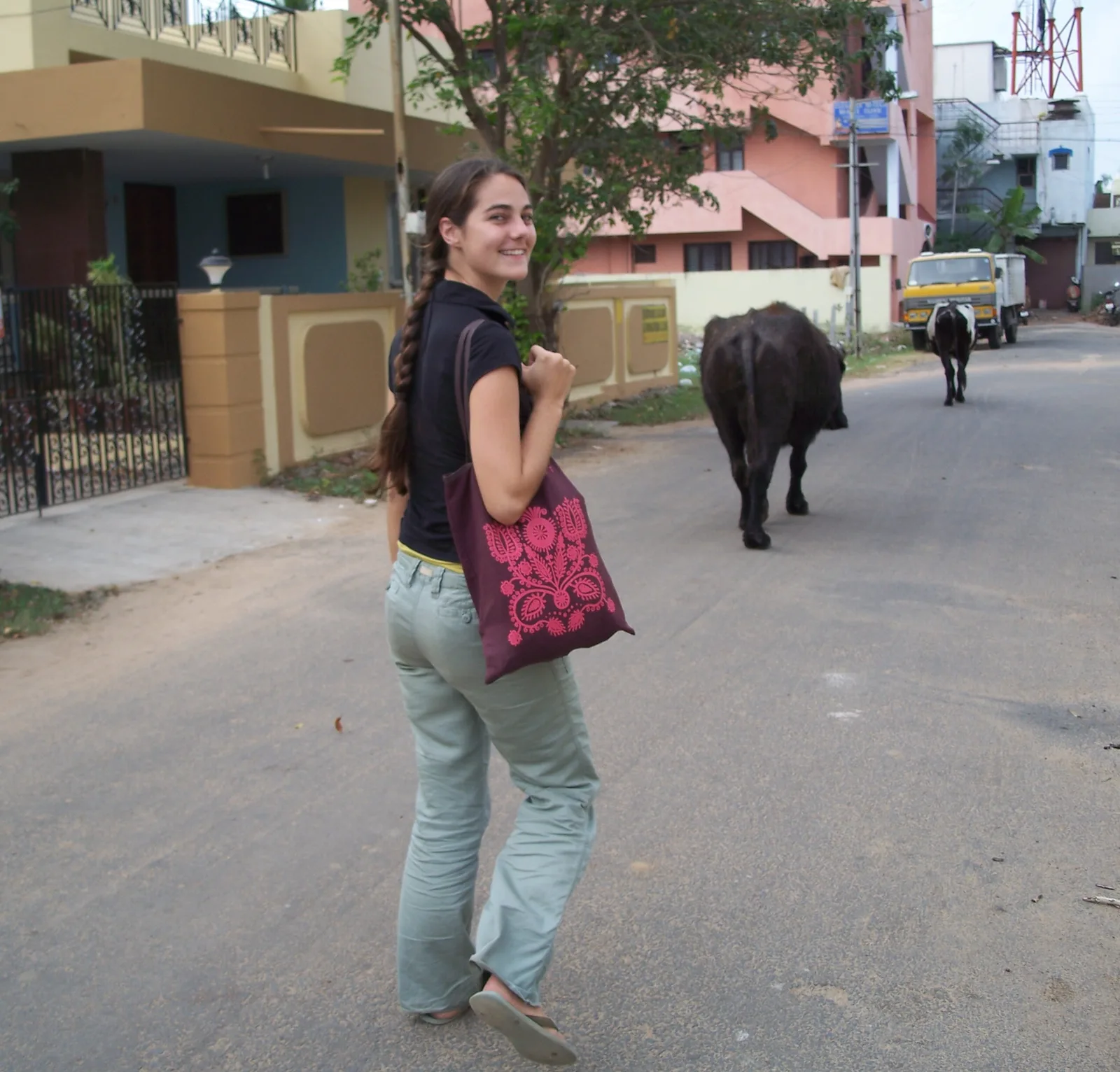
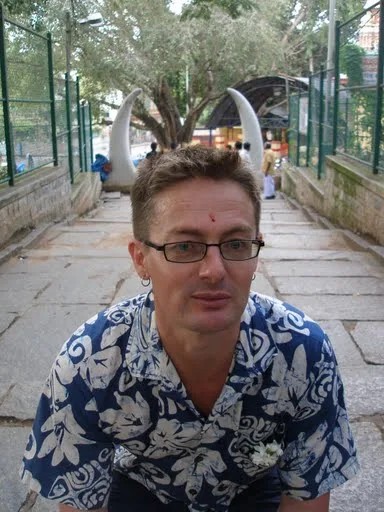
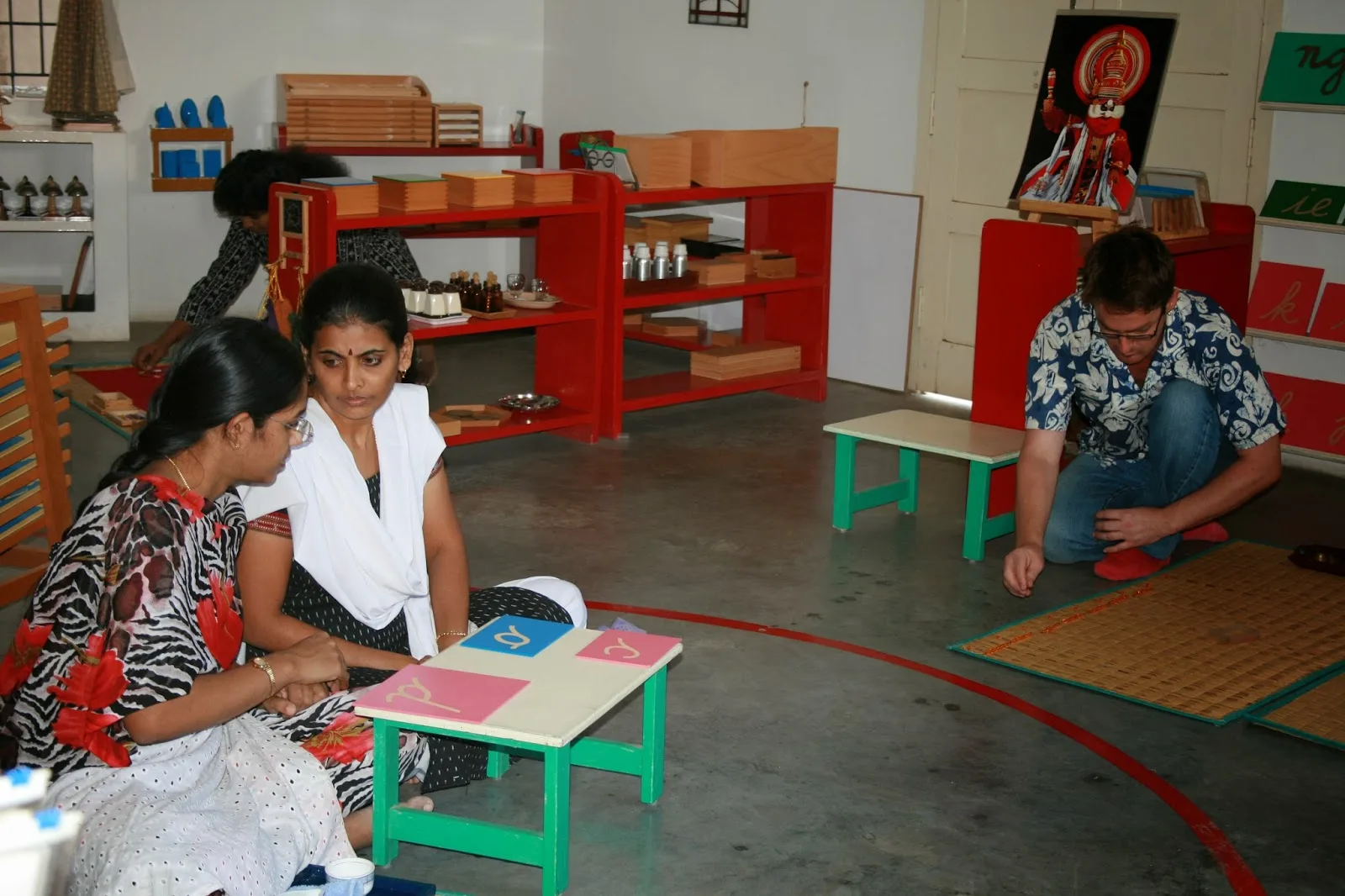
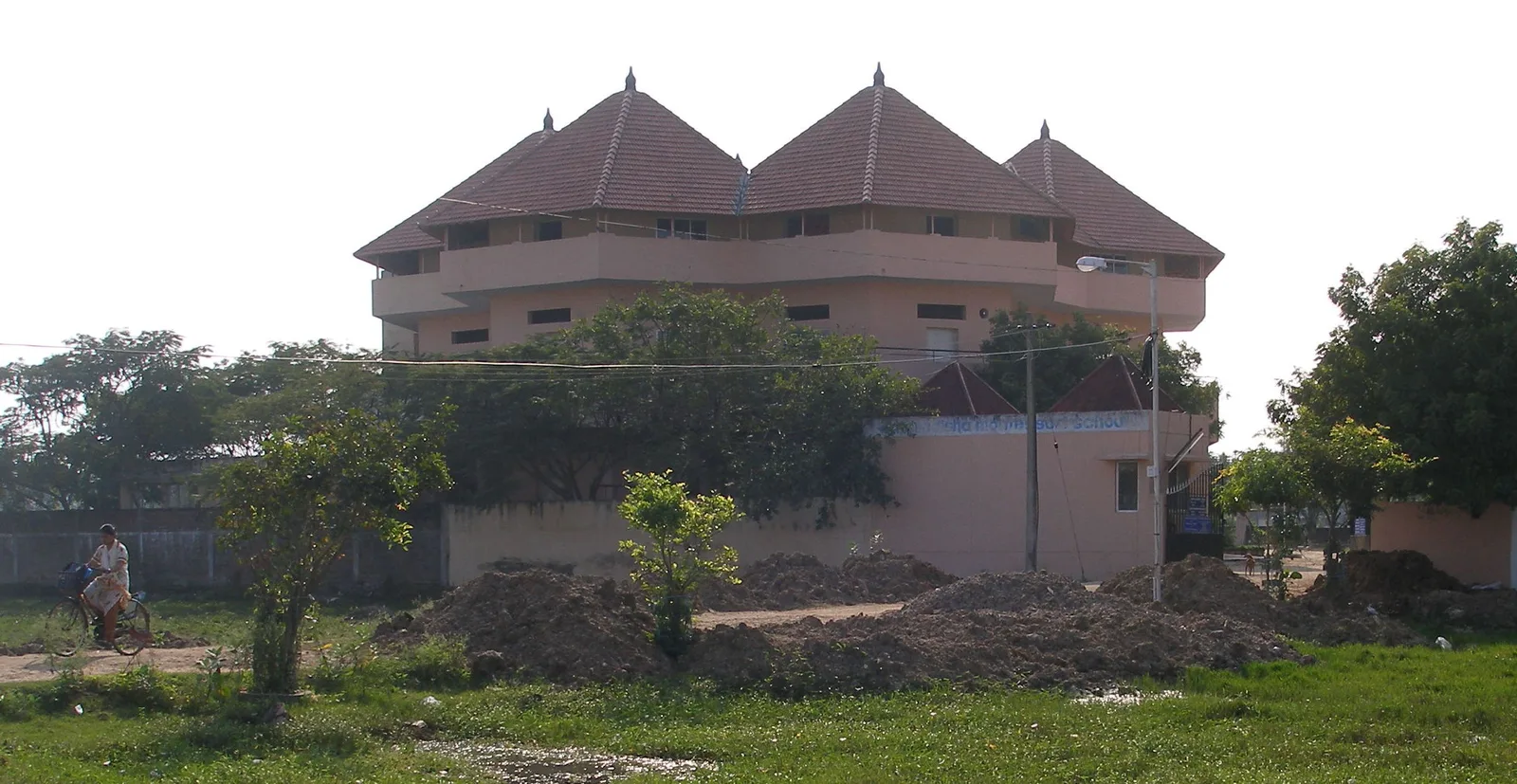
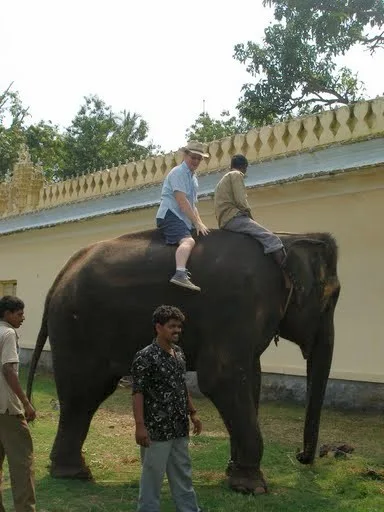
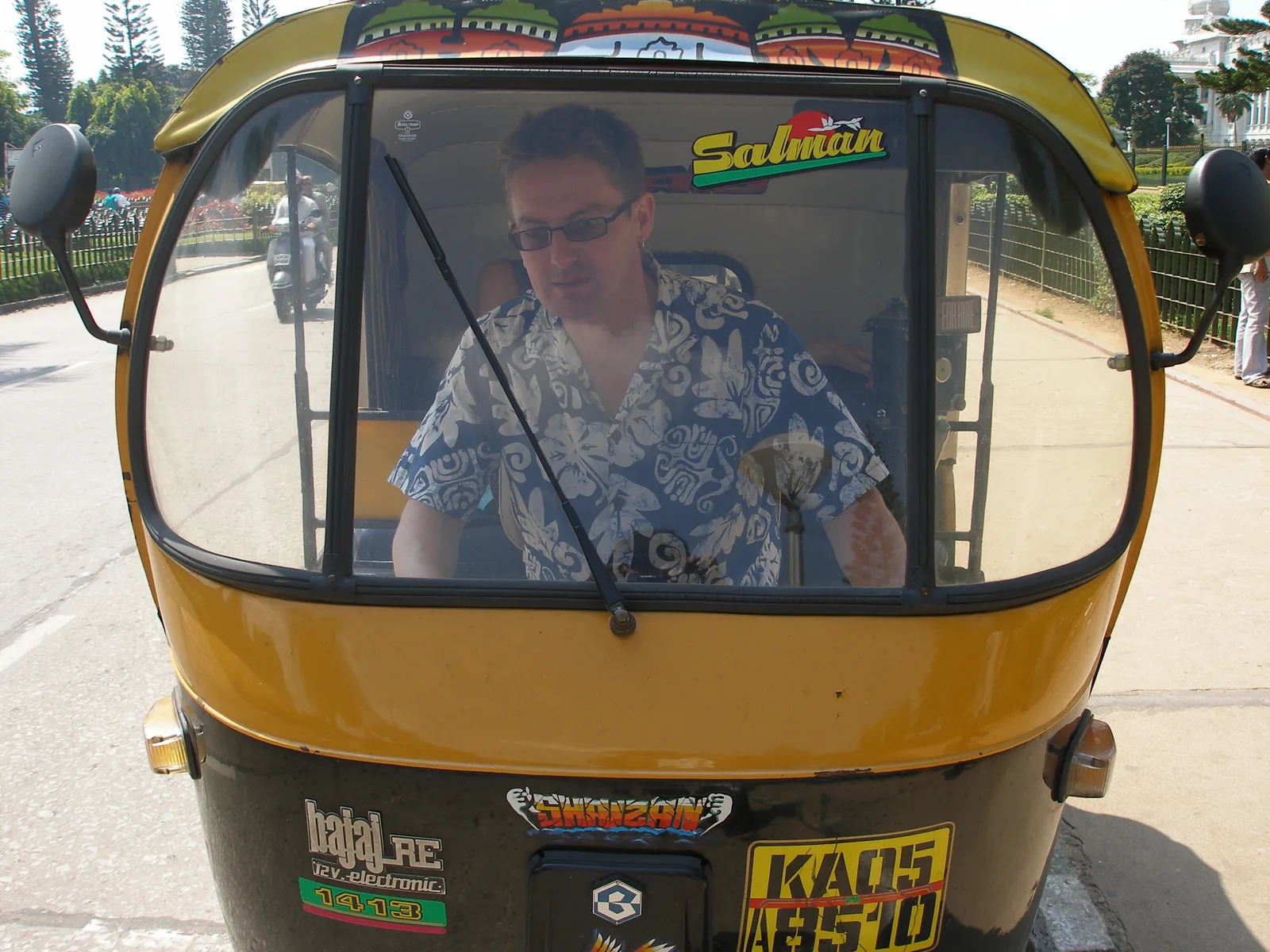
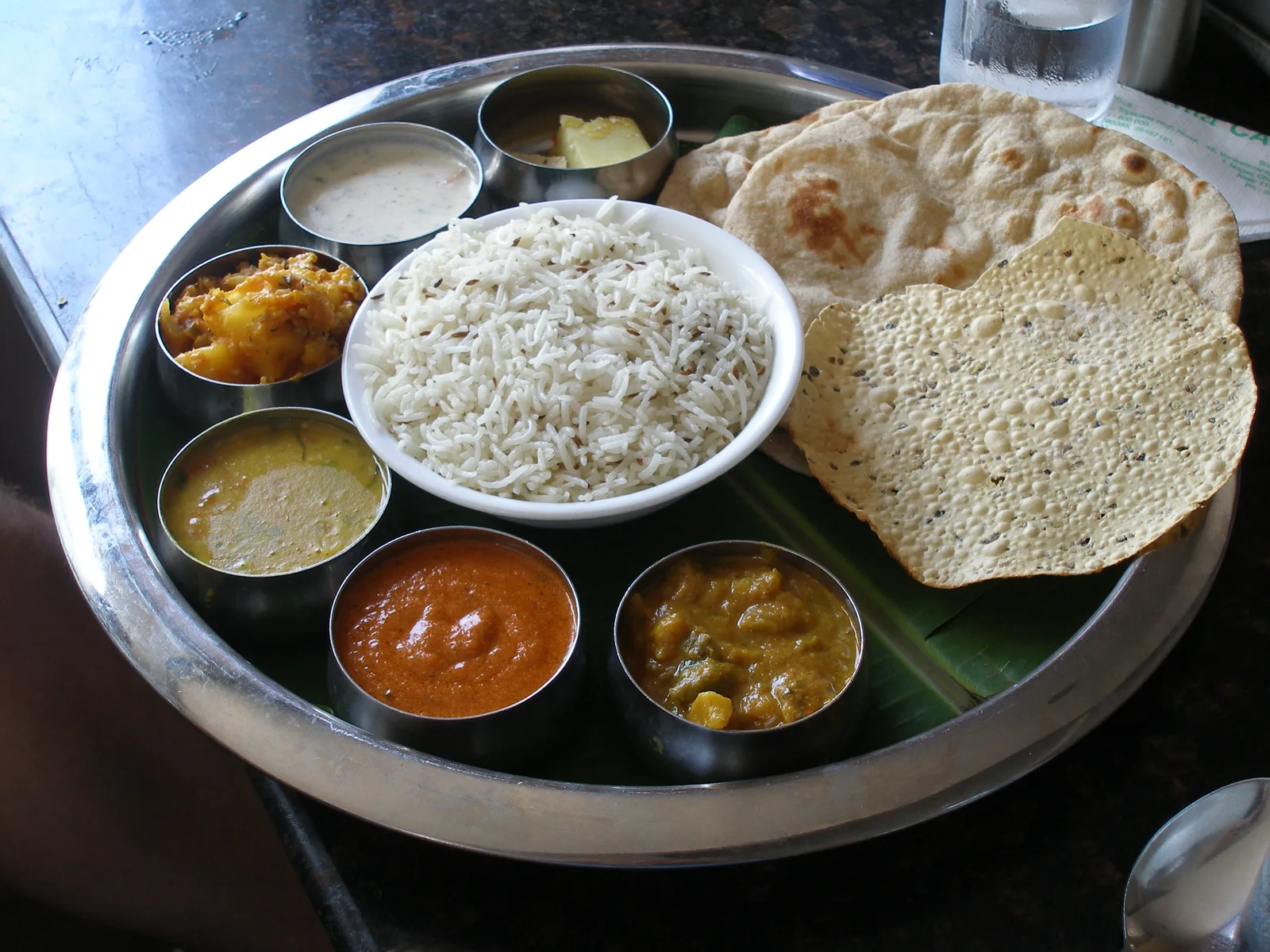
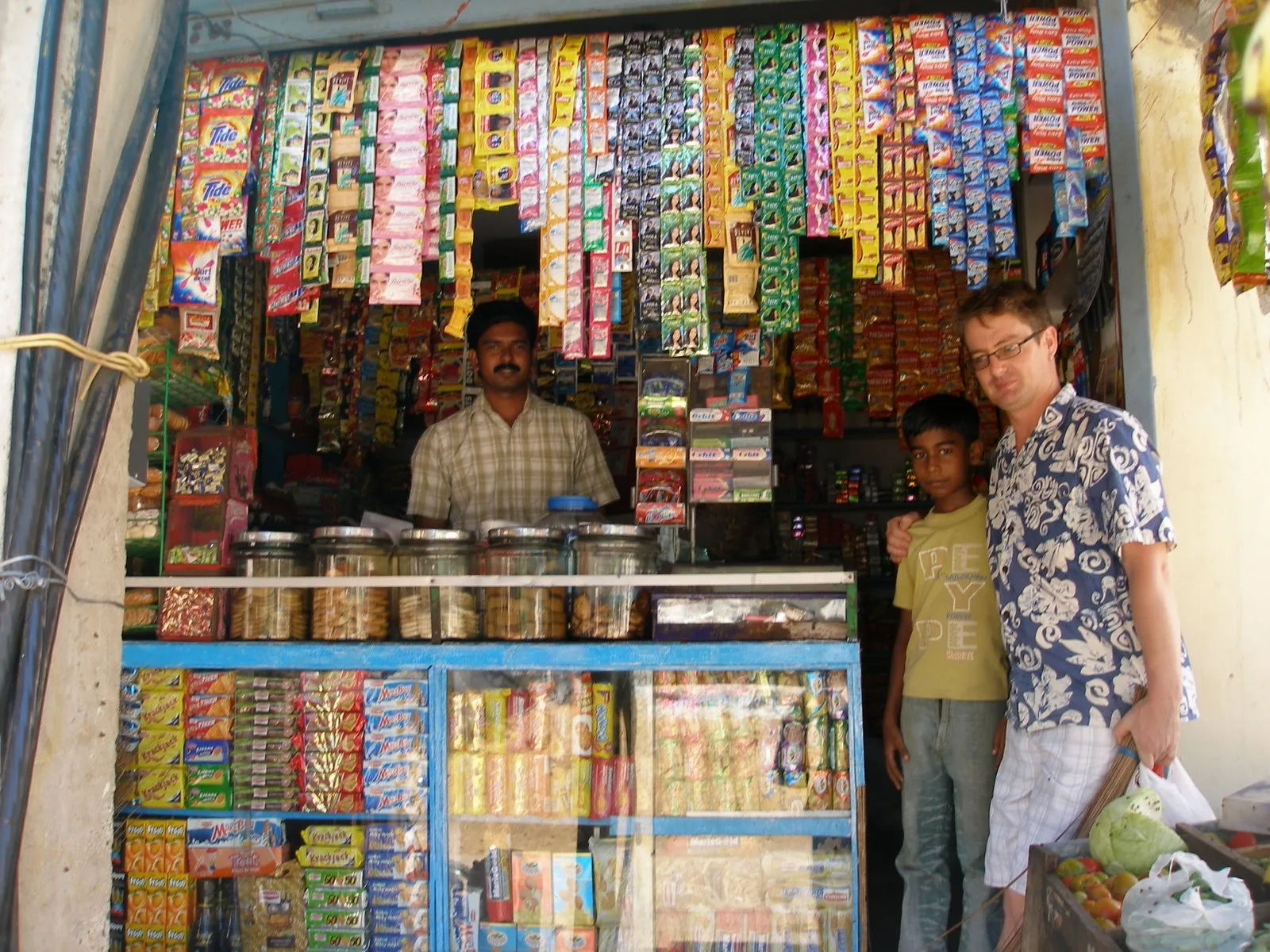
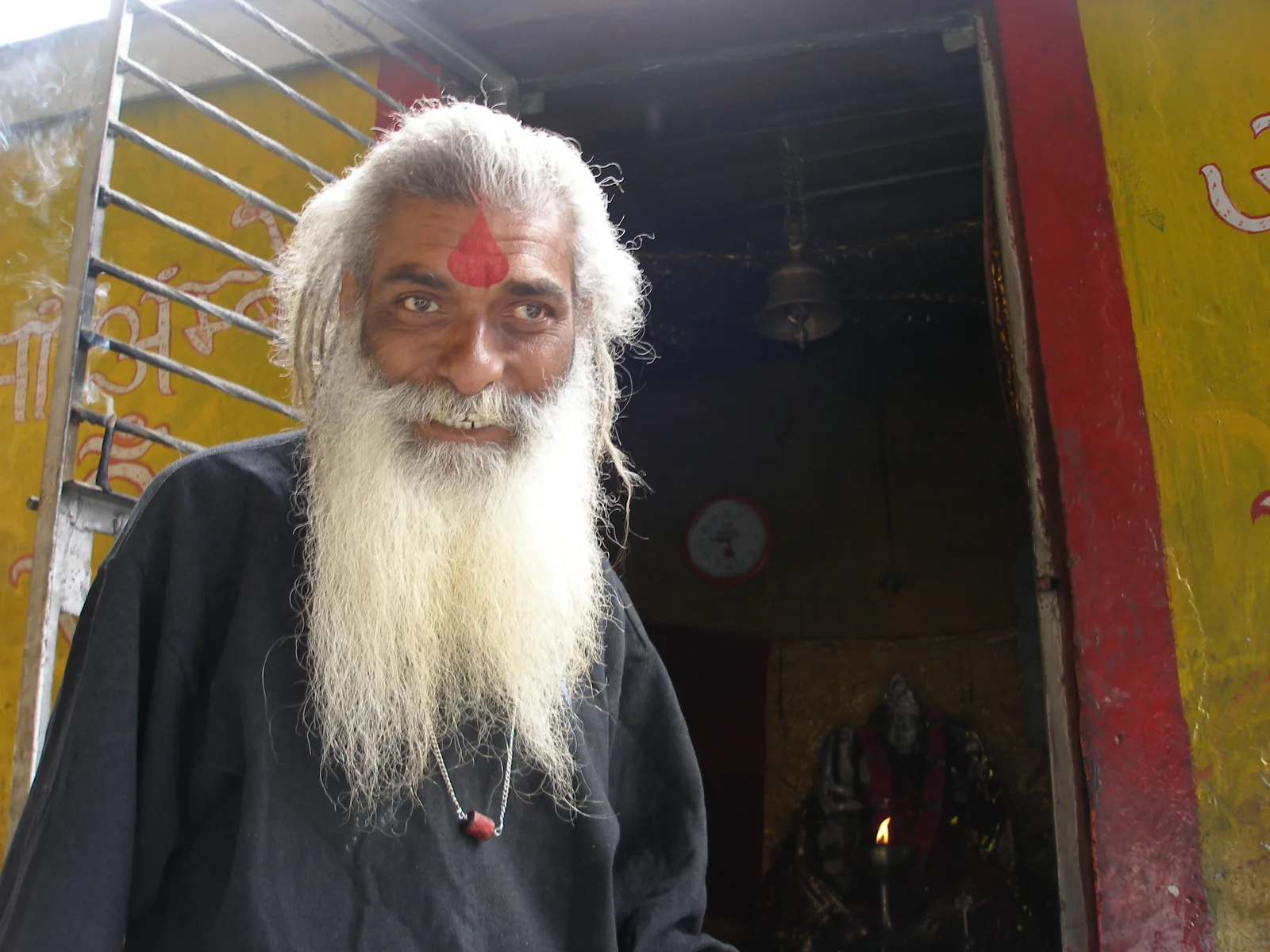
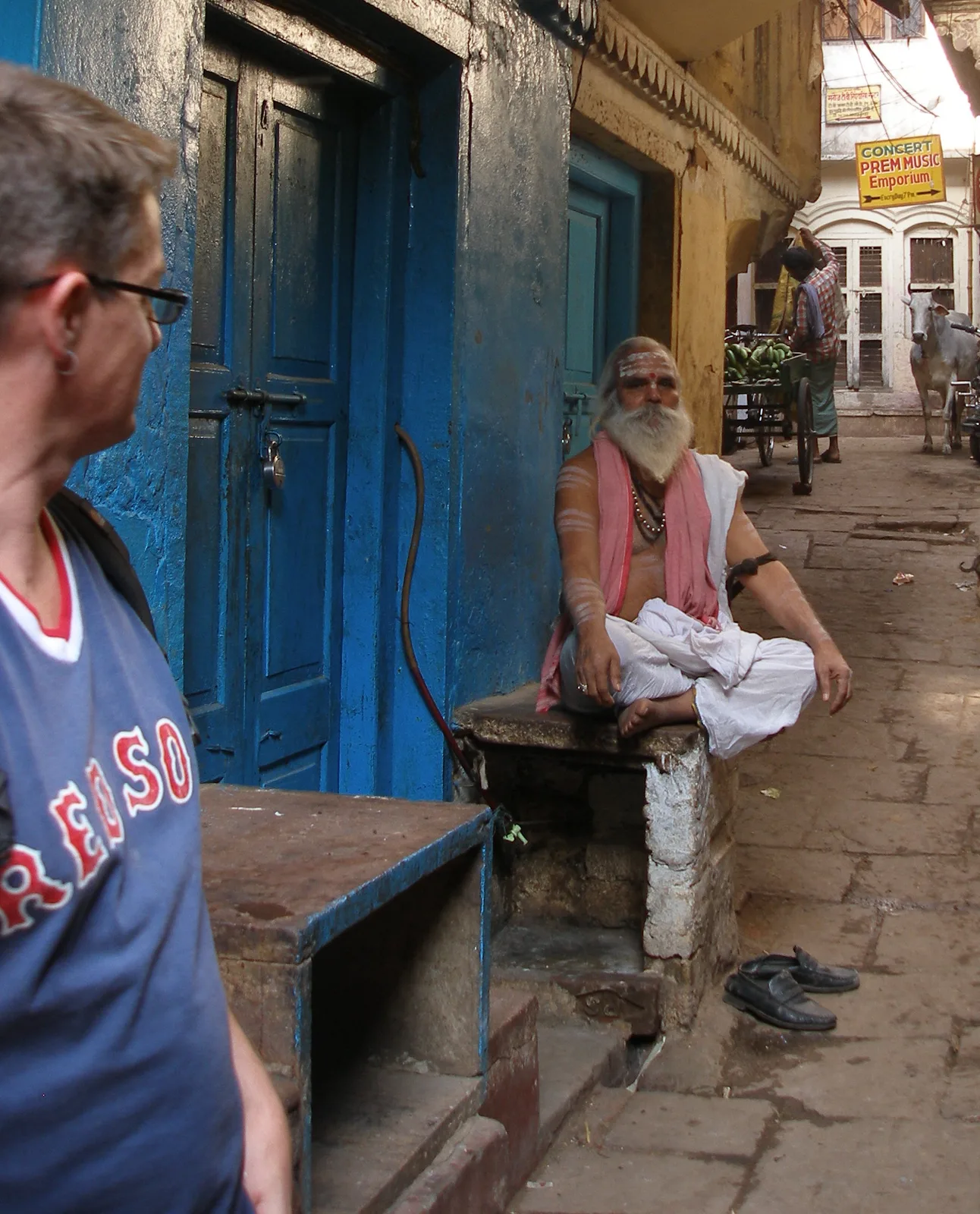
In 2007 I enrolled at the AMI training centre in Chennai (formerly Madras) and spent a sometimes challenging, frequently surprising, but endlessly fascinating year in India.
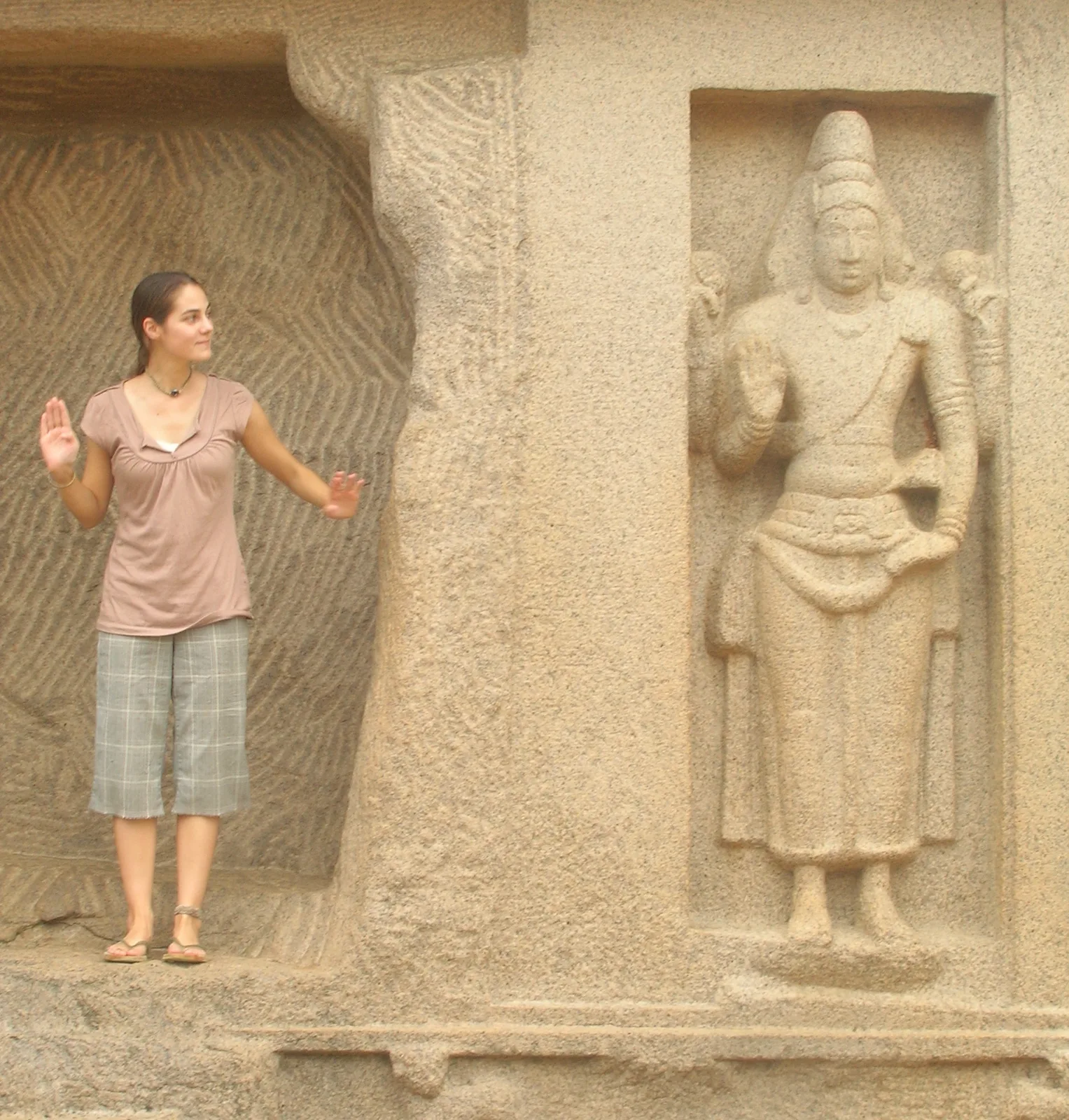
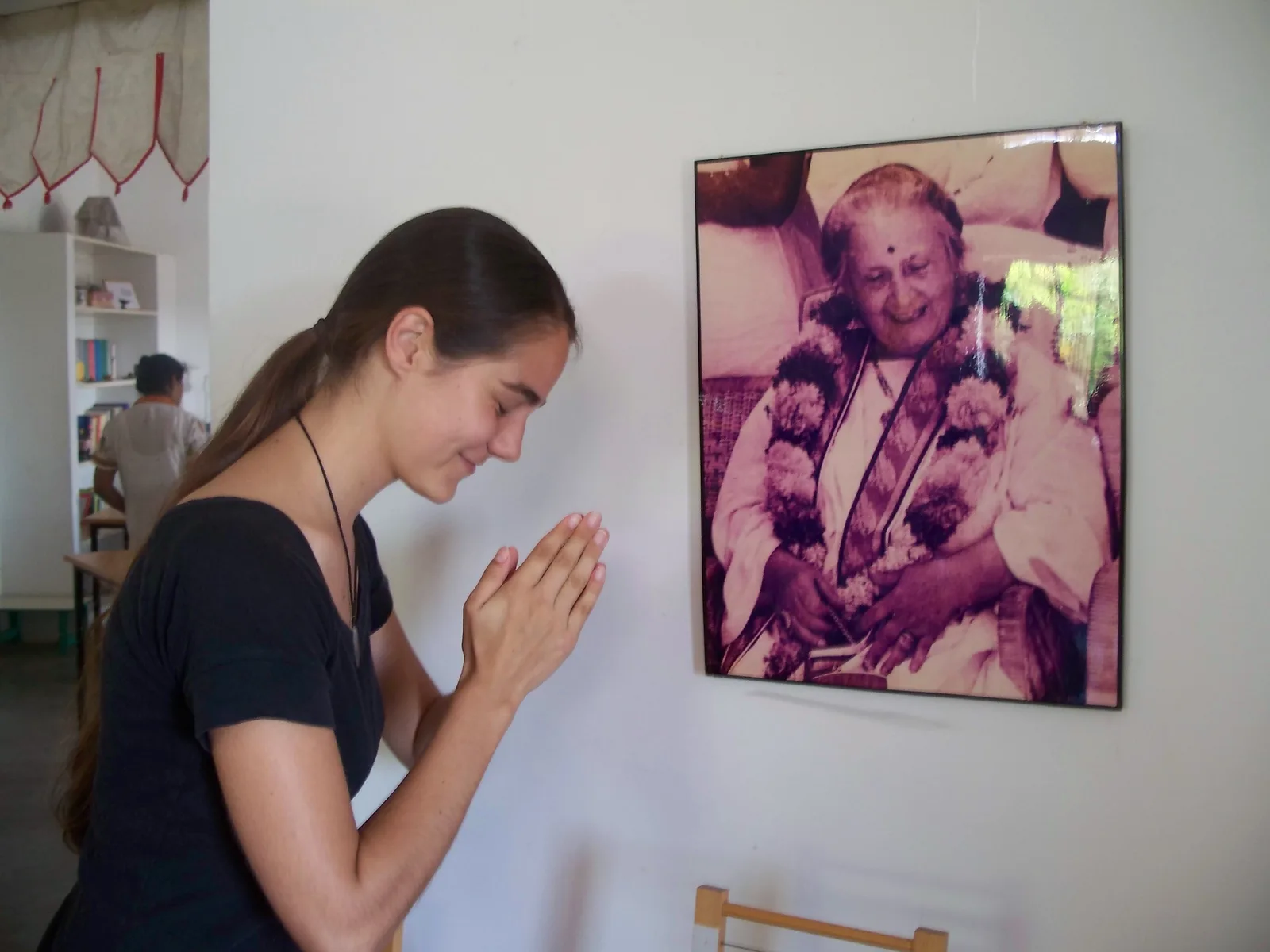
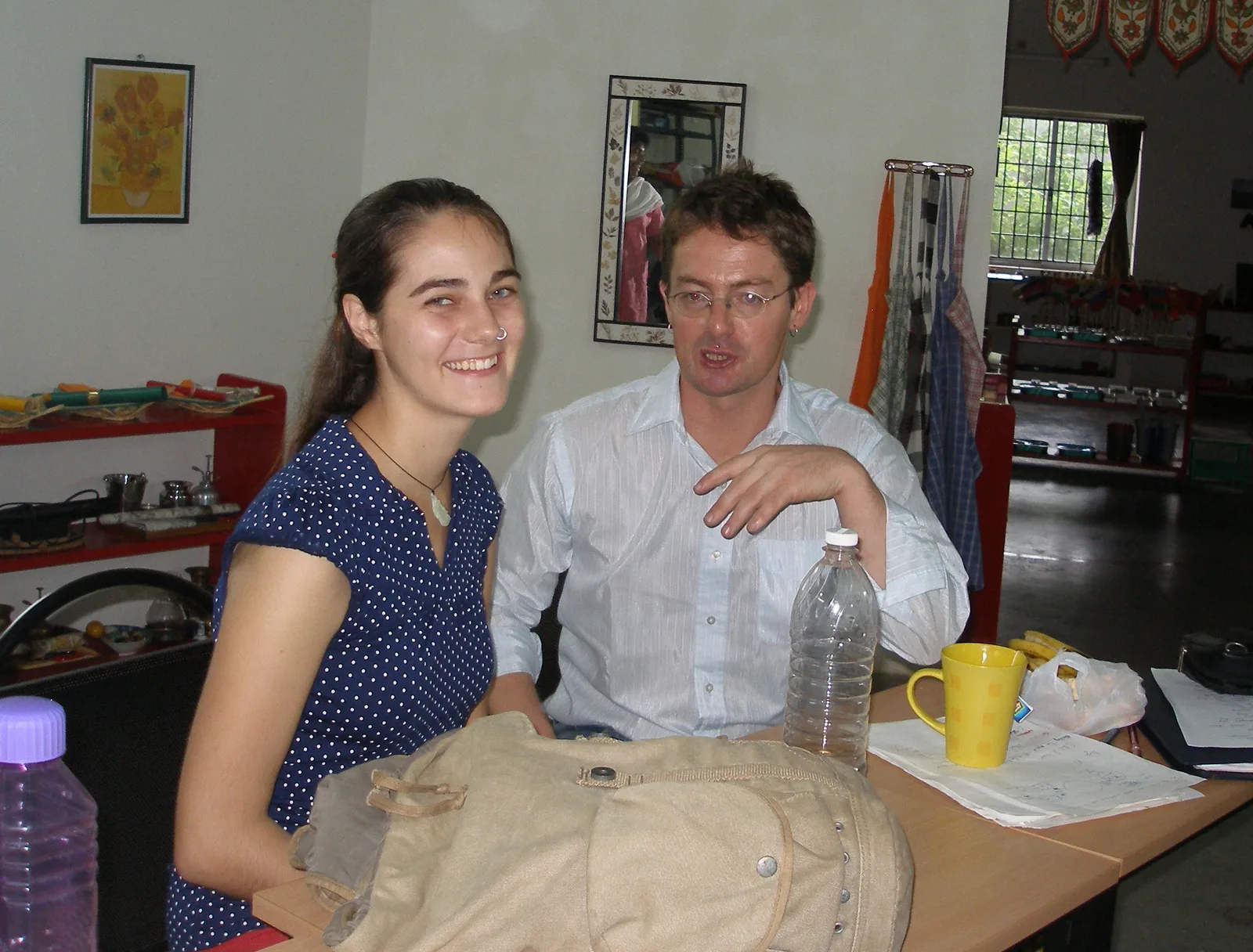
I was the only boy and Laura K. Thompson was the only other foreigner doing the training.
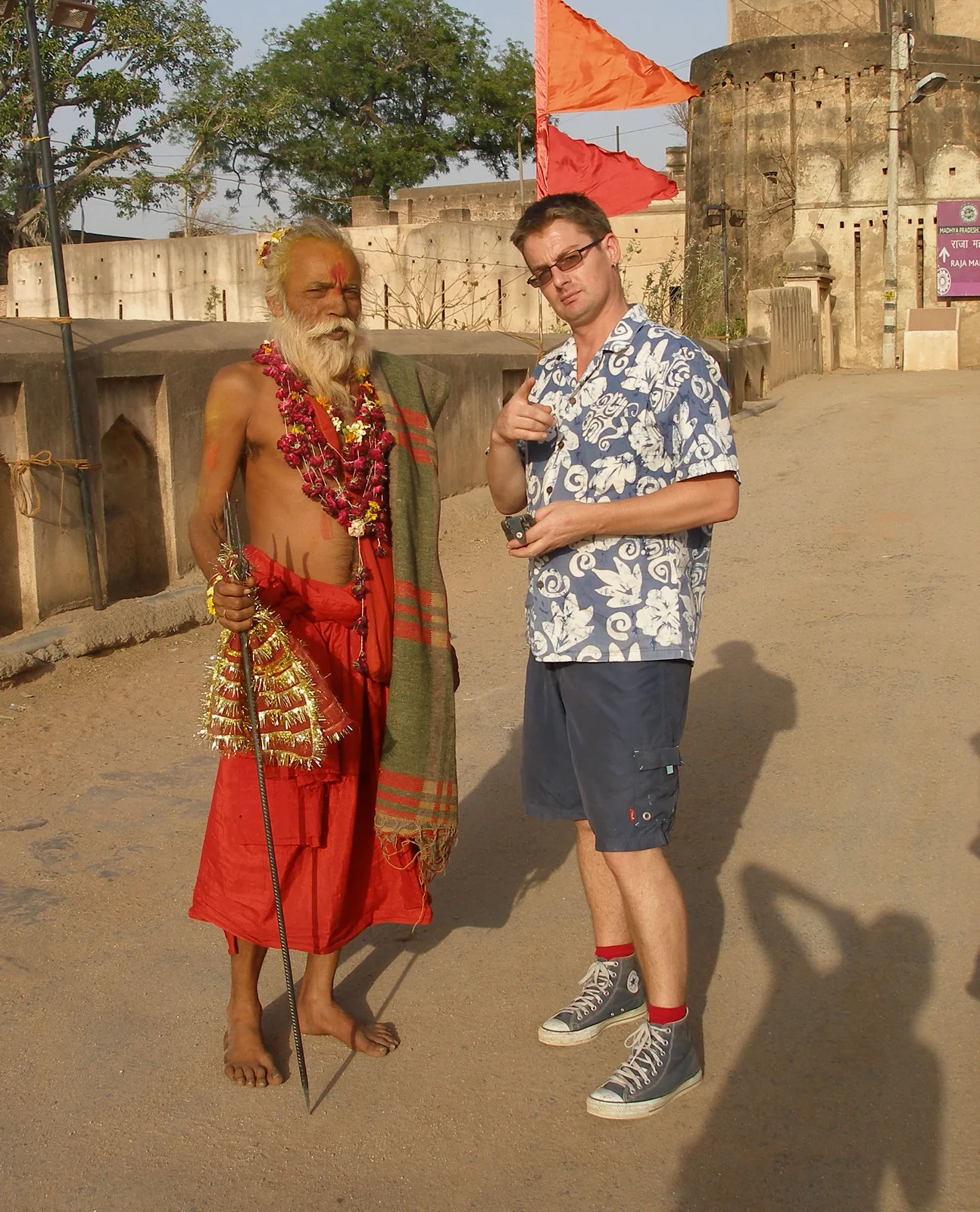
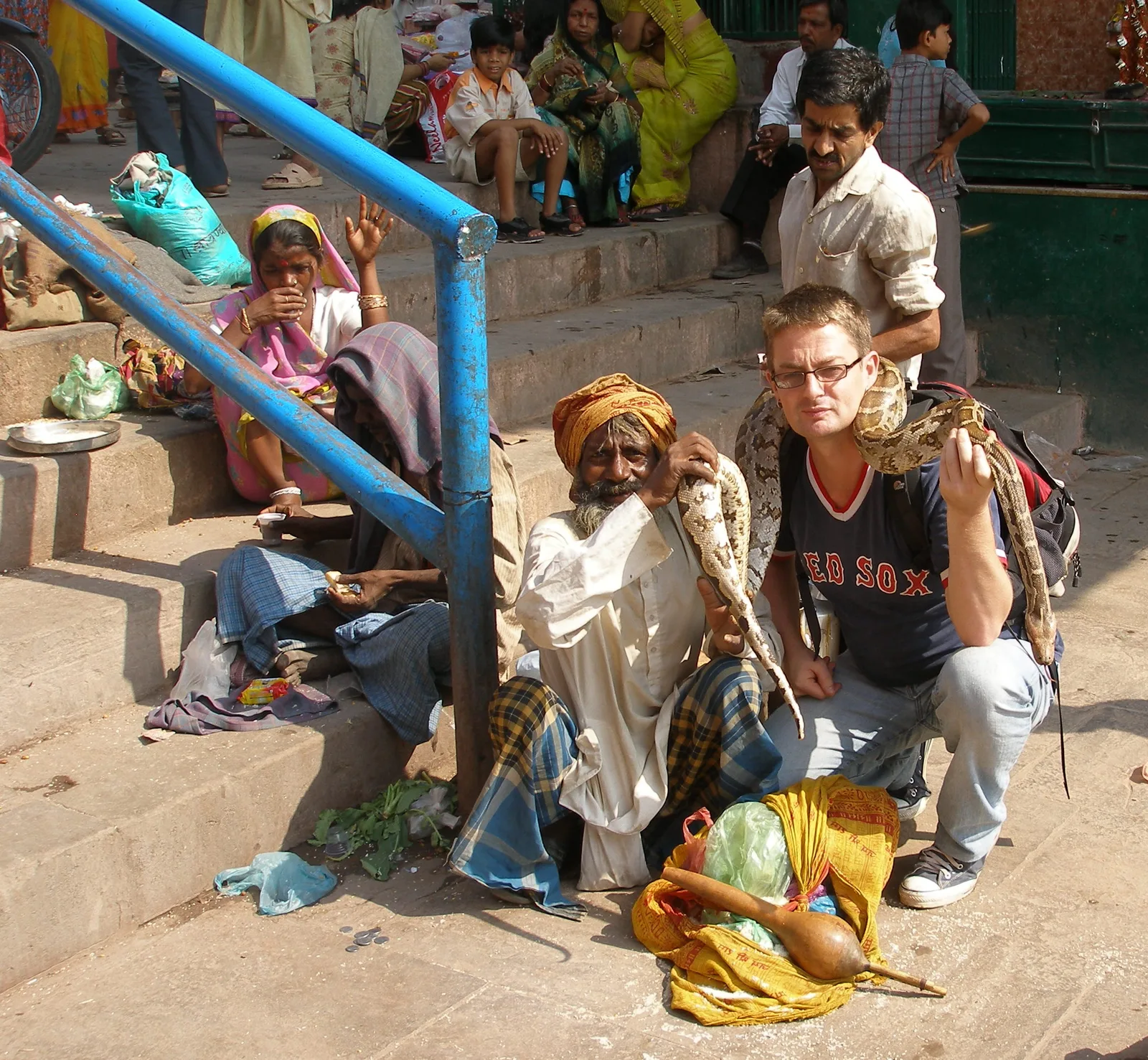
India: land of the sacred and the profane.
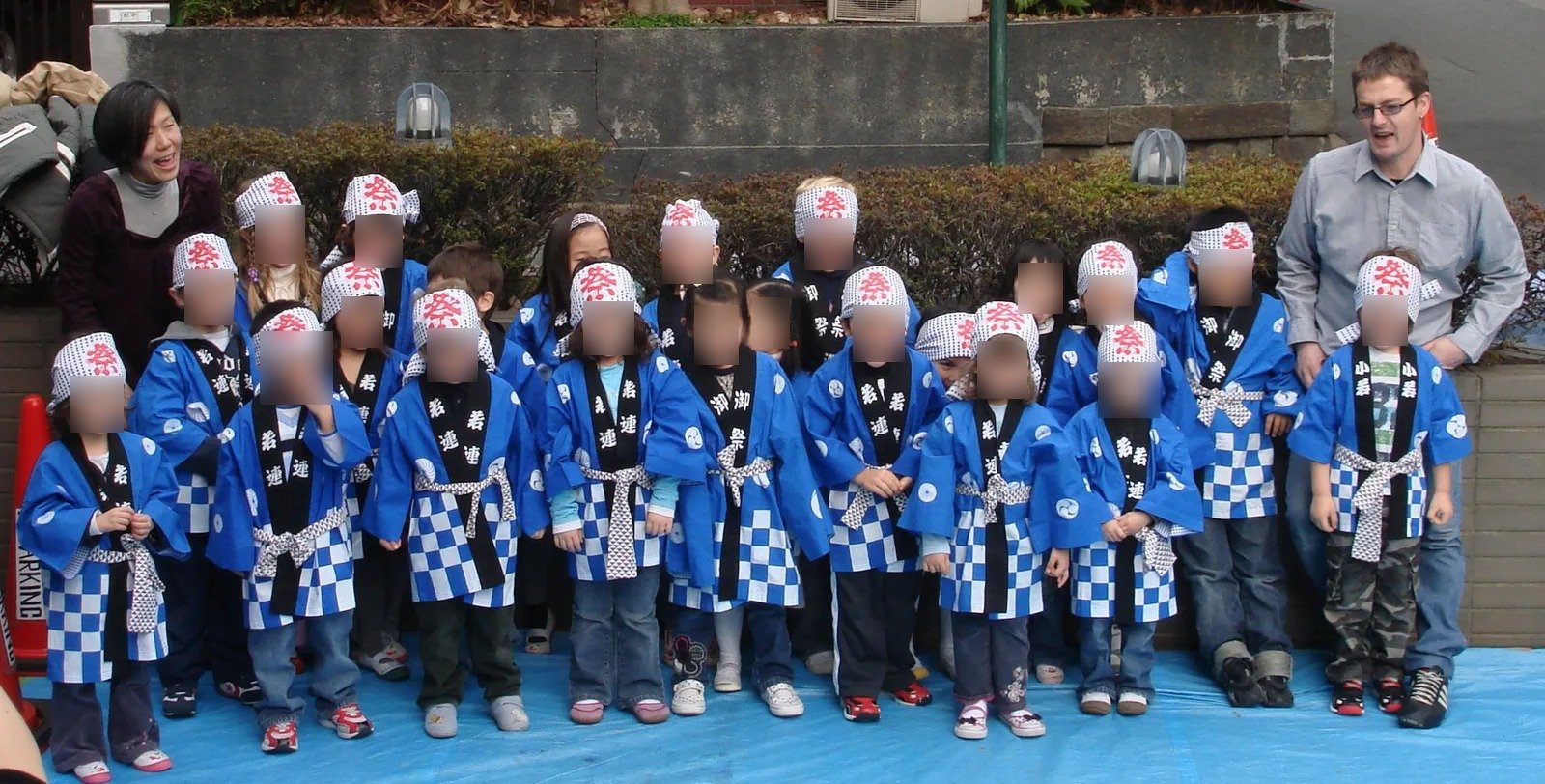
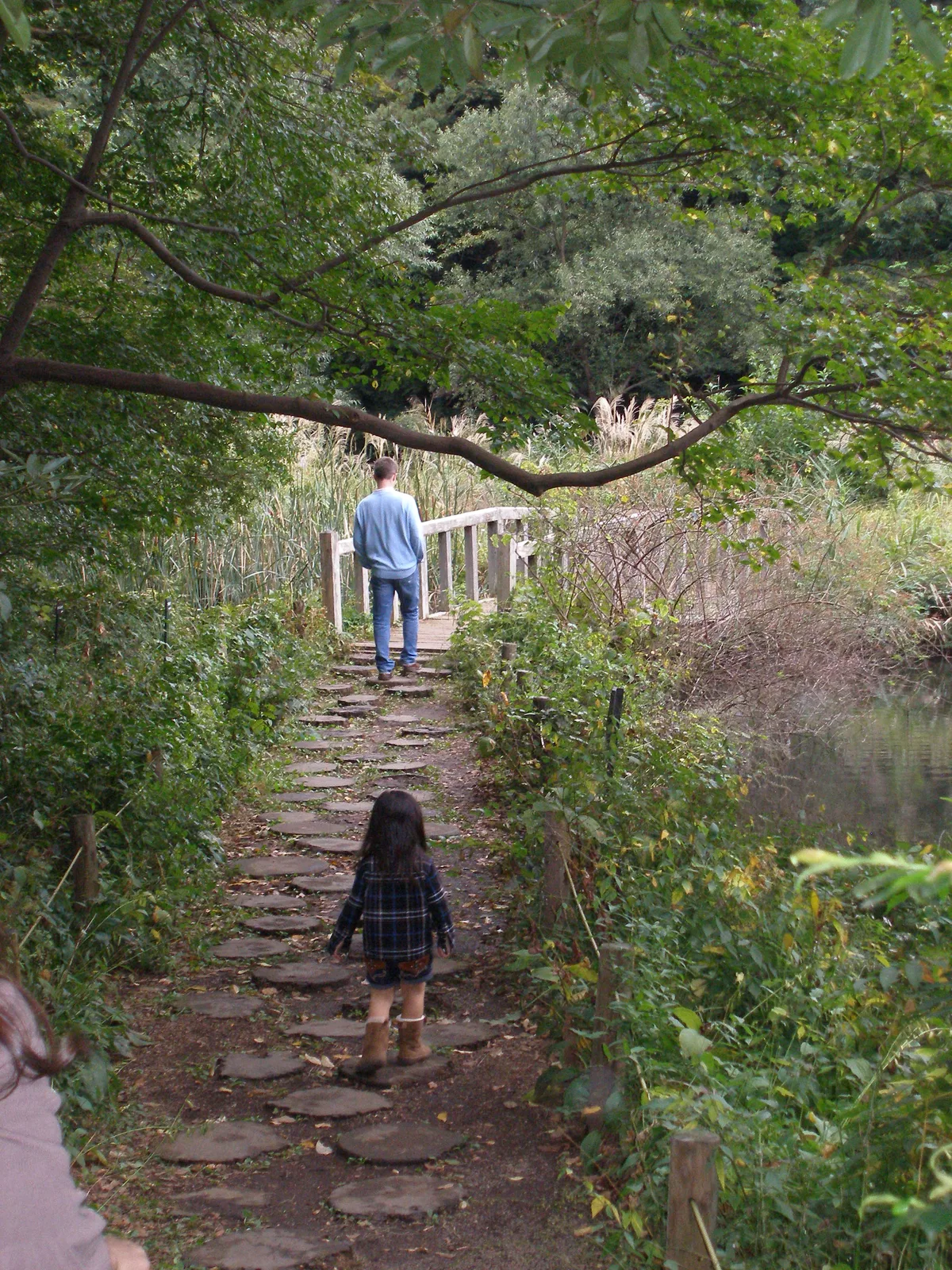
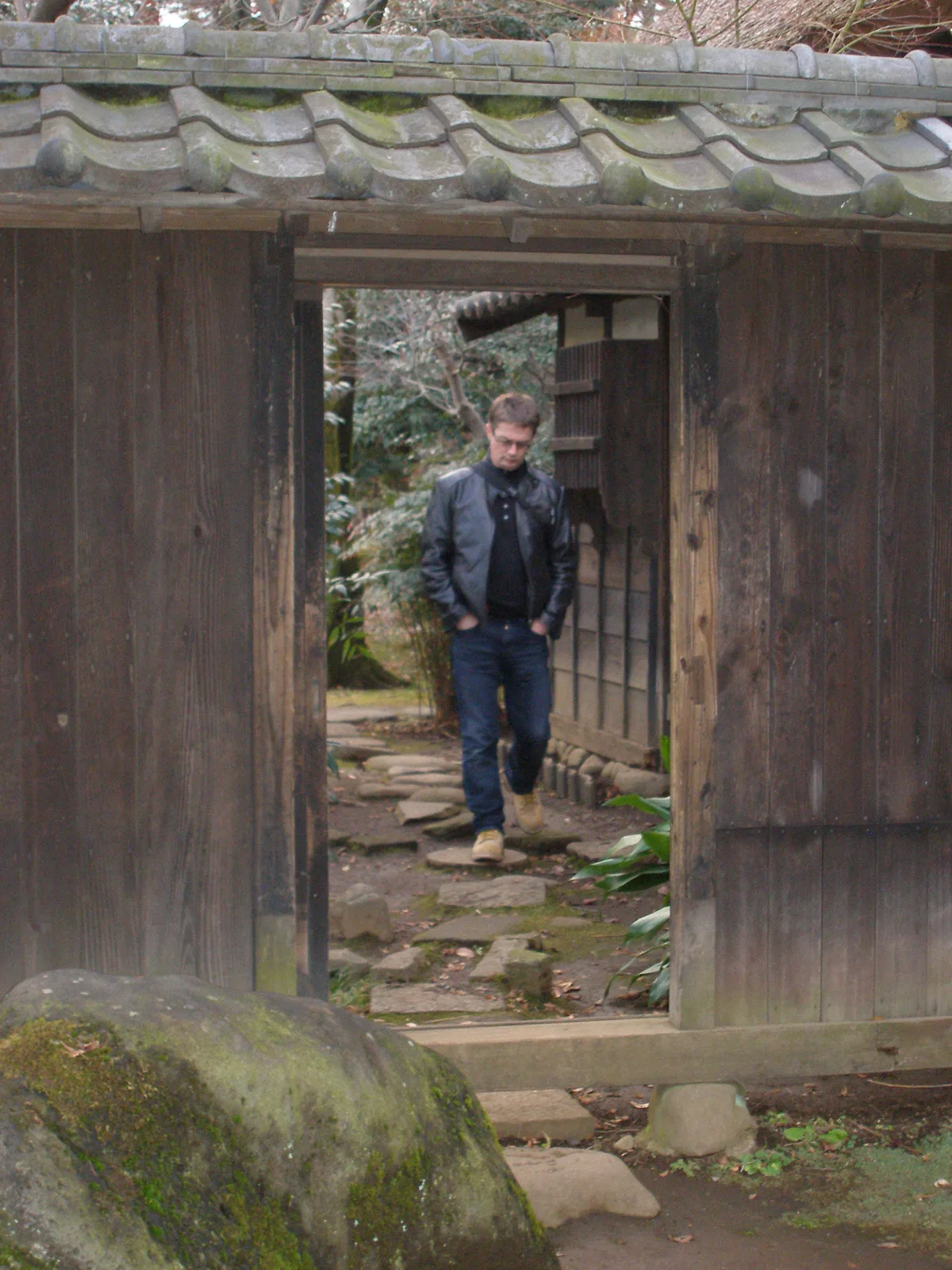
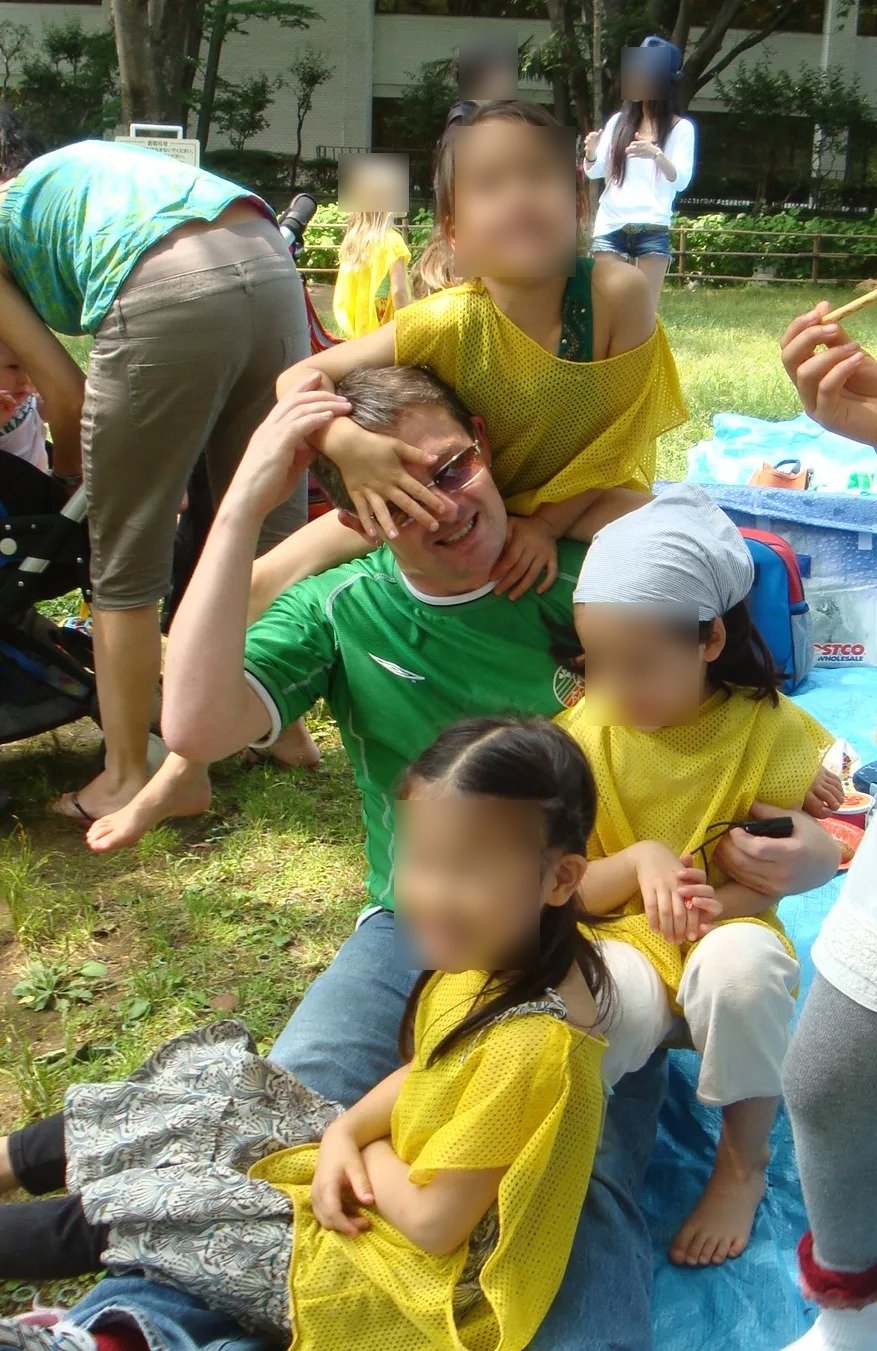
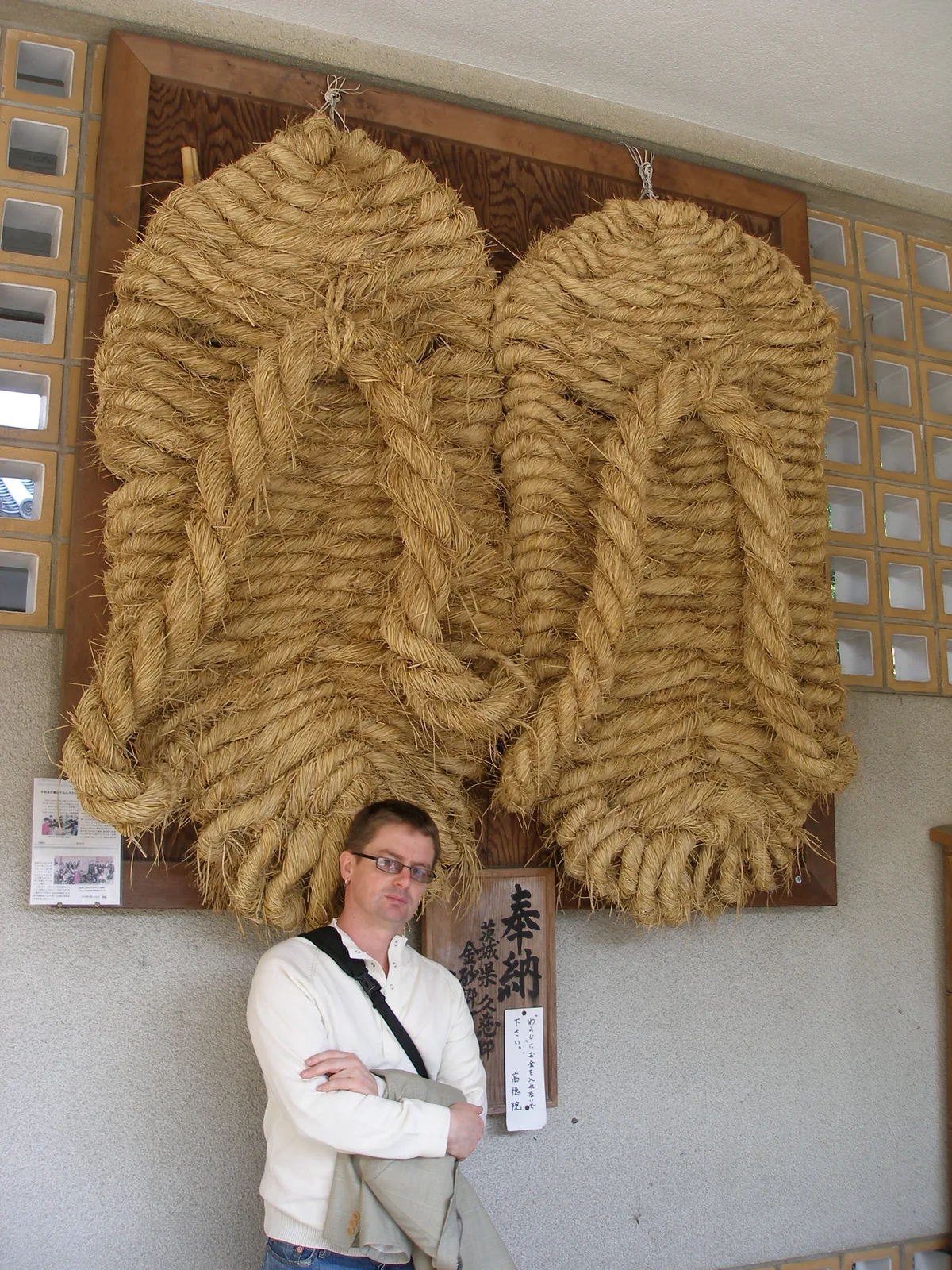
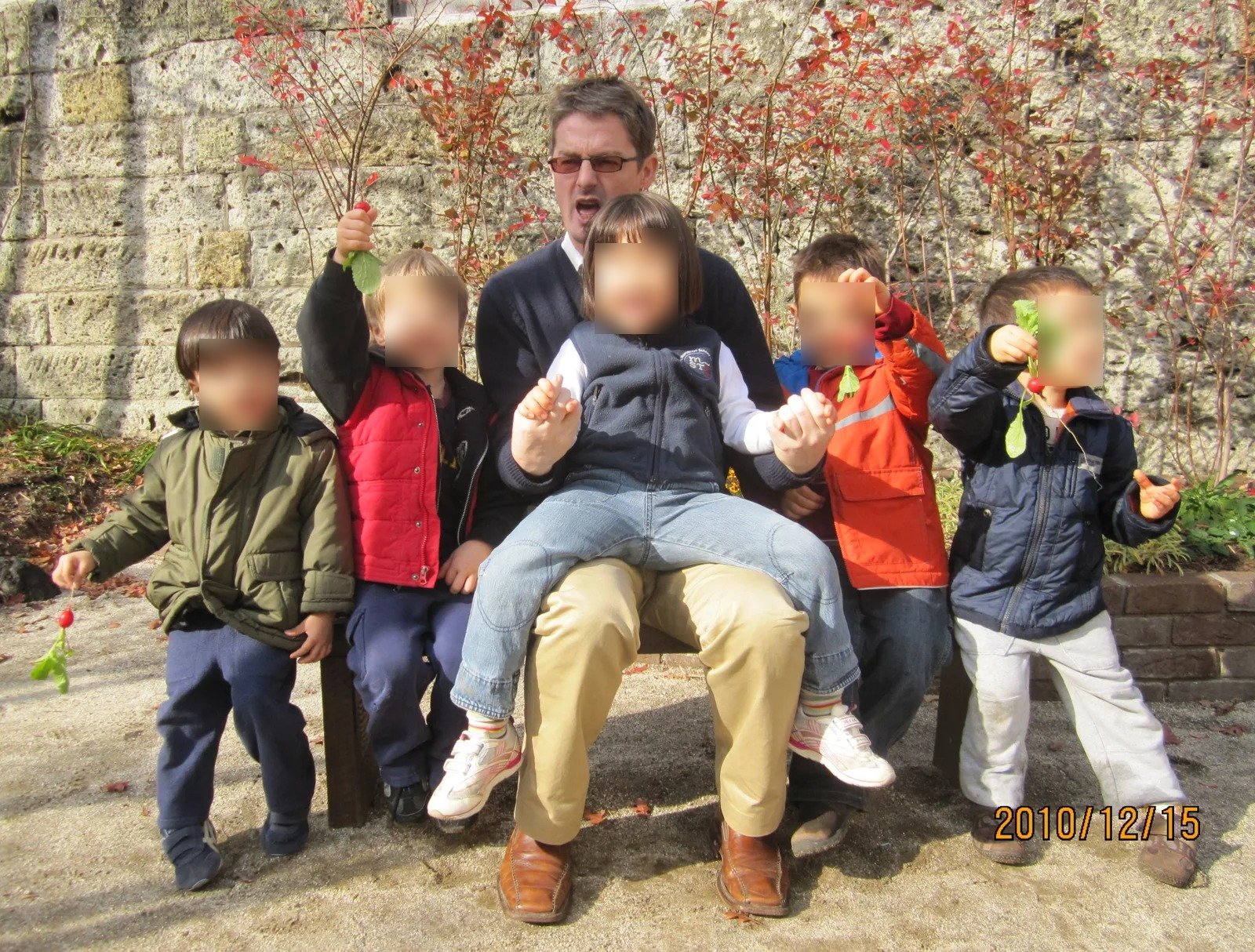
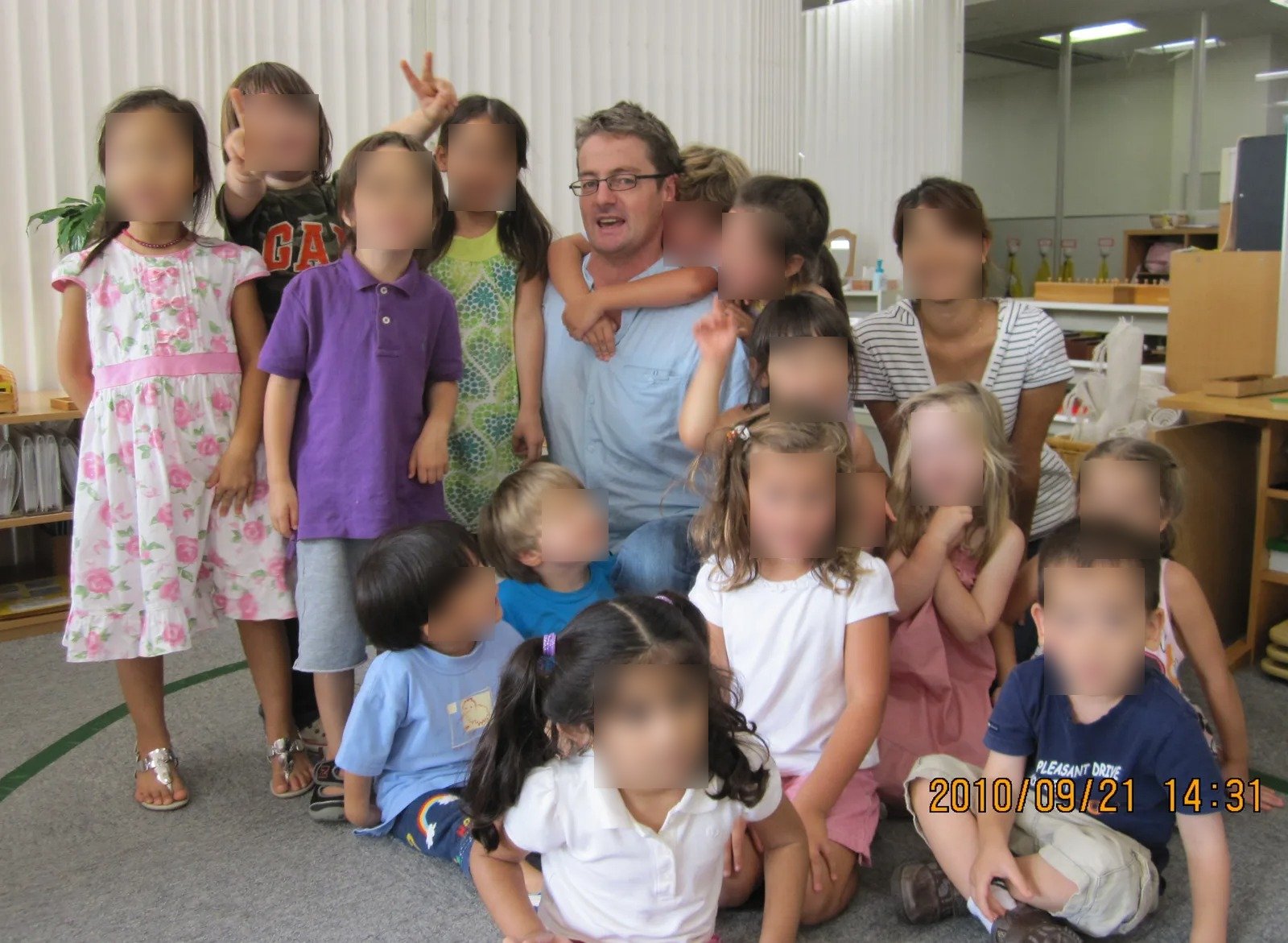
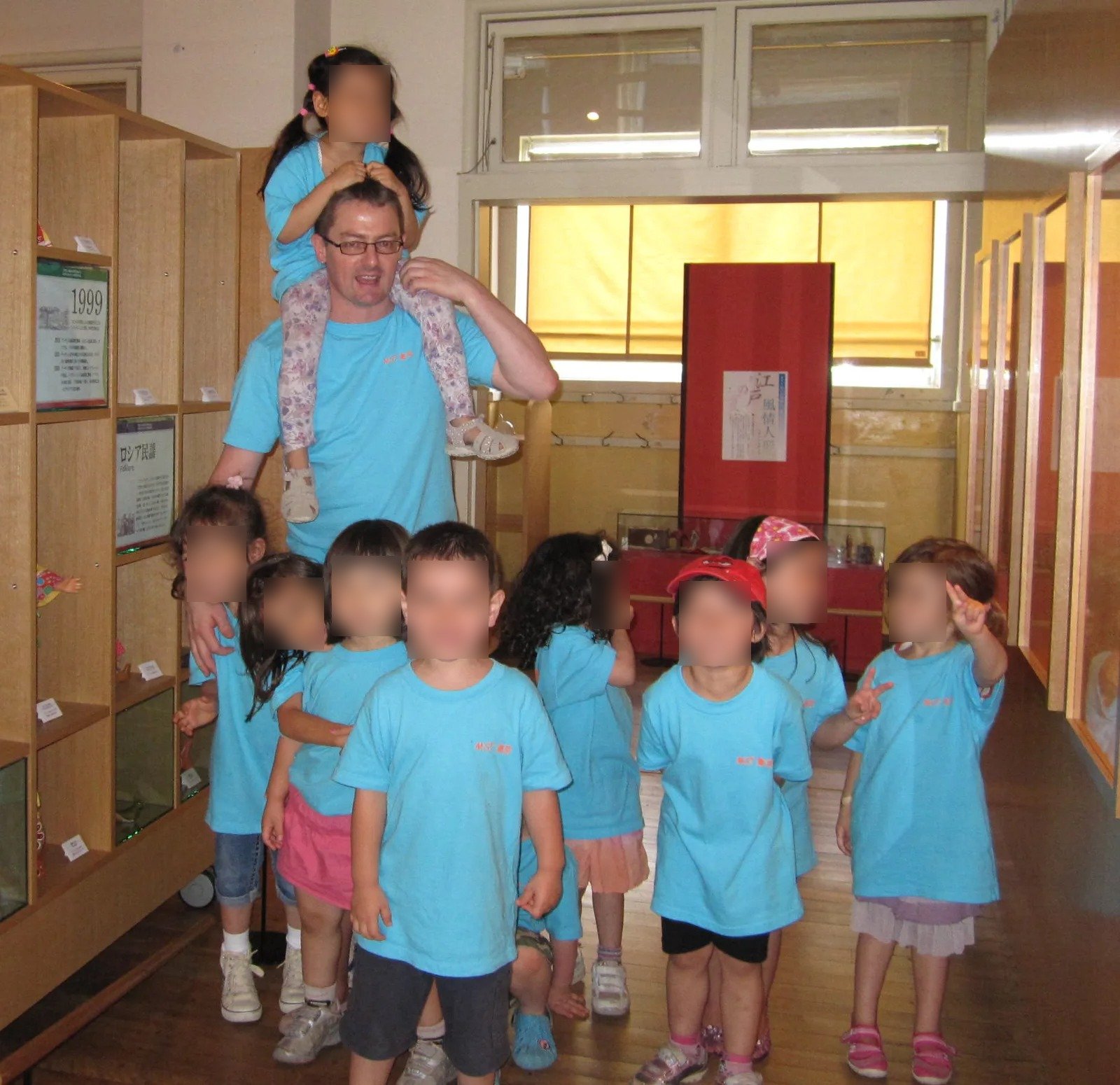
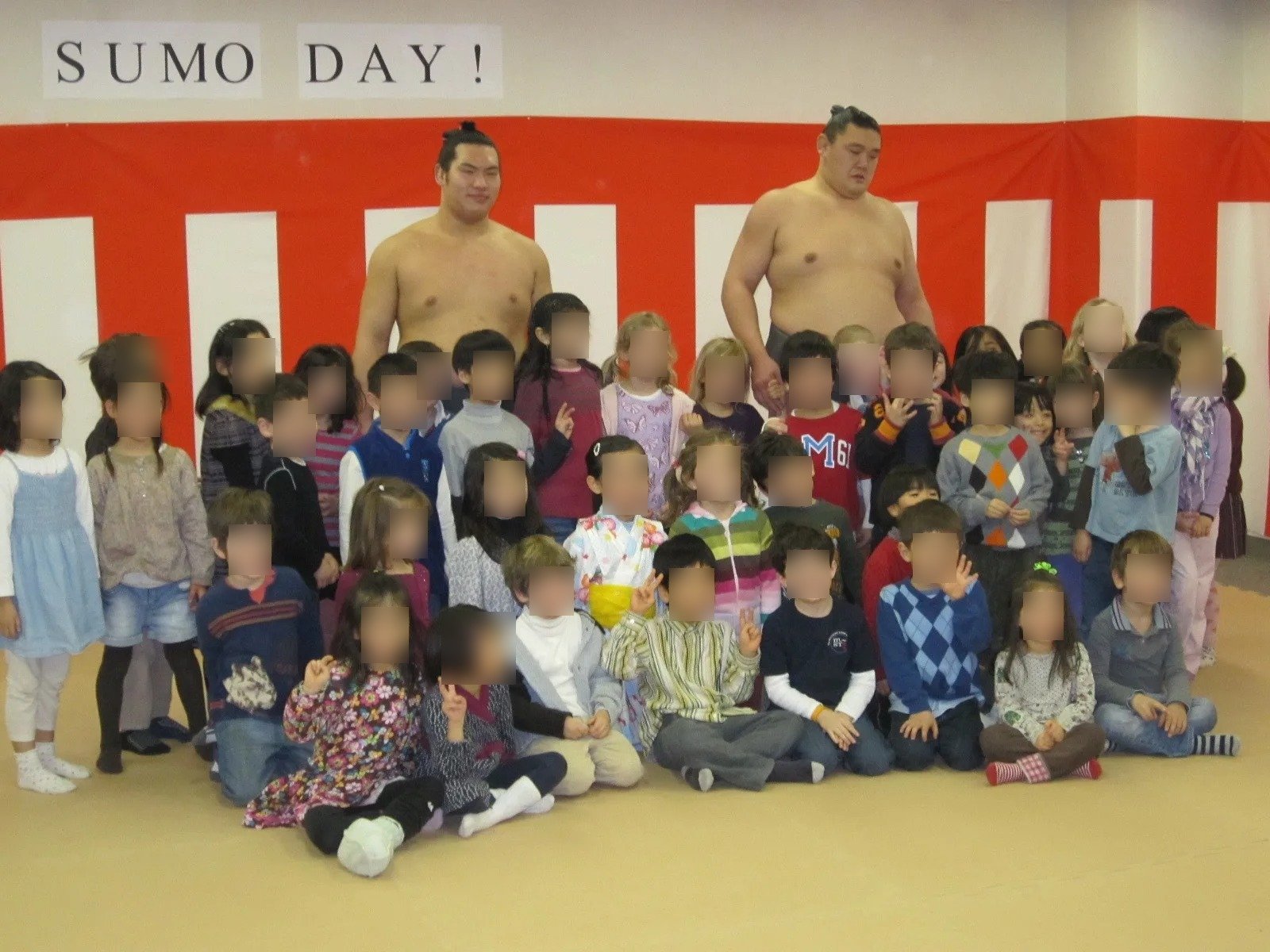
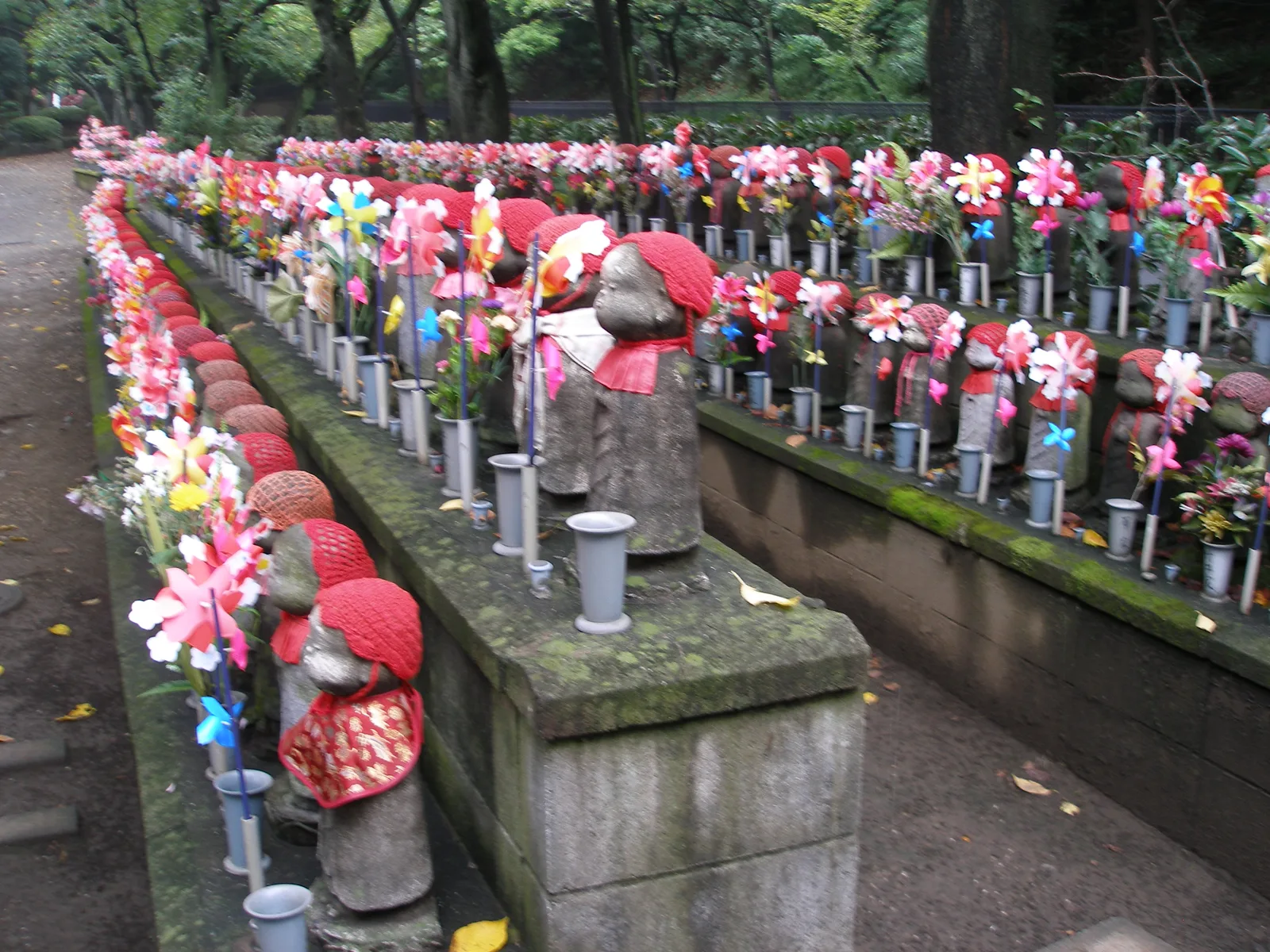
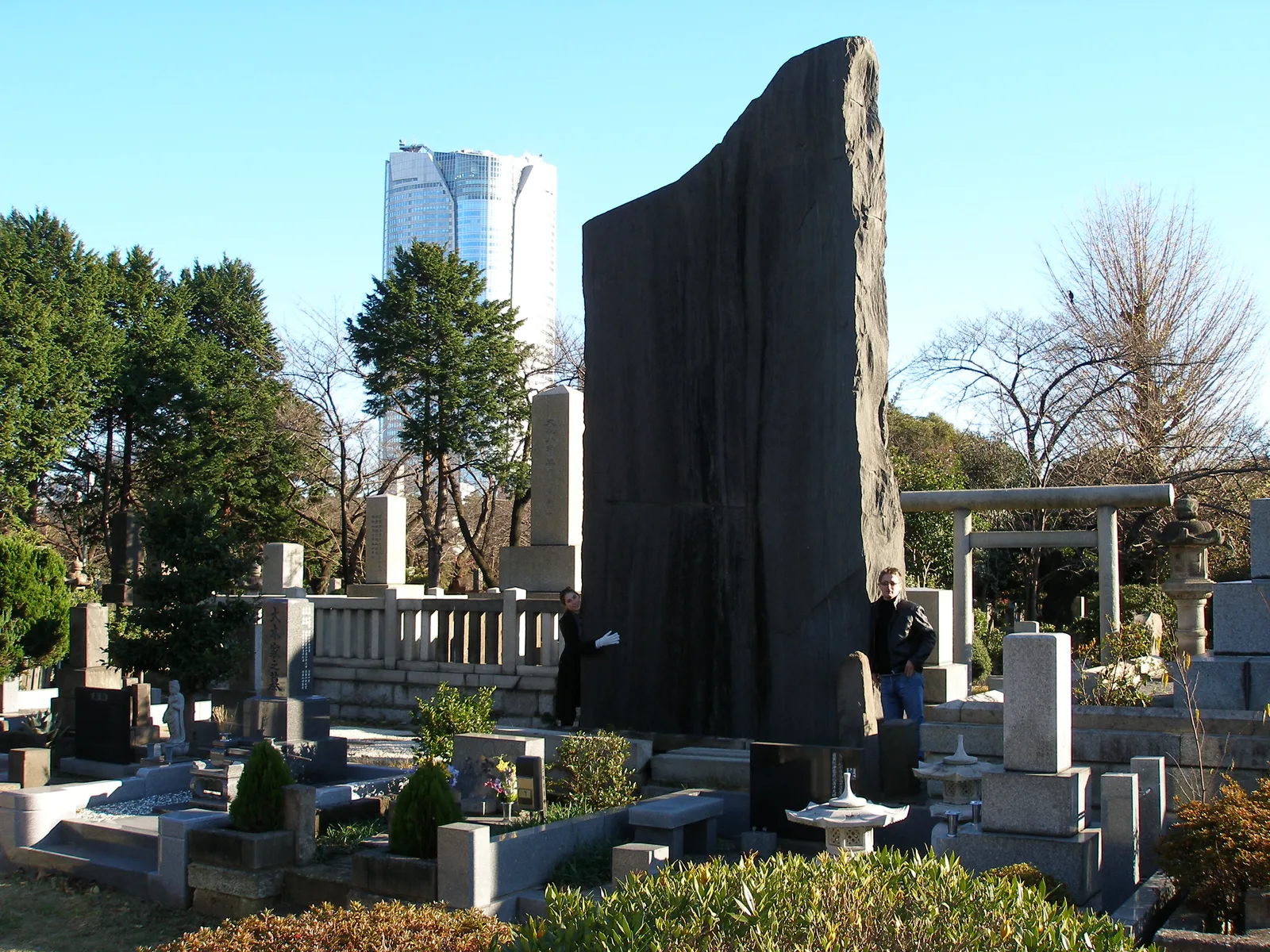
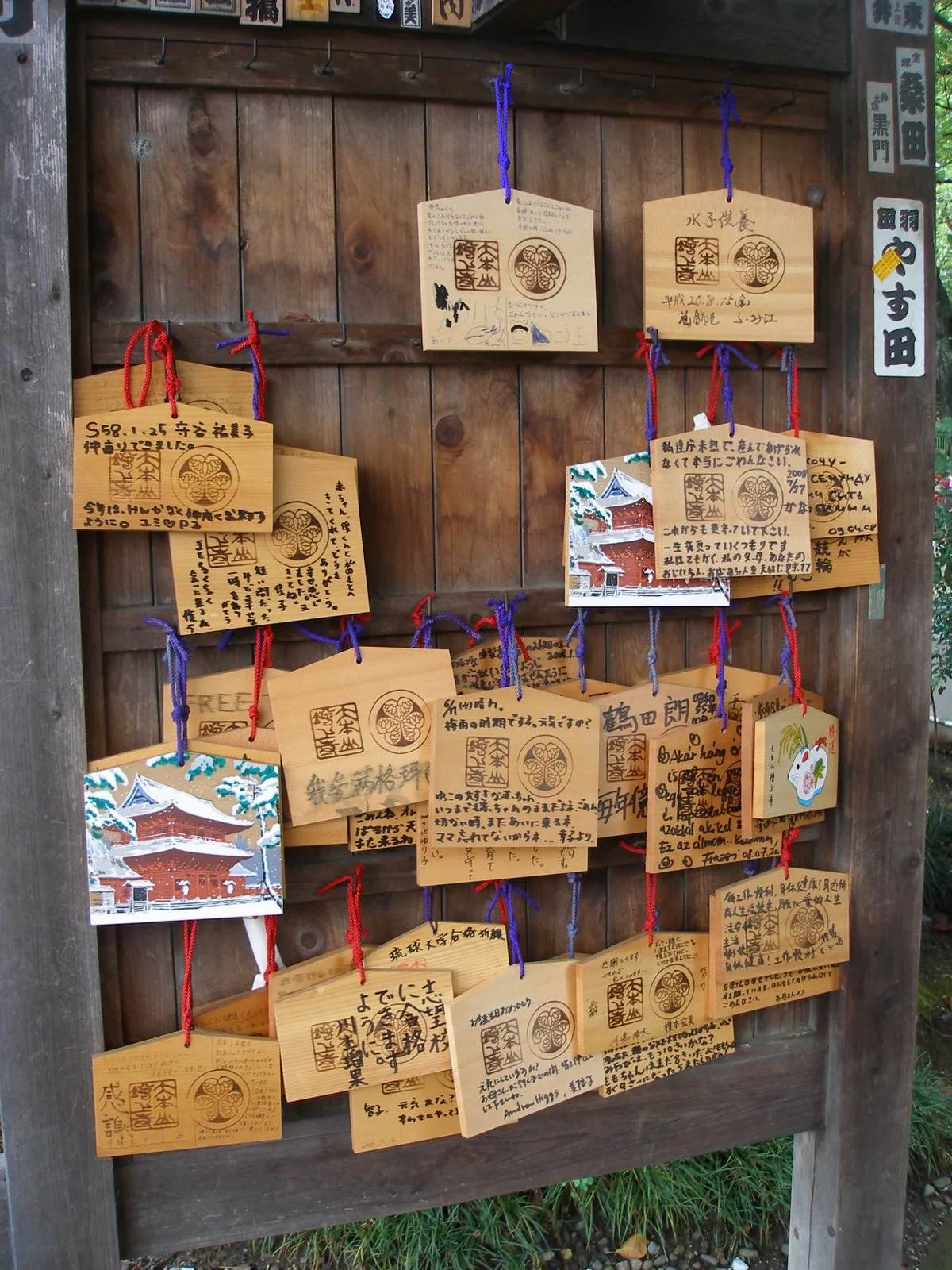
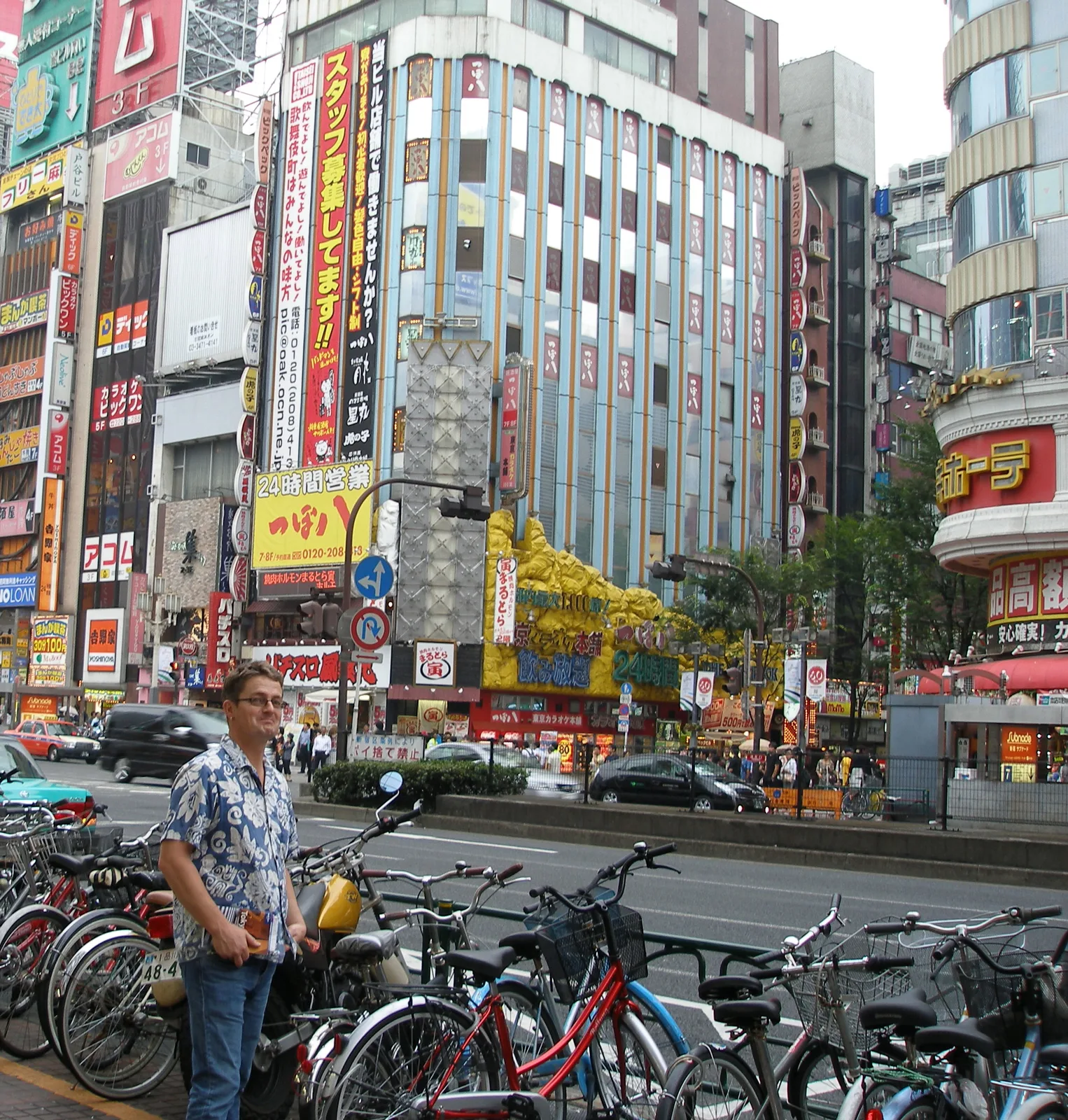
Living in Asia was tremendously stimulating, so after finishing the training, when I saw an opening at the Montessori School of Tokyo, I applied and was accepted for my first Montessori teaching job.
2011 – 2012
Beijing
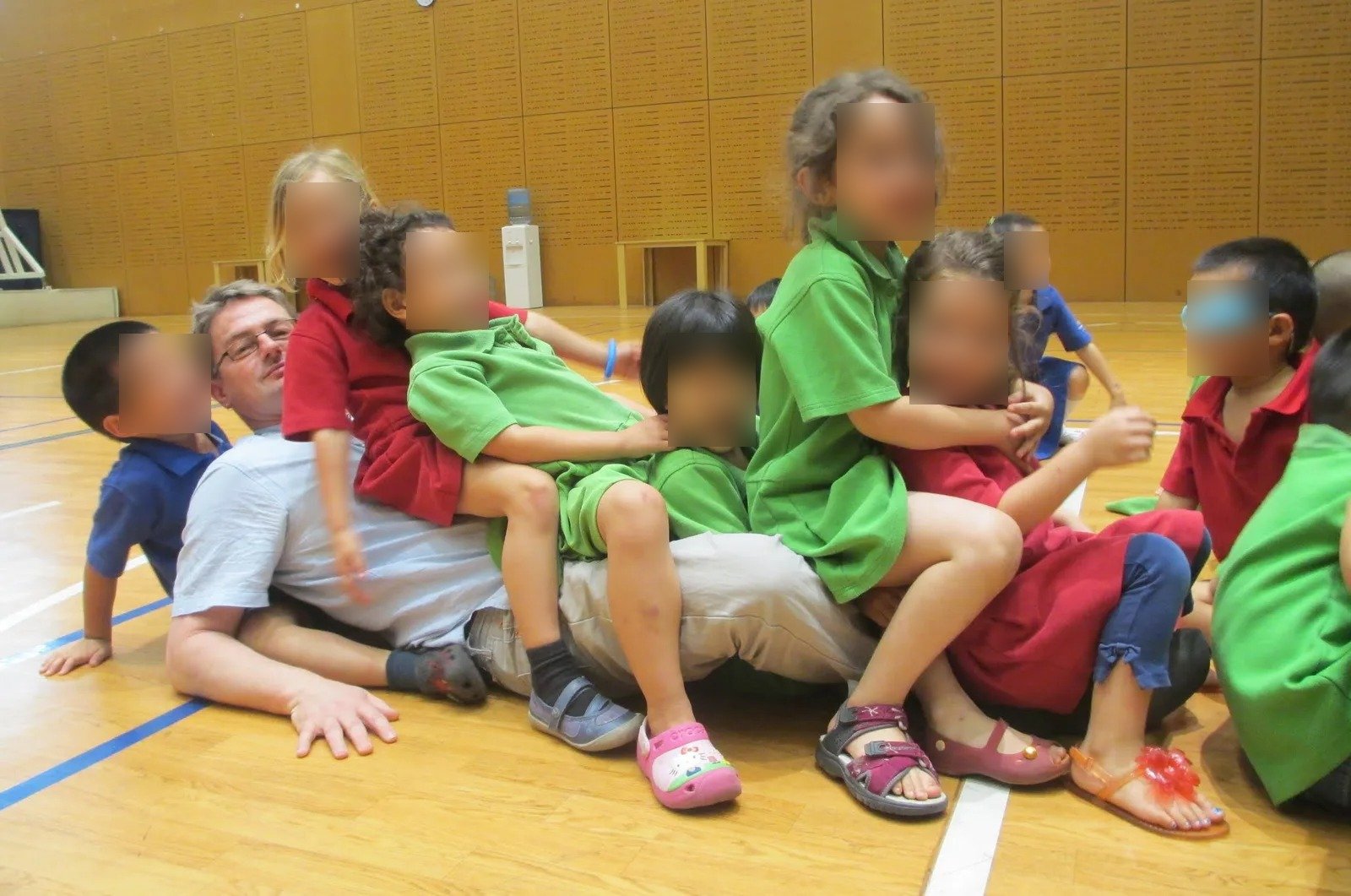
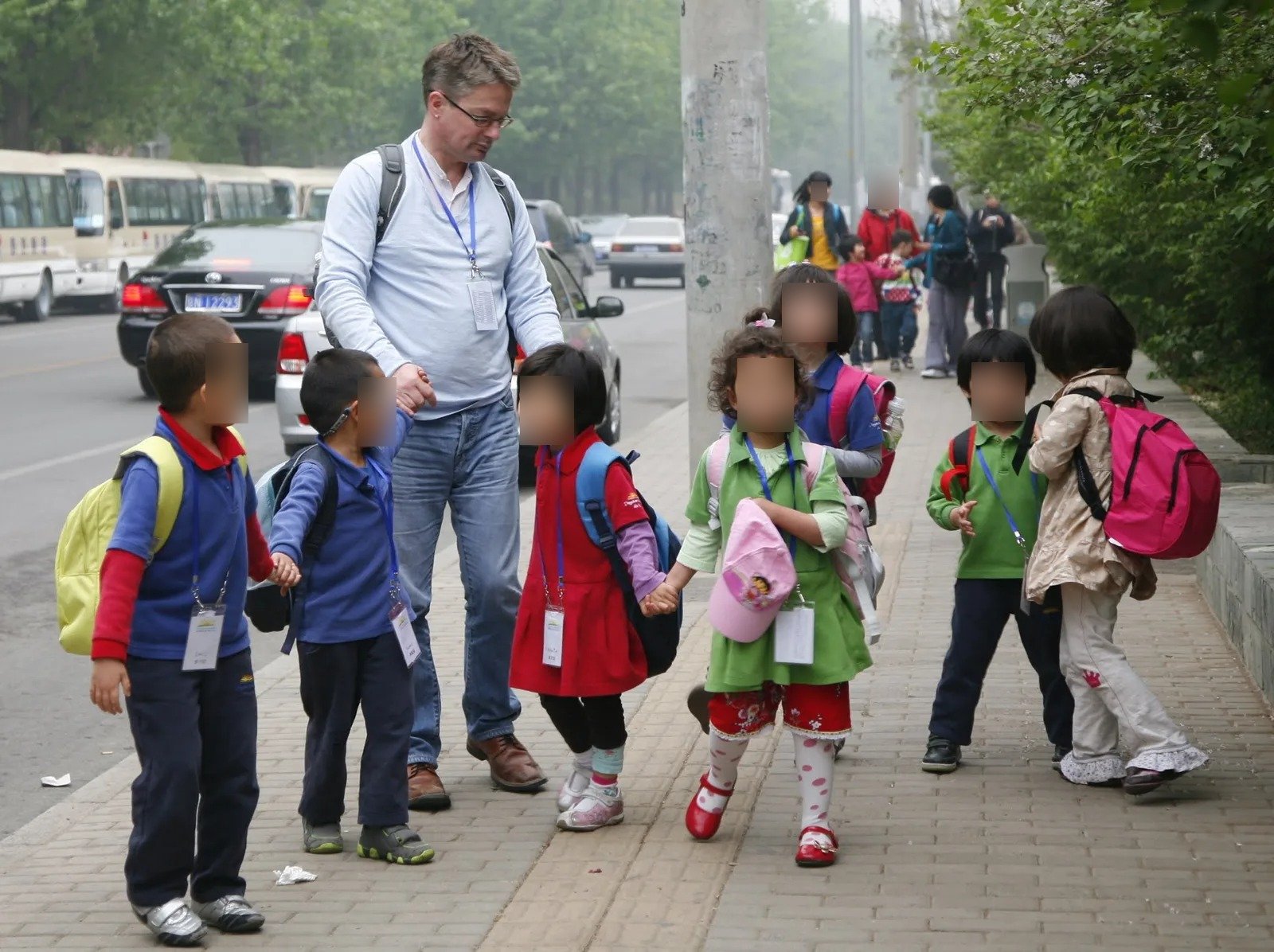
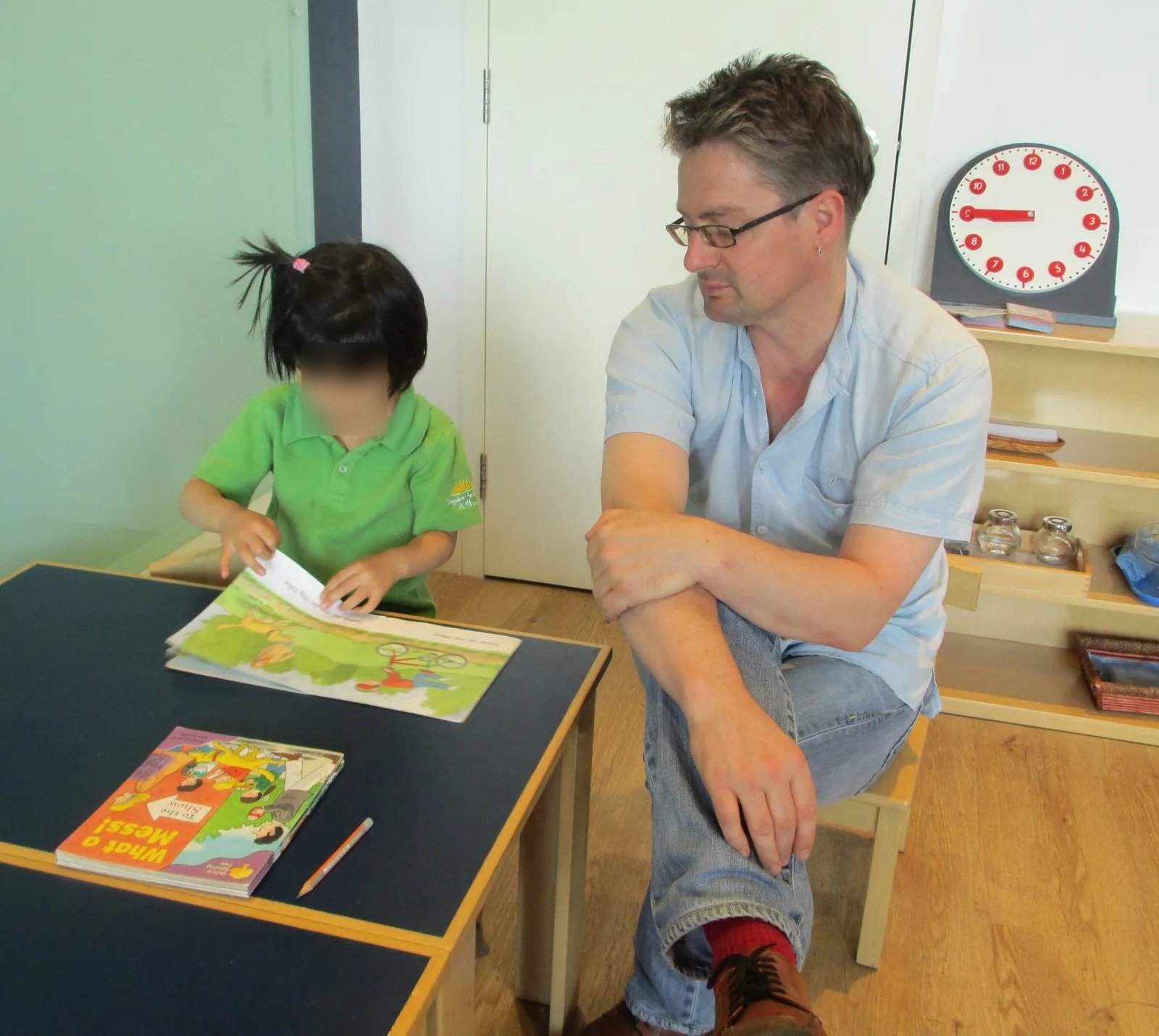
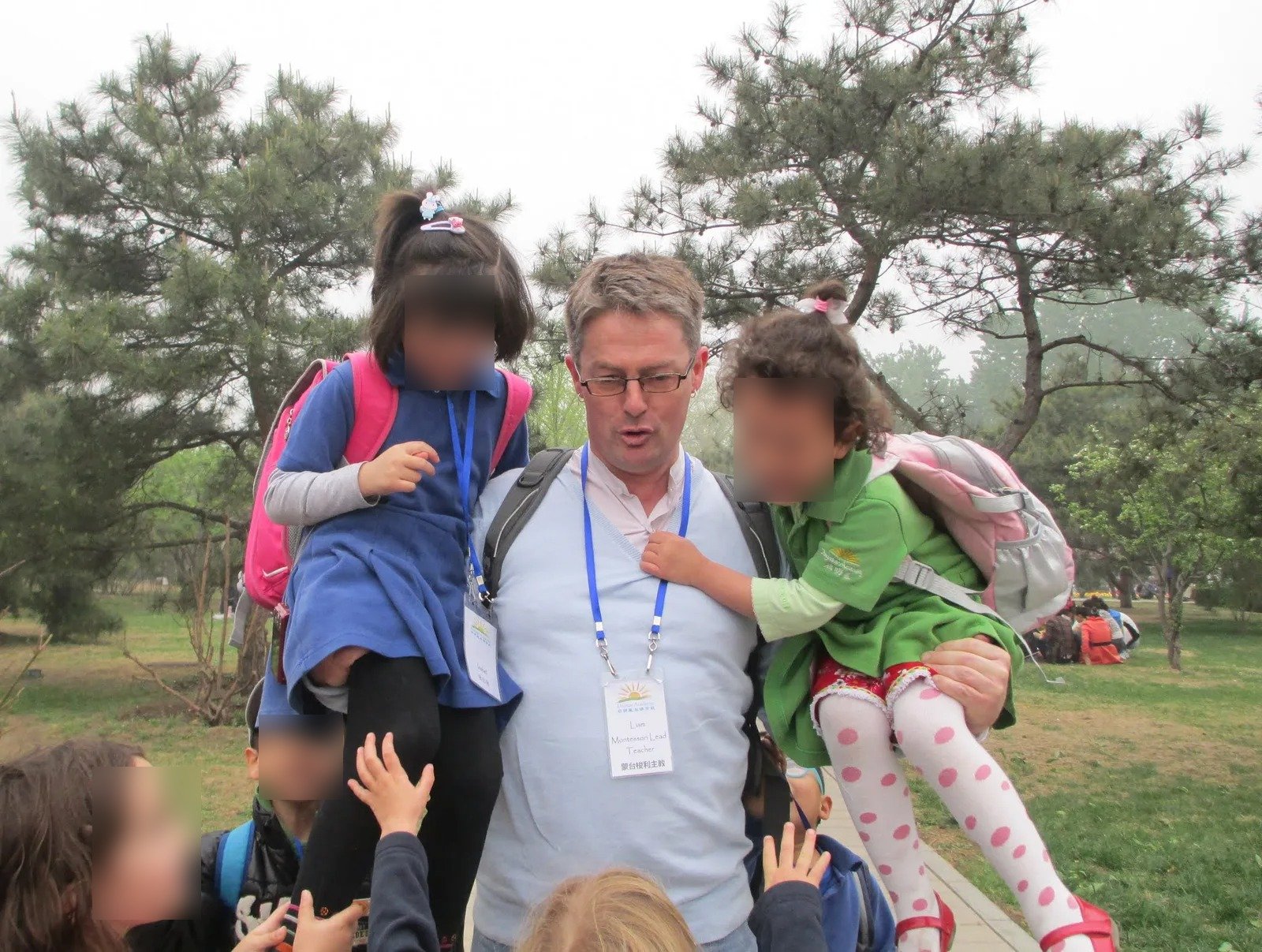
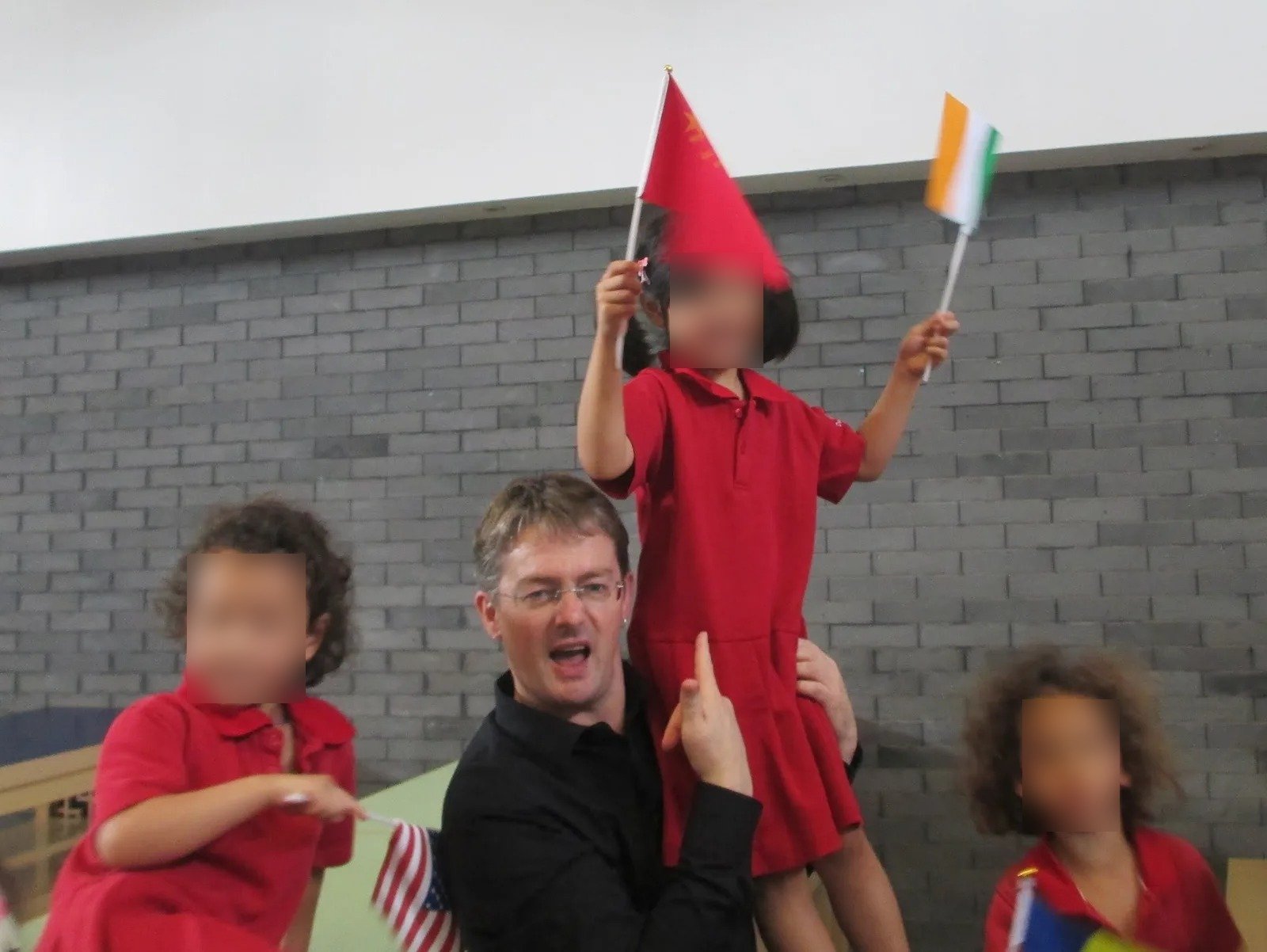
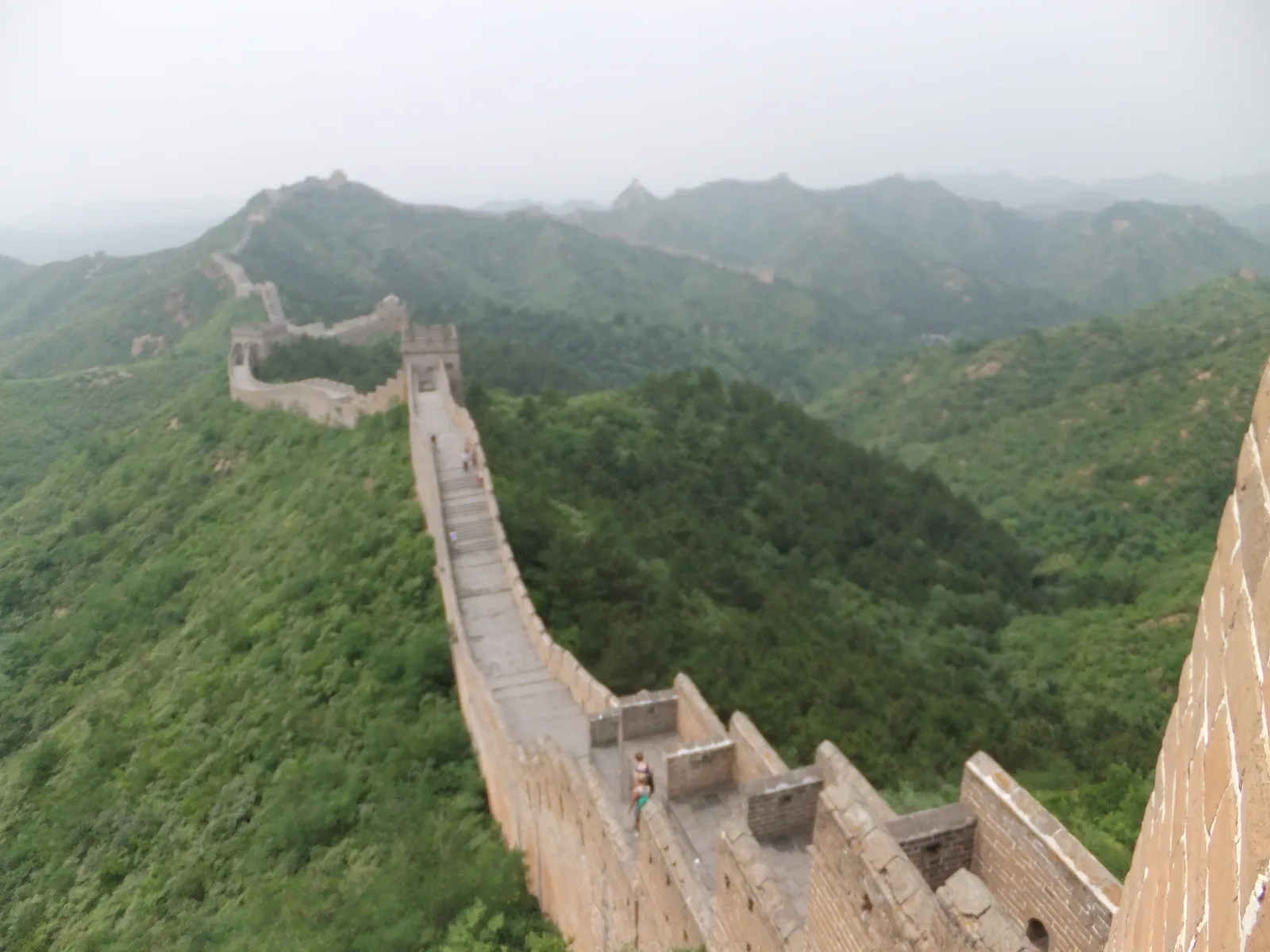
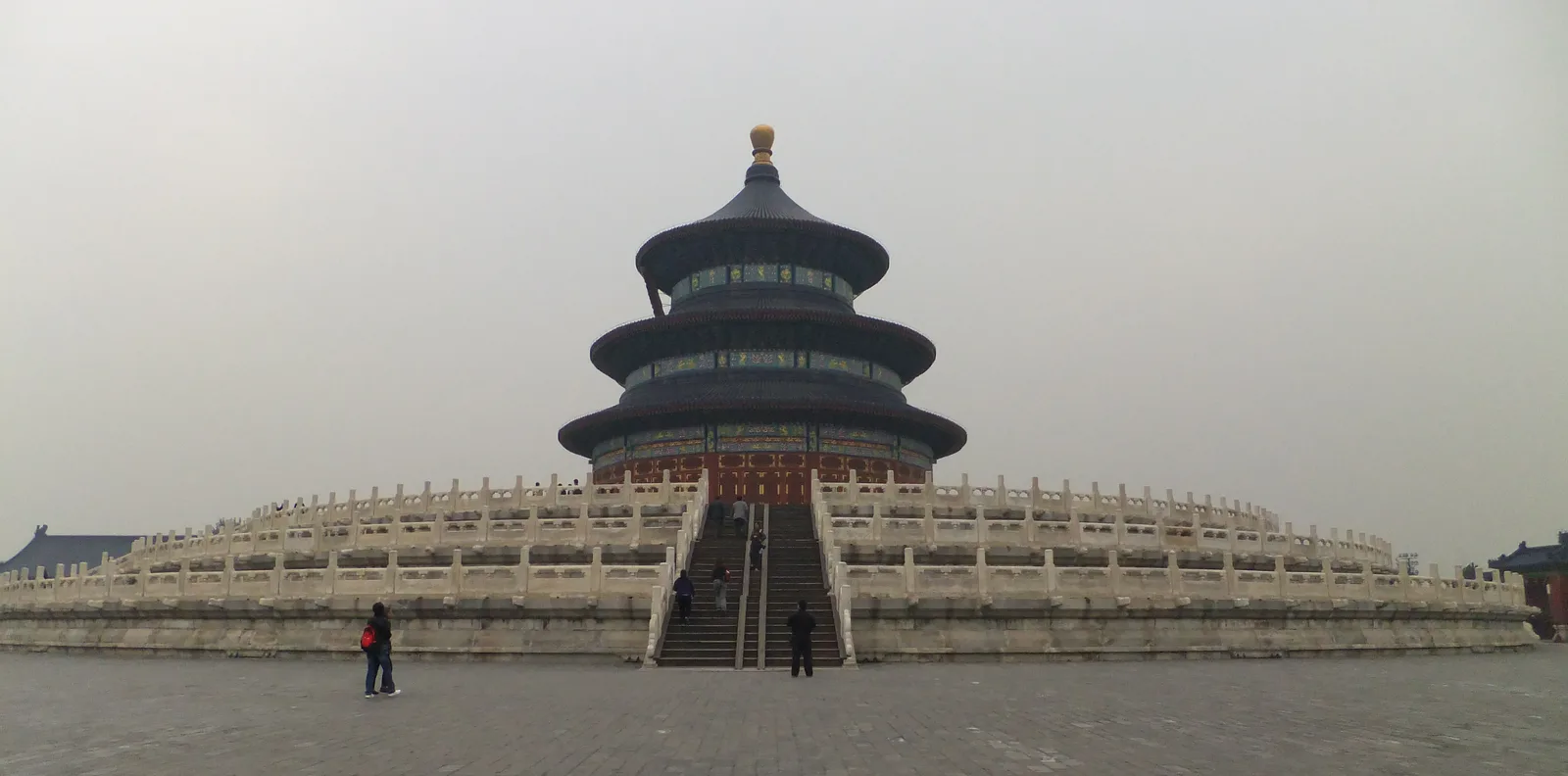
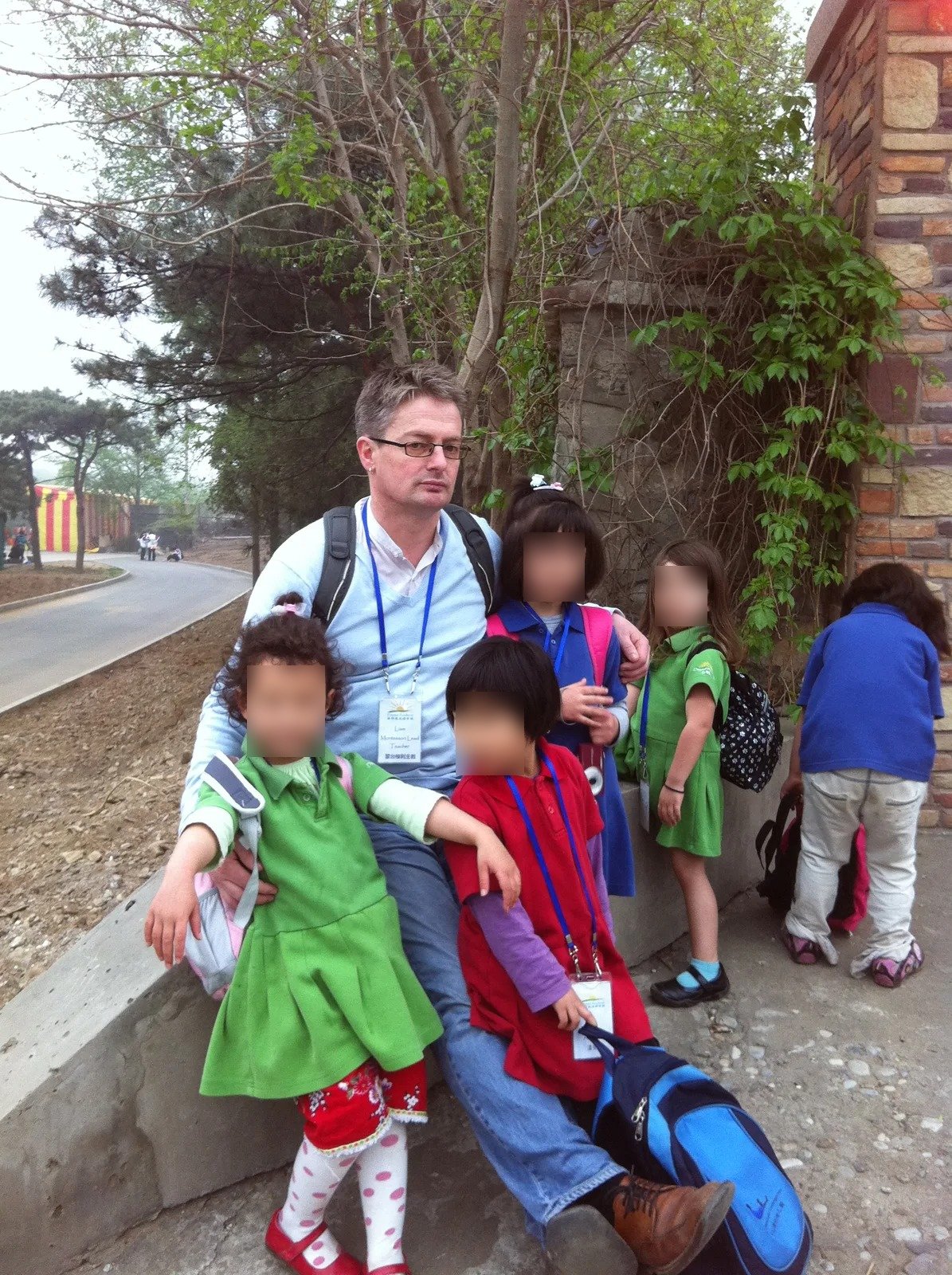
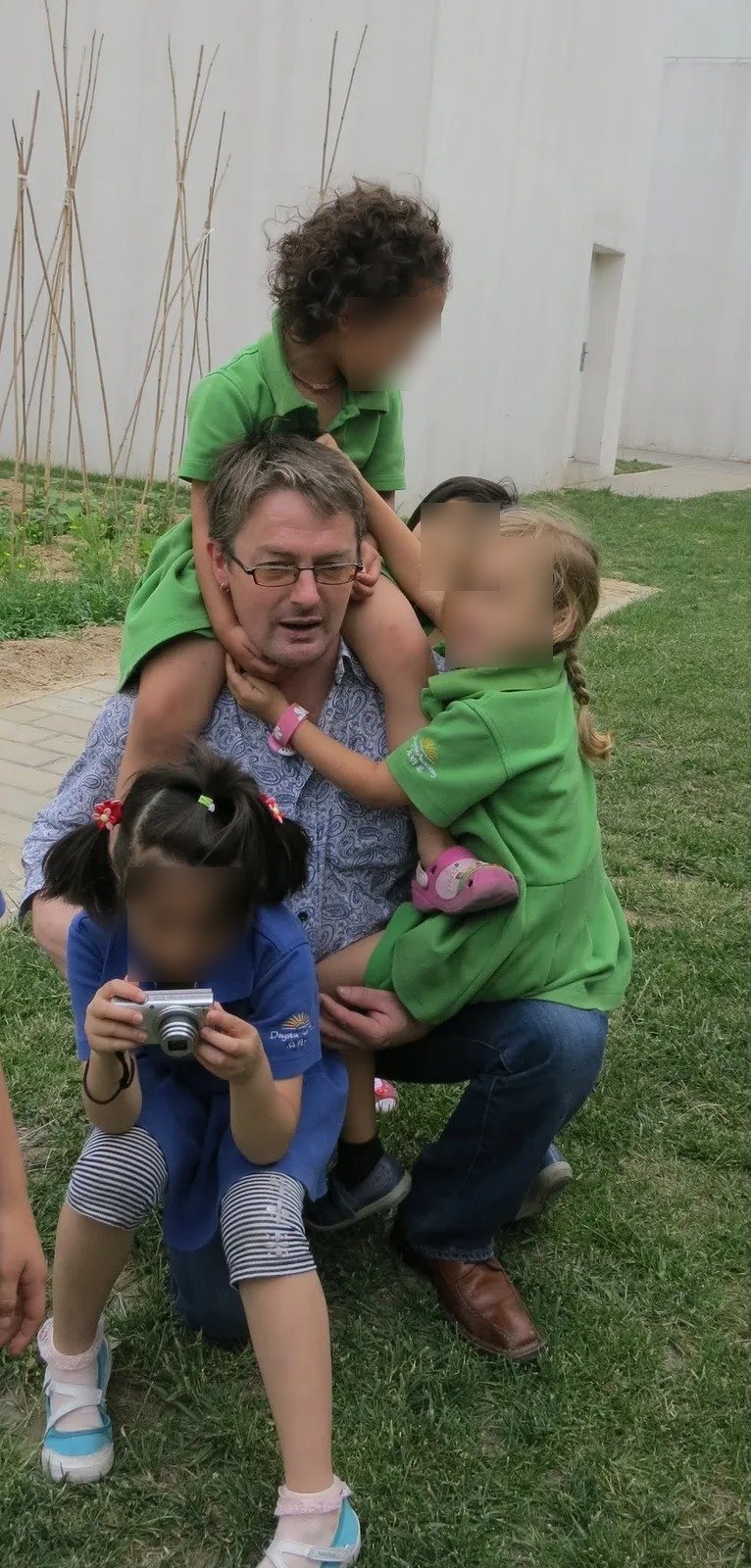
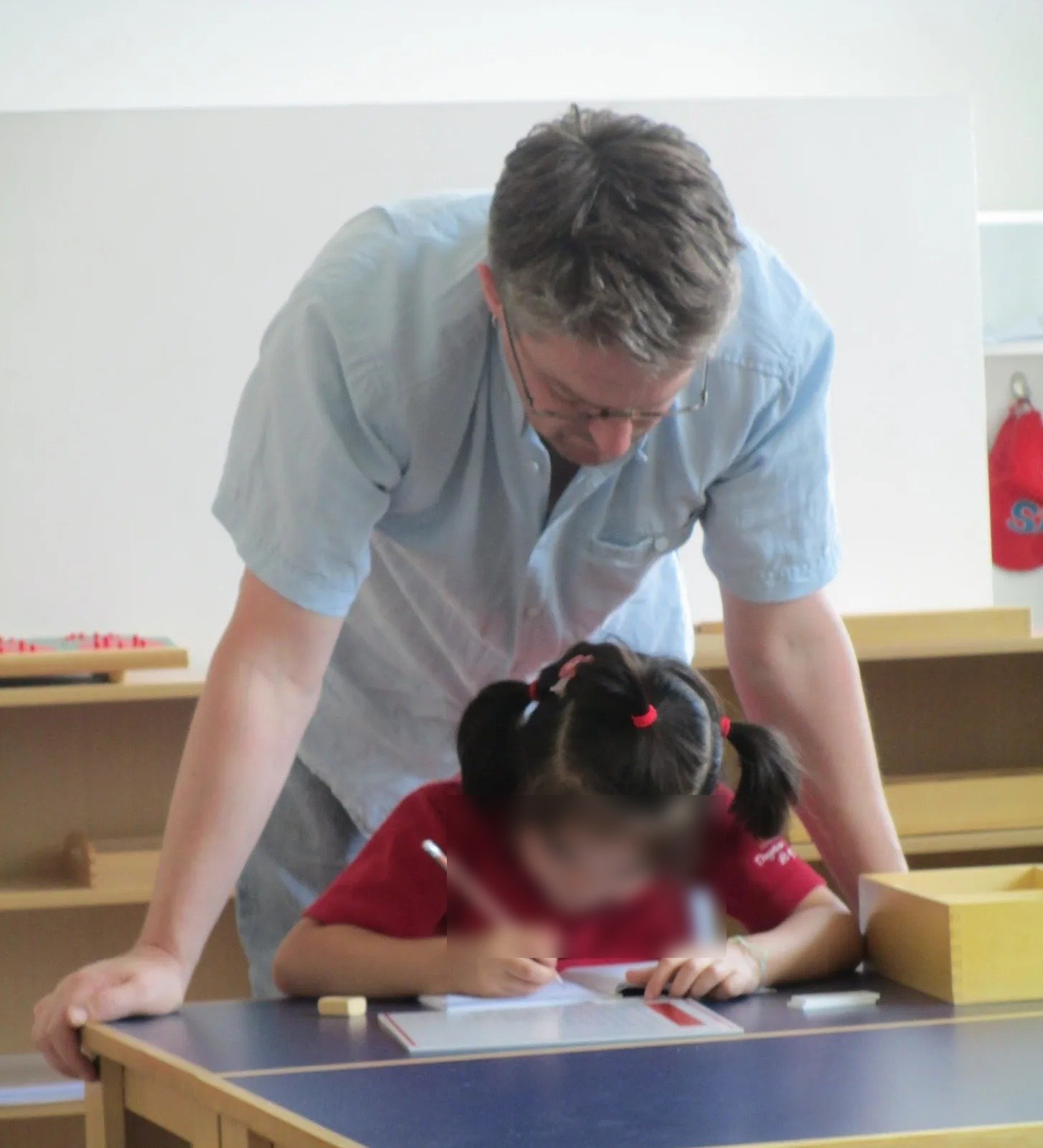
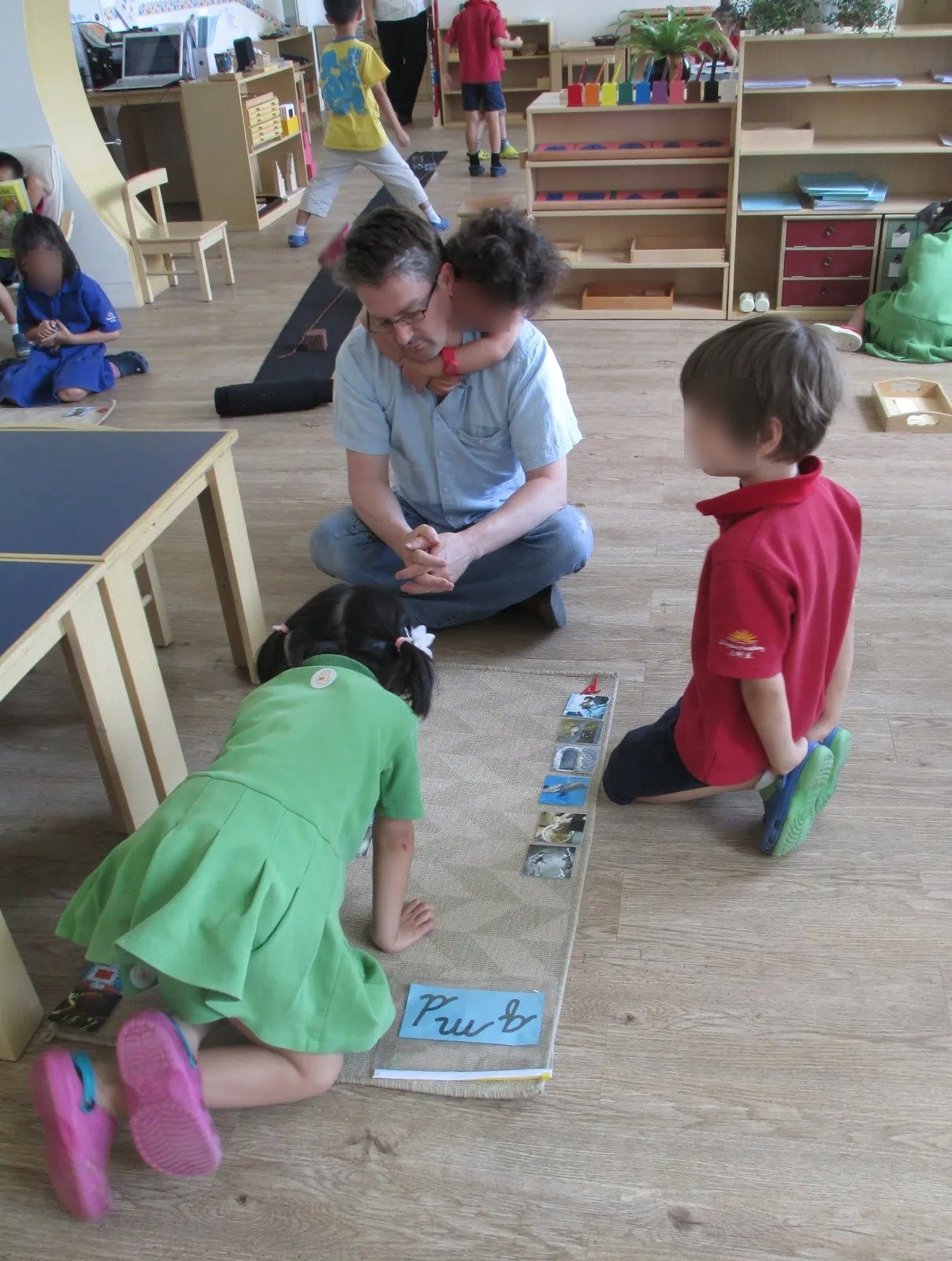
When I was in university in London, I worked one summer in the United States. I can still remember the rush of adrenaline I felt getting off the plane at Logan Airport in Boston and I felt the same rush of adrenaline the first time I had a holiday in China, so I was keen to return and make it my home. In 2011 I had that opportunity, when I was hired by Daystar Academy, an international Montessori school where I was fortunate to guide some wonderfully curious, happy and independent children.

2012 – 2013
Shanghai
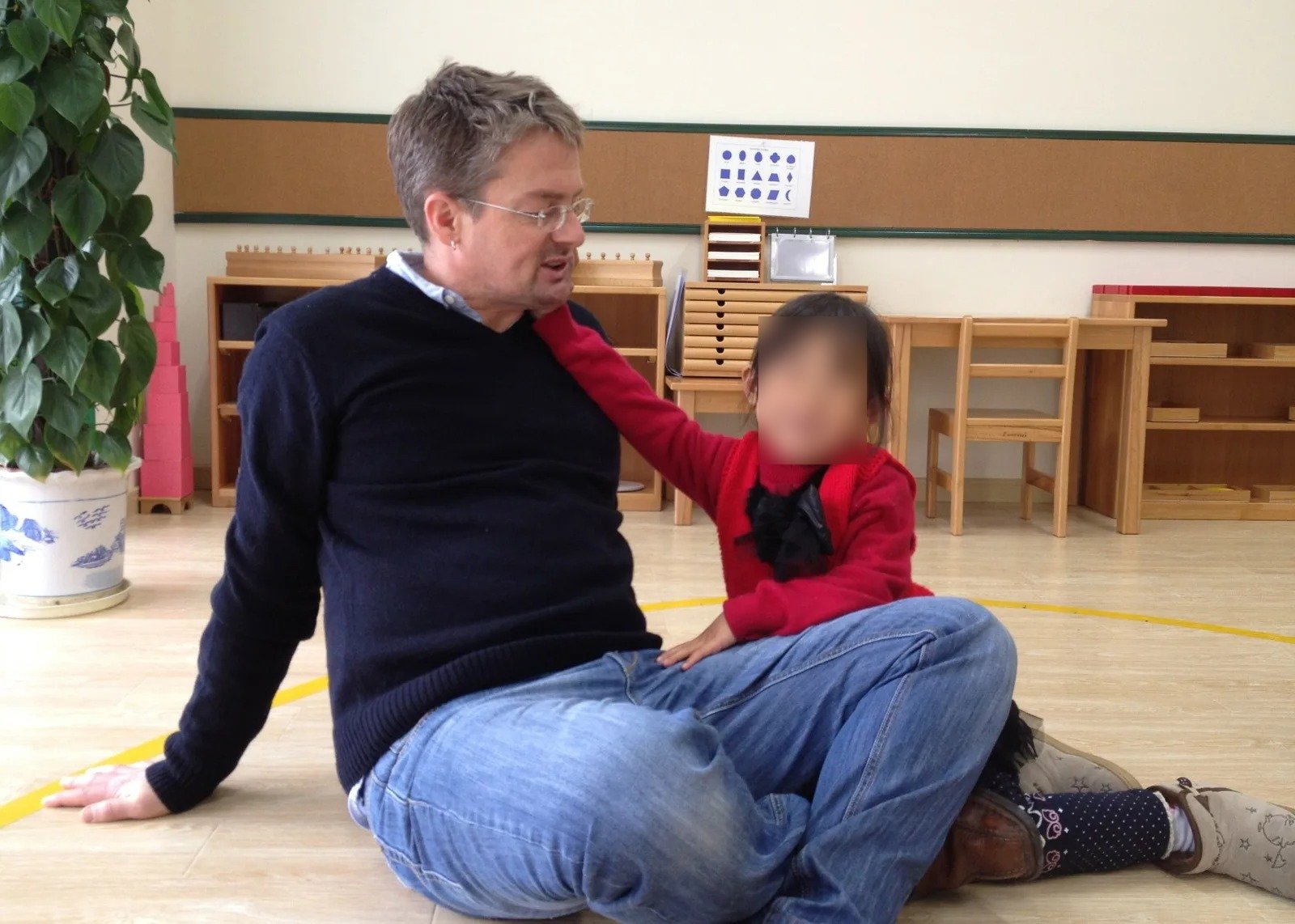
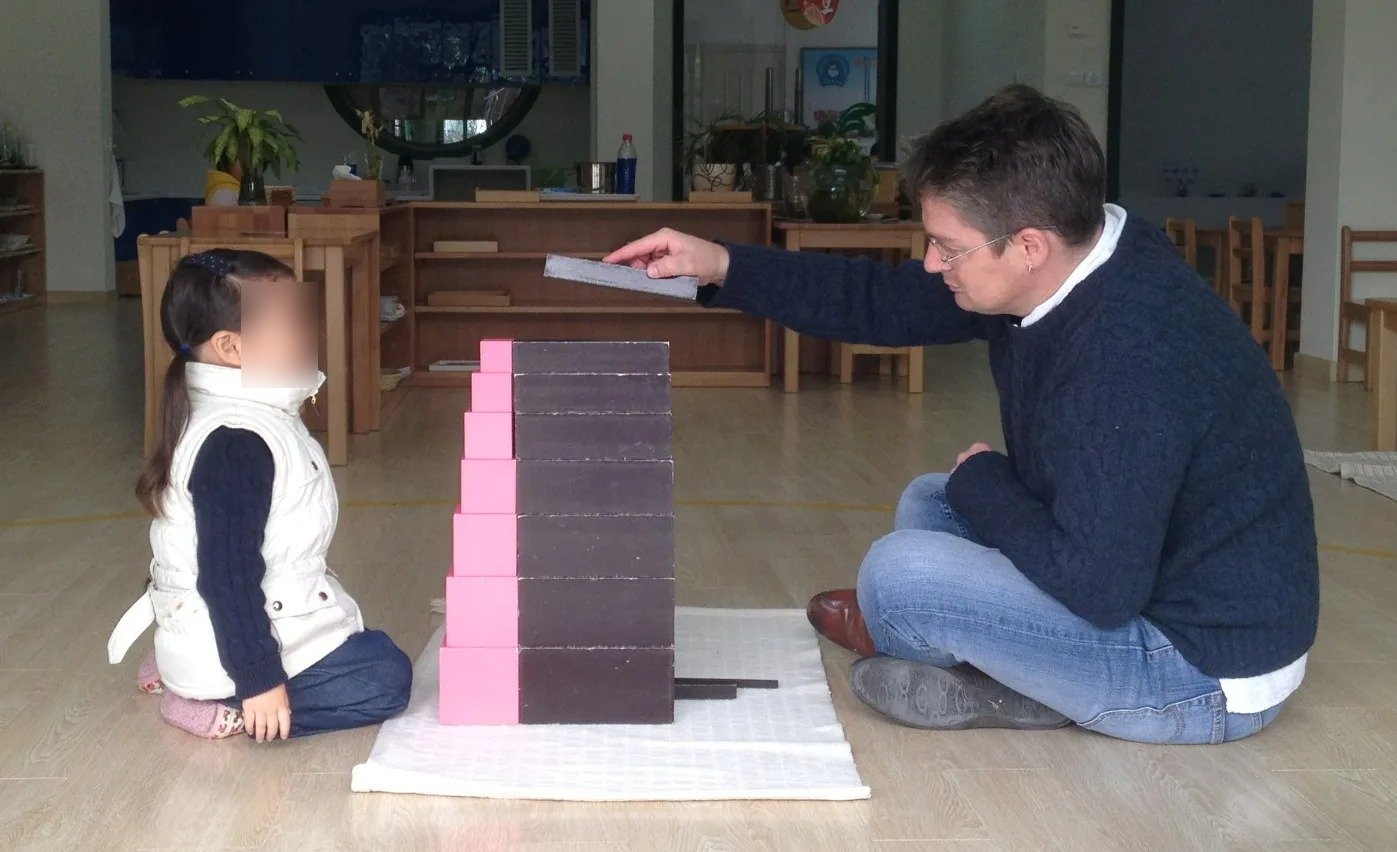
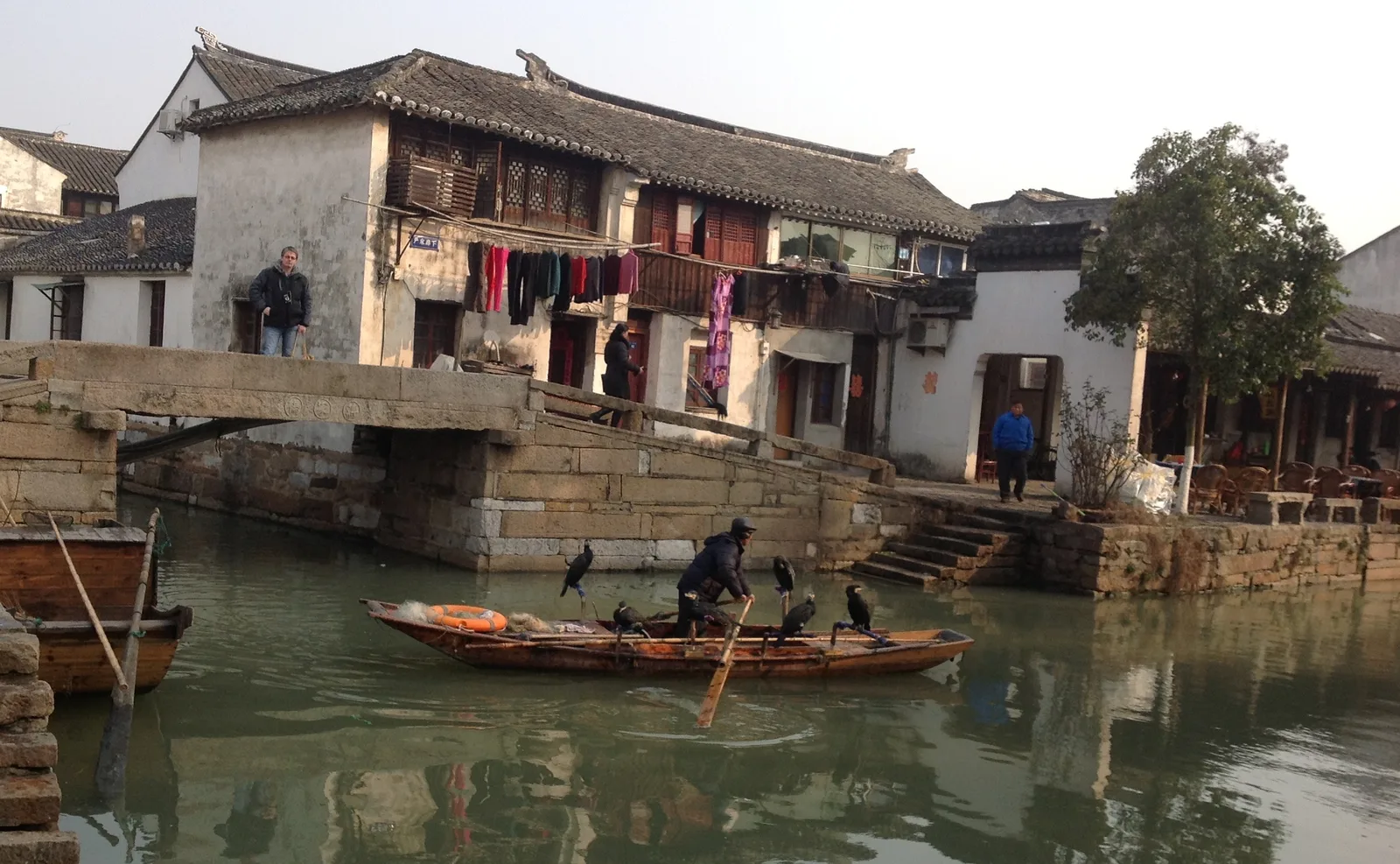
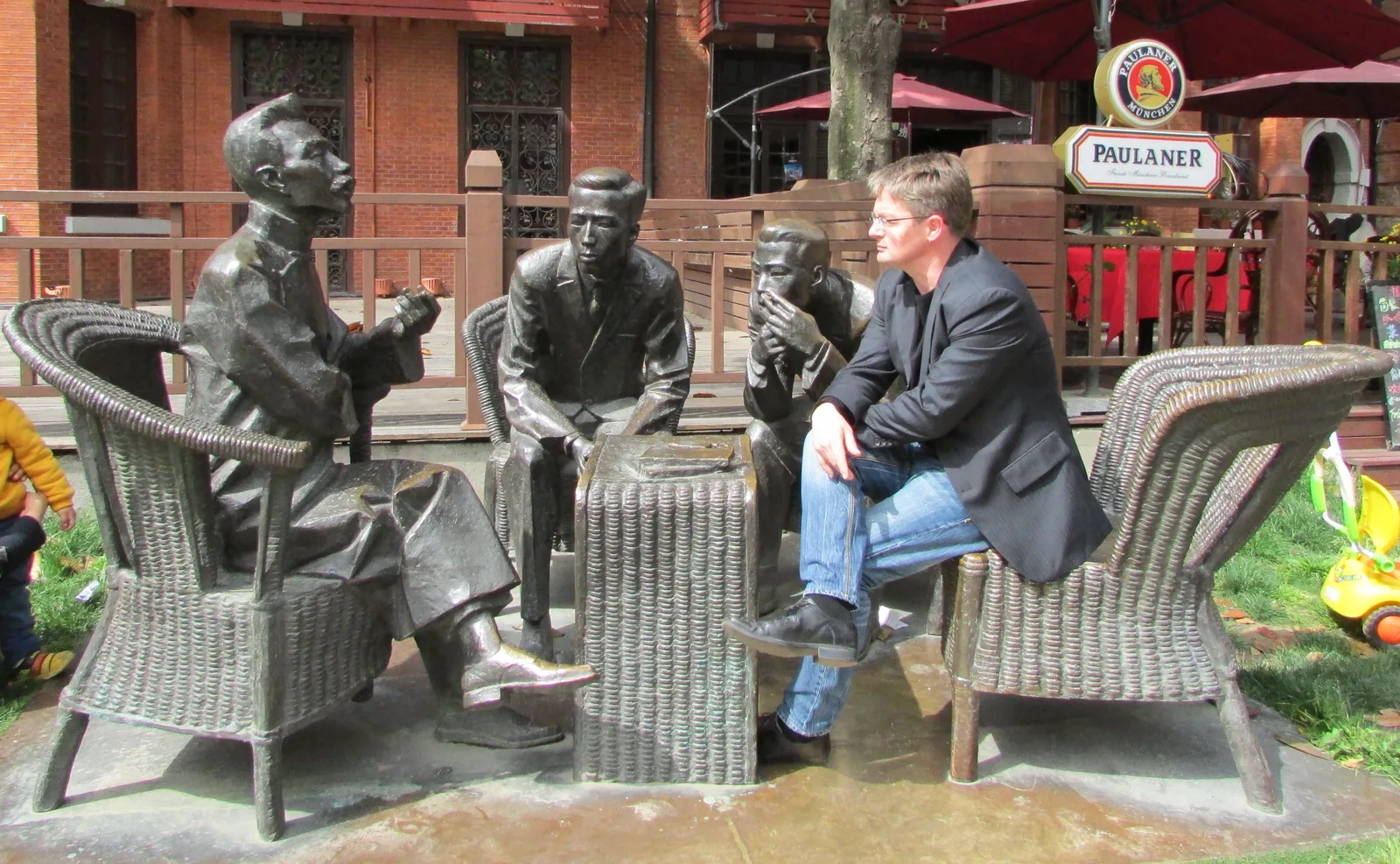
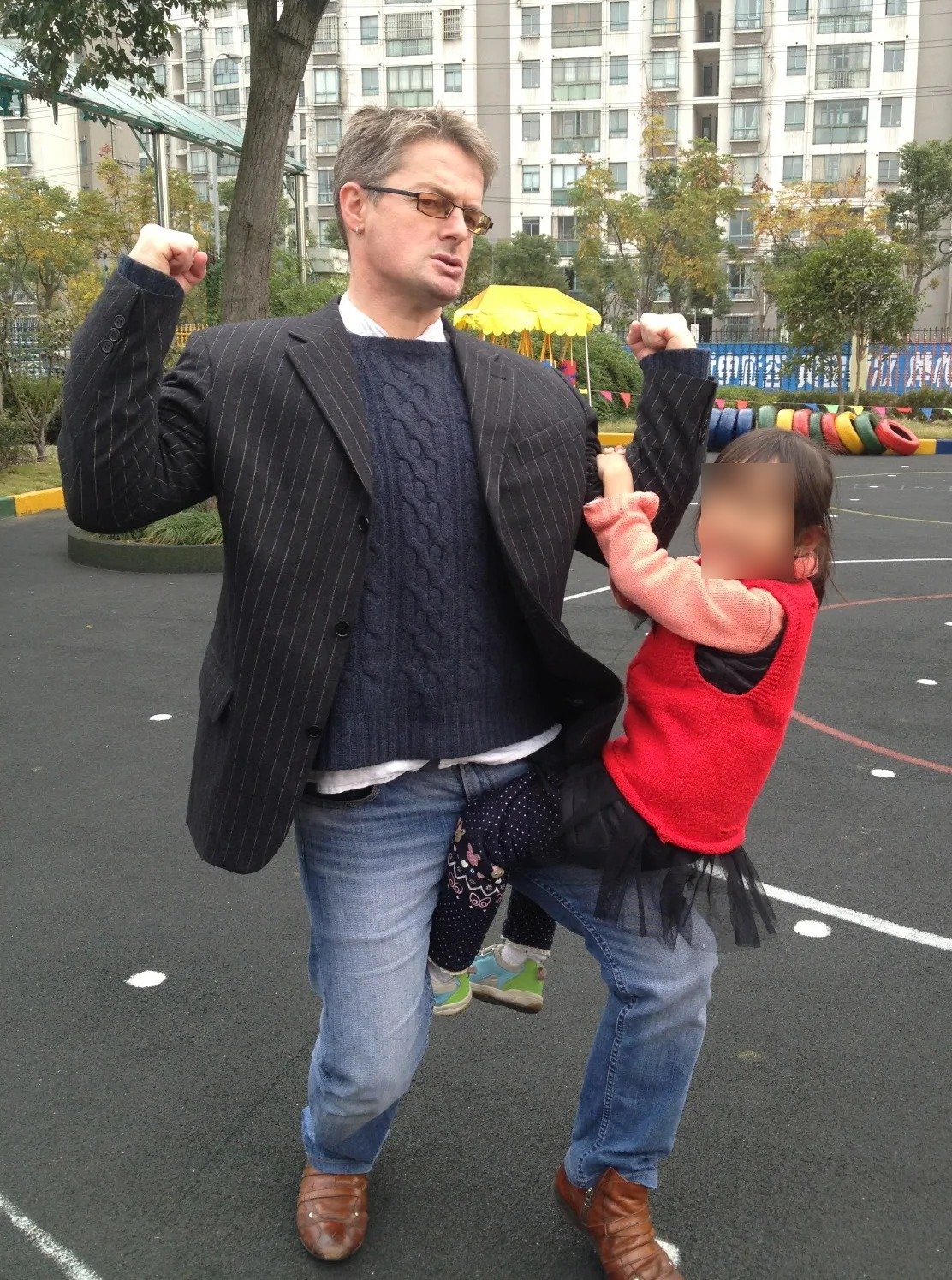
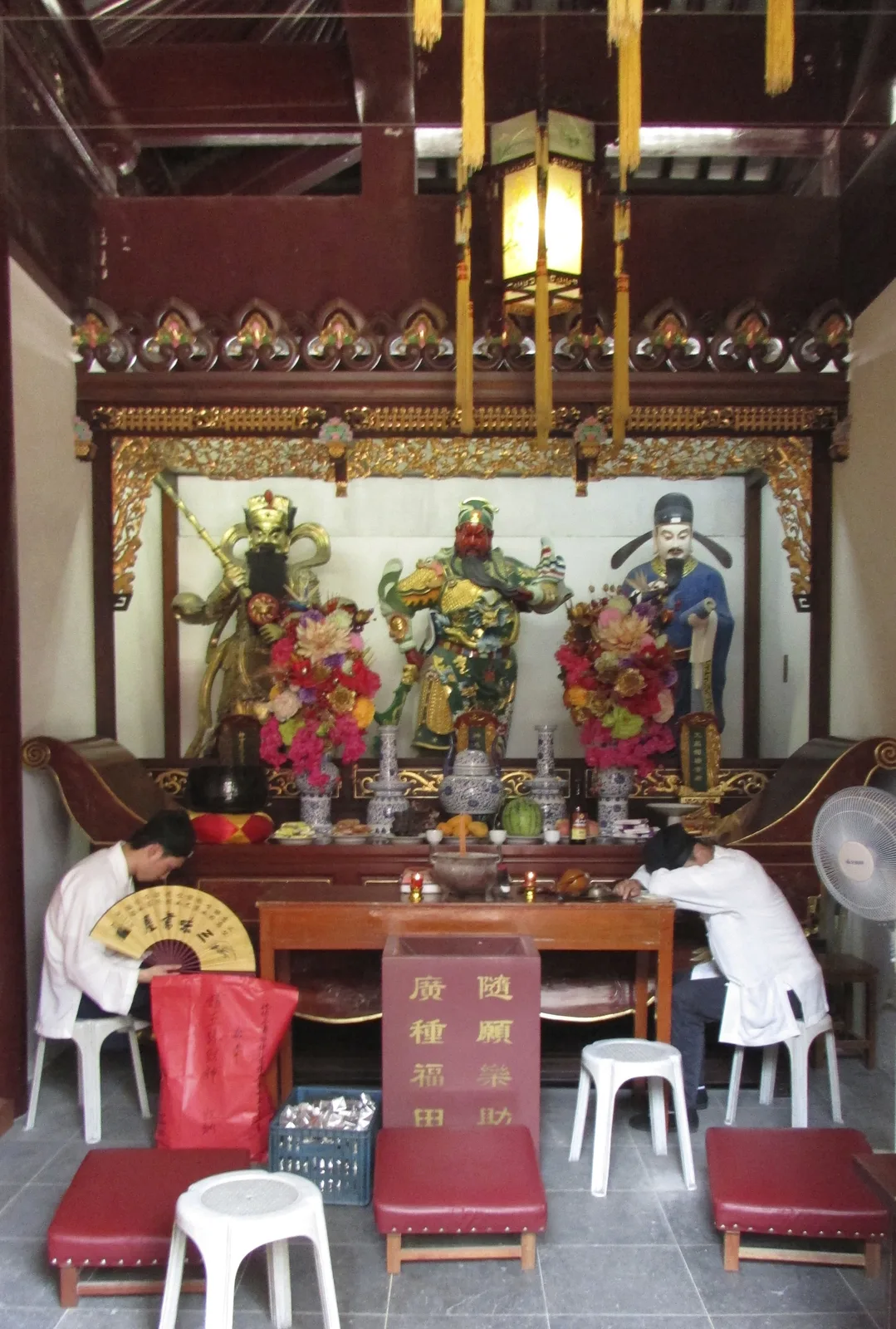
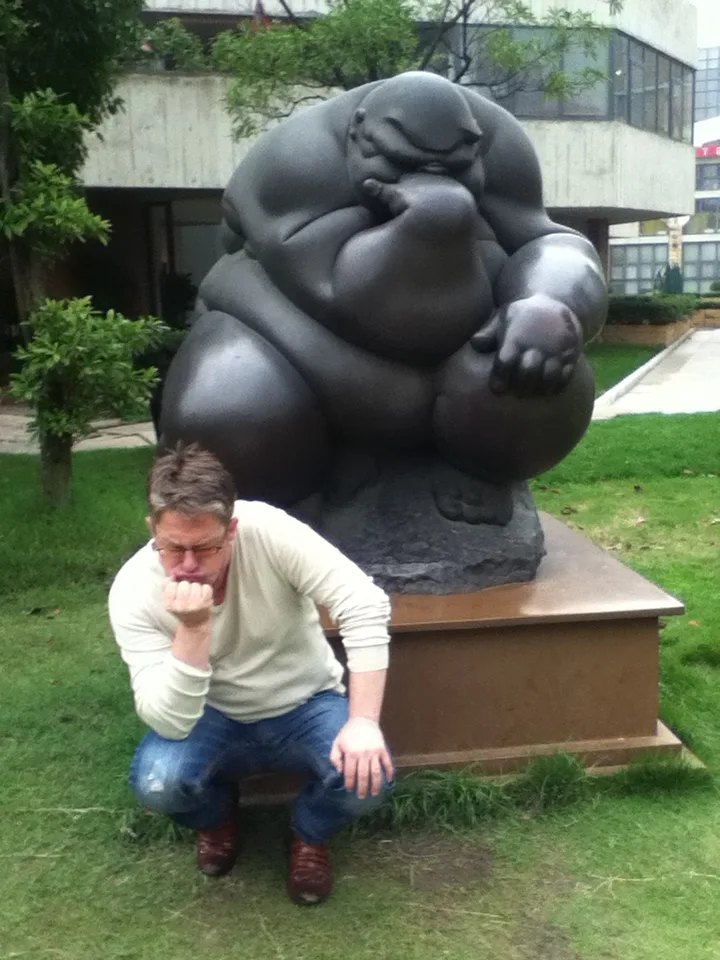
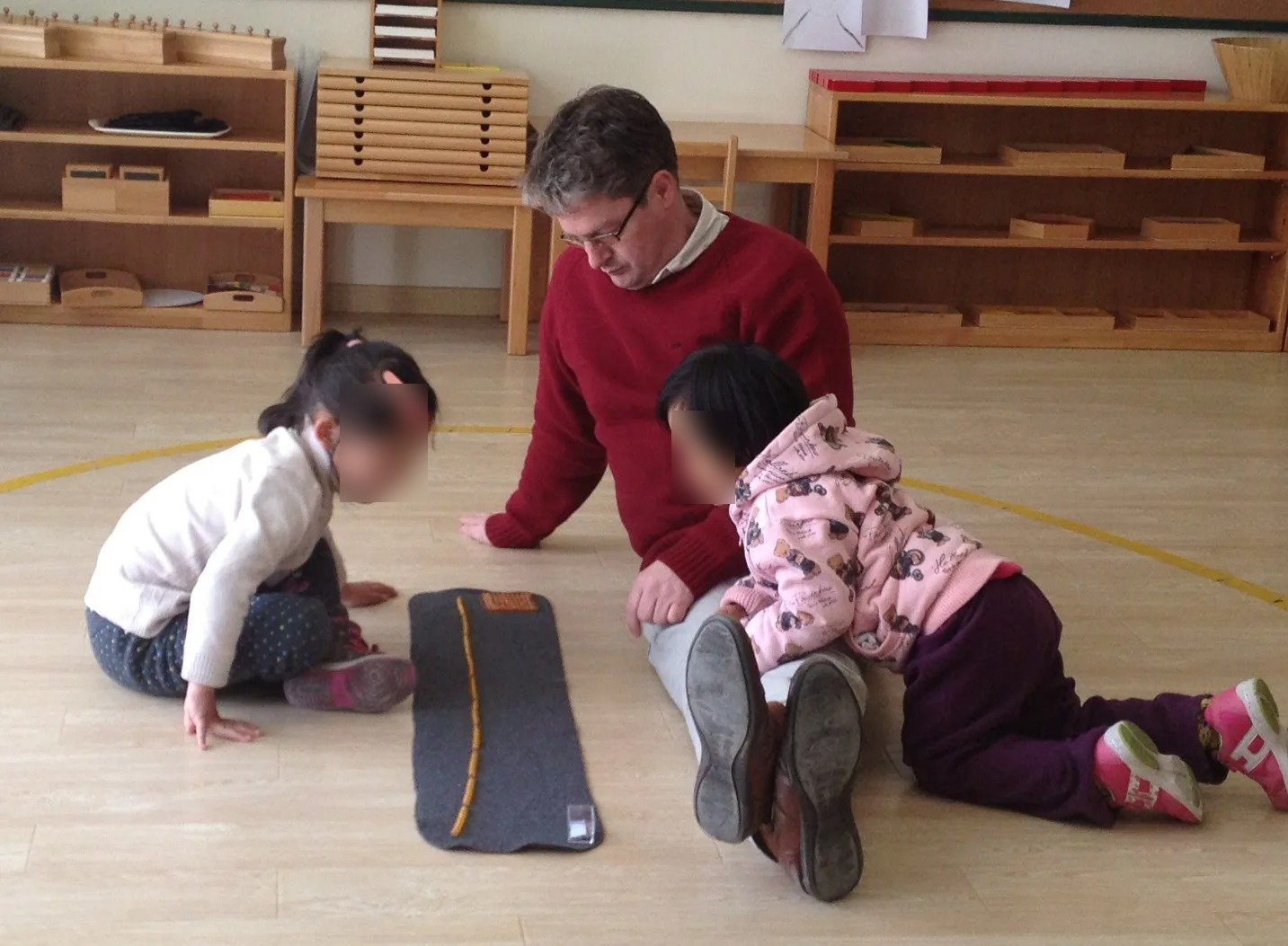
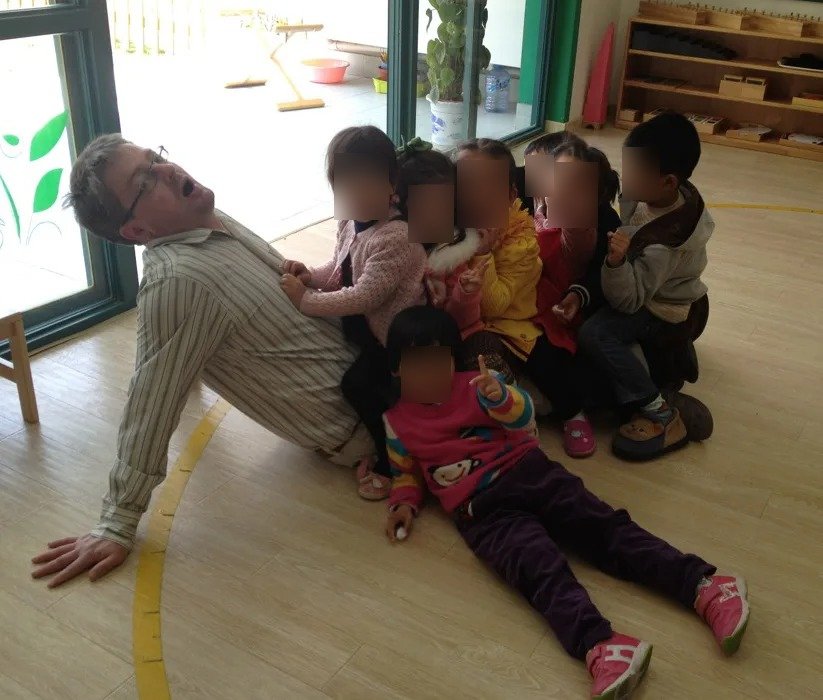
My next job was establishing a Montessori school in Shanghai. This was the first time I’d set up a new class, so there was a lot to learn and a lot to do, but it was a very interesting and enjoyable experience.
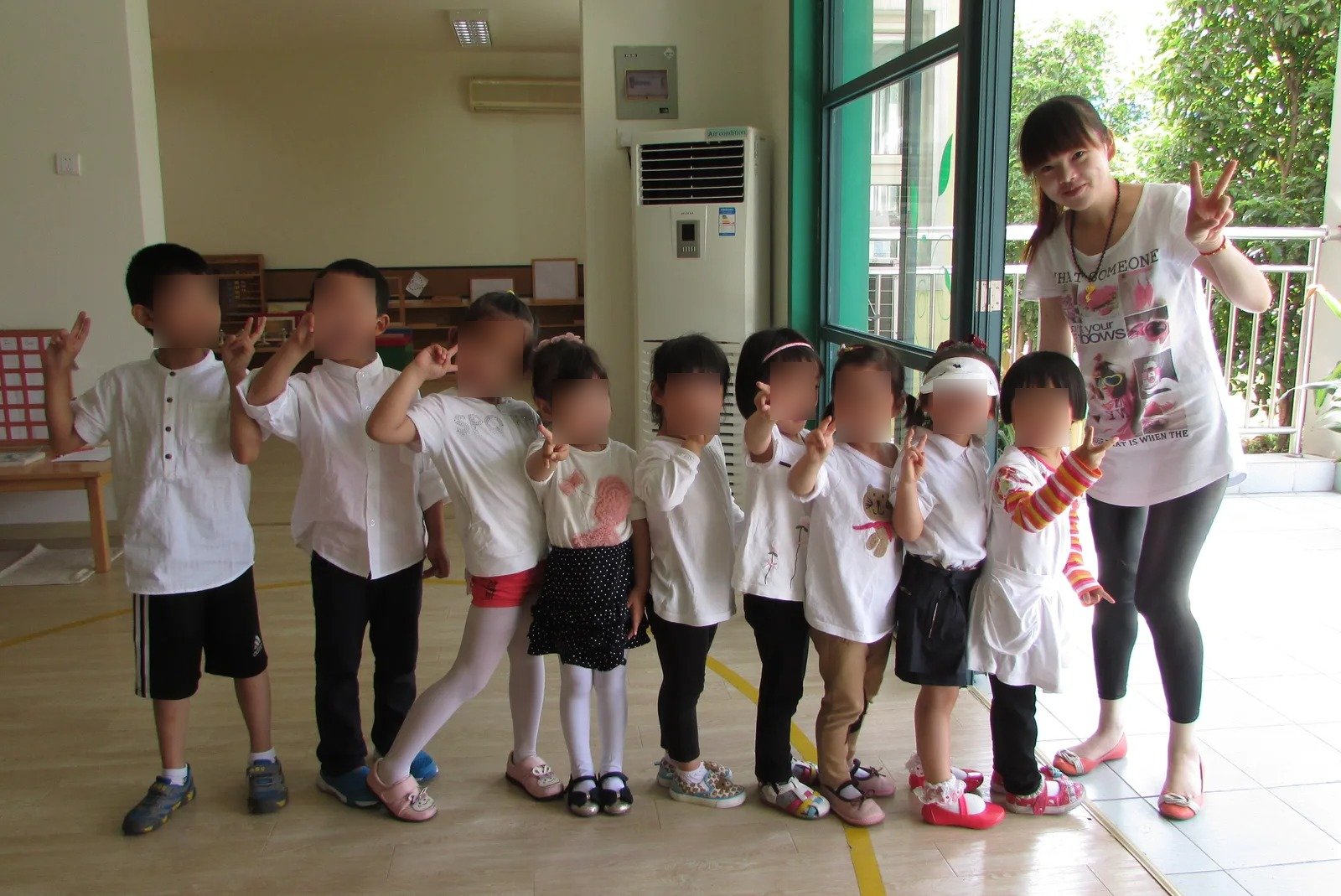
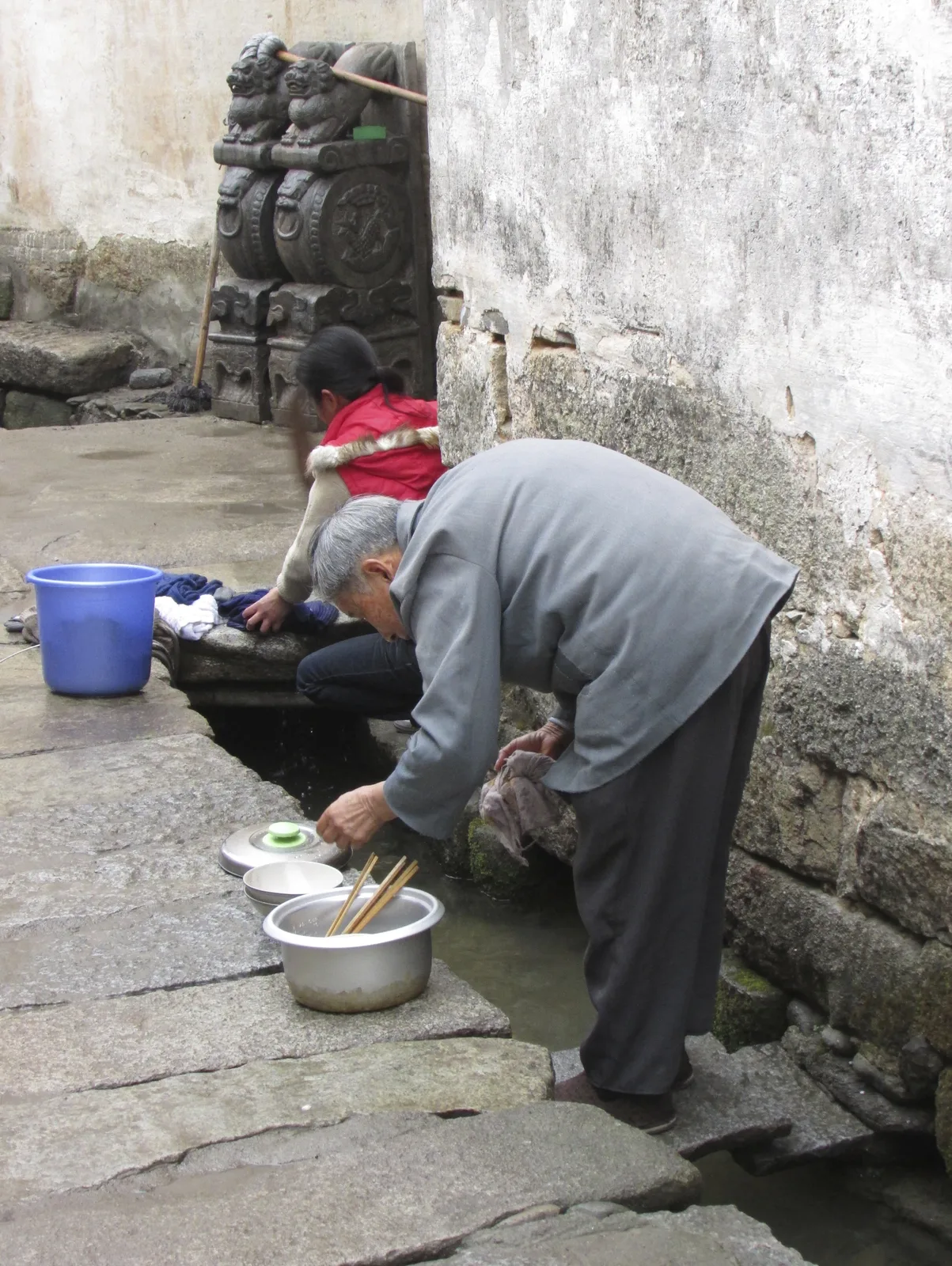
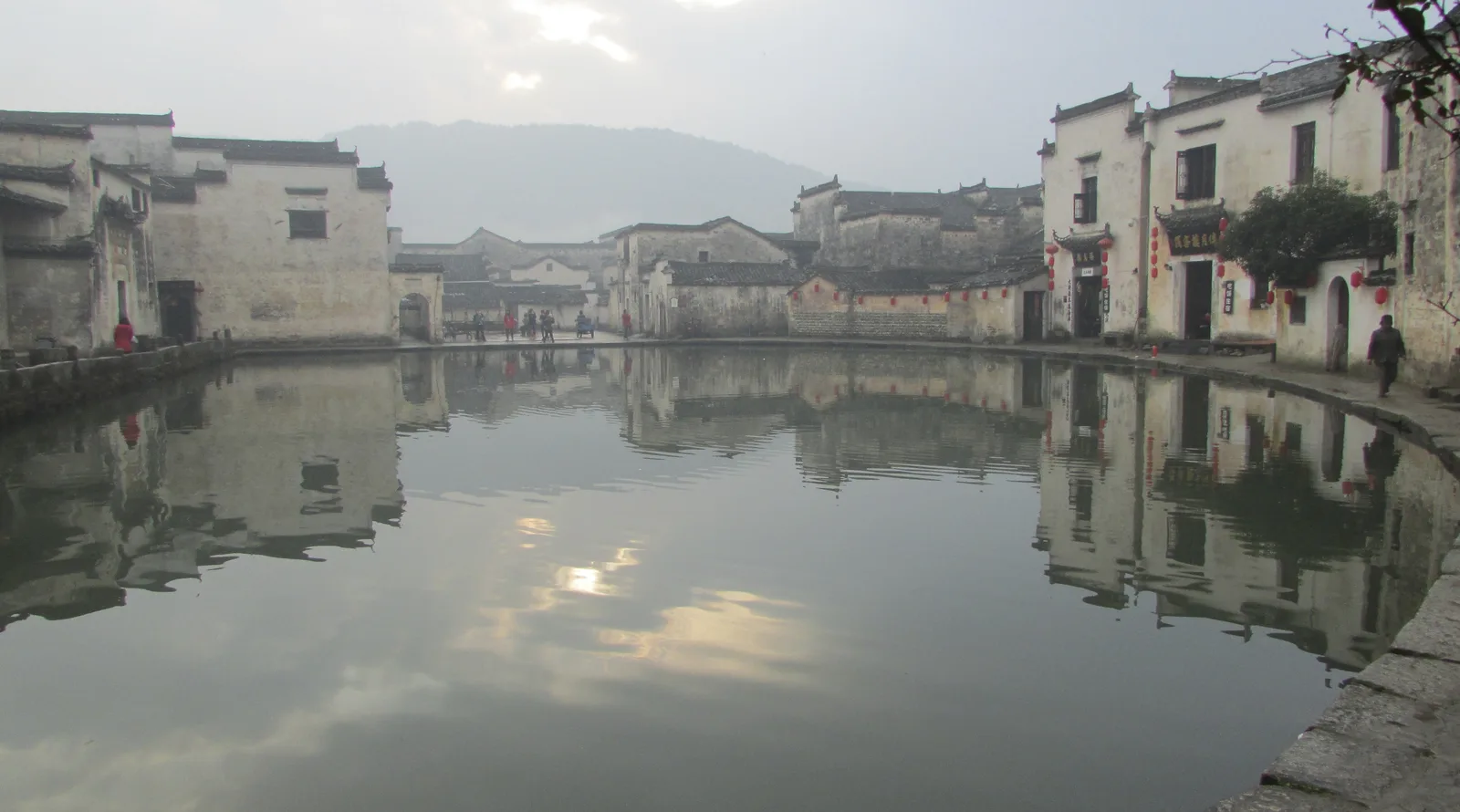
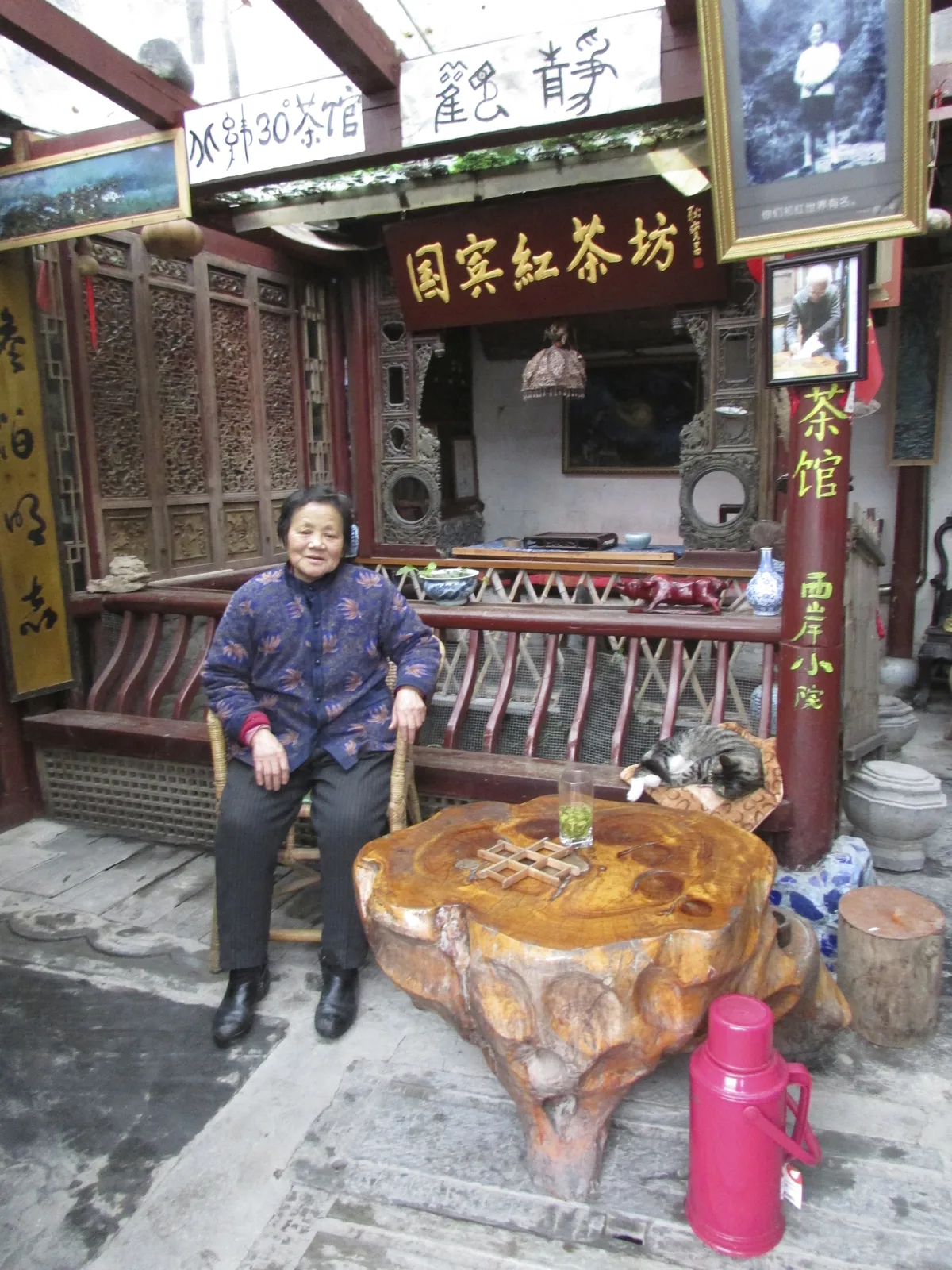
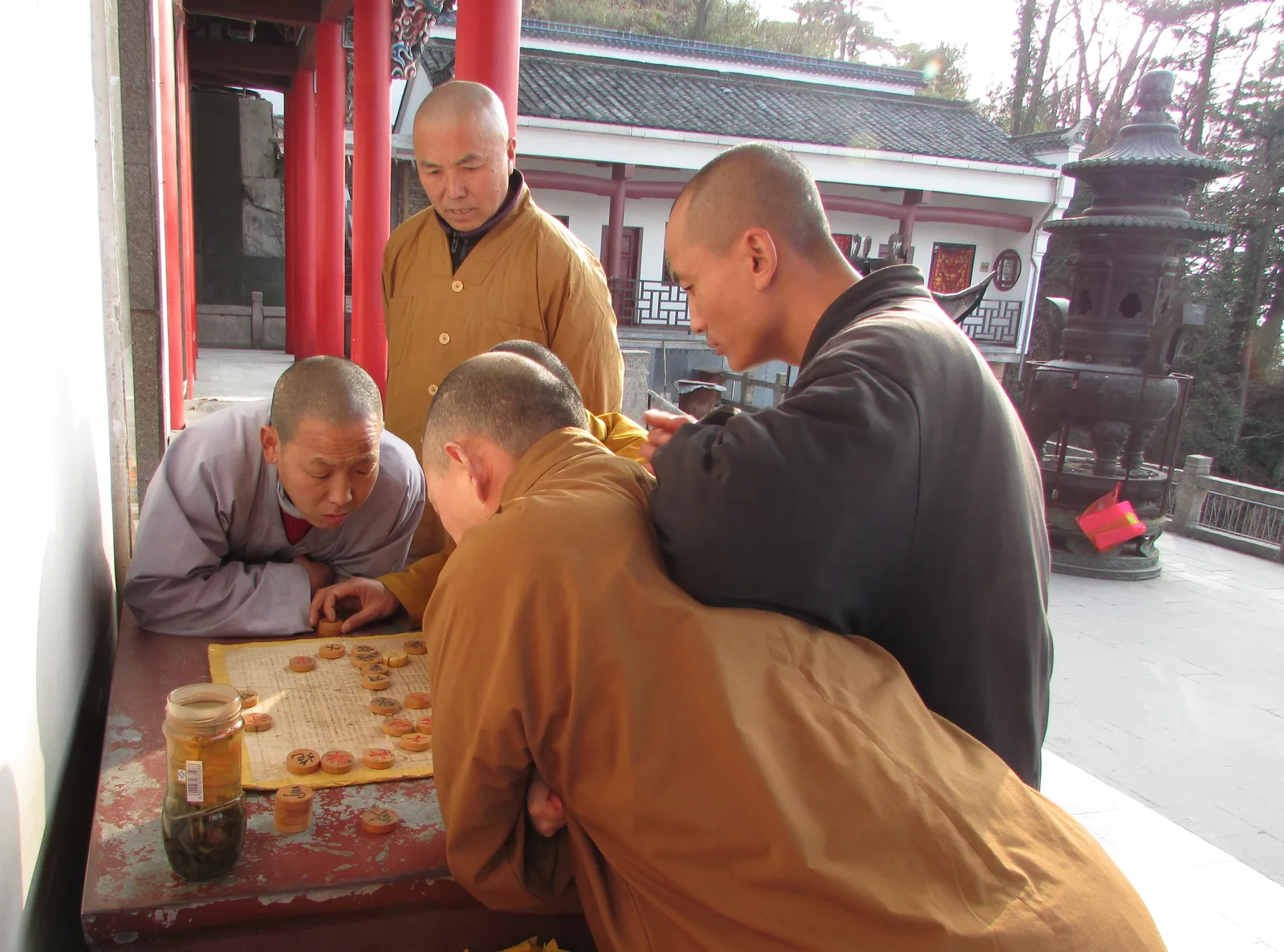
I really enjoyed living in Shanghai, but at the beginning of the year the class had zero children, by Christmas I had five, and by the end of the year nine. Mixed-age groups are the key factor in Montessori education, so as there was no chance of any more children joining the group I had to leave, and I found myself back in Europe.
2014 – 2019
Switzerland
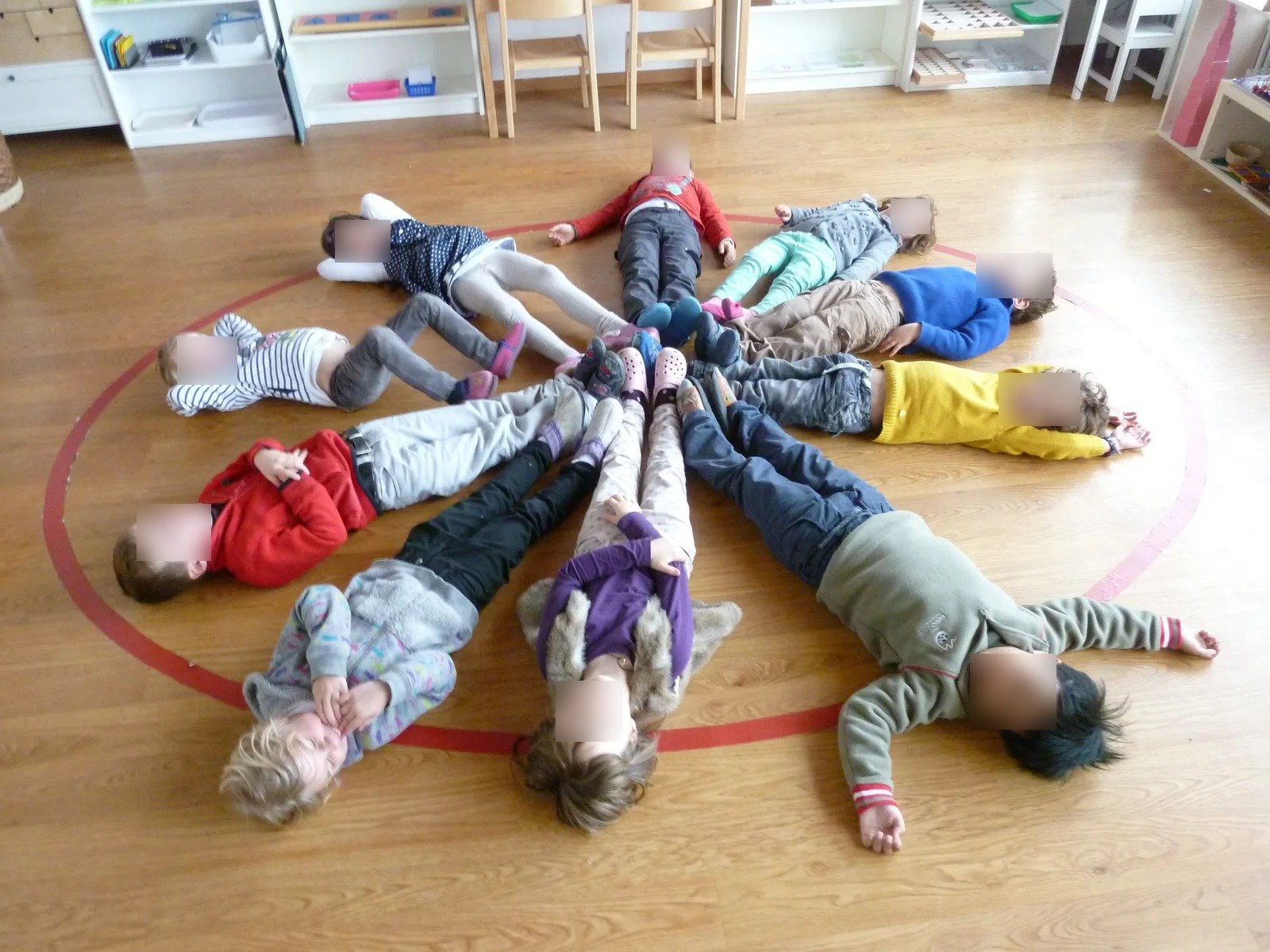
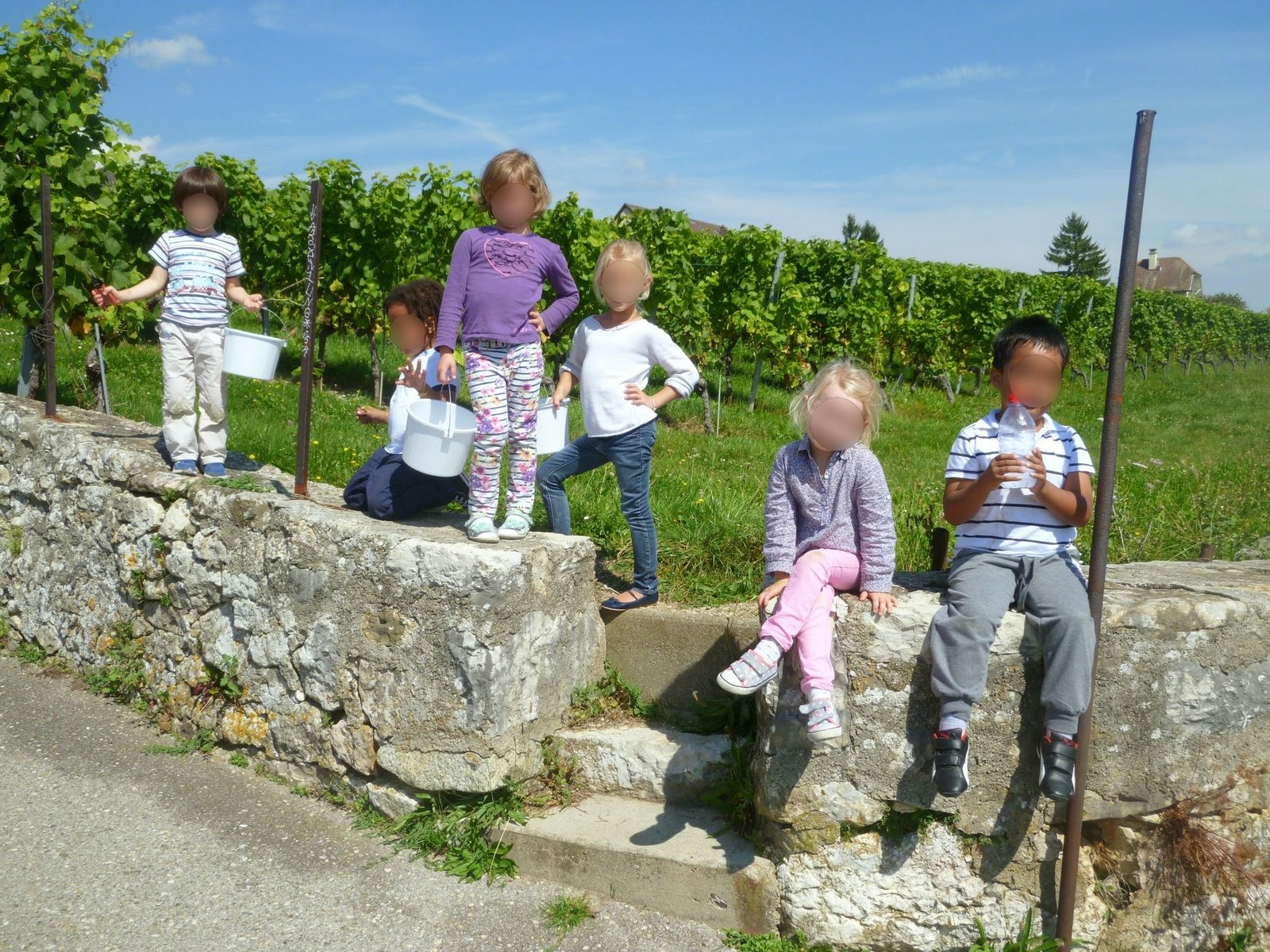
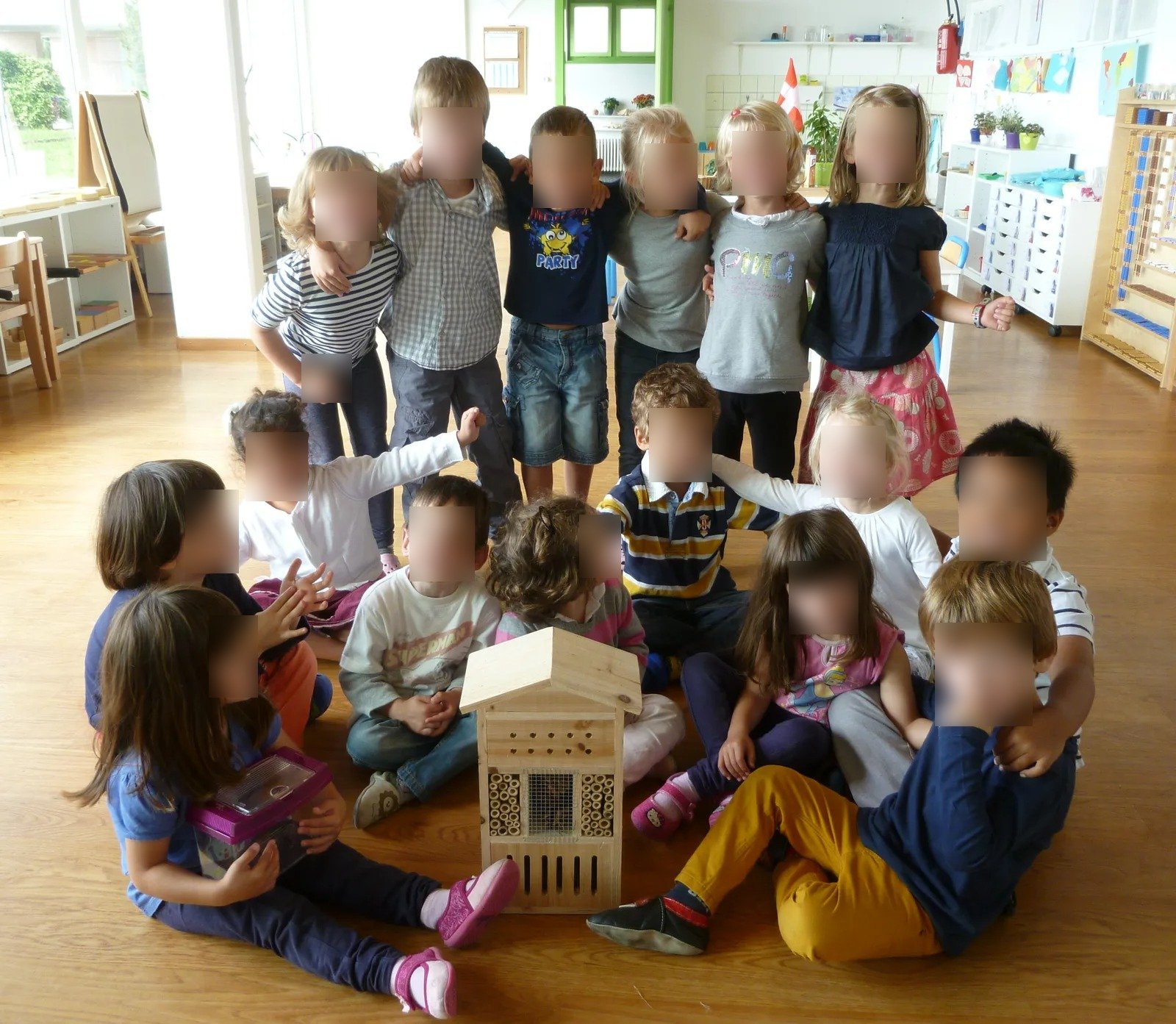
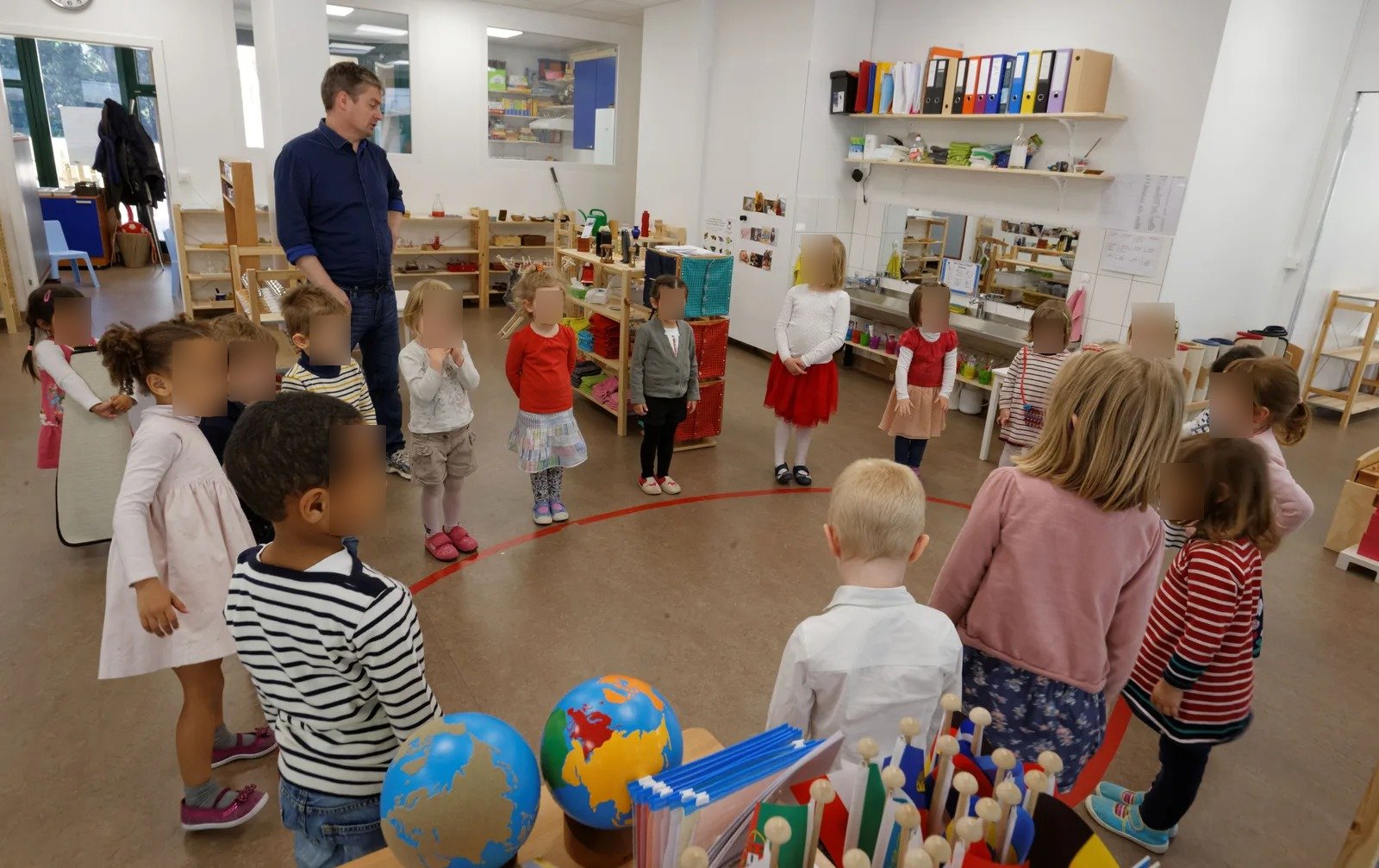
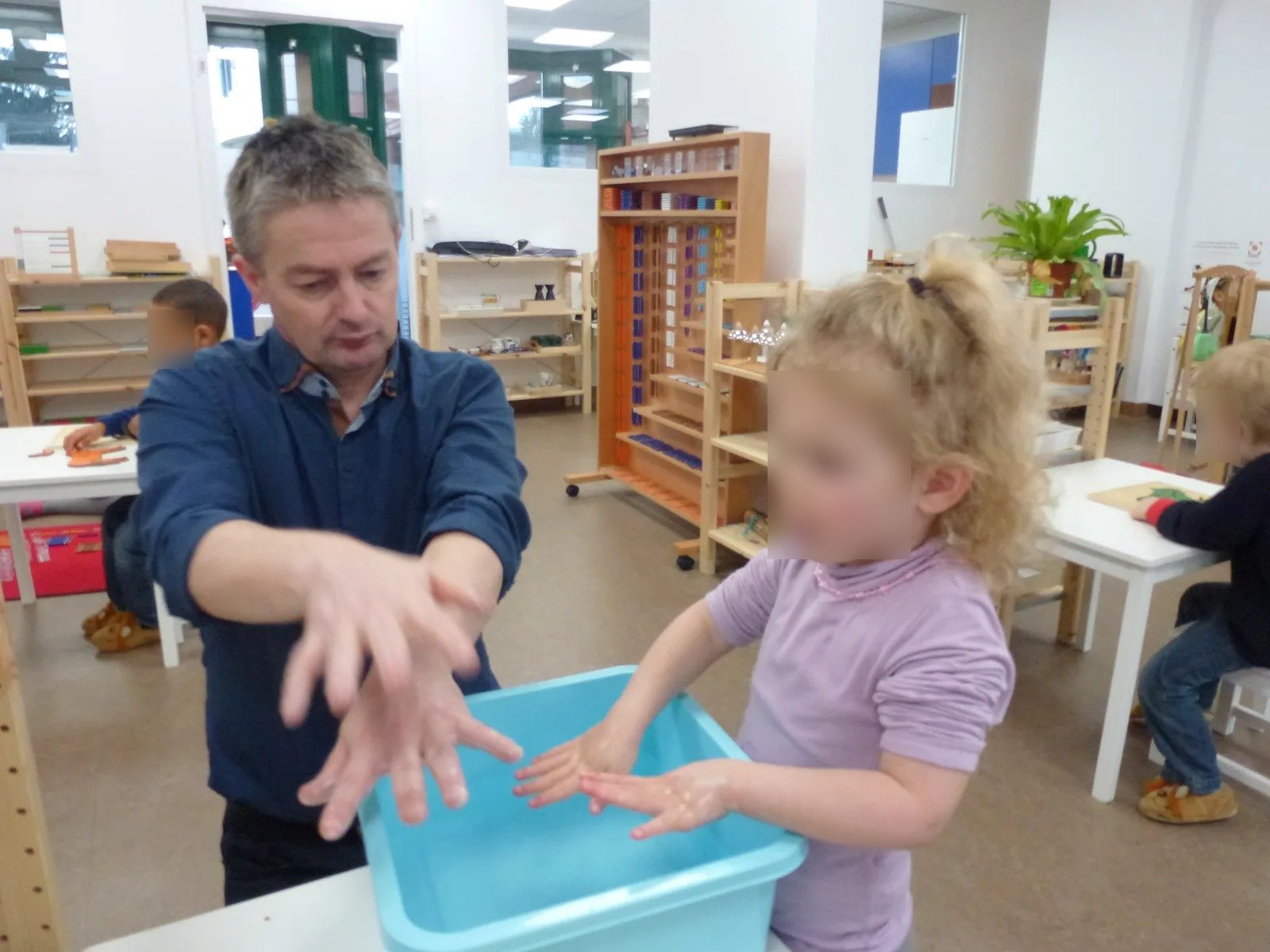
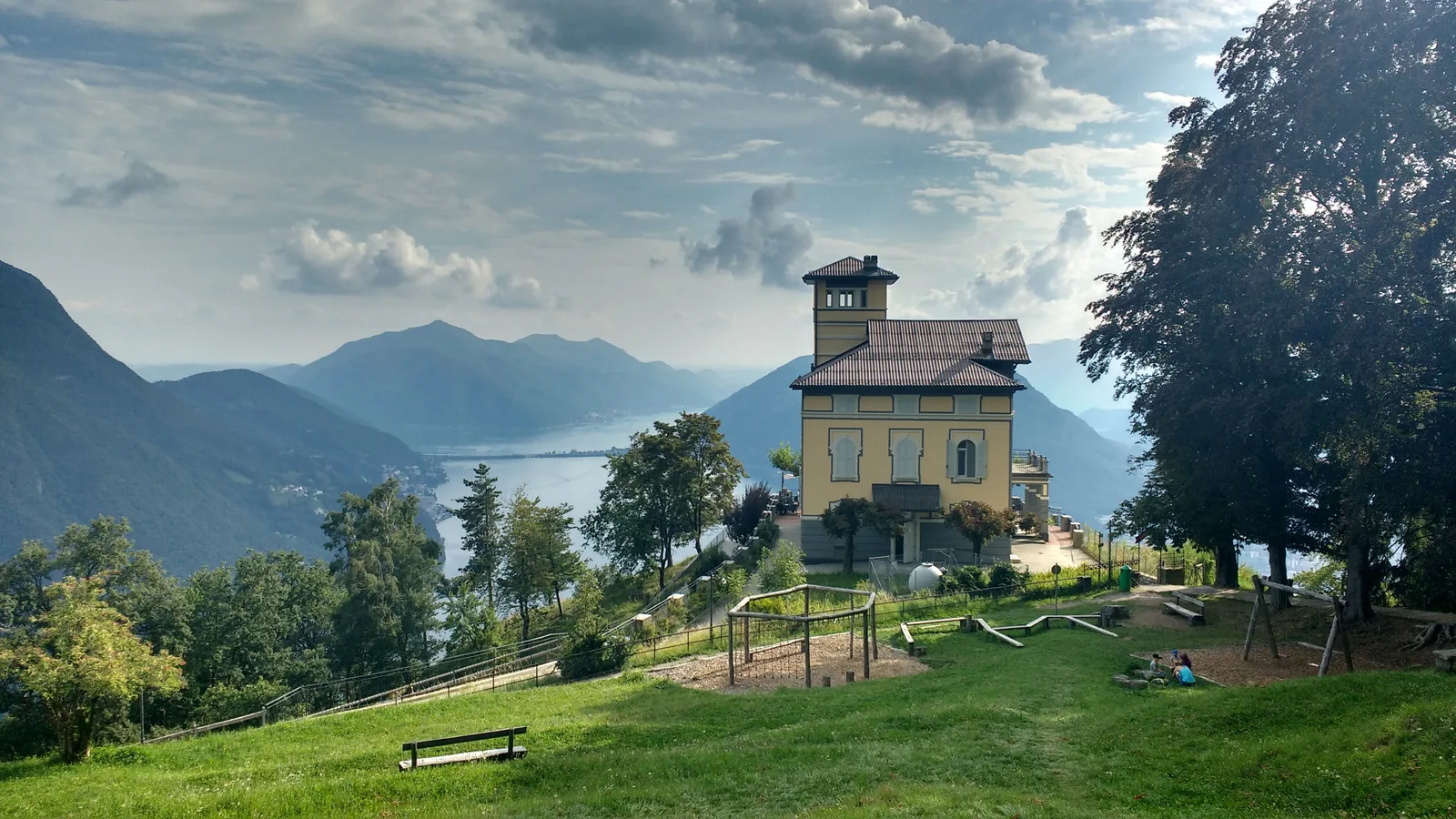
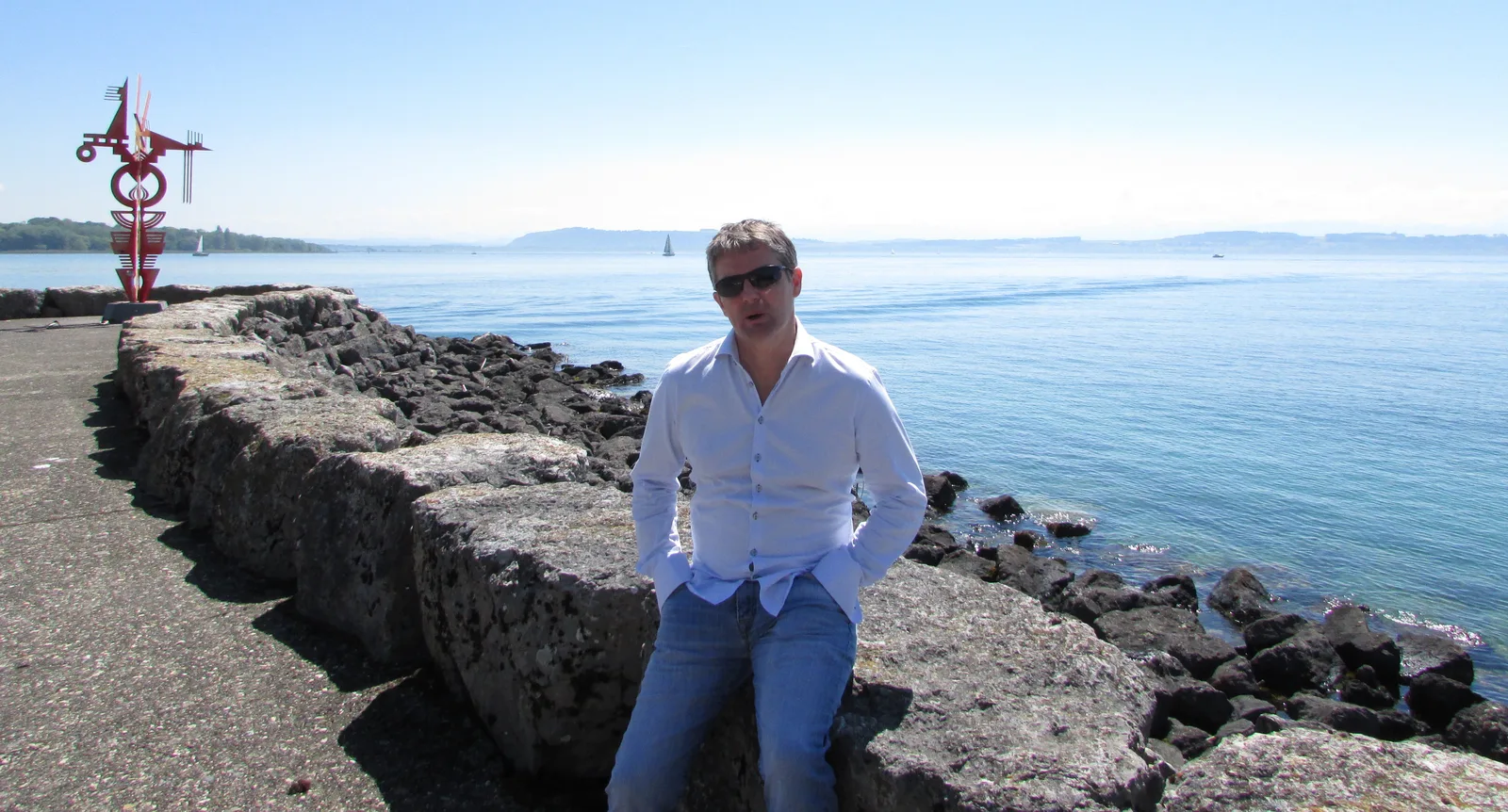
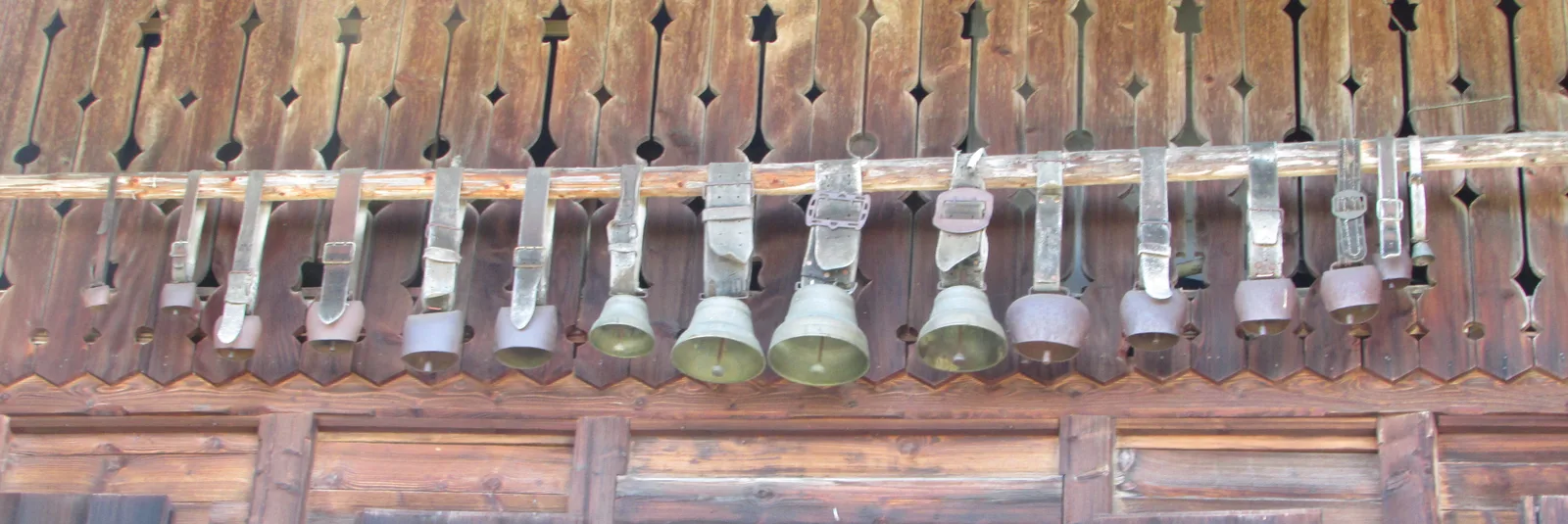
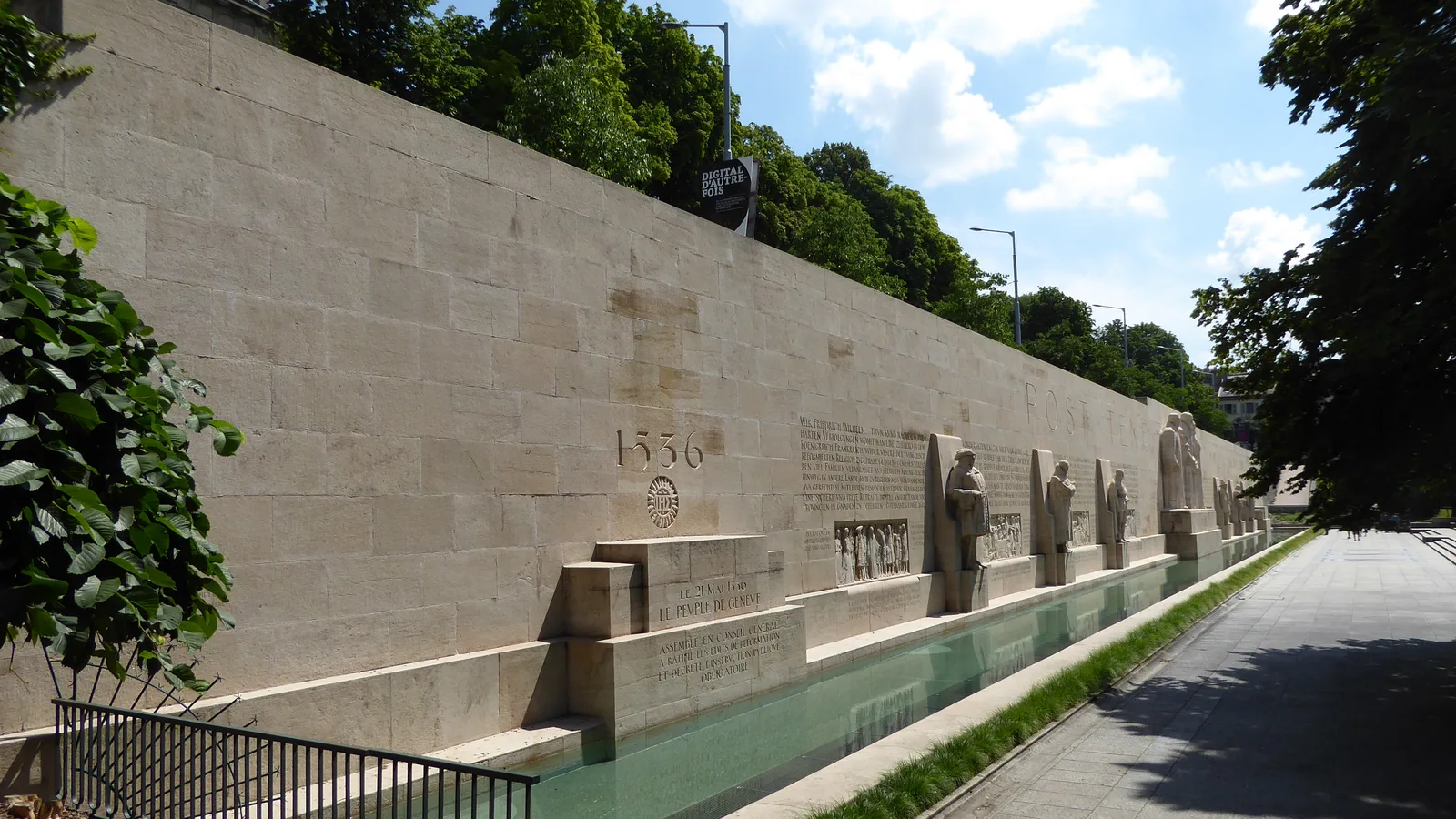
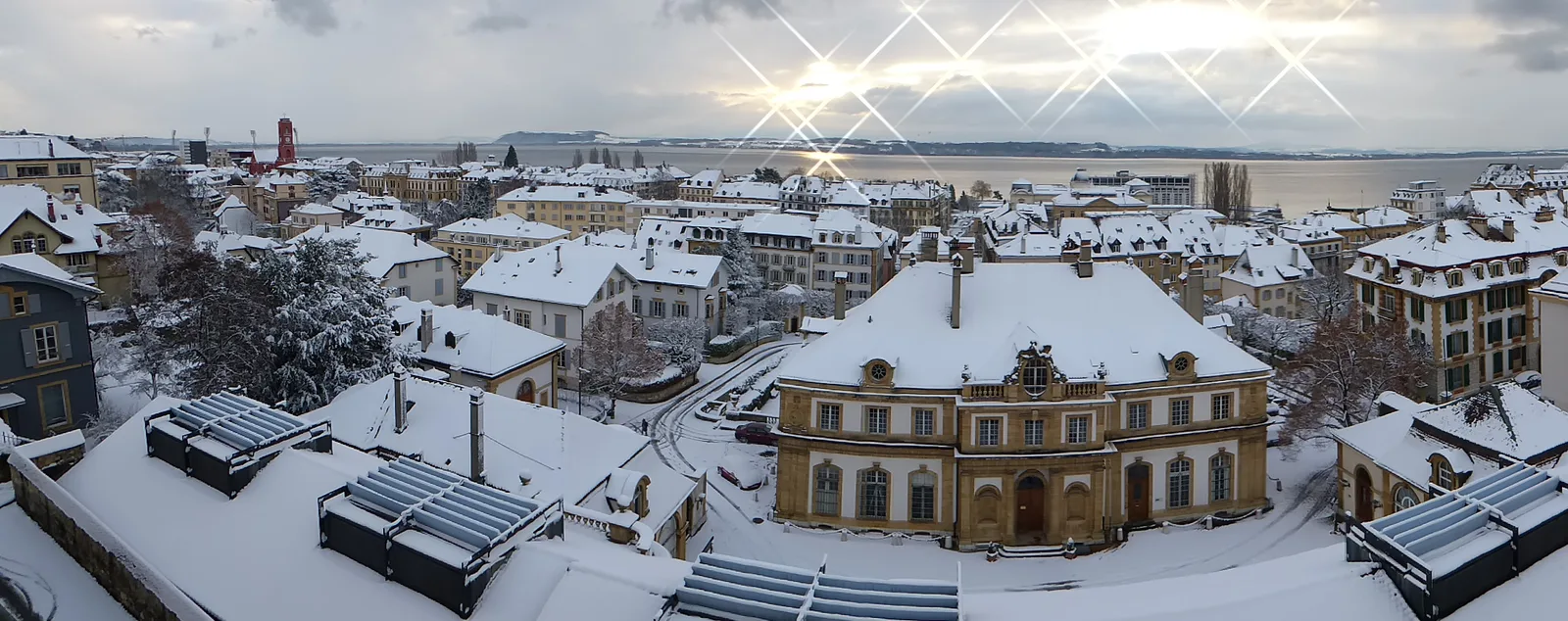
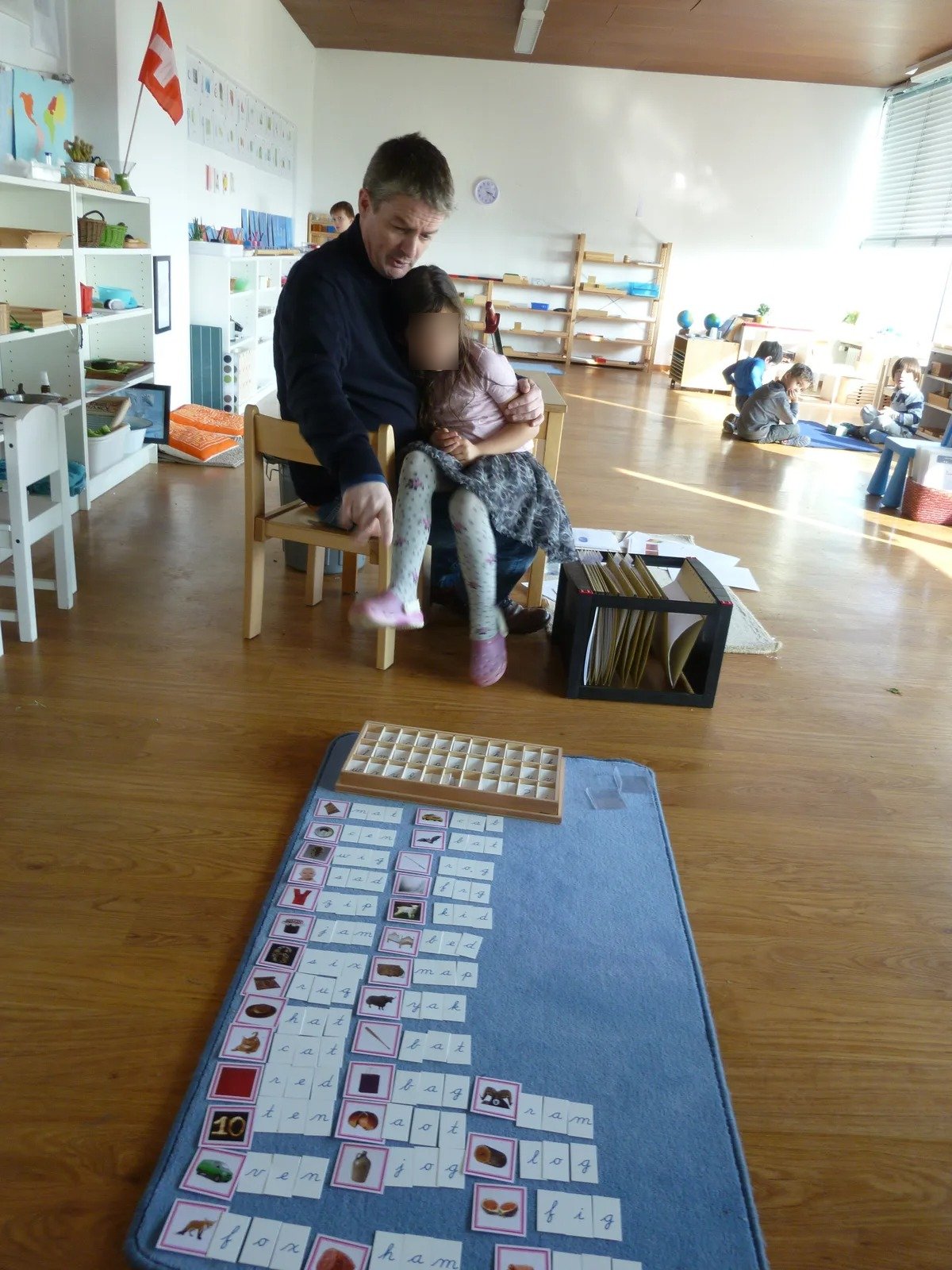
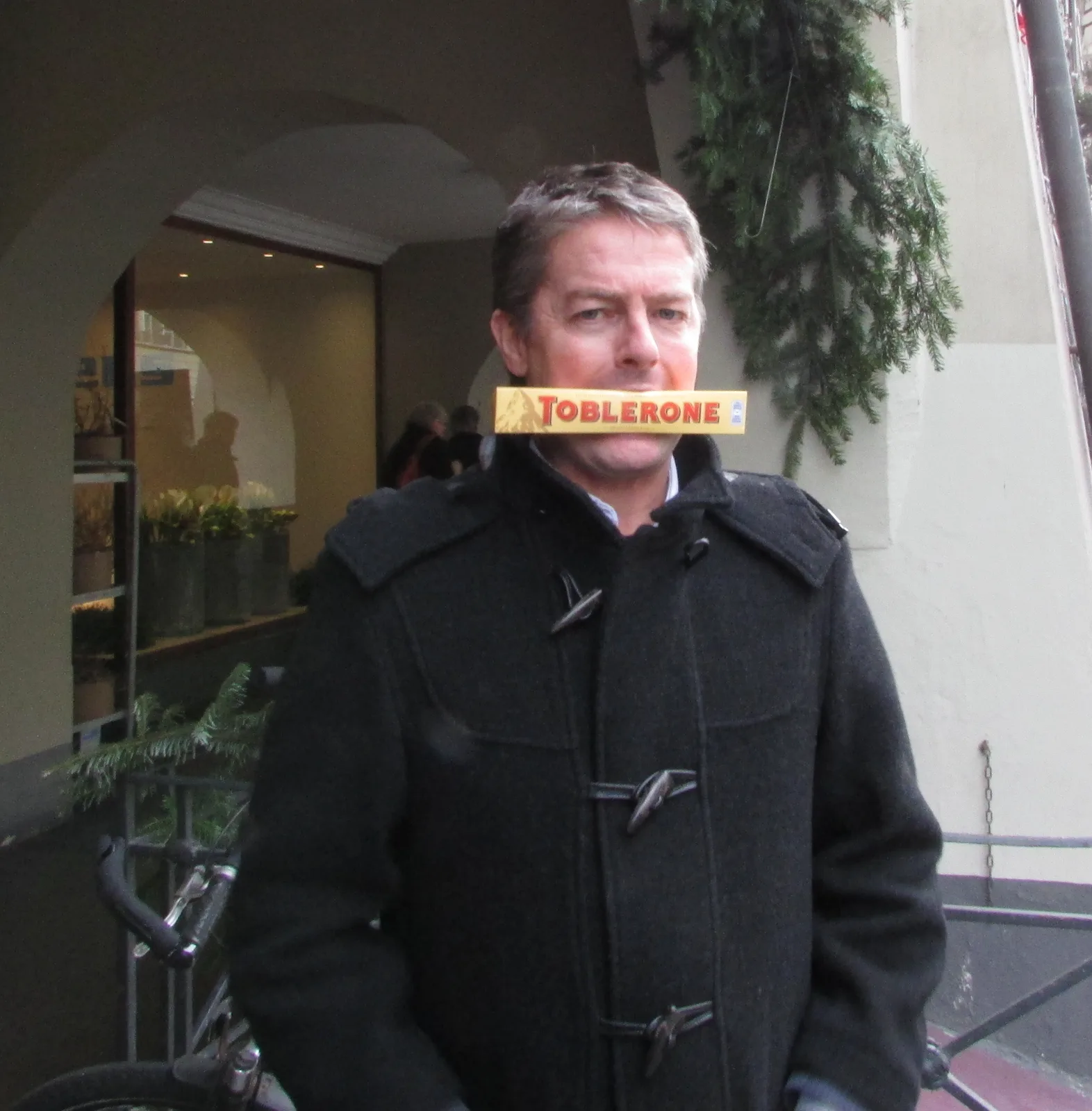
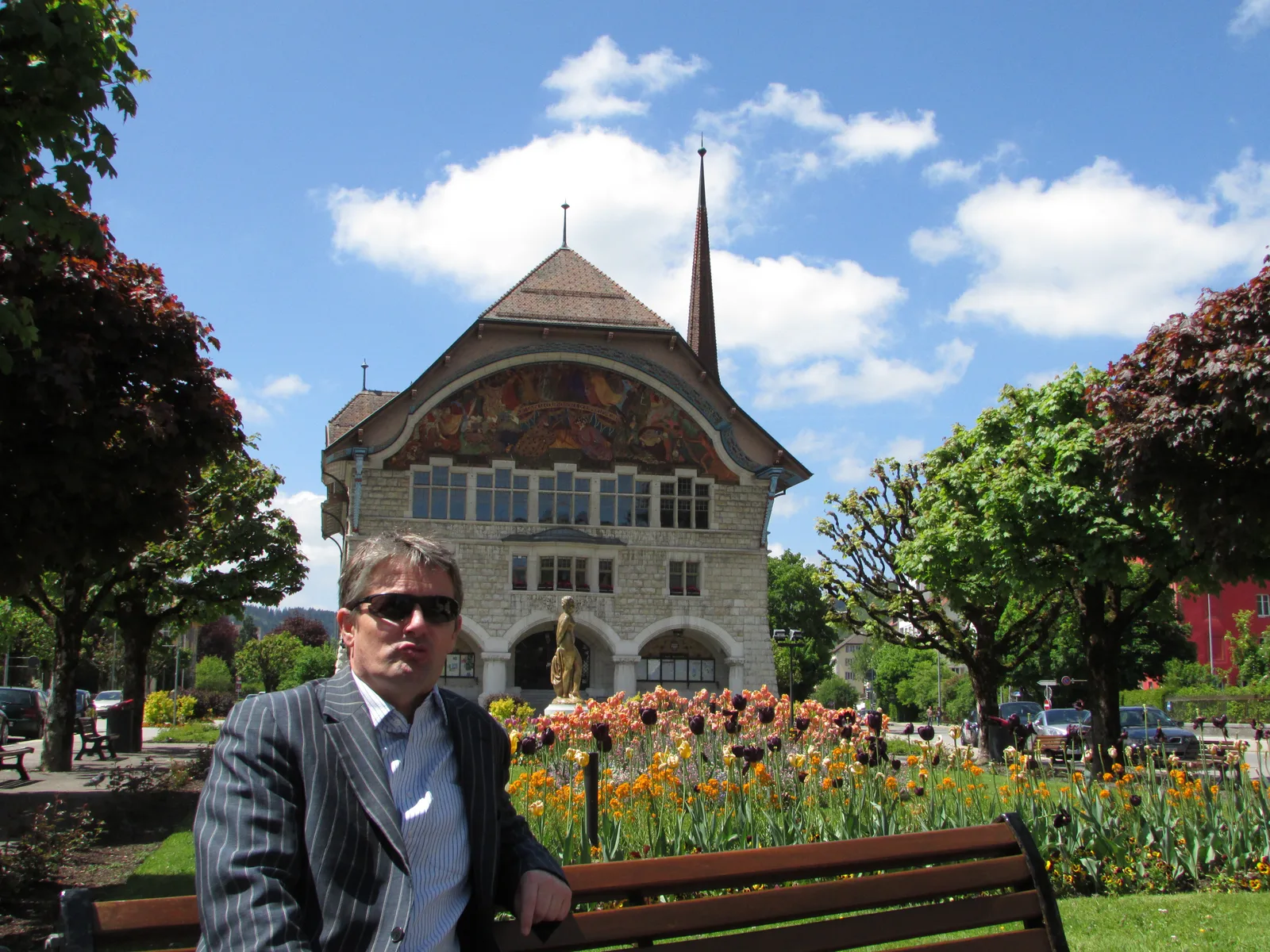
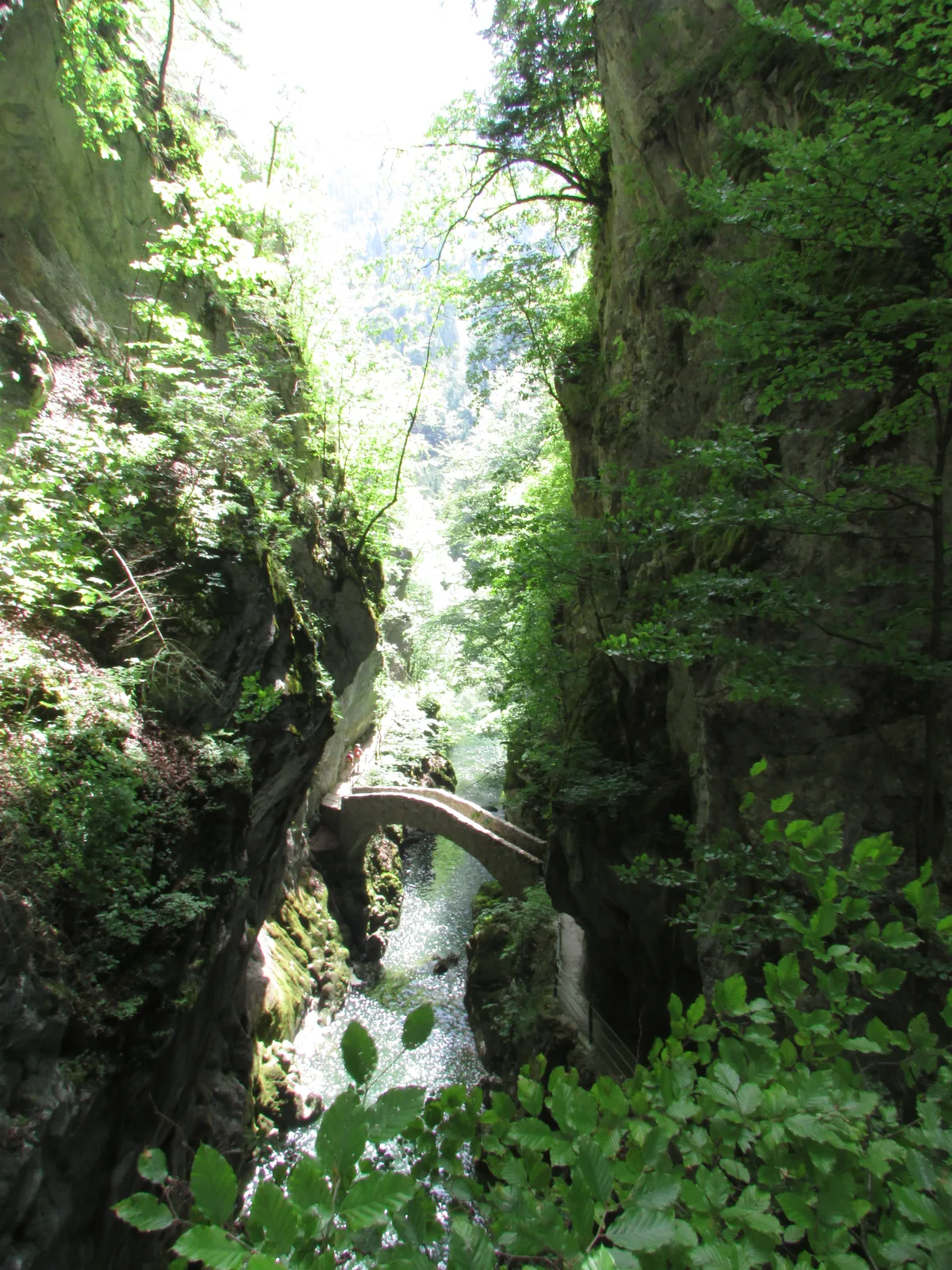
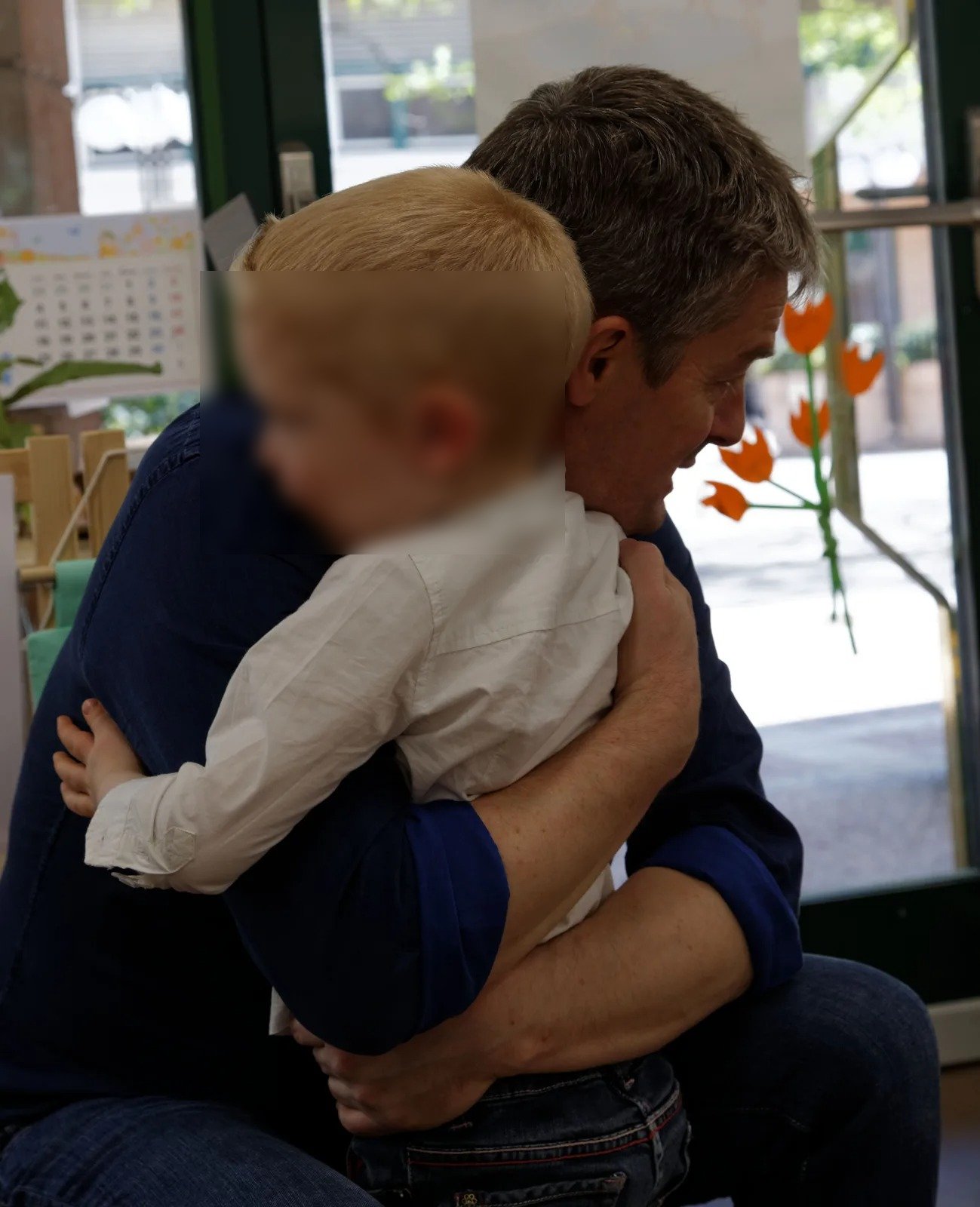
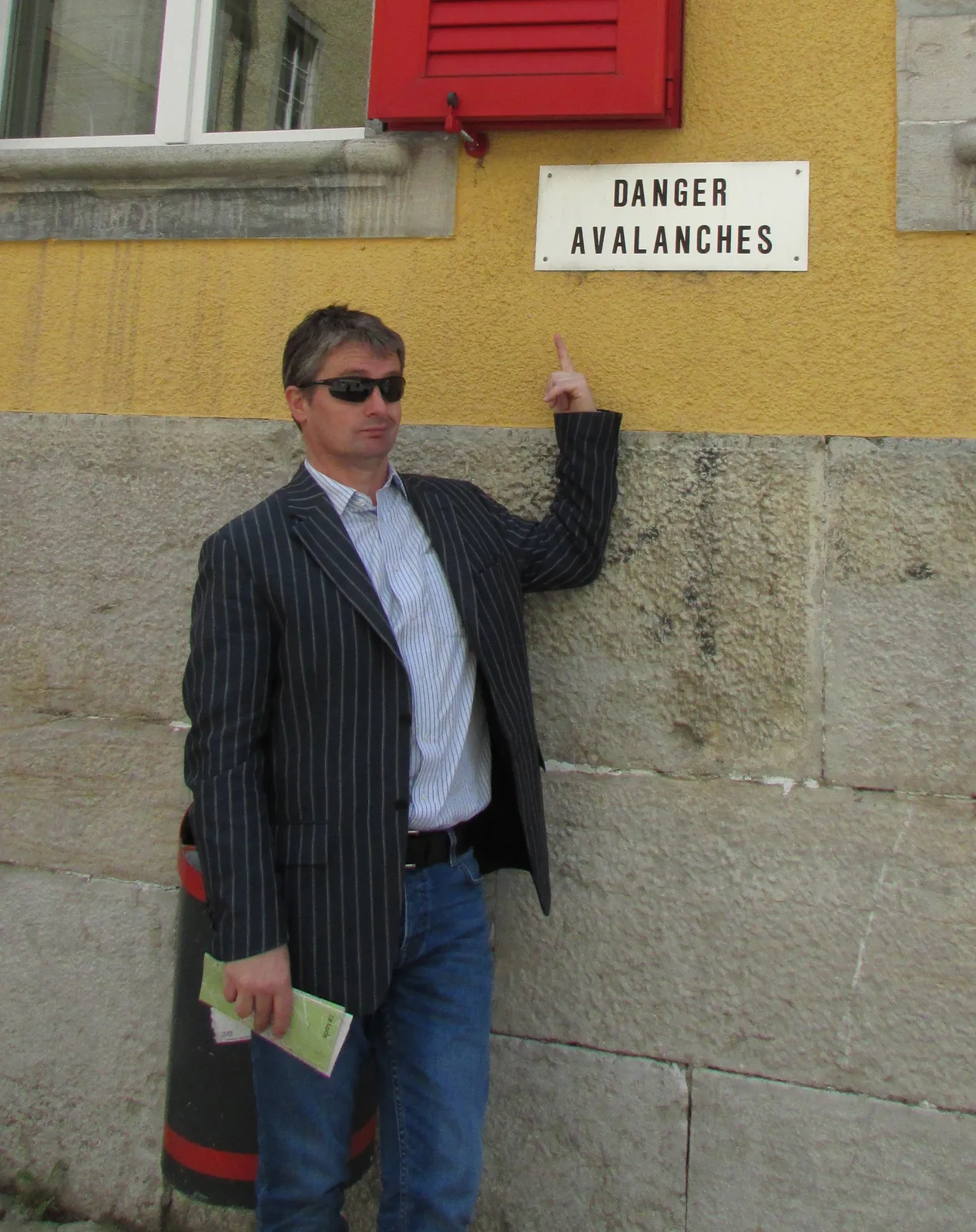
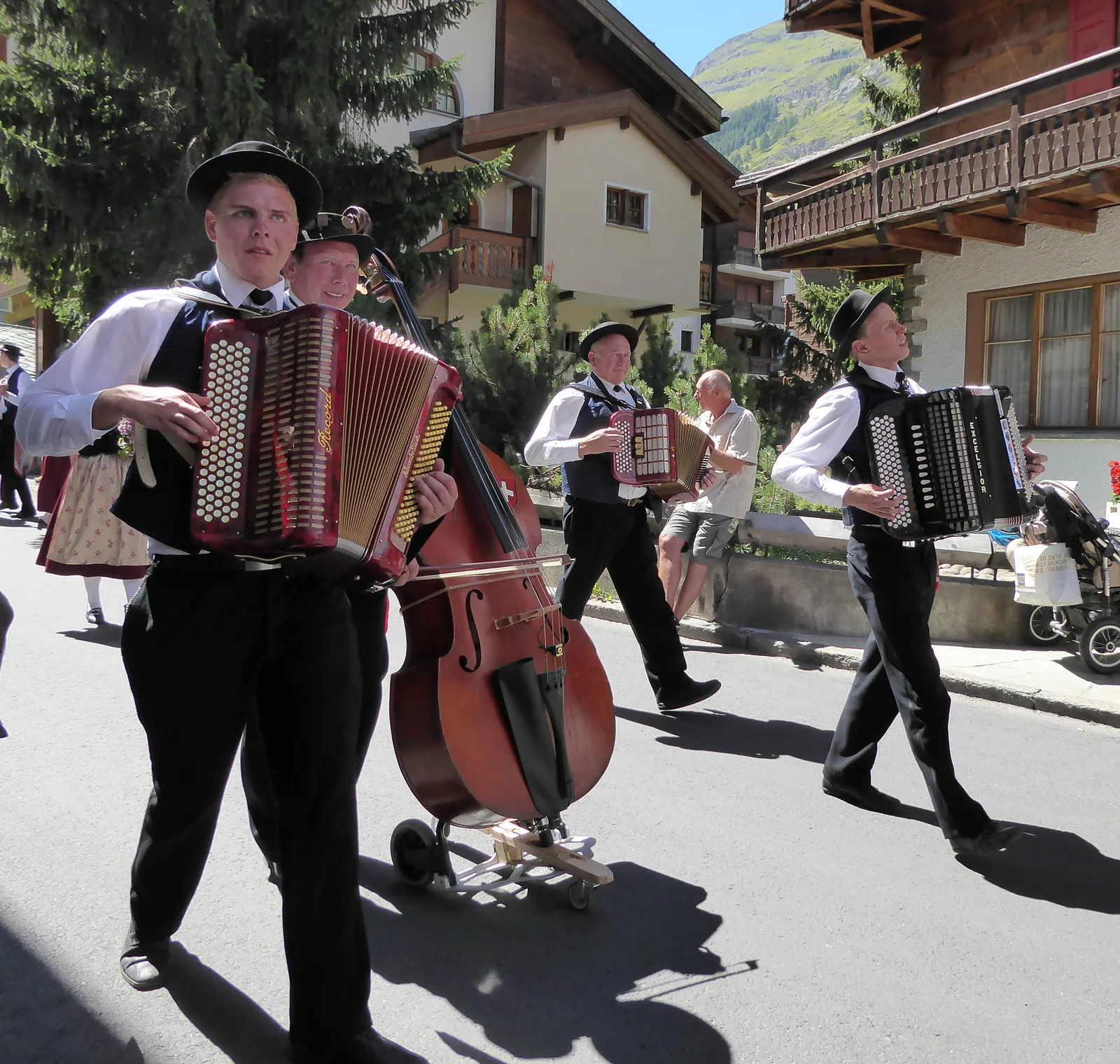
I worked in Switzerland for five years, first at a school overlooking the lake in Neuchatel. Then I helped set up a new school in Geneva.
2019 – 2022
Taiwan
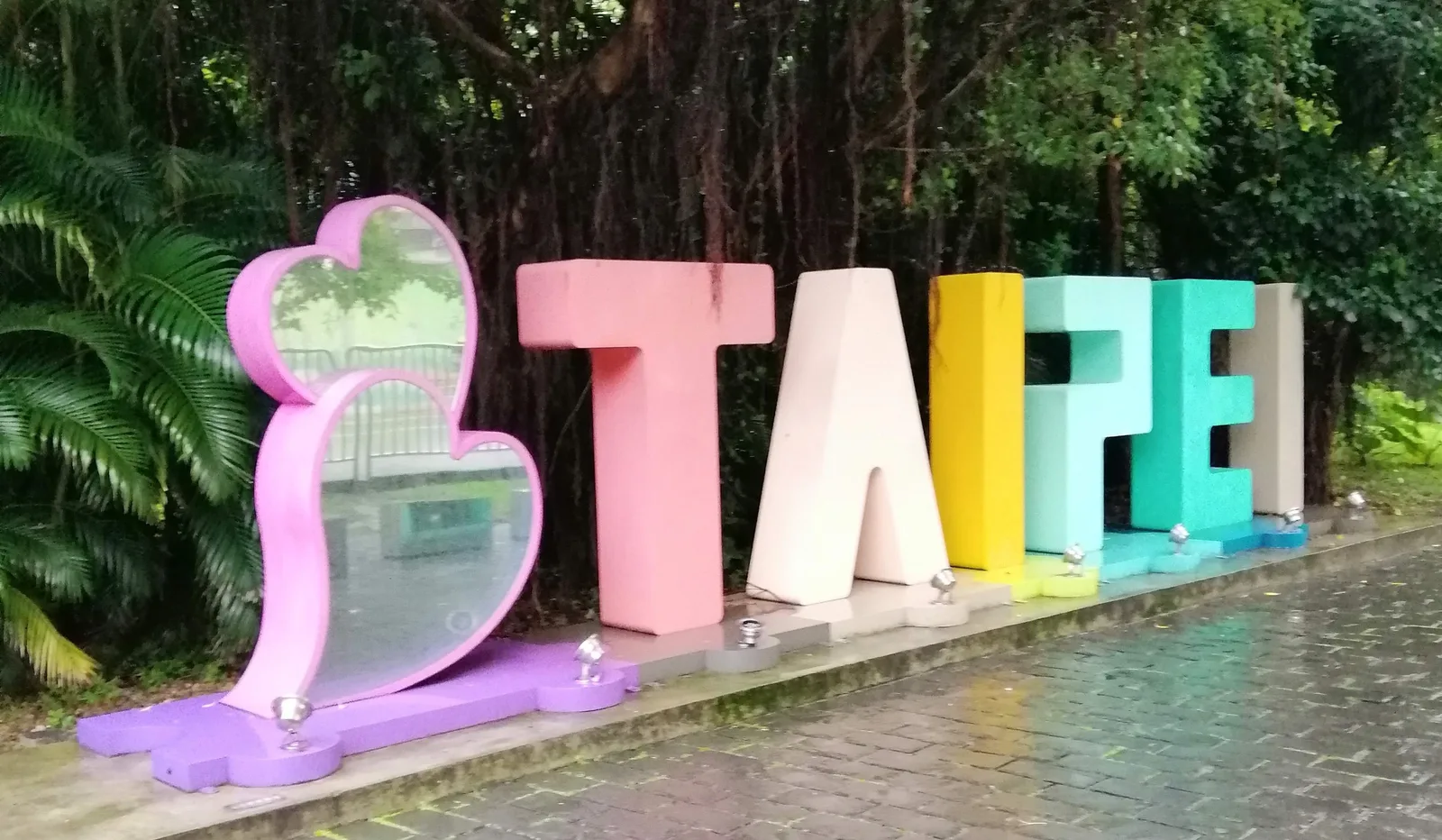
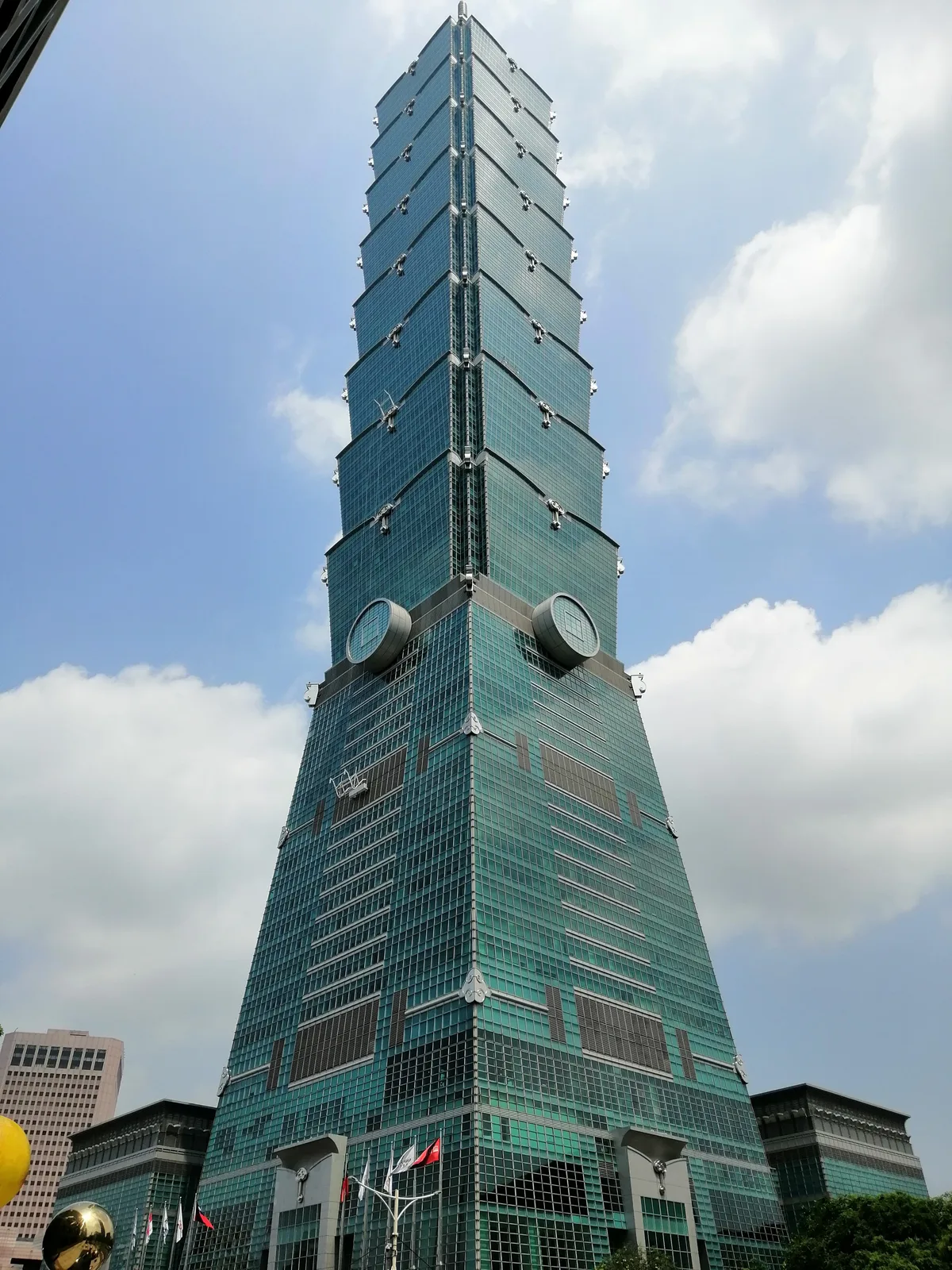
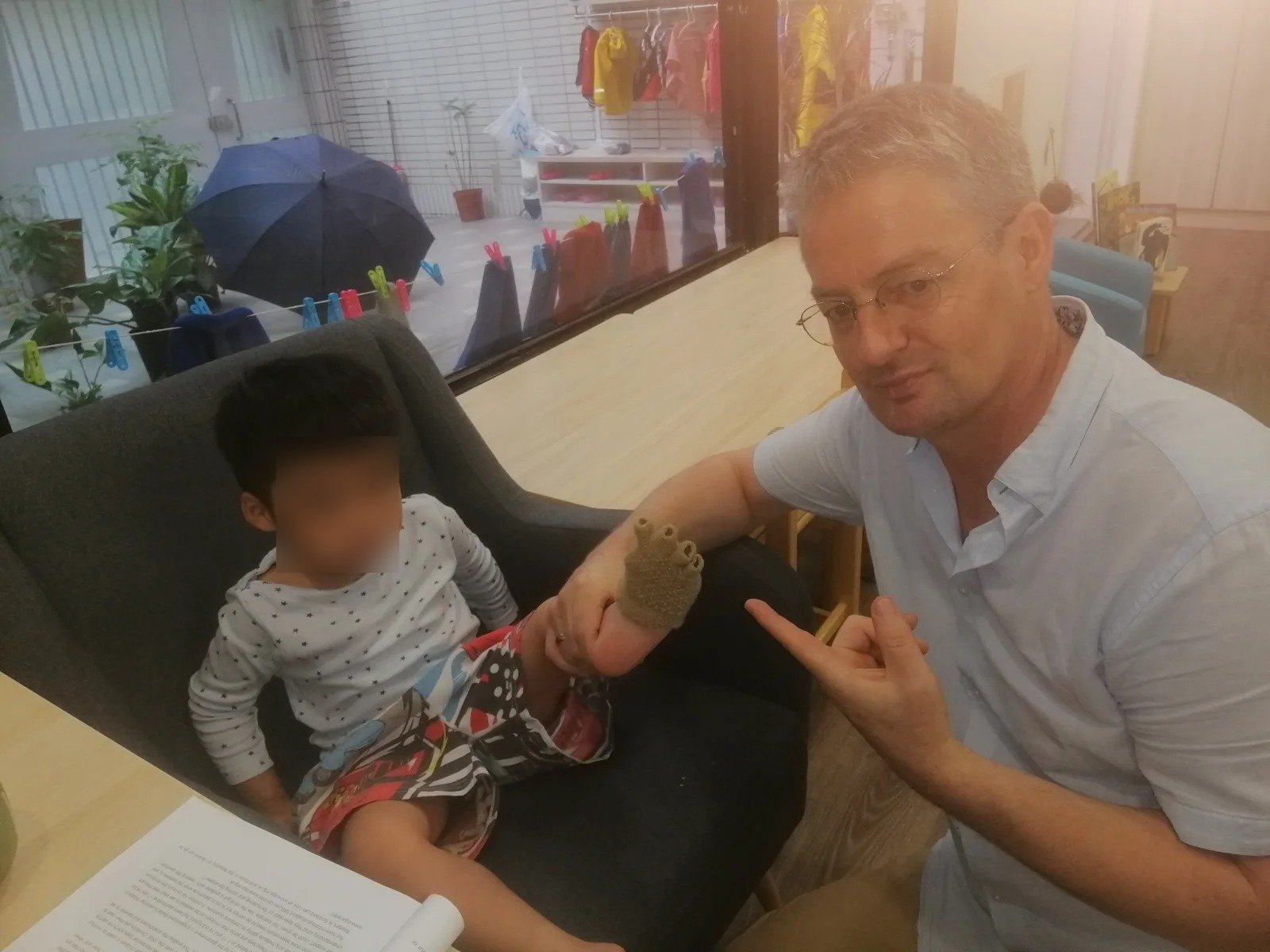
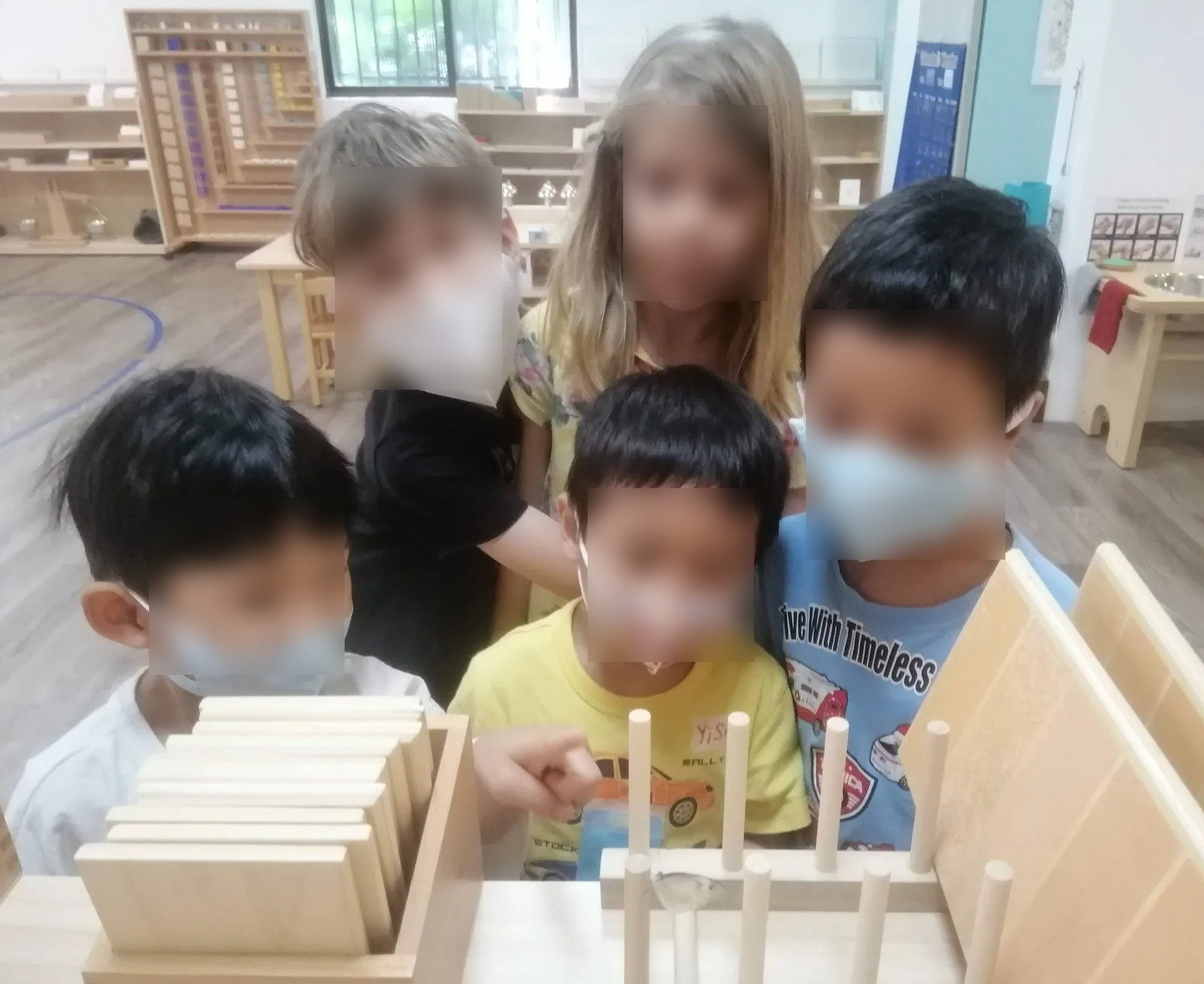
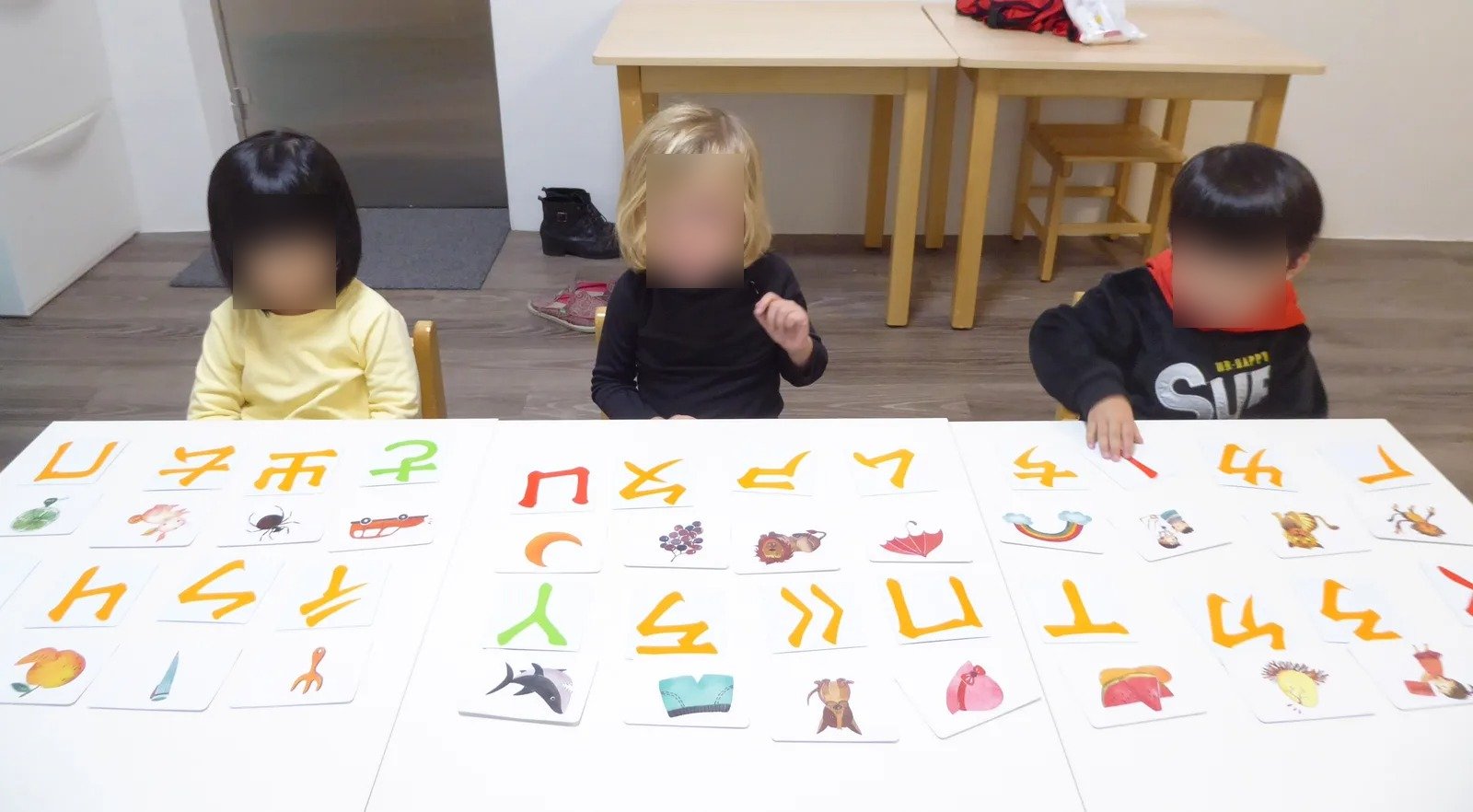
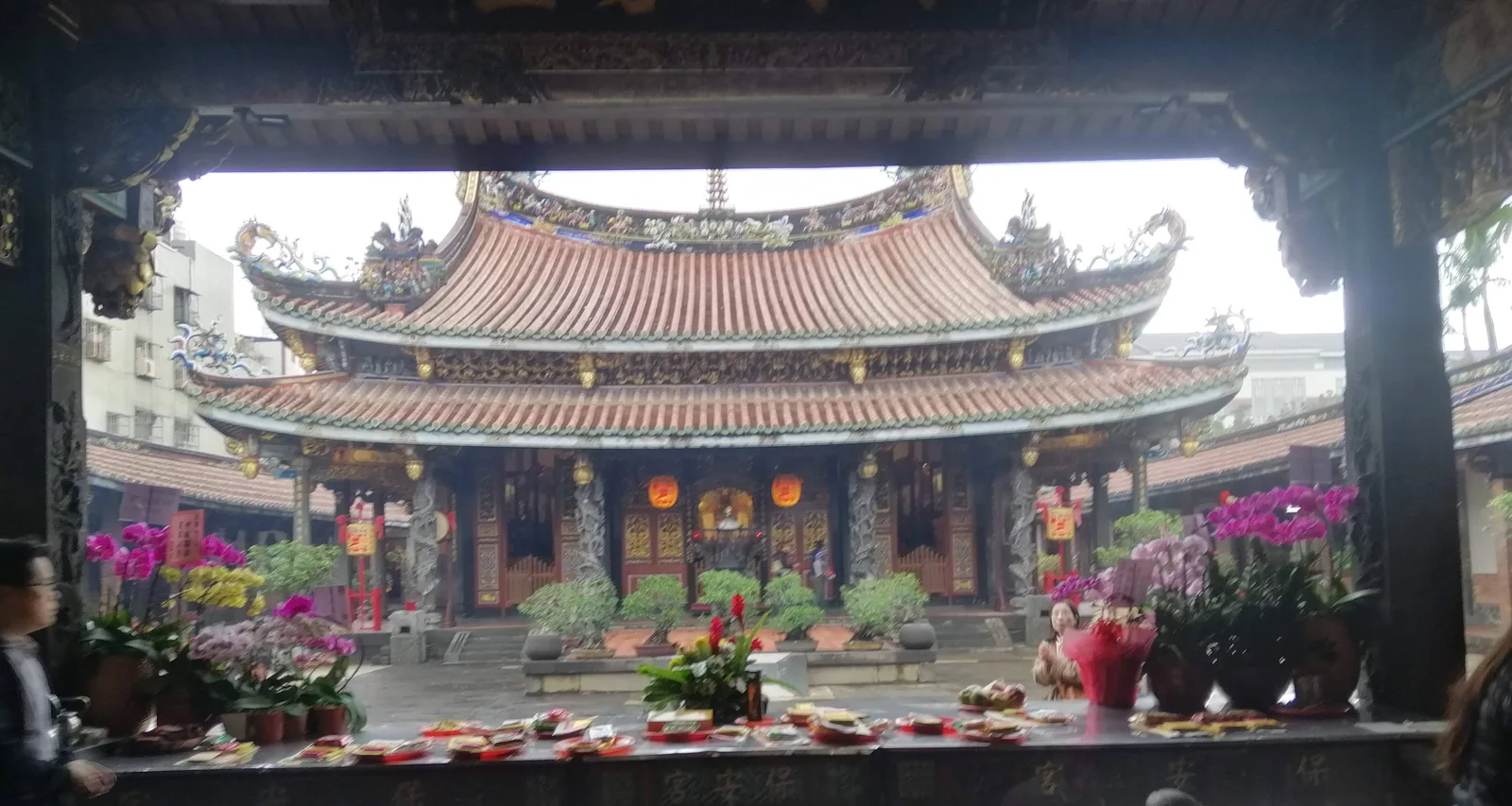
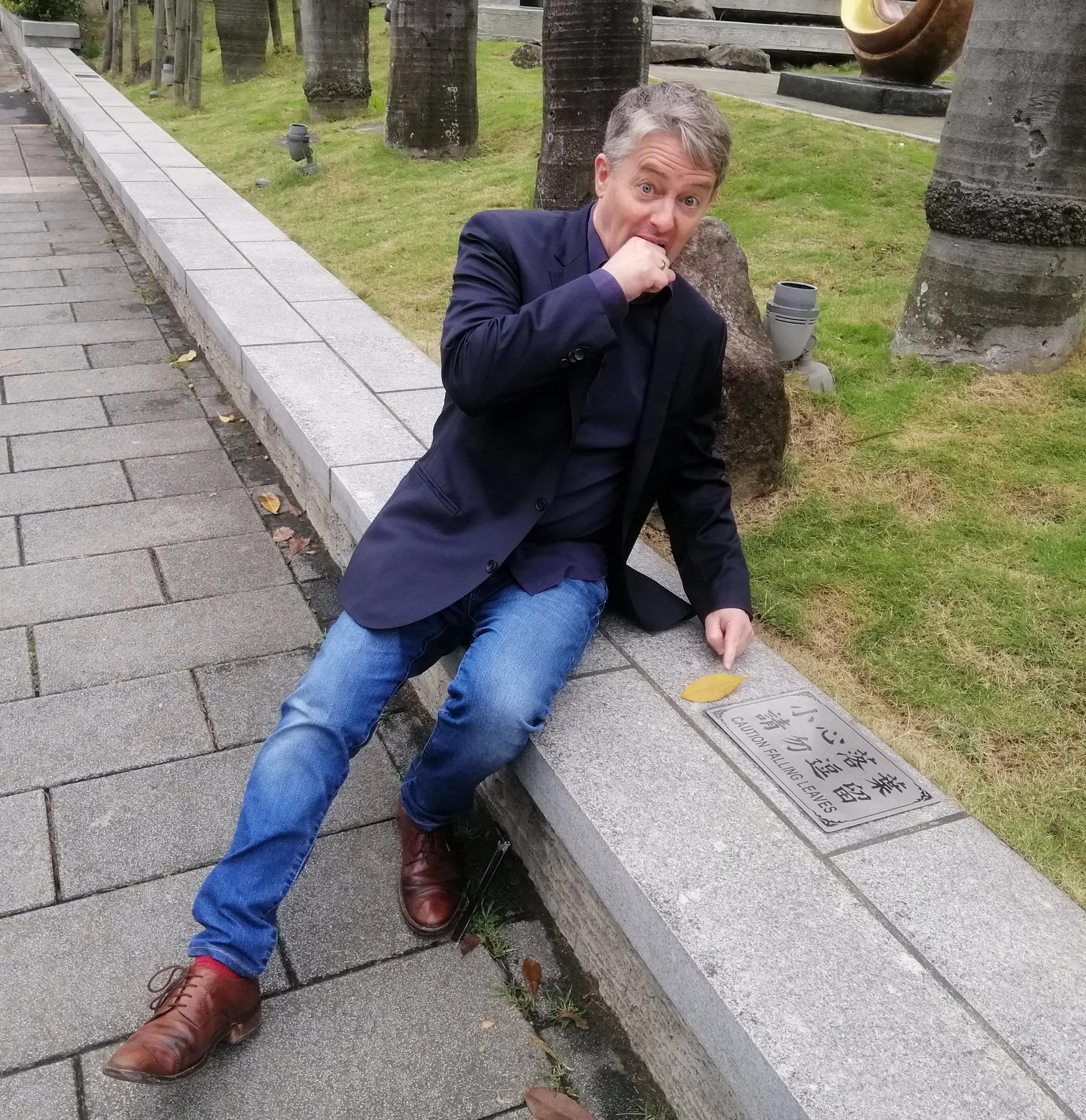
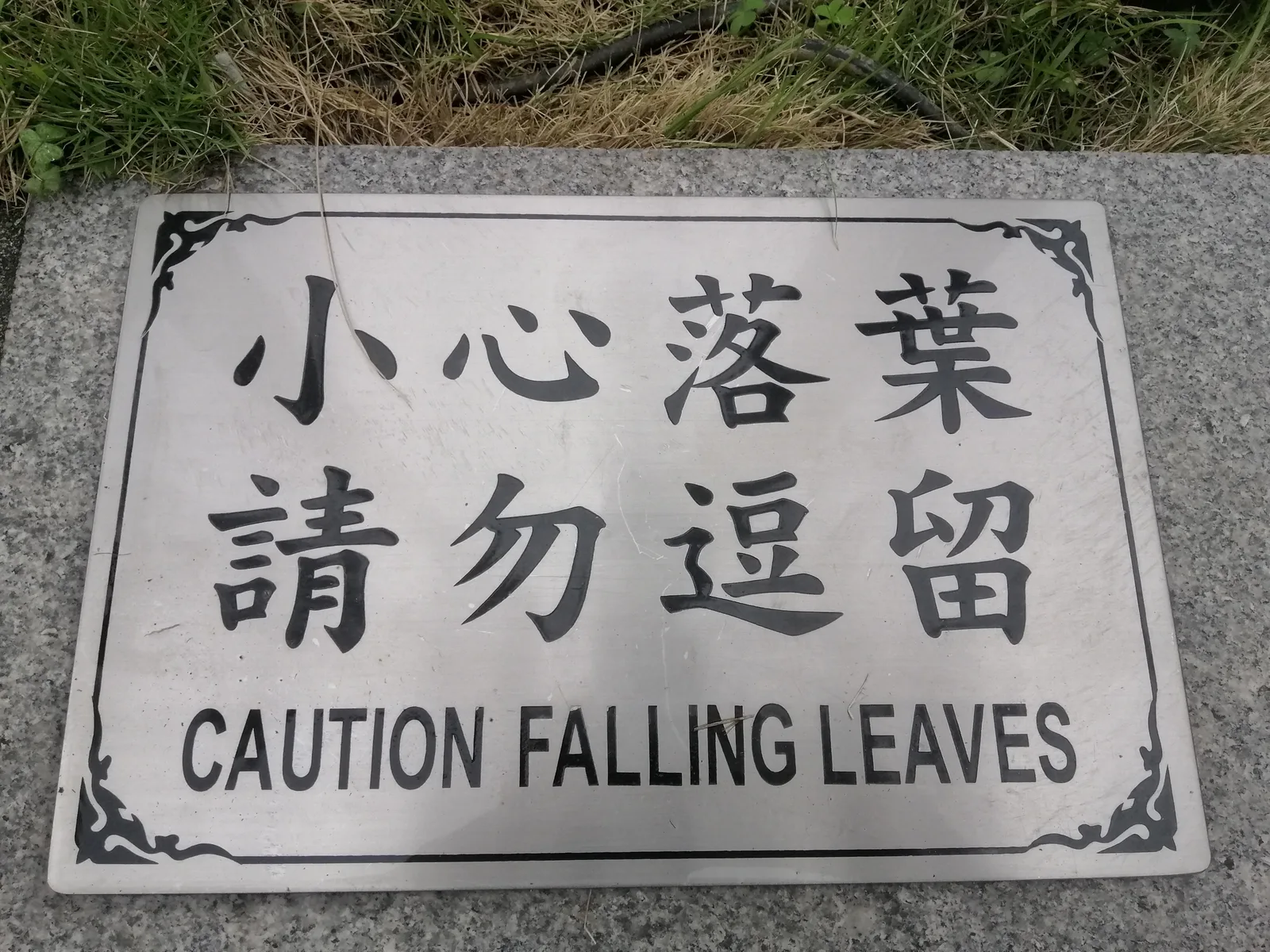
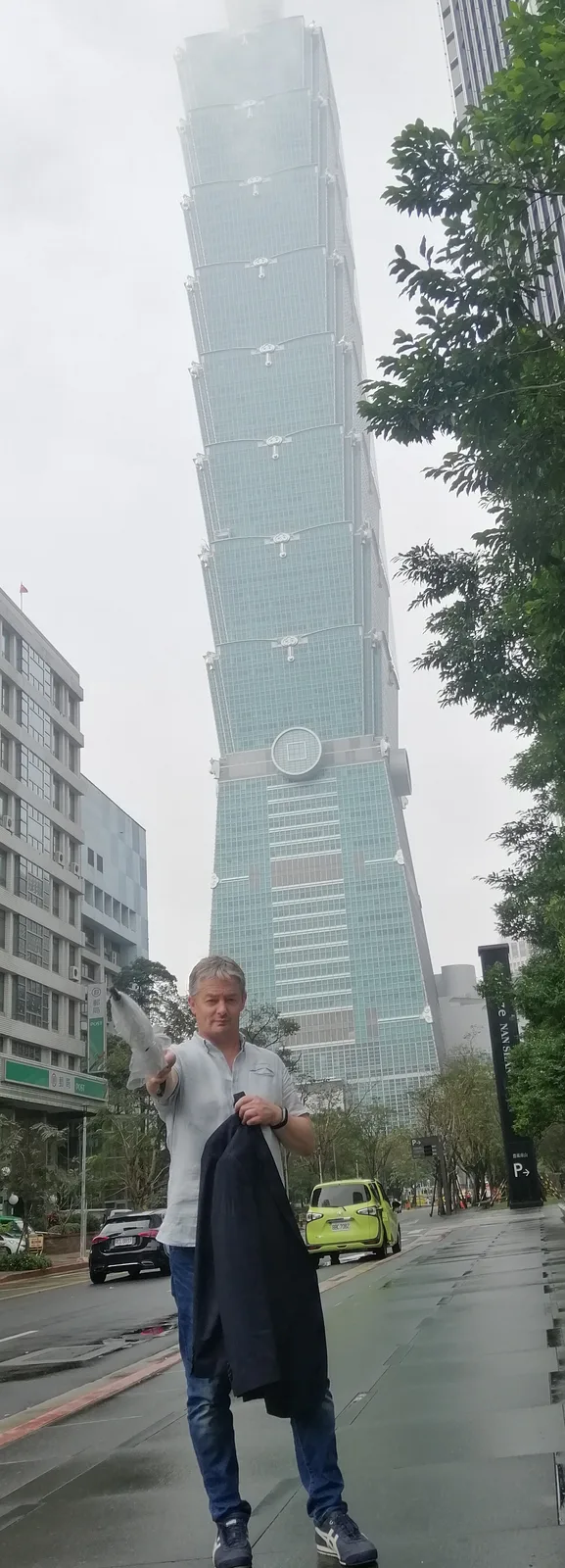
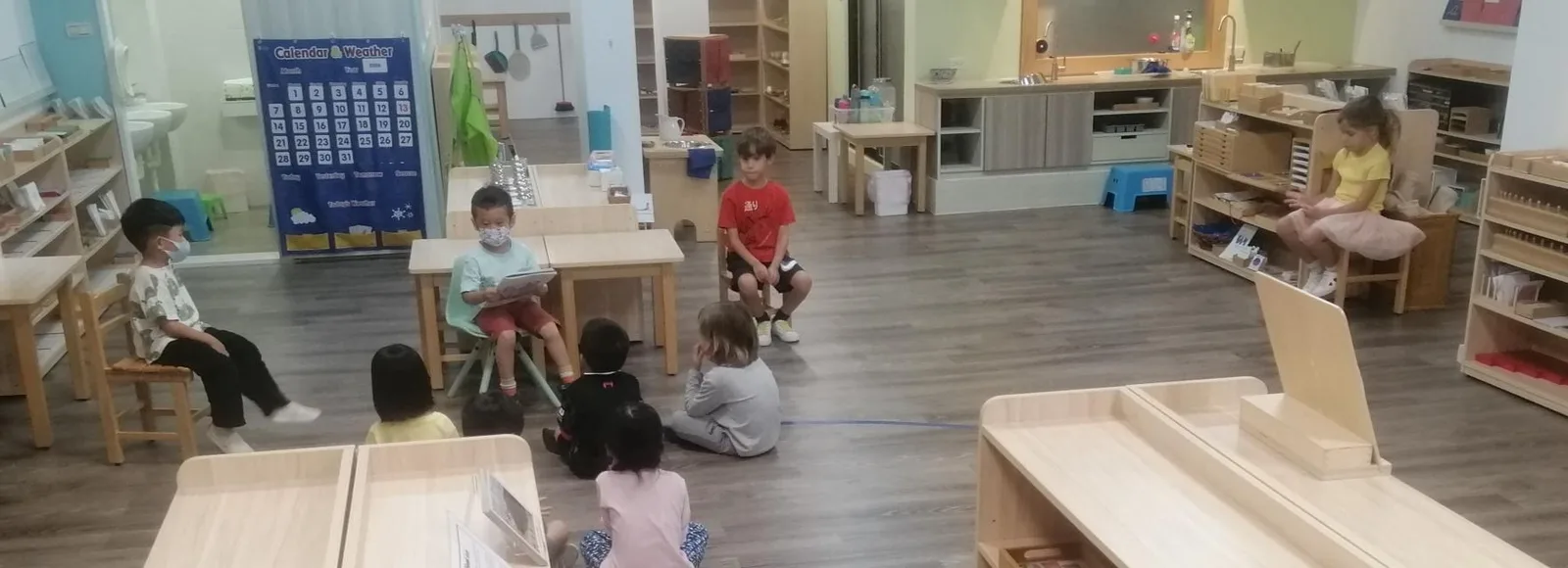
Next, I moved back to Asia and set up yet another new class, in Taipei.
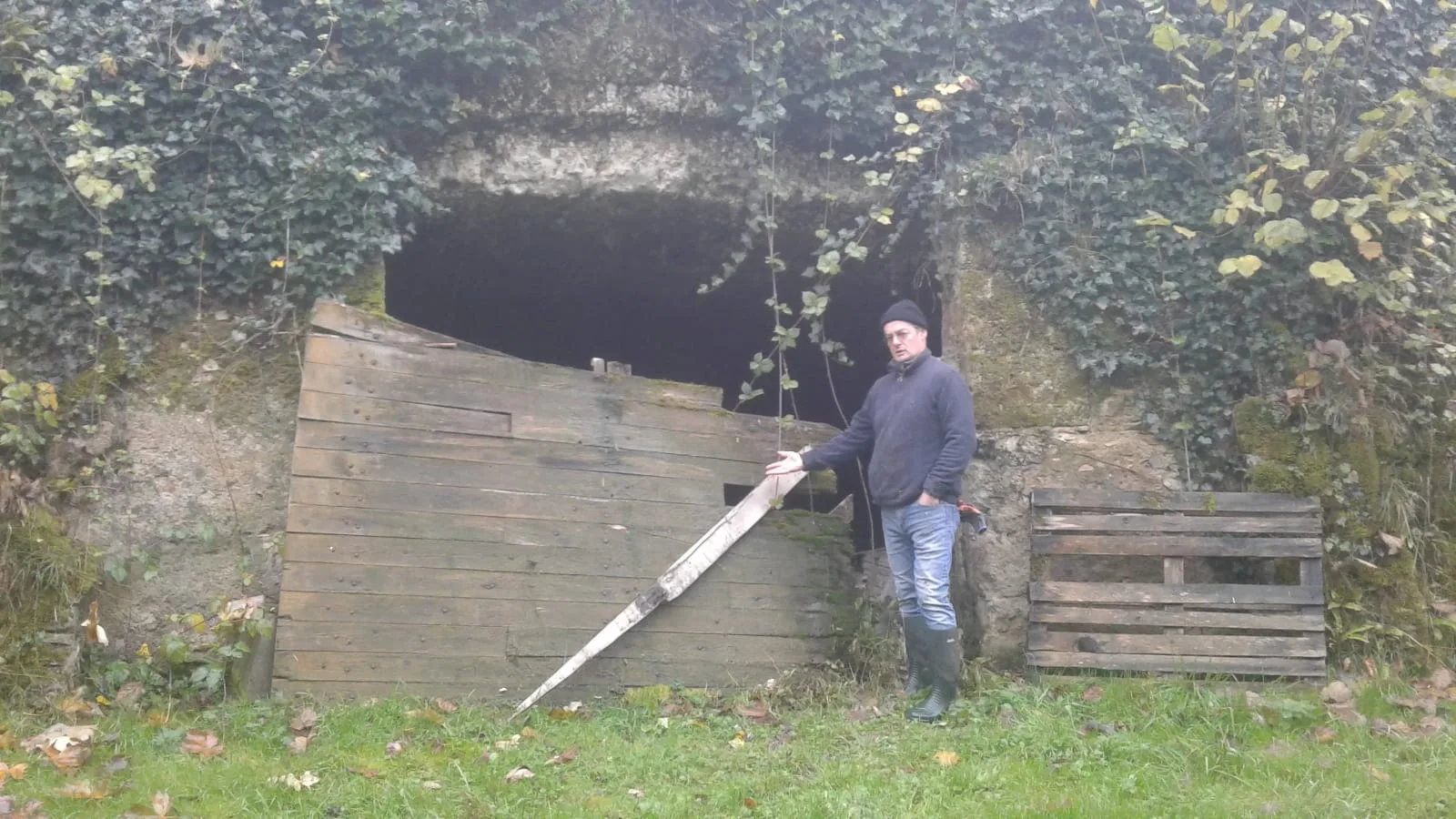
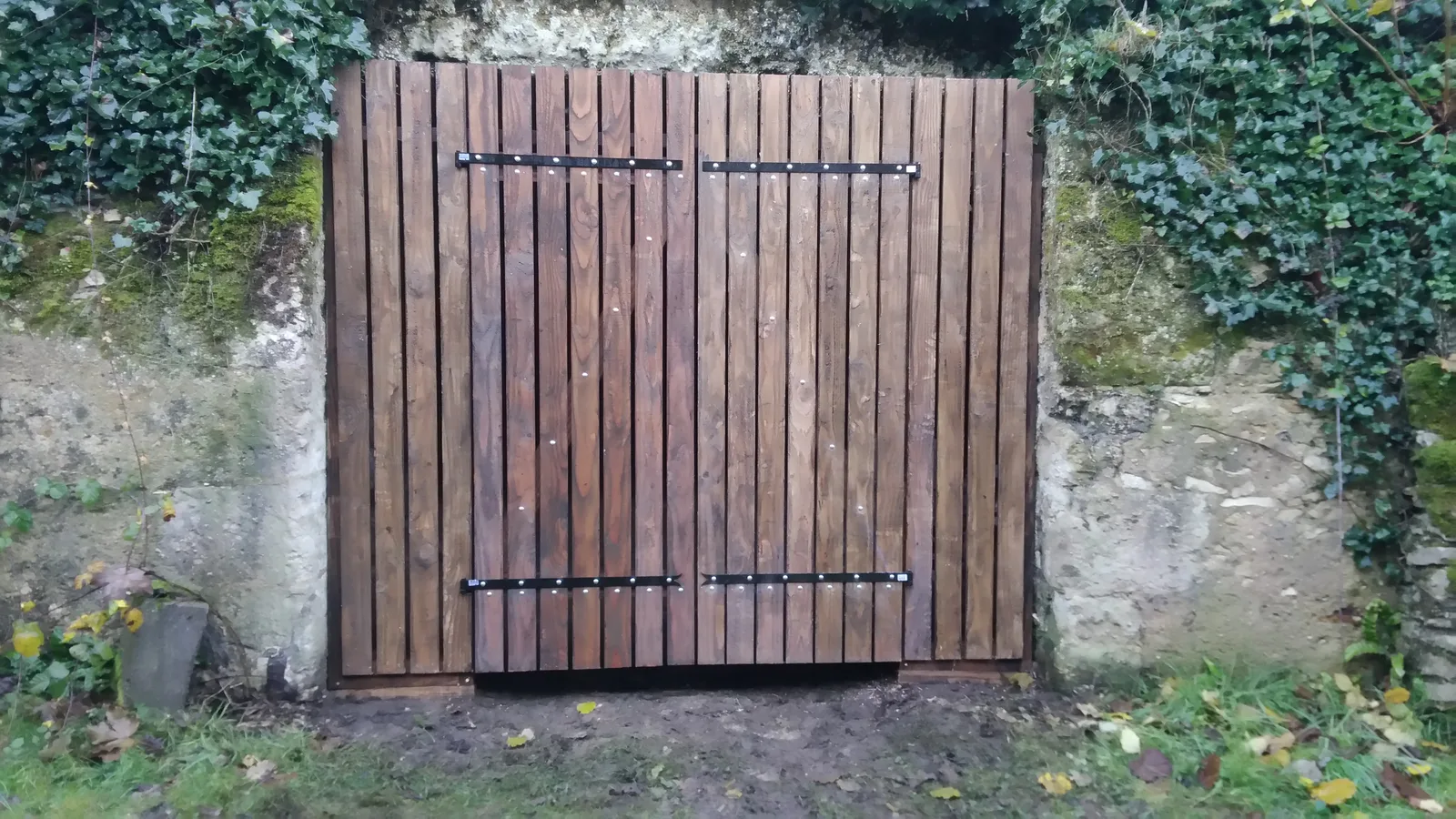
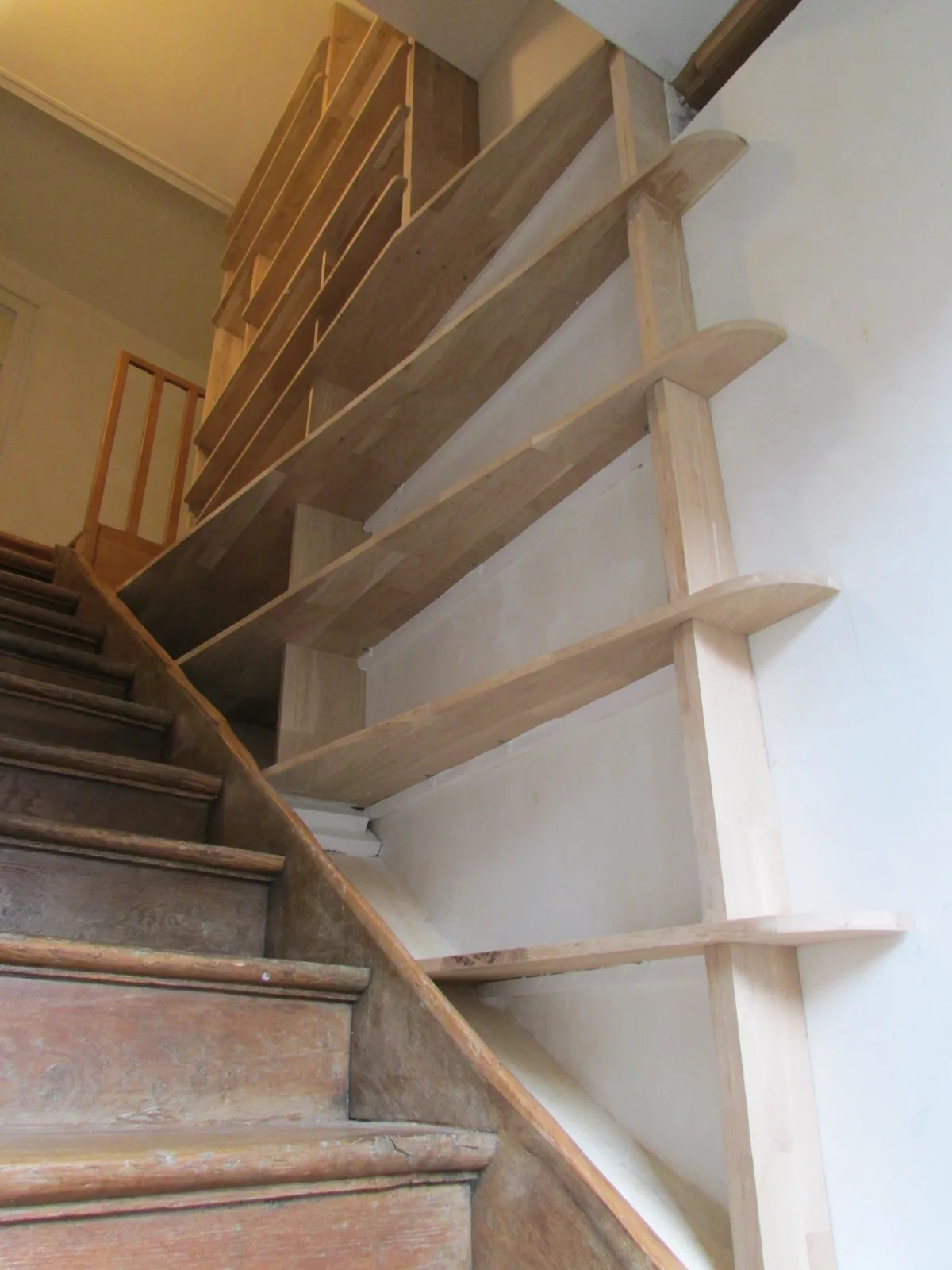
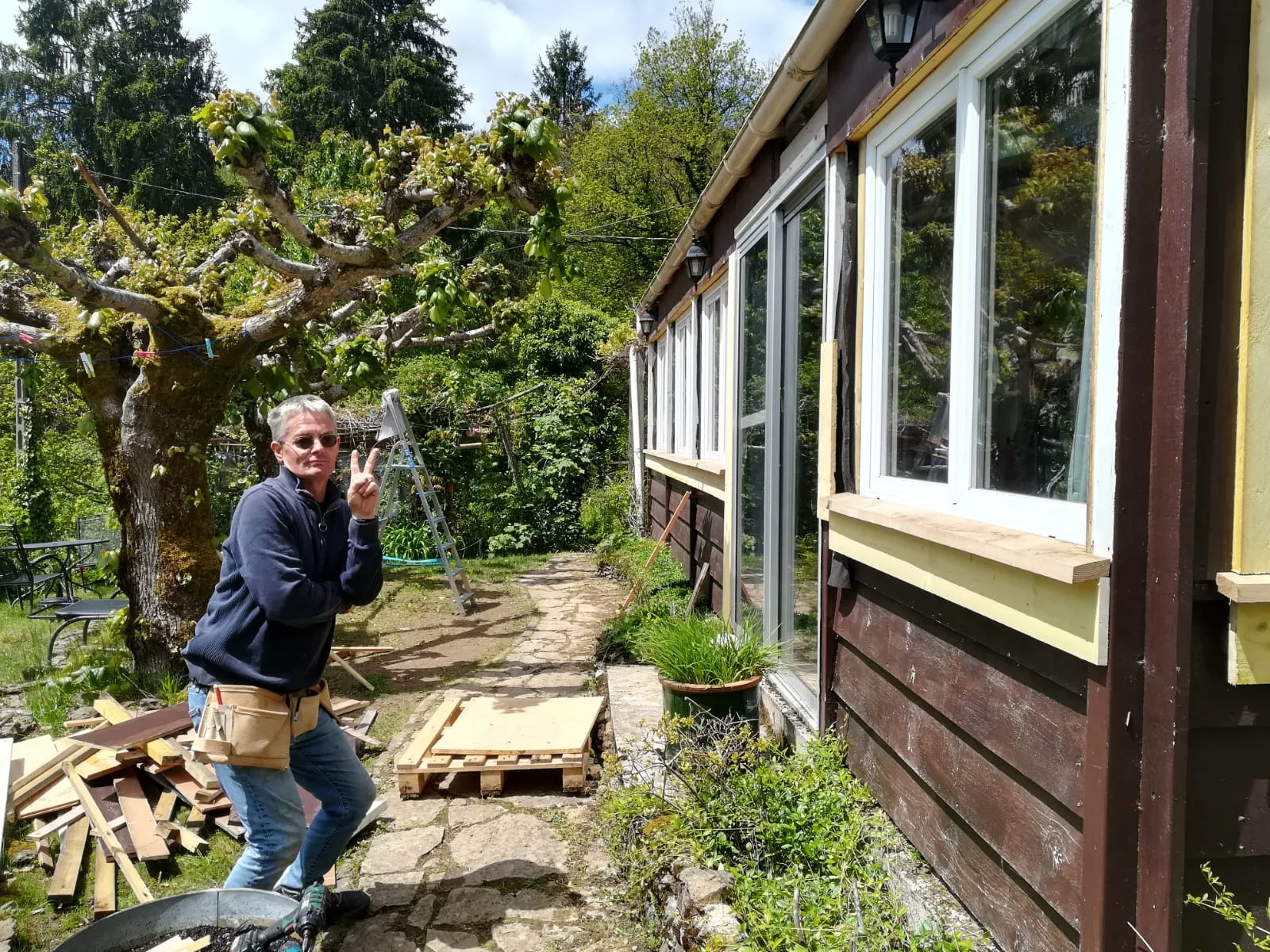
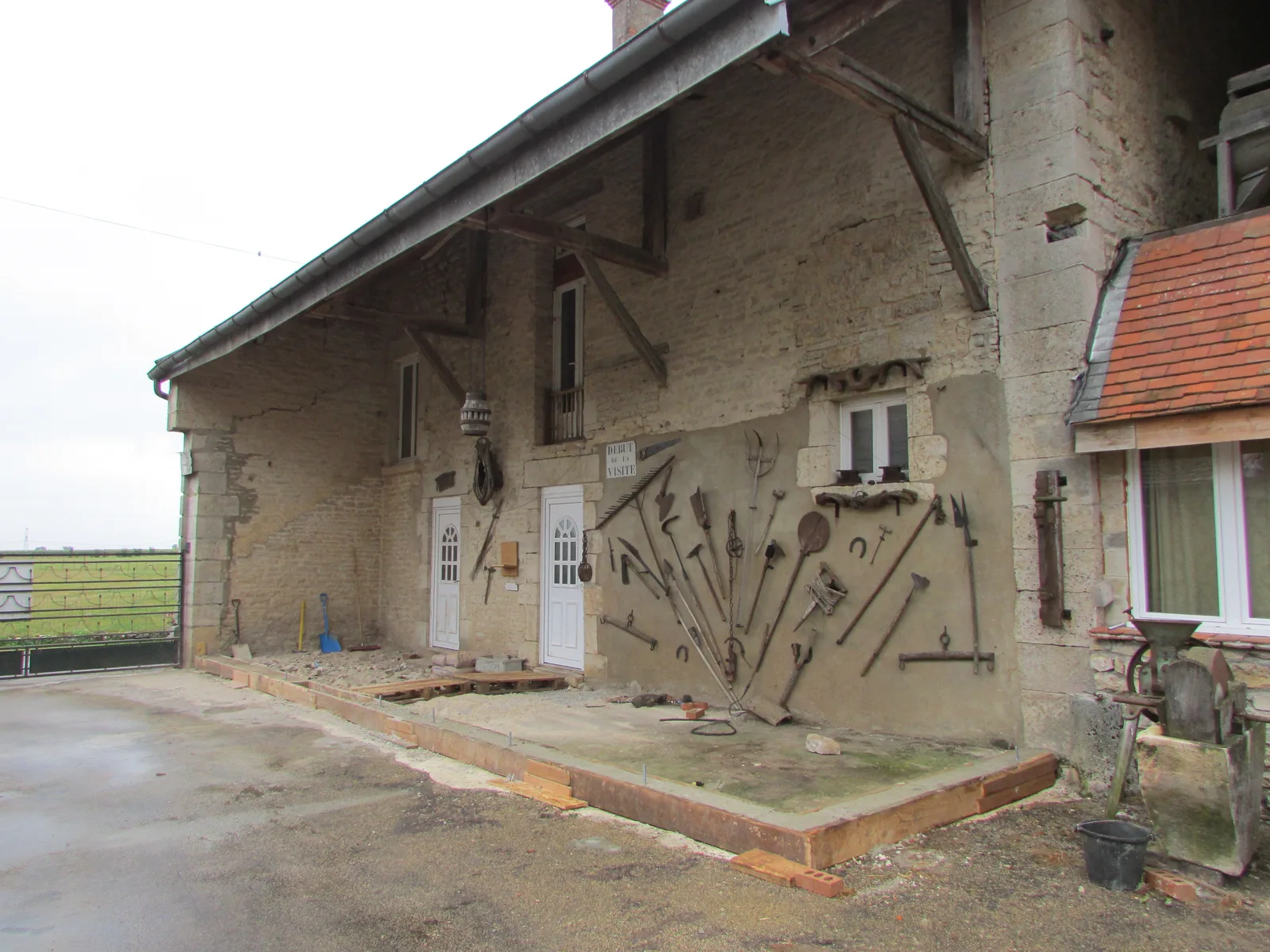
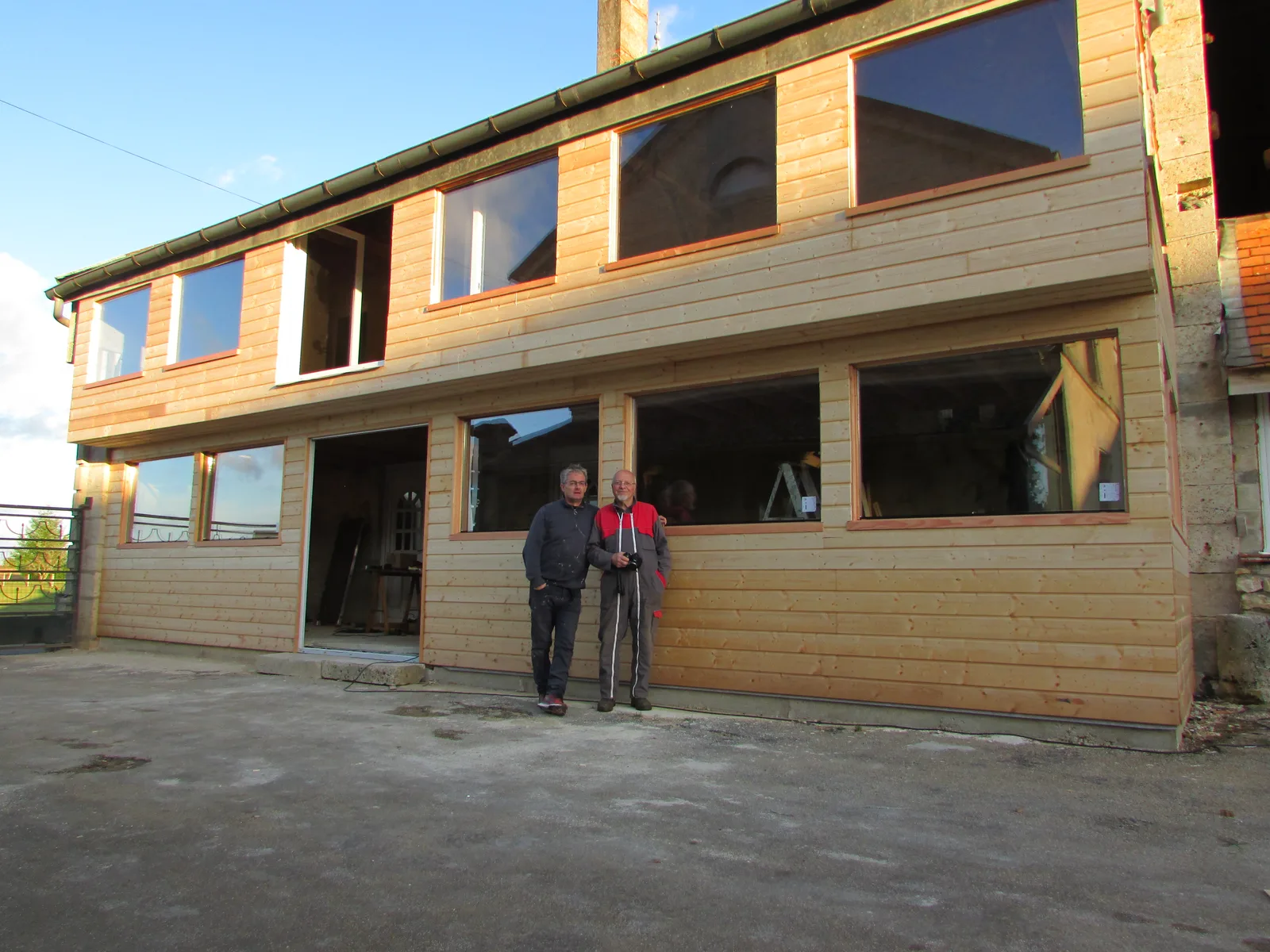
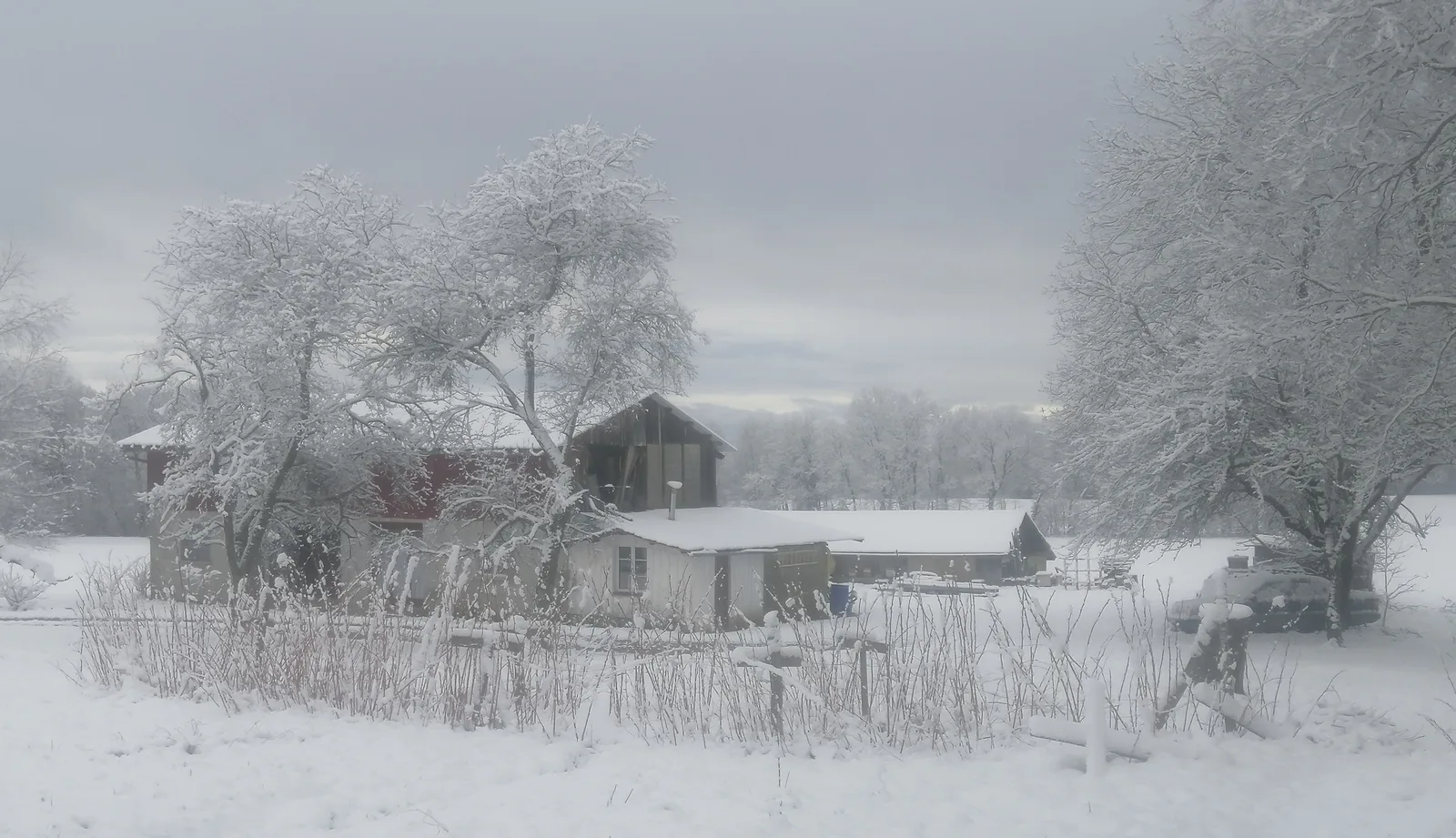
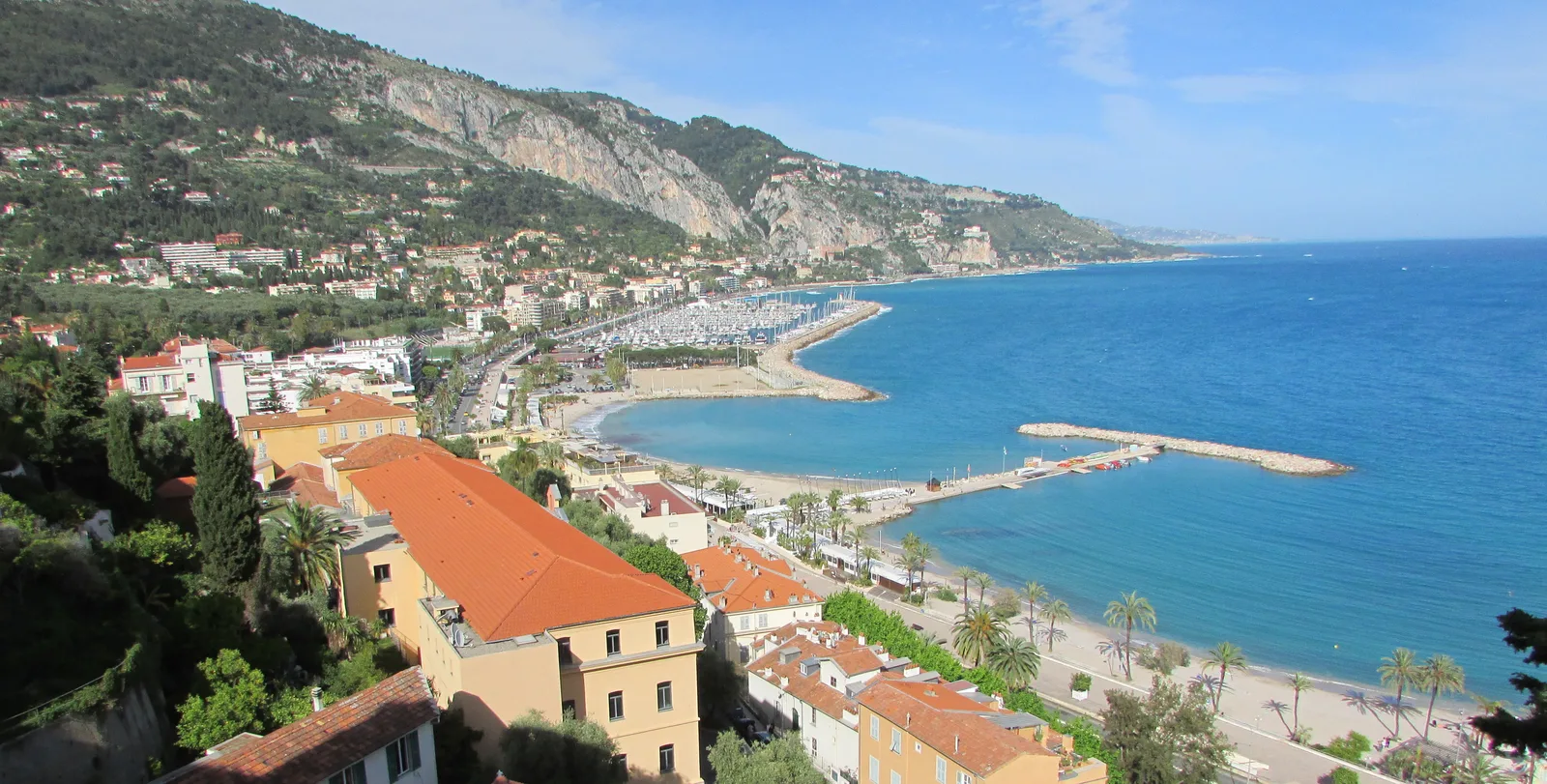
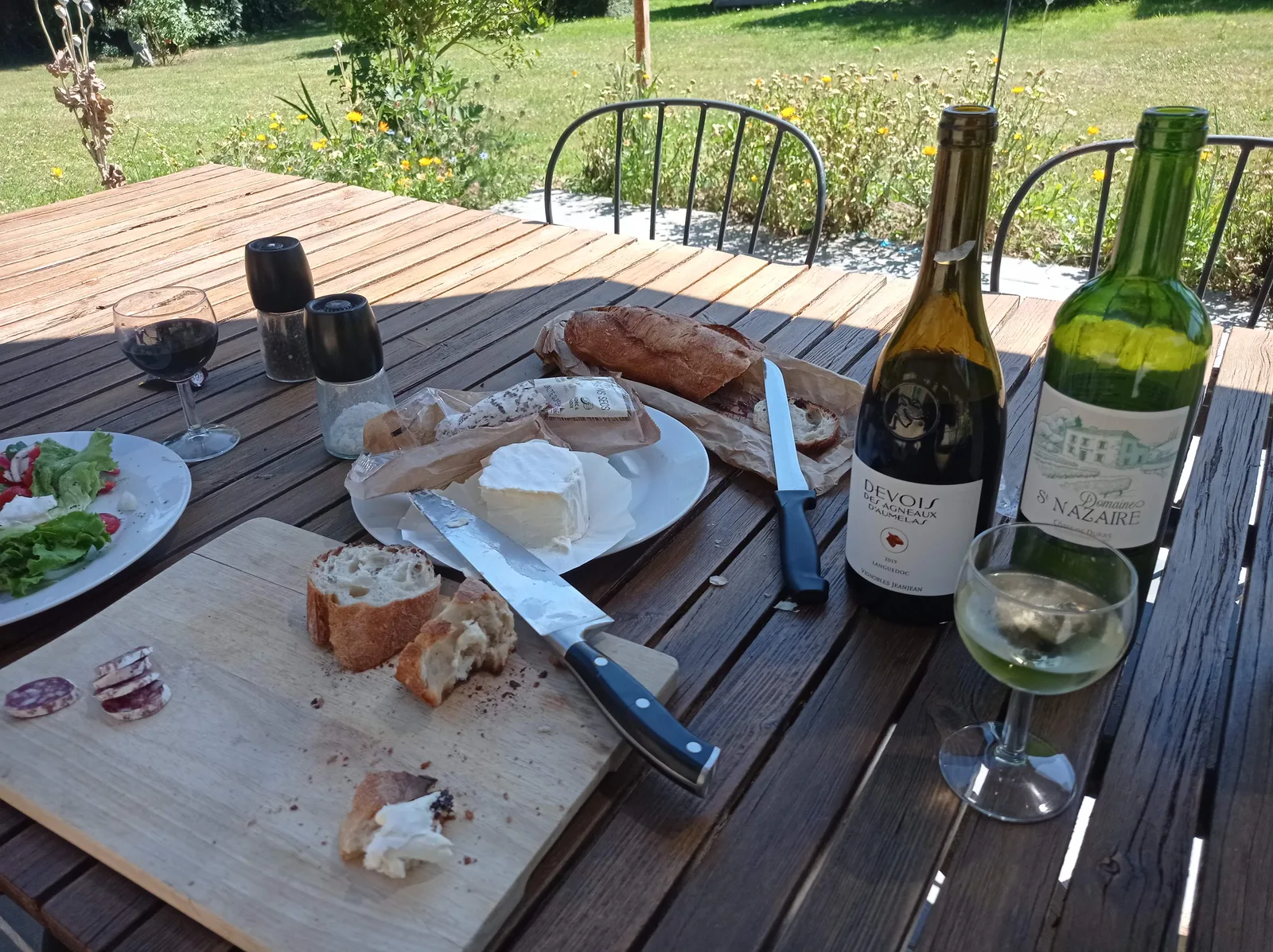
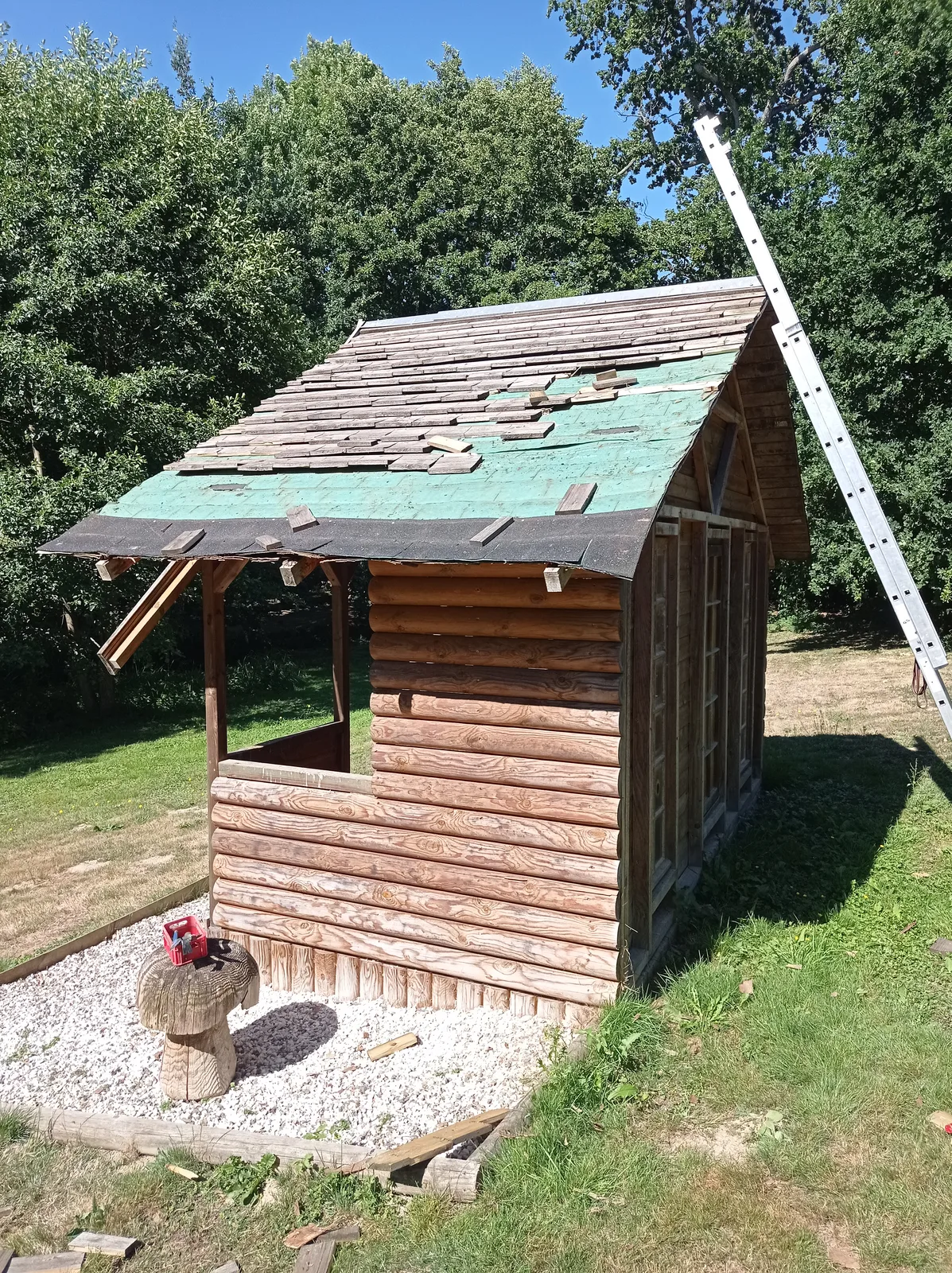
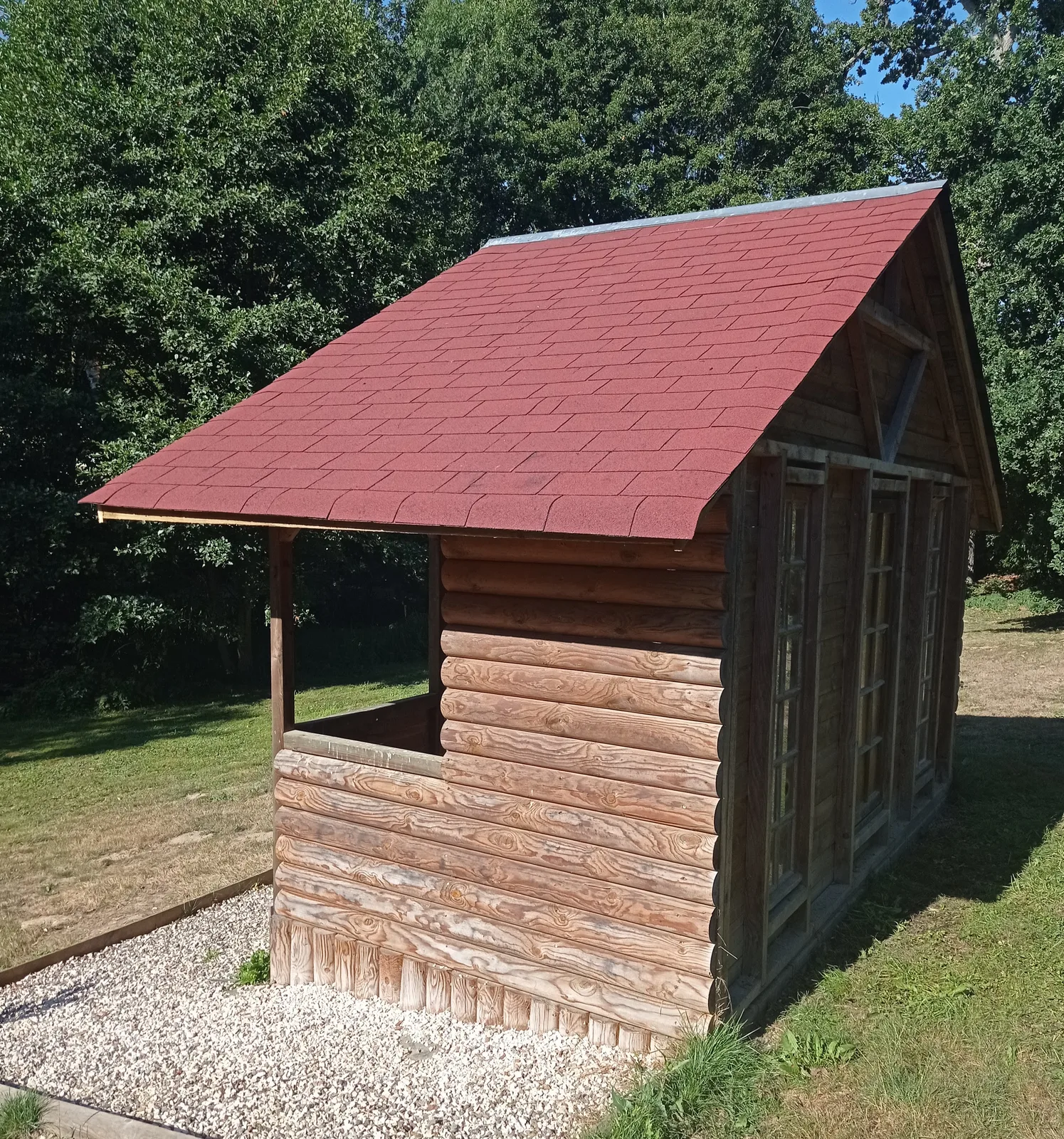
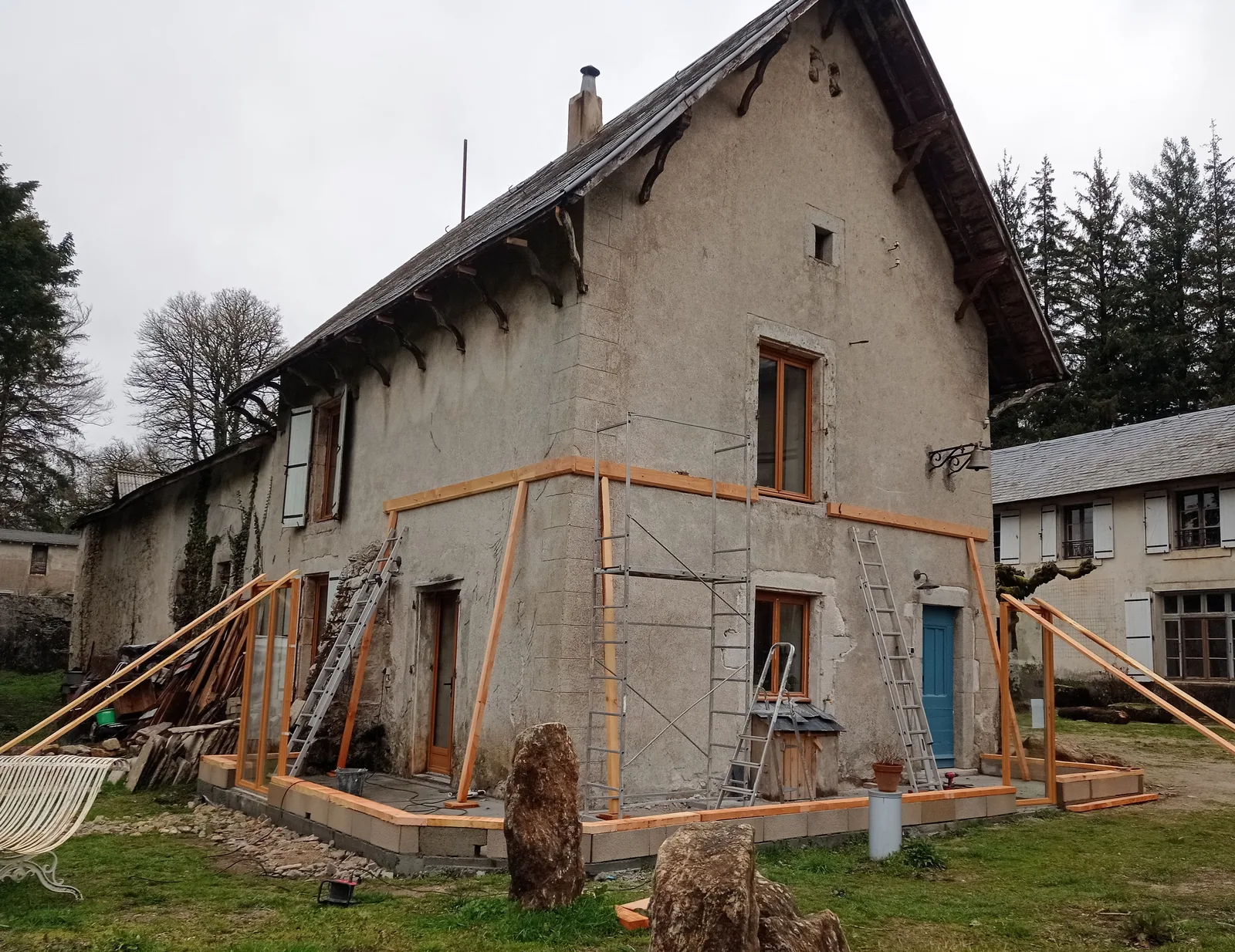
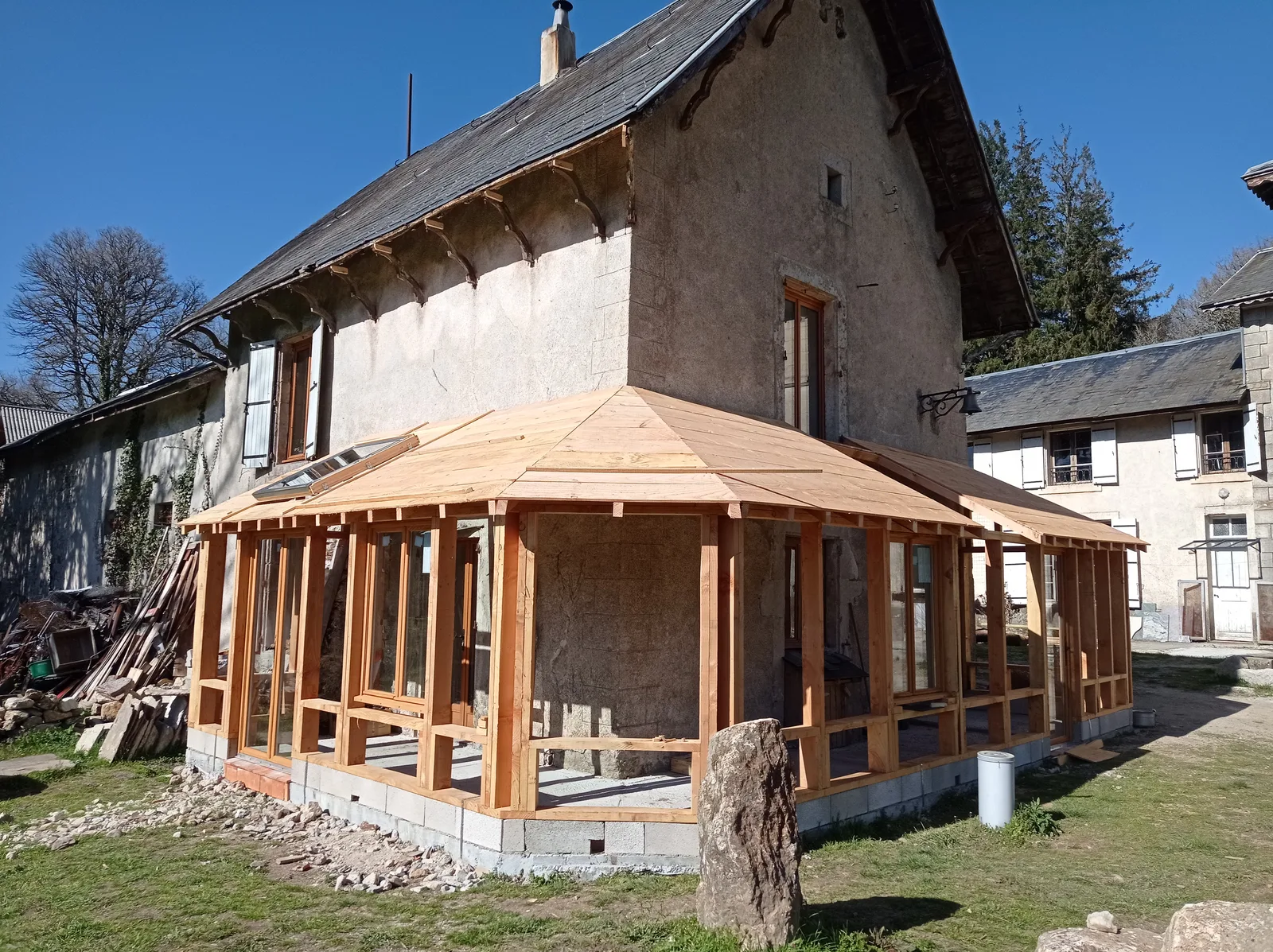
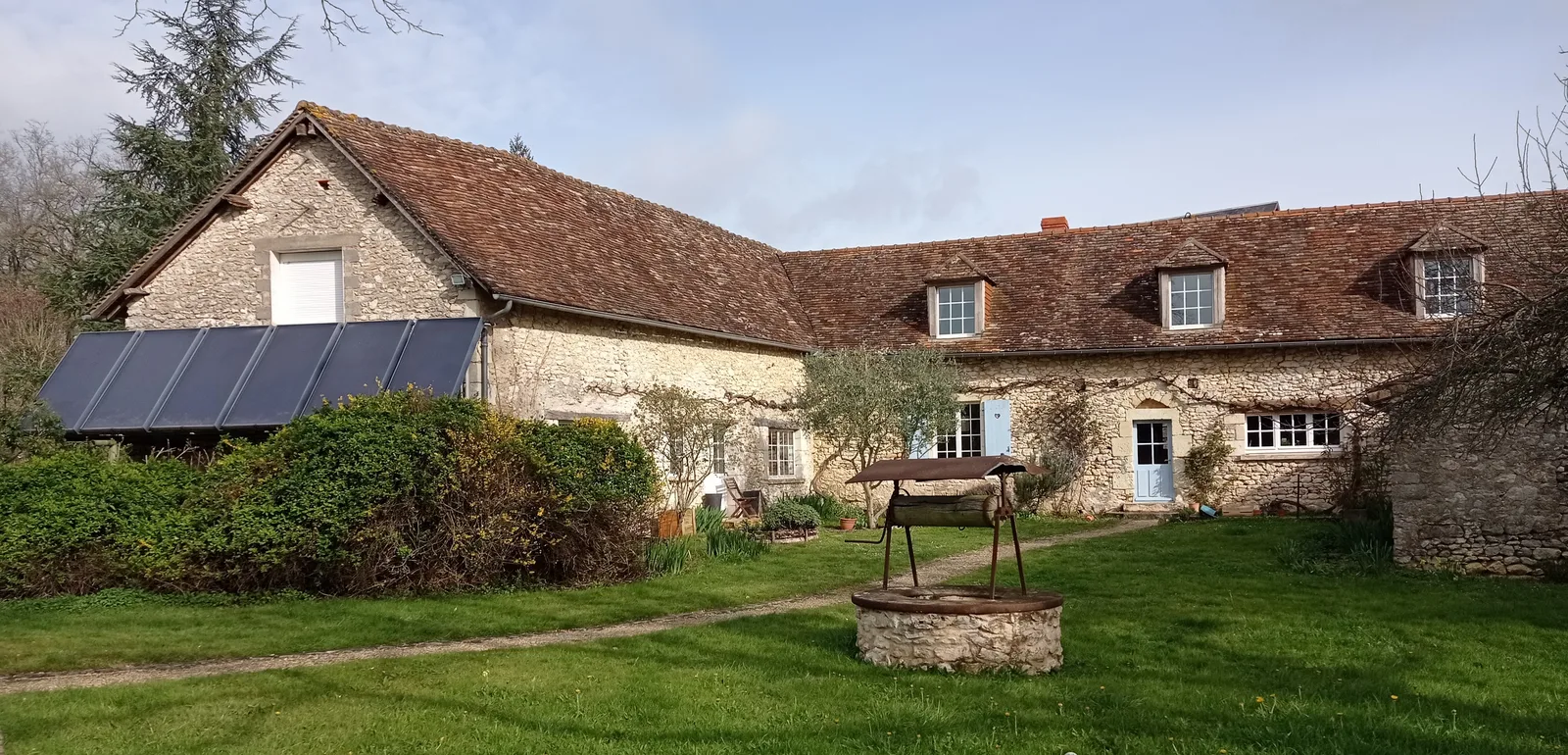
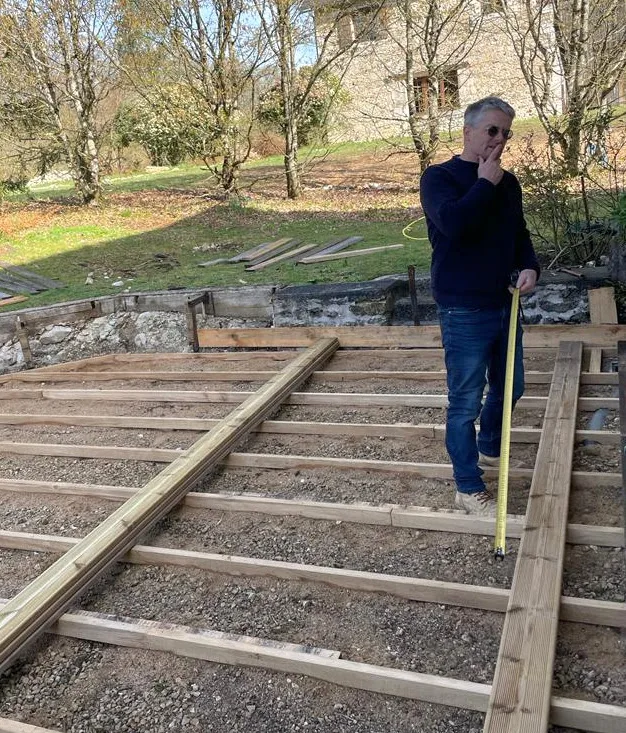
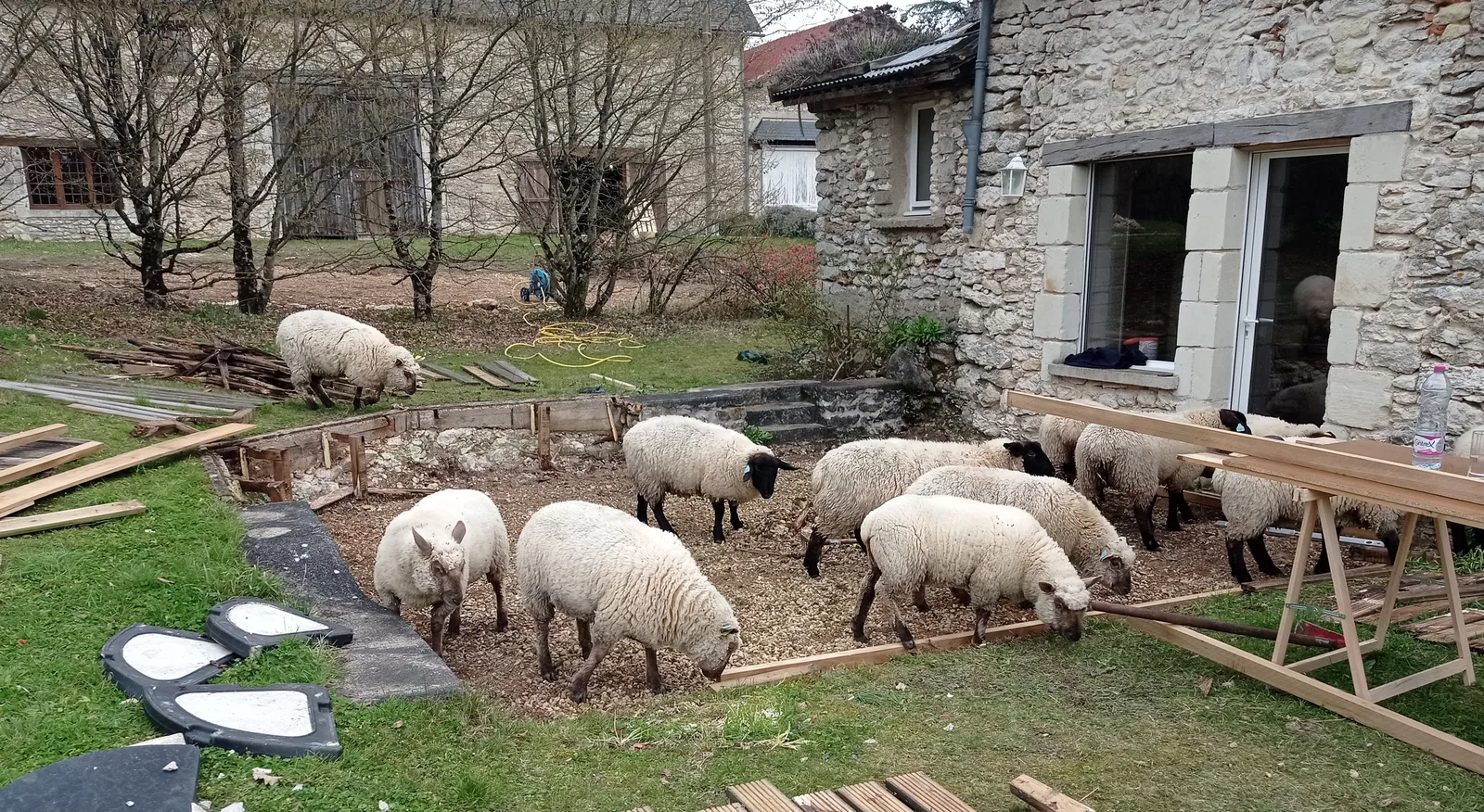
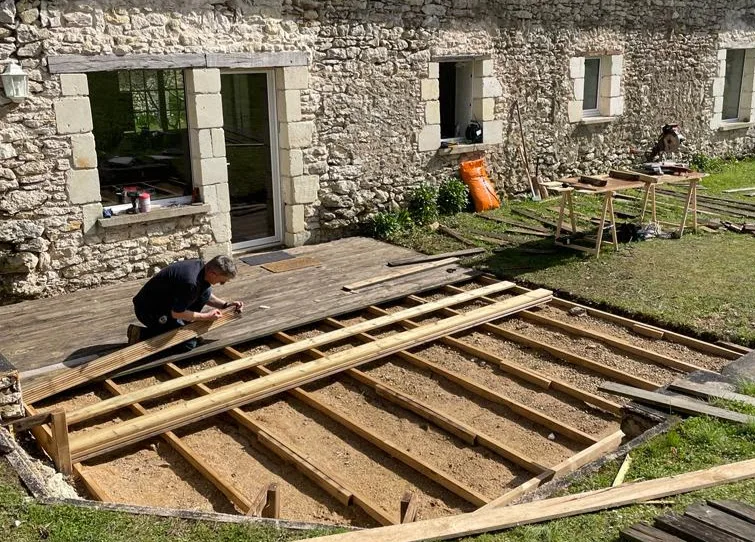
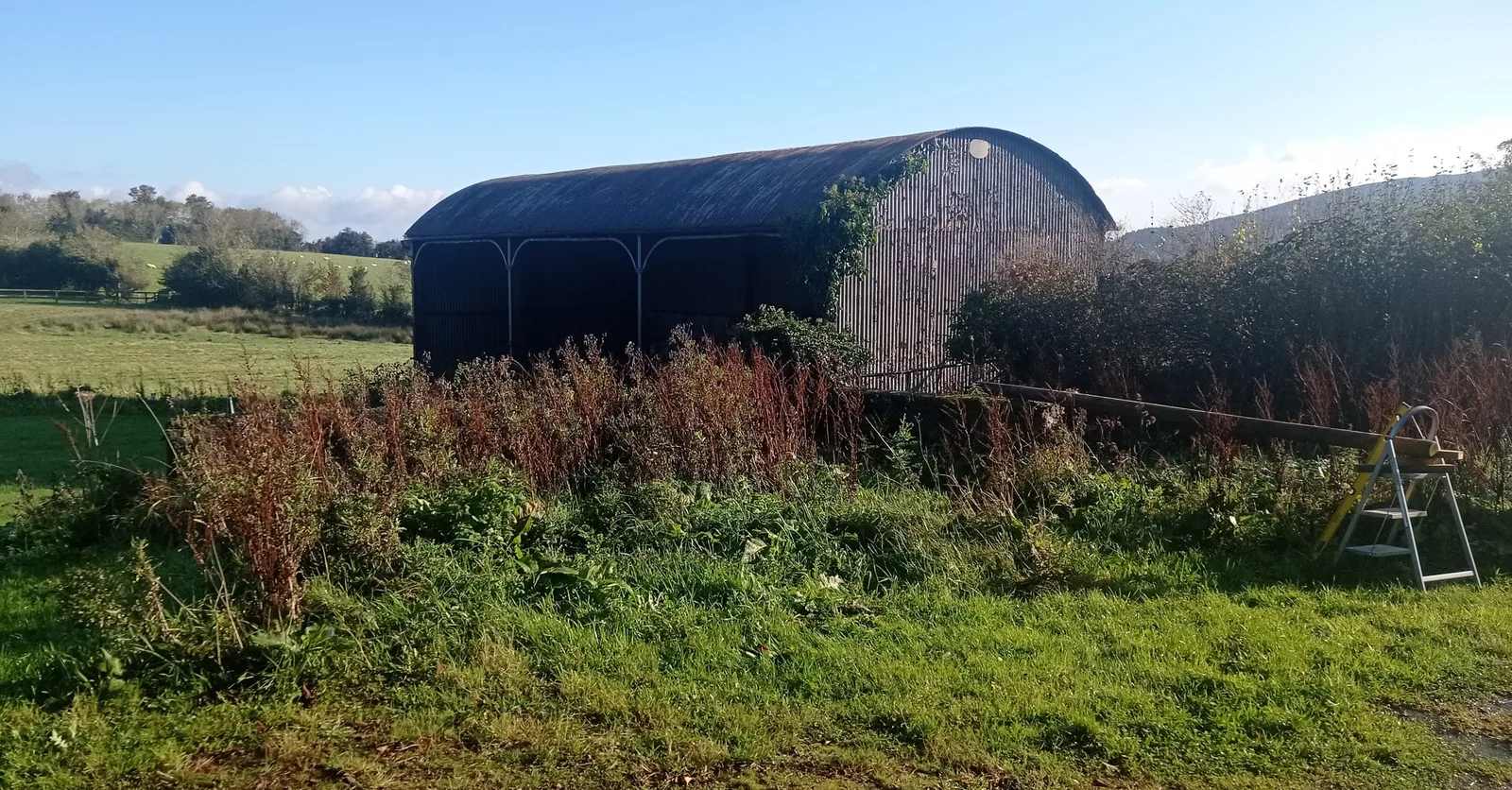
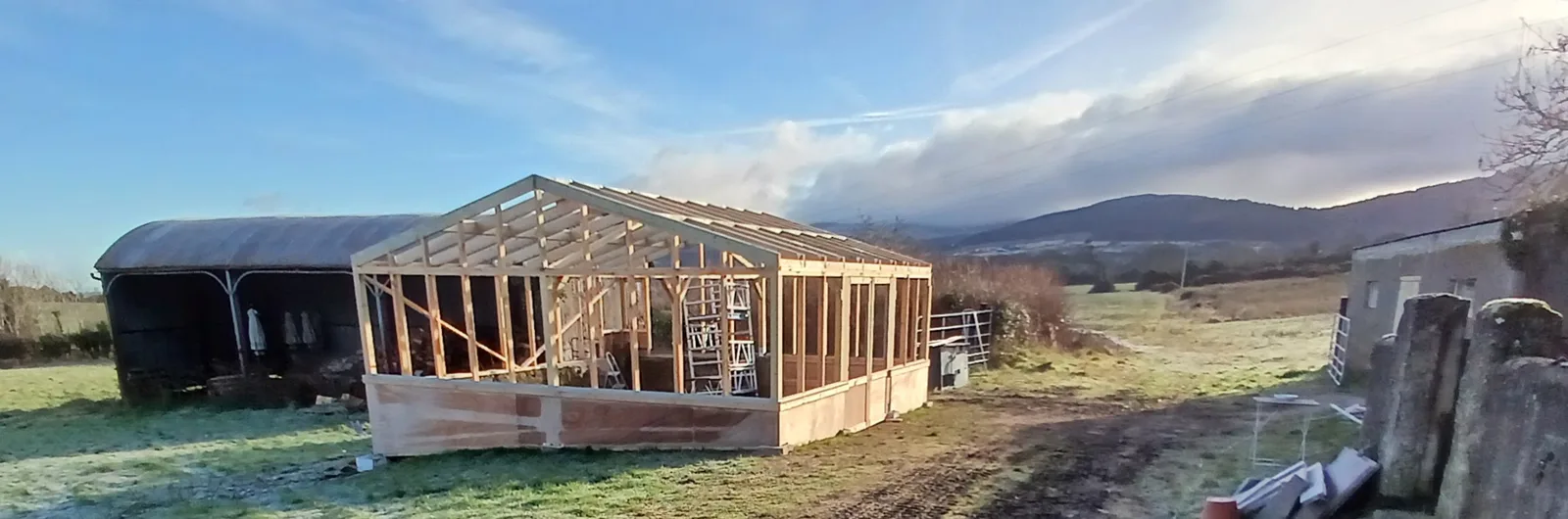
In 2020 COVID happened, and I moved back to Europe and spent a year moving around France, doing carpentry.
2022
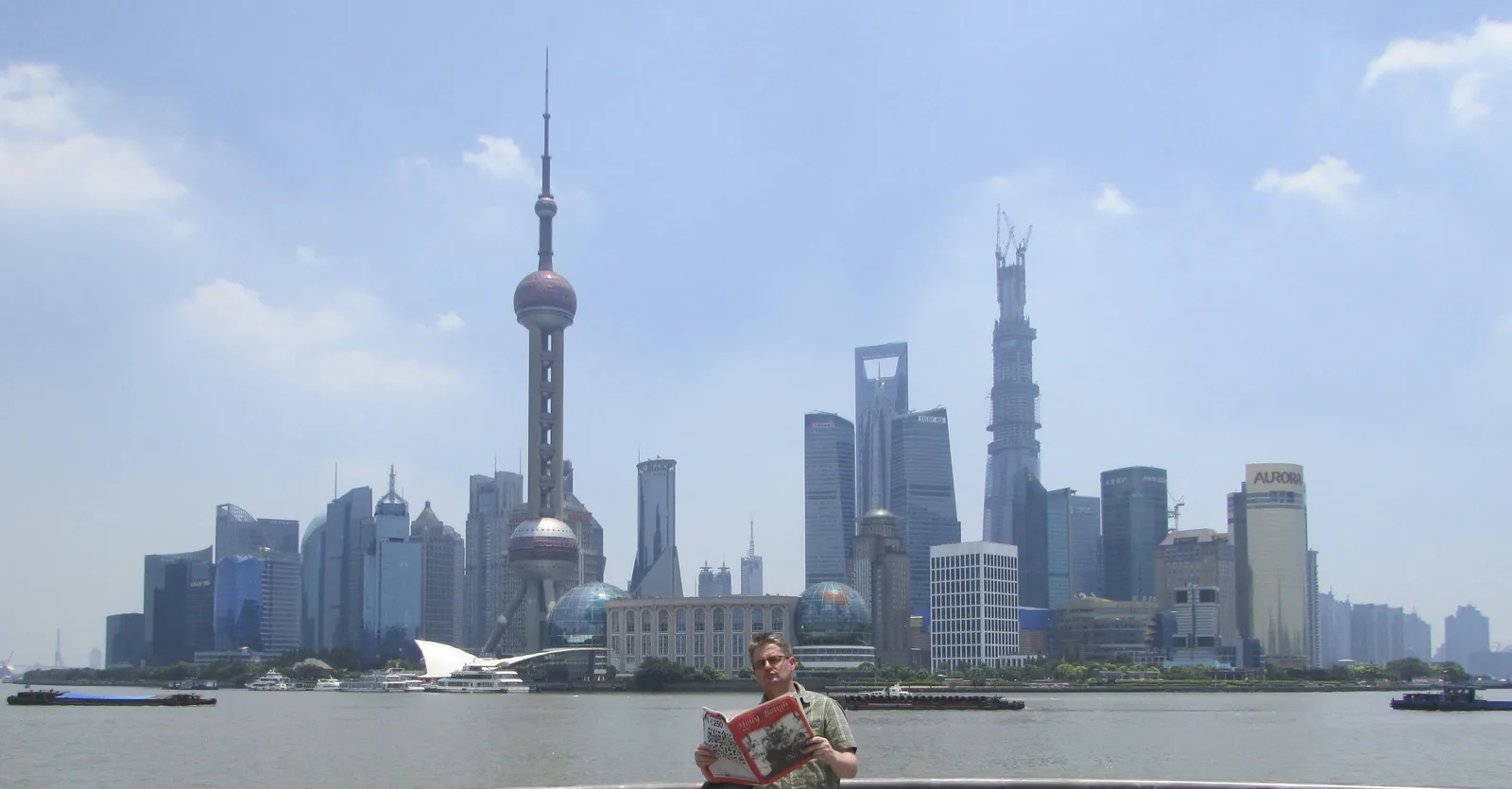
Shanghai
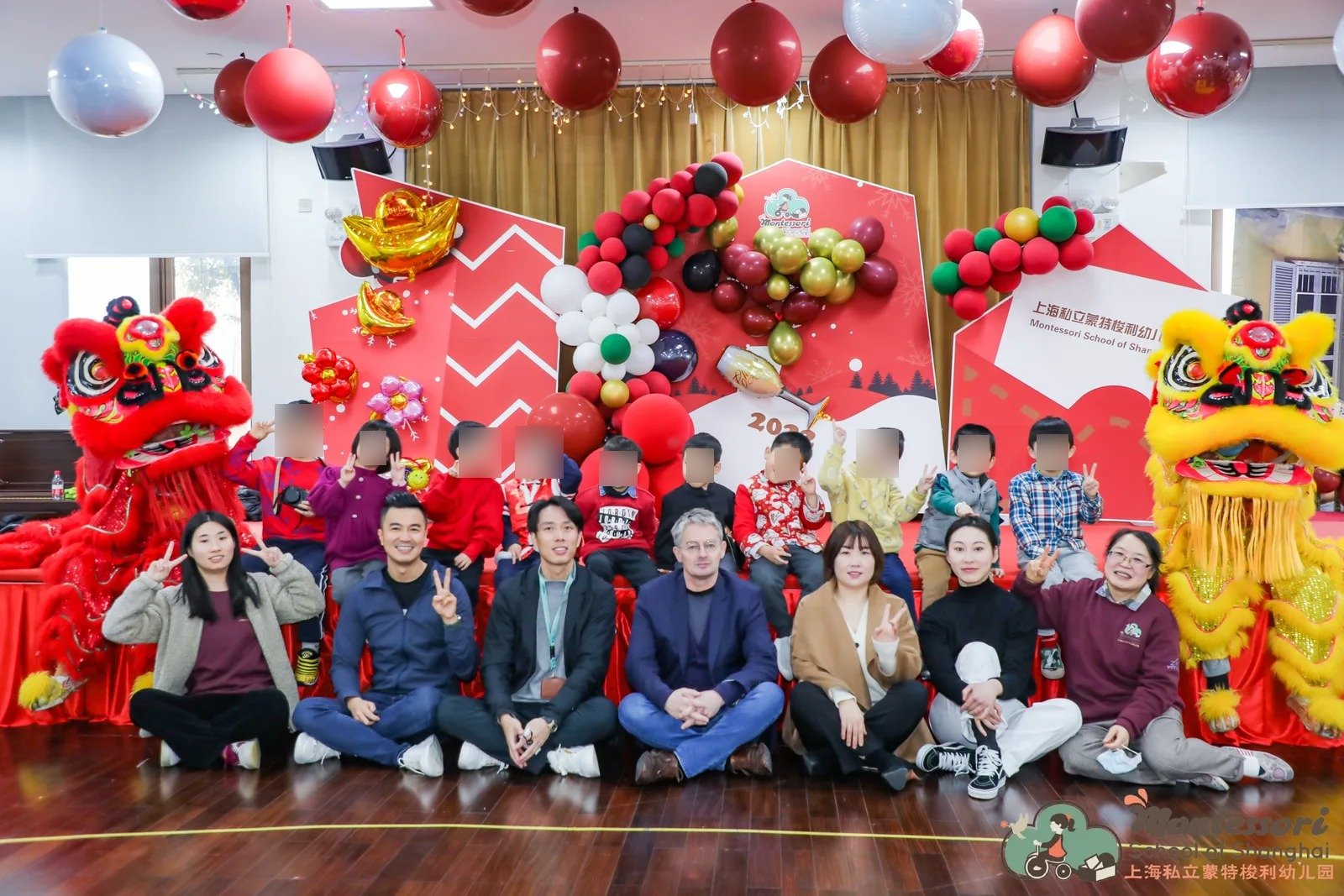
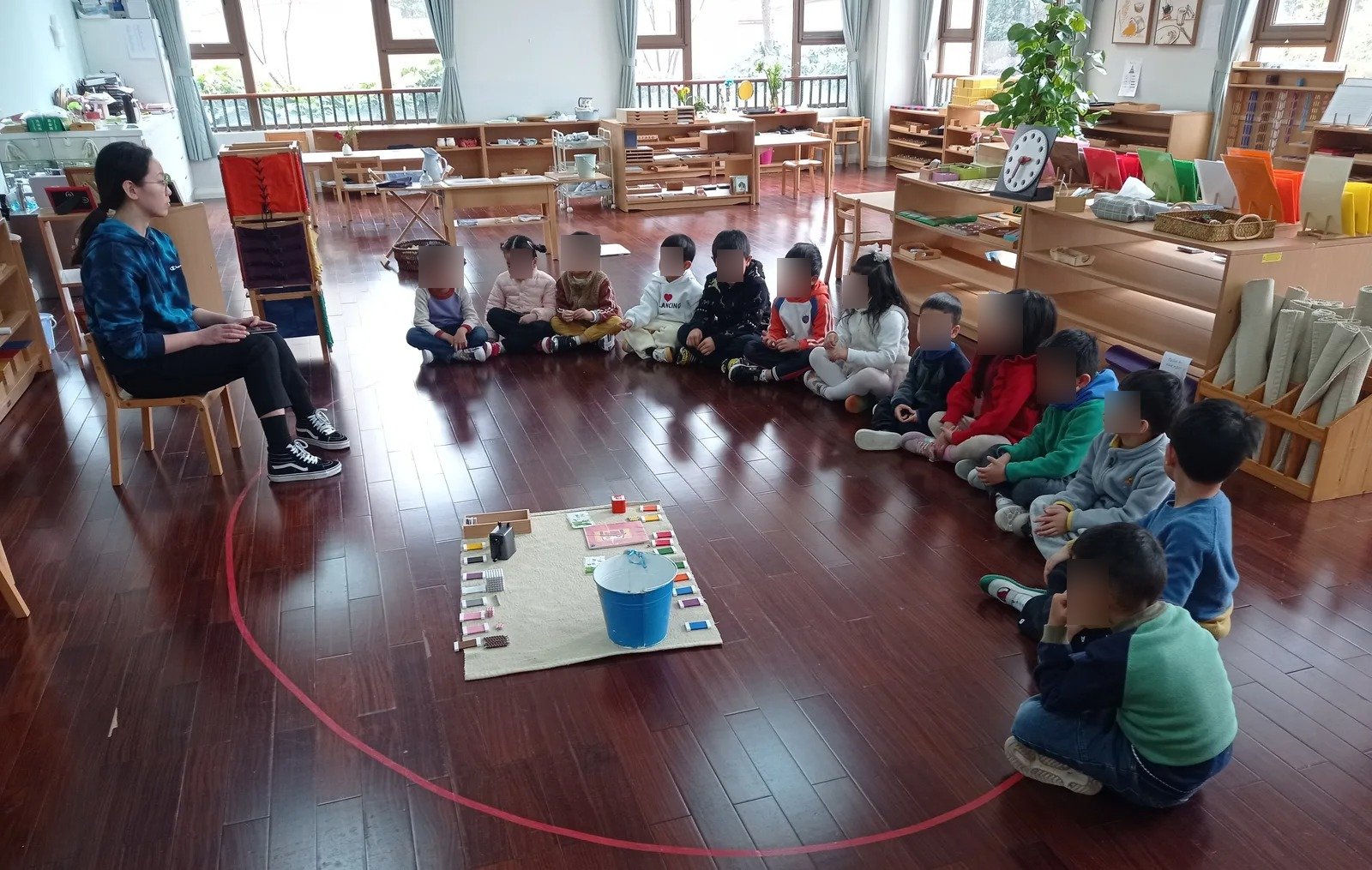
I was working at the Montessori School of Shanghai and really liked the school, my colleagues, the children, the parents and life in Shanghai. Unfortunately, after a few months the lockdown started and the entire city of 23 million were forced to remain indoors for two months. When the lockdown ended the schools remained shut, so I returned to Europe and carpentry.
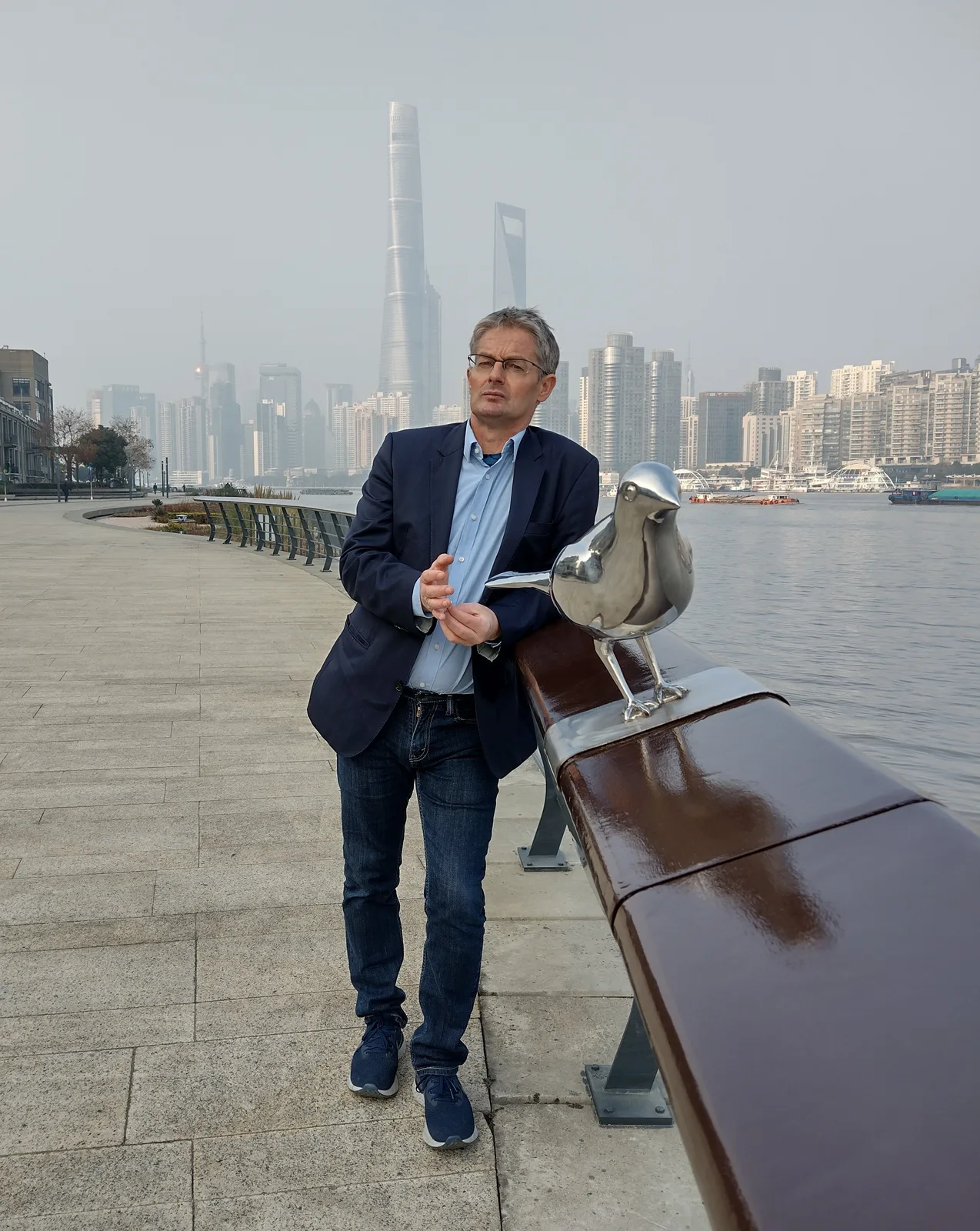
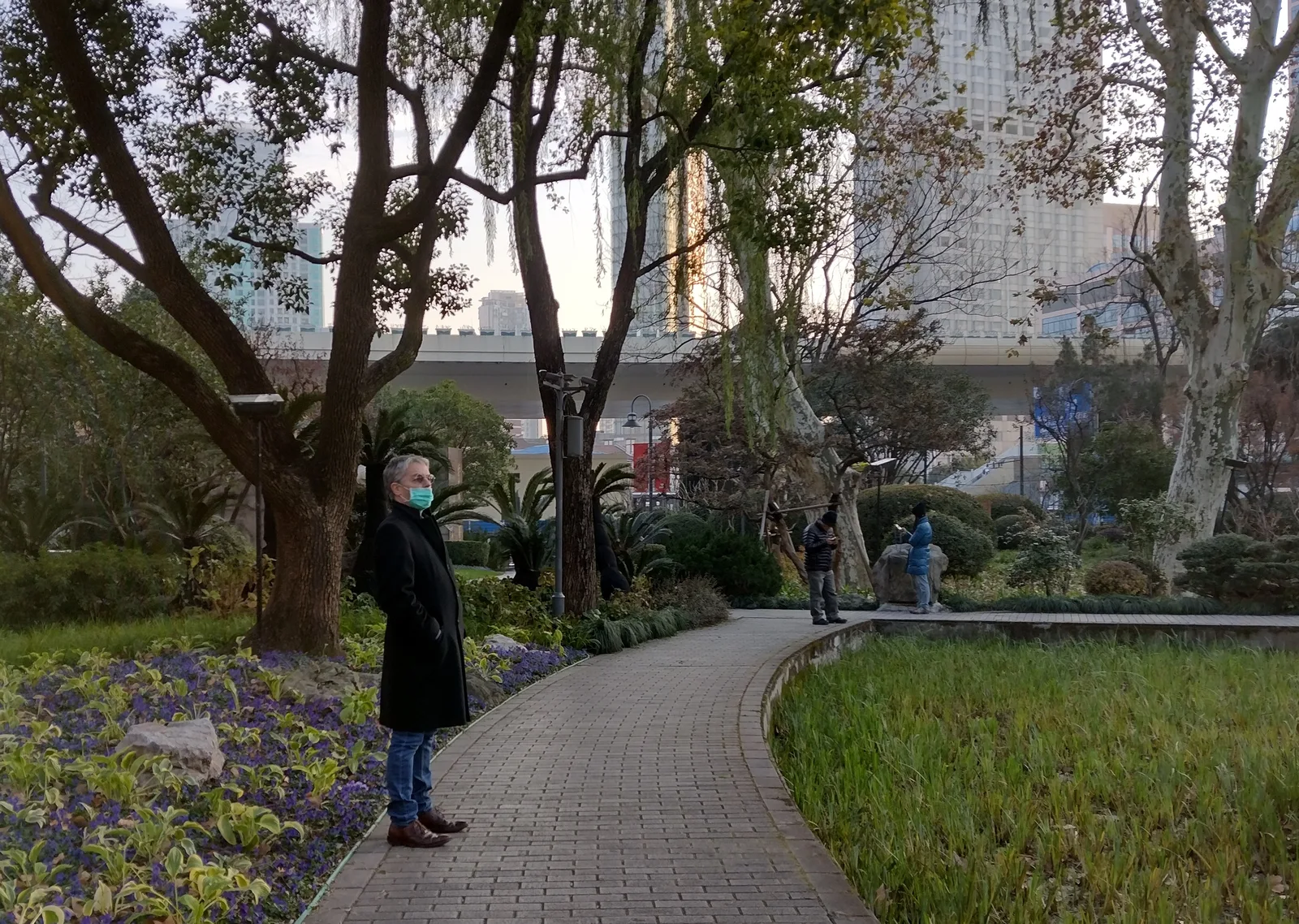
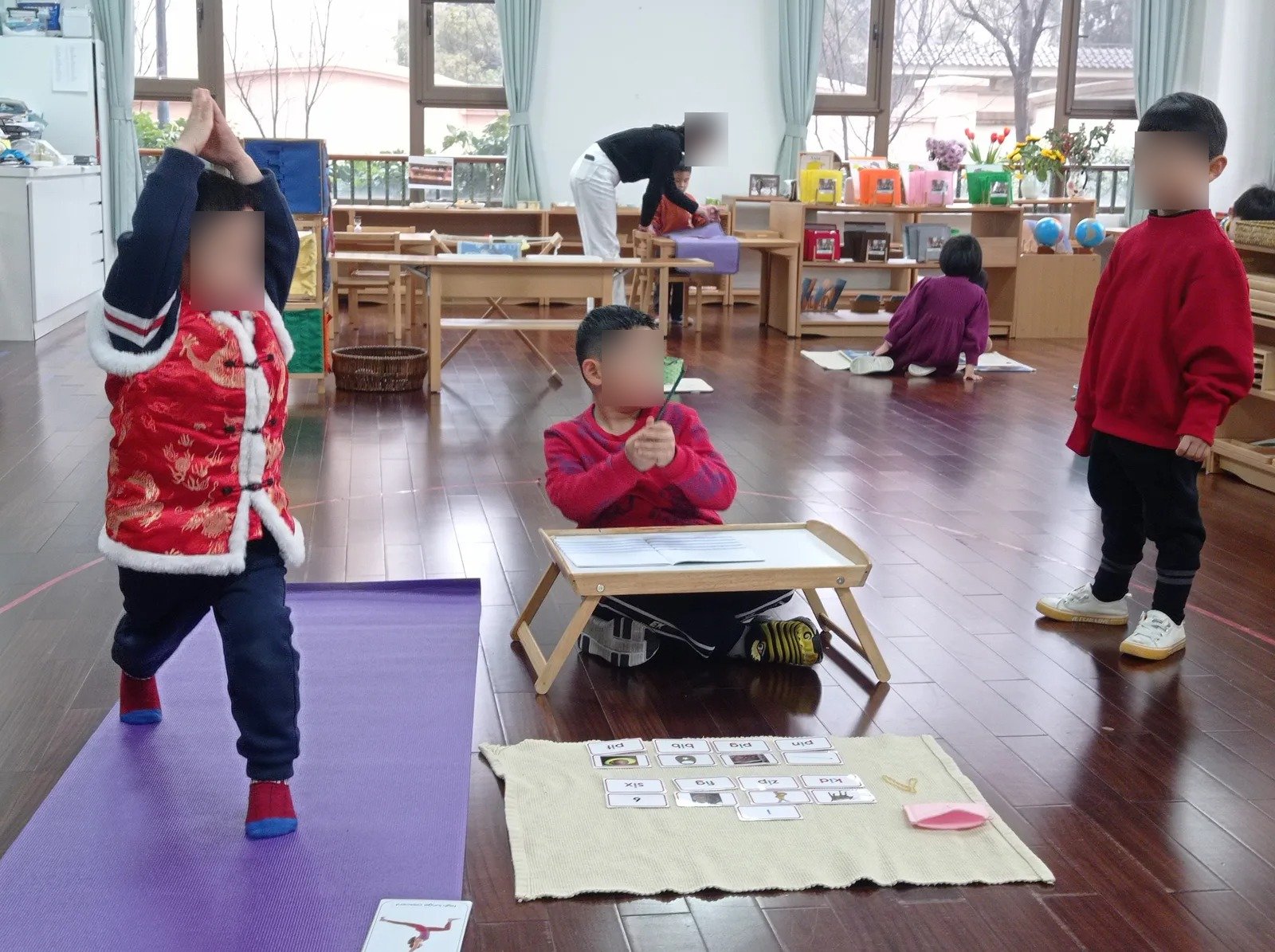
Shanghai.
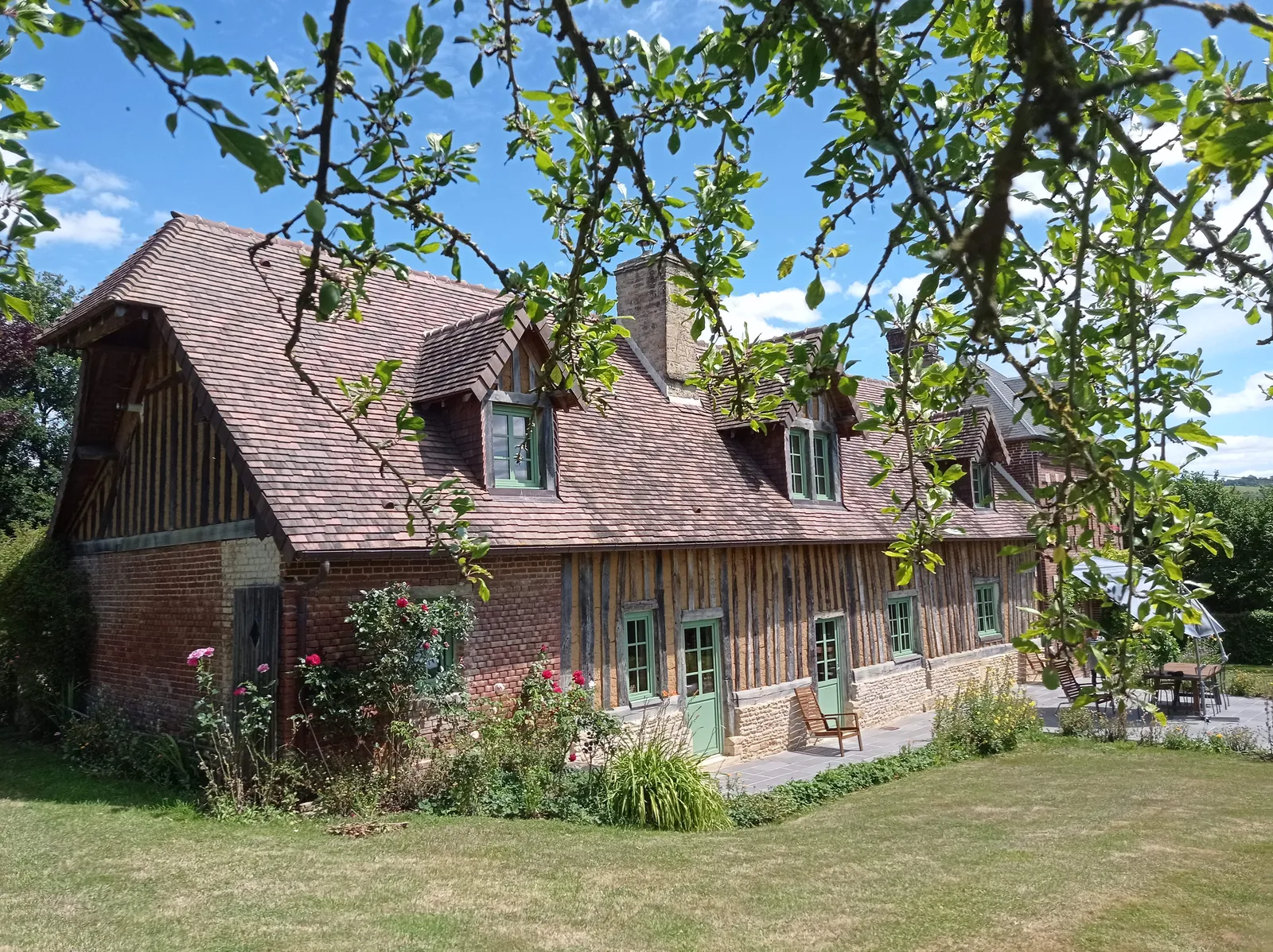

2024 – 25
Beijing
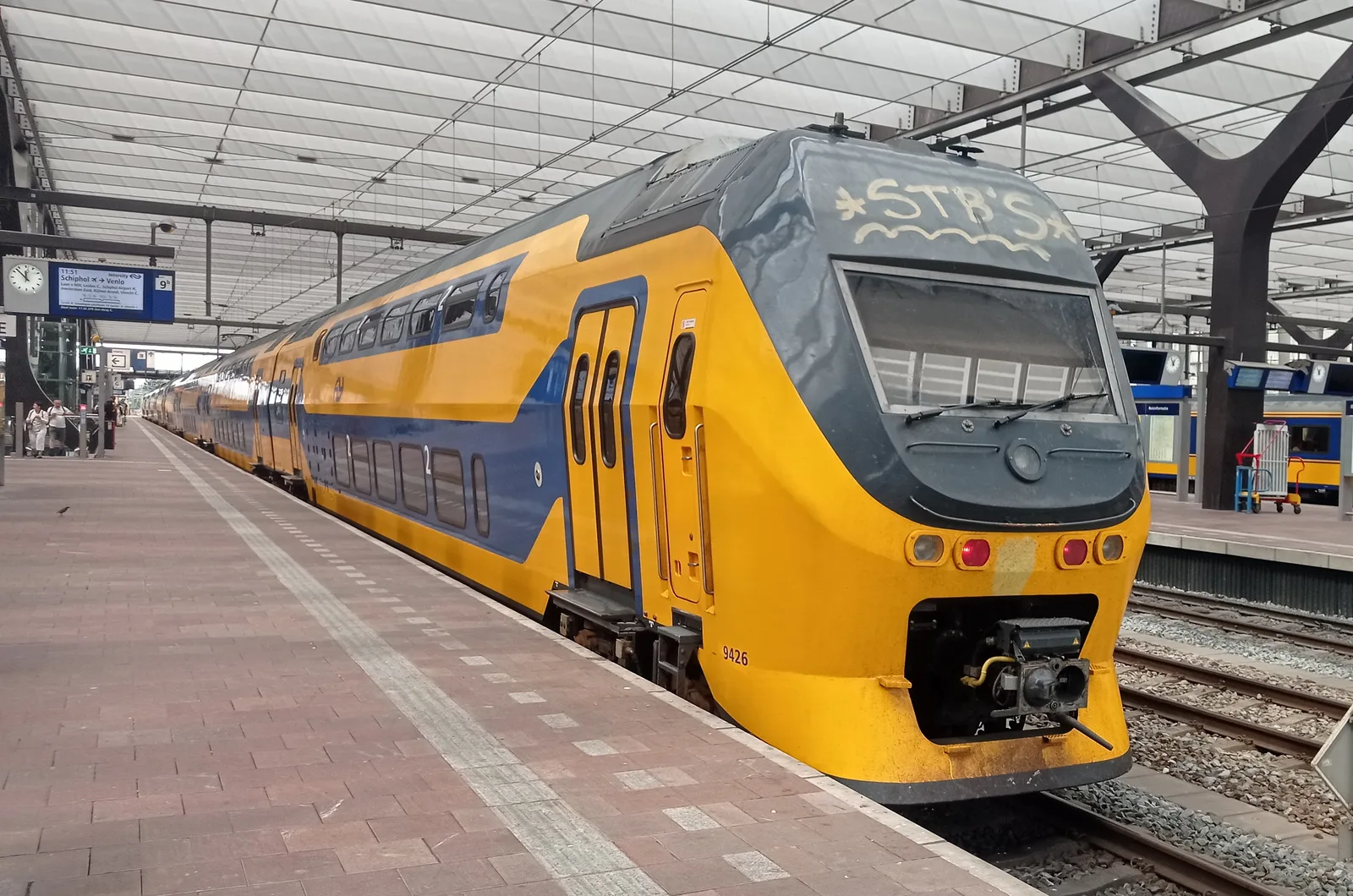
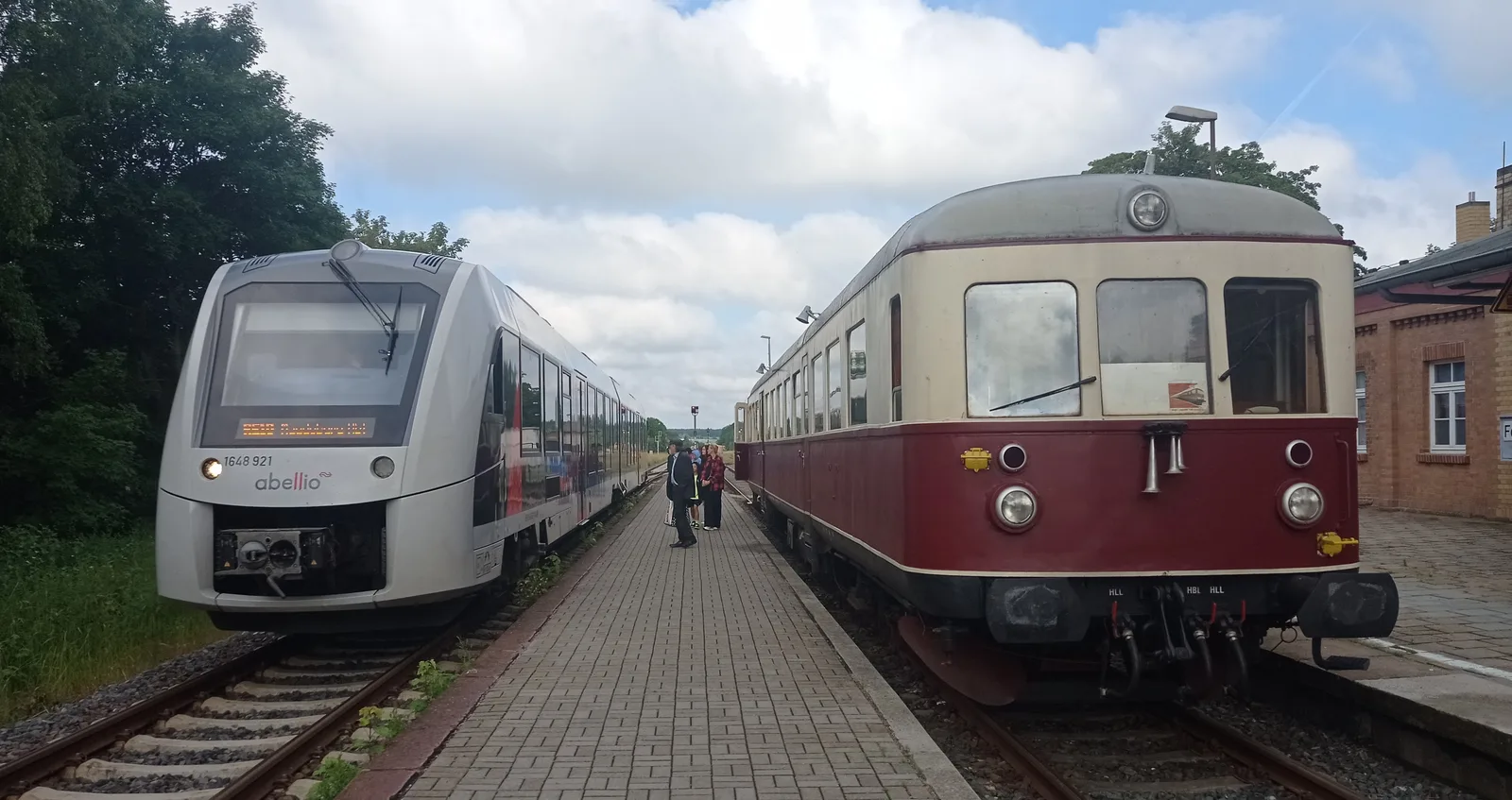
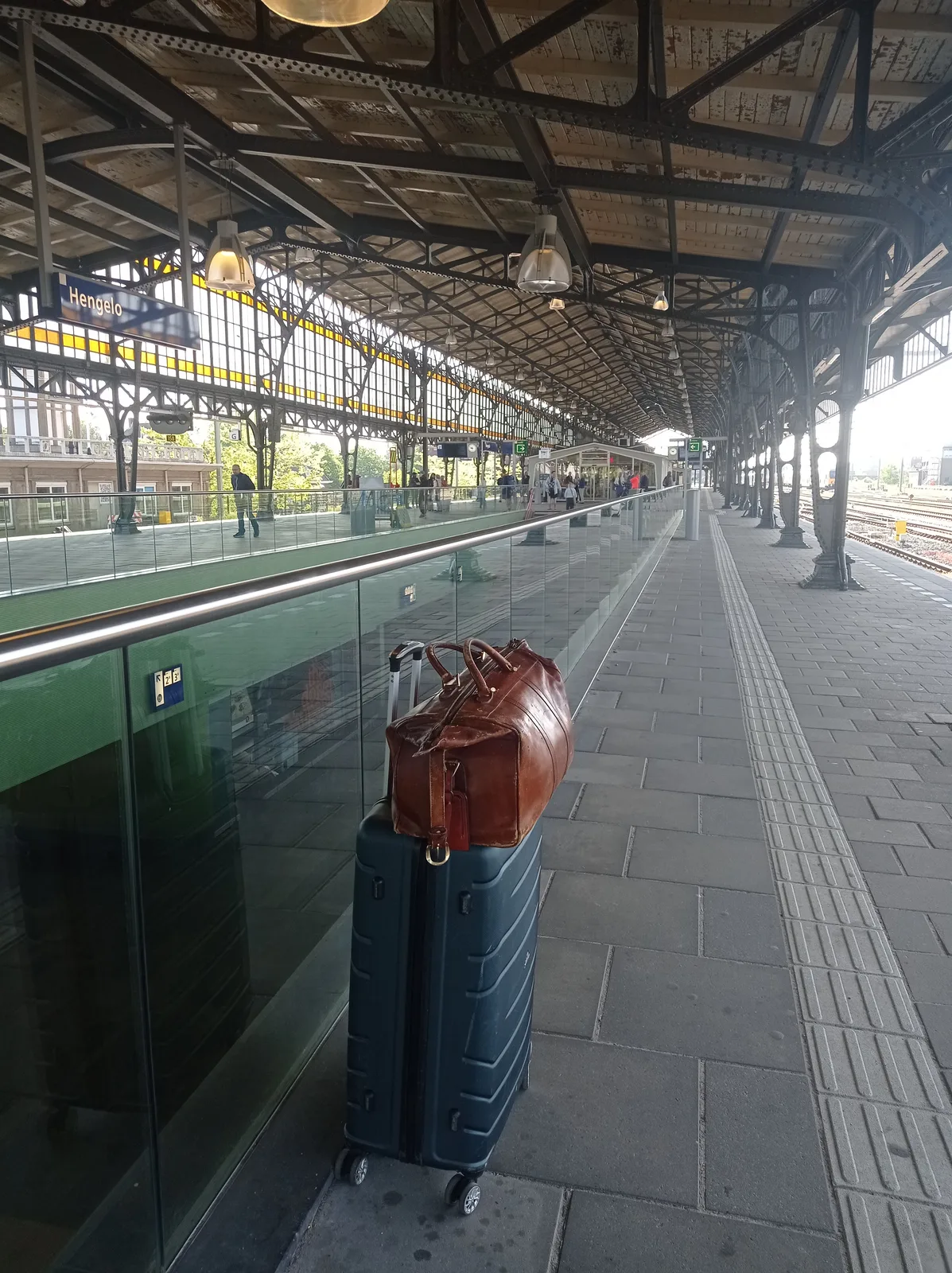
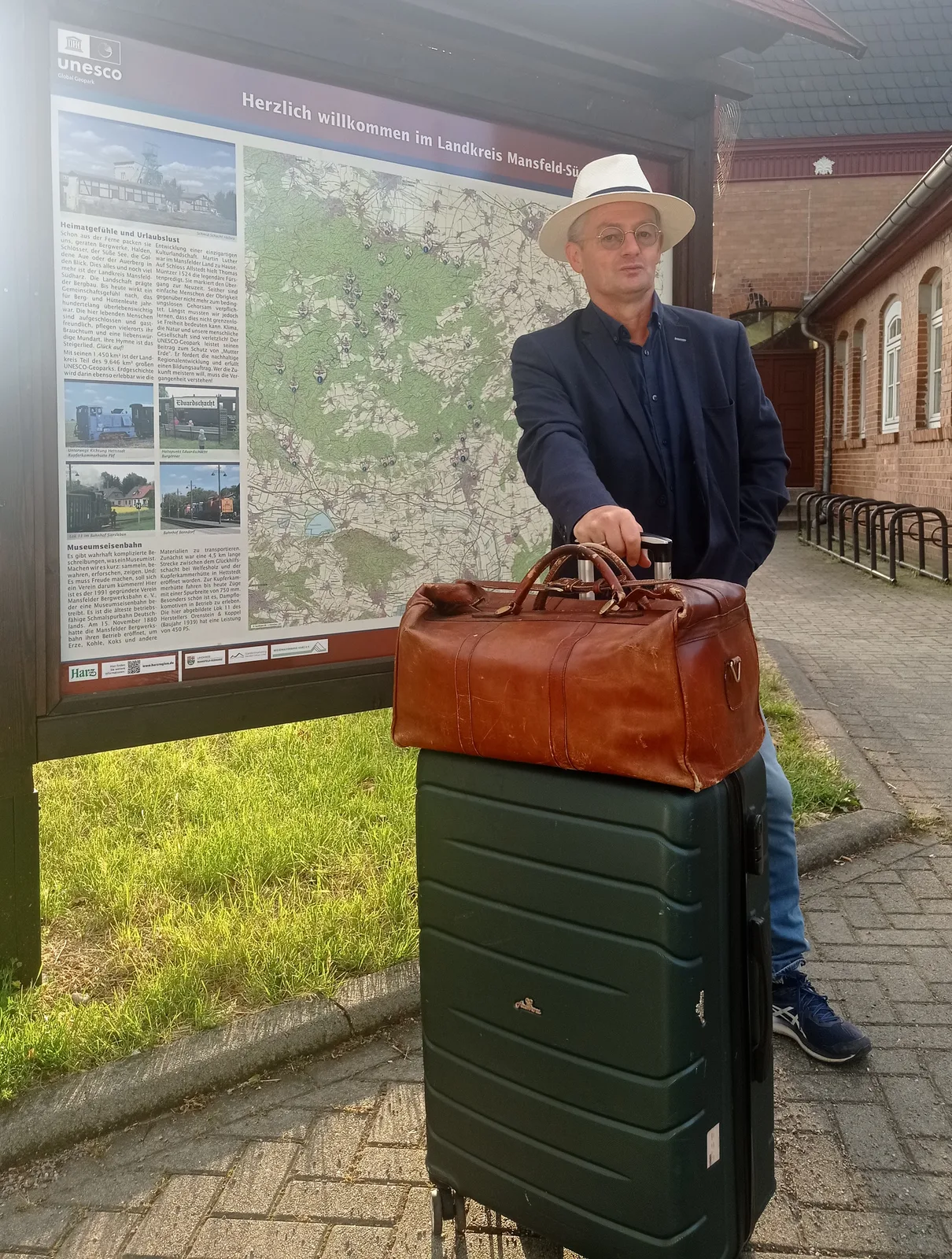
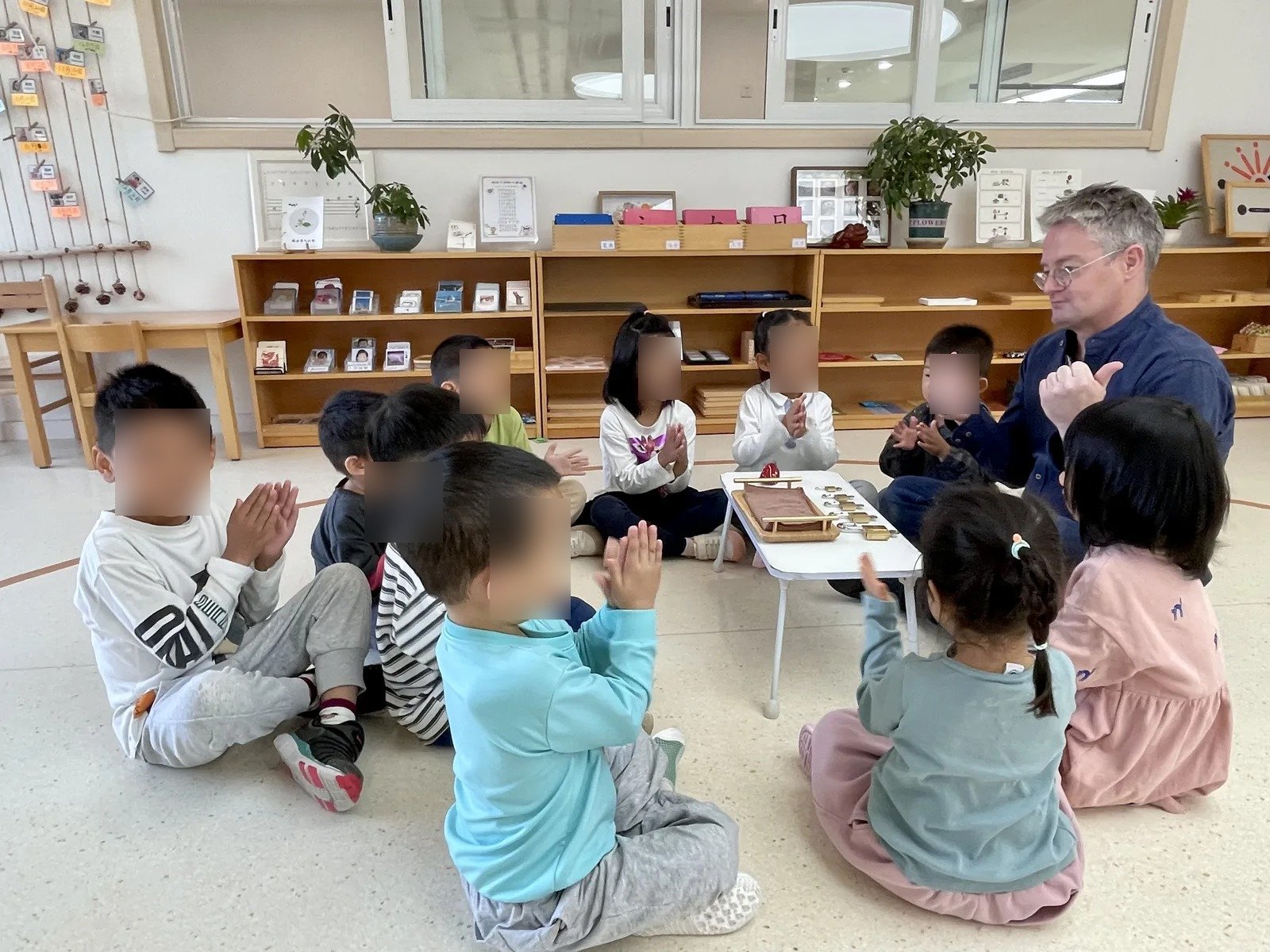
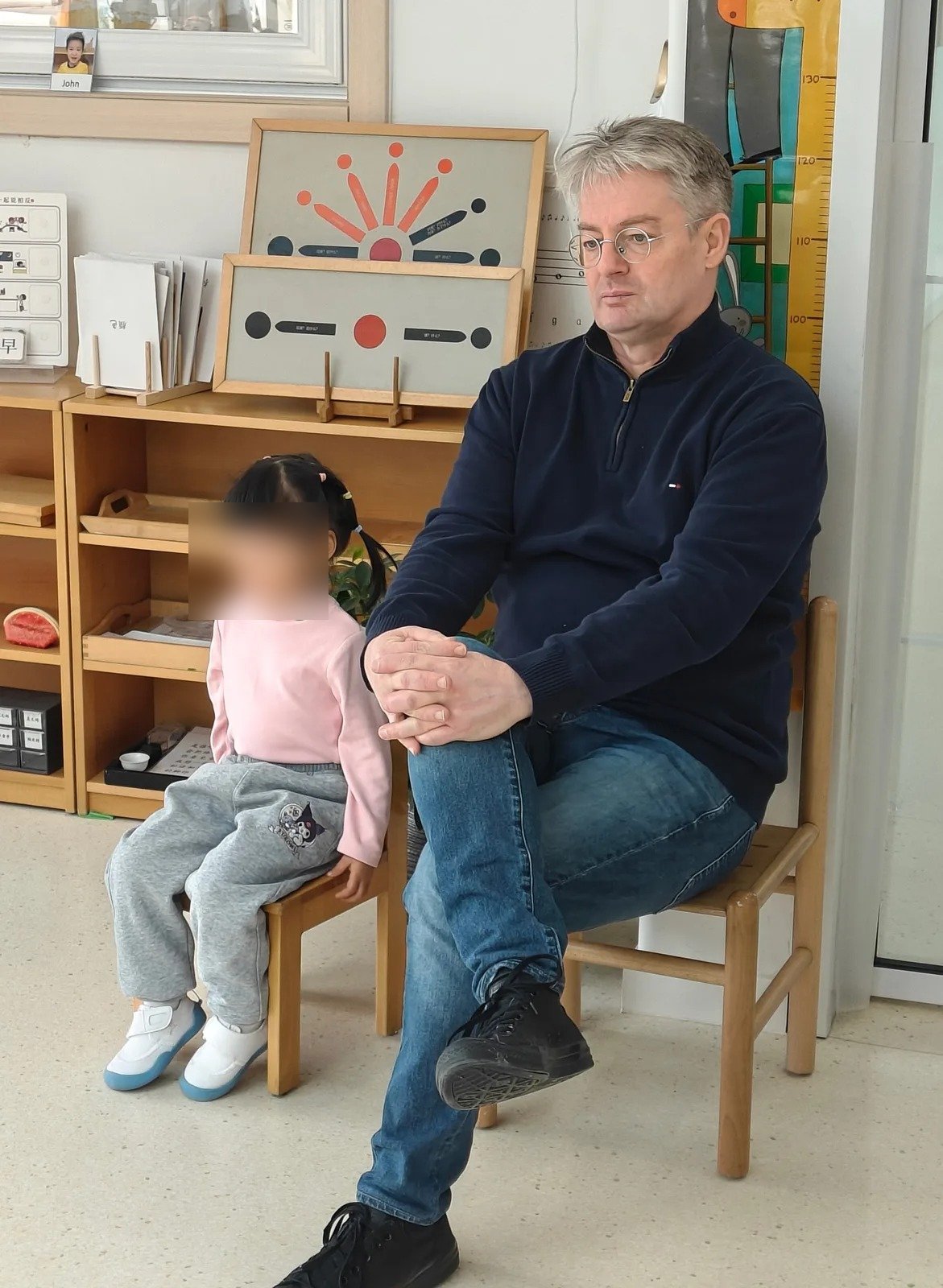
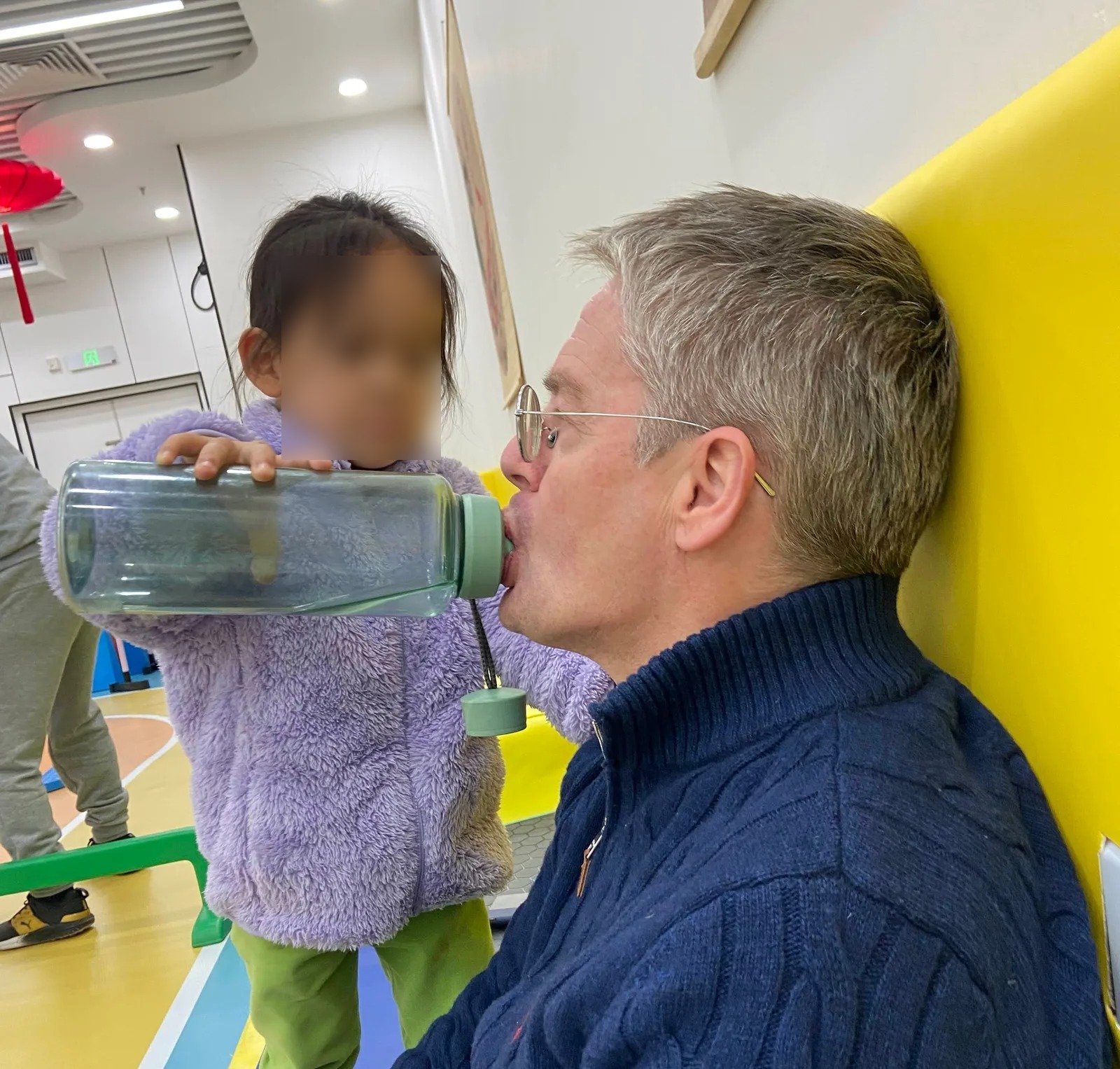
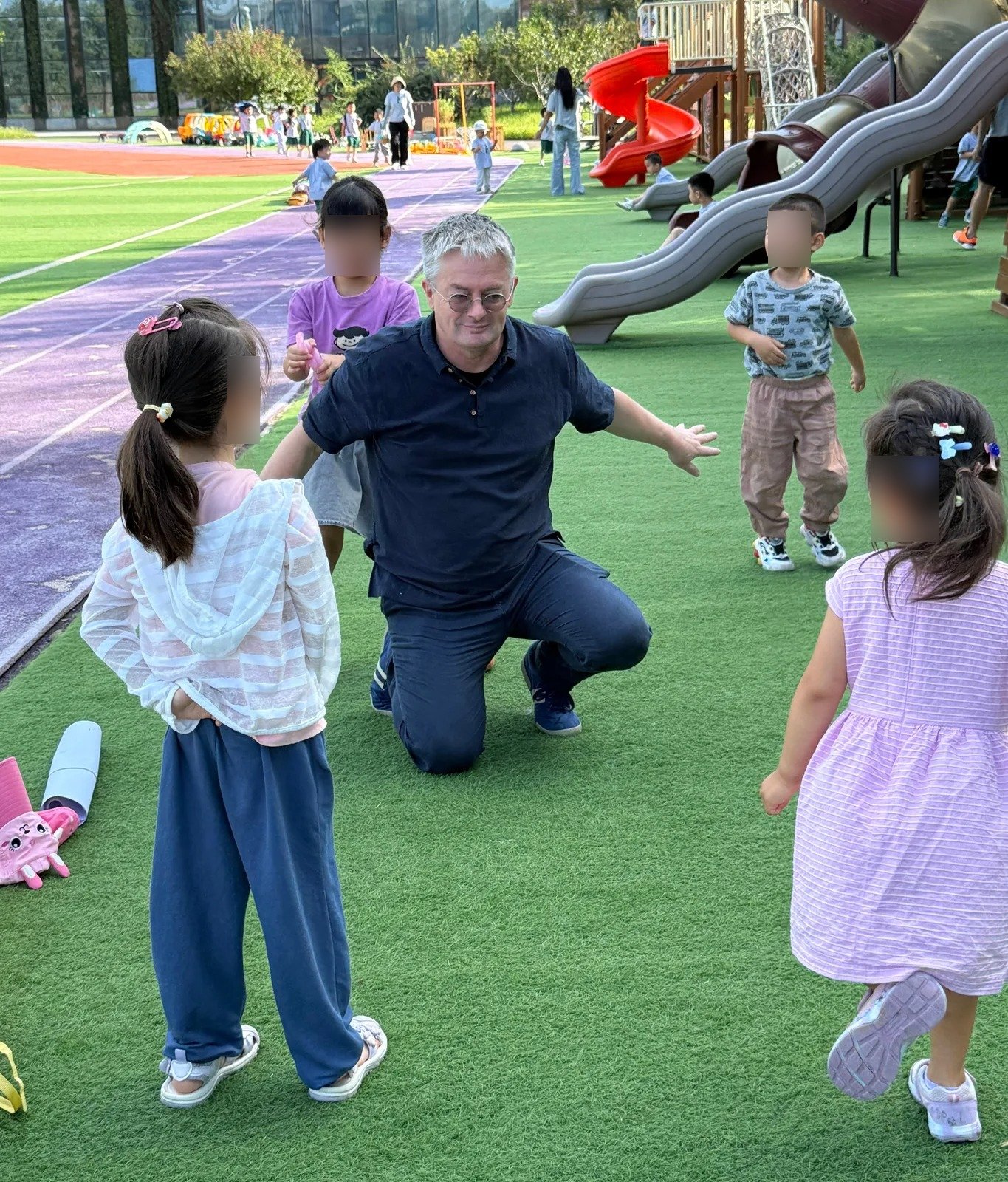
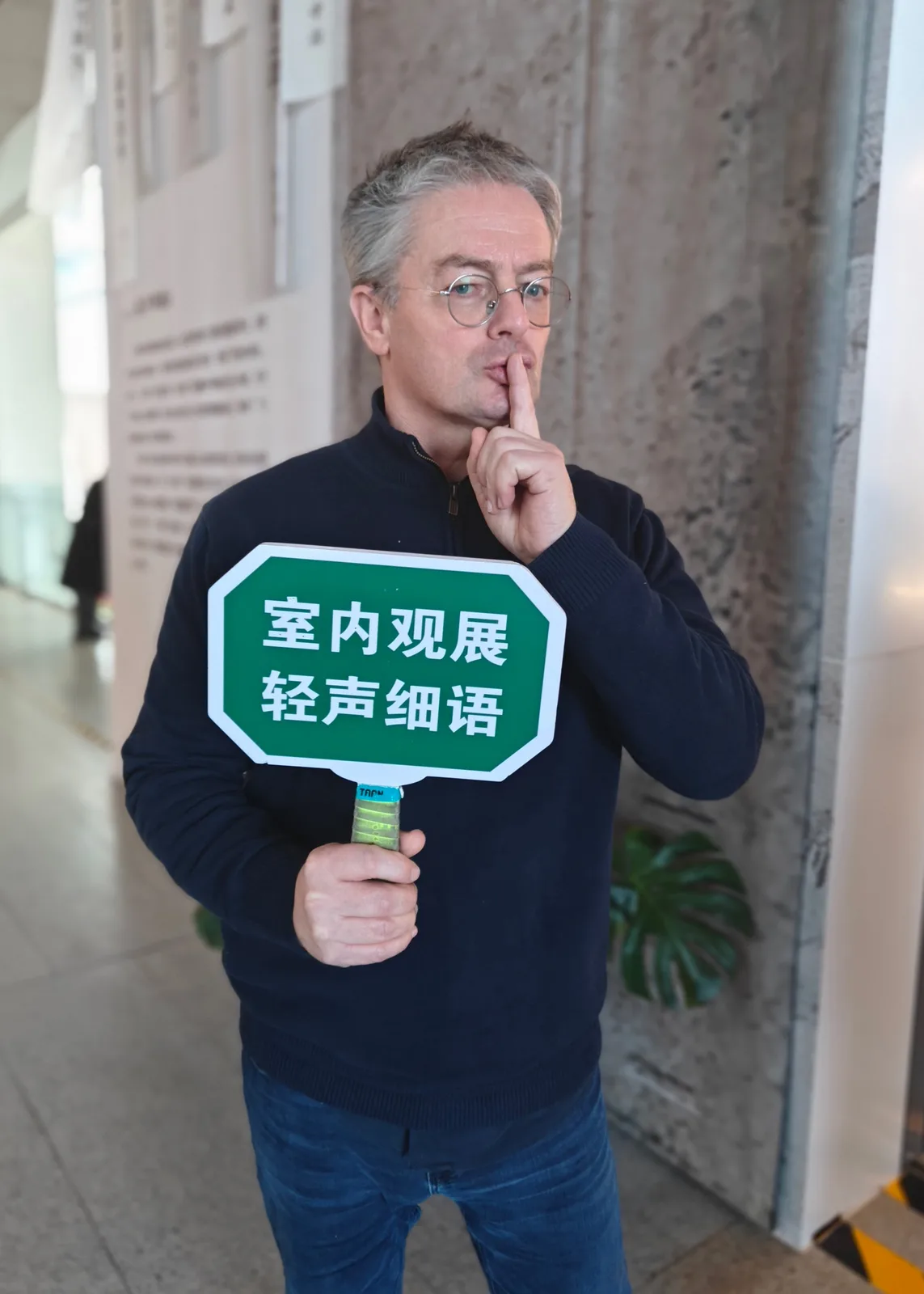
In early 2024, after 18 months searching, I finally found a job and returned to China, working at Kidtopia Montessori Institute, the school attached to the AMI teacher-training centre in Beijing.
Co-teaching
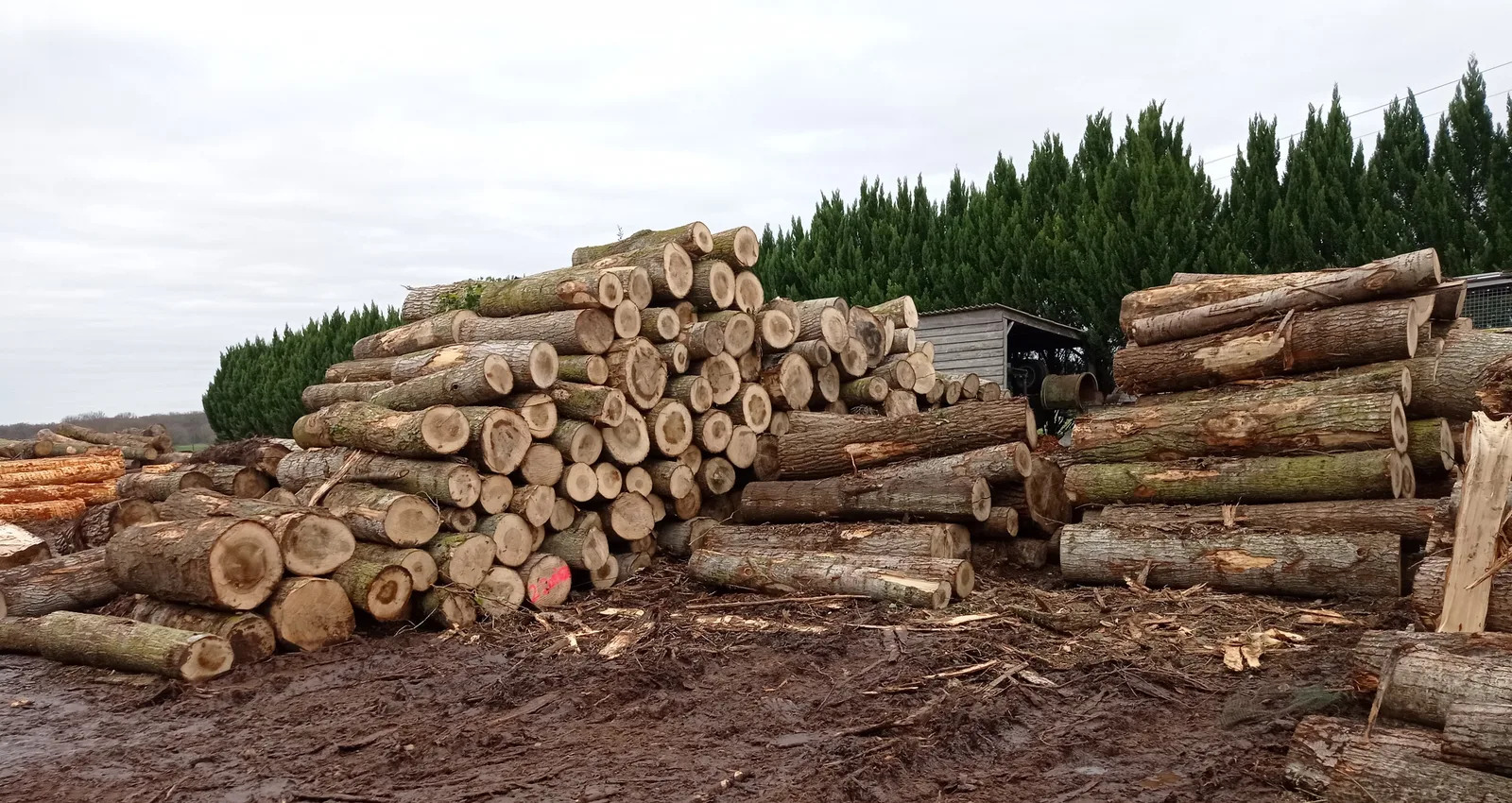
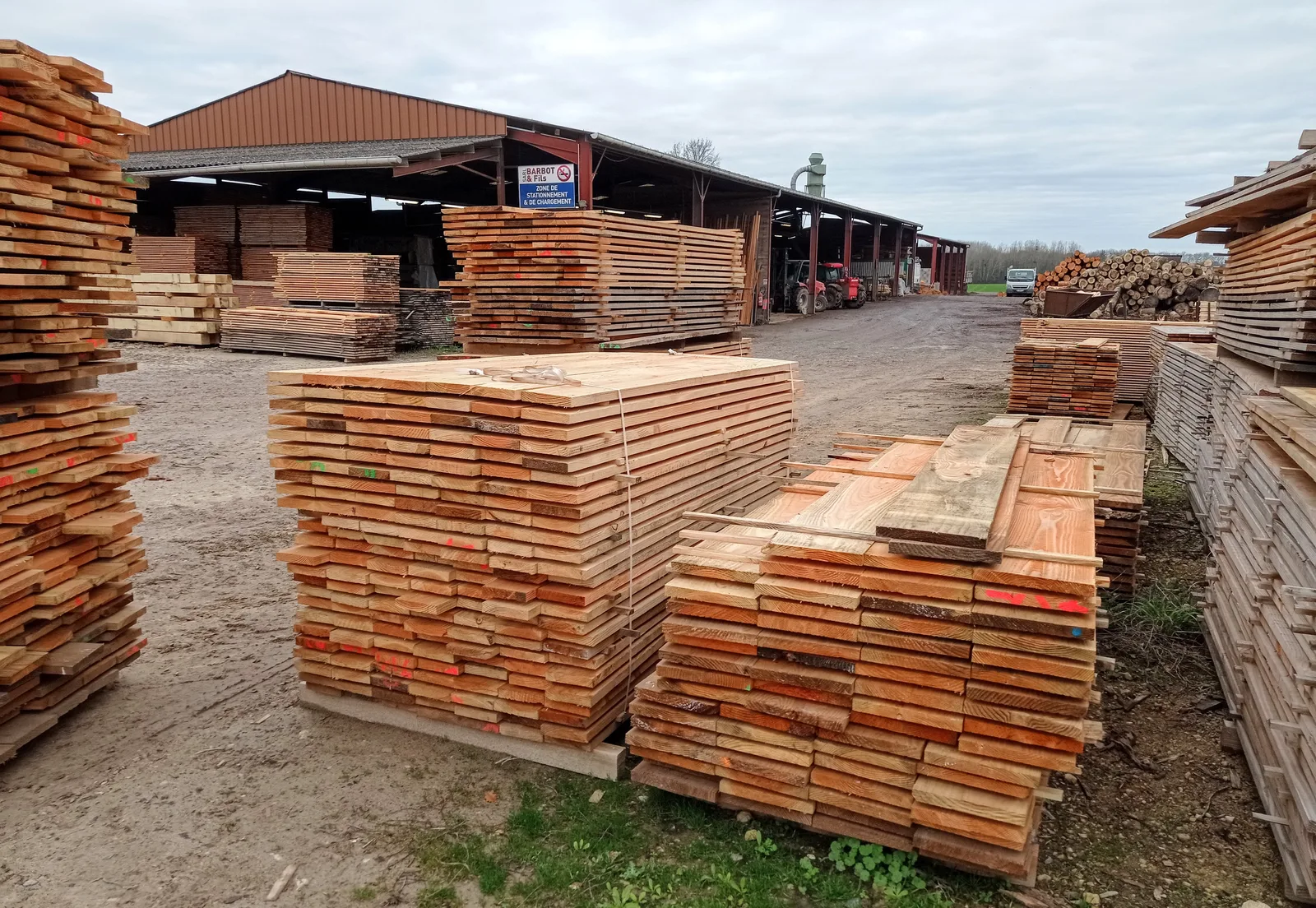
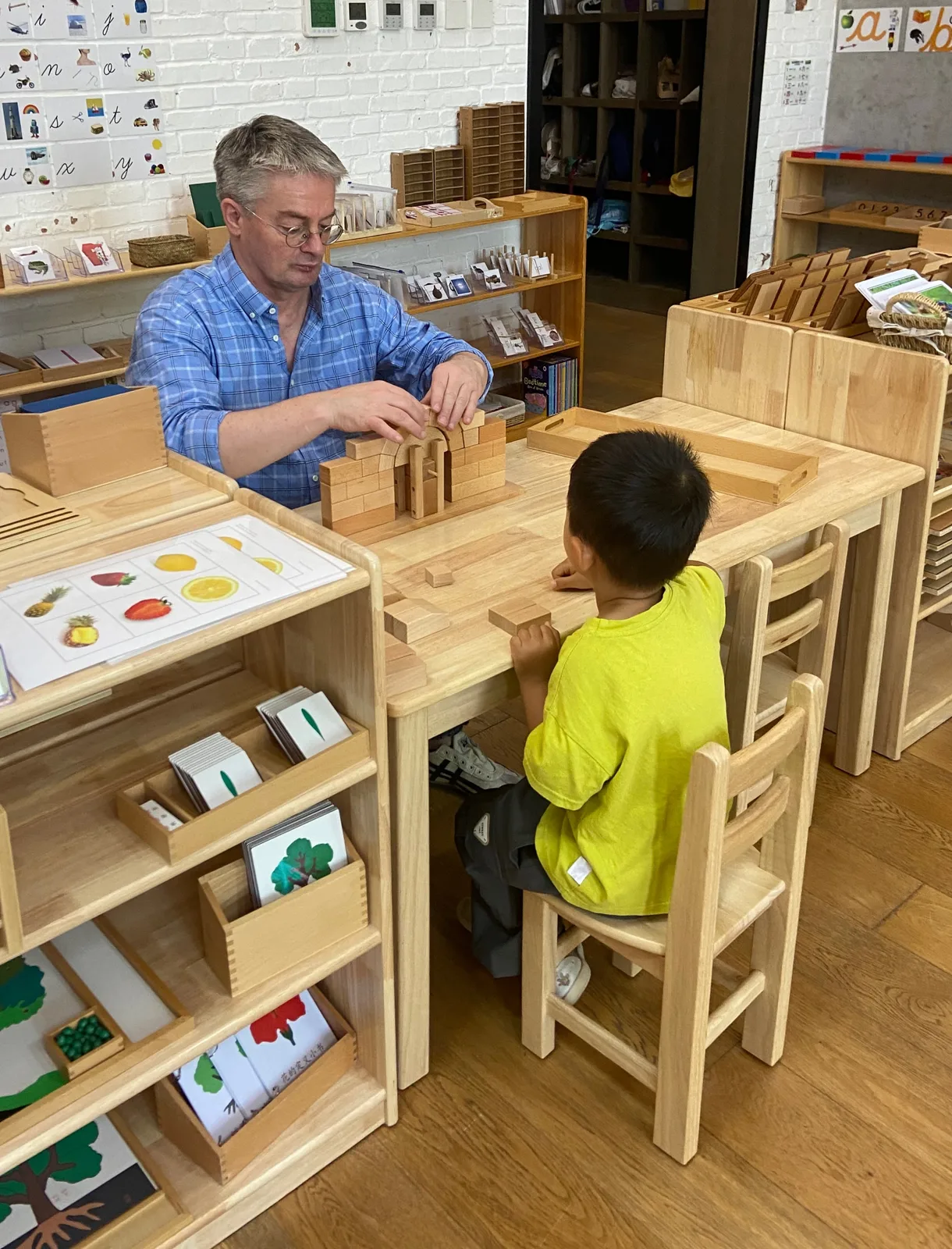
As I referenced above, before I became a teacher I worked for 10 years as a carpenter, starting as an apprentice, doing the simplest tasks on the construction site, learning a little every day, accumulating knowledge and experience, until I eventually assumed the role of the carpenter, capable of building a four-story house with no-one but a labourer, and after a few more years I transitioned into the role of foreman, in charge of a team or carpenters and labourers. In this position, I was responsible for ordering the materials, communicating with the client and the architect and the sub-contractors (plumbers, electricians, etc.), scheduling regular inspections from the planning and permits office, and ensuring not merely that the carpentry was done properly, but that it followed a tight schedule. I enjoyed the responsibility, and I liked knowing that if I did something today, then in three or four- or five-months’ time it would allow something else to happen. Planning, predicting things based on past actions and events, scheduling, communicating, running a team: my job now is quite different and yet the parallels between carpenter and teacher are obvious.
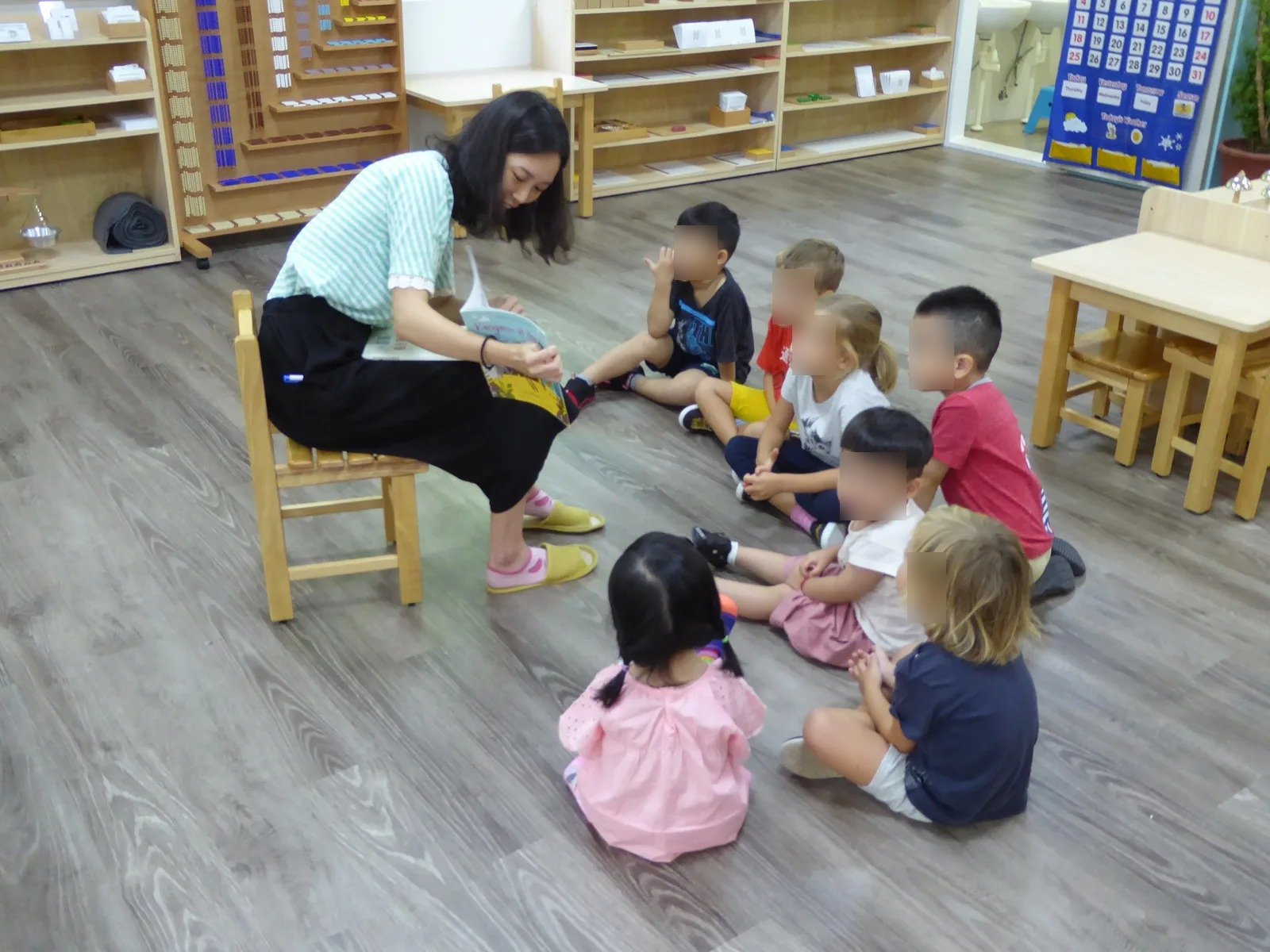
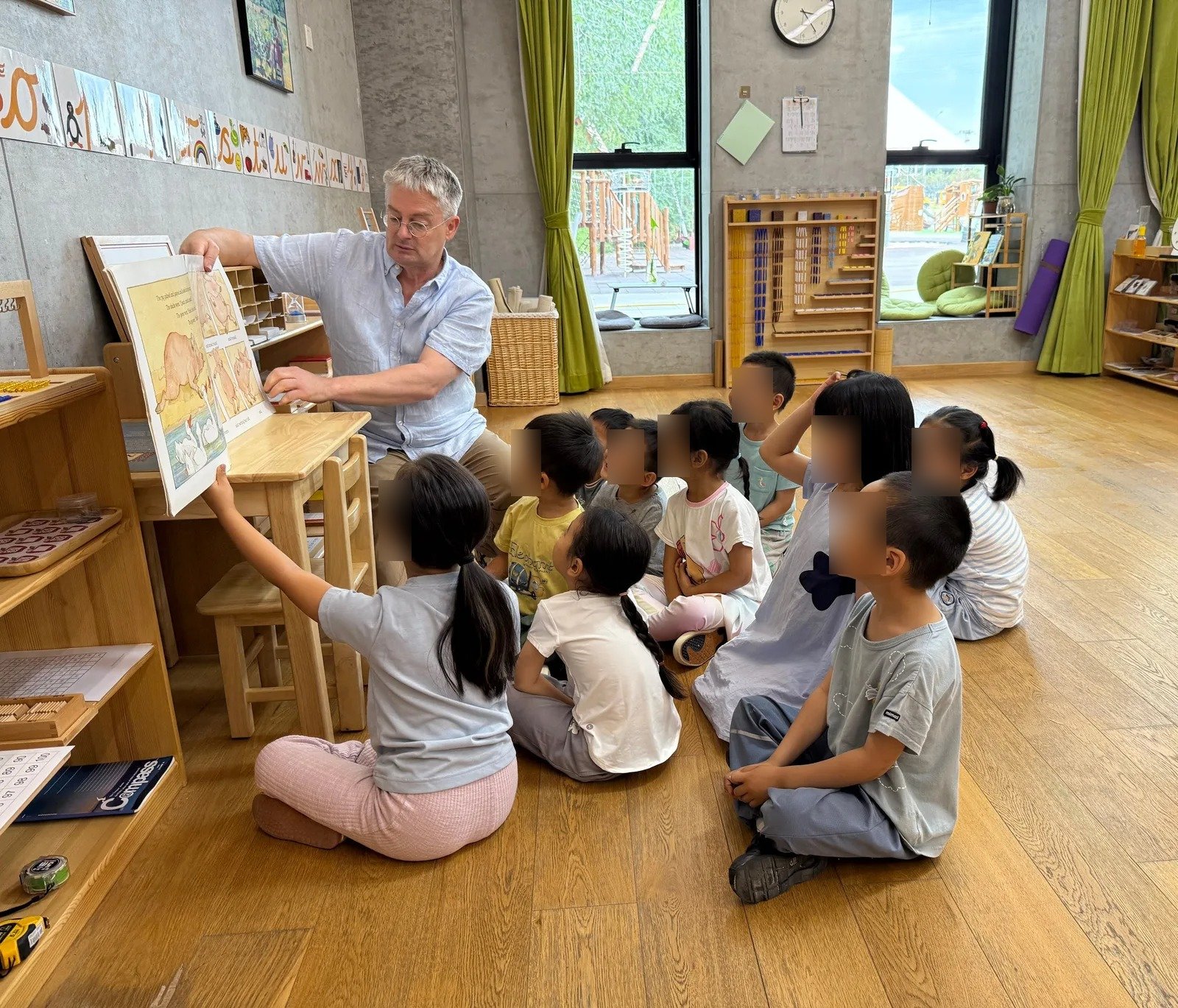
I have worked as the lead-teacher, co-teacher and sole teacher in Montessori classrooms in Asia and Europe and have had a great deal of time to reflect upon the advantages and disadvantages of each. In my first year I worked alongside an experienced Japanese directress who was calm and methodical and presented the materials with a Zen fluidity that I still haven’t attained, almost two decades later. She was also intransigent, set in her ways, and cold and distant. Some -a lot, perhaps- of this was down to cultural differences (it is difficult to think of two nations more dissimilar than the Japanese and the Irish) but it made the job less enjoyable than it should have been, because the children, parents and my boss were all marvellous.
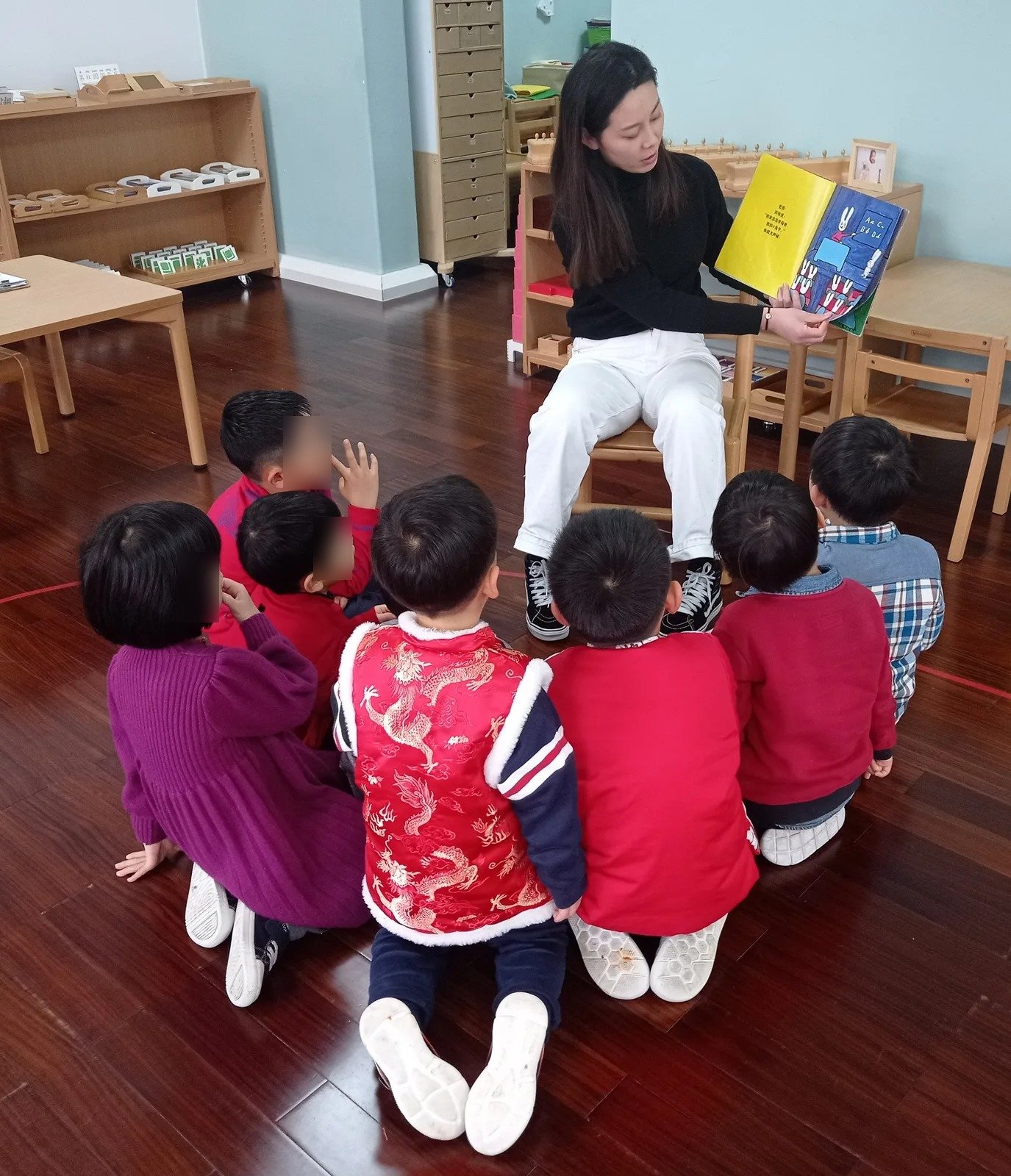
After I left Tokyo I taught in Beijing, where I was the only Montessori guide for a class of 25 children, and where my assistant was hired after I was, and had no experience or knowledge of the Montessori approach or indeed of anything related to child development or pedagogy. The disadvantage of being the only guide was that I was the only guide, and thus I had a seemingly endless array of duties and responsibilities. The advantage was that there was no co-teacher that I had to persuade or argue with, and thus I was free to implement the small changes and minor tweaks that had been denied me for the previous three years. It was great. I loved having the freedom to explore and experiment and fail.
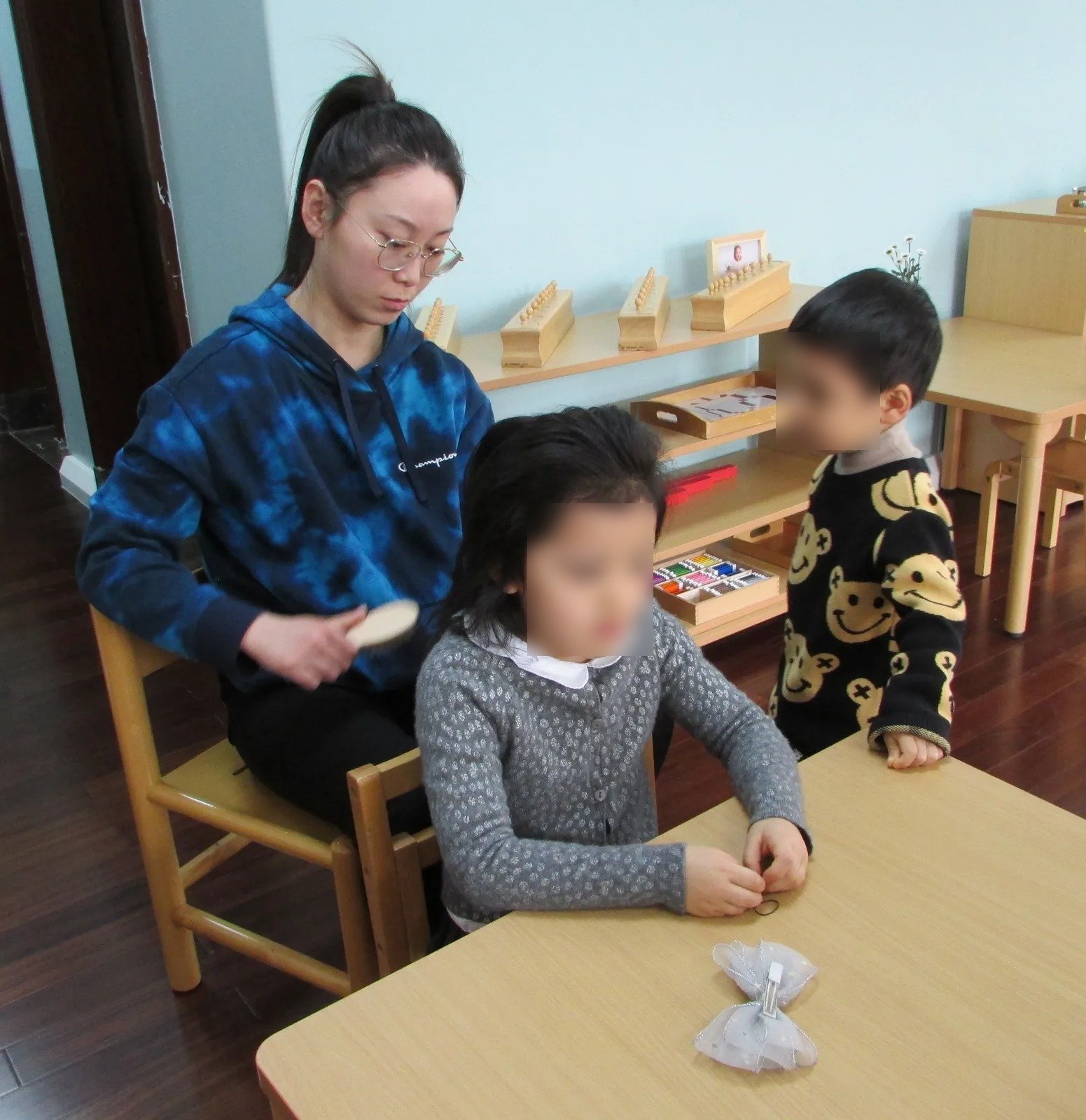
I learned many things from those two contrasting experiences. I learned that it is essential to have an open mind and to allow colleagues to try different things and to give them as much responsibility, so -as I detail in my essay on the Role of the Assistant- I didn’t look at what my young and inexperienced colleague didn’t know, I looked at her strengths and invited her to follow her interests in order to make our class better. I remembered how I’d been made to feel by my colleague and tried to with that assistant -as I have tried with all my of subsequent co-teachers and assistants- to make her feel valued and at ease in our class. In essence, I the key lesson I learned was the importance of developing independence: in the children and in my colleagues.
In three other schools -Shanghai and Neuchâtel and Taipei- I was the only Montessori Guide and discovered that I really liked the responsibility. I very much enjoy having to think about the holistic nature of the job, the way everything is inter-connected, observing how the schedule and the parents arrival time has a direct impact on the mood of their child, how the layout of the shelves can have either a positive or a negative influence on the atmosphere in the room, how the smallest piece of guidance -just a word or a nudge in the right direction- can be much more impactful that the longest presentation, how children are the best teachers of children, how different children have very different rhythms (just like adults) where one will start the day full or energy while another will get increasingly productive as the morning wears on, and that knowing these and a thousand other details had helped me to become a more effective, loving, caring guide.
I have also worked as a co-teacher -in Montessori schools in Shanghai (again) and Beijing (again) and Geneva- and enjoyed collaborating with fellow AMI (or AMS) graduates, enjoyed having a second opinion, watching them try new ideas or different approaches that I hadn’t considered or that I’d tried but which hadn’t worked for me, enjoyed seeing the children through someone else’s eyes, enjoyed the different perspective and the different way of presenting materials and guiding the children and interacting with the parents.
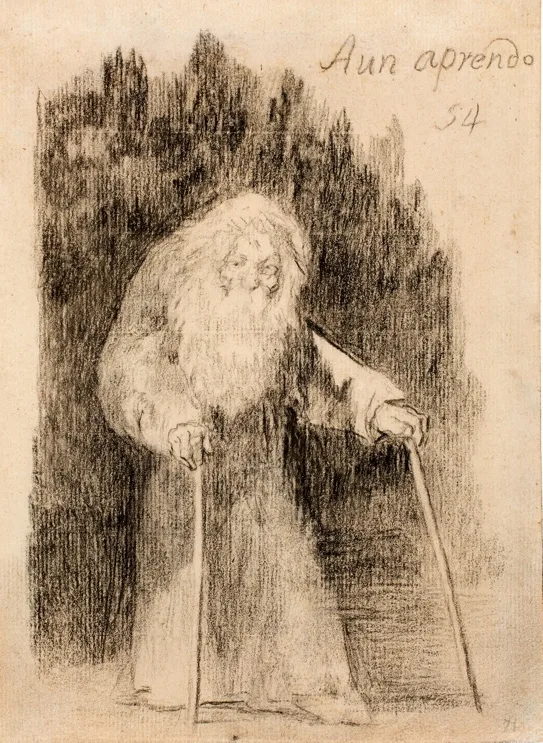
Robert Hughes was chief art critic for Time magazine, and while I was in San Francisco I went to an event where he was interviewed about his life in art. He concluded by saying that after all his reading, after all his experiences and after everything he’s learned, what he came back to, how he felt when he was a child in Australia and how he still felt as a grown man in the States, was perfectly encapsulated in the title of a small self-portrait that Goya sketched towards the end of his life, at 80 years of age. It’s titled ‘Aun Aprendo.’ (Still Learning)
I’ve been learning about Montessori for the better part of two decades and I am still learning, and I am grateful to all of the Montessorians that I have studied with, worked beside or under, laughed with/at, socialised with and learned from. Without all of these colleagues and friends these years would have been less interesting and less fun, and without them this website -and my Montessori Journey- wouldn’t have been possible. It is dedicated to each of them.
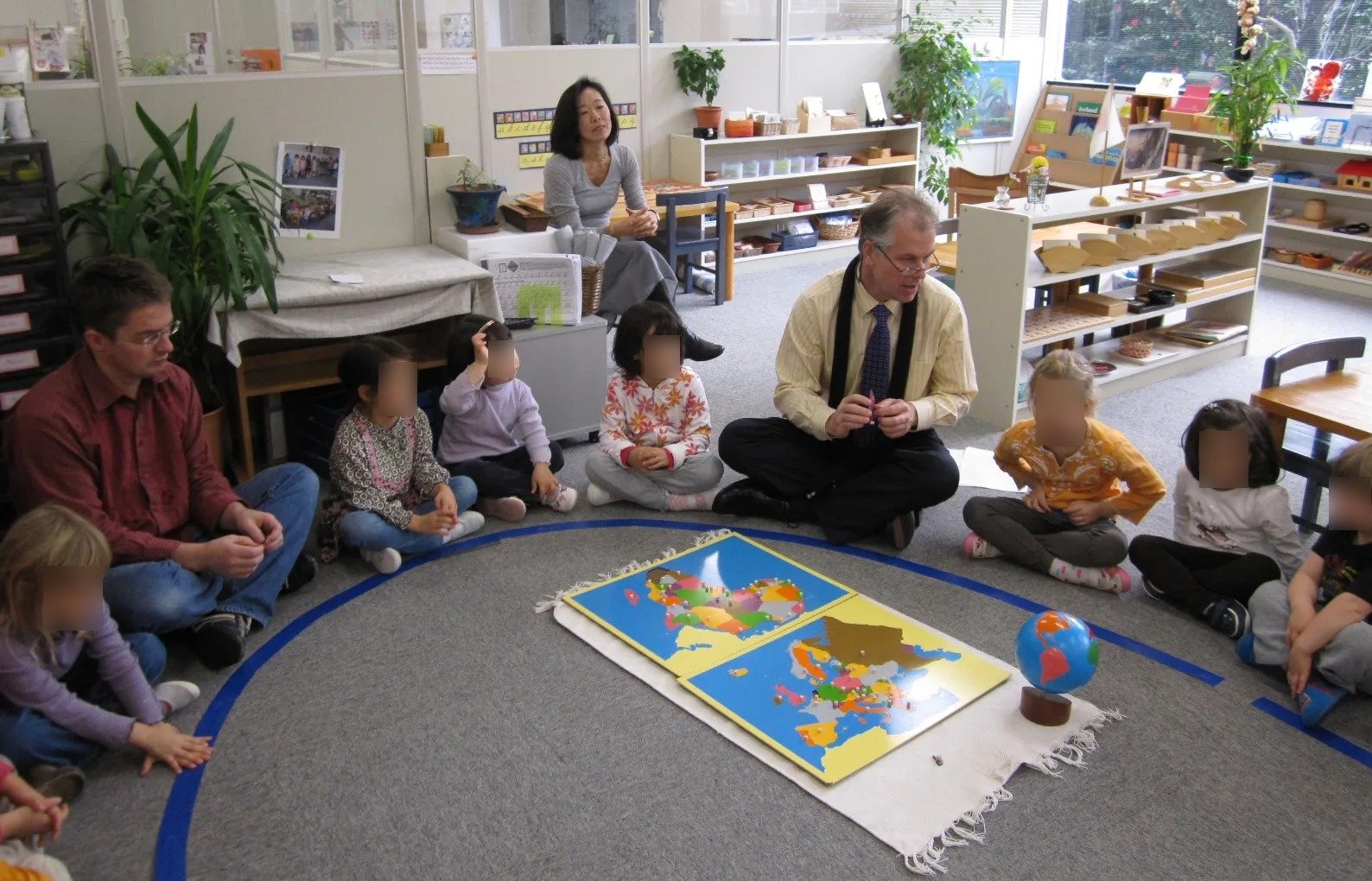
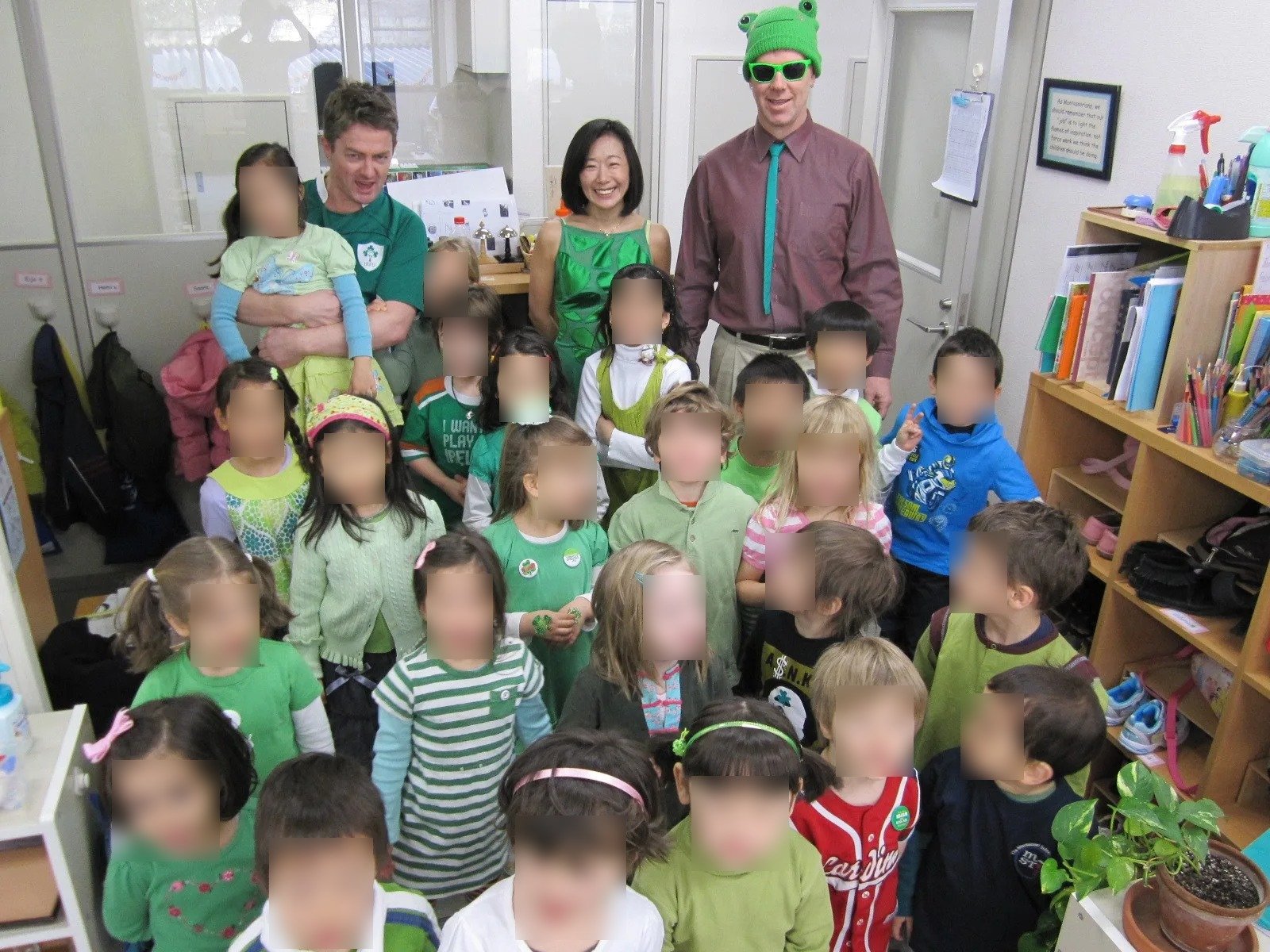
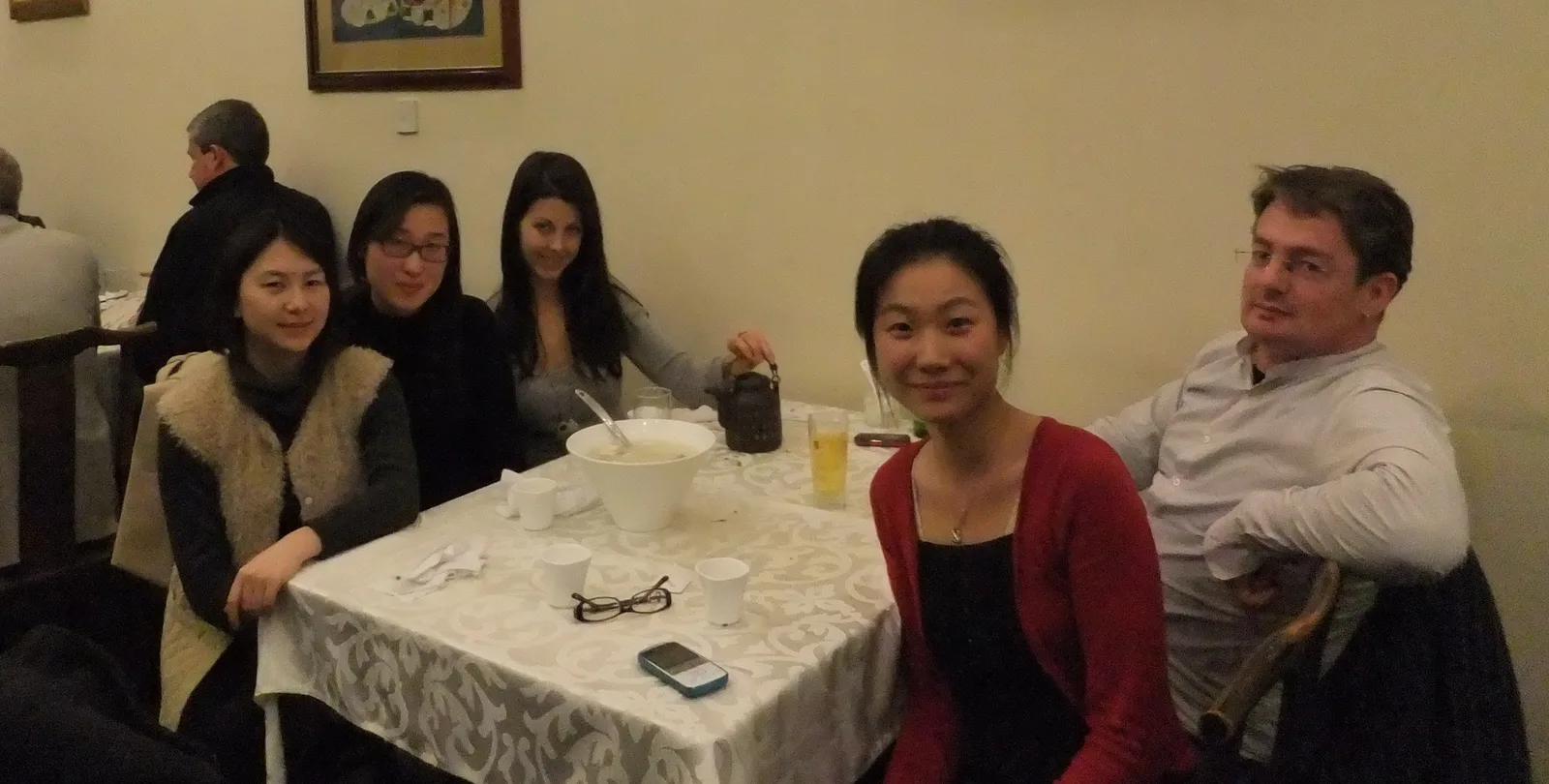
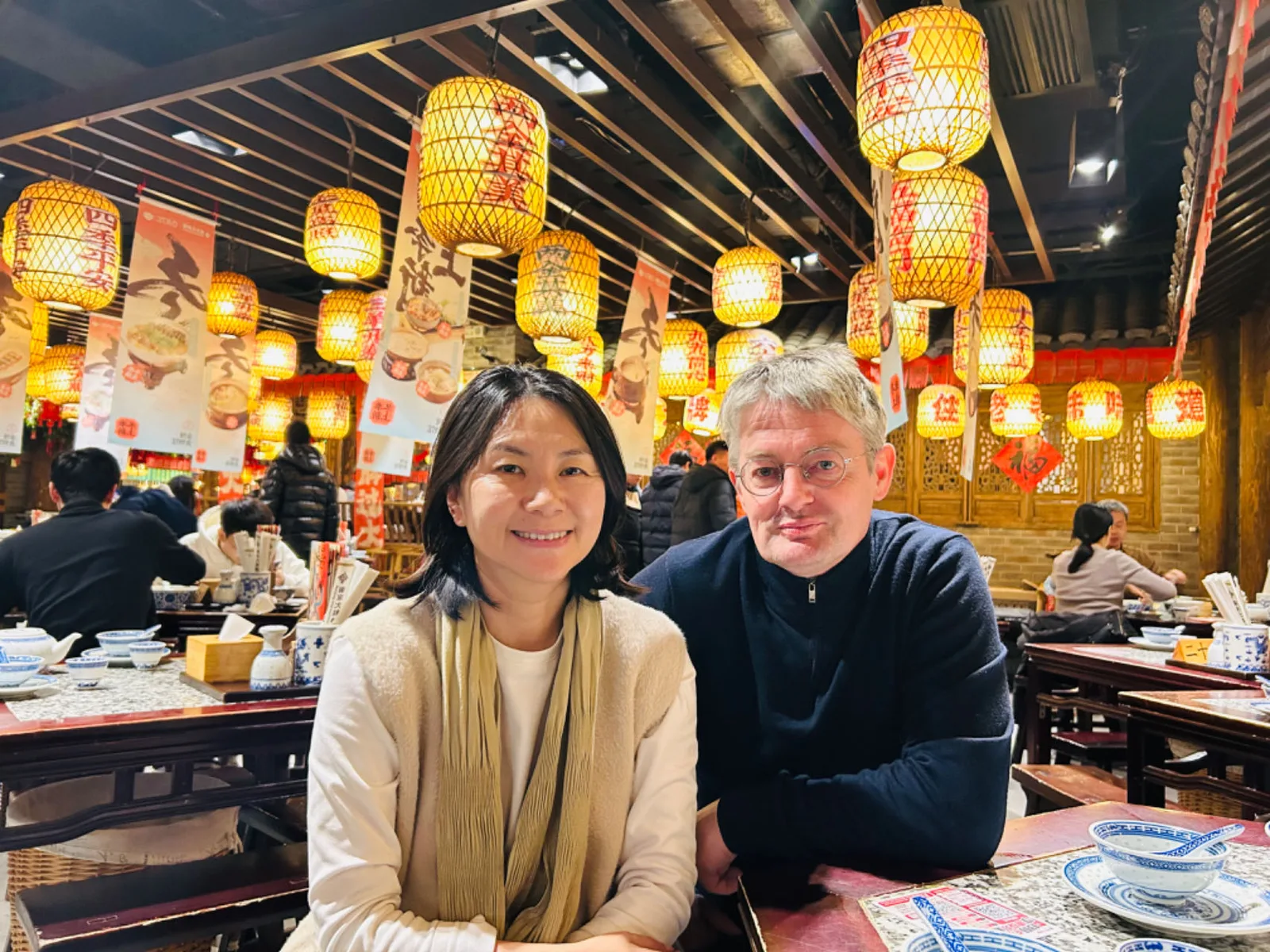
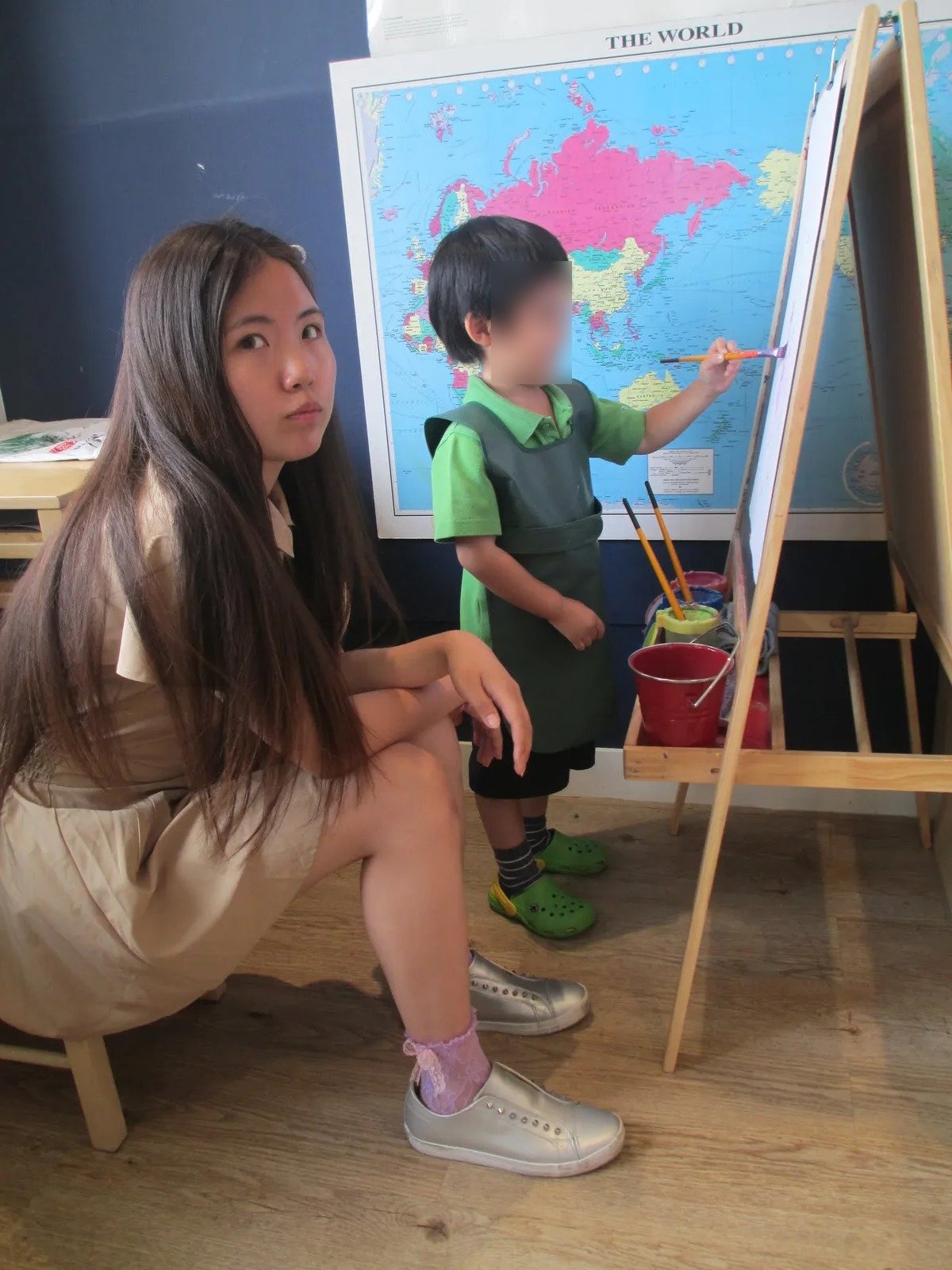
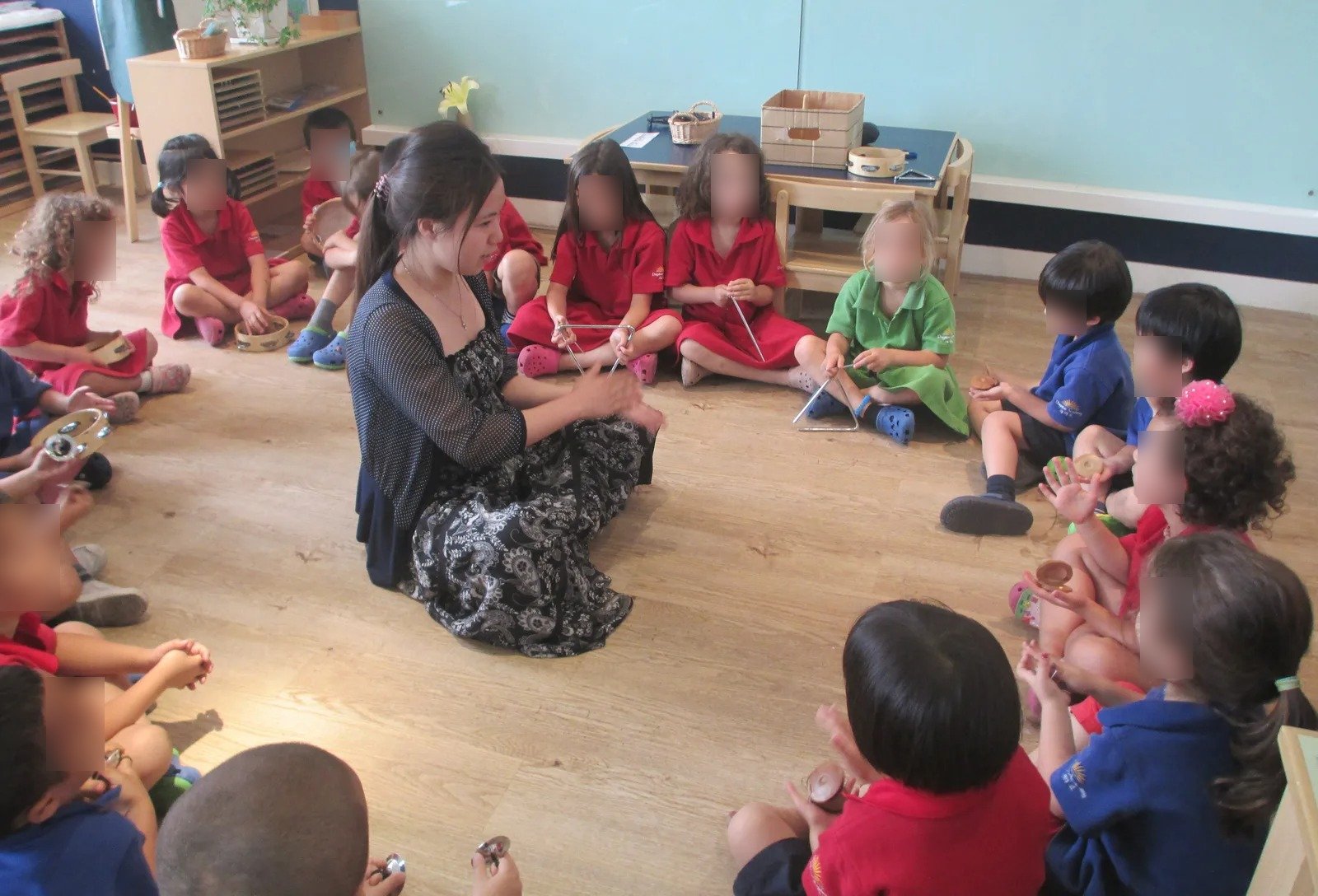
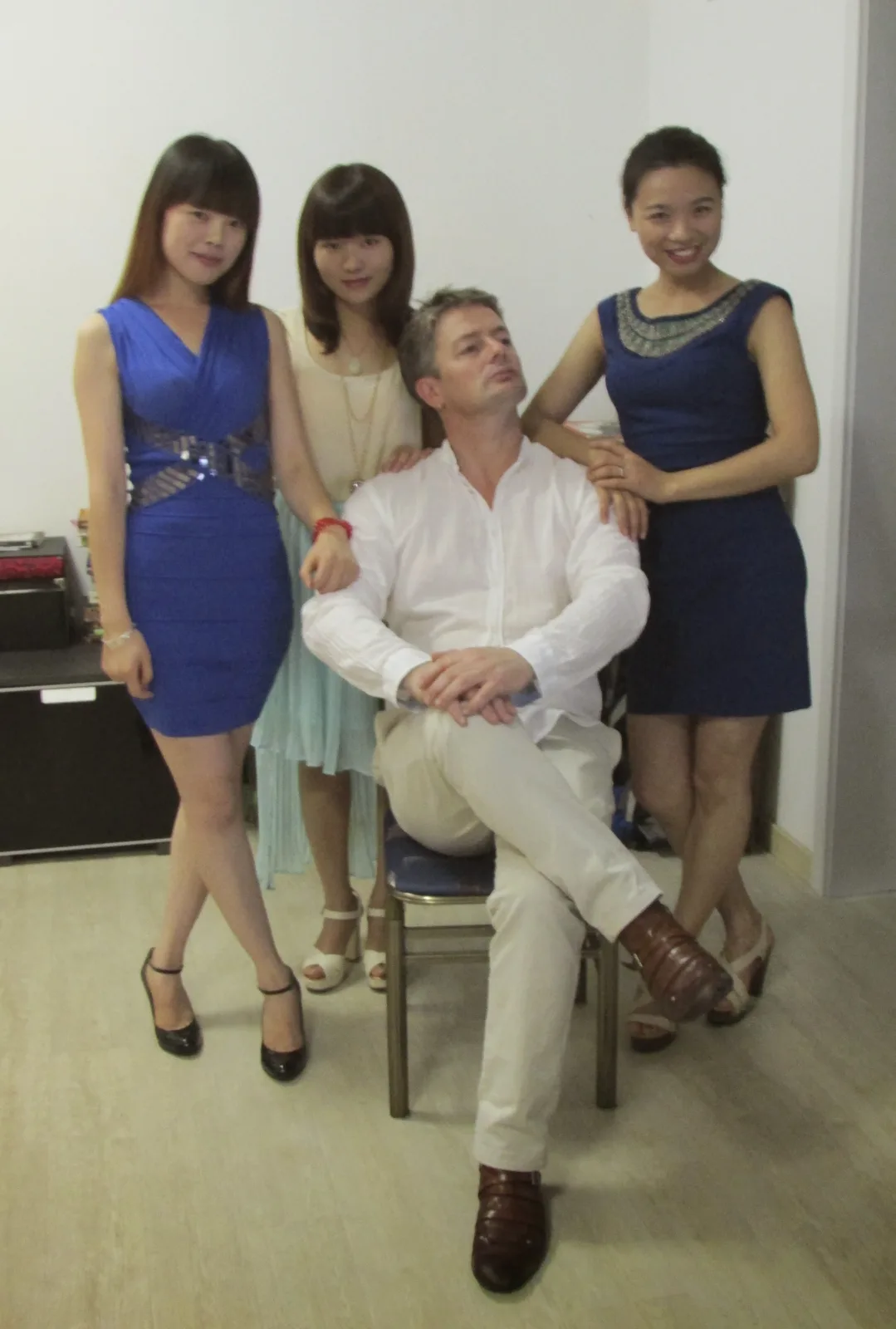
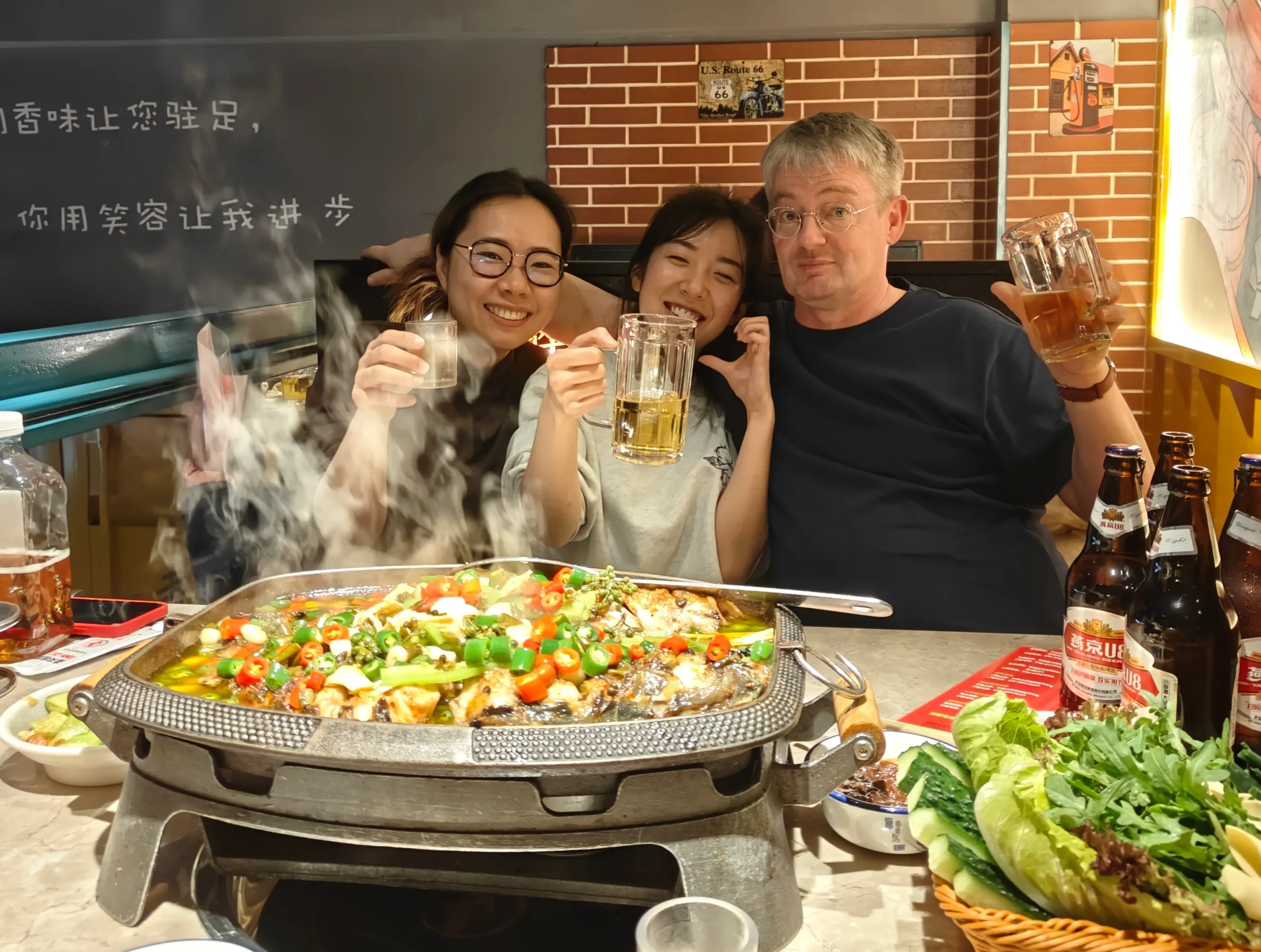
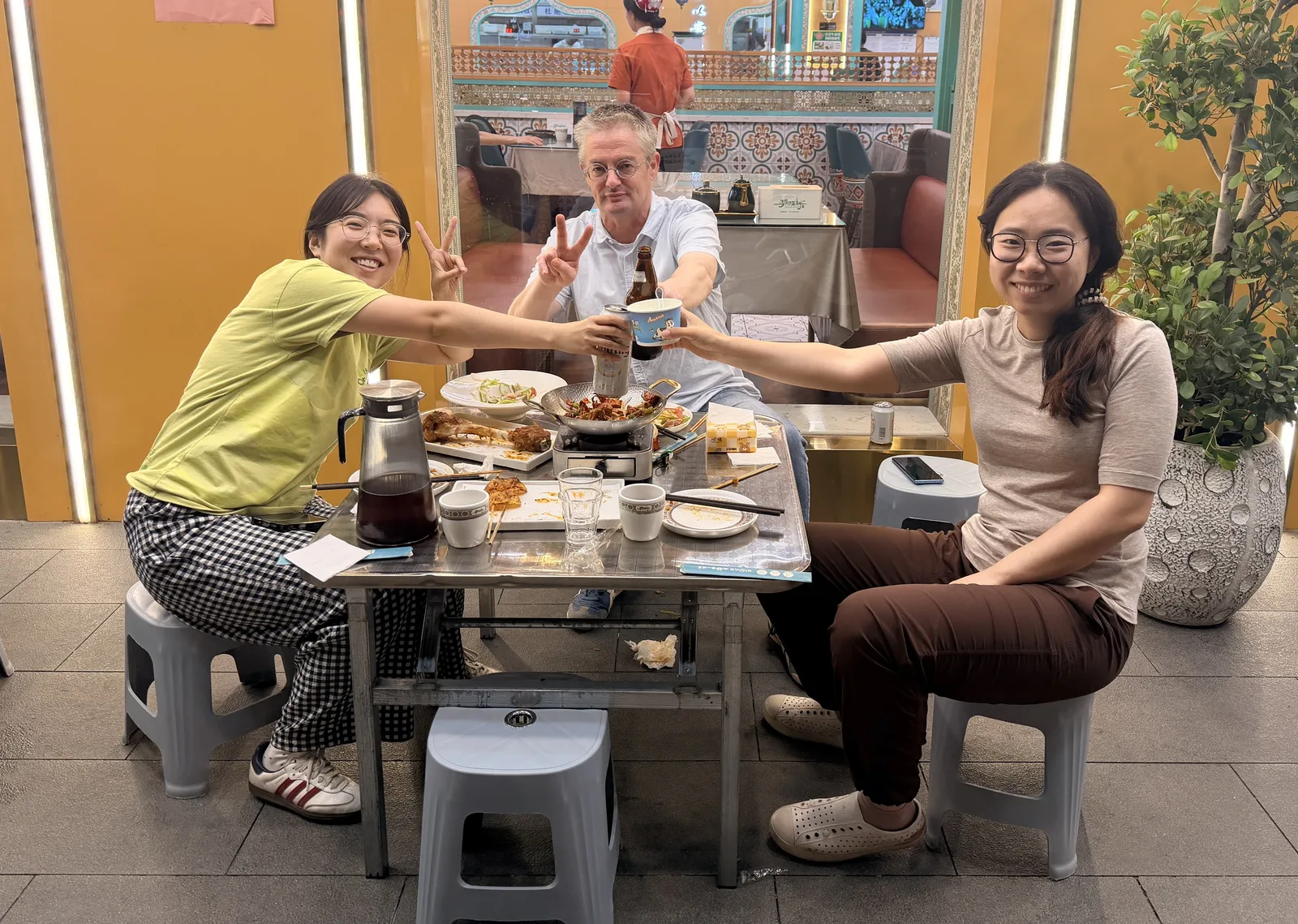
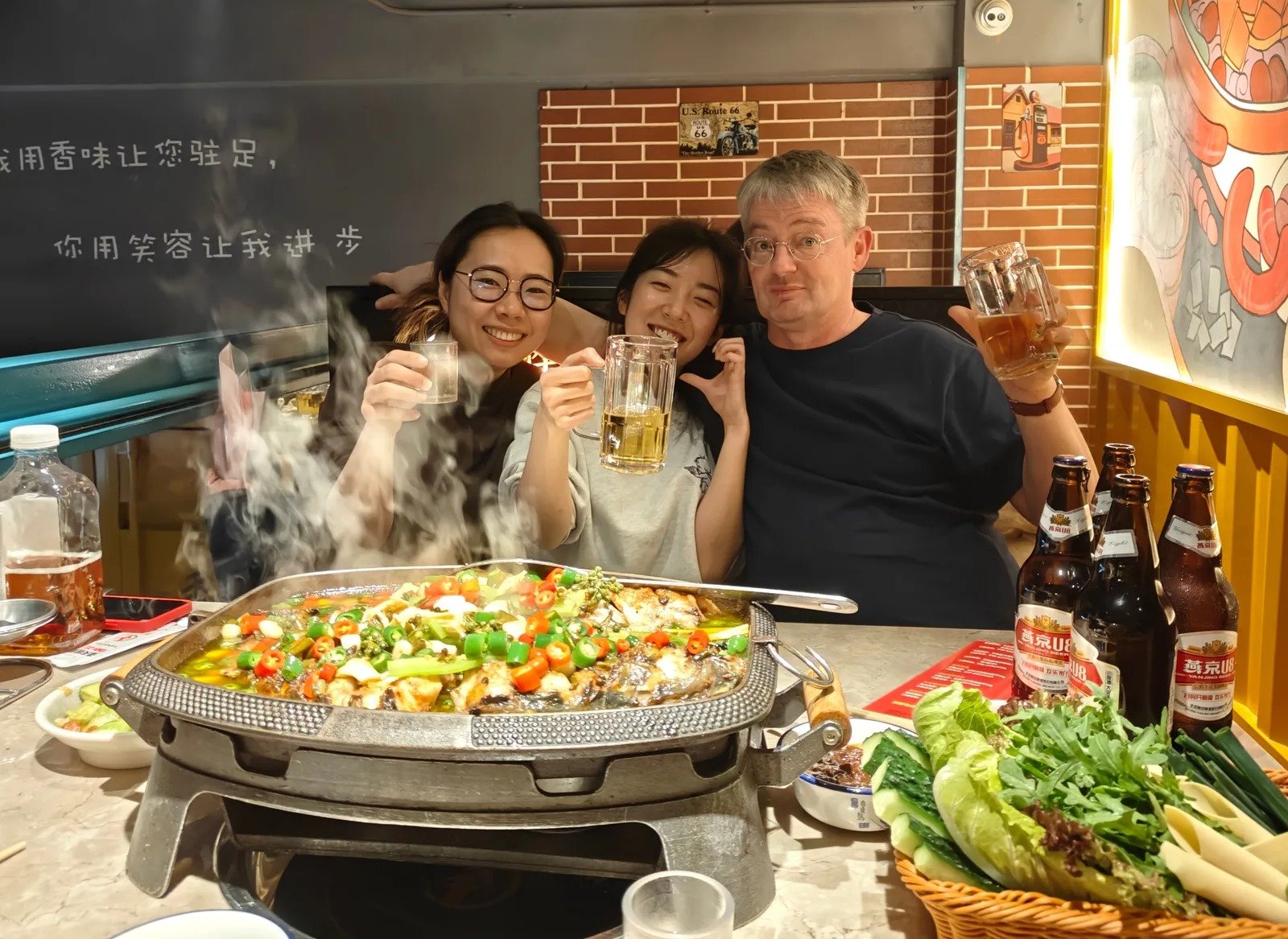
Nana in Shanghai (and our two stylish colleagues from the class next door whose names I’ve shamefully forgotten).