Essential Elements
Essential Elements of The Montessori Approach
The Montessori method of education represents a holistic philosophy of human development, designed to align with the natural tendencies and developmental needs of the child while respecting their role as an active, self-directed learner, capable of profound concentration and intrinsic motivation. This vision is implemented through several interconnected elements, each essential to the integrity of the method: the transformed Role of the Adult, the carefully Prepared Environment, the scientifically-designed Materials, the structure of Mixed-Age Groupings, and The Uninterrupted Three-Hour Cycle. Together, they create a synergistic environment where independence, normalisation, and a lifelong love of learning can flourish.
Rejecting the traditional model of the teacher as the fountain of knowledge, Maria Montessori conceived of the adult as a dynamic, reflective guide (or director) whose primary function is to serve the child’s innate developmental needs, with a = tripartite mission to prepare and curate the environment, to engage in observation and reflection, and to act as a vital link between the child and the materials, all while cultivating a profound respect for the child’s autonomous journey of self-construction.
The most radical departure from convention lies in the shift from instructor to facilitator. In a traditional classroom, the teacher is the active agent: they dispense information, set the pace, correct errors, and act as the constant arbiter of what is to be learned, and how, and when. In stark contrast, the Montessori guide understands that the child possesses an absorbent mind with an intrinsic drive to learn, so the first and most tangible task is to prepare the physical and psychological environment, creating a carefully crafted ecosystem designed for independence, exploration, and discovery. The adult meticulously selects and arranges didactic materials that are beautiful, sequential, and accessible, emancipating the child to engage with them without requiring the permission or intervention of an adult. By providing order, aesthetics, and reality-based didactic tools, the adult creates a space where the child’s natural curiosity is the engine of learning, and the adult is freed from the need to control.
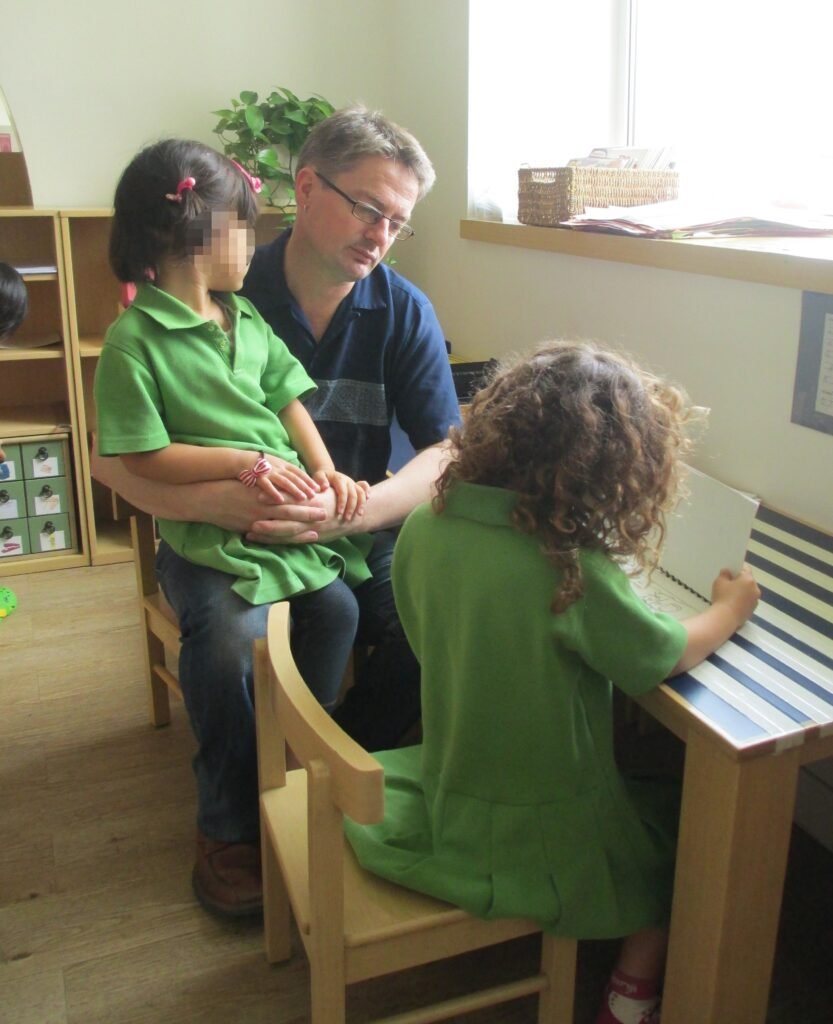
This careful preparation of the environment enables the adult’s second critical role: that of observer. Montessori insisted that observation must be the “basis of the new education” and in her method the adult steps back, resisting the impulse to interrupt or direct, and instead engages in quiet, focused, and non-judgmental observation. This is not a passive activity but a disciplined scientific practice, through which we learn to read the child’s unconscious needs, to identify their sensitive periods -those windows of intense fascination for language, movement, order, or small details- and to discern their readiness for new challenges. Is a child repeatedly pouring water signalling a sensitive period for refinement of movement? If a child continually demands to play the Sound Game, is it an indication of their budding interest in phonetic awareness? The observing adult gathers this data not to test the child, but to understand them, their knowledge informing the next, most delicate intervention: the presentation.
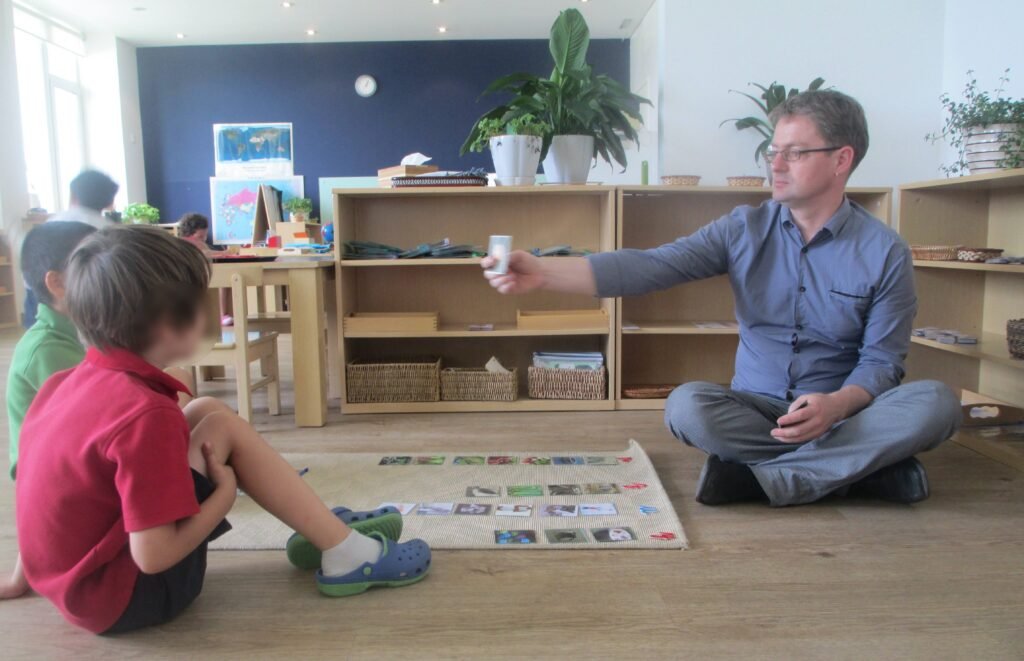
The presentation of materials is an essential part of the adult’s active, yet restrained, pedagogical art, when they become the essential link, or key, that unlocks the potential of the environment for the child. With minimal words, precise movements, and a serene focus, the guide demonstrates the purposeful use of a material. This is not a lesson but a presentation, not a command but an invitation, its clarity respecting the child’s intelligence, and its brevity ensuring that the child’s own exploratory work is not pre-empted. After a brief, silent and graceful demonstration, the adult withdraws, allowing the child to possess the activity, to repeat it, to master it, and to discover its embedded abstractions through their own hands and mind. The guide’s restraint is an act of profound respect, communicating trust in the child’s capacity, because “Every unnecessary help is an obstacle to development.”
Beyond the physical environment and lessons, the Montessori guide is the guardian of the social and emotional climate, modelling grace and courtesy, demonstrating the social norms of respect, kindness, and community life. They are not an authoritarian figure enforcing rules from on high, but a member of the mixed-age community who demonstrates how to resolve conflicts, how to care for the shared space, and how to work in harmony. The adult protects the concentration of each child as sacred, intervening only to remove obstacles (whether material or social) that disrupt deep engagement. In this way, they cultivate a normalized environment where self-discipline, empathy, and mutual respect emerge naturally from the child’s experience of being respected.
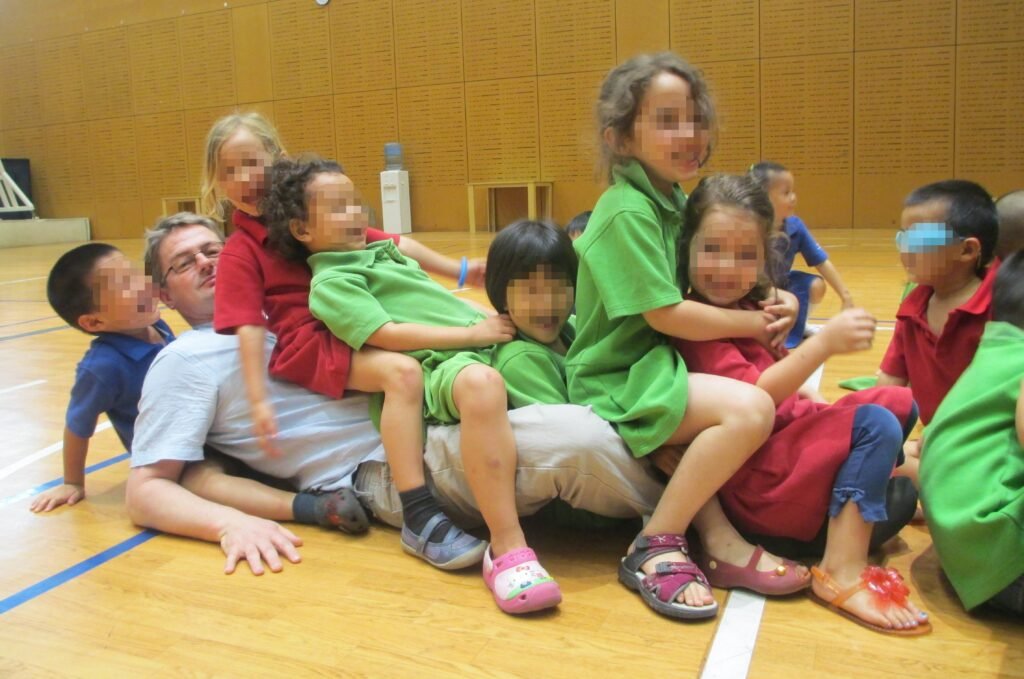
Ultimately, the effectiveness of the Montessori guide hinges on their own internal preparation and their willingness to engage in a continuous journey of personal growth. It requires humility to relinquish control, patience to trust in processes unseen, and self-awareness to constantly examine one’s own impulses and biases, but the adult must subsume their own desire to be needed, to correct instantly, or to impart wisdom prematurely. This inner preparation is often the greatest challenge, as it demands a transformation of one’s entire conception of authority and help. The reward for this rigorous self-discipline is the unparalleled privilege of witnessing what Montessori called the “revealing of the child”- the emergence of a confident, independent, compassionate, and joyfully engaged human being.
The role of the adult in the Montessori system is a nuanced and demanding vocation that redefines teaching as guidance. By shifting from protagonist to supportive stage director, from talker to listener, from corrector to observer, the guide creates the conditions for the child’s spirit to flourish. This role is not one of diminished importance, but of elevated purpose, acknowledging that the most profound education does not come from being filled with facts, but from being empowered to think, discover, and connect for oneself. The Montessori adult, therefore, is less a teacher and more a guardian of potential, a skilled architect of freedom, and a respectful witness to the unfolding of the child’s nature.
The Prepared Environment
Maria Montessori described her schools as Casa dei Bambini -a Home of Children- because her aim was to create an environment in which children could develop independence through meaningful activity in a space that was safe and welcoming, so the environment is not merely a setting for learning but one of the primary means through which learning occurs. For this reason, the adult’s first responsibility is to prepare and maintain an environment that meets the developmental needs of the children. Although Montessori environments vary across cultures and countries, they share several characteristics: they are designed for mixed-age groups, support self-directed activity, encourage exploration, and allow children to work at their own pace. When these conditions are present, children often develop concentration, independence, responsibility, and respect for others.
Over the course of my career, I have worked in both established and newly created Montessori environments across Asia and Europe, experiences that reinforced the importance of careful planning. The arrangement of furniture, materials, and workspaces influences how children move, interact, and learn, making the physical environment an important part of the educational process.
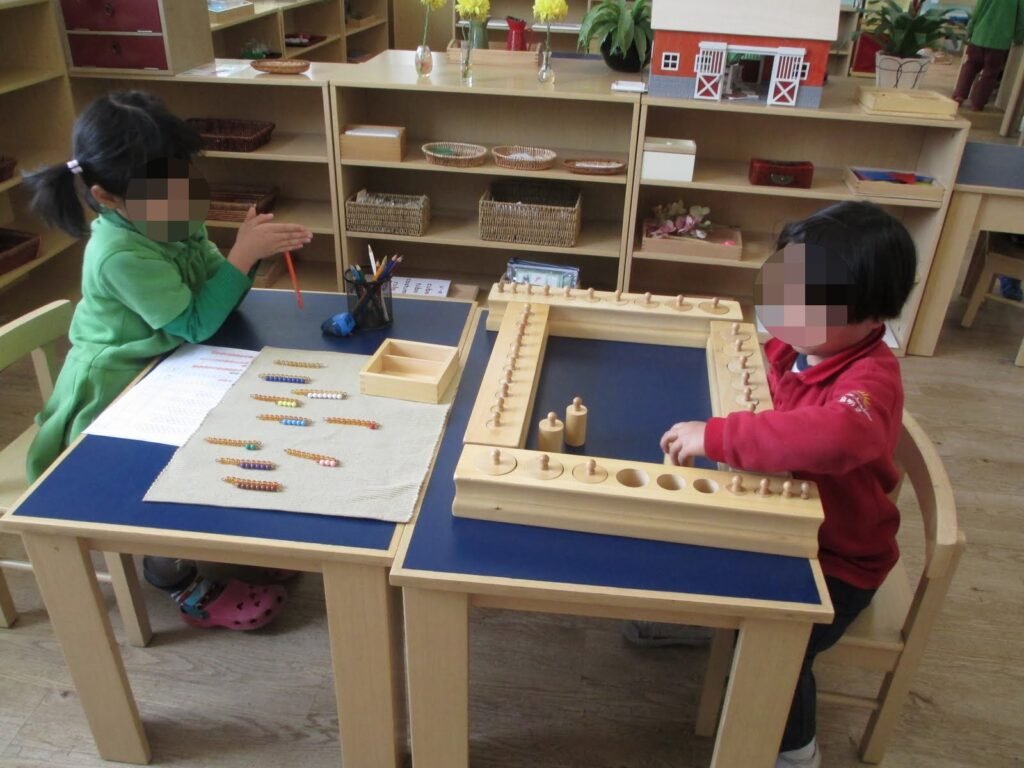
Furniture should be child-sized, movable, and accessible, with shelves low enough for children to reach materials independently and adjustable in order to accommodate a variety of activities. Because Montessori materials vary considerably in size, shelf dimensions should be determined by the materials they hold rather than by a fixed standard, while tables and chairs should be available in different sizes to meet the needs of children between 3 and 6 years of age. Mats should be long enough to hold the largest materials, neutral in colour, easy for children to carry, and stored where they can be accessed without difficulty.
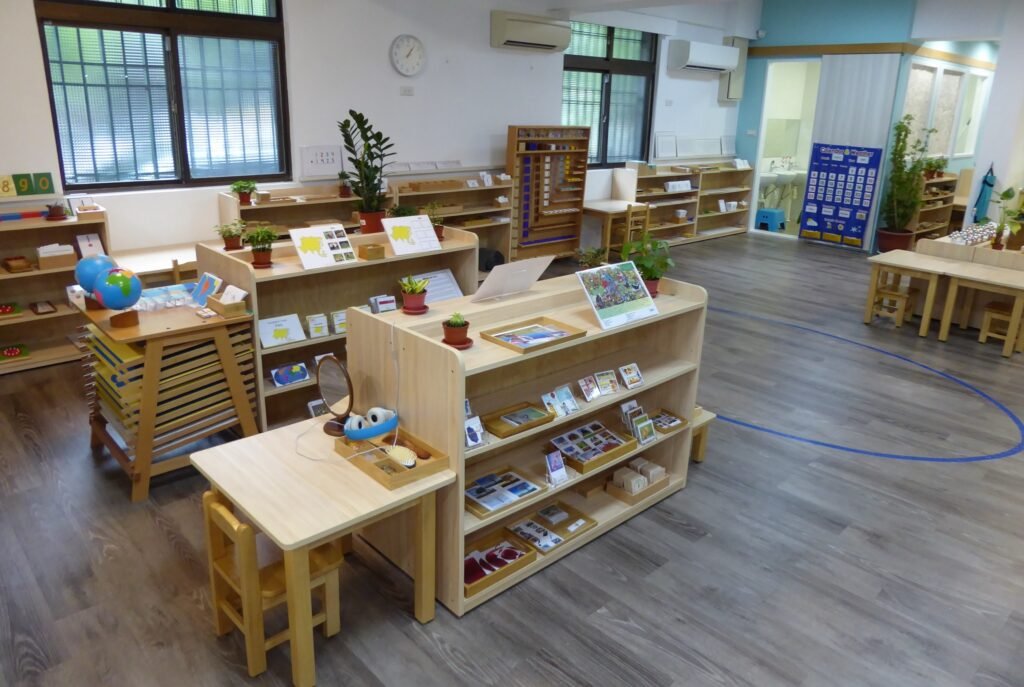
The layout of the furniture is of paramount importance, with shelves, tables, and workspaces arranged to support movement and concentration while avoiding unnecessary obstacles, so when preparing a new environment, I first identify the space required for the largest activities -such as the 1000 Chain and Walking on the Line- because these activities influence the placement of other materials and the overall flow of the room.
Curriculum areas require similarly thoughtful organisation: Mathematics materials are often arranged in sequence from simple to complex, Practical Life activities are best located near water sources, Language materials benefit from being clearly displayed, and Sensorial materials should be positioned so even the youngest children can use them independently. Observation remains the most reliable guide, as patterns in how children use or avoid materials often indicate when adjustments are needed.
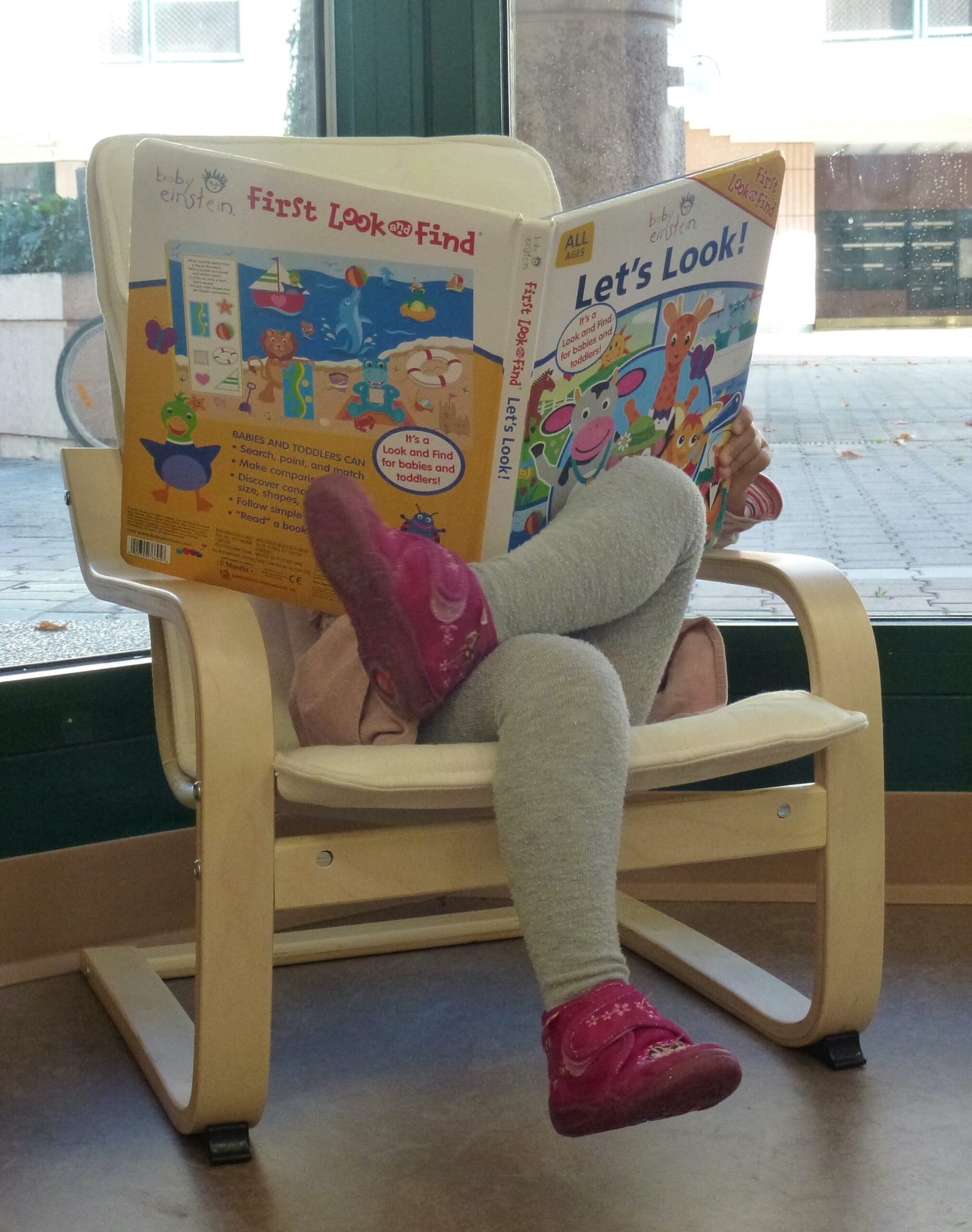
Materials should be visible, organised, and easy to access, as children are more likely to choose activities they can see and reach independently. Supplies should be arranged so that children can locate, use, and return them without assistance, while storage systems should make it clear where items belong, enabling the children to maintain order within their environment. The classroom should also provide spaces for reading Picture Books, painting, conflict resolution, snack preparation and plant care, ensuring that the daily life of the community is supported alongside academic learning.
A prepared environment supports independence by allowing children to care for themselves and their surroundings through the use of child-sized sinks, mirrors, cleaning tools, furniture, and materials. Books, plants, practical life activities, and opportunities for responsibility contribute to this process by helping children develop both practical skills and a sense of stewardship for their shared environment. An organised system for storing materials, supplies, unfinished work, and adult belongings is equally important, as accessible and orderly storage reduces wasted time and allows both children and adults to focus on purposeful activity.
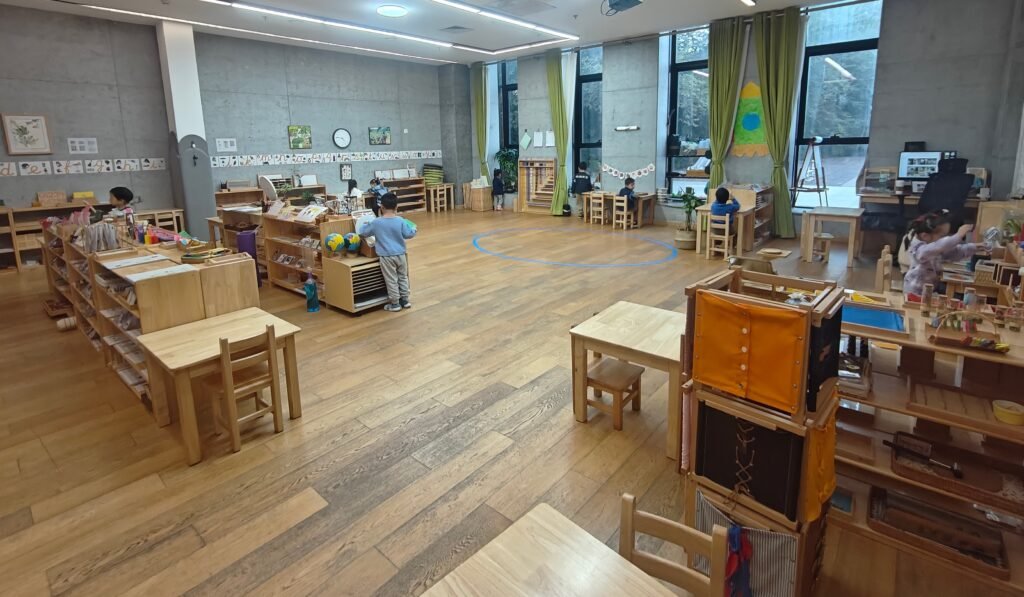
Classroom decoration should be purposeful and restrained, since excessive visual stimulation can distract young children from their activities. Displays should therefore be relevant, positioned at the child’s eye level, and used to support rather than compete with the materials, while natural light, plants, and orderly arrangements contribute to an atmosphere that encourages concentration and engagement.
The environment is a central element of Montessori education because it supports independence, concentration, movement, and choice through the careful organisation of furniture, materials, storage, layout, and decoration. The prepared environment creates the conditions in which children can act, explore, and learn independently, making the space itself an essential ingredient in the educational process.
At its core, the Montessori system it is not merely a collection of specialized materials but a profoundly reimagined social environment for learning. Perhaps no single feature exemplifies the philosophical departure between the Montessori approach and the traditional education model of standardized curricula and age-segregated classrooms more distinctly than the purposeful use of mixed-age groupings. The multi-age classroom is the essential ecosystem in which Maria Montessori’s principles of child development, autonomy, and social cohesion come to life. It is the carefully prepared social environment where the symphony of human development finds its natural rhythm, creating a dynamic community that benefits every child in profound and interconnected ways.
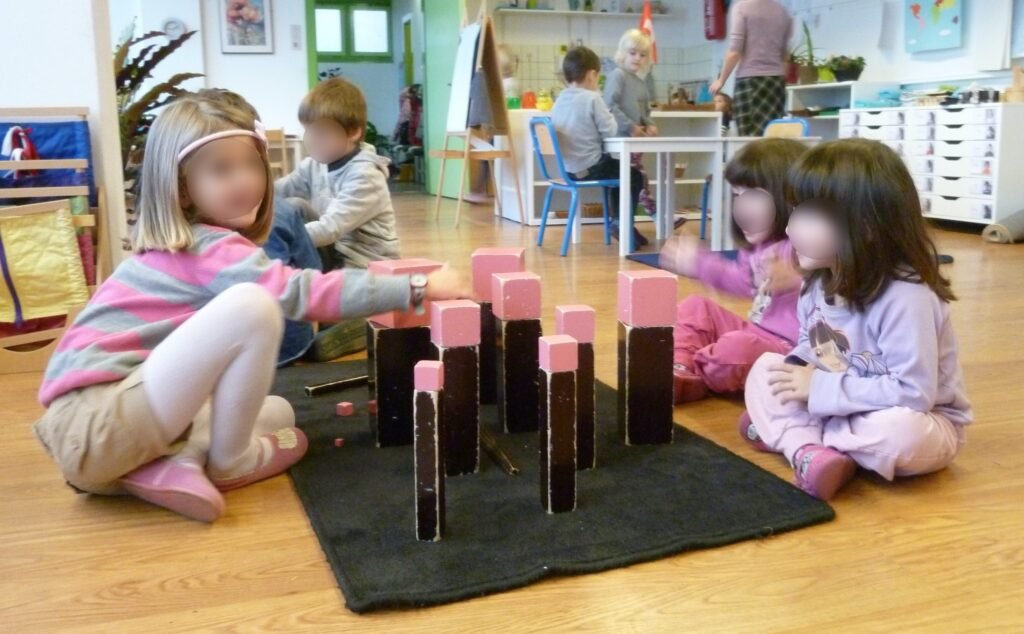
Each Children’s House is organized into three-year cycles: 0-3, 3-6, 6-9, and 9-12 years, a structure that is not arbitrary but is aligned with Montessori’s observations of developmental planes. Within these spans, children share broad psychological characteristics and sensitivities. The 3-6-year-old, for instance, is in the height of the absorbent mind, refining movement and sensory perception, while the 6-9-year-old is a reasoning explorer, driven by imagination and moral questions. By grouping children within these planes, the classroom community mirrors a natural, familial social structure, starkly contrasting with the artificial homogeneity of same-age grades.
The benefits of this arrangement are multidimensional, beginning with individual child’s academic and personal growth. In a mixed-age setting, the concept of a fixed, lockstep curriculum evaporates. Children work through the sequenced Montessori materials at their own pace, free from the pressure of keeping up with an entire class or the boredom of waiting for peers to catch up. A 5-year-old may be mastering decimal fractions while a 3-year-old is on the next table, pouring beans between jugs. This normalization of differing abilities dismantles the culture of unhealthy comparison and fosters a deep, intrinsic motivation where the child’s benchmark becomes their own progress, measured against their previous achievements, cultivating a lifelong love of learning for its own sake.
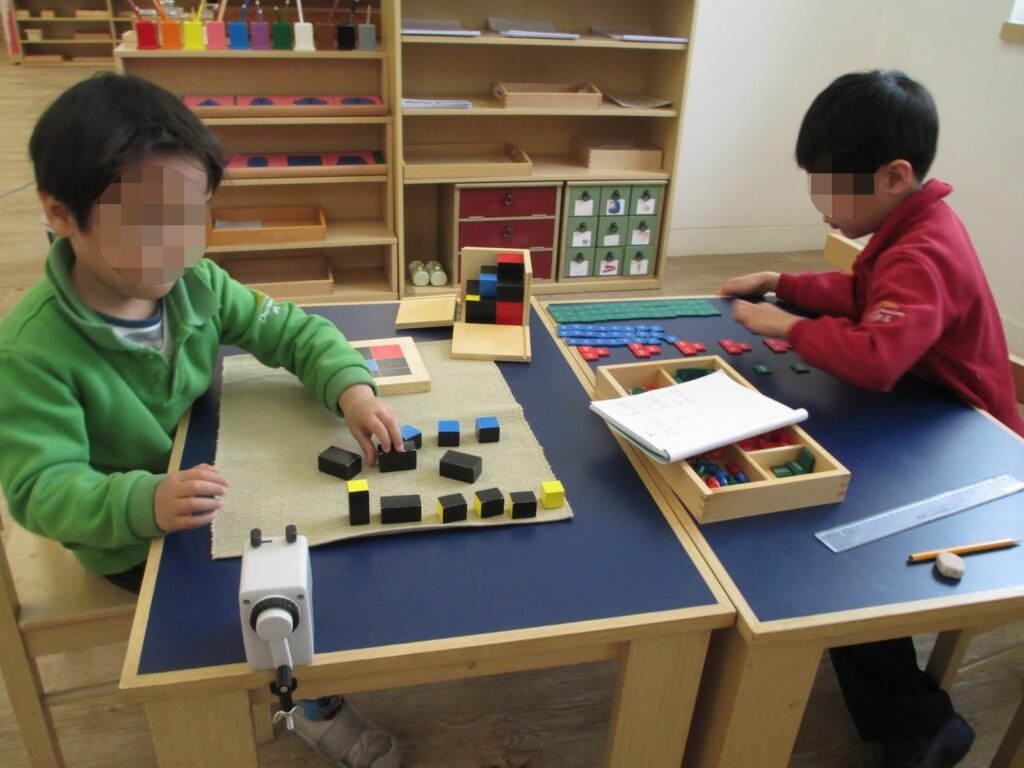
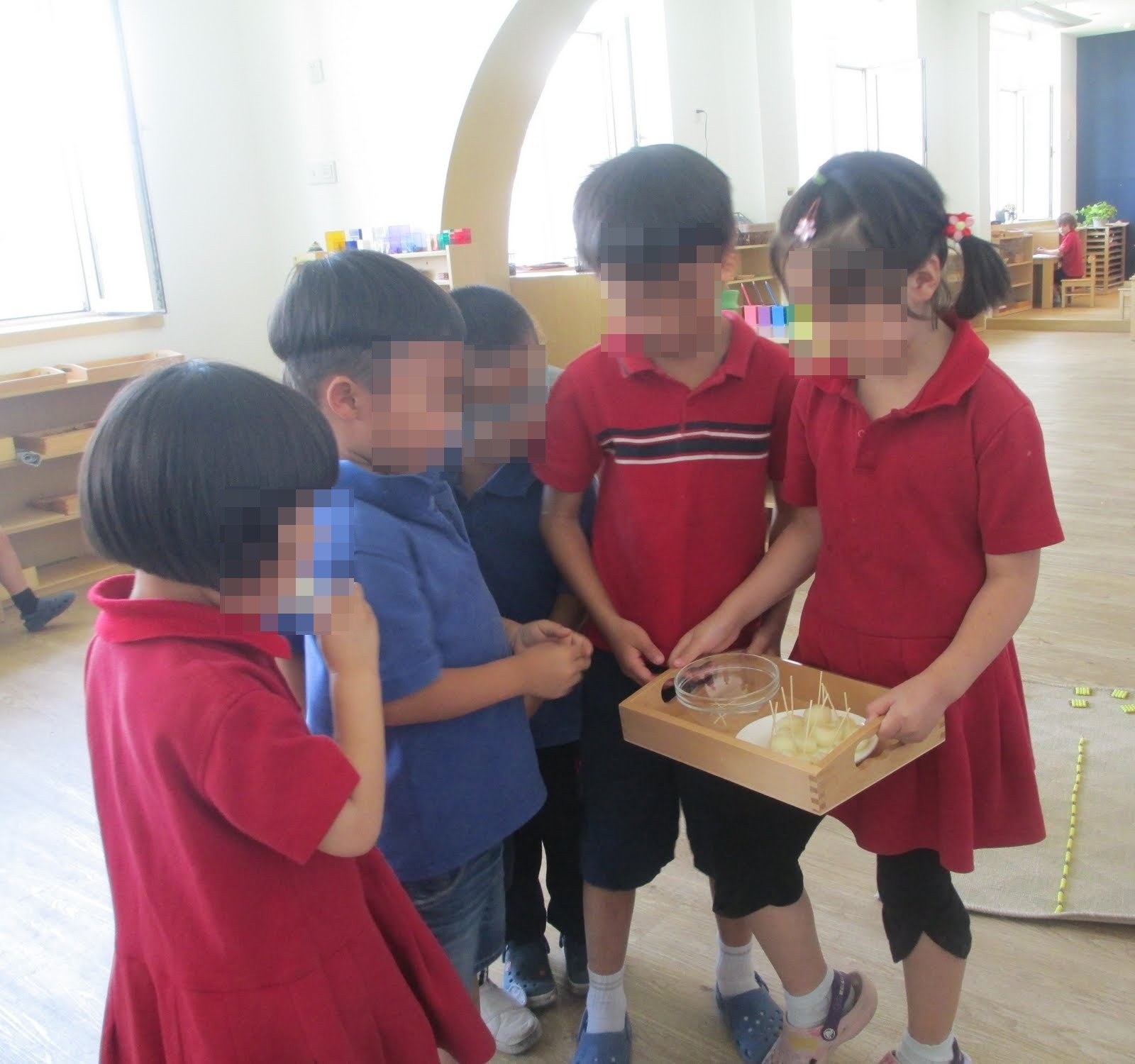
This environment is powerfully catalysed by the phenomenon of peer learning, where the younger children are not passive observers but active apprentices, watching the older children at work, modelling the norms, concentration, and capabilities to which they can aspire, and absorbing knowledge indirectly and unconsciously. When they struggle with a task, they are encouraged to seek help from an experienced peer before approaching the adult guide, and this peer instruction is transformative for both: the younger child receives a demonstration in relatable language, often with a patience and simplicity unique to peer interaction, while the older child, in the act of teaching, must organize their knowledge, articulate processes, and break down concepts, a process that consolidates and deepens their own understanding. They move from knowing to truly understanding, fulfilling Montessori’s observation that “to teach is to learn twice.”
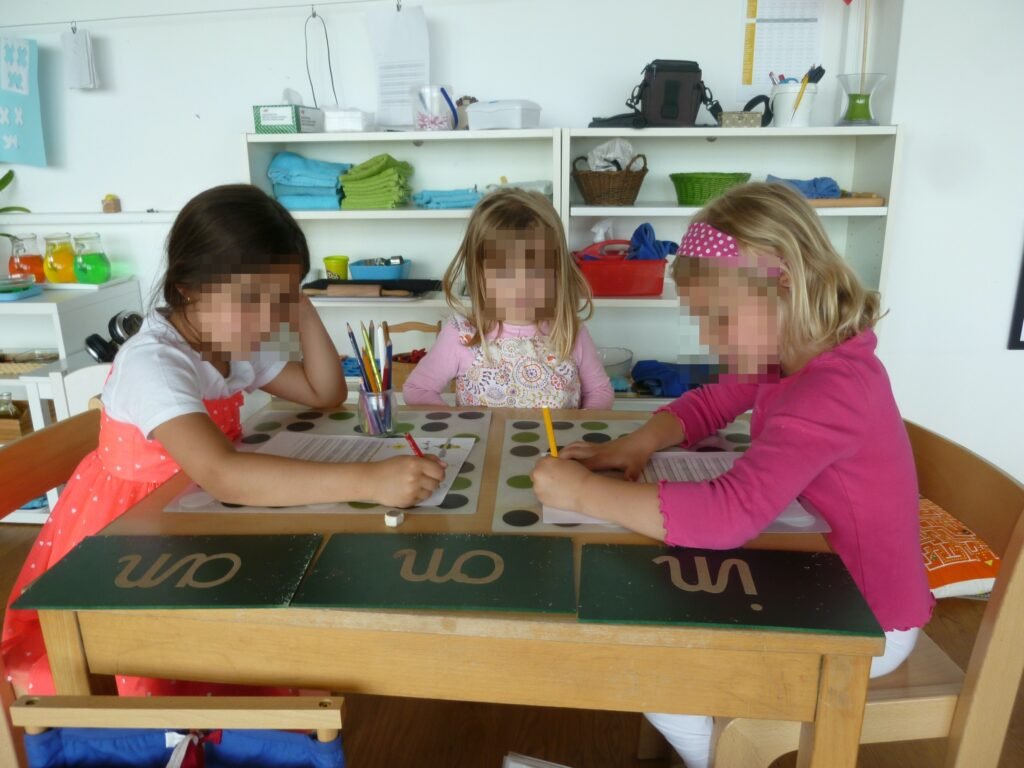
Concurrently, the older children reap immense social and emotional rewards, instinctively adopting roles of responsibility, mentorship, and leadership, becoming stewards of their classroom environment, helping to orient newcomers, resolve minor conflicts, and maintain order, a process that nurtures empathy, patience, and a sense of protective care for their community. The experience of being looked up to and needed builds profound self-confidence and social maturity, the children discovering that their knowledge and competence have social value, fostering a sense of purpose and contribution that is often absent in traditional settings where all children are perpetual novices relative to the all-knowing adult.
For the younger child, the mixed-age group provides a scaffolded entry into a community with established routines and role models, where the anxiety of a wholly new social world is mitigated by seeing children just slightly older than themselves navigating it successfully, so in this natural and unintimidating environment they learn social codes and practical life skills through imitation and gentle guidance from peers. Over their three-year cycle, they experience a profound metamorphosis, entering as the dependent youngest and being nurtured, progressing to a capable middle child who gradually finds their place, and finally emerging as confident leaders and teachers, ready to offer the same care they once received. This complete cycle instills a deep understanding of social dynamics, continuity, and cyclical growth.
The role of the Montessori guide is fundamentally reshaped by this structure. Freed from the burden of whole-group, frontal instruction, the guide becomes an observer, for the mixed-age classroom essentially runs itself, with children of different stages supporting one another. This allows the guide to focus on the nuanced needs of each child, offering the right lesson at the right developmental moment, managing the class, matching children for collaborative work and ensuring harmony, and through it all the primary social and academic interactions occur naturally among the children themselves, a decentralization of authority that is a practical lesson in peaceful, self-regulating community life.
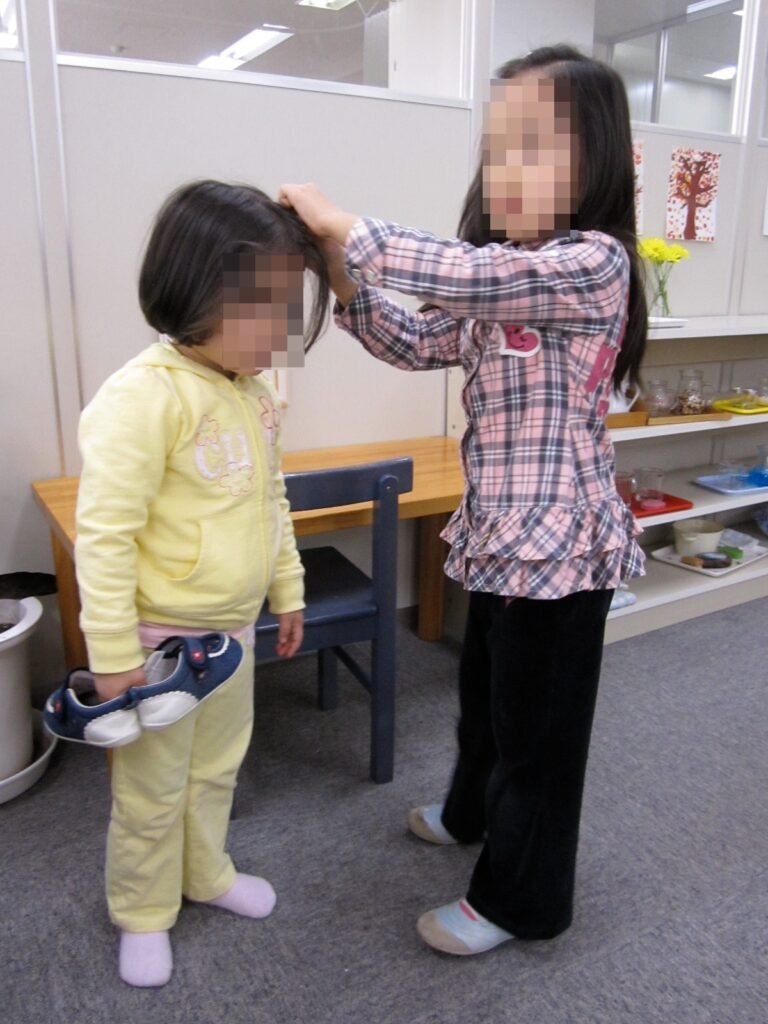
The mixed-age group is a preparation for life in a world that is not segregated by year of birth but richly intergenerational. Children learn to communicate with respect, and collaborate with others of different abilities, temperaments, and stages of life, developing grace and courtesy while practicing conflict resolution in a real context. The competitive, zero-sum mindset is replaced by one of collaboration and mutual aid, as children see that their growth does not come at the expense of another’s but can directly facilitate it.
Mixed-age grouping is the vital architecture of the Montessori method, the practical vehicle through which individualized learning, peer mentorship, leadership development, and social cohesion are seamlessly integrated. It transforms the classroom from a static receptacle for information into a dynamic, living community that organically meets the developmental needs of every member. By honouring the natural variations in human development and leveraging them as educational strengths, the Montessori approach cultivates a humane, respectful, and thriving micro-society and it is here, in the symphony of mixed ages, that the child’s intellect, character, and spirit find their most harmonious development.
The Three-Hour Cycle
At the heart of the Montessori system lies a pedagogical structure that is both simple and revolutionary: the three-hour, uninterrupted work cycle. This foundational principle is not merely a scheduling choice but a deeply philosophical commitment to respecting the natural rhythms of the child’s mind, creating the temporal space necessary for concentration, deep engagement, and the construction of the self, forming the bedrock upon which the entire Montessori environment depends.
The three-hour work cycle, typically observed in the morning when children are freshest, is a protected period of self-directed activity. During this time, children are free to choose work from the prepared environment, engage with it for as long as they wish, repeat it as many times as needed, and return materials to their proper place before selecting something new. There are no whole-group interruptions for arbitrary changes of subject, no teacher-led transitions that break a train of thought. This uninterrupted flow stands in stark contrast to the traditional model of education, which Maria Montessori critiqued as being designed for the convenience of the institution rather than the developmental needs of the child. She observed that such fragmentation cultivates a “wandering mind,” whereas sustained, self-chosen work leads to what she famously termed “normalization”- a state of peace, focus, and joyful engagement.
The architecture of the work cycle follows a natural, observable pattern in children, which Montessori meticulously documented. The first hour is often a period of orientation and choice. Children may socialize lightly, wander, or experiment with several activities as they settle into the environment and decide where to invest their energy. This is not idle time but a crucial phase of decision-making and exploration.
The second hour typically brings the peak of deep concentration. Having found a task that resonates with their inner needs, the child enters a state of profound focus. This is the period where true, transformative work happens. The child is not learning from the teacher but through the material, in a dialogue between hand and mind.
The final hour often sees a period of consolidation and satisfaction. The work may become more social, creative, or expansive. A child who has mastered a mathematical material might create a chart; a child who has practiced writing might compose a story to share. This cycle mirrors a natural curve of energy and attention, allowing the process to complete itself organically.
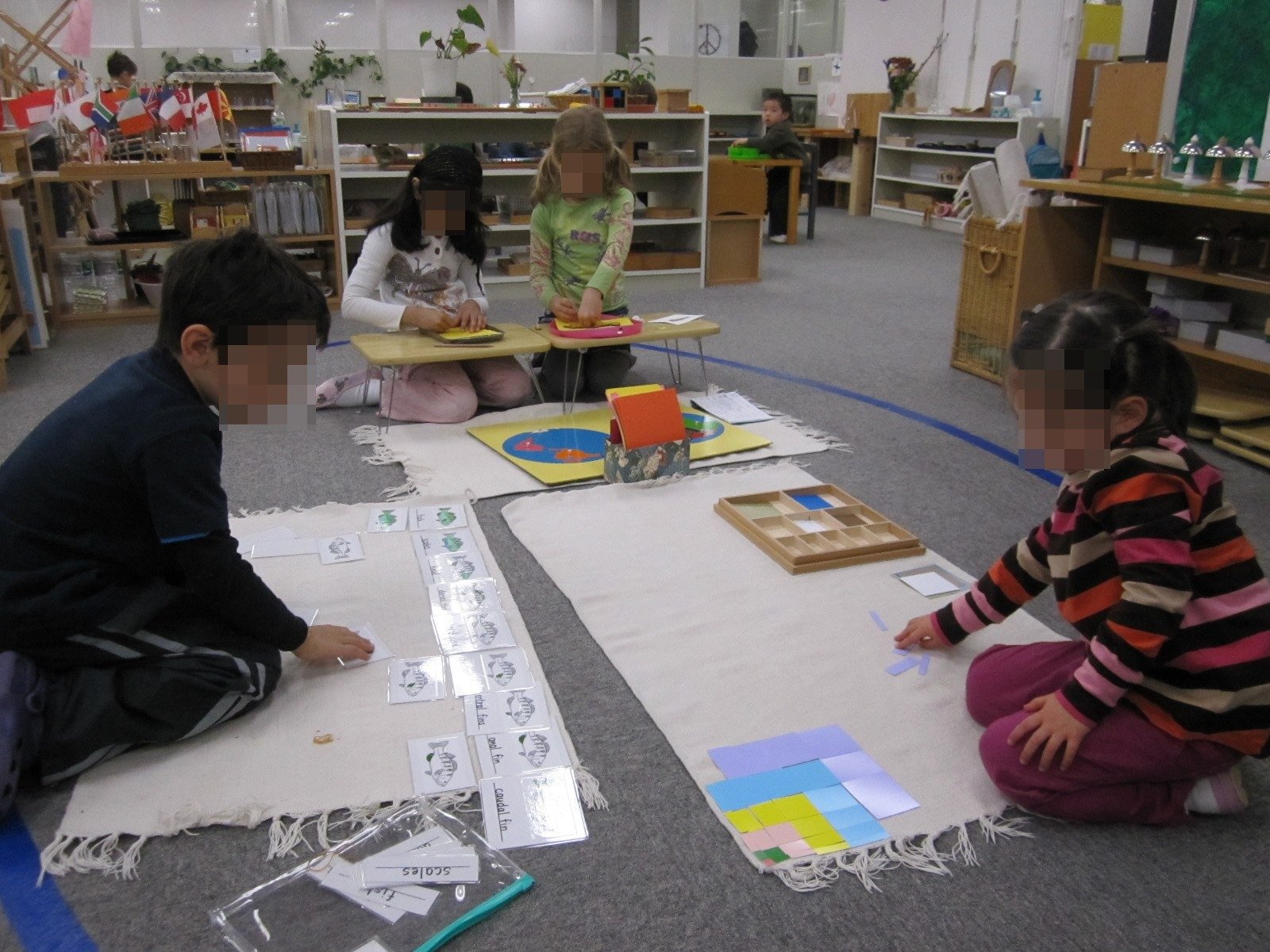
justification for this extended, uninterrupted period is robust. It facilitates the state of ‘flow’, identified by psychologist Mihaly Csikszentmihalyi, where an individual becomes fully immersed in an activity, leading to a loss of self-consciousness and a deep sense of gratification. Montessori observed this same phenomenon decades earlier, recognizing that such concentration was not random but one that flourished under the right conditions and thus could be nurtured. The three-hour block provides the time necessary to overcome initial distractions, achieve flow, and solidify neural pathways through repetition. When a child repeats an action not out of drudgery but from an intrinsic drive to master it, the learning becomes embodied and permanent. An interruption -a teacher’s well-meaning praise, a directive to move to the next subject- shatters this delicate state, terminating the learning at a superficial level and, as Montessori warned, robbing the child of the very experience that builds their capacity for disciplined thought.
The role of the adult in this cycle is pivotal but minimalist, with the Montessori guide a careful observer, not a ringmaster. Their duty is to prepare the environment, give precise initial presentations, and then step back, resisting the urge to intervene, correct, or redirect during a child’s concentrated work. The guide protects the cycle from external interruptions and gently redirects any child who is being disruptive, but otherwise allows the classroom’s momentum to be driven by the children’s choices. This requires immense discipline and trust in the child’s capacity for auto-education, as well as a belief in their powers of motivation, perseverance, and concentration. This respectful distance cultivates intrinsic motivation, self-regulation, and a profound sense of responsibility.
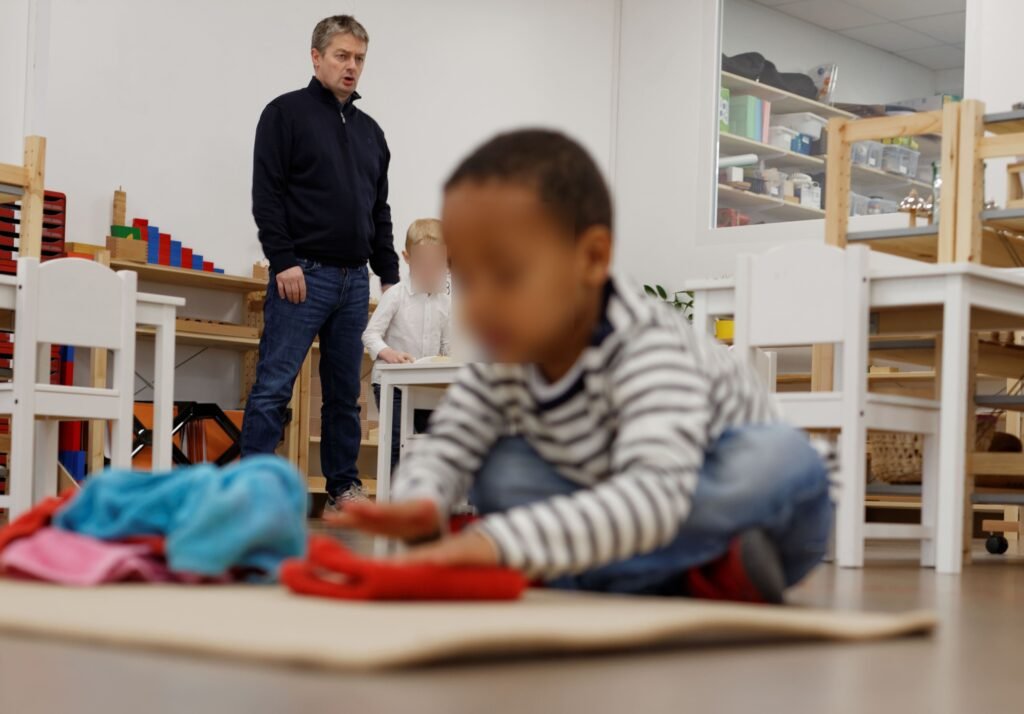
The benefits that emanate from this protected temporal space are manifold. Academically, it allows for deep learning where a child can follow a mathematical exploration from concrete to abstract or a scientific inquiry from question to conclusion, in a single sitting. It also fosters independence, resilience, and problem-solving skills, because when faced with a challenge, the child cannot simply wait for the bell to rescue them; they must persevere, seek help appropriately, or devise a new strategy. Furthermore, the mixed-age classrooms are synergistically supported by the work cycle, because older children have the time to mentor younger ones deeply, consolidating their own knowledge, while younger children have many opportunities to witness and aspire to the complex, extended activities of their peers.
Ultimately, the three-hour uninterrupted work cycle is an act of profound respect for the child as an authentic and capable human being. The educator’s role is to prepare the environment and ensure the right conditions of freedom and time (the uninterrupted cycle) are in place, trusting that the innate developmental forces within the child will produce growth in its own unique and beautiful form. In a world of increasing distraction and fragmented attention, the Montessori work cycle offers a radical alternative: a sanctuary of time where children can discover not only the joy of learning but also the depth of their own minds. It is here, in these unhurried hours, that the child builds the focus, confidence, and love of learning that will sustain them for a lifetime.
The Montessori Materials
The Montessori materials are meticulously designed, aesthetically beautiful, and scientifically crafted objects that form the very spine of the learning environment. They are not teaching aids used by an instructor, but rather instruments of self-construction for the child. To understand these materials is to grasp the essence of Montessori pedagogy – a system built on respect for the child’s innate drive to learn through purposeful interaction with their environment.
The philosophy underpinning the materials stems from Montessori’s observations of children’s natural development. She identified specific “sensitive periods,” or windows of intense fascination, during which a child is biologically predisposed to acquire certain skills, such as order, language, or refinement of the senses. The materials are designed to correspond directly to these sensitive periods, offering what Montessori termed “the possibility of auto-education.” Each material isolates a single concept or skill, contains a built-in “control of error” that allows the child to self-correct without adult intervention, and progresses in a logical sequence from simple to complex, and crucially, from concrete to abstract. This design principle ensures that learning is not a passive reception of facts but an active, personal discovery.
The materials can be broadly categorized into several key areas of the prepared environment, each serving a distinct developmental purpose.
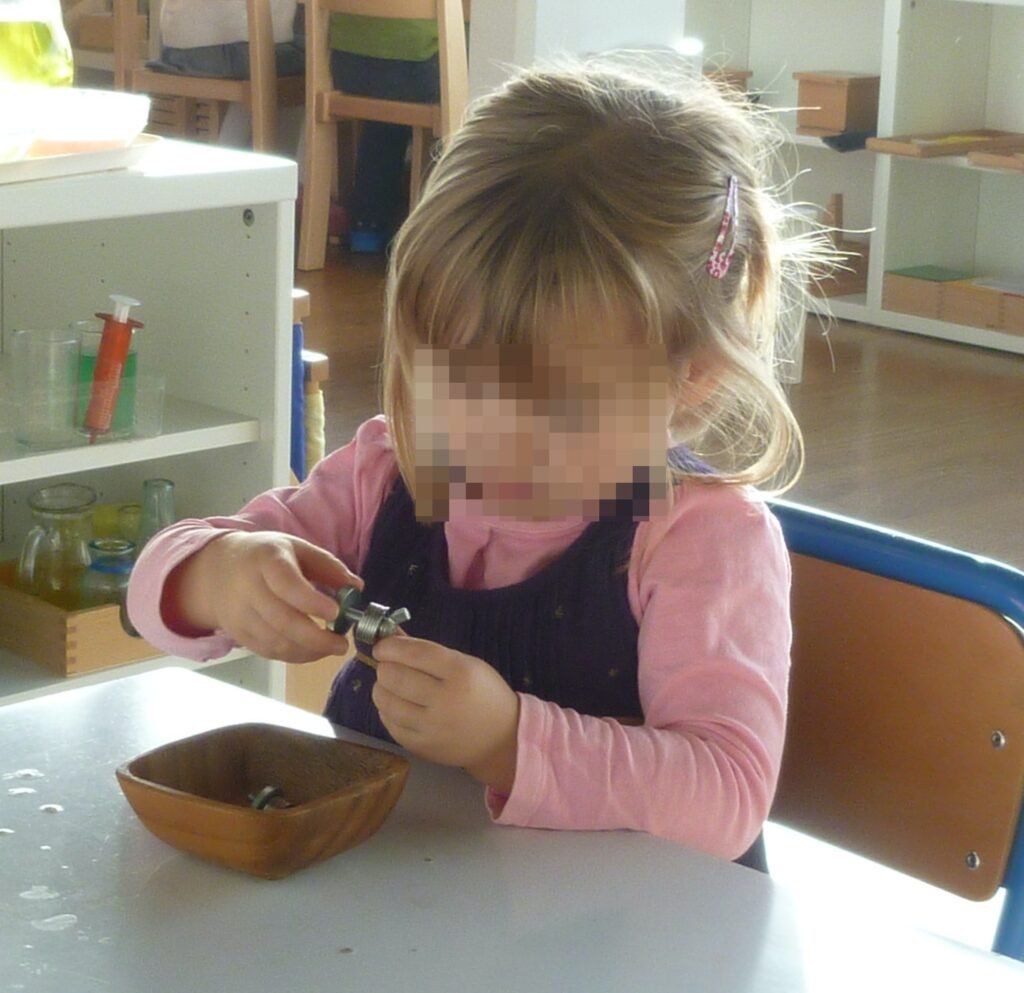
Practical Life Materials are often the child’s first introduction to the Montessori classroom, with seemingly simple activities like pouring water, polishing wood, fastening buttons, or arranging flowers presented with grace and precision. Their purpose is profound: they develop fine and gross motor control, concentration, and a sense of logical sequence (order), while fostering independence, personal dignity, and a connection to the real world. The control of error is evident – a spill makes the need for care apparent; a misplaced button reveals the mistake- so the child gains mastery over their own movements and their environment, building the confidence and coordination essential for all future learning. These activities satisfy the young child’s deep desire to be a capable, contributing member of their community.
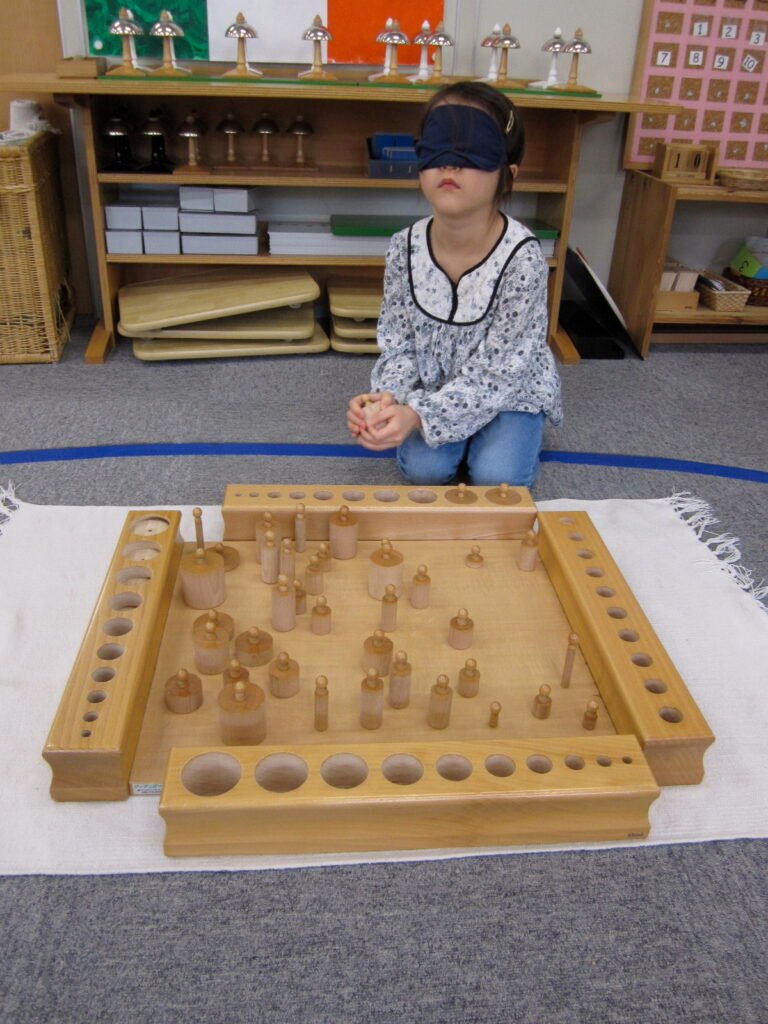
Montessori believed that the intellect is built upon the refinement of the senses, and she designed the Sensorial Materials to help the child to refine and develop their senses. The materials isolate one quality, for example The Pink Tower (a series of ten solid wooden cubes diminishing in size), isolates the concept of dimension, while the Brown Stair focuses on width, while the Red Rods isolate length. Through repeated, concentrated manipulation, the child absorbs the abstract qualities of size, shape, and relationships: Sound Cylinders challenge the auditory sense to match pairs by volume, while fabric boxes refine the tactile sense. The Geometric Solids allow a child to hold a sphere, a cube, or a pyramid, feeling their properties before learning their names and two-dimensional representations. These materials are the child’s first “keys to the world,” organizing sensory impressions into an intelligible framework for future abstract thought.
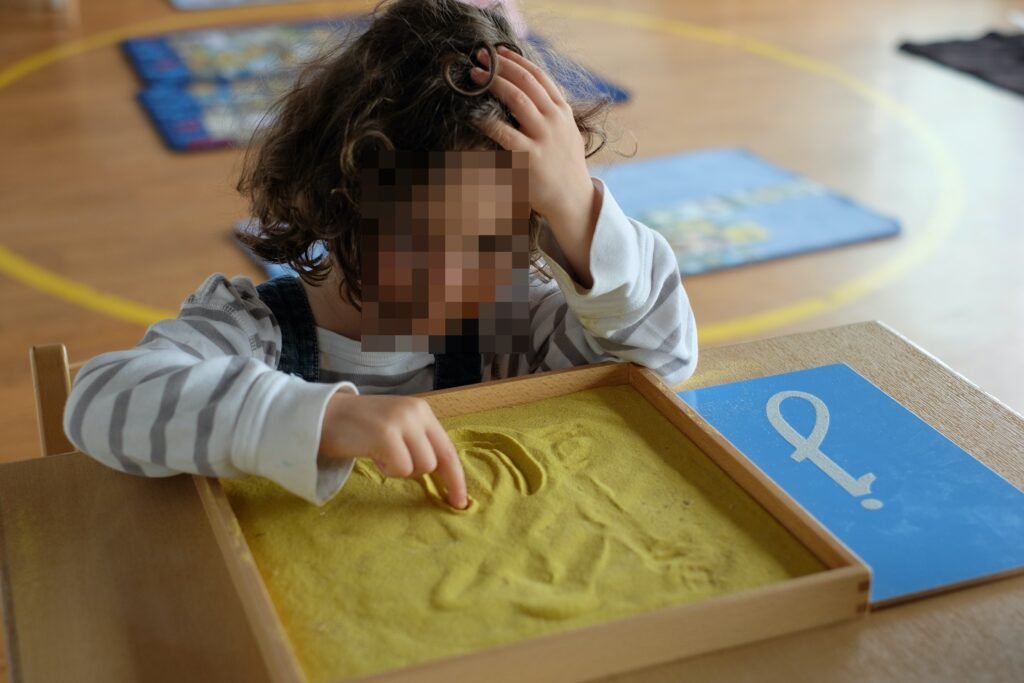
The Materials for Language and Mathematics embody the concrete-to-abstract path. In language, learning begins not with worksheets, but with the Sandpaper Letters. The child traces the symbol of a sound (phoneme) with their fingers, simultaneously seeing its shape, feeling its texture, and hearing its sound – a multisensory imprint. This direct sensorial experience precedes writing and reading. Movable Alphabets allow children to ‘write’ words with physical letters long before their hand can control a pencil, divorcing the creative act of composition from the mechanical challenge of handwriting.
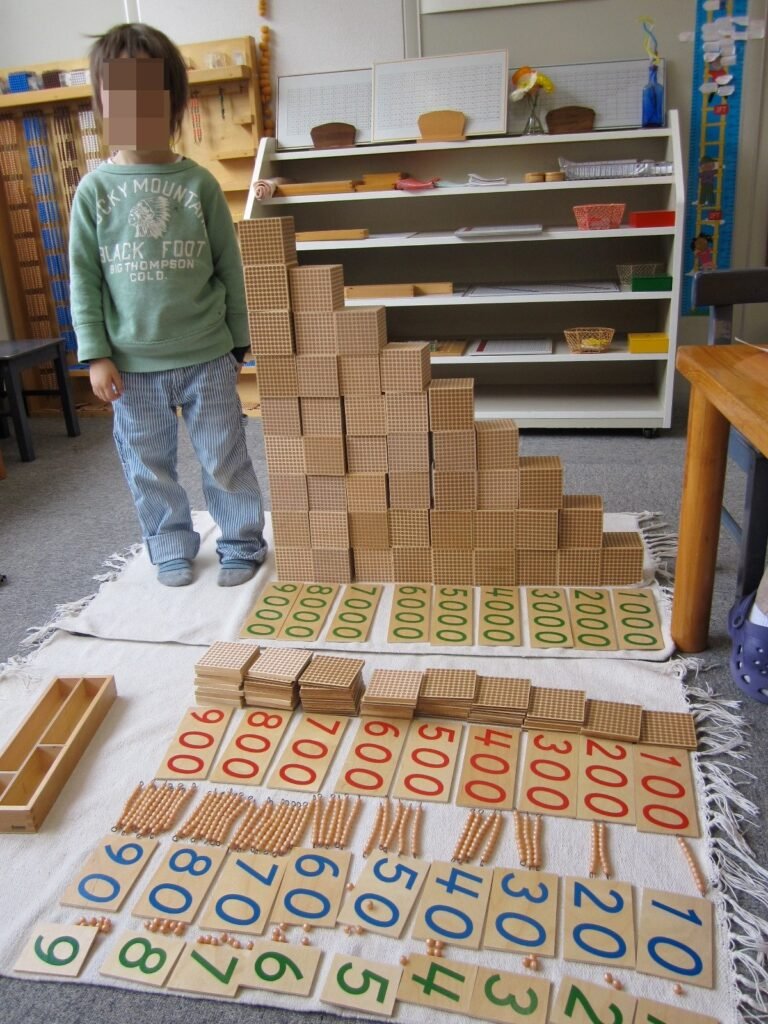
Mathematics is perhaps where Montessori materials are most celebrated for demystifying the abstract. The Golden Beads make the decimal system tangible: a single bead is 1, a bar of ten beads is 10, a square formed of one hundred beads is 100, and a cube of one thousand beads exactly represents 1000. The child can hold these quantities, combine them, and exchange them, performing operations like addition and subtraction with a concrete, physical understanding of what carrying or borrowing truly means. The Stamp Game and the Bead Frames (like the Short and Long Bead Chains) further internalize these concepts. Materials like the Number Rods introduce quantity and symbol, while the Spindle Boxes reinforce the concept of zero as an empty set. Each step is a logical, sensorial progression that builds a rock-solid, intuitive understanding of mathematical logic, free from rote memorization.
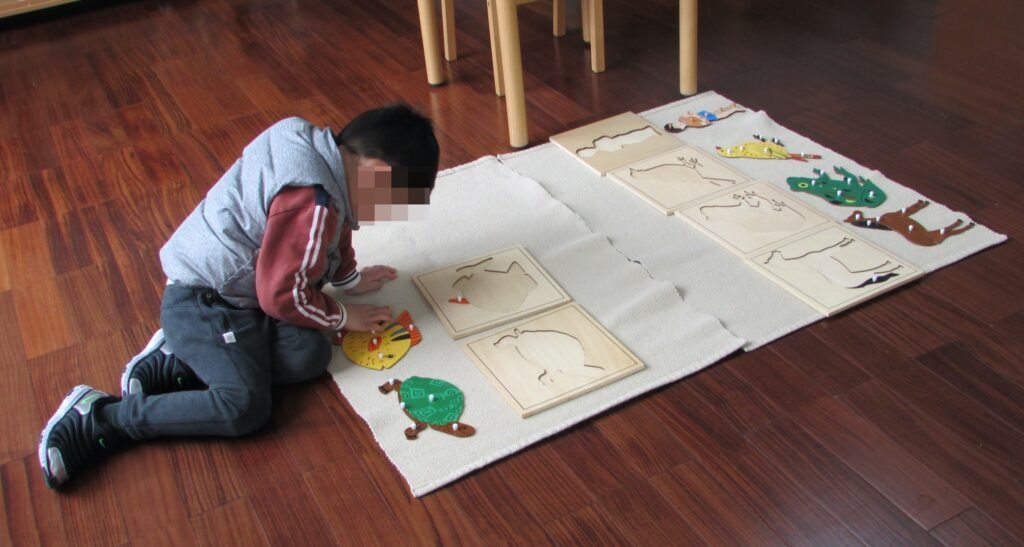
The Cultural Materials extend this concrete exploration to the wider world. Puzzle Maps, allow children to assemble continents and nations, absorbing geography through their hands. Classified cards for botany and zoology, often accompanied by matching objects or specimens, introduce precise vocabulary and systematic classification. Timelines, whether for history, the evolution of life, or human development, transform the flow of time into a linear, manipulable sequence.
Beyond their individual functions, the collective power of the materials lies in their integrated nature: the order cultivated in Practical Life is applied to returning a sensorial material to its proper place; the fine motor skills honed with the Cylinder Blocks later guide the hand in writing; the logical mind built by the mathematical sequence informs scientific exploration. The materials create a coherent, interconnected universe of learning.
Furthermore, their design is inherently respectful. They are beautiful, crafted from natural materials which invite care and communicate worth, they are complete -no missing pieces- which satisfies the child’s sense of order, and they are accessible, displayed on open, child-sized shelves, inviting free choice and independent activity. This freedom within a structured framework is central to Montessori’s vision of normalized development, where children exhibit spontaneous discipline, deep concentration, and curiosity about their physical and social environment. By translating abstract concepts into tangible, self-correcting experiences, Montessori materials empower the child to be an autonomous, confident, and joyful explorer, bridging the world of the senses and the world of the intellect, ensuring that knowledge is not just memorized but deeply understood and internalized.
An Interdependent Symphony
The Prepared Environment, the Adult as Guide, the Montessori Materials, Mixed-Age Groups and Uninterrupted Blocks of Time do not function in isolation but form an interdependent, holistic ecosystem. The adult prepares the environment, while the materials provide the medium for engagement within those three-hours. The mixed-age community provides the social context and peer models that motivate and enrich that engagement, while the protected work period provides the necessary time for the other elements to bear fruit. The Montessori method presents a coherent philosophy for nurturing capable, confident, and compassionate individuals, not passive recipients of instruction but active agents in their own development, requiring only this combination of essential elements to unfold their unique potential.