Mixed-Age Groups
Maria Montessori believed that children learn best in a social environment that supports their natural curiosity and developmental stages, which she named The Planes of Development. She theorized that during their lifetime children will pass through four distinct stages of physical, emotional, social, linguistic and intellectual growth, represented in the following graph:
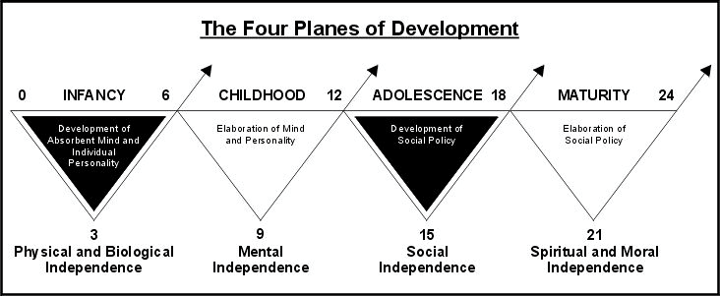
https://amiusa.org/wp-content/uploads/2019/07/Four-Planes-of-Development.png
The Planes of Development serve as the foundation of the Montessori system, and are the guiding principle in preparing the environment, curriculum design, and mixed-age groups. In each of these planes, children benefit from exposure to peers at different stages of development: the younger children learn by observing older ones, while the older children reinforce their knowledge by teaching the younger ones. This dynamic creates a community of learners, where collaboration replaces competition.
Stage Theory in Developmental Psychology
The Four Planes of Development are Montessori’s contribution to the stage theory, which explains human development as a series of distinct, sequential stages, each characterized by specific milestones and challenges. Prominent theorists like Friedrich Froebel, Lev Vygotsky, Jean Piaget and Erik Erikson have contributed valuable insights into this framework, focusing on different aspects of learning and growth.


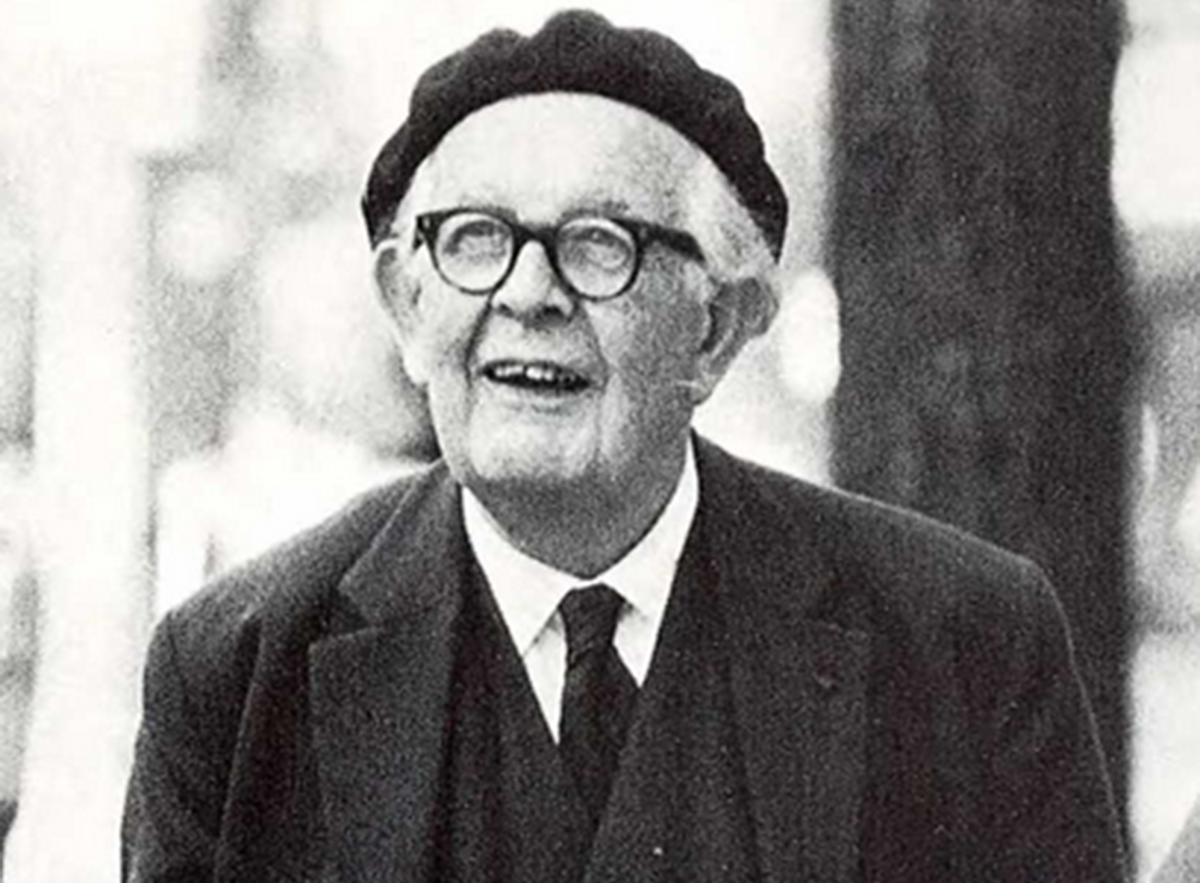
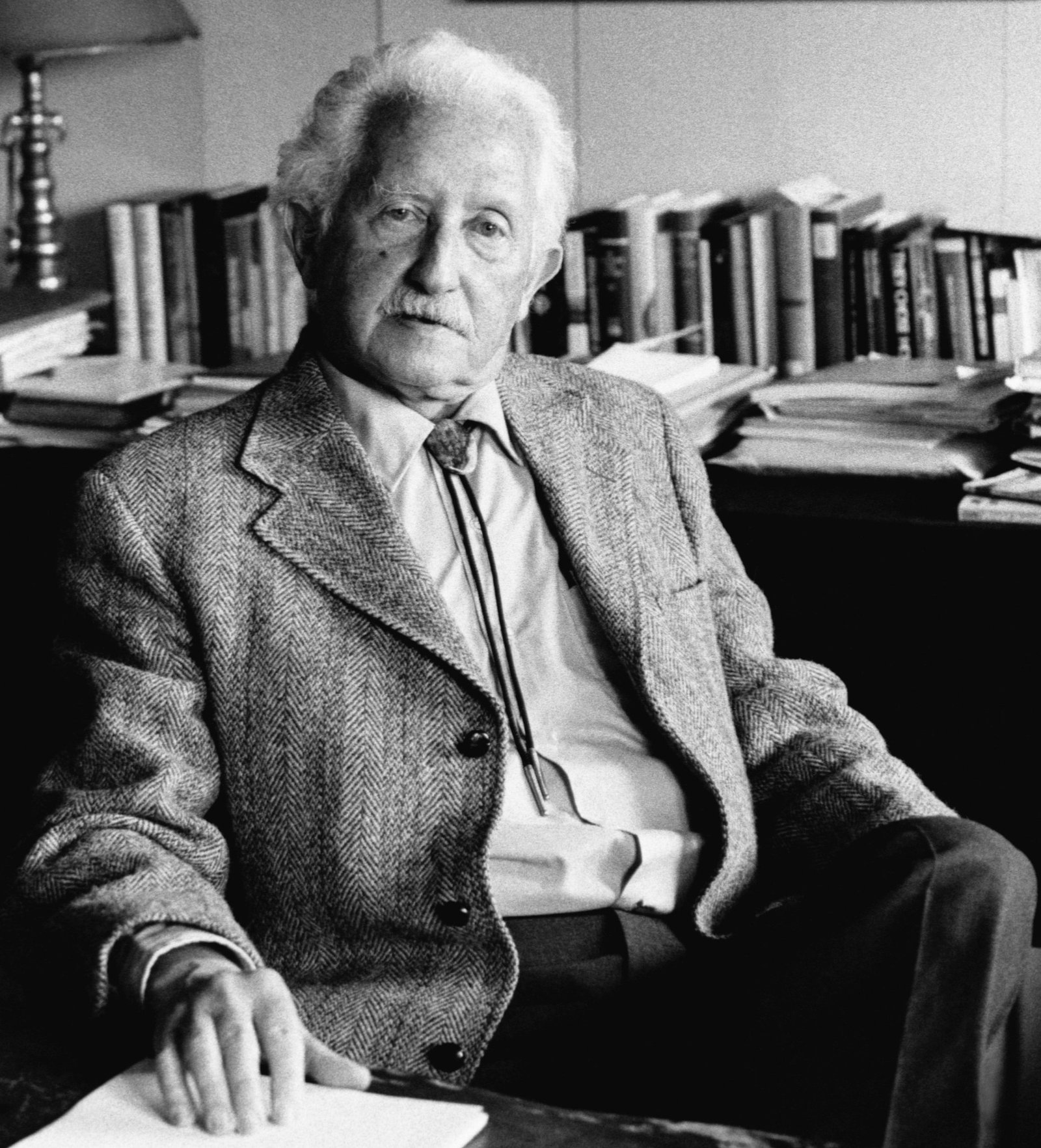
Together, these theorists demonstrated how stage theories illuminate the complexities of human growth, offering guidance for practices tailored to developmental needs. Hence, Maria Montessori’s Planes of Development fit into a continuum that began long before her birth and has continued long after her death and is the reason why children in Montessori schools are grouped with others of varying ages (0 – 3, 3 – 6, 6 – 9, 9 – 12), and why these mixed-age groups are one of the core requirements necessary for authentic Montessori.
Maria Montessori contrasted this with traditional methods of education:
“One of the things that makes our schools different from the others is the following. Most of the schools, perhaps I should say all, have children of the same age in the different classes. In fact their curriculum is based on ages. Our experience has separated us from this general rule, for in our school, what we seek is just this difference in ages. And if we were to place a limit in their differences, then we would say that there must be a difference of at least three years…..But we preach loudly that we should mix the ages together, and if the room is to contain thirty children, we should not put all the ones of the same age together, but mix the children from three to six.
This fact makes such a difference, that if one was to put all the children of the same age together, there would be no success, and it would be impossible to apply our method. We do not conceive of putting children of the same age all classed together… The main thing is that the groups should contain different ages. To have success you must have these different ages..”
- Maria Montessori, The Child, Society and the World: Unpublished Speeches and Writings, Pg.65 (1989)
“We consider that children of different ages should work together, and in practice we have determined that these children should be of three different ages — of one year’s difference between, for example: classes of three, four and five years or classes of six, seven and eight years, and that boys and girls should be together.”
[ From ‘Lectures in London (1927) and India (1940 and 1943)’ ]
In a single-age classroom, all children are being taught the same thing at the same time. This presupposes that all children are the same, uniform in their needs and expectations, their strengths and weaknesses, the things they enjoy and the things they loathe indistinguishable from one child to another. We all know that this is nonsense, and yet single-age classes persist. Mixed-age groups then, are a reflection and microcosm of society, whereas traditional education is unnatural in forcing single ages to live and learn and play together:
- Lillian Katz, The Benefits of Mixed Age Grouping.
- John Taylor Gatto, “Why Schools Don’t Educate”, The Sun, June 1990, p. 24.
“Society is multi-age, families are multi-age and we wanted the classrooms to reflect real life.”
Accurately reflecting society is one benefit of mixed-age groups, but there are many others, beginning with ways of learning. In traditional education there are two roles: teacher, the one who provides the instruction, and student, the one who receives it. In a Montessori environment these false distinctions are so blurred as to be invisible, because we acknowledge that children actually learn in wide variety of effective ways, including the following.
1. Observing
As every adult knows, the world is an endlessly fascinating place for a child. A walk to the park can take an eternity if there are leaves to crunch underfoot, traversing the smallest puddle can take an era, and if a dog happens to appear: well, all plans are out the window. They are keen observers of the smallest detail, ones which many of us fail to see because our focus is strictly on where we’re going; for a child, the journey is as important as the destination –
- William Blake, Auguries of Innocence. (1803)
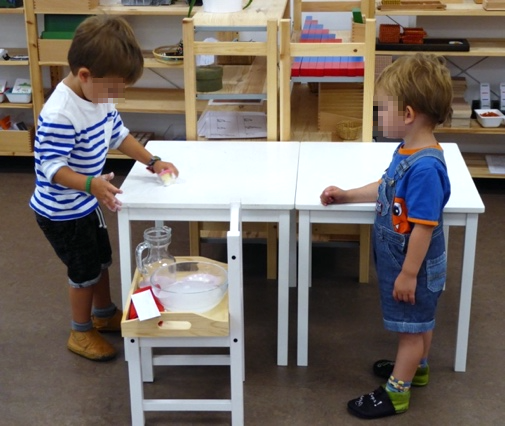
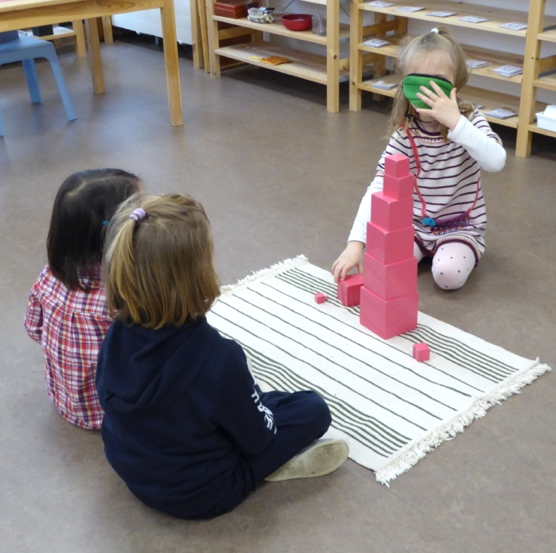
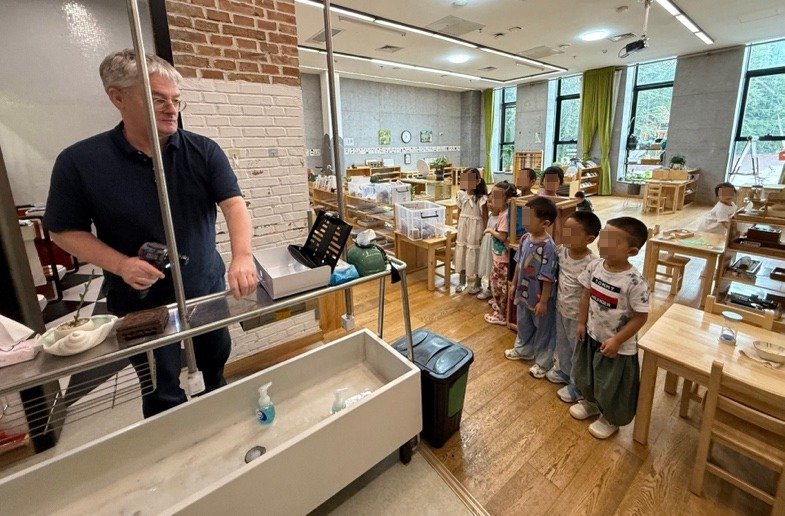
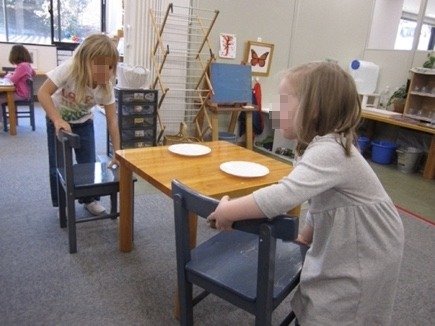
By utilising the child’s powers of observation we take advantage of their innate strengths and wide-ranging interests. In a mixed-age environment, a child sees what another is doing and this unintended modelling tweaks their curiosity, and because freedom of movement is a prerequisite in the philosophy, they roam about the environment and are exposed to a varied and wide-ranging array of stimulating activities., such as Washing a Table or building the Pink Tower with a blindfold.
- Mario Montessori, Education for Human Development. (1976)
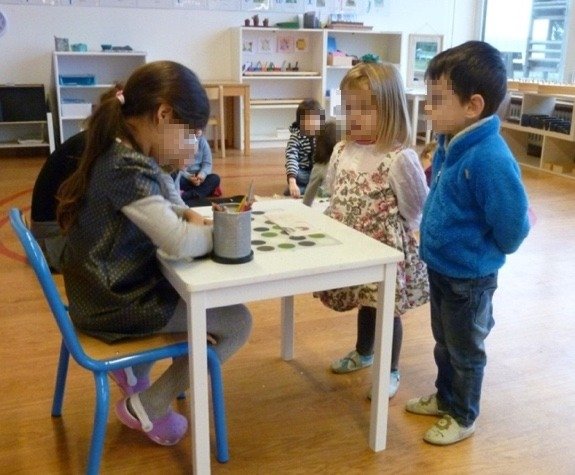
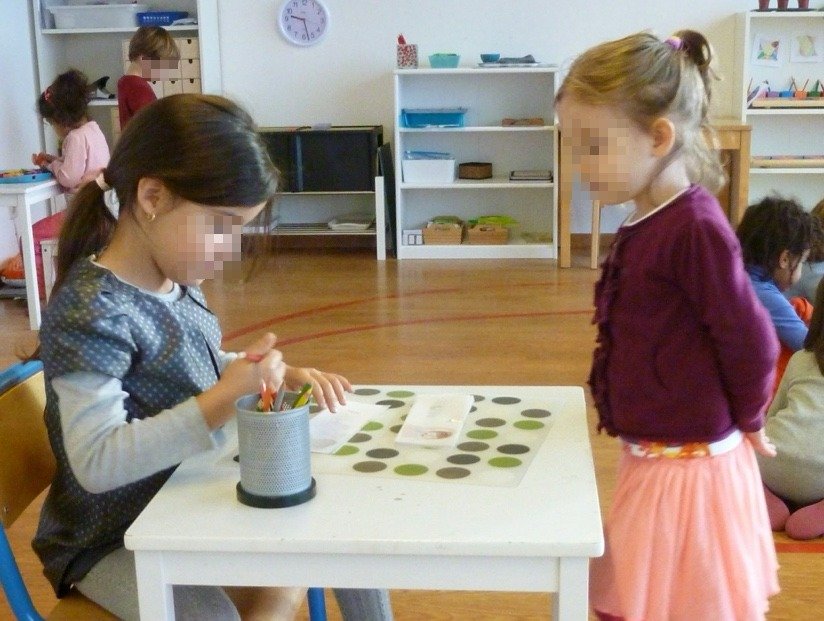
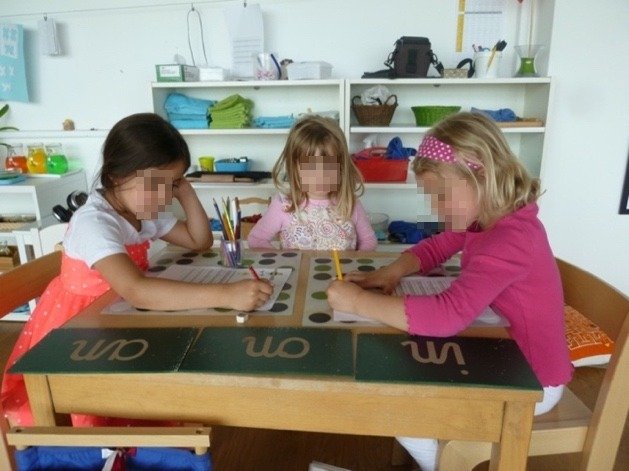
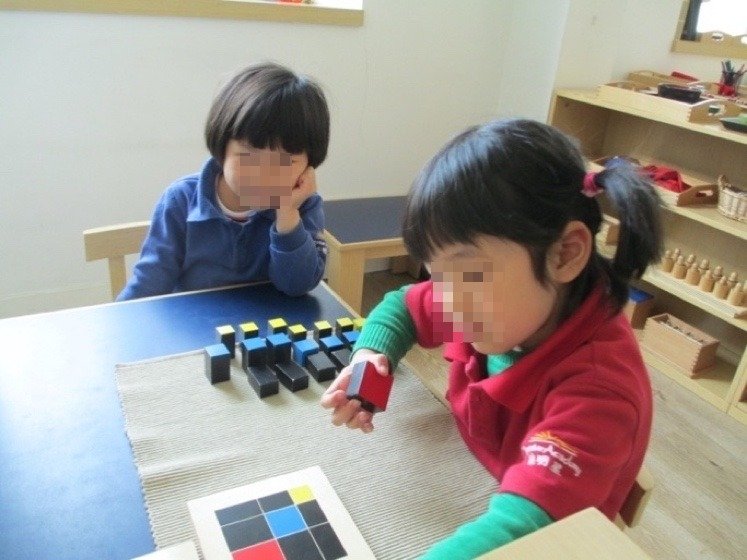
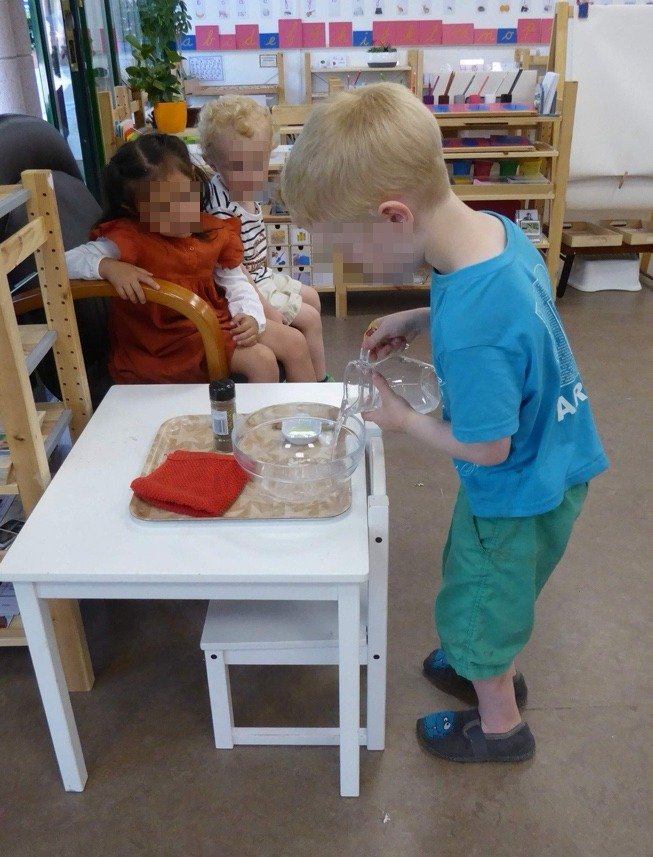
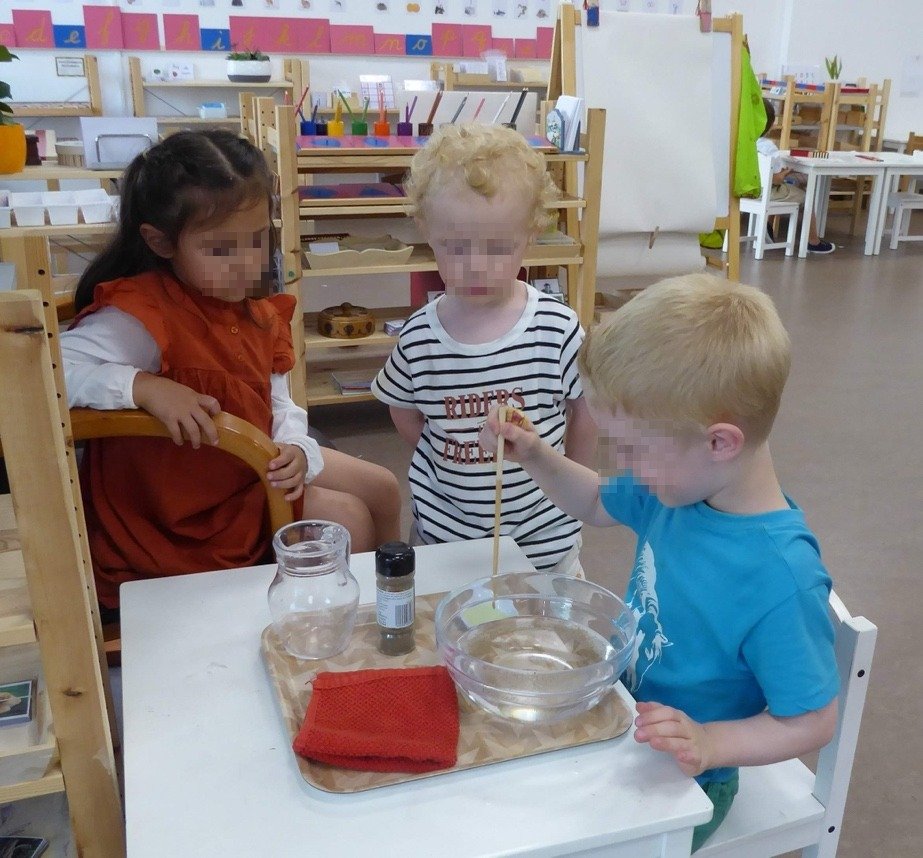
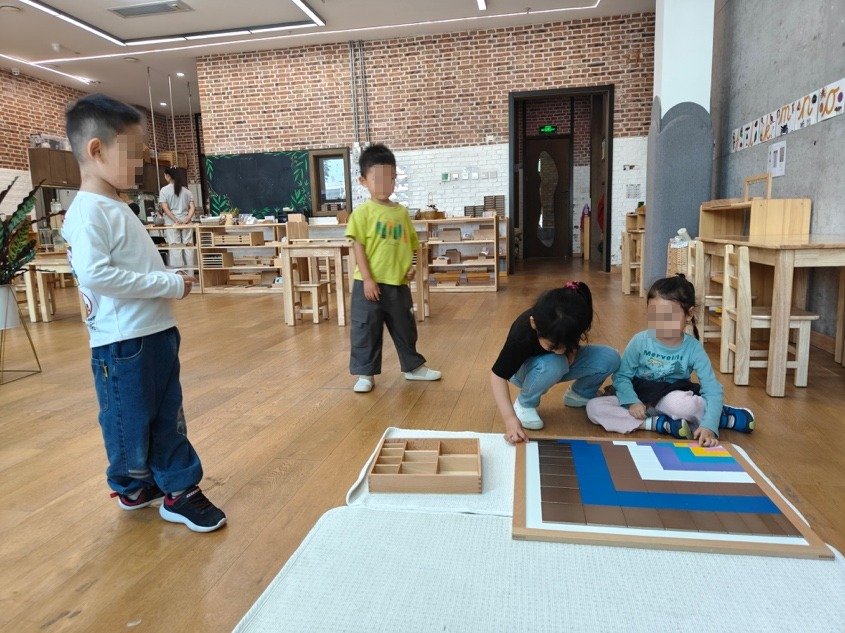
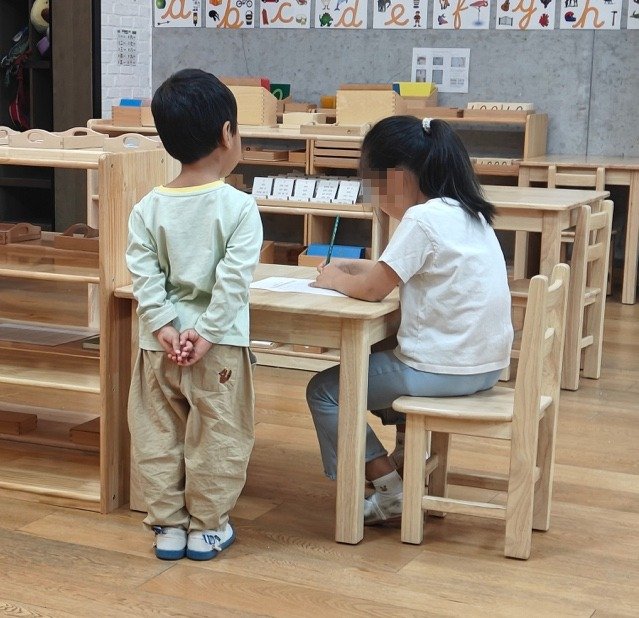
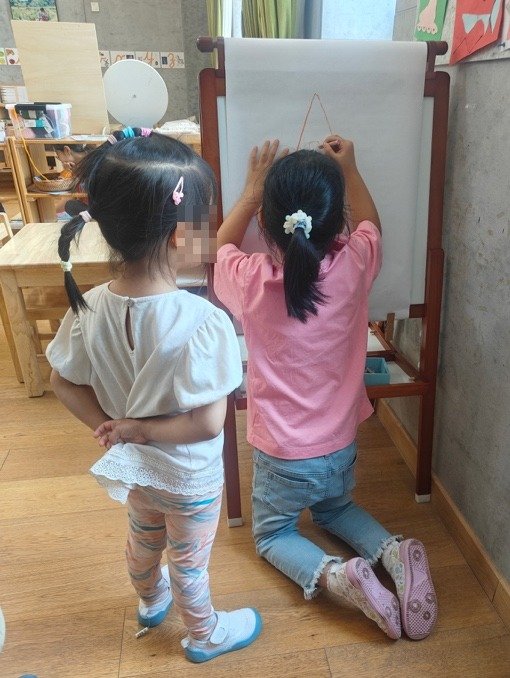
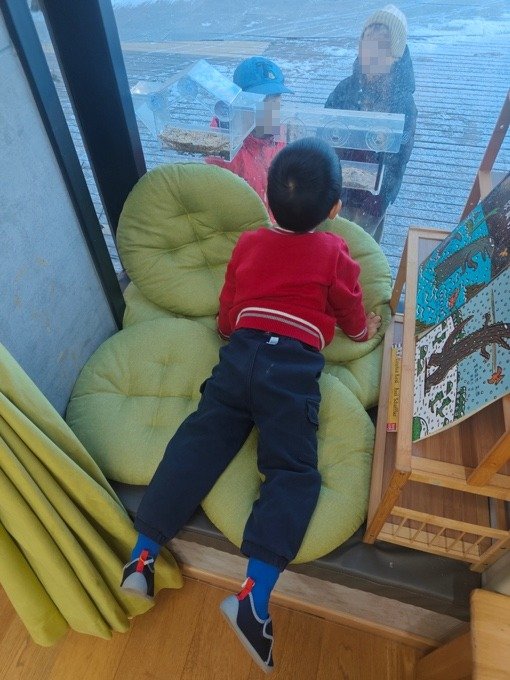
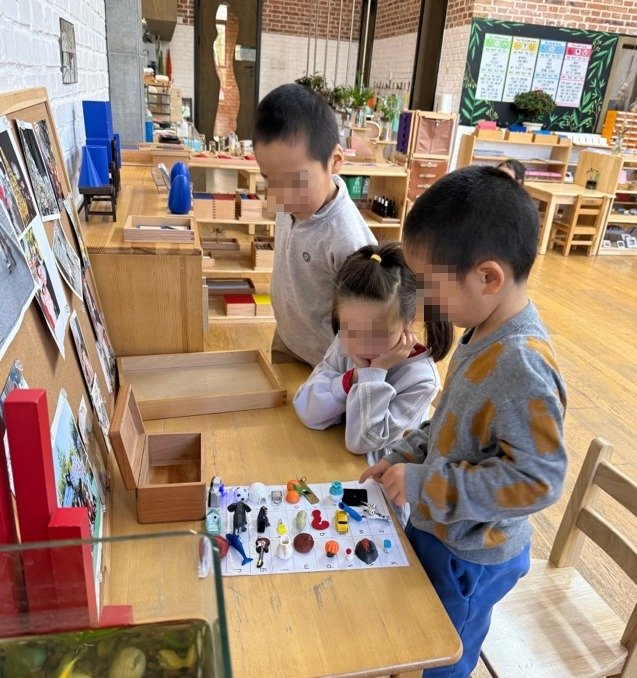
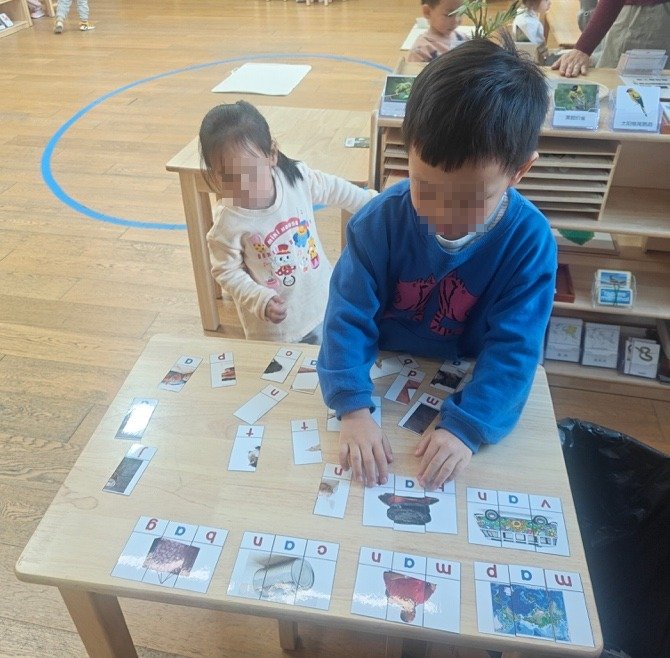
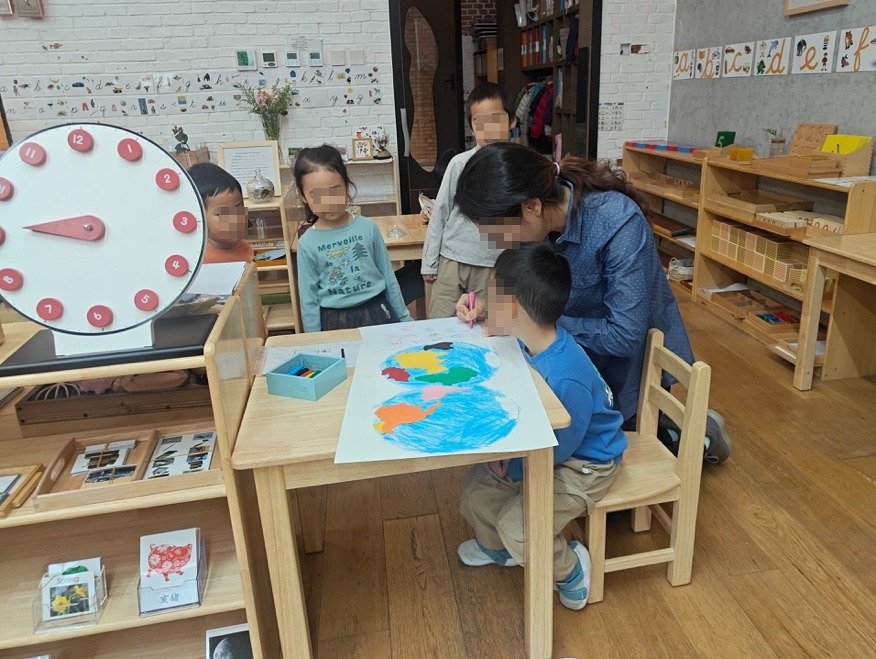
In a Montessori environment, with its wide array of age-appropriate, beautiful and stimulating materials, fascination is everywhere. For many children, it is writing: although a 3-year-old might still be using crayons, the written word is both mysterious and alluring, a kind of miracle, and to observe another child conjuring letters from thin air is proof that one day soon, in the very near future, they too will be indoctrinated into this mystery. But it could be anything really, not just writing: Care of Plants or matching Bells or hanging a shelf are all equally fascinating to children.
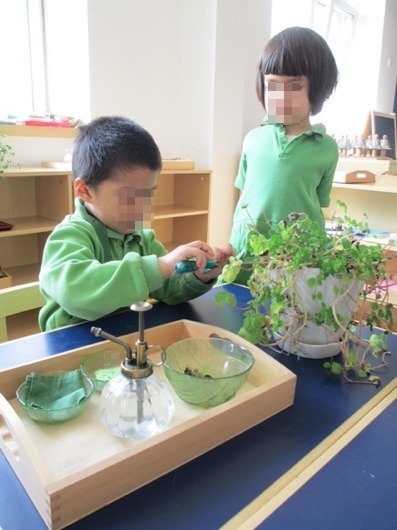
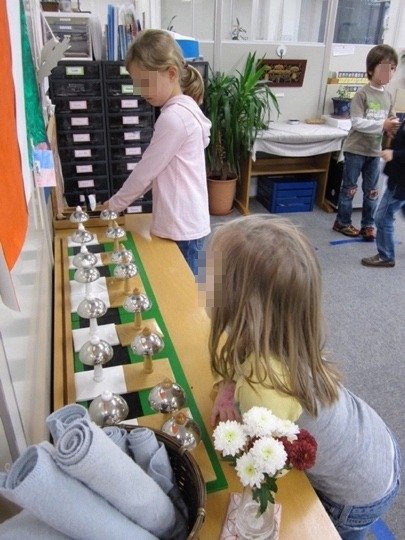
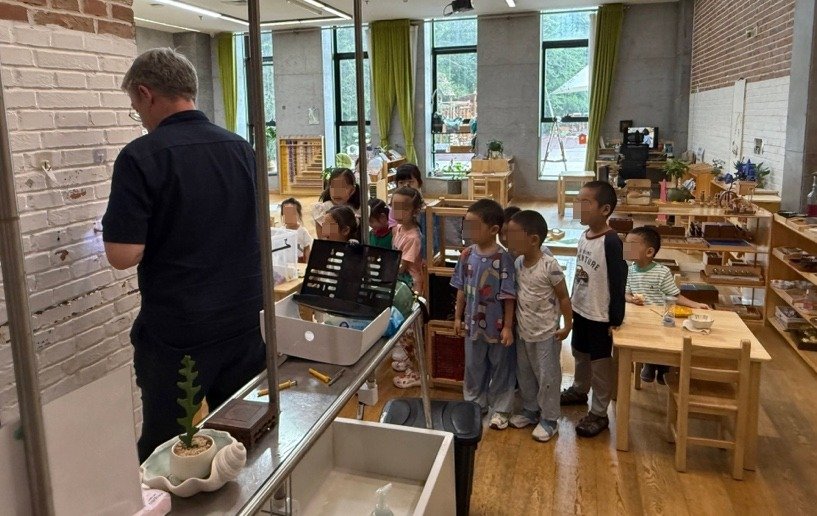
2. Helping, or receiving help.
Another key way children learn is in the simple but foundational act of helping each other, and mixed-age groups provide a wealth of valuable opportunities to develop this skill.
- Maria Montessori, The Absorbent Mind, Pg. 204/5. (1949)
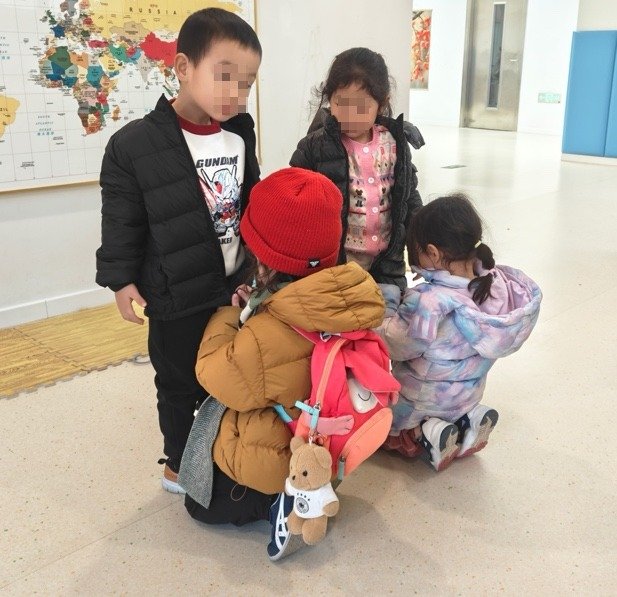
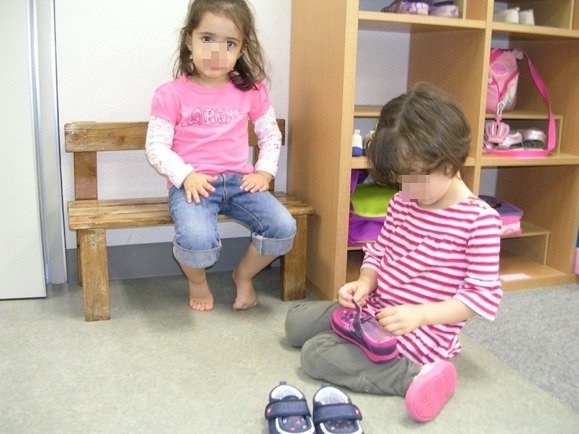
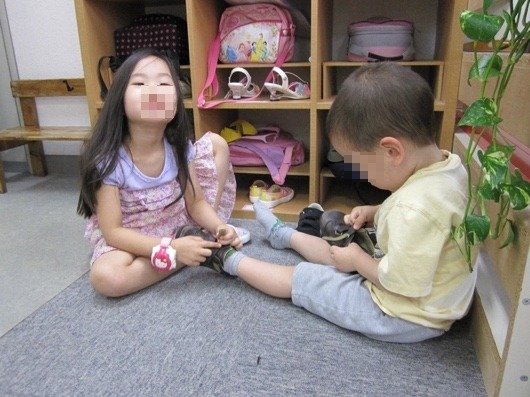
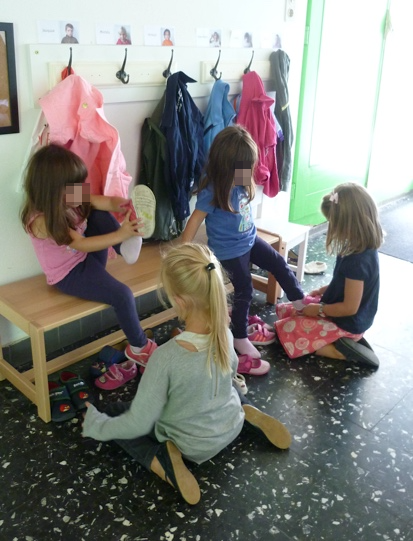
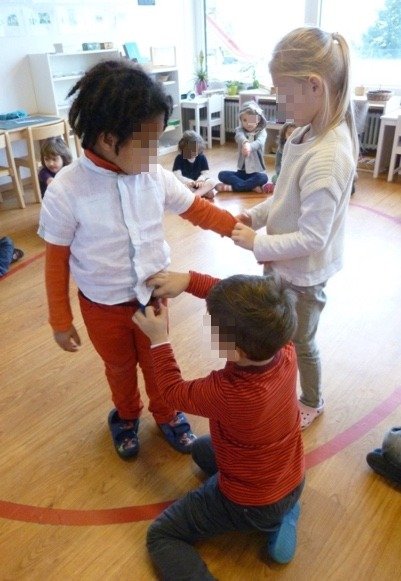
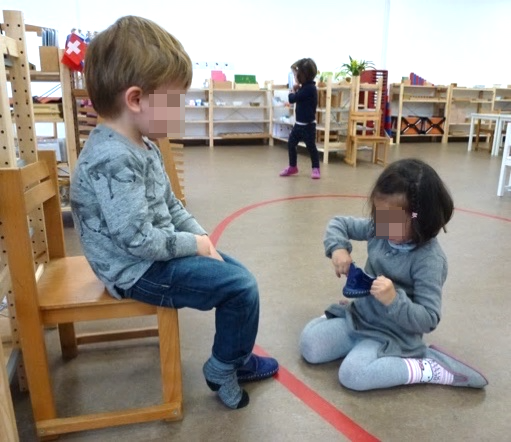
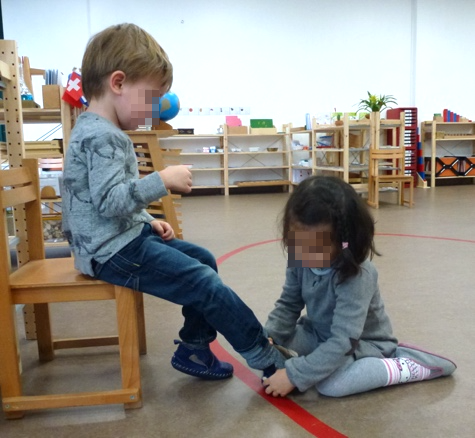
Helping comes in many forms, but at the beginning of the year especially it often takes the form of assisting the younger children with getting dressed or undressed, with taking on or off their outdoor and indoor shoes, with hanging up their coats or buttoning their shirts.
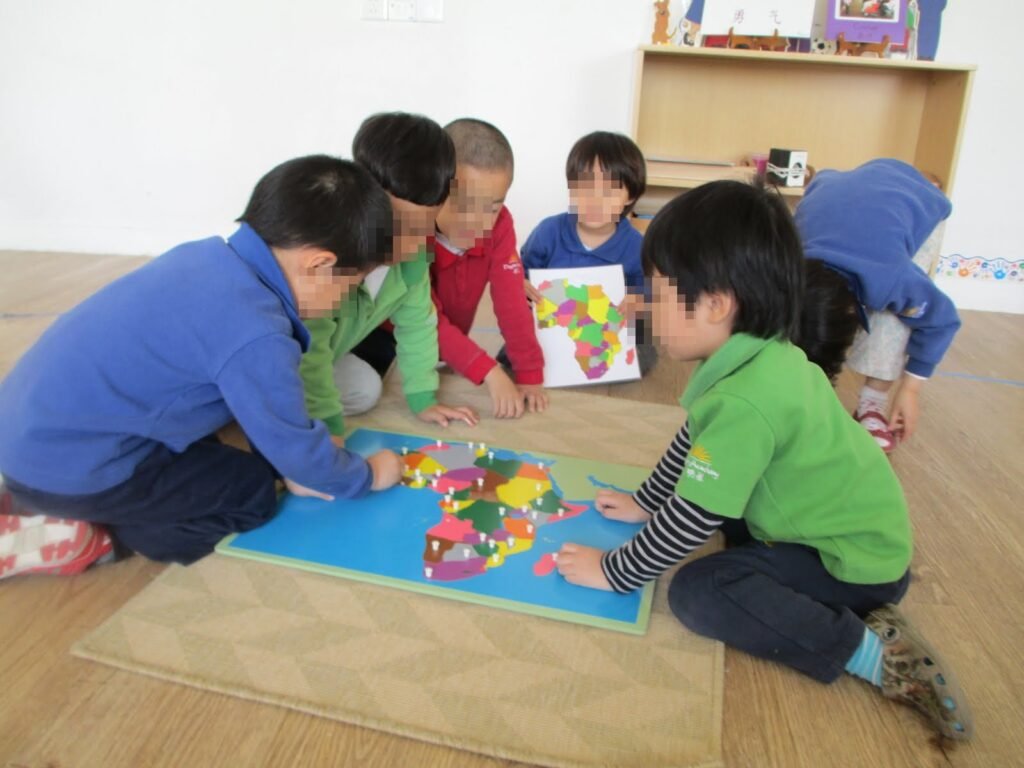
This leads to scenes like the following, in my class in Beijing, where a 3 year old (holding the control map) couldn’t complete the Puzzle Map of Africa (the most challenging of the maps) and five of his classmates immediately rushed to his aid.
In situations like this, the younger child learns through observation but also through imitation, because mimicking the actions and behaviour of other children is a vital skill used by many children.
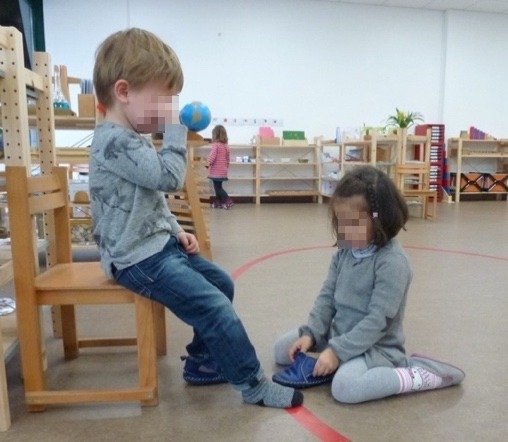
What starts off as the bigger children helping the younger ones quickly develops into all of the different age groups helping each other, because the 3 year olds, having learned by example from the 4 and 5 year olds, develop confidence in their own abilities.
- Mario Montessori, Education for Human Development. (1976)
Imitation is a useful skill for all children to acquire, and such is its efficacy in developing social relations that doctors have developed a play-based behavioral intervention called Reciprocal Imitation Training (RIT), the goal of which is to help children with autism decode the intricacies of social relationships by imitating others’ actions, gestures, and vocalizations. Some of the key components of RIT include:
- Naturalistic: RIT takes place in natural settings and uses the spontaneity of real-life situations.
- Social engagement: RIT focuses on social engagement, turn-taking, and shared enjoyment.
- Positive reinforcement: Imitation efforts are reinforced with positive social interactions, like praise, smiles, and joint attention.
- Gradual complexity: RIT starts with simple actions and gradually increases the complexity.
RIT has been shown to be effective at teaching spontaneous imitation skills and can also help improve other social skills, such as language ability, joint attention, and social reciprocity. RIT is a powerful tool in aiding autistic children, but it is even effectual as a learning tool for enabled children, learning by imitating, learning by doing, the essence of Montessori.
3. Mentoring, or being mentored.
Another benefit of mixed-age groups is the opportunity they provide for the older children to serve as role models and to mentor the younger ones.
Mentor – verb – advise or train (someone, especially someone younger).
- Maria Montessori, The Discovery of the Child, Pg. 303.
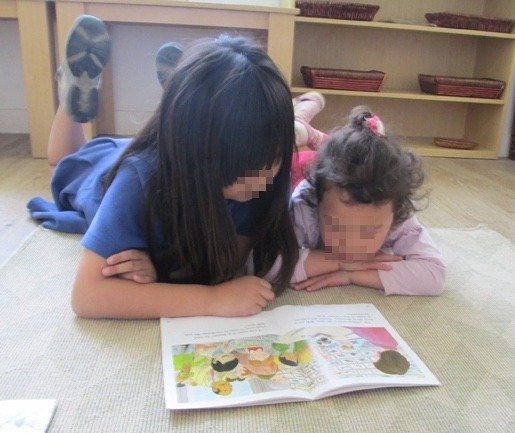
These situations also permit the younger child to see what is possible in a few short years, with little or no expectations of them beyond listening or laughing, or both.
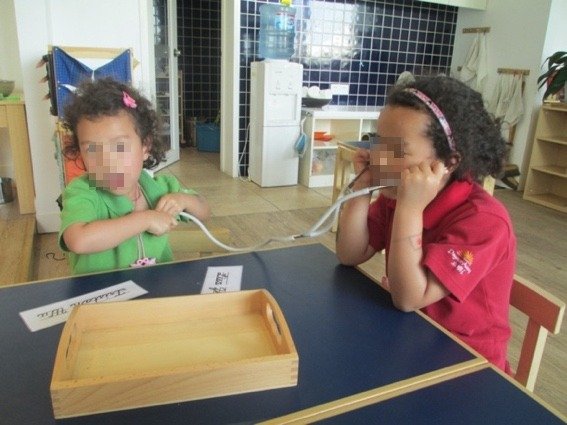
- Lev Vygotsky.
Listening to, interacting and communicating with older children inevitably exposes younger children to richer and more complex vocabulary and has been proven to have tangible benefits :
“Even four-year-olds spontaneously change the way they speak to suit the age of the listener. They change the length of the sentence, the tone, and the words they use. Studies of cognitive development suggest that cognitive conflict arises when interacting children are at different levels of understanding, regardless of their ages. If two children are working on a task that one understands well and another does not, the latter is likely to learn from the former if he or she understands the task very well, and if they argue. Only if one understands something very well can explanations be varied during argument. “
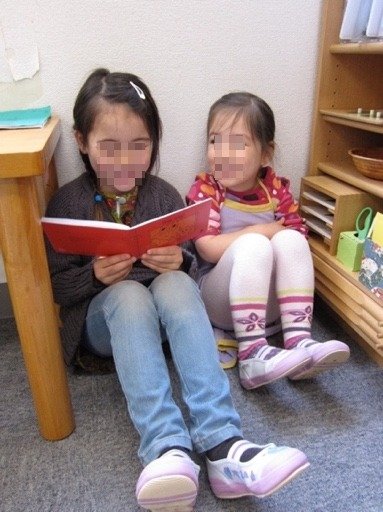
These two girls started school at 3 years of age, speaking not a word of English; two years later they were fluent and had progressed to reading ‘Bob Books. After lunch one day they offered to come read for the 3-year-olds (just before nap time), which turned into a beautiful tradition in our class.
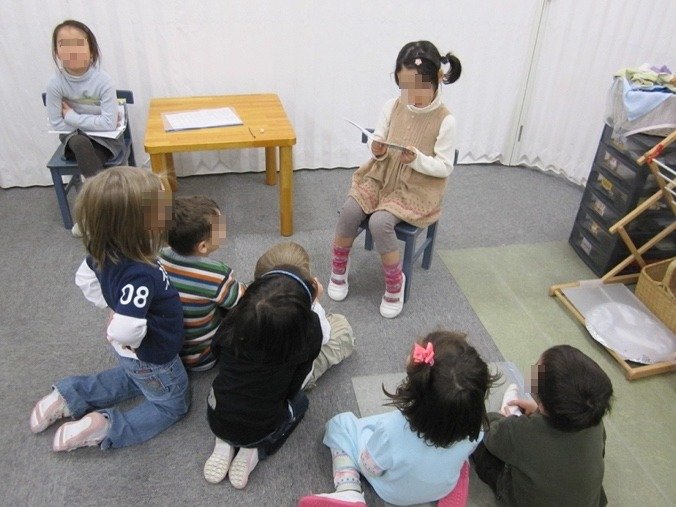
“Envy is unknown to little children. They are not abashed by an older child knowing more than they do, for they sense that when they are bigger their turn will come. There is love and admiration on both sides; a true brotherhood. In the old type of school the brighter children became conceited and dominated the others, whereas in our schools the five year old feels himself a protector of the younger one. It is hard to believe how deep this atmosphere of protection of admiration becomes in practice. The class gets to be a group cemented by affection.”
- Maria Montessori, The Absorbent Mind, Pg. 204/5. (1949)
4. Collaborating.
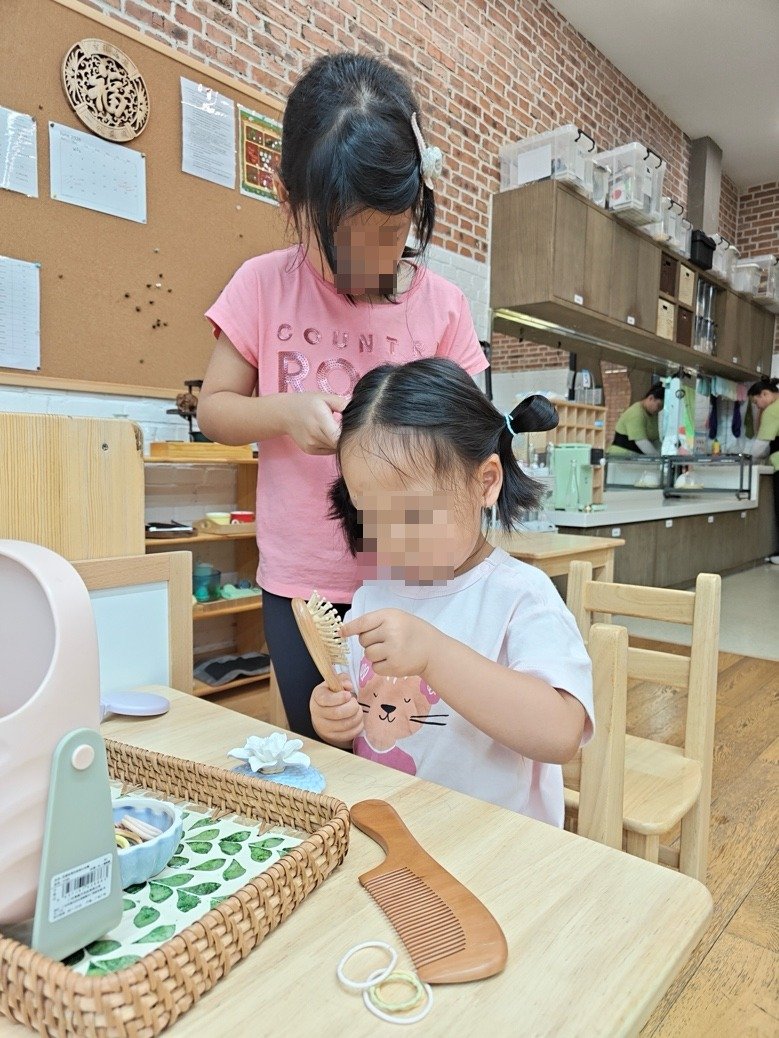
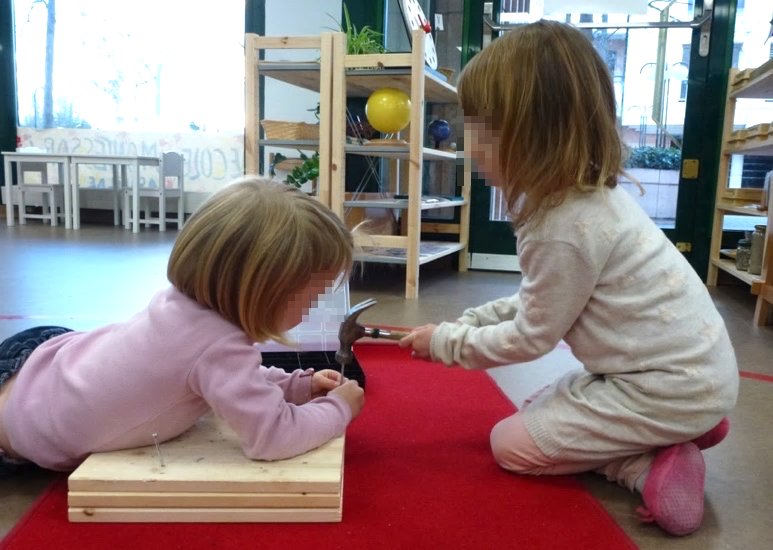
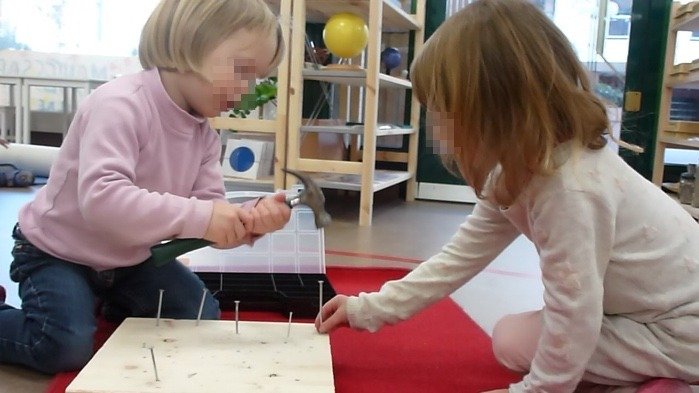
In a mixed-age environment that next stage in a child’s development is working with others. According to Montessori’s theory of the Planes of Development, children start becoming social around age 6, but it’s been my experience -in very different countries with very different cultures- that if the conditions are in place, within a few months of arriving in the class, almost all 3-year-olds will tentatively start to engage with the other children. This process begins with collaboration. The 3-year-old has observed a lot and benefitted from the assistance provided by their older classmates, and now they are now ready to take a more active role in their activities, to accept a share of responsibility, to participate and contribute. Where once they sat and allowed an older child to brush their hair, now they want to be the one doing the brushing.
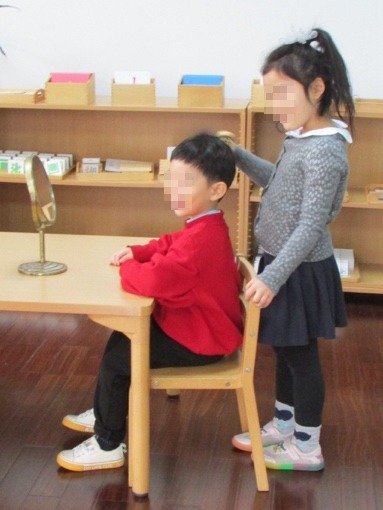
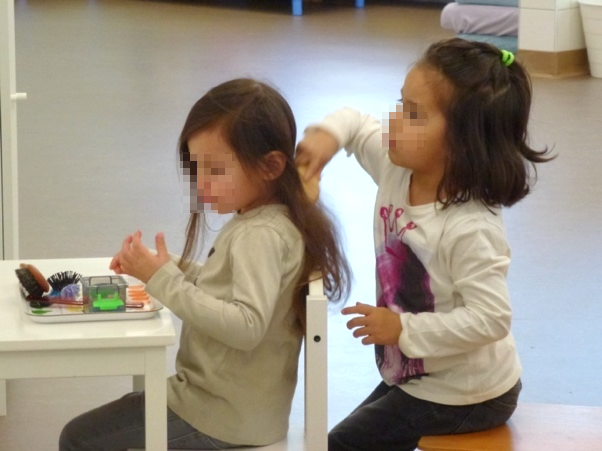
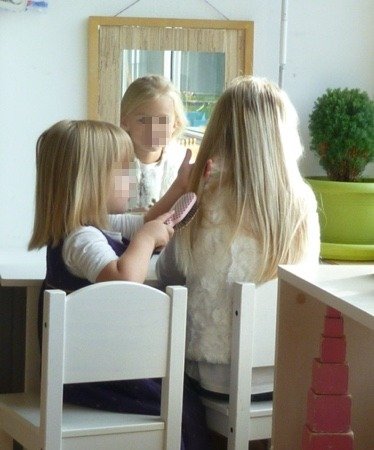
No longer satisfied with holding the nail, now they want to be the one wielding the hammer. Or the saw.
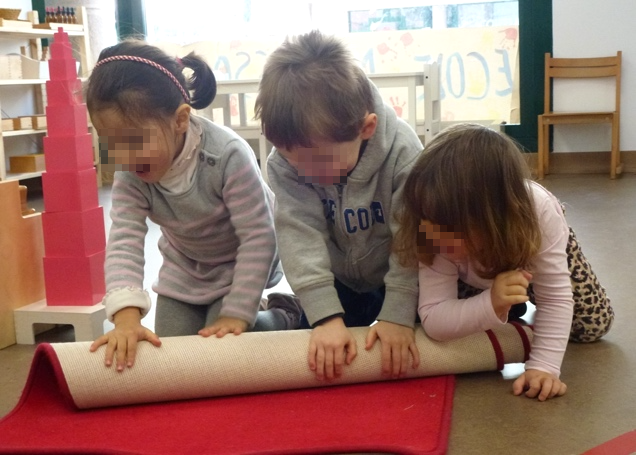
And where during their first weeks in the class children have to be reminded to roll their mat and return it to the basket, an interesting change occurs in just a few months: those same children demand that they be allowed to roll the mat, refusing to let anyone do it for them. They willingly accept their responsibility; in fact they insist upon it, even if there’s only space to use an elbow.
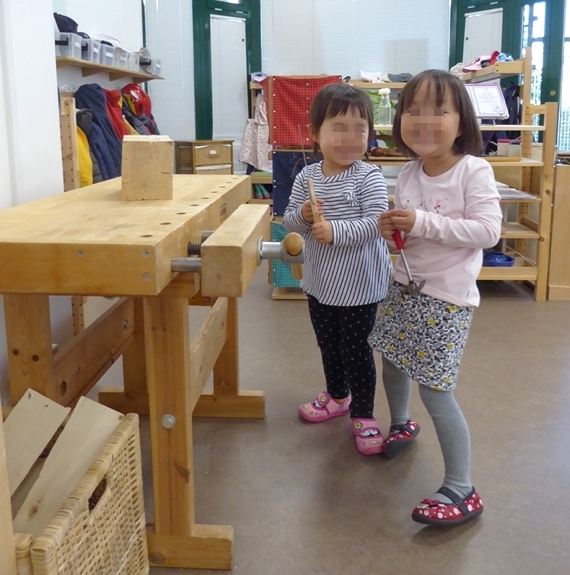
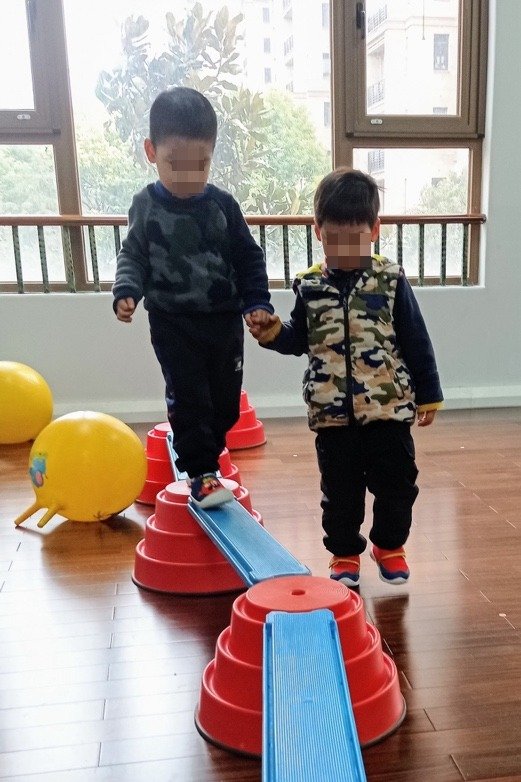
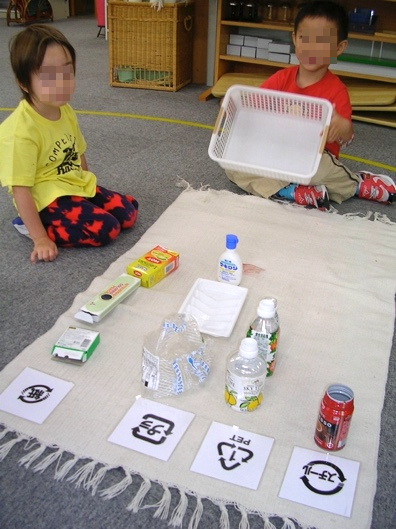
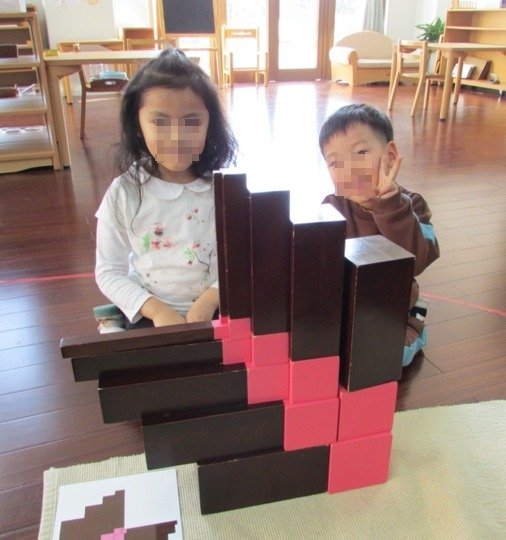
As they become more active and start to assert their individuality, the younger children now have the opportunity to participate in complex activities, ones which they could not have initiated themselves, but which are possible with the guidance and mentorship of an older child. The 5-year-old serves as leader of the pair, and their scaffolding provides sufficient support to enable the 3-year-old to attempt to complete activities that would be quite challenging if attempted on their own.
- Maria Montessori, The Discovery of the Child, Pg. 329. (1948)
A child who has experienced this kind of collaboration from their first year will be at ease when they progress in their second year onto activities such as addition with Decimal Beads, which require the ability to work together, negotiate and collaborate in order to achieve a complex goal.
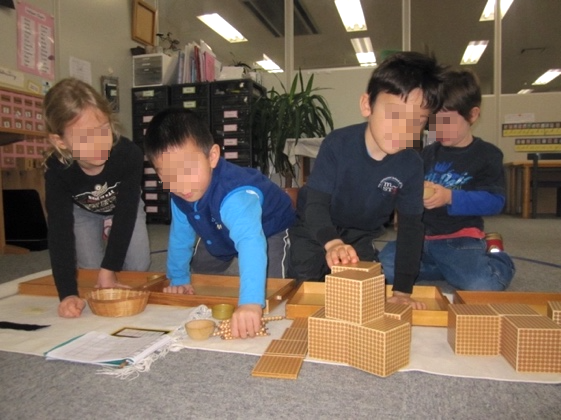
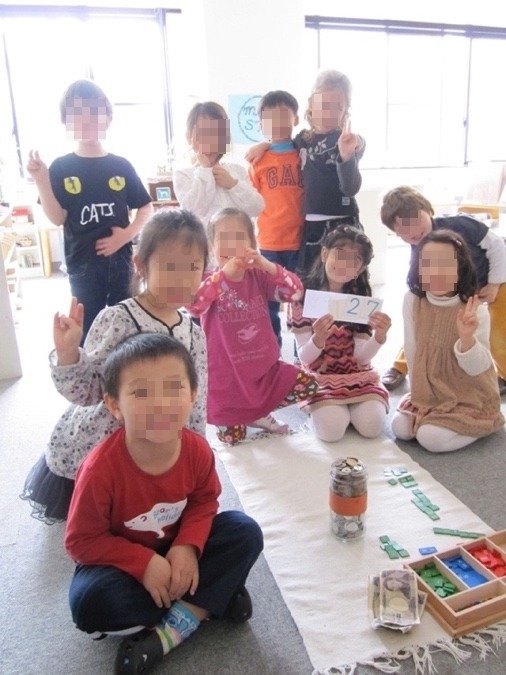
This was my class in Tokyo, during one of the charitable fundraising events that the school held throughout the year. This group of children ranged from age 4 to 6, and had just counted all of the money (coins and notes) they’d raised.
They’d used The Stamp Game to count each of the categories (units, tens, hundreds and thousands), converting them to the higher category as needed, then used the Large Number Cards to record the total.
Their grasp of mathematics was admirable, but more impressive was their ability to cooperate, collaborate and come together to create an effective the team.
In a mixed-ages classroom, after collaboration the inevitable next stage is …
5. Teaching, or being taught.
The first Montessori school had more than 50 children, which is remarkable, in a room of less than 100m2, but Maria Montessori later suggested:
- Montessori, ‘The Child, Society and the World’. (1989)

When I did my AMI Montessori 3-6 training, by far the largest percentage of time was taken up in making albums of presentations in the areas of Practical Life, Sensorial, Culture, Language and Mathematics. These form the basis of the Montessori curriculum, which contains upwards of 1000 individual presentations, exercises, games and extensions. This number doesn’t include presentations that don’t appear in the albums, in areas such as history, geography, art, music and movement, science, botany and zoology. It also excludes many inevitable repeat presentations, for example how to hold a pencil/scissors, how to clean/mop a spill (beans, grains, water, etc), how to ask/wait, etc, or preliminary tasks such as pulling and sitting on a chair. Multiply 1000+ presentations by 25 (the standard number of children in many classes) and even with two or three adults doing the presenting, the adult/child ratio makes the odds of presenting all of those lessons very long indeed.
If you have 5 or 10 or 15 little teachers however: well, that makes all the difference, to the curriculum and the life of the class. This peer-to-peer teaching is a hallmark of the Montessori approach, and is effective because,
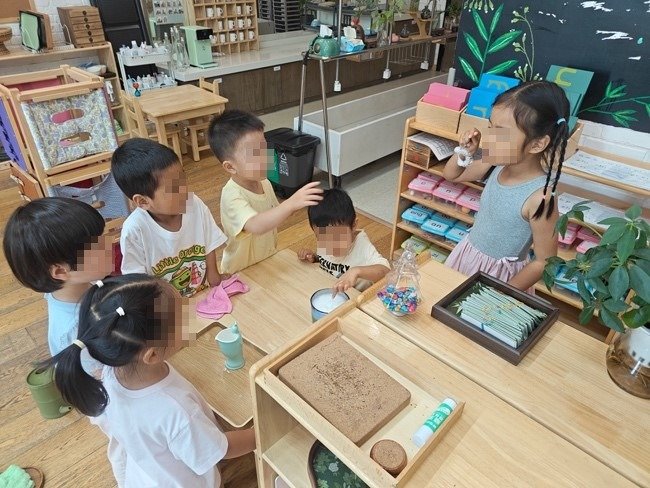
- Maria Montessori, ‘The Absorbent Mind’, Pg. 226. (1949)
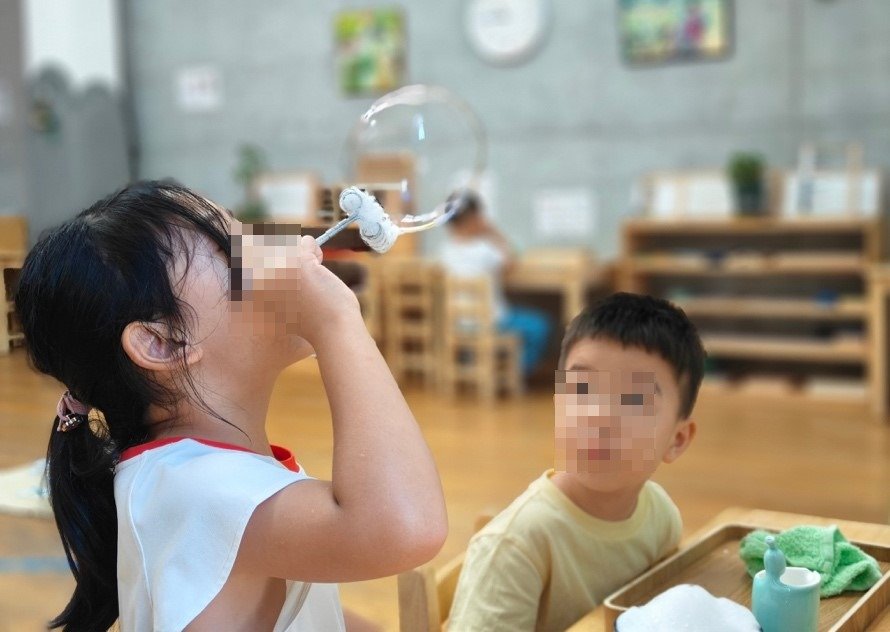
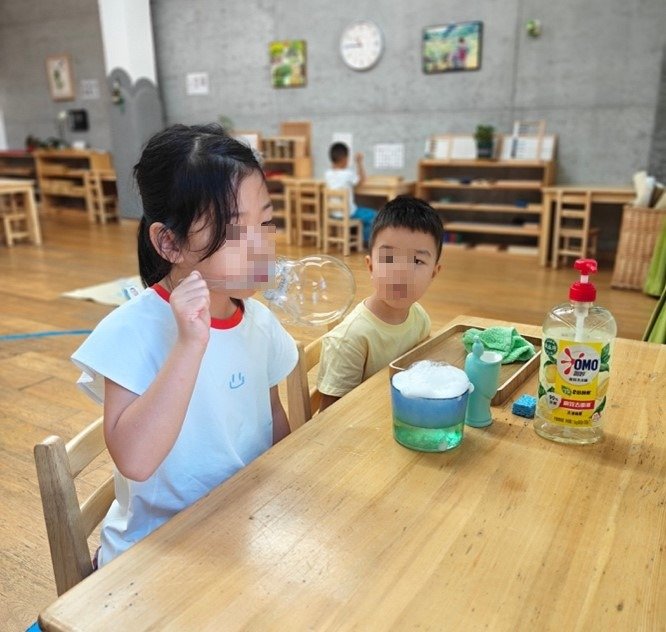
The children begin by teaching the Practical Life exercises and once they’ve gained some experience in the mechanics of presenting elementary materials, they progress to the more complex Sensorial materials.
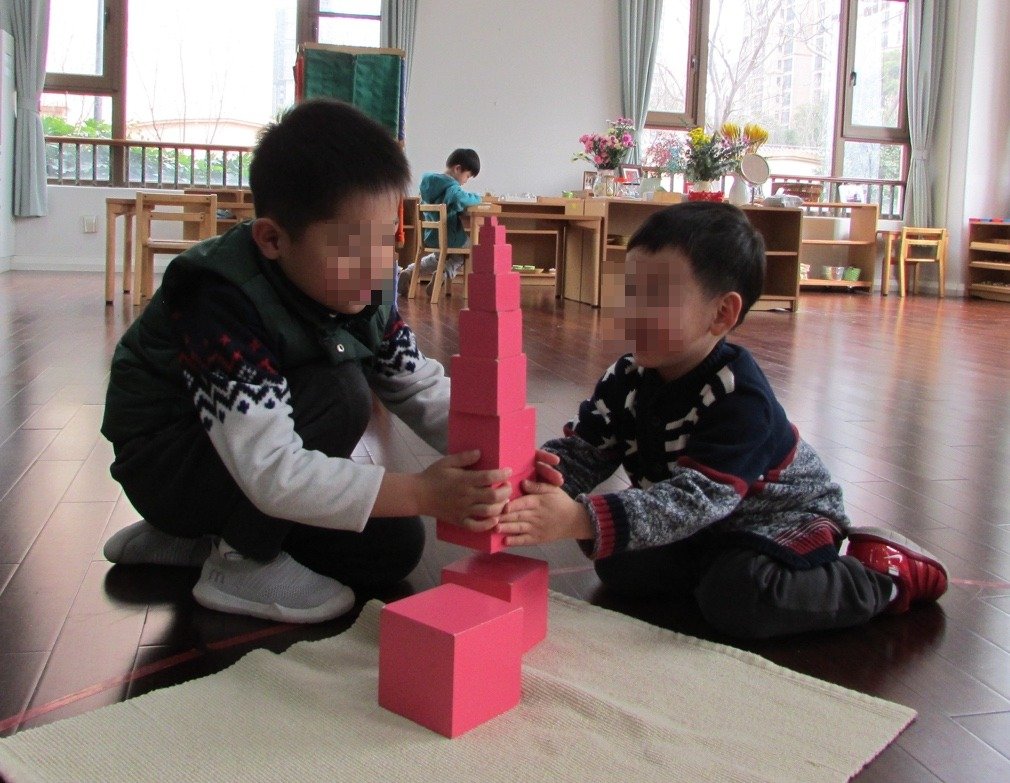
I’ve seen many 3-year-olds applaud, like one of these twins did when her 5-year-old classmate taught her how to build the Pink Tower with the Brown Stairs.
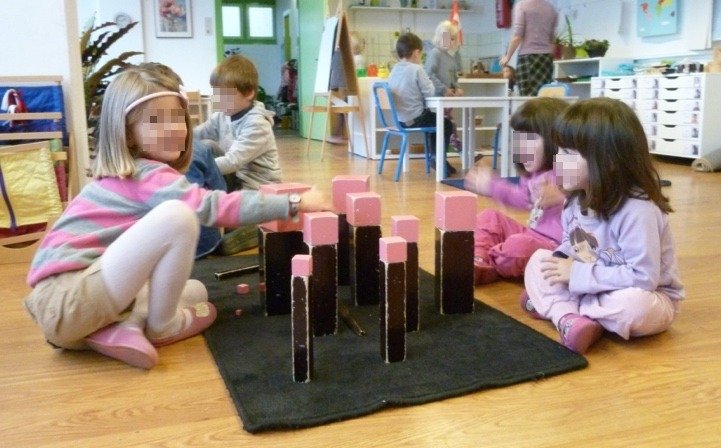
The connection between student and teacher was immediate and her reaction came from the heart, because:
Maria Montessori, ‘The Absorbent Mind’, Pg. 206. (1949)
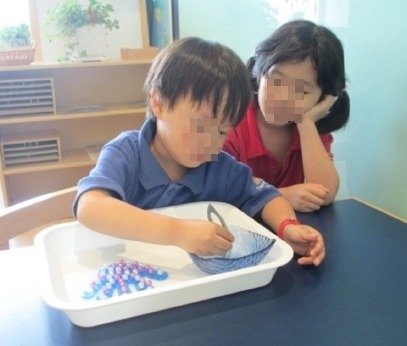
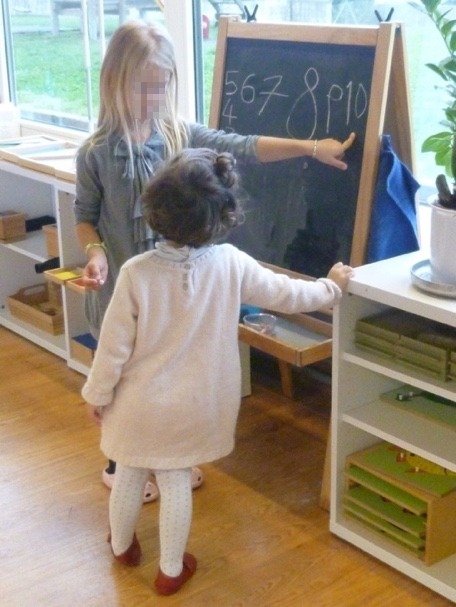
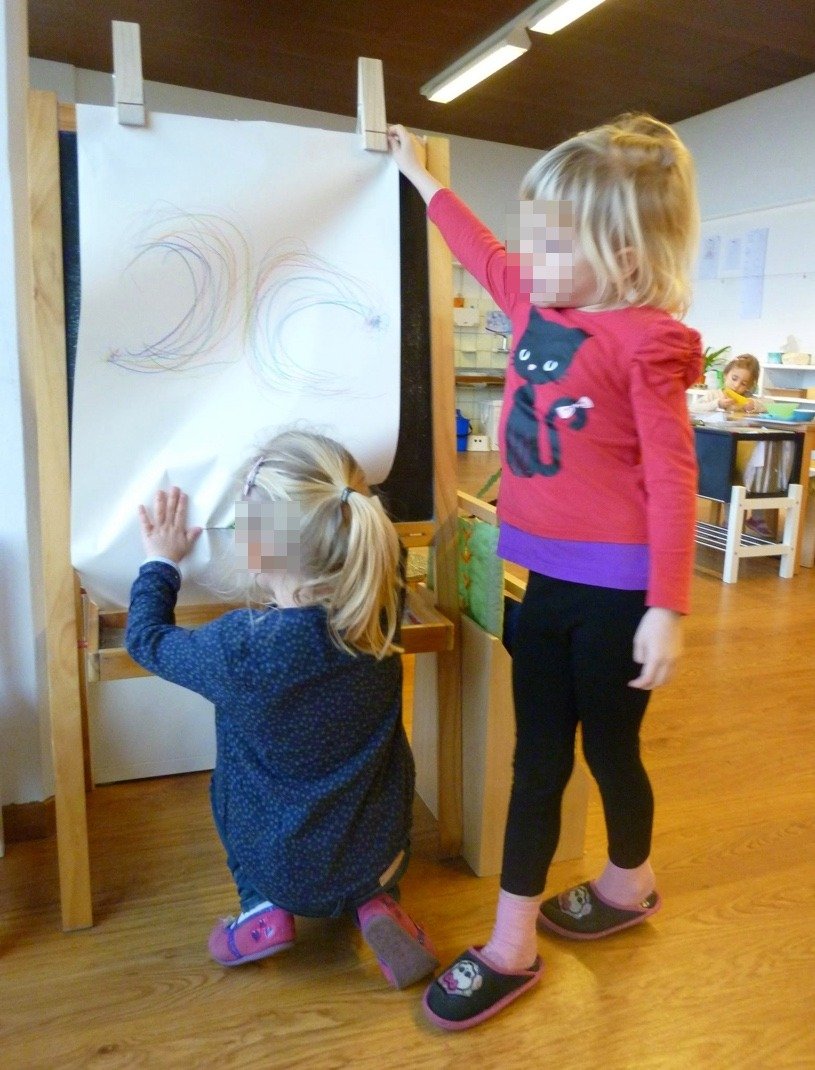
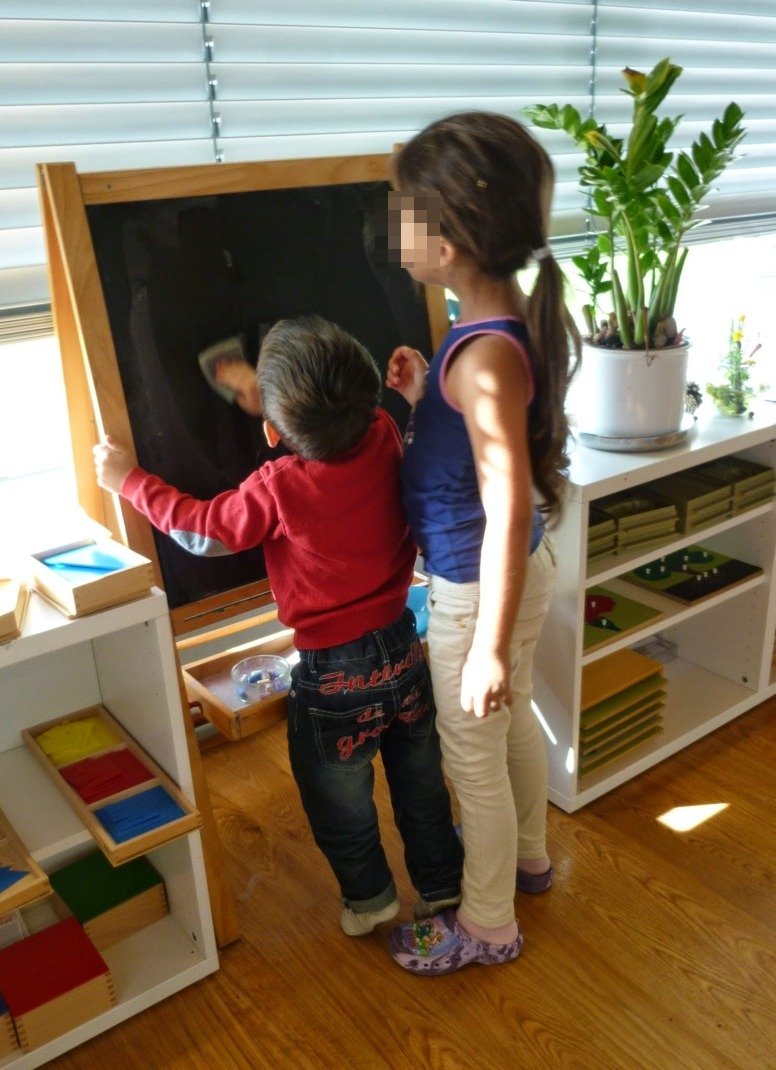
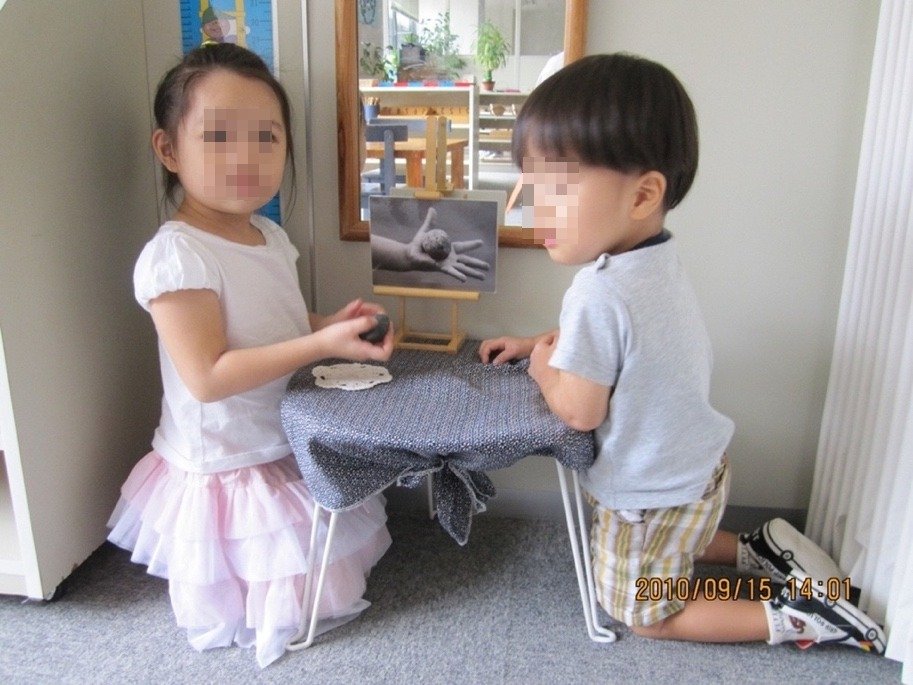
The heroes and teachers are able to give relatively simply and more complex presentations, even when using the same material, for example the easel: the girl on the left is demonstrating how to clean the easel, and the one on the right is demonstrating how to write letters.
In past years, when I put a new exercise of Practical Life on the shelf, I used to present it to all of the 3-year-olds, which meant anywhere from 6 or 7 or 8 or 9 or 10 individual presentations. Eventually, I figured out that if I presented it to an older child, not only would that child very quickly grasp the steps of the presentation, but they were also often highly motivated to present the exercise to their younger classmates. Learning and teaching are two sides of the same coin, a truth perfectly illustrated by the way the same child can be a student one day and a teacher the next.

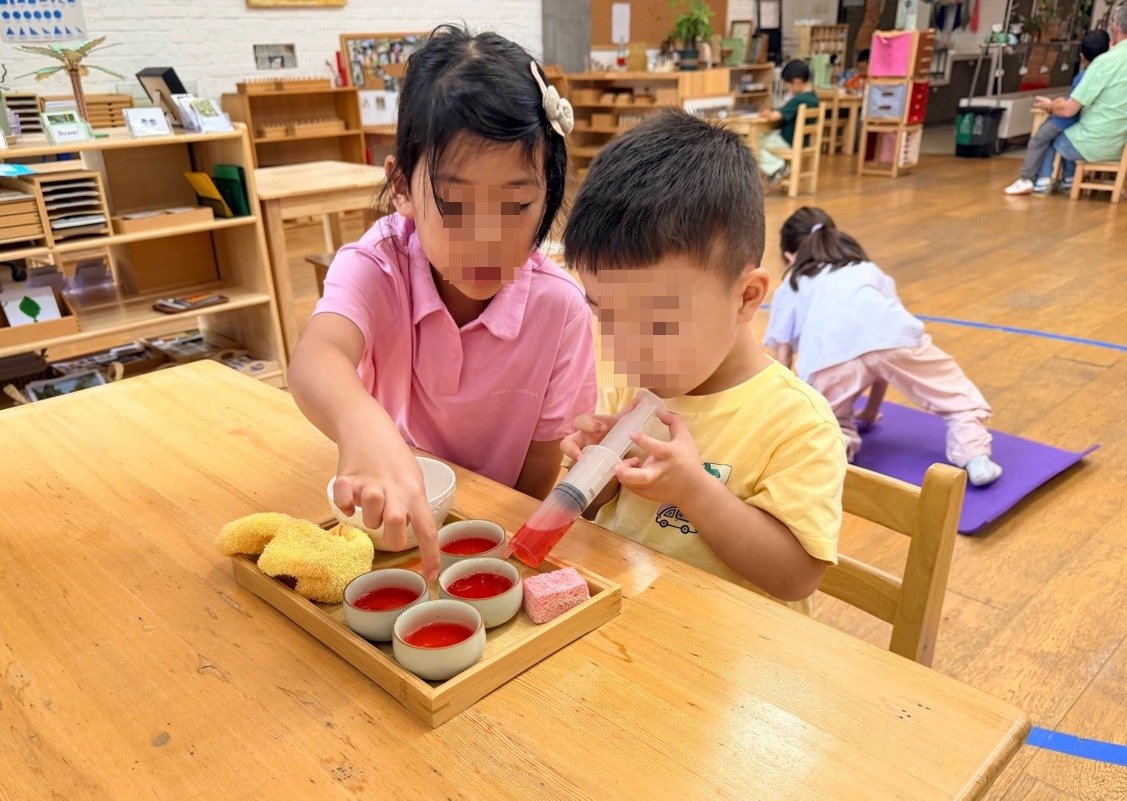
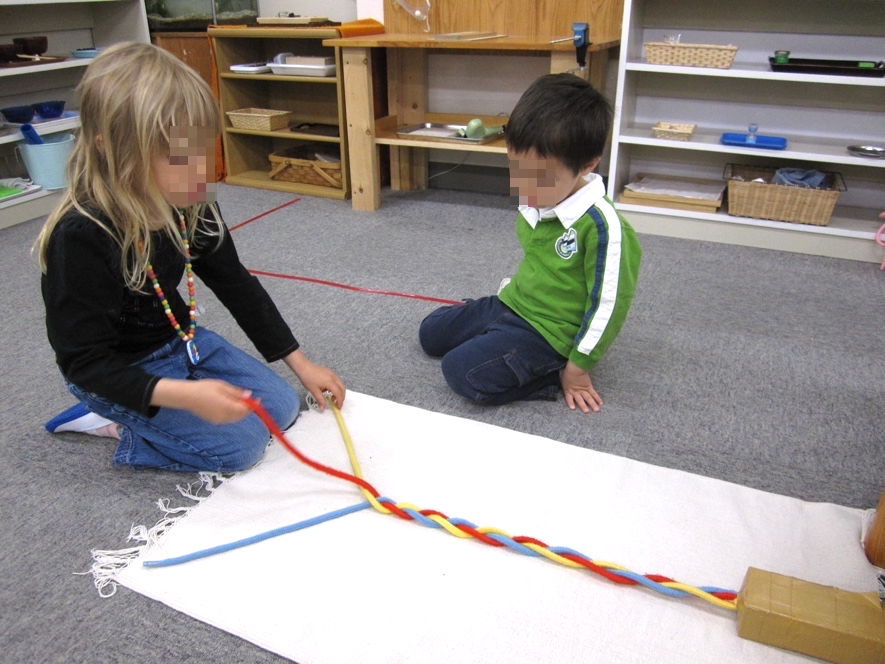
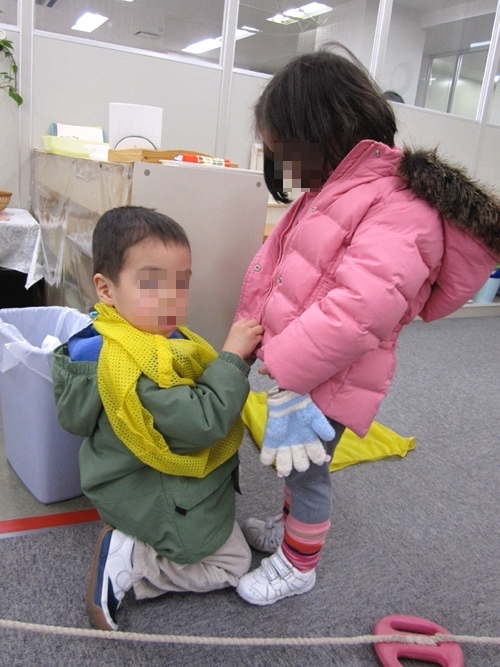
I’ve spent my entire career working in bilingual environments, and it can be challenging when a new child enters the class and doesn’t speak the main language (French, English, Chinese…). In this situation, having an older child who can communicate with them in their native language and present the materials is another huge advantage or mixed-age groups.
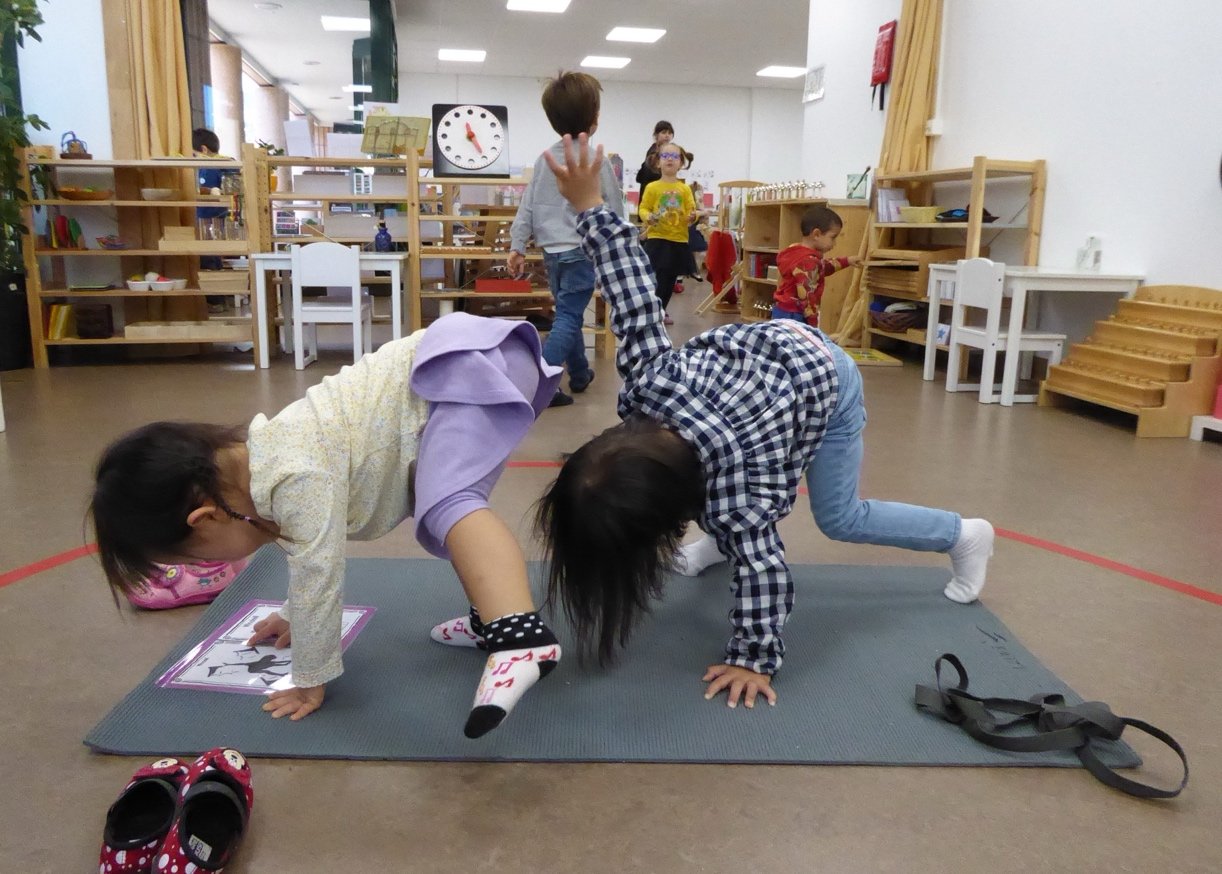
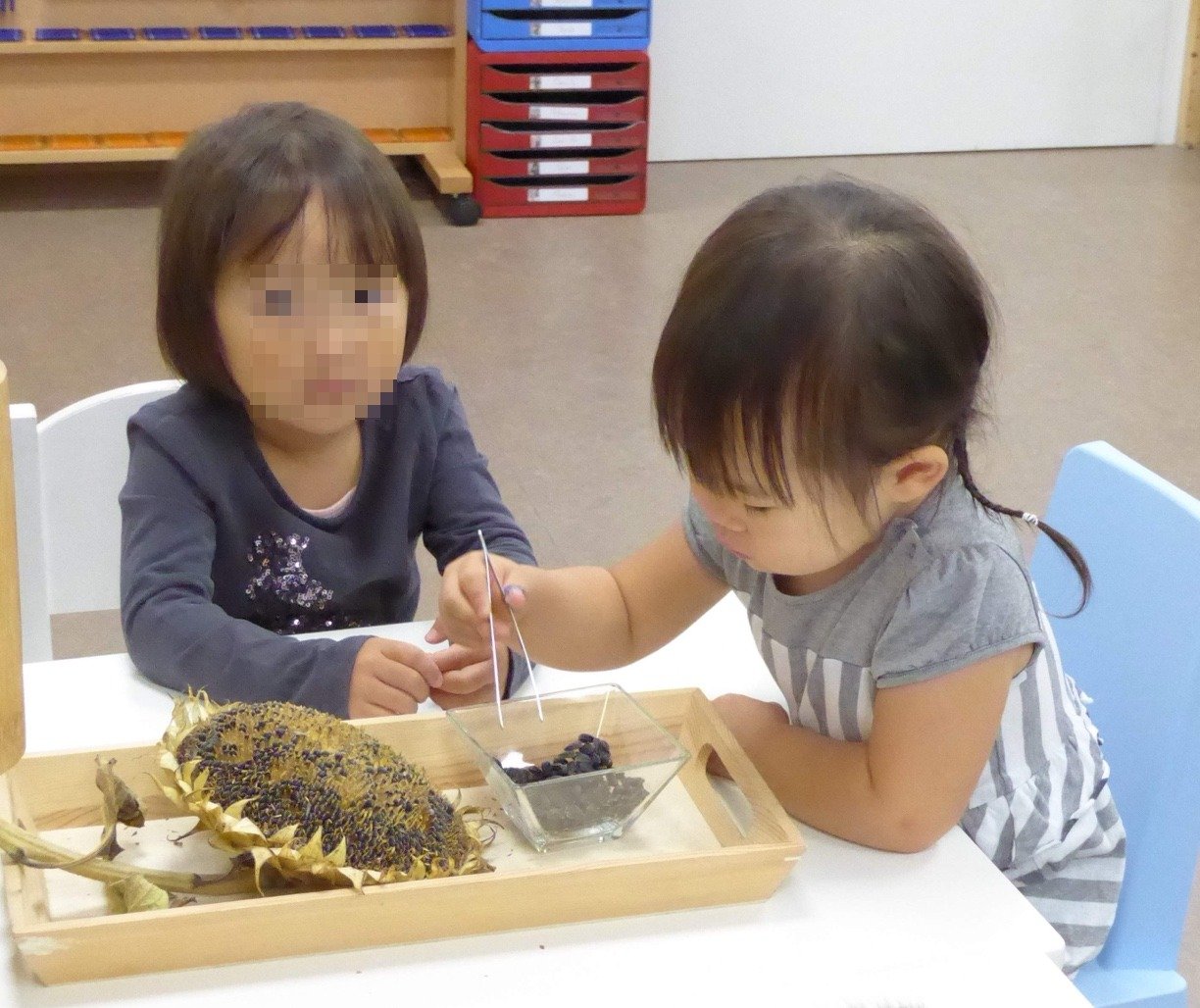
Social Development
The first Montessori school had more than 50 children, which is remarkable, in a room of less than 100m2, but Maria Montessori later suggested:
[From Lectures in London (1927) and India (1940 and 1943) ]
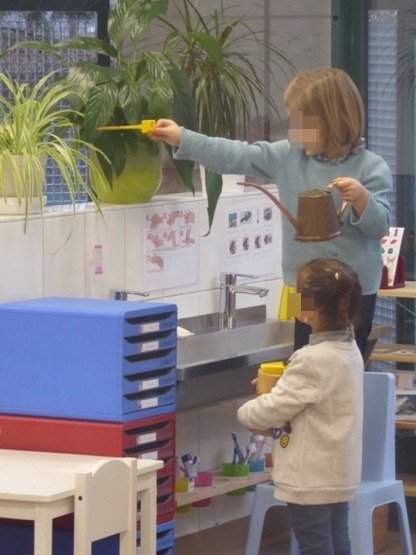
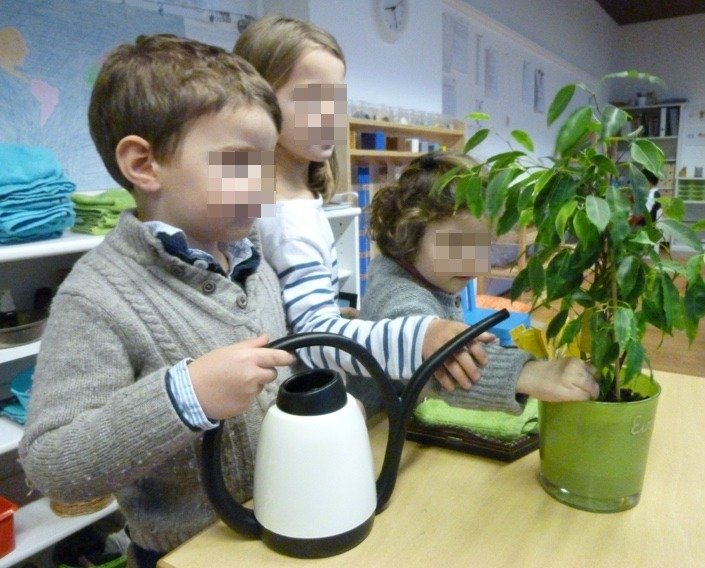
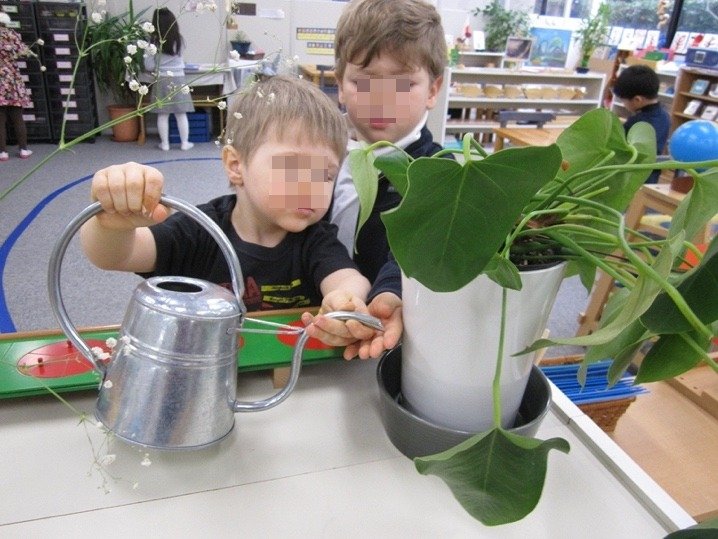
A Montessori class is a House of Children, and it is the children who must maintain the space. This necessitates cleaning the materials, dusting the shelves, keeping the materials clean and in order, and a hundred other tasks, each a moment ripe for teaching and learning. These lessons connect the child with their environment, the first stage in developing those social bonds that are so important in nurturing a sense of belonging. They are gently nudged towards this sense of responsibility by their older classmates, who guide and assist them in activities such as Watering the Plants.
- Maria Montessori, The Absorbent Mind, p.204/5. (1949)
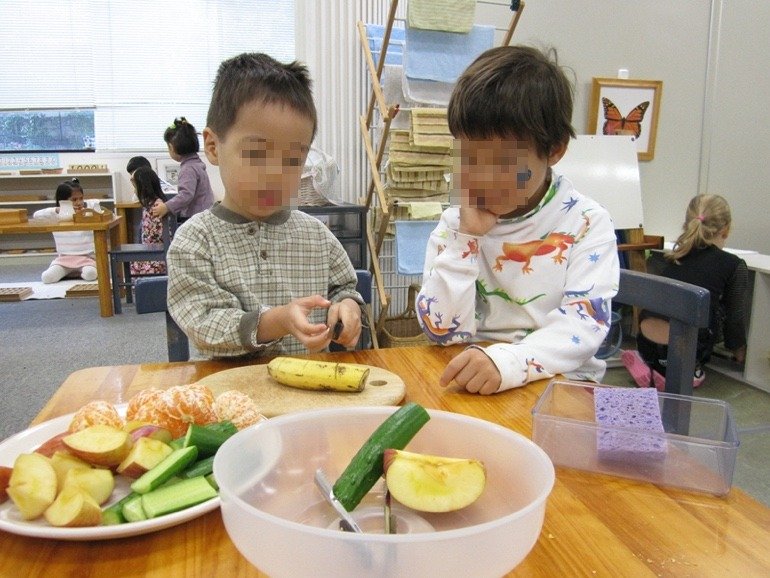
The children are also expected to prepare their own snack: they’re the ones who eat it, so they’re the ones who make it.
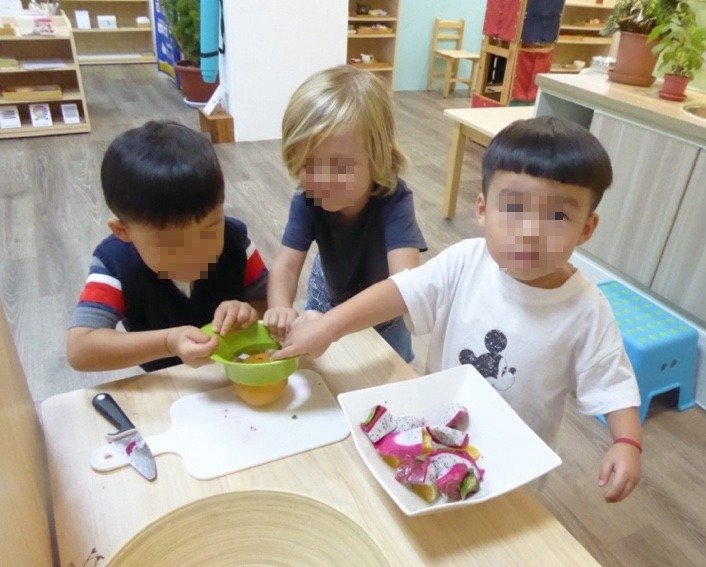
By providing the opportunity to help each other learn, mixed-age groups assist children in assimilating into the class and into society. The older children nurture, guide and support the younger children, who learn not just the lesson at hand, but more importantly the importance of empathy, cooperation, and having care and concern for others. Montessori referred to this as ‘Cohesion in the Social Unit’ and it is what enables the children to live together in harmony. The adult only provides the Peace Table, but it is the children who resolve their conflicts amongst themselves.
- Montessori, Dr. Montessori’s Own Handbook, Pg. 59. (1914)
In response to the suggestion that it is unfair on the older child, who must spend time teaching the younger ones, Montessori responded:
- Maria Montessori, The Absorbent Mind, p. 227. (1949)
- Maria Montessori, The Child, Society, and the World, p. 69. (1989).
Those words were written more than 70 years ago. This is Mihaly Csikszentmihalyi, author of Flow: The Psychology of Optimal Experience, writing in 2014:
And this is Sharon Caldwell, writing in 2015:
- Sharon Caldwell, Age Groupings, Class Size and Adult to Child Ratios. (2015).
More than 75 years after her death, research findings continue to support Maria Montessori.
Research on Mixed-Age Groups
Helping socially-withdrawn children
Studies have found that mixed-age groups have a positive effect upon those children who may find it difficult to form social connections:
‘24 socially withdrawn preschool children were located through classroom observations and assigned to 3 conditions:
- a) socialization with a younger child during 10 play sessions,
- b) socialization with an age mate during a similar series of sessions, and
- c) no treatment.
The socialization sessions, particularly those with a younger partner, were found to increase the sociability of the withdrawn children in their classrooms. Significant increases occurred mainly in the rate with which positive social reinforcement was emitted. Generally, the results support a leadership deficit theory of social isolation.’
Willard W. Hartup et al, University of Minnesota Institute of Child Development.
Promoting lower aggression and more nurturing behaviour than single age groupings
- The Case for Mixed-Age Grouping in Early Childhood Education, Lilian Katz (1990).
Cooperation, empathy, consensus-building, and taking turns
“Results of experiments in which children worked in groups of three, either in same-age or mixed-age groups, have shown that in the latter, older children spontaneously facilitated other children’s behavior. In a single-age triad, on the other hand, the same children spontaneously became domineering and tended to engage in one-upmanship.
When groups of children ranging in age from seven to nine years or from nine to eleven years were asked to make decisions, they went through the processes of reaching a consensus with far more organizing statements and more leadership behavior than children in same-age groups. When the same children dealt with identical kinds of tasks in same-age groups, there were more reports of bullying behavior. Other prosocial behaviors such as help-giving and sharing were more frequent in mixed-age groups. Turn taking was smoother, and there was greater social responsibility and sensitivity to others in mixed-age groups than in single-age groups.”
On the efficacy of peer-to-peer teaching
- Quoted in Age Groupings, Class Size and Adult to Child Ratios, Sharon Caldwell (2015).
For further information on research into the benefits of Mixed-Age Groups, see the Resources section.
Continuity
The final significant benefit of mixed-age groups is continuity of both adults and children. Because they remain in the environment for three years, the children have time to develop strong and long-lasting bonds, to form relationships of trust and respect, finding their place as a member of a loving and nurturing community.
This is extremely important for it is my firm belief that –
- Social development is the key to the Montessori approach,
- Classrooms which fail to nurture this are Montessori in name only,
- The guide, as the one who facilitates this process, has a role of paramount importance, because it is the choices they make which will decide whether an environment normalizes or not, and
- They do this by enticing the children towards each other and towards the materials.
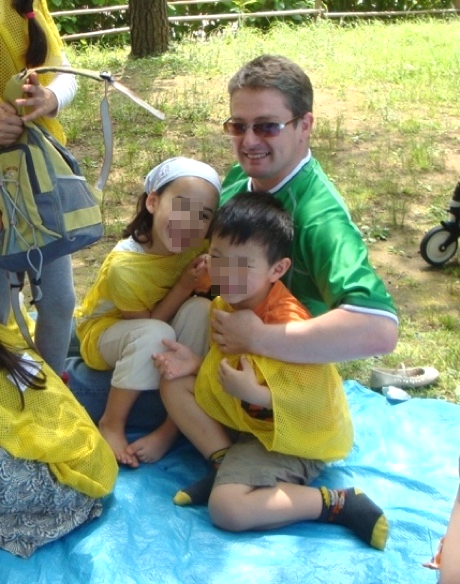
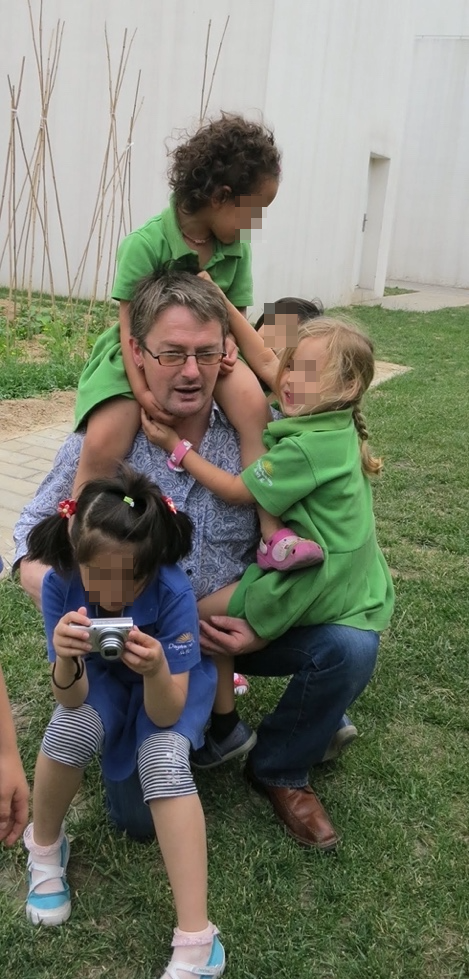
In every class there are the confident, outgoing, gregarious 3-year-olds, the ones who walk up to you on the first day of school and take your hand or sit on your lap and start chatting. The majority of children, however, need time to assess you, to watch the way you interact with the older children, the way you play with them and respond to them and guide them. Children are shrewd judges of character and don’t give their trust easily, but once they do, I’ve noticed how their curiosity ignites and how they open up to life and learning. So continuity of instruction is the final but absolutely crucial benefit of mixed-age groups.
Summary
Mixed-age groups provide tangible benefits for the children, amongst which are:
Older children practice leadership and responsibility; younger children gain confidence by watching and imitating them.
Being part of a nurturing community in which the children help and care for each other helps the child to develop compassion, altruism and emotional intelligence. Older children assume leadership roles, and this opportunity to nurture in turn develops their self-esteem, patience,
By interacting with a wide range of distinct personalities, children have many opportunities to develop communication skills, to learn how to cooperate with others, and how to resolve conflicts. As a consequence, there is little aggression in a Montessori class, and less bullying.
Children are encouraged to teach and learn from each other, and there is no barrier to younger children assuming the role of teacher. In addition, the act of teaching others has been proven to enhance understanding and solidify knowledge, as well as having ancillary benefits such as positive modelling.
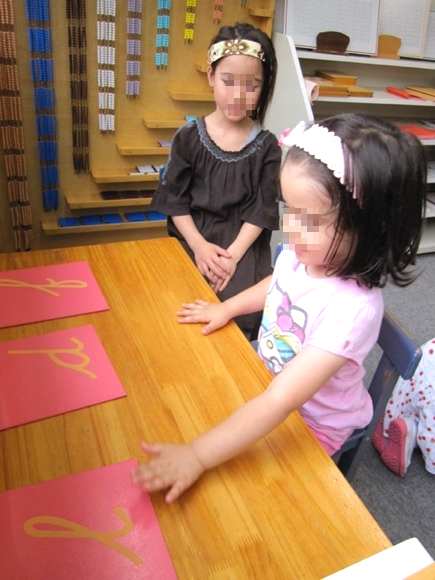
Children are exposed to a wider range of abilities and learning speeds. A child might be strong in reading but a little behind in mathematics, but because there is less competition and less labeling, as a range of abilities are present.
Being with the same group over multiple years gives the children more time to form lasting, deeper and meaningful bonds with children who complement or supplement a child’s own strengths and weaknesses.
In essence, the goal of a multi-age classroom is heterogeneity –
- the quality or state of being diverse in character or content.
- the fact of consisting of parts or things that are very different from each other
It is this diversity in ages, genders, experiences, aptitudes, expectations and a dozen other elements that makes mixed-age groups so effective, and which brings benefits for all the children.