Developing Responsibility in a 3 – 6 Montessori Environment
- Albert Einstein
In order for children to learn responsibility -in order for children to learn anything- they need order and repetition, through which they develop good habits. A little practice every day, continual exposure to positive examples and they develop responsibility, as they develop all of the attributes we value. Another important aspect of responsibility is demonstrating respect towards their peers, teachers and other adults, both inside and outside the school. As with many other qualities we’re trying to develop, the goal is for the children to take what they’re learned in school and use these skills at home.
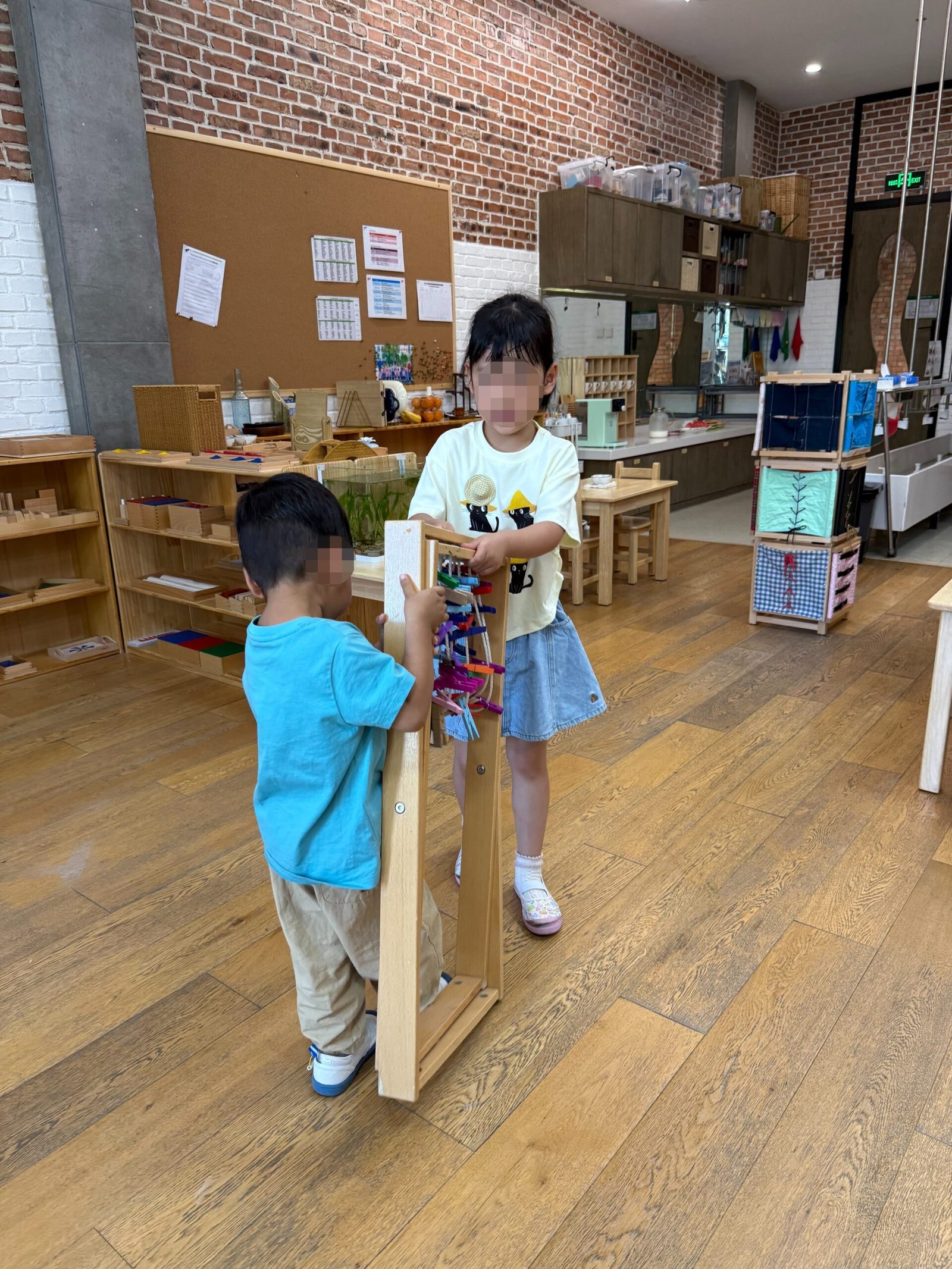
Montessori spoke about the adult serving as a ‘dynamic link’ between the children and the environment/materials, and this also means helping the children to develop an awareness and appreciation of their class, so they assume responsibility for its upkeep. Some of the ways in which children demonstrate responsibility include being accountable for their actions, being trustworthy and organised, and taking charge and taking care of their environment.
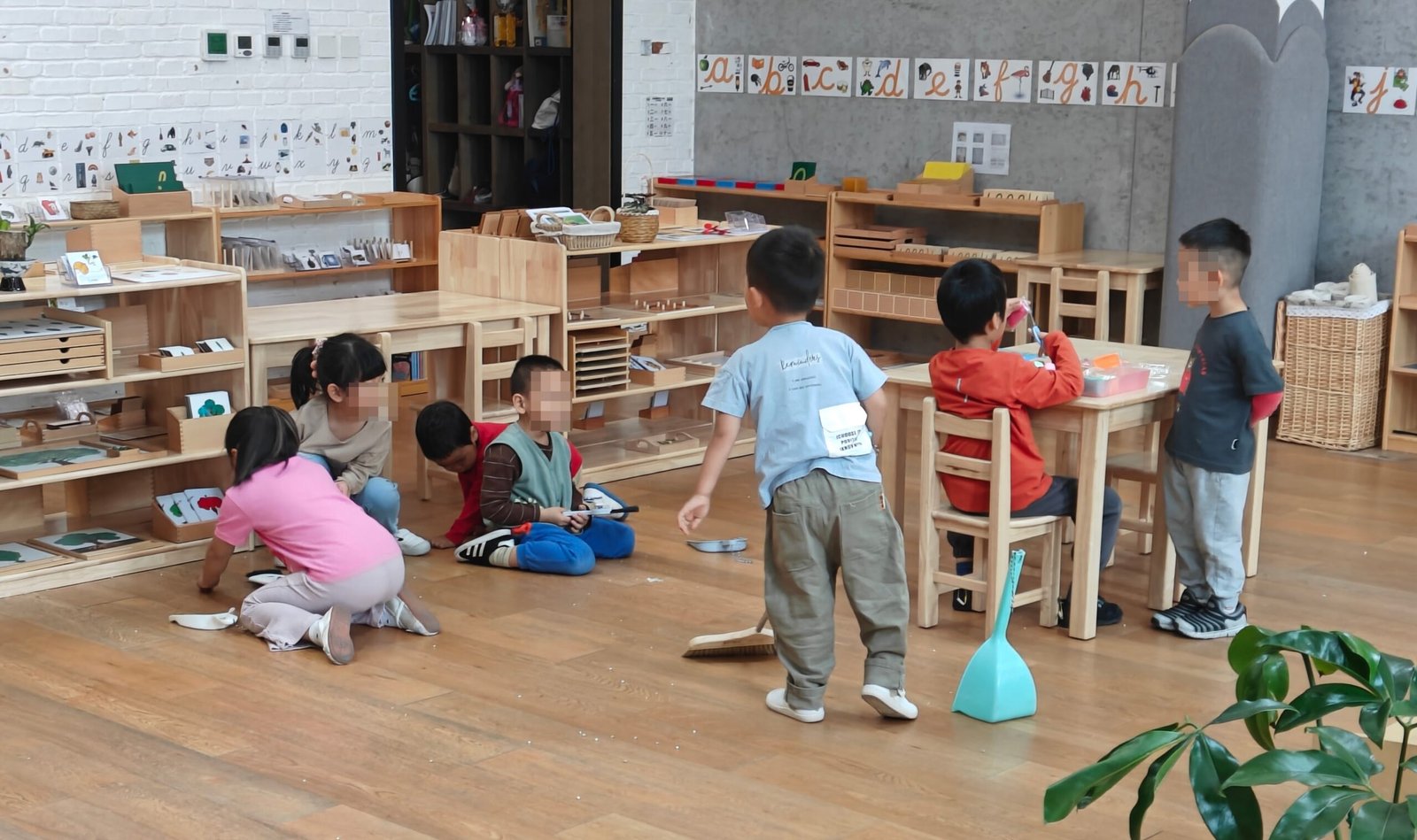
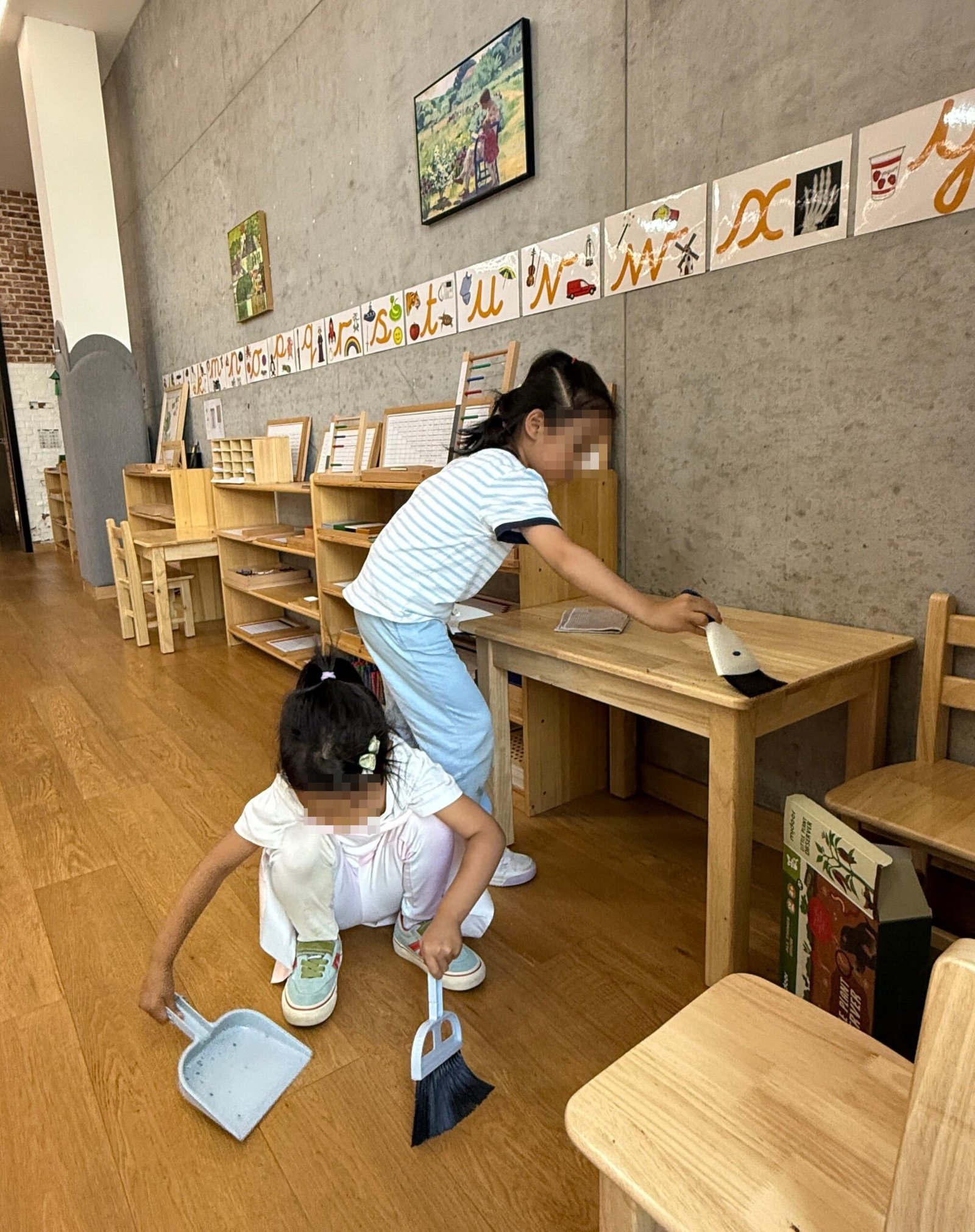
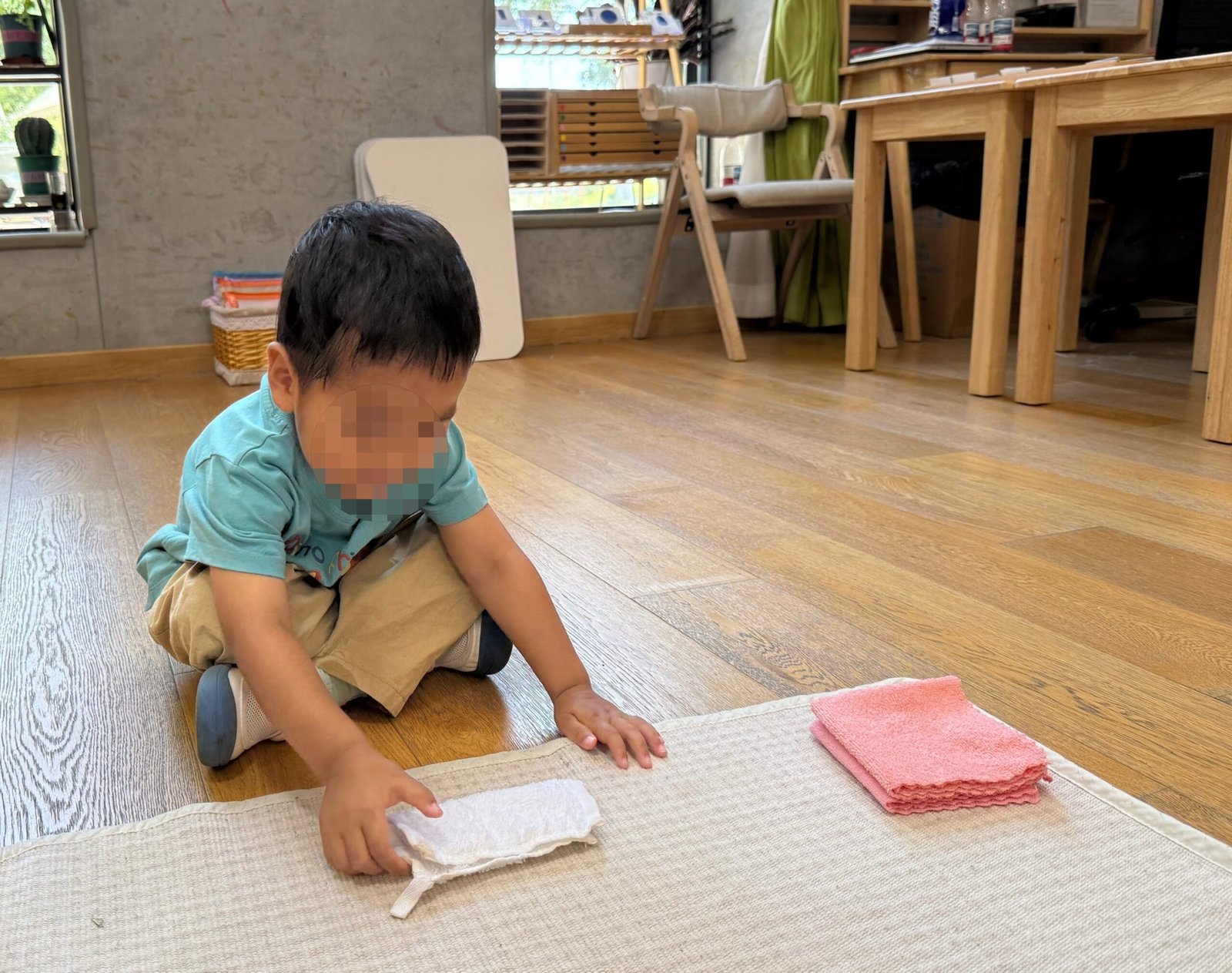
There are many ways in which this can manifest itself, such as brushing the floor or the tables if they’ve made a spill.
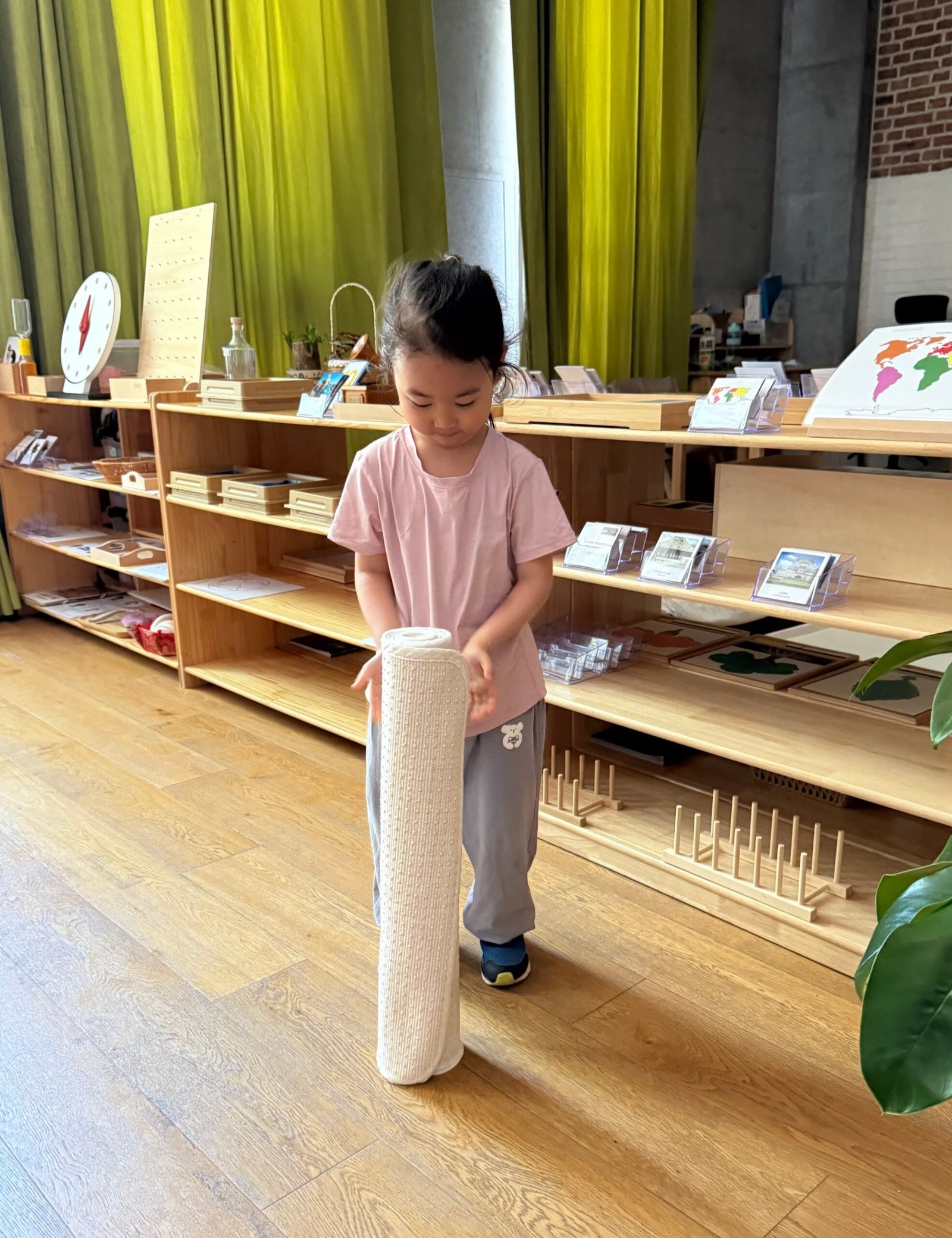
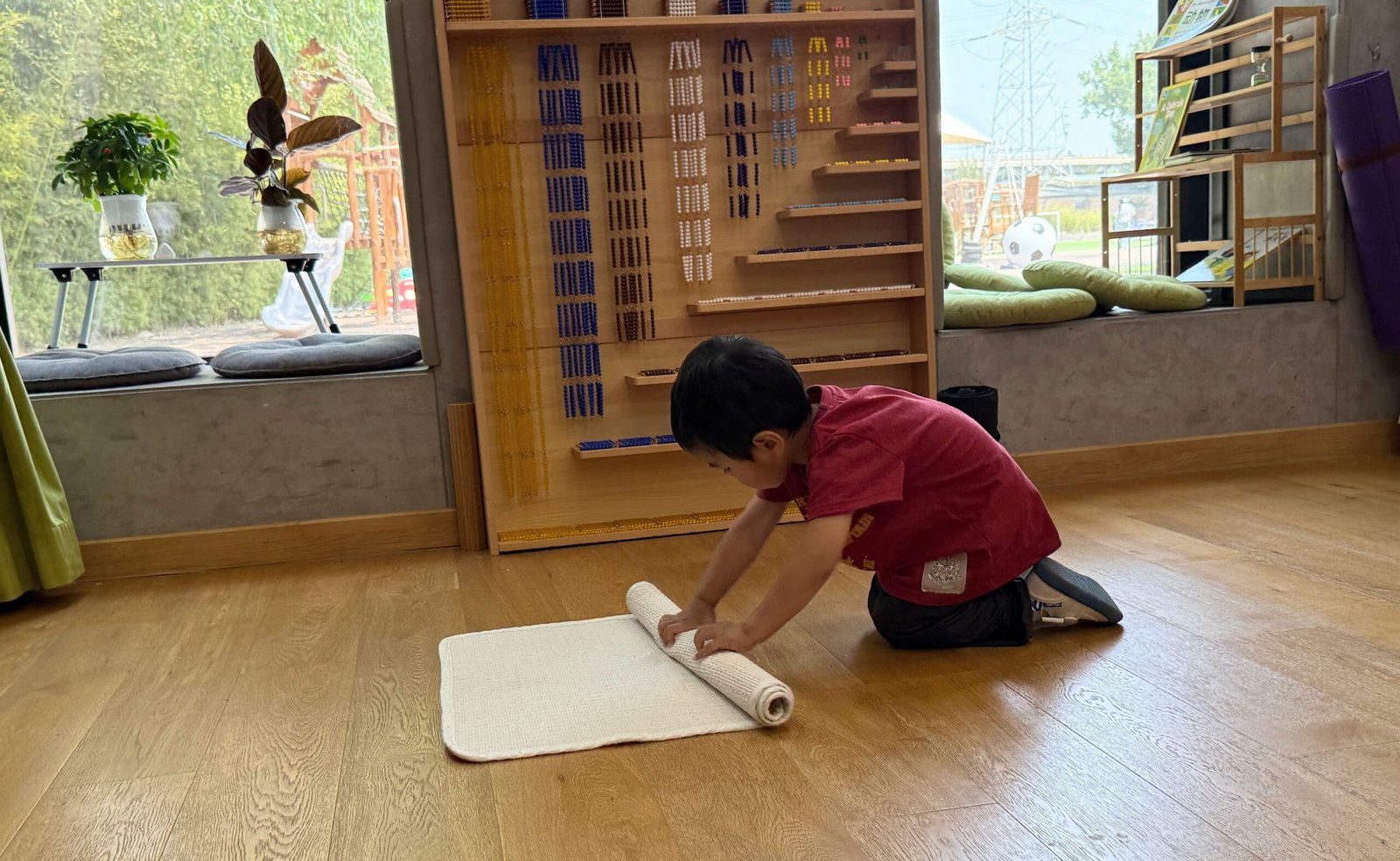
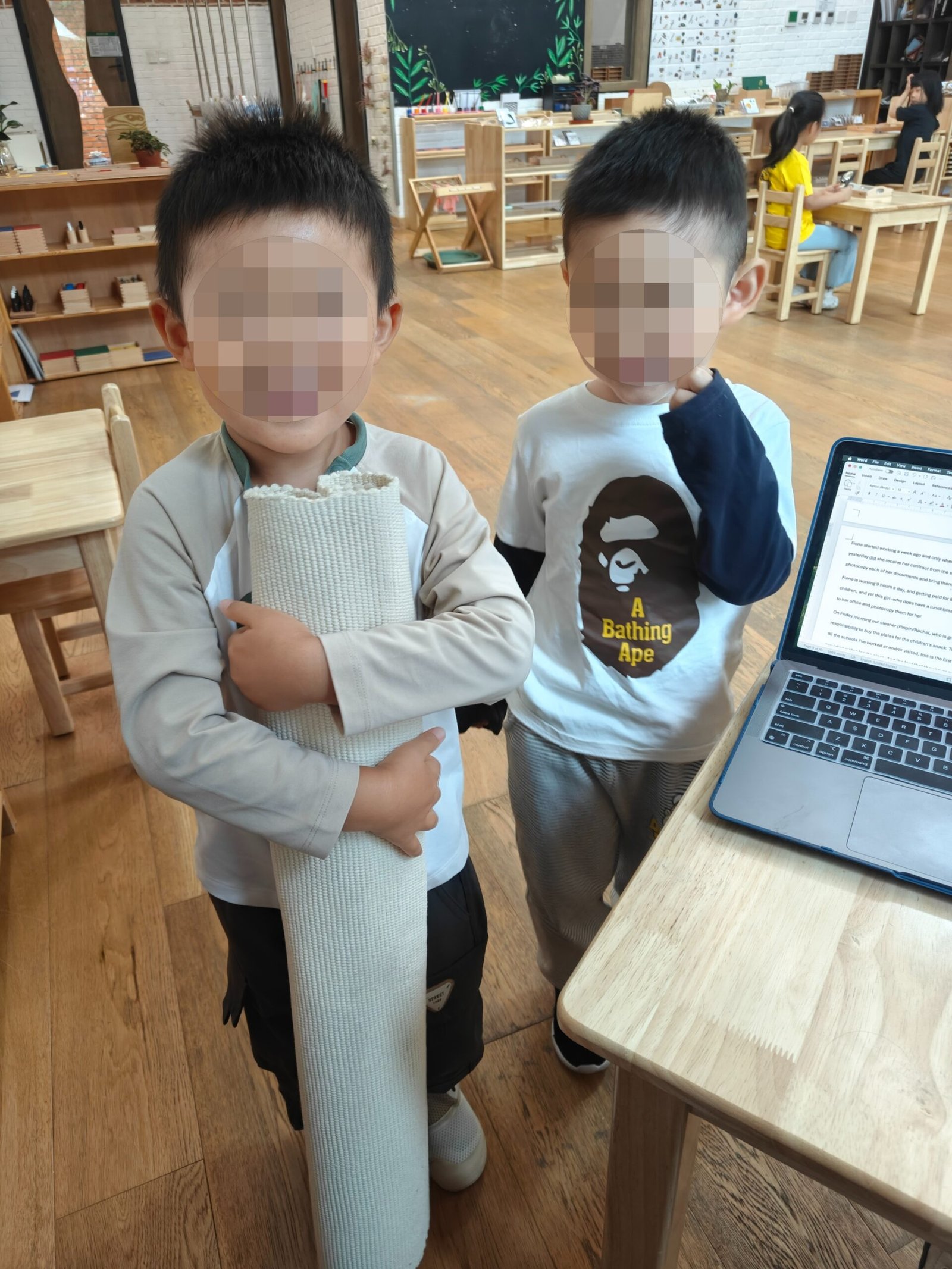
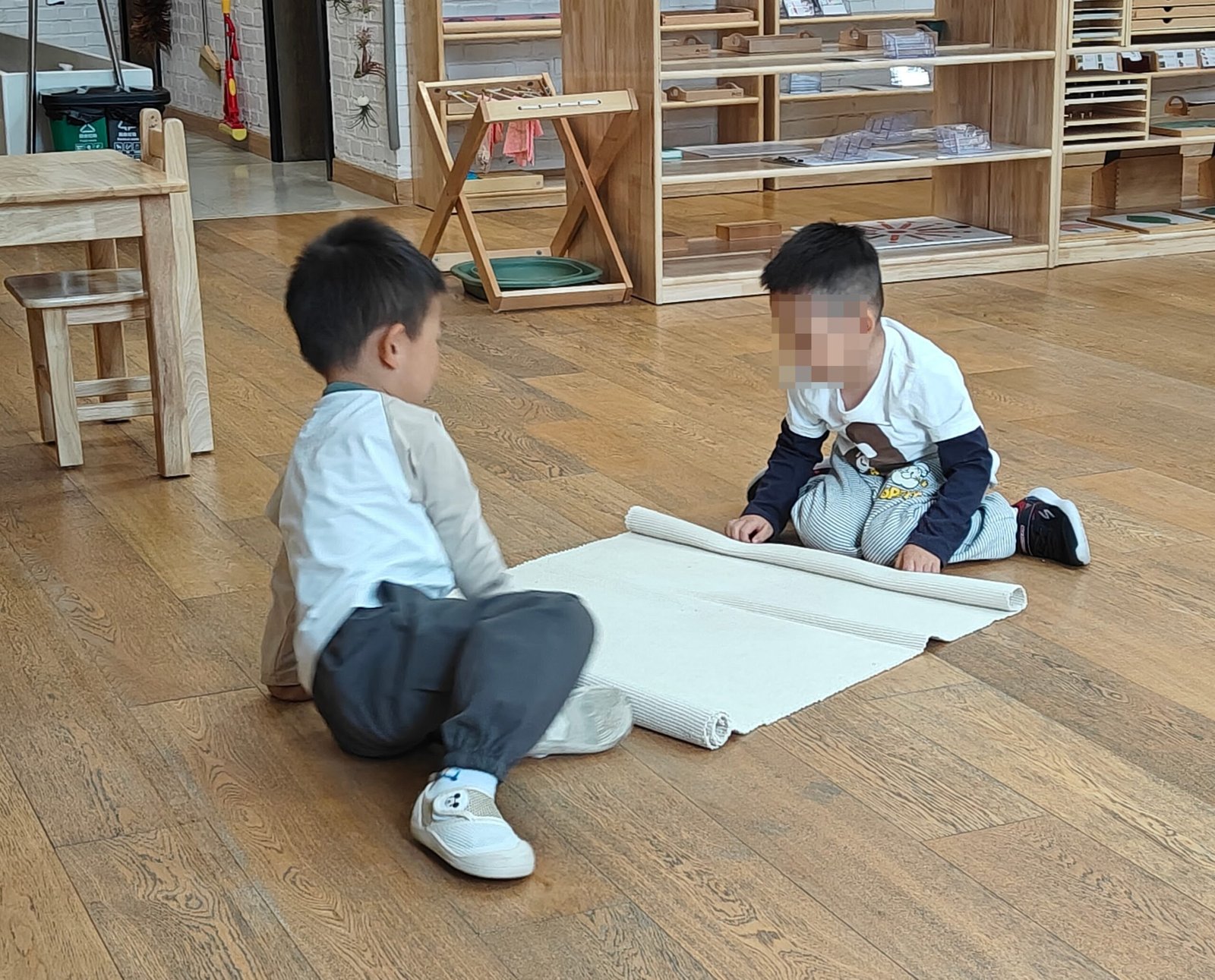
Or rolling mats, sometimes from one end, and sometimes from two, because why not?
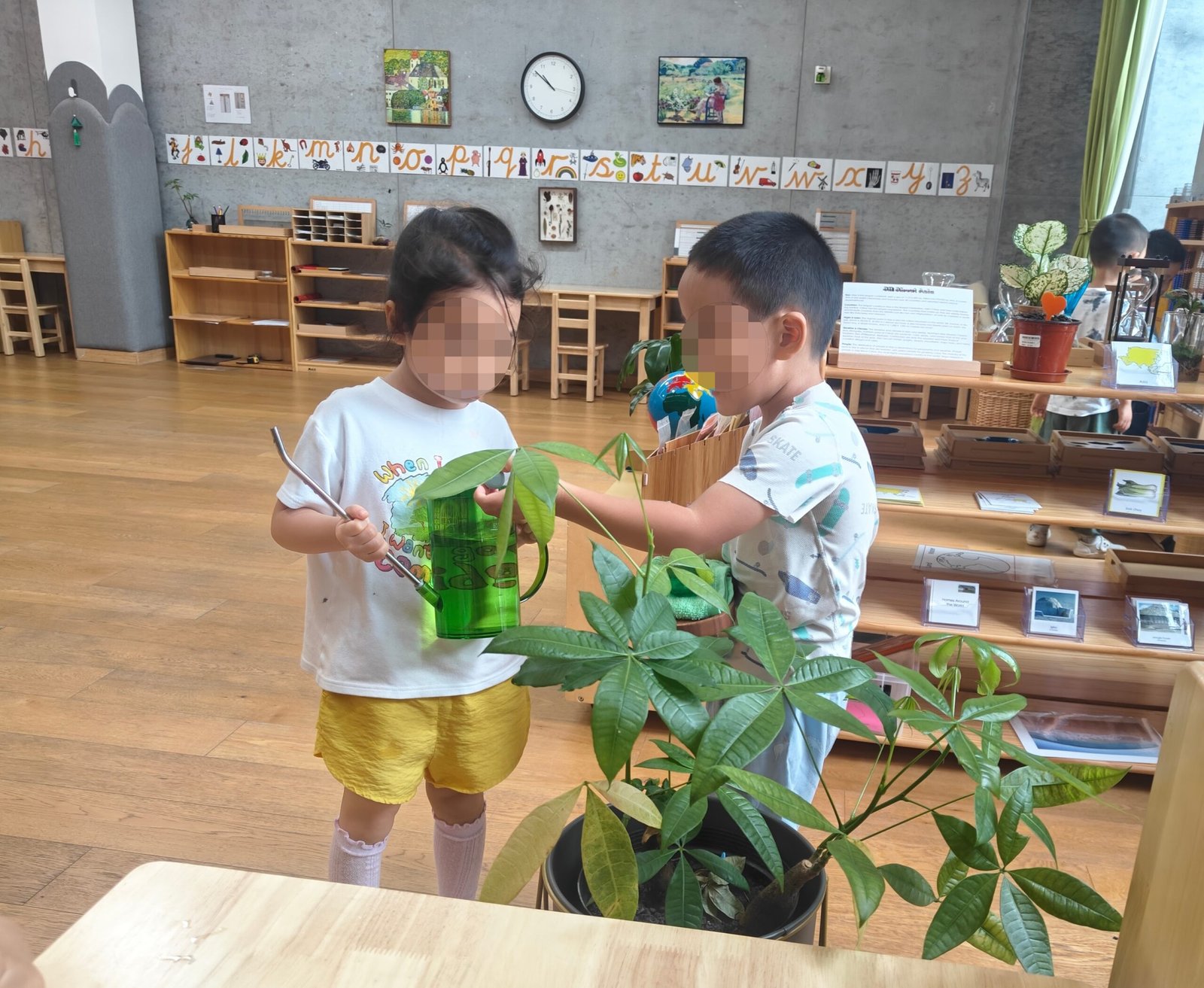
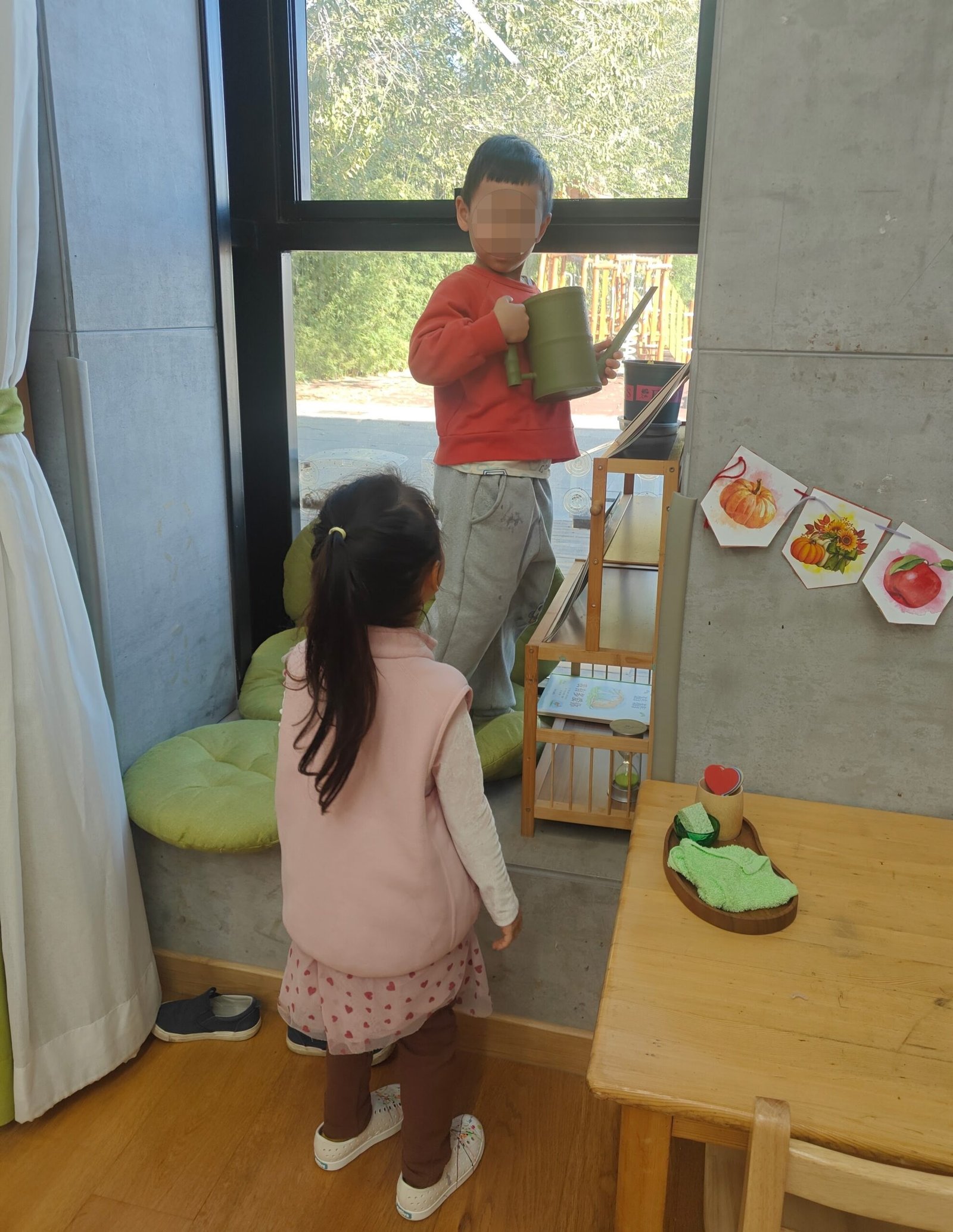
The children are also responsible for watering the plants.
And for cleaning many things in the room: the materials …or the sink…
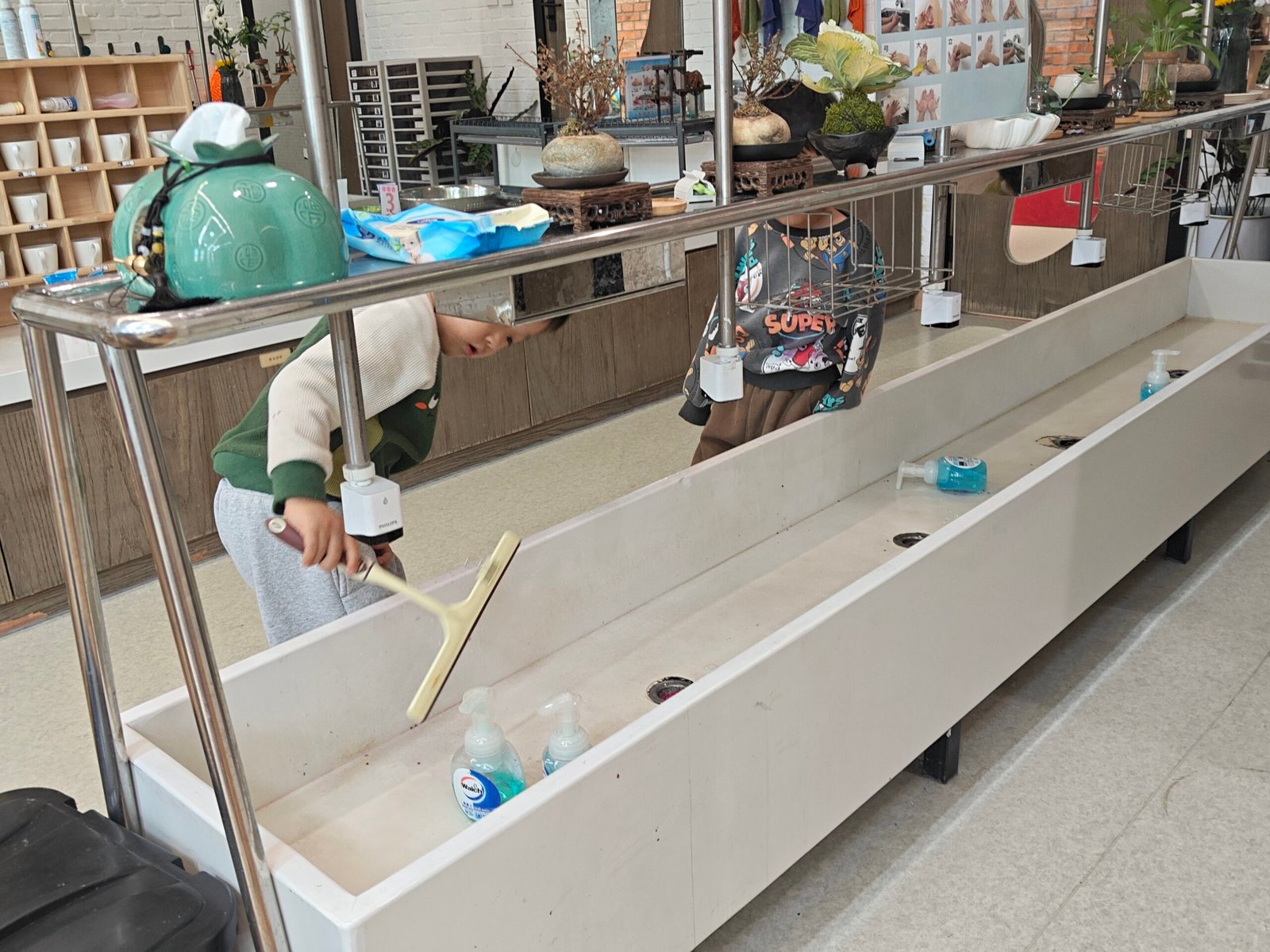
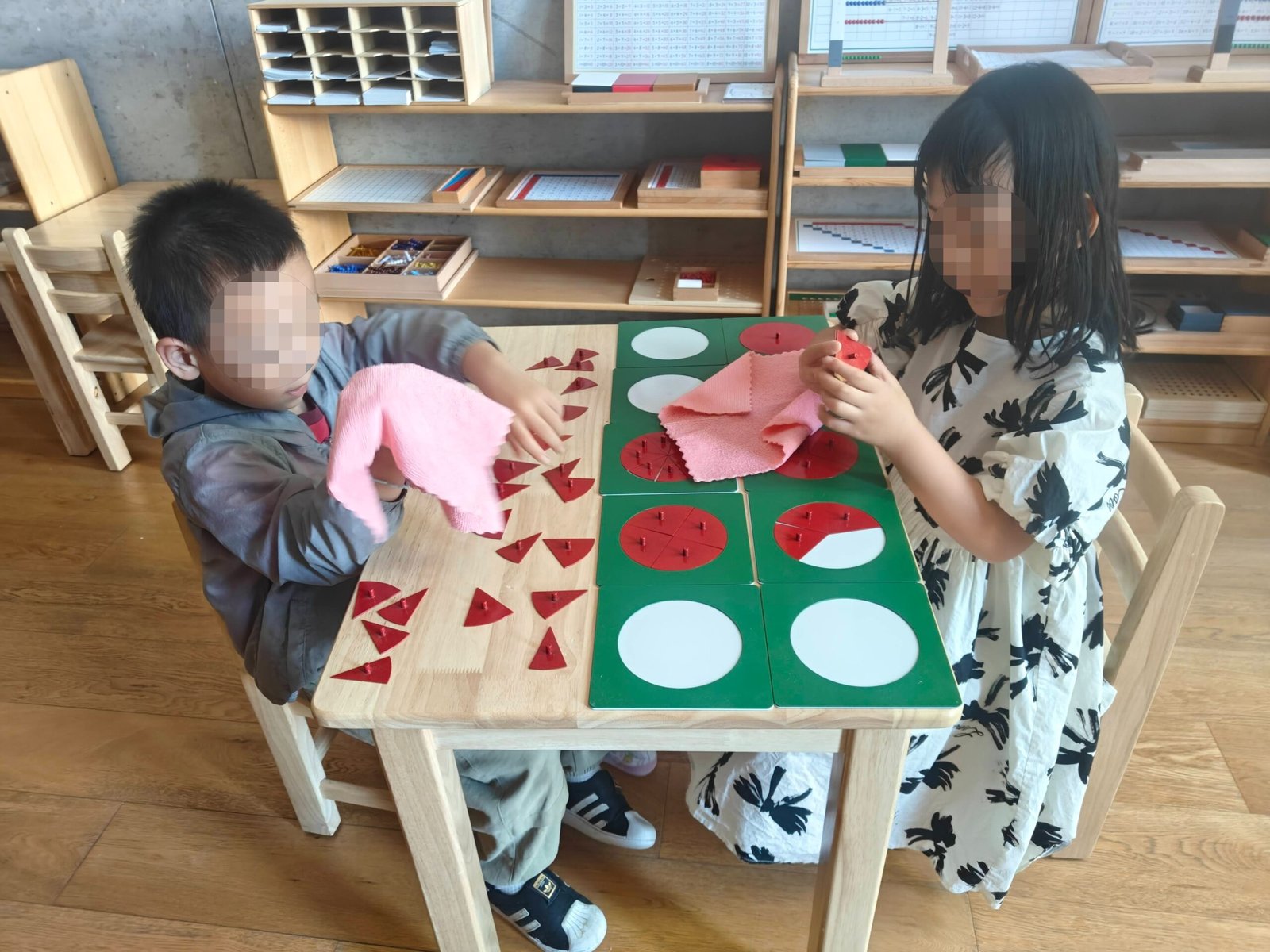
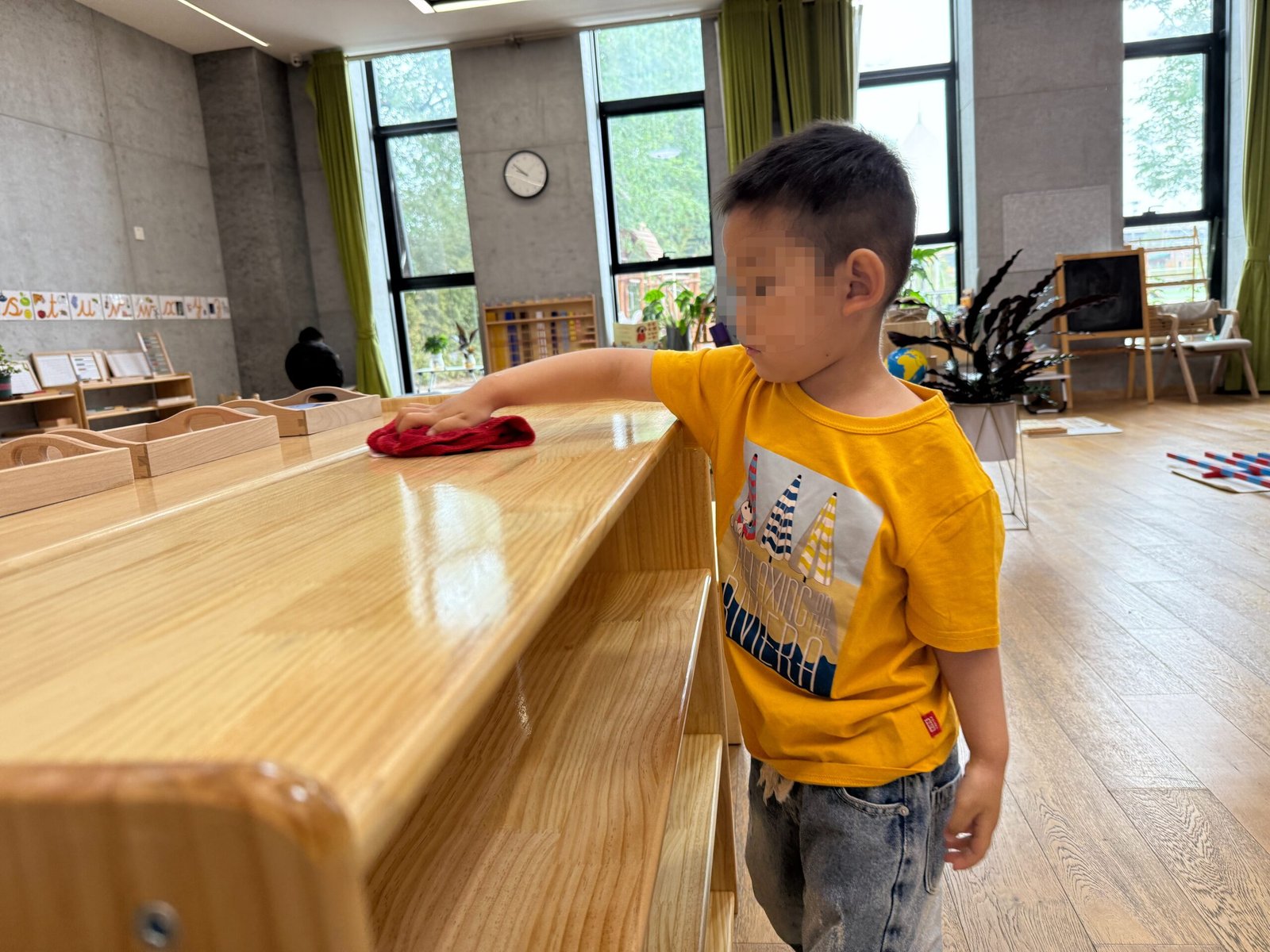
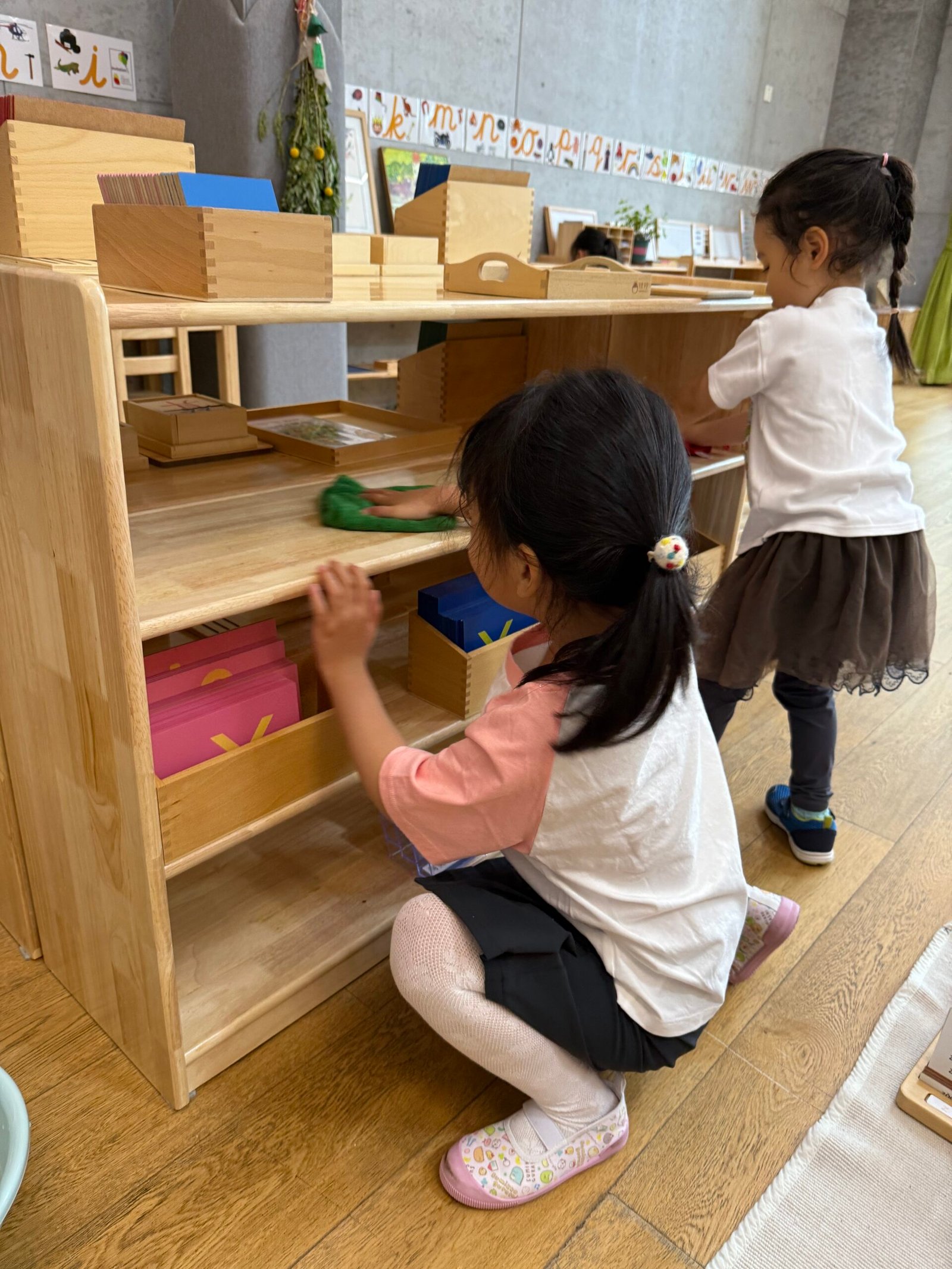
… and the shelves.
And they’re responsible for taking the dry towels off the clothesline, folding and putting them away, then putting away the clothesline.
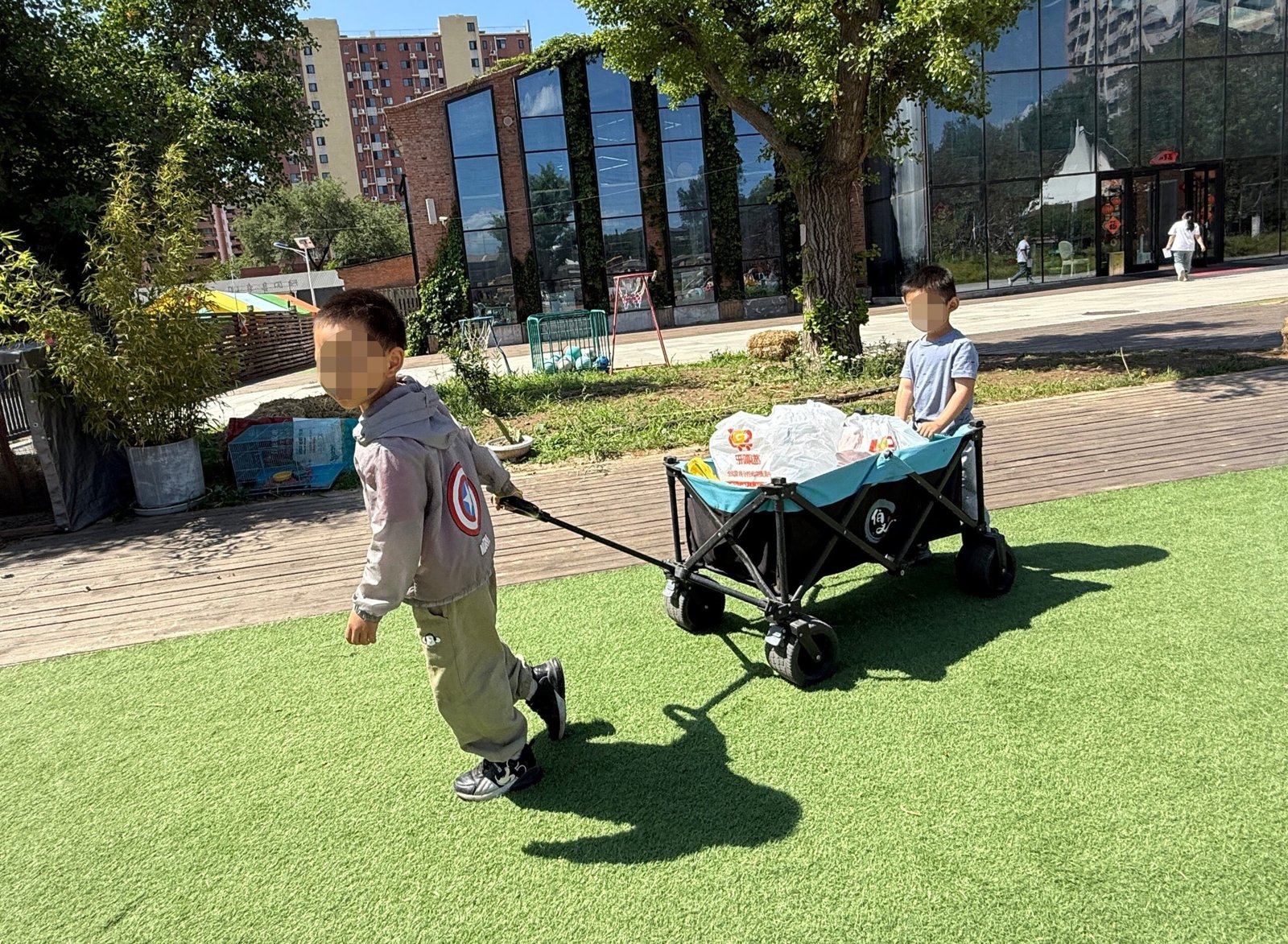
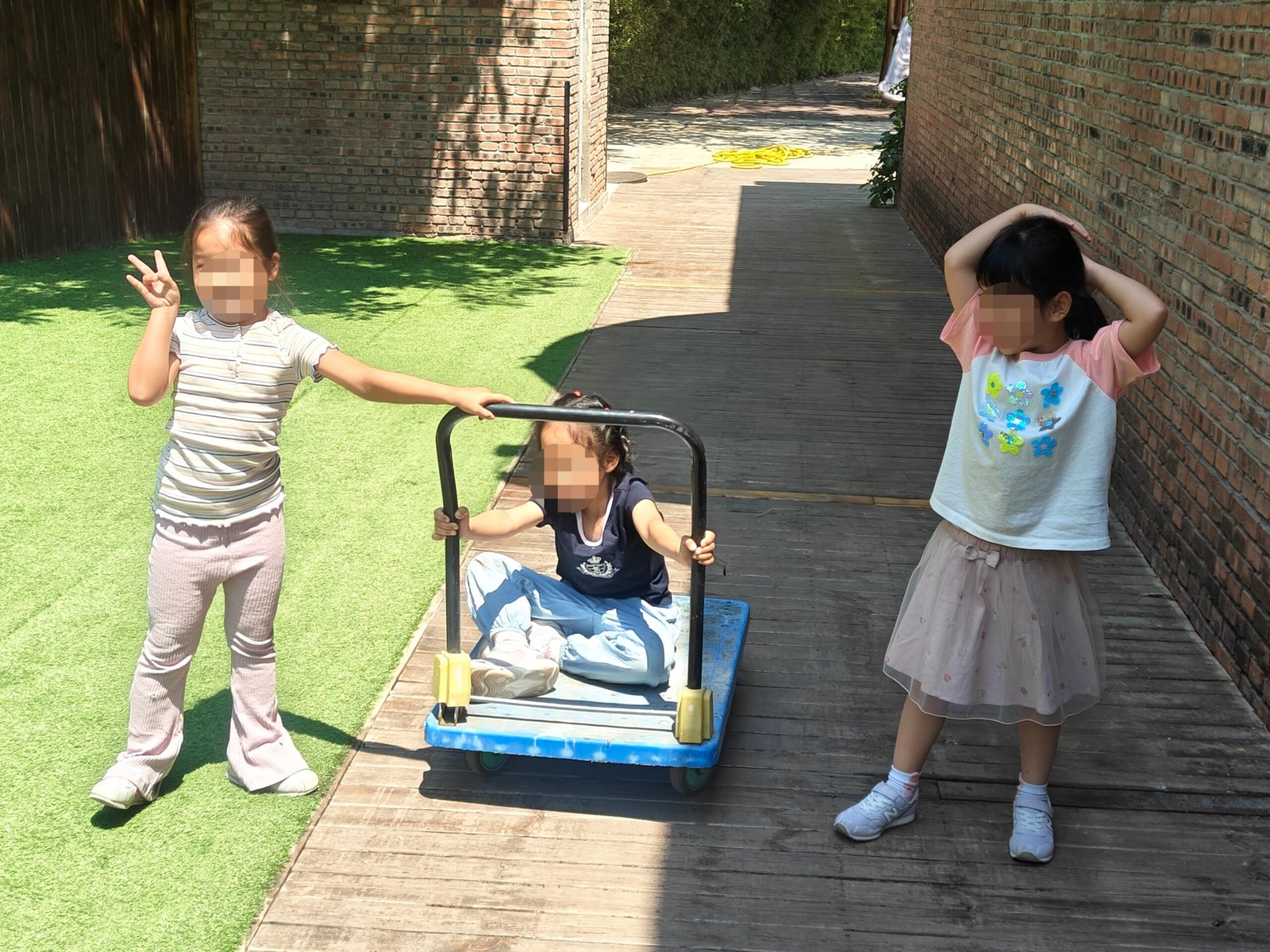
The children are also happy to accept responsibility for collecting post at the gate of the school, which, like many things in their life, is easily turned into a bit of fun.
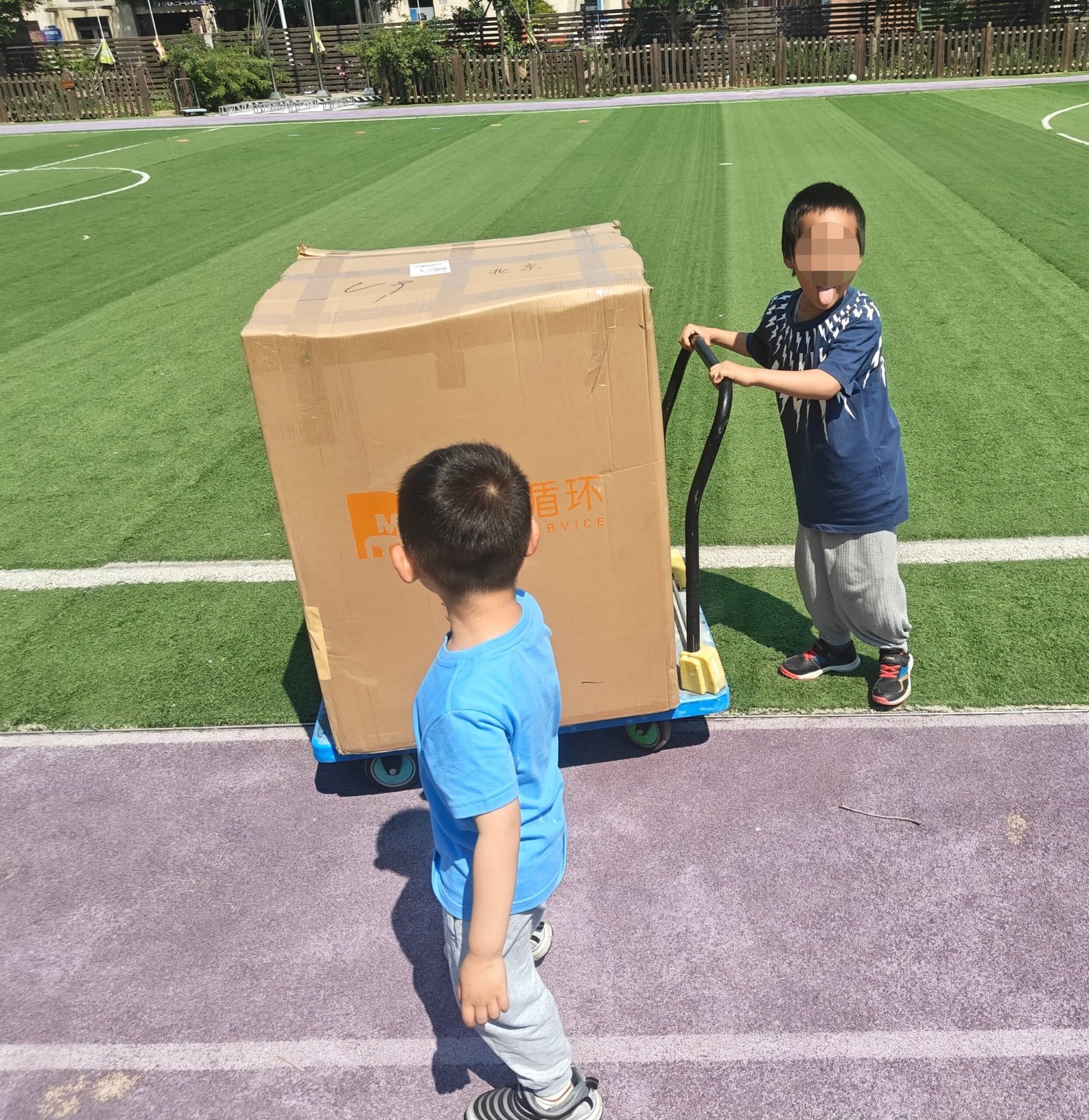
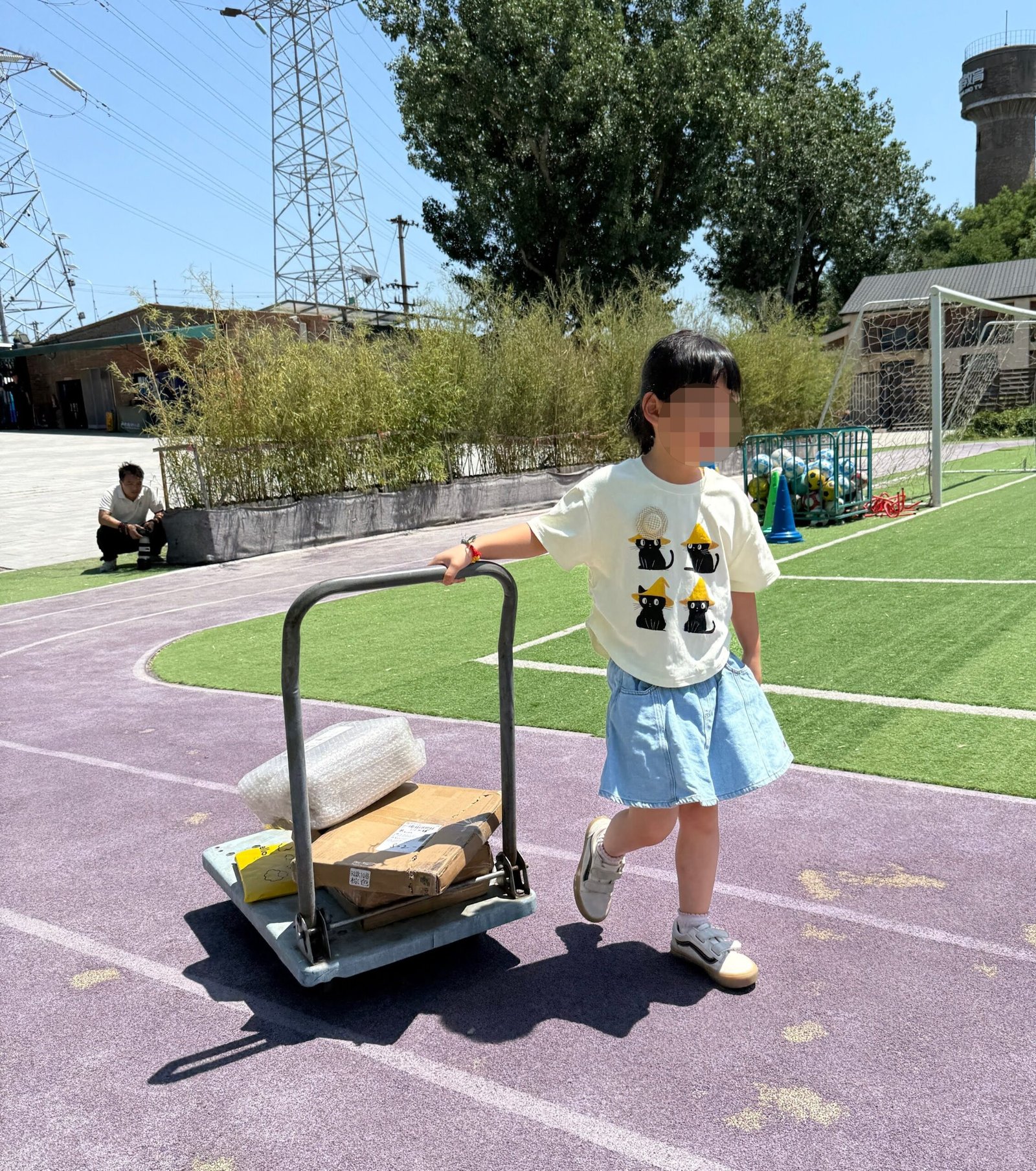
Once the packages are in the class, they need to be unboxed, and put in the right place, and the children are also responsible for disposing of the packaging.
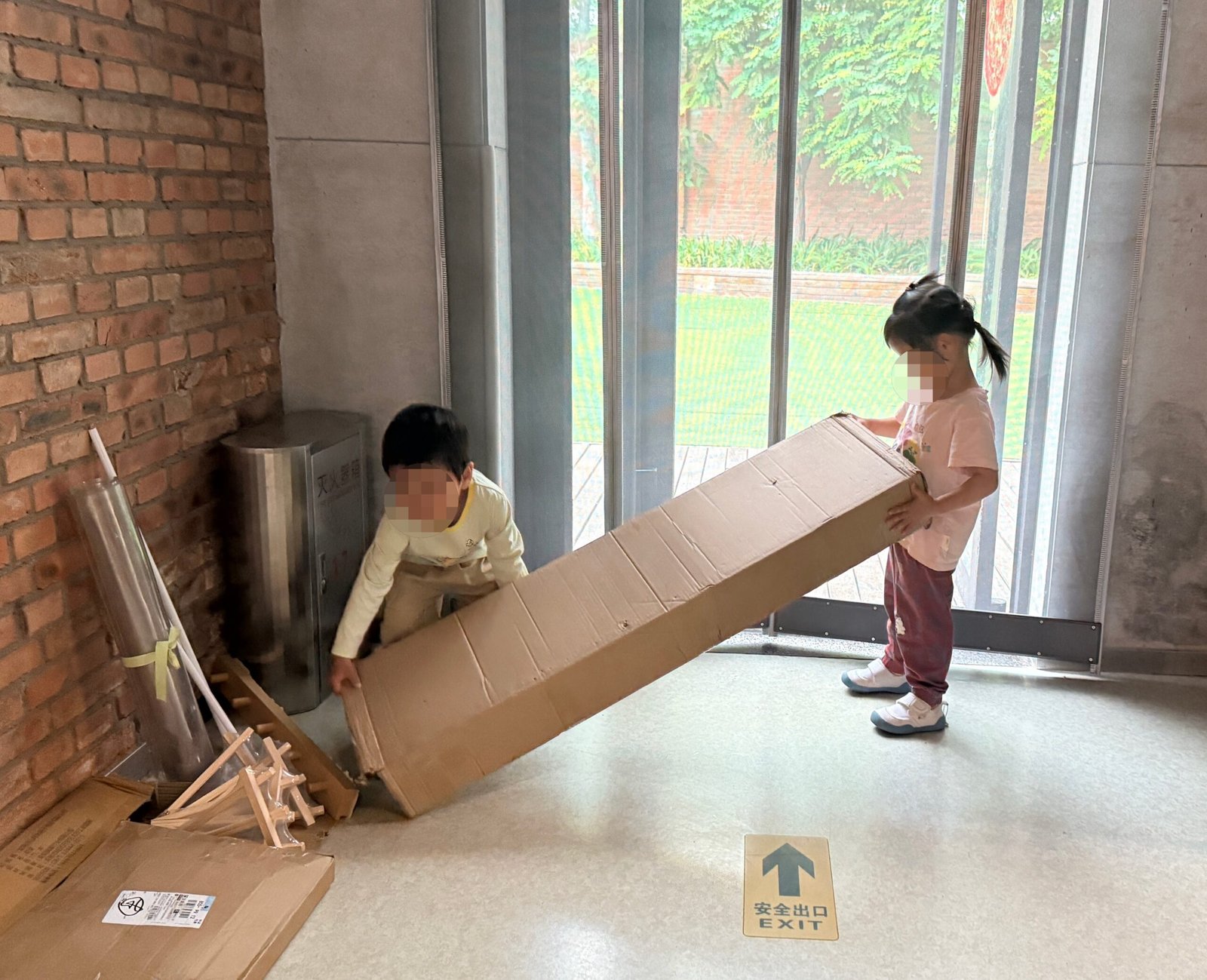
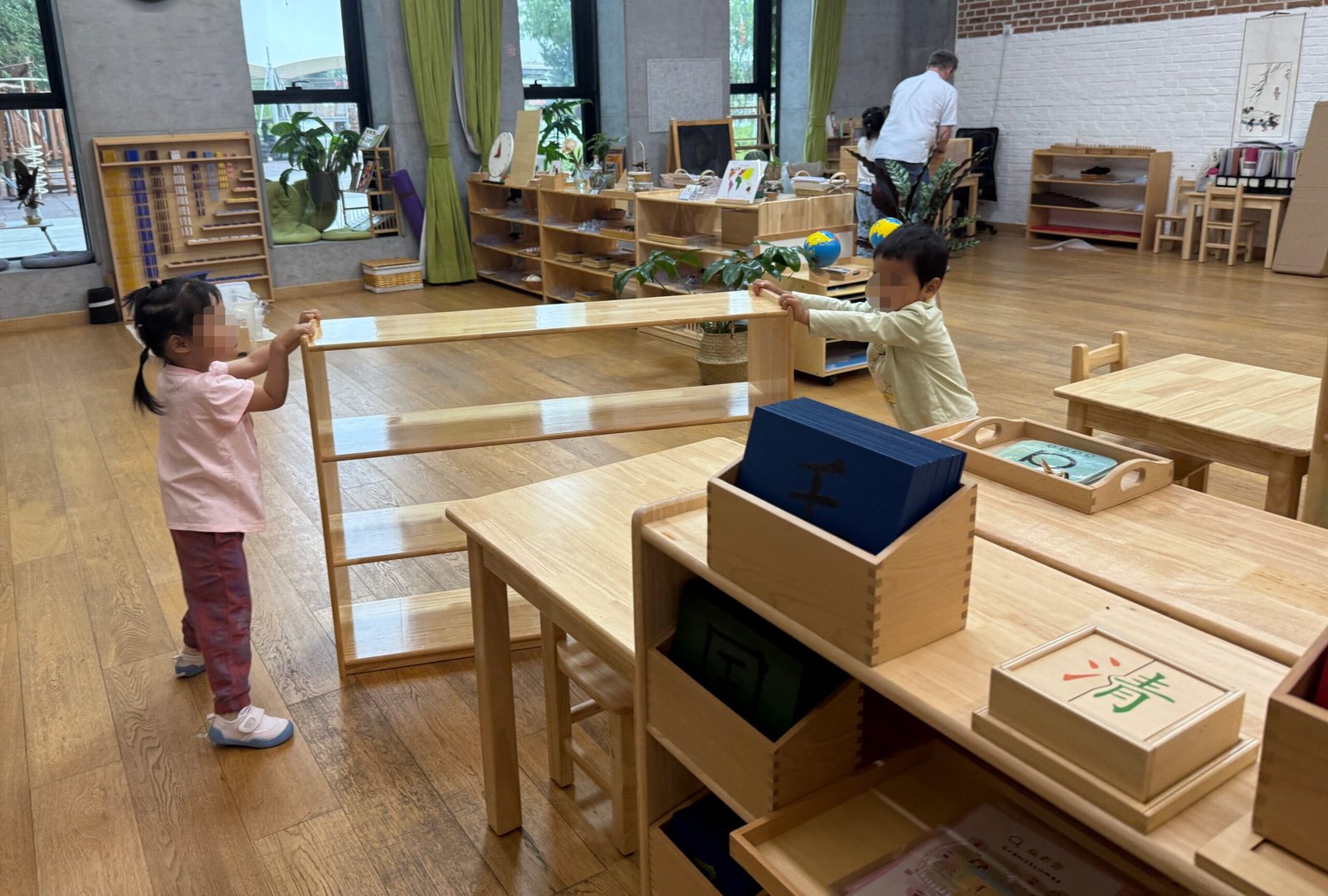
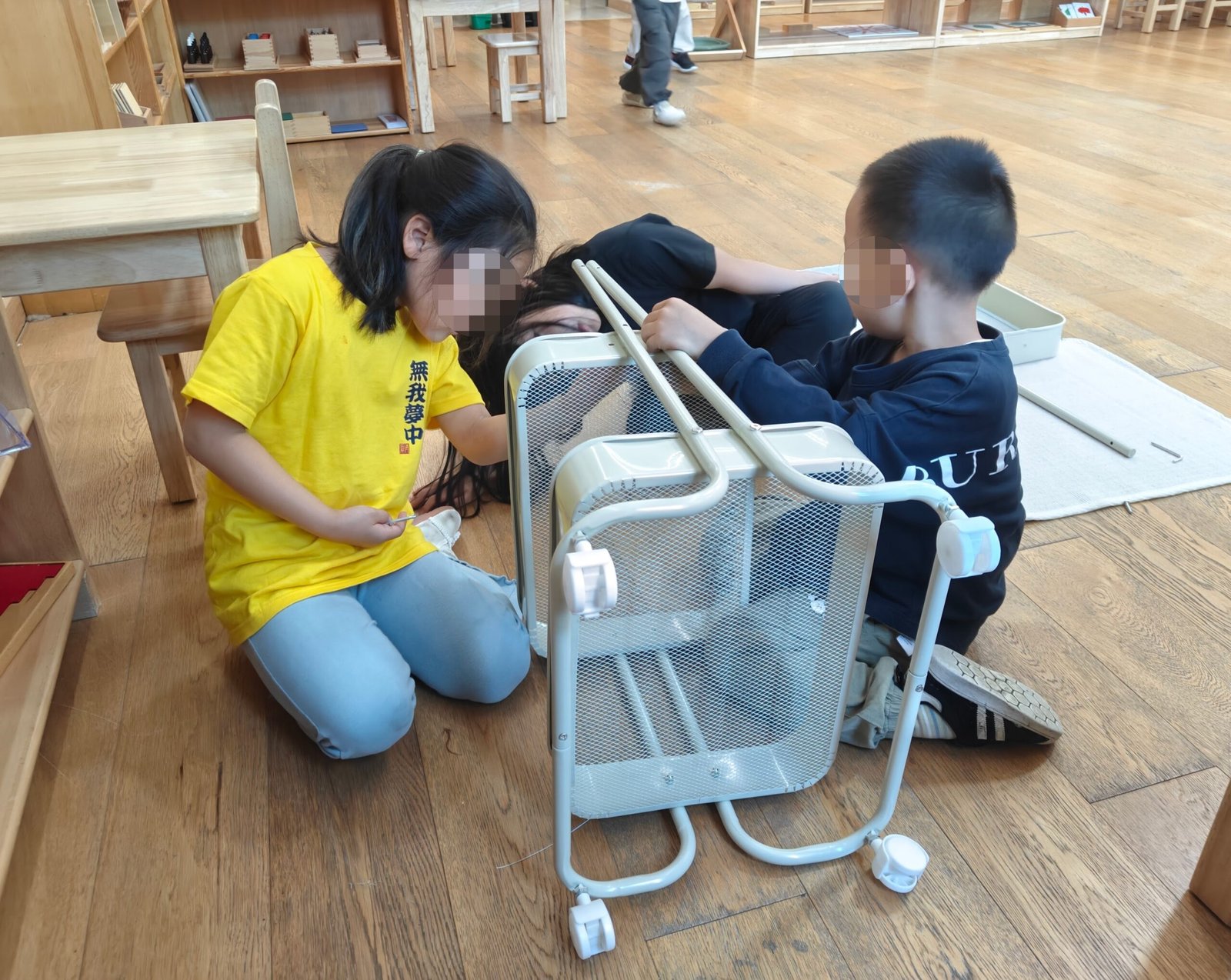
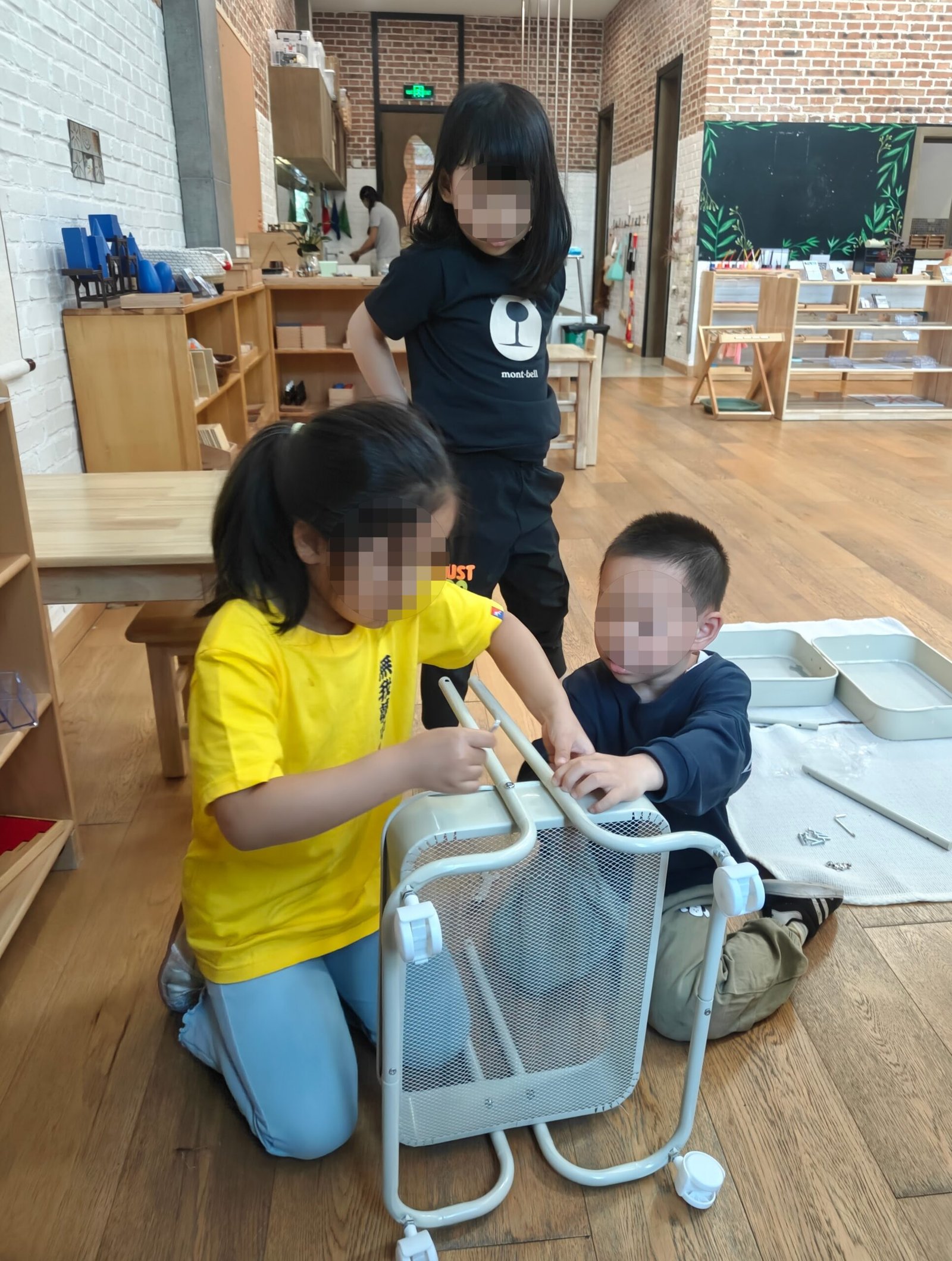
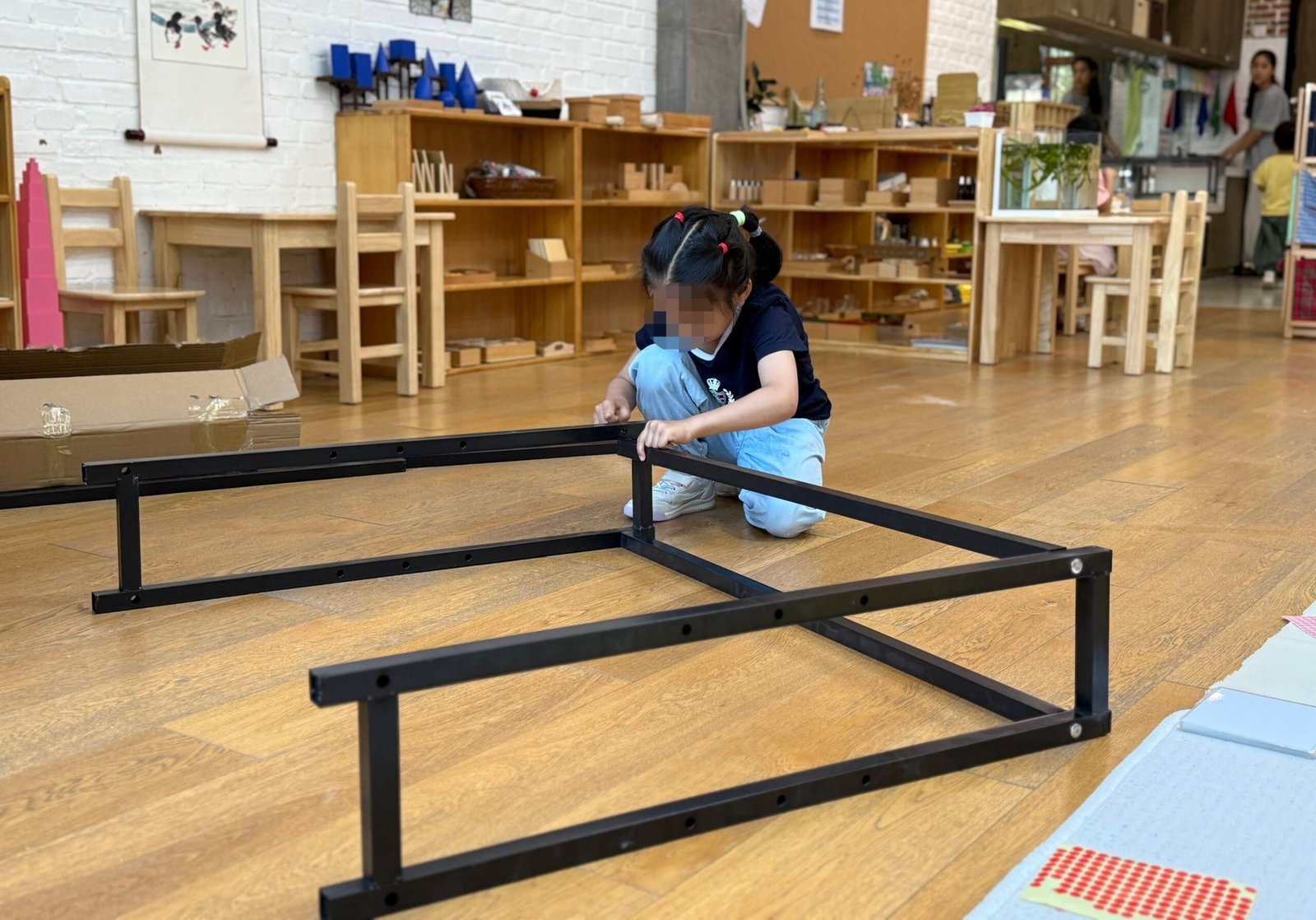
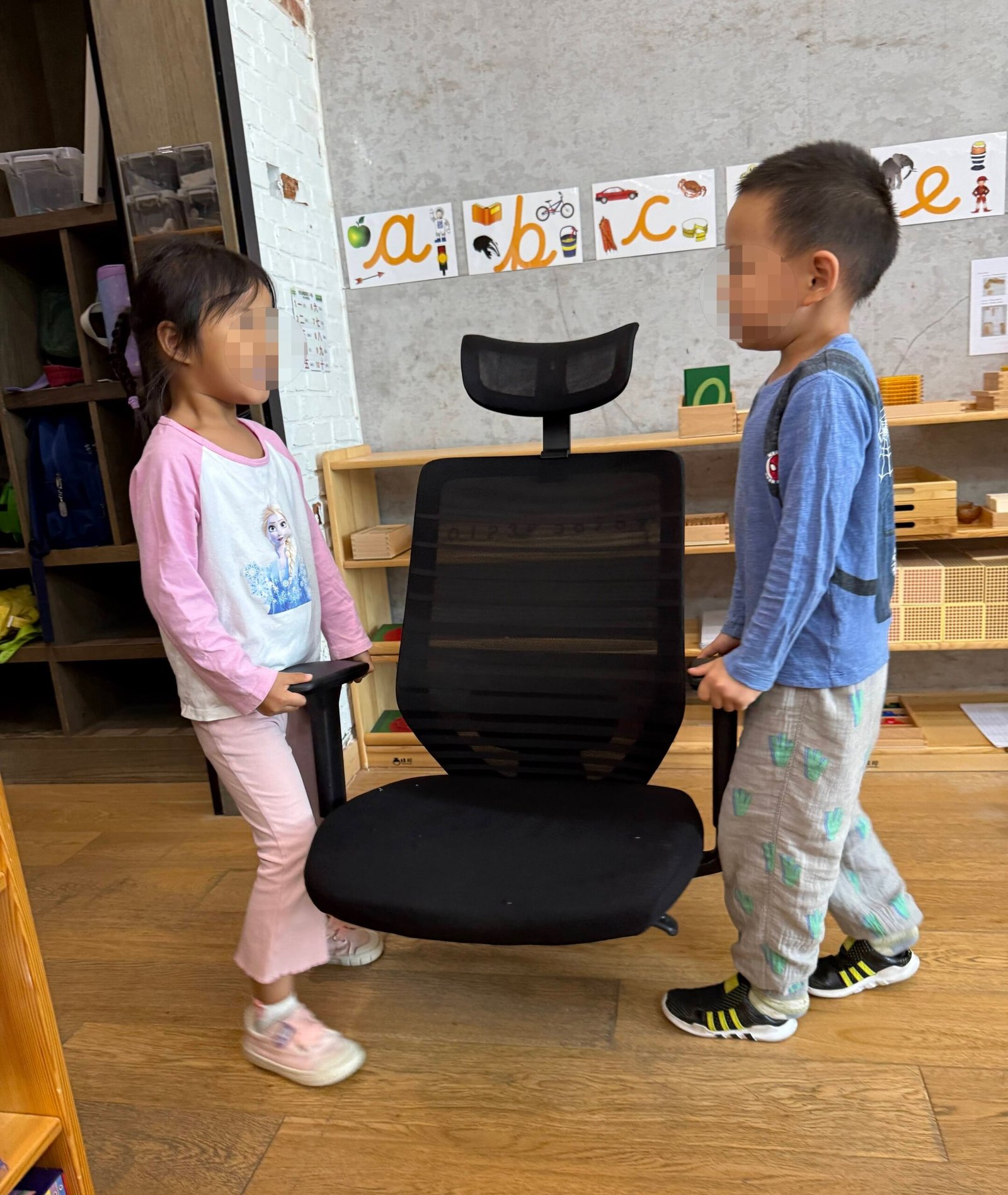
Or if the child is a little older, they can assume responsibility for assembling the kitchen trolley, or a shelf, or an office chair.
The children’s environment is both indoor and outdoor, so they are also responsible for feeding the birds.
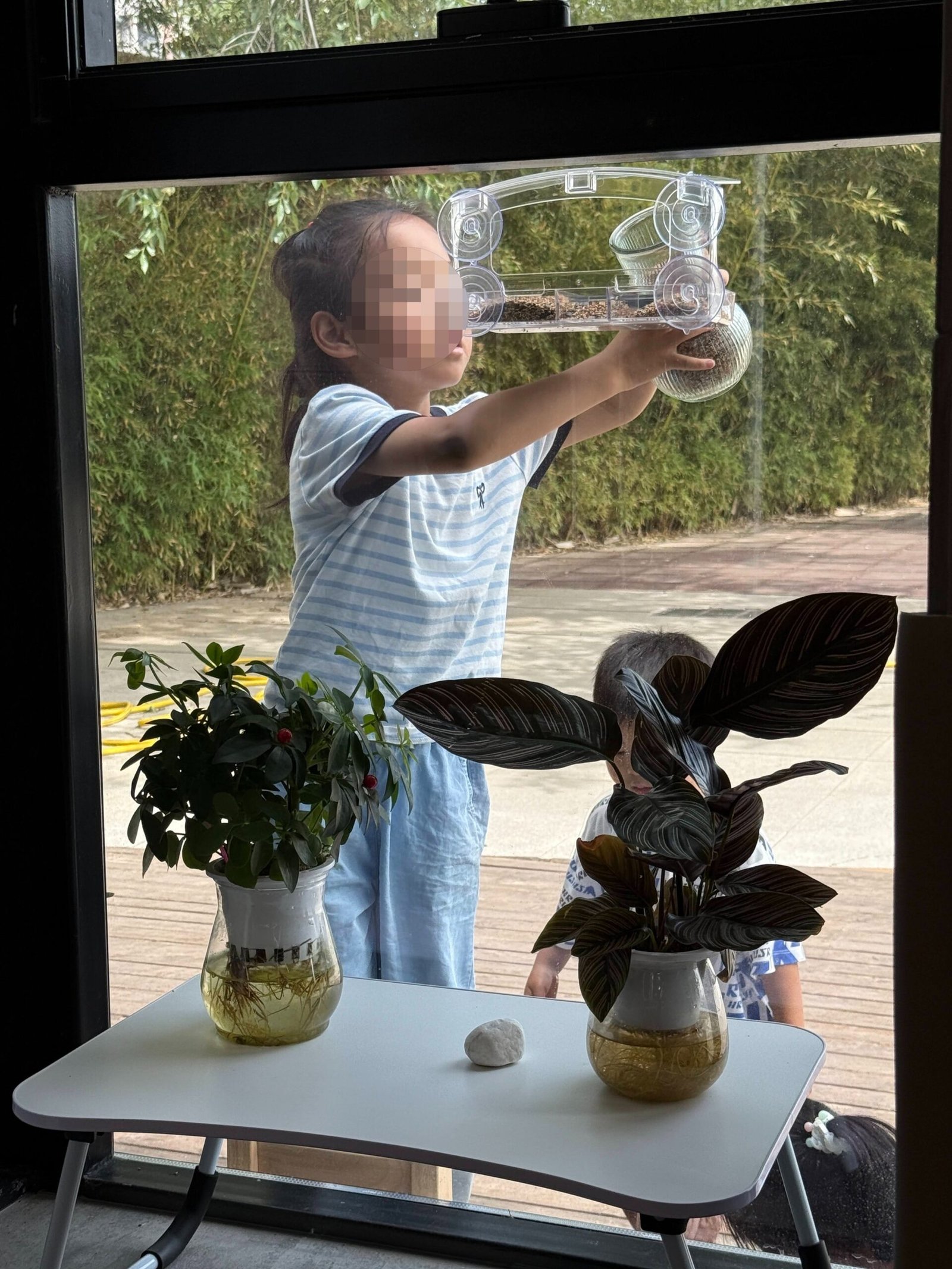
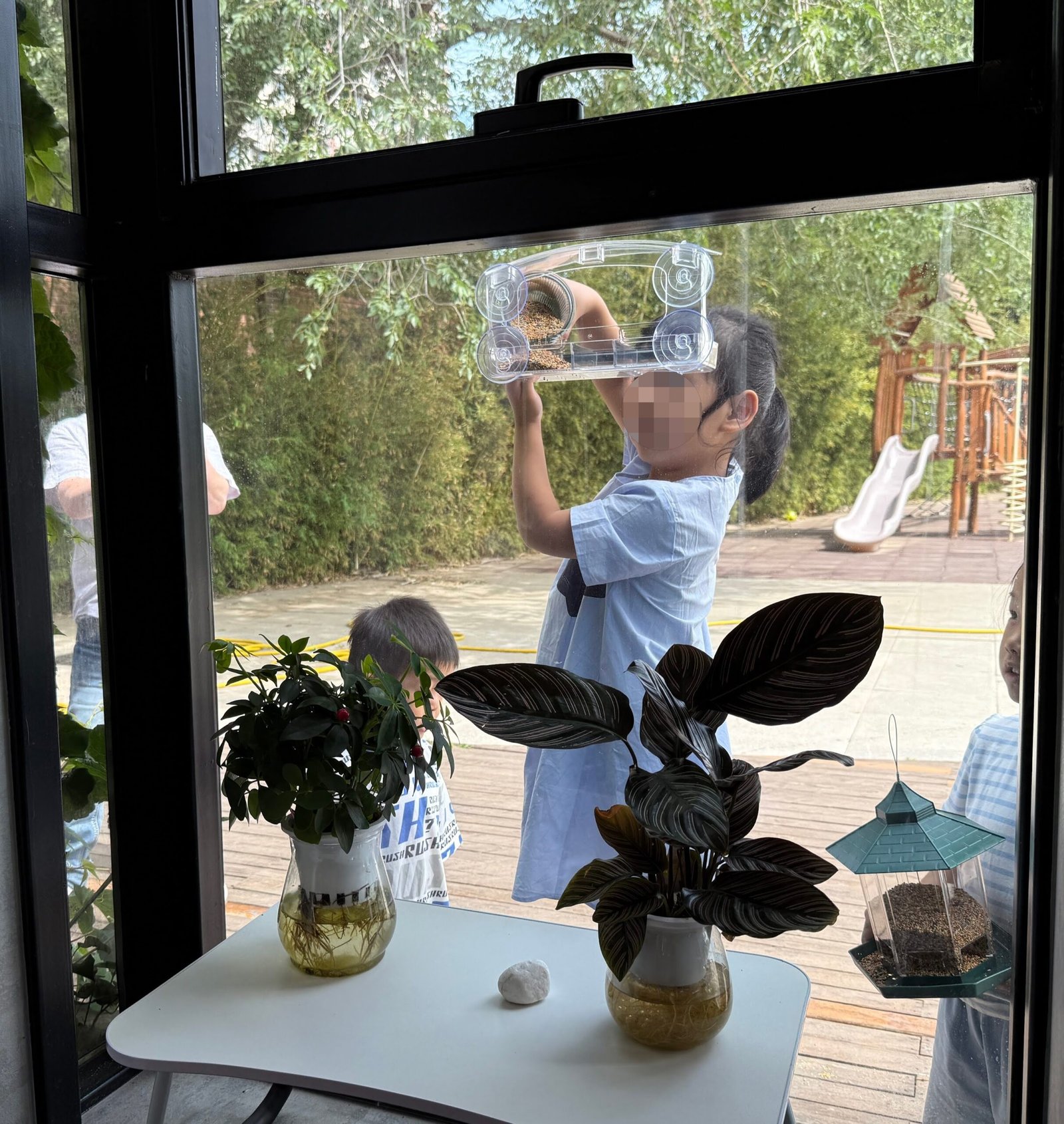
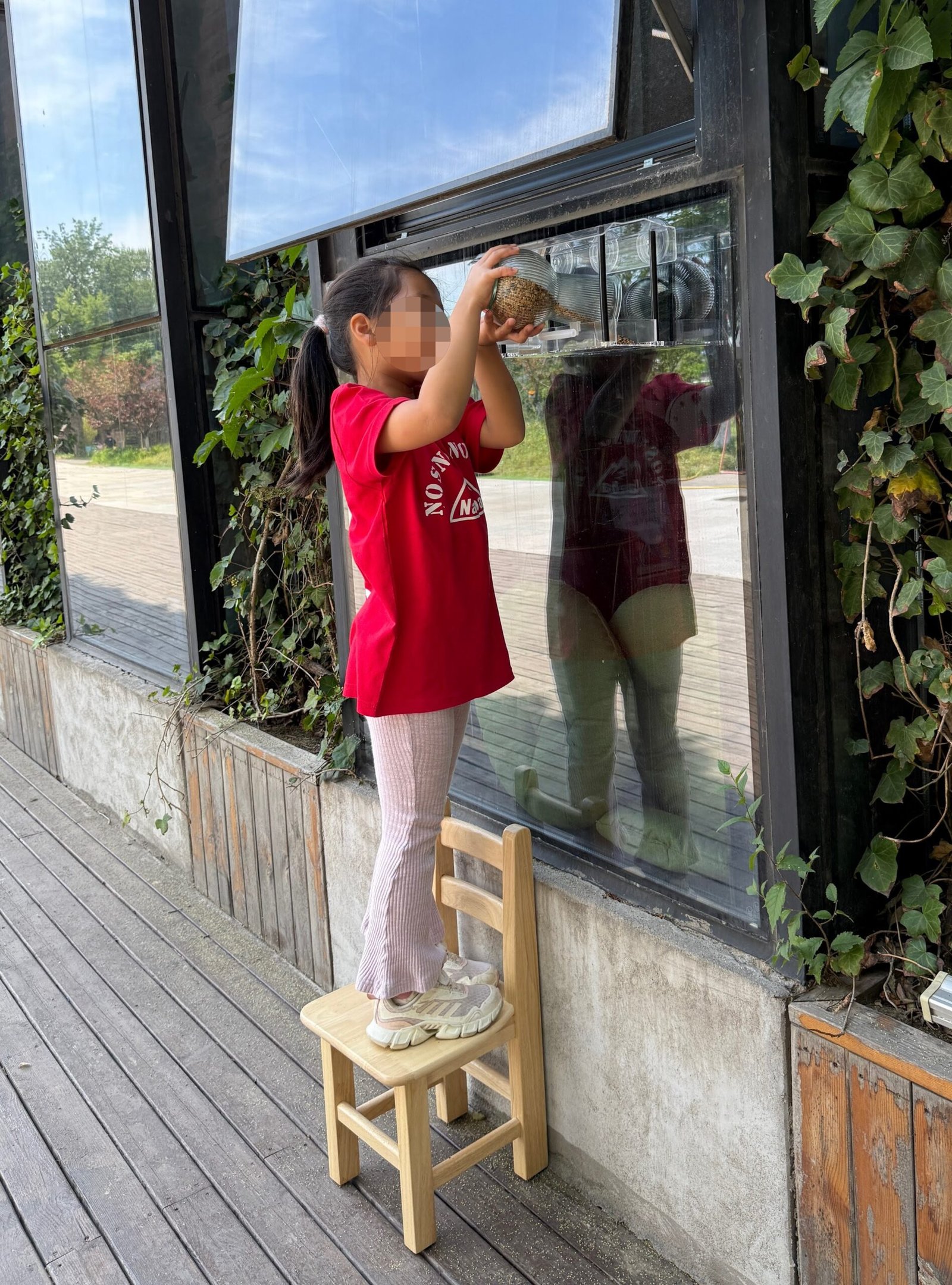
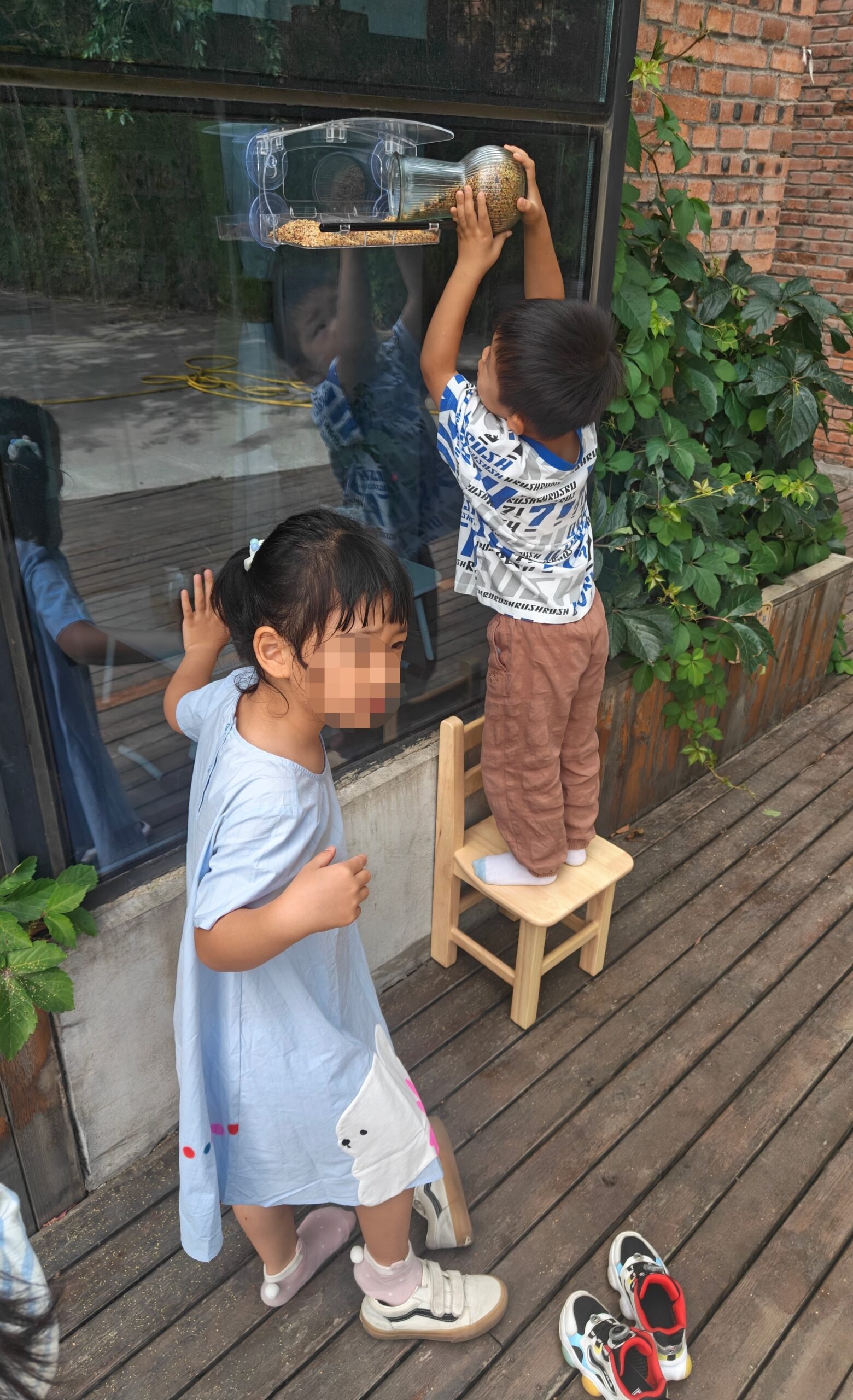
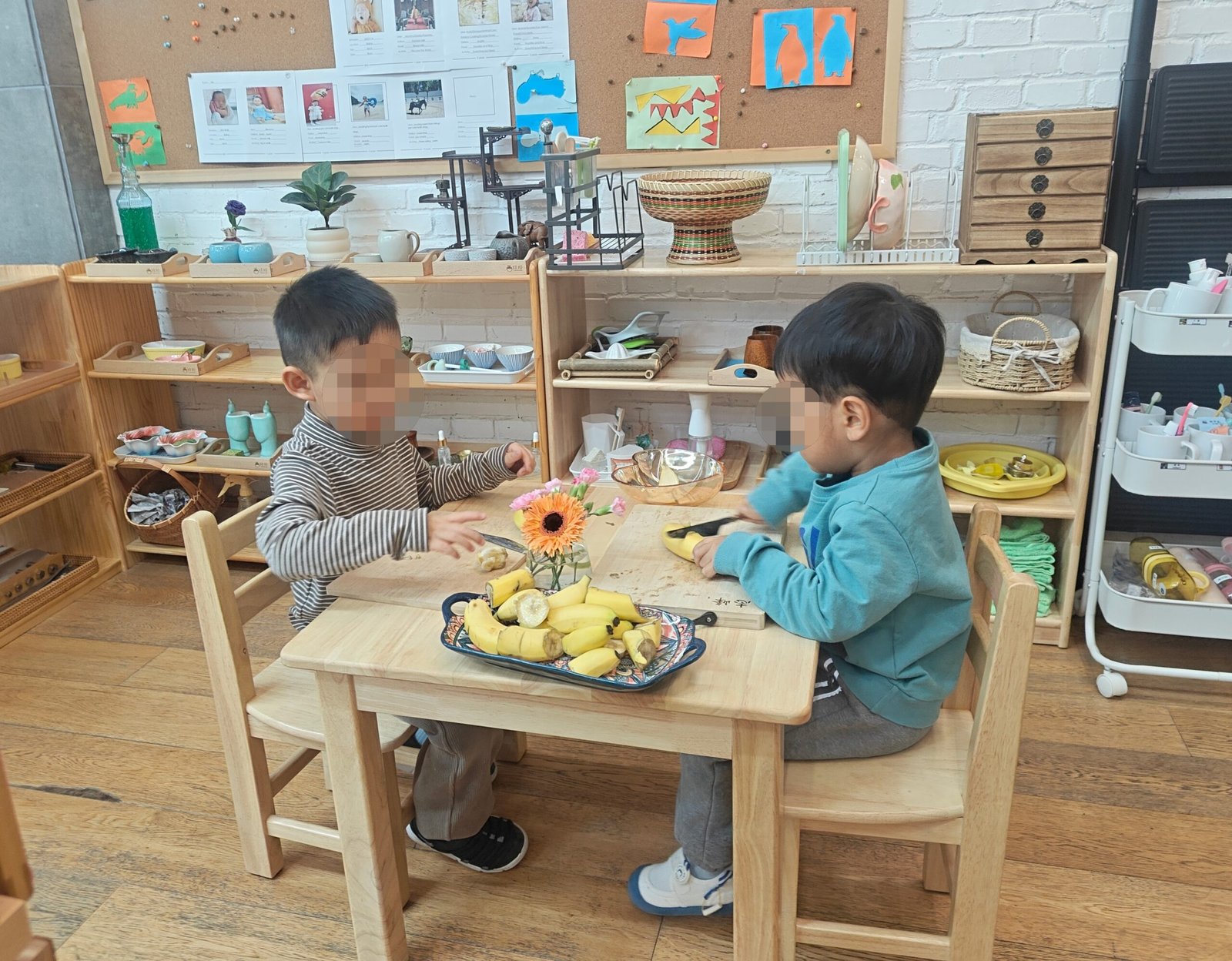
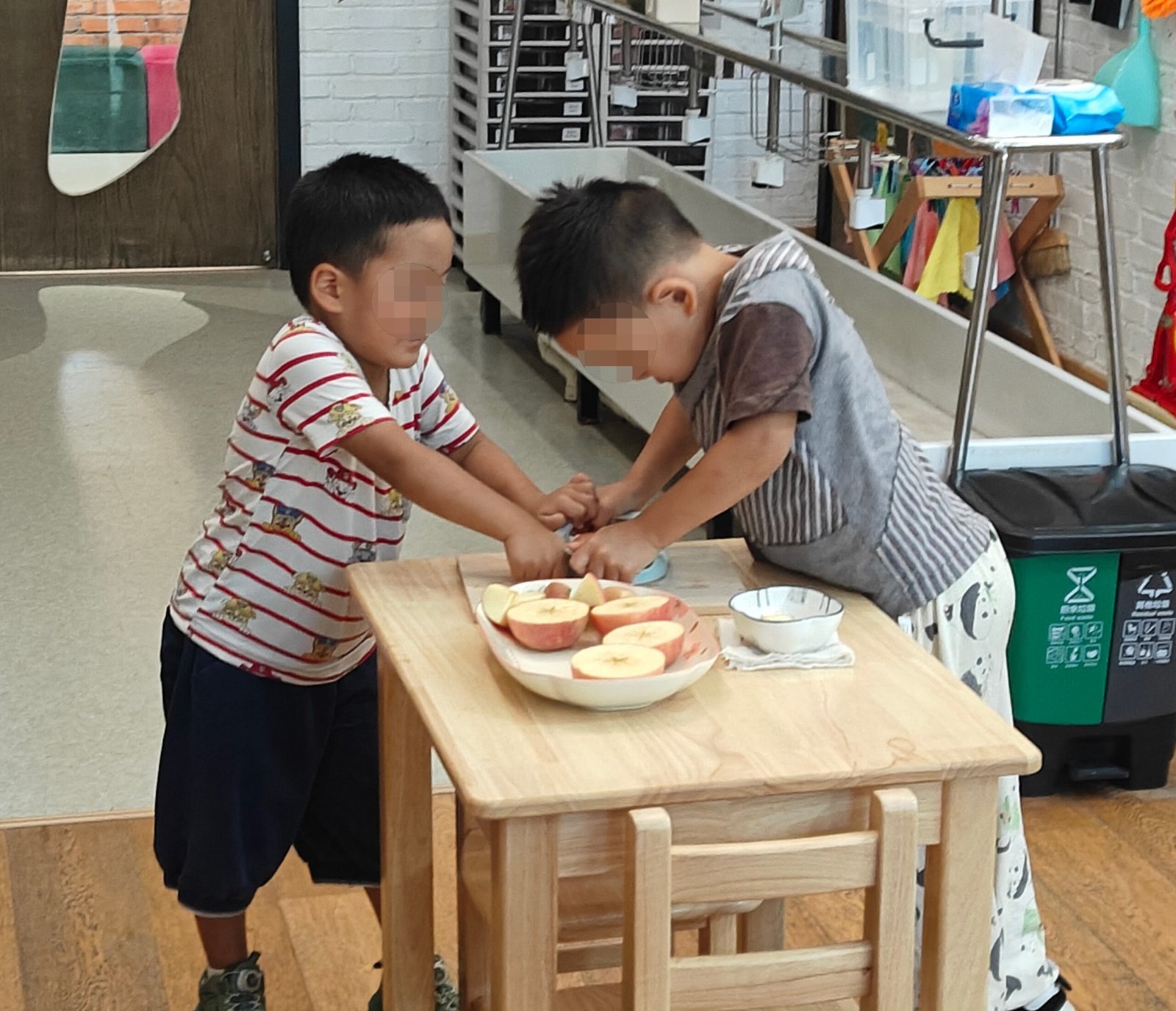
The children eat the snack, so they also accept responsibility for making the snack.
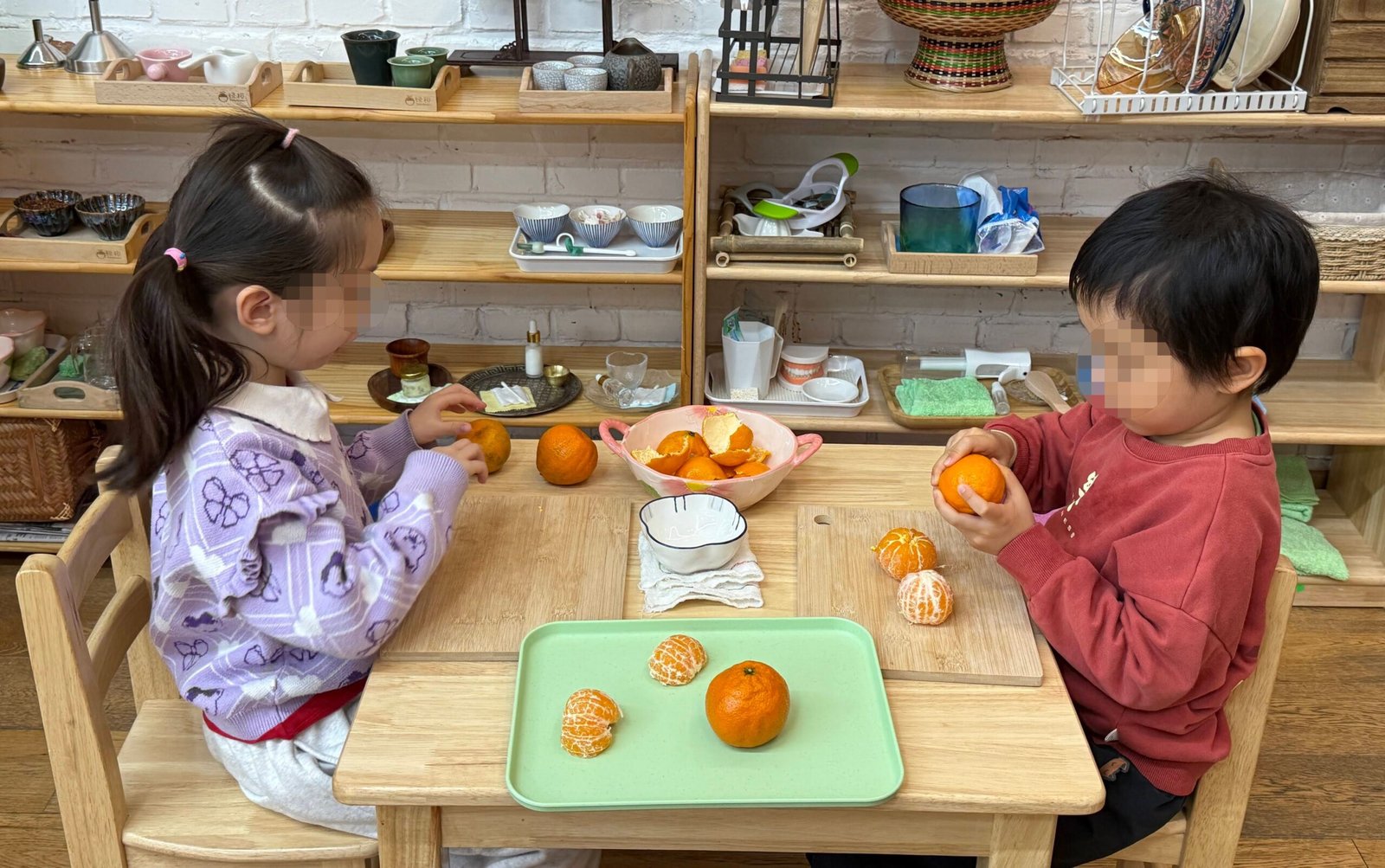
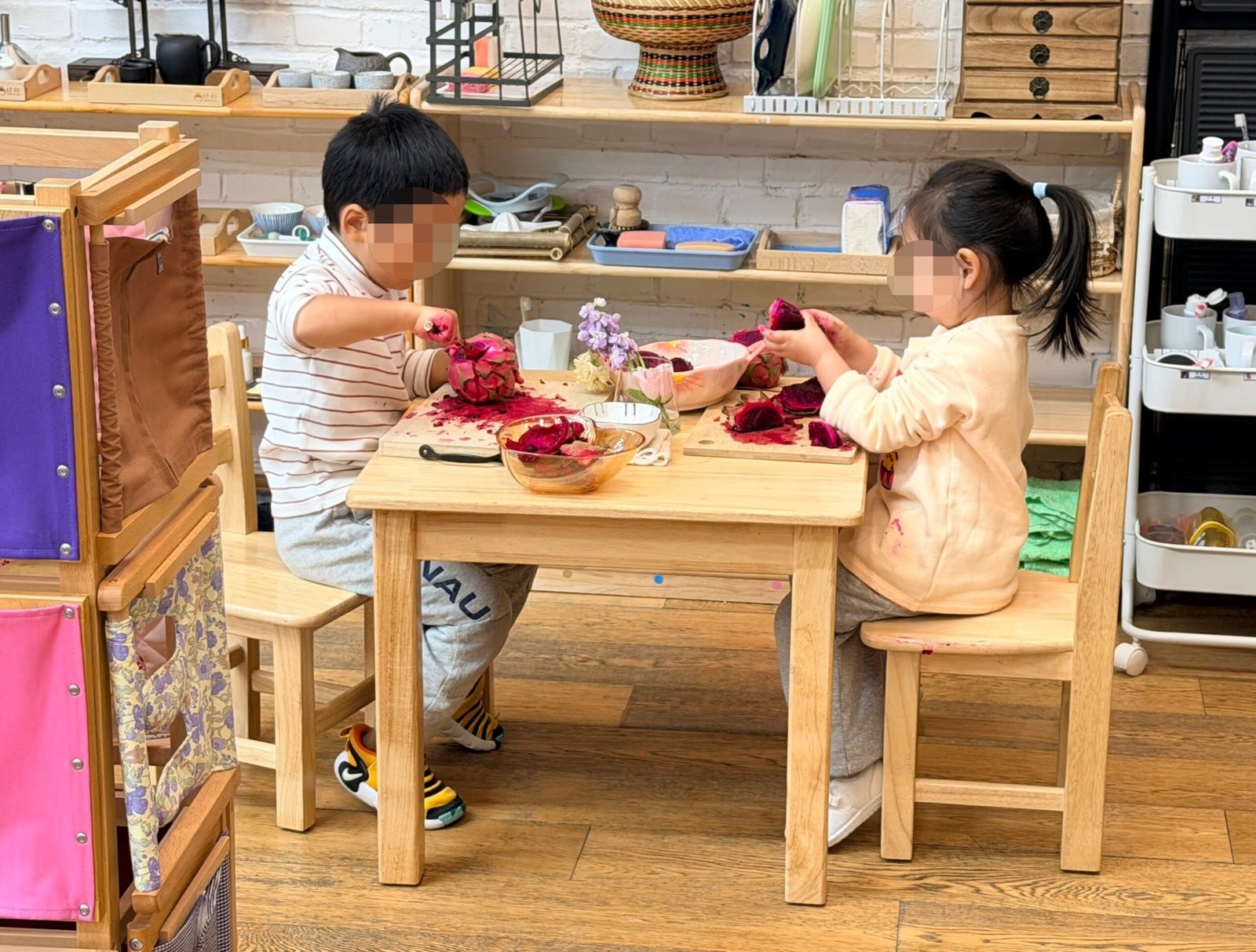
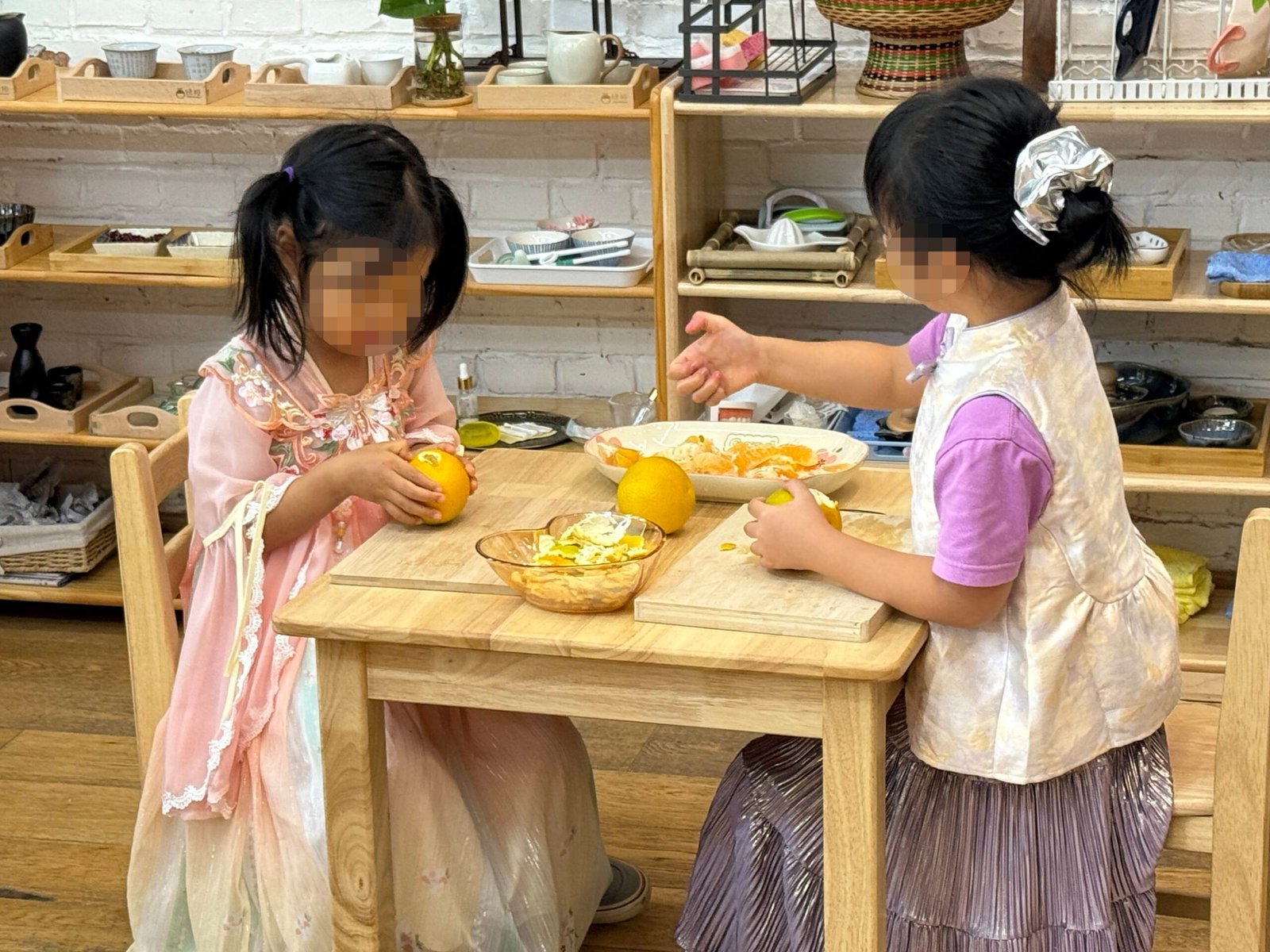
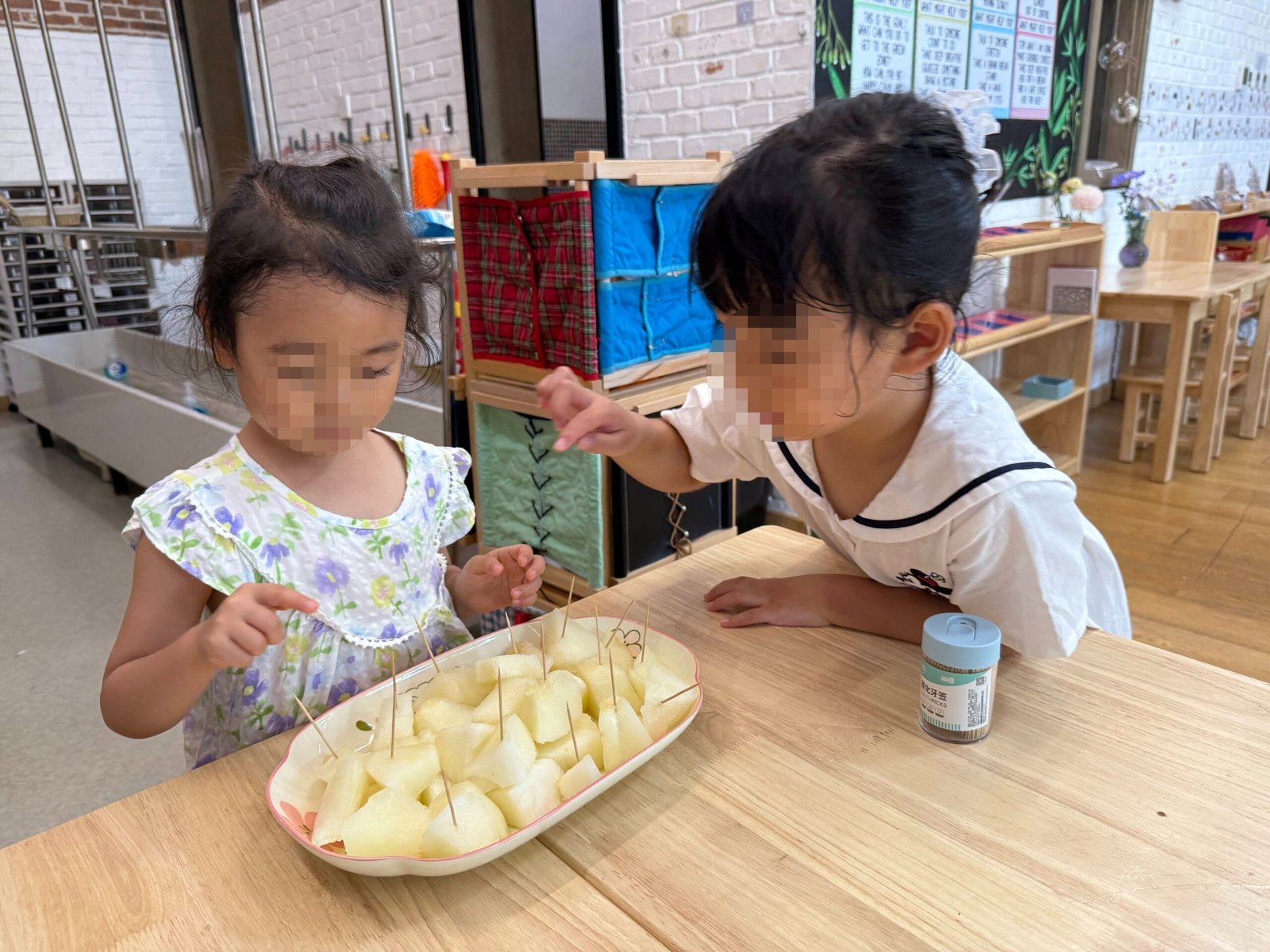
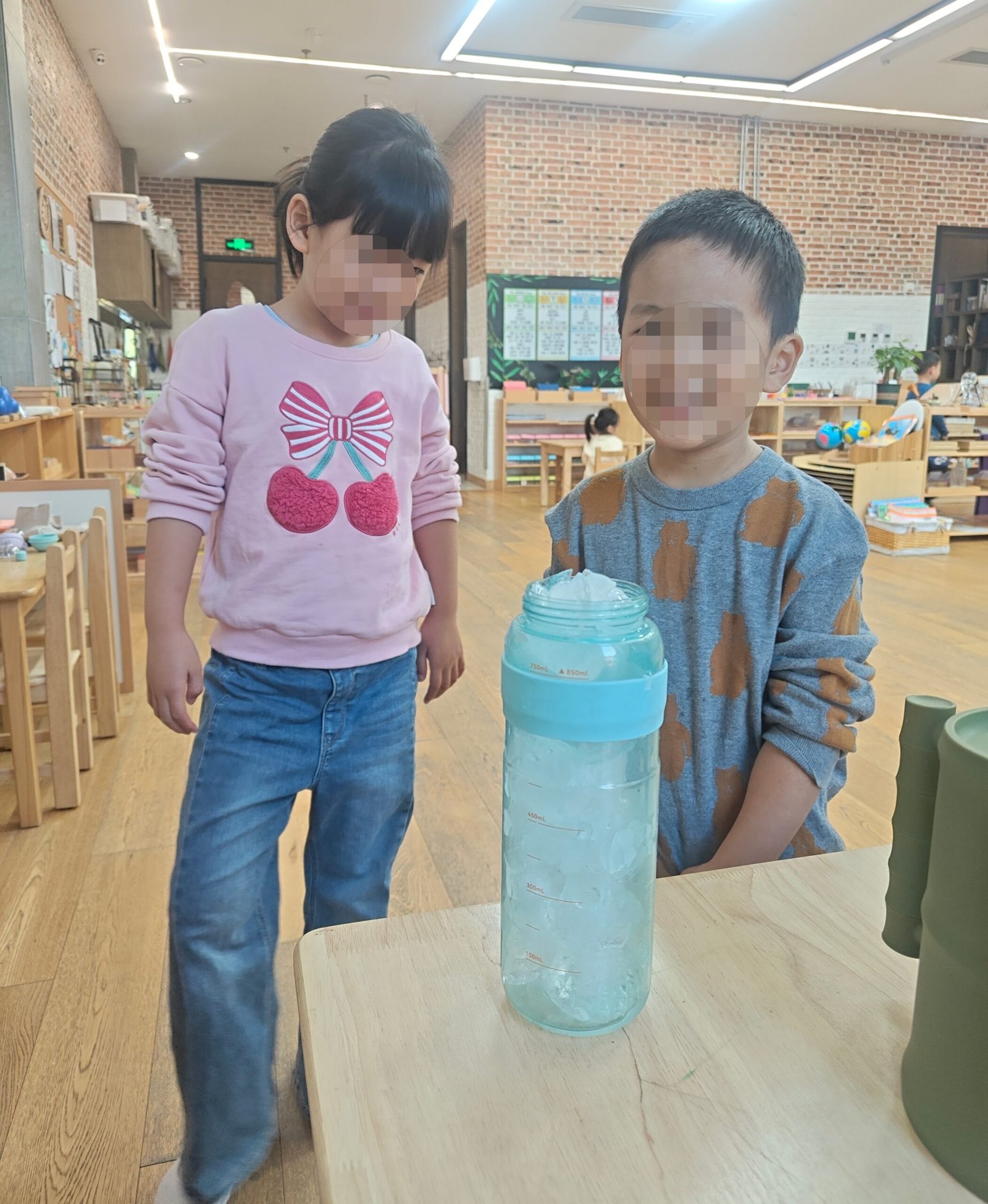
I like to drink iced water, and the children enjoy preparing it for me. That’s teamwork.
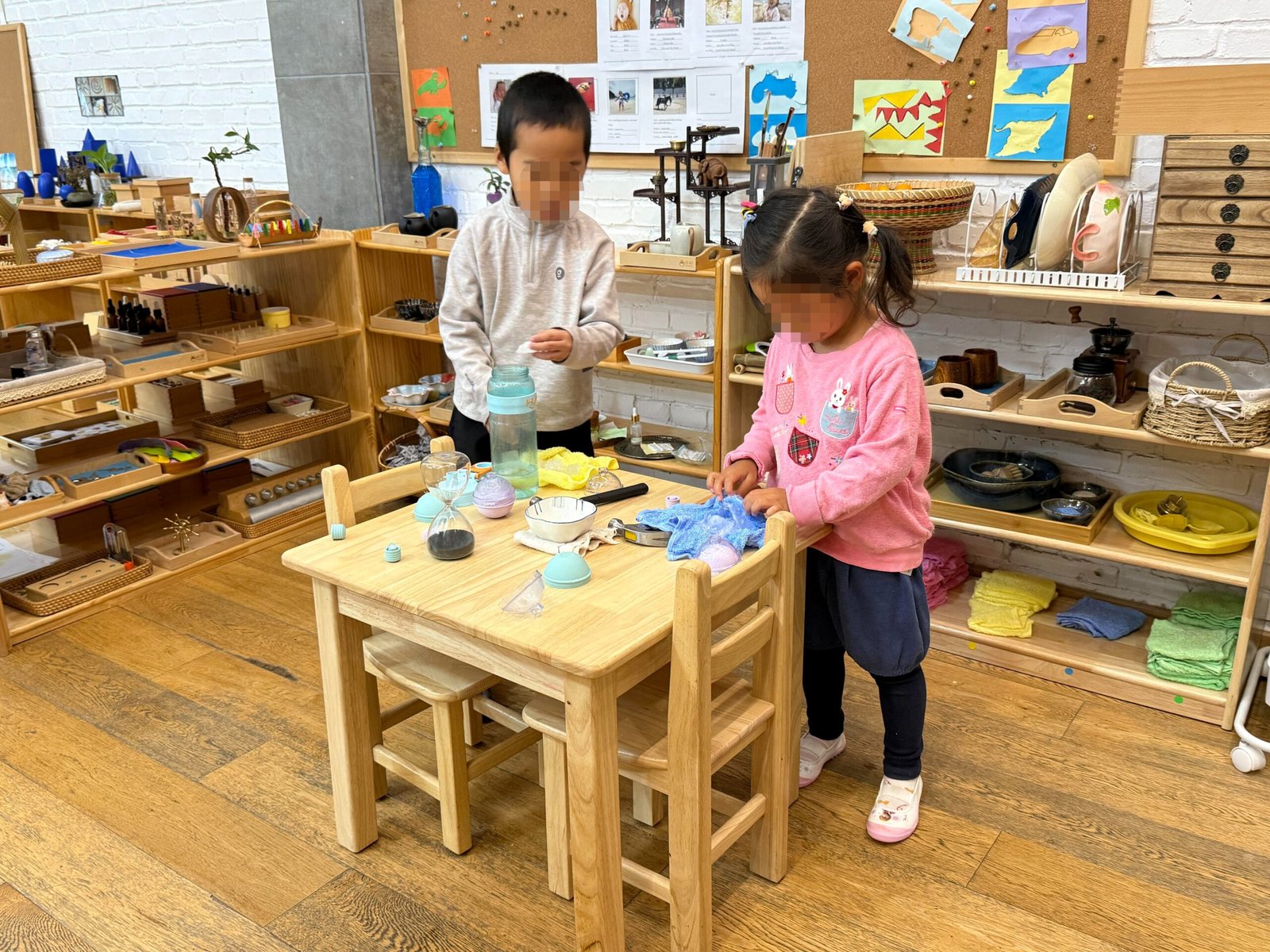
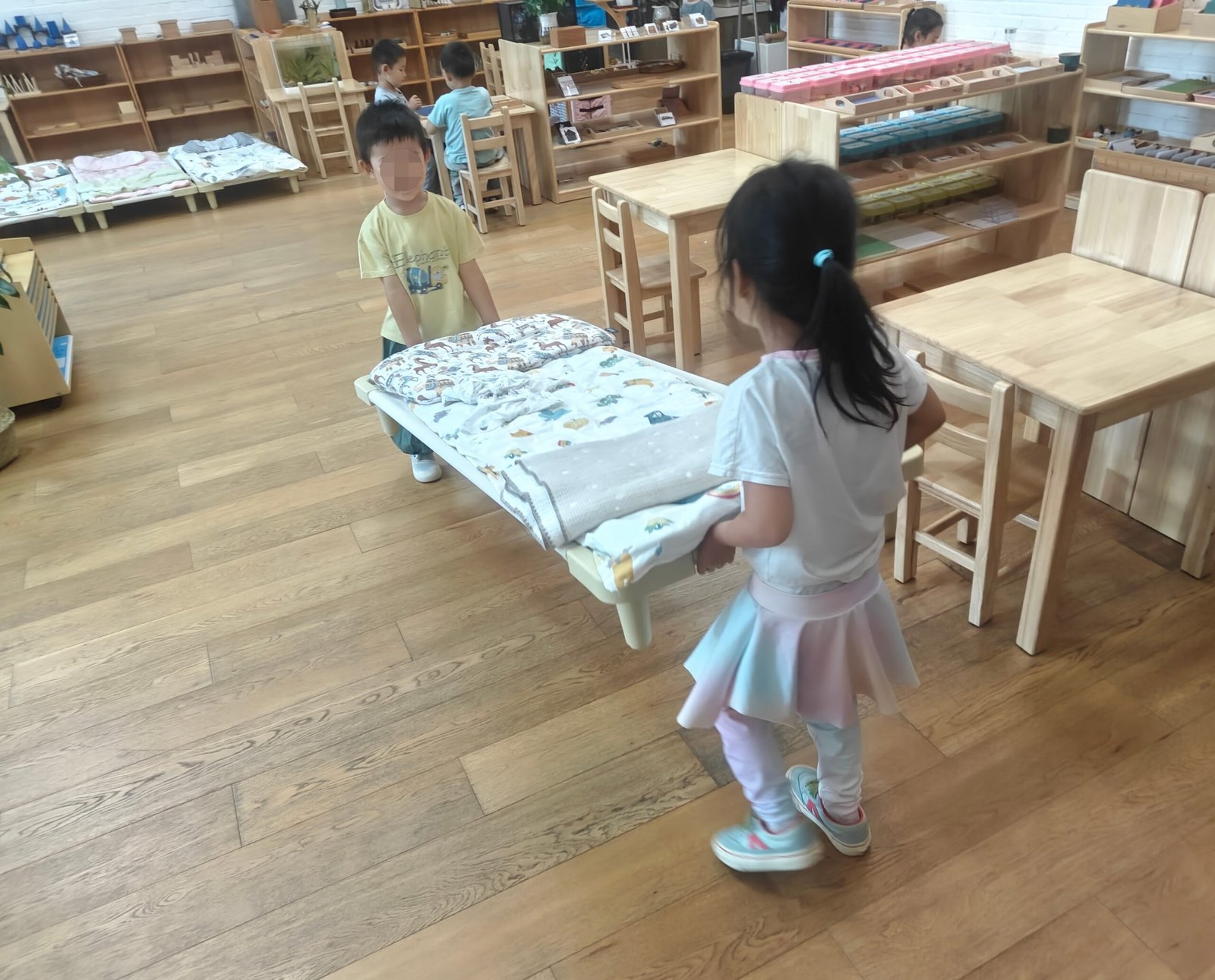
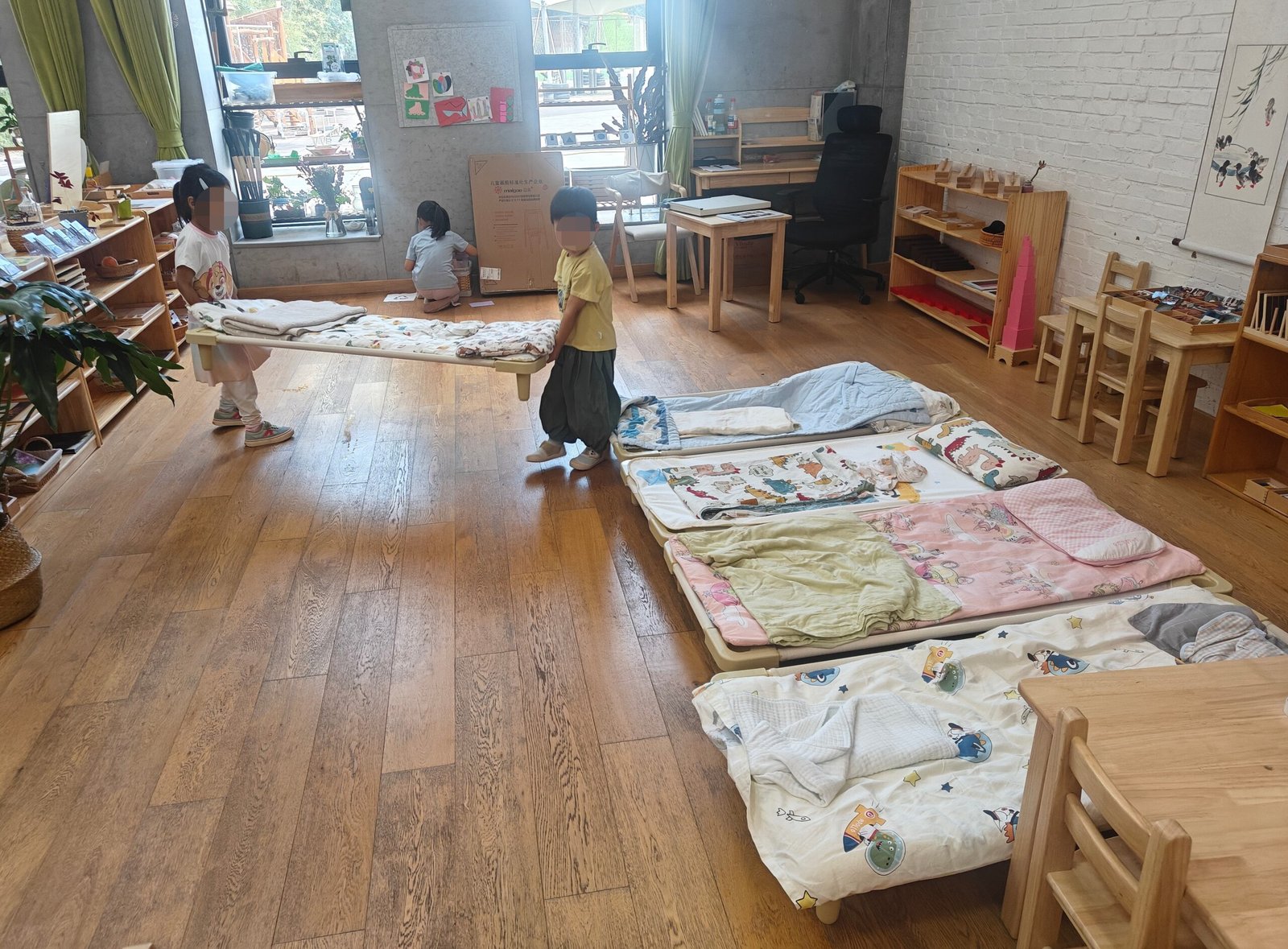
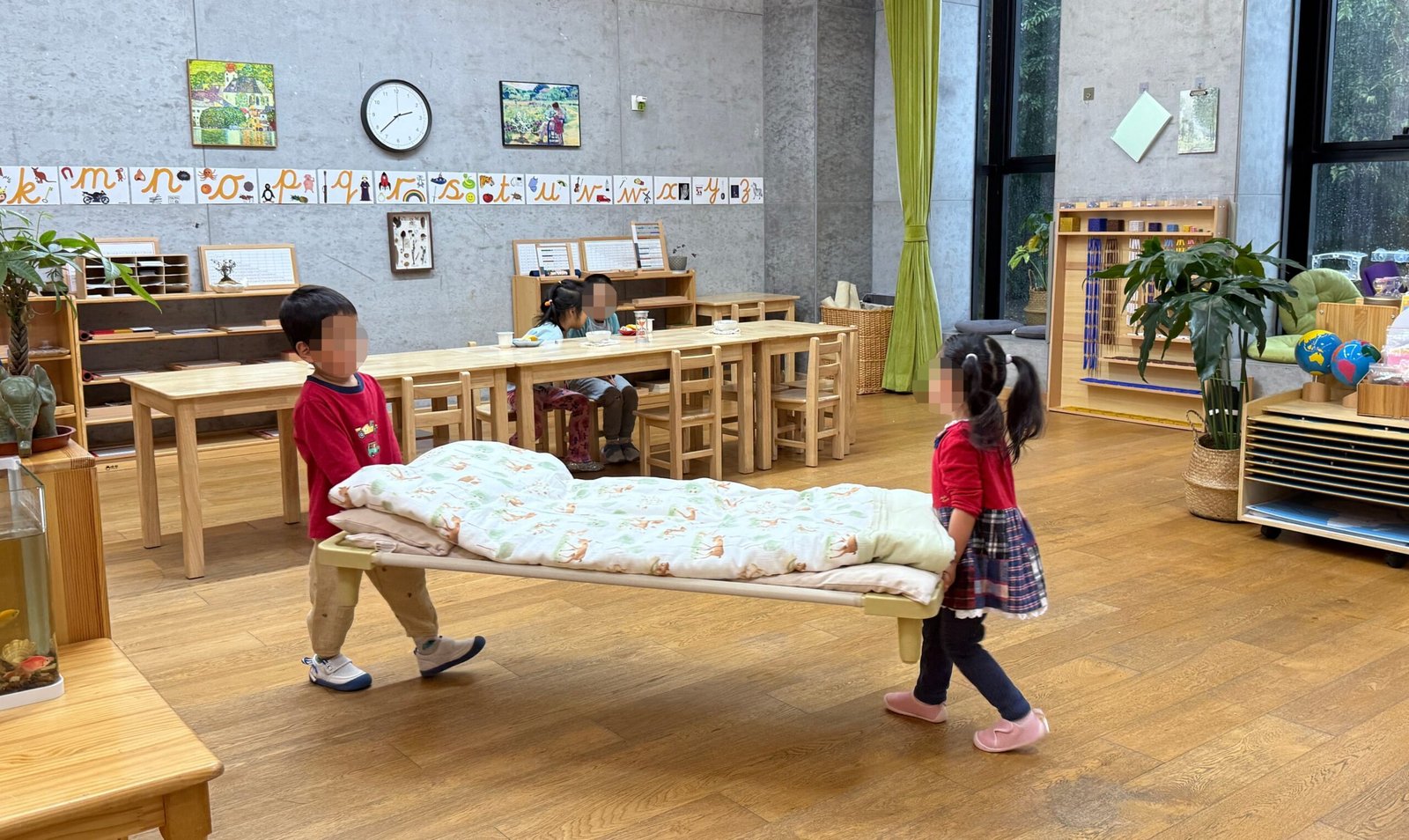
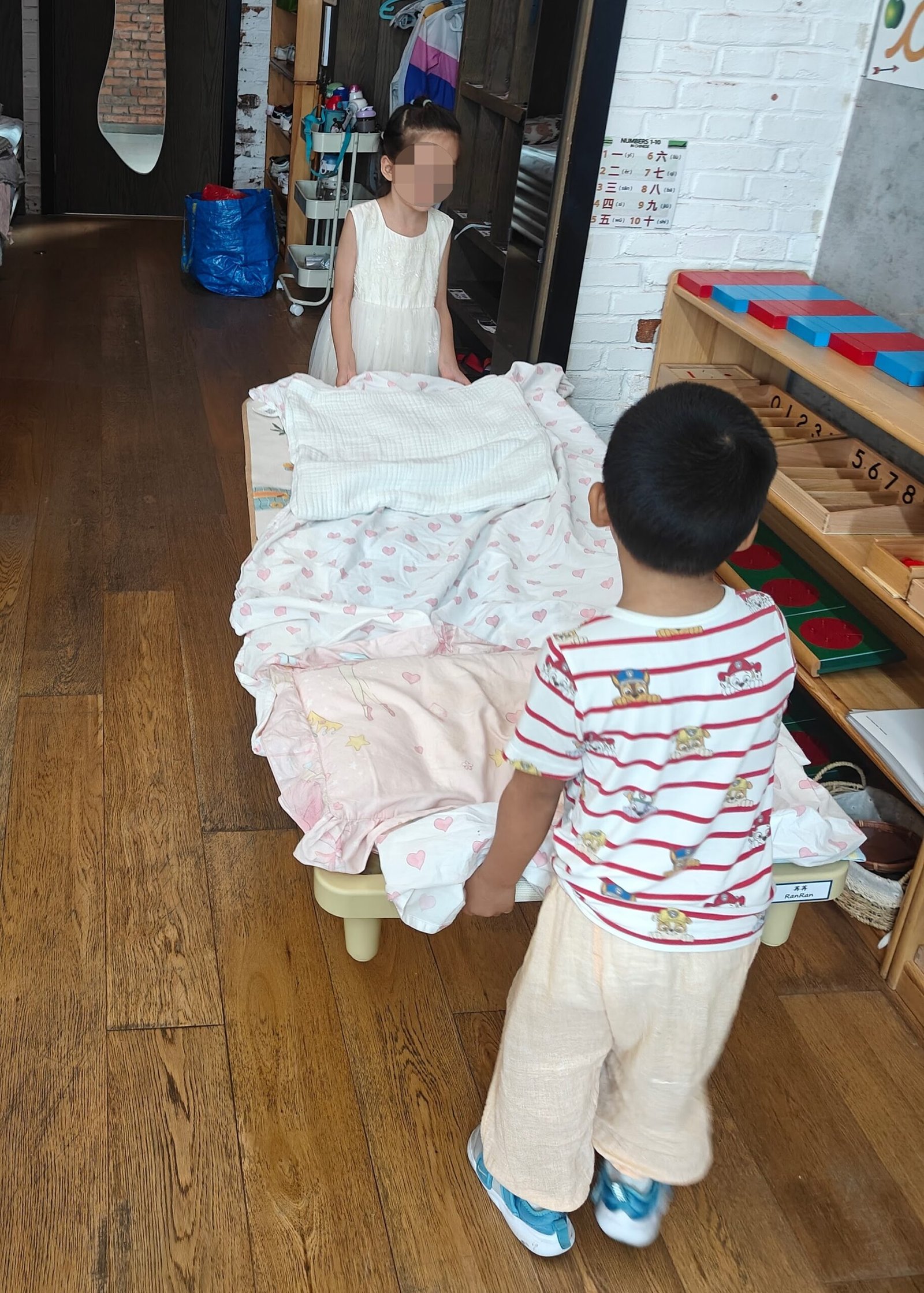
Preparing the beds can be a time-consuming and monotonous task for teachers, but the children turn it into a fun game.
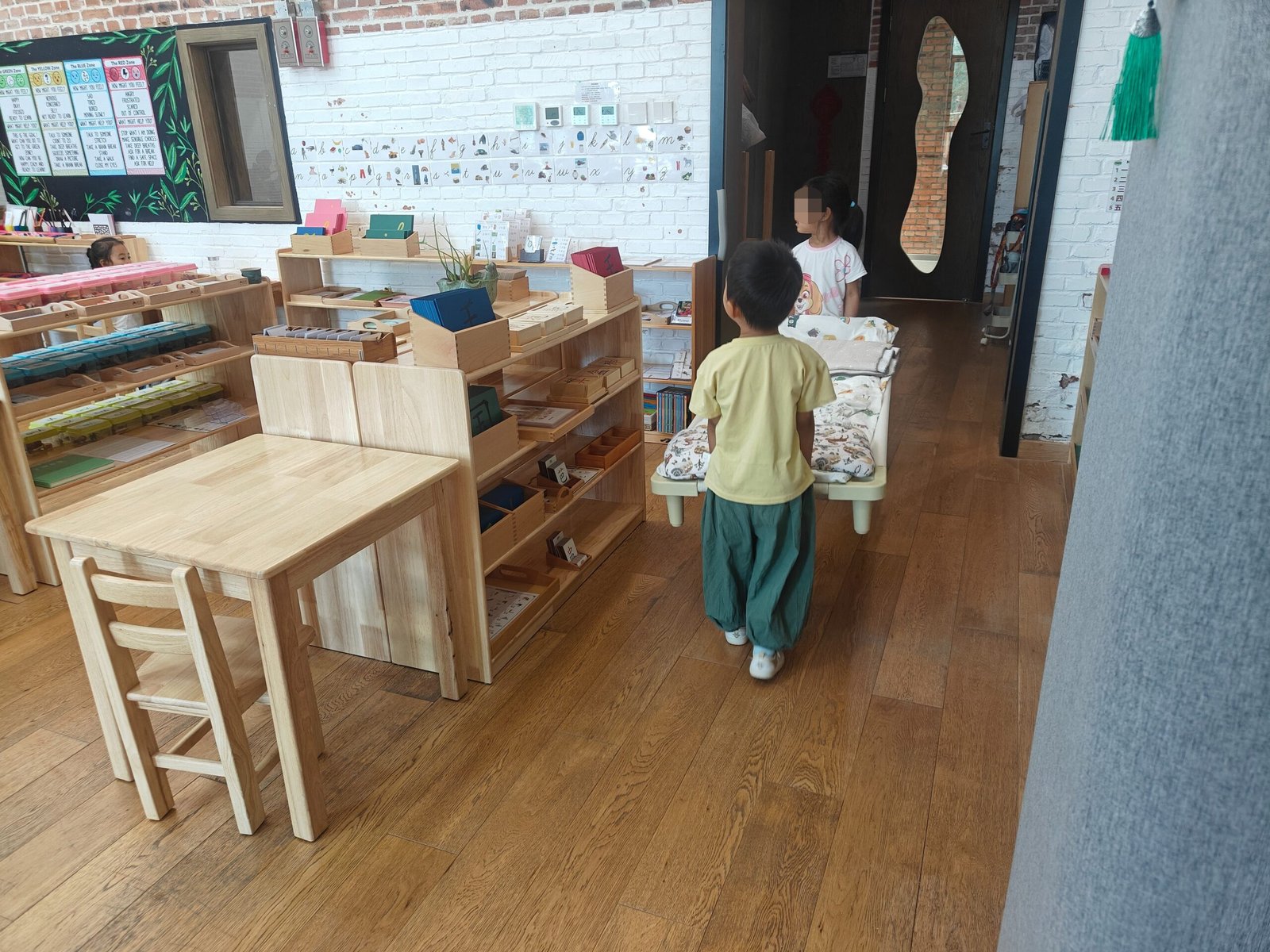
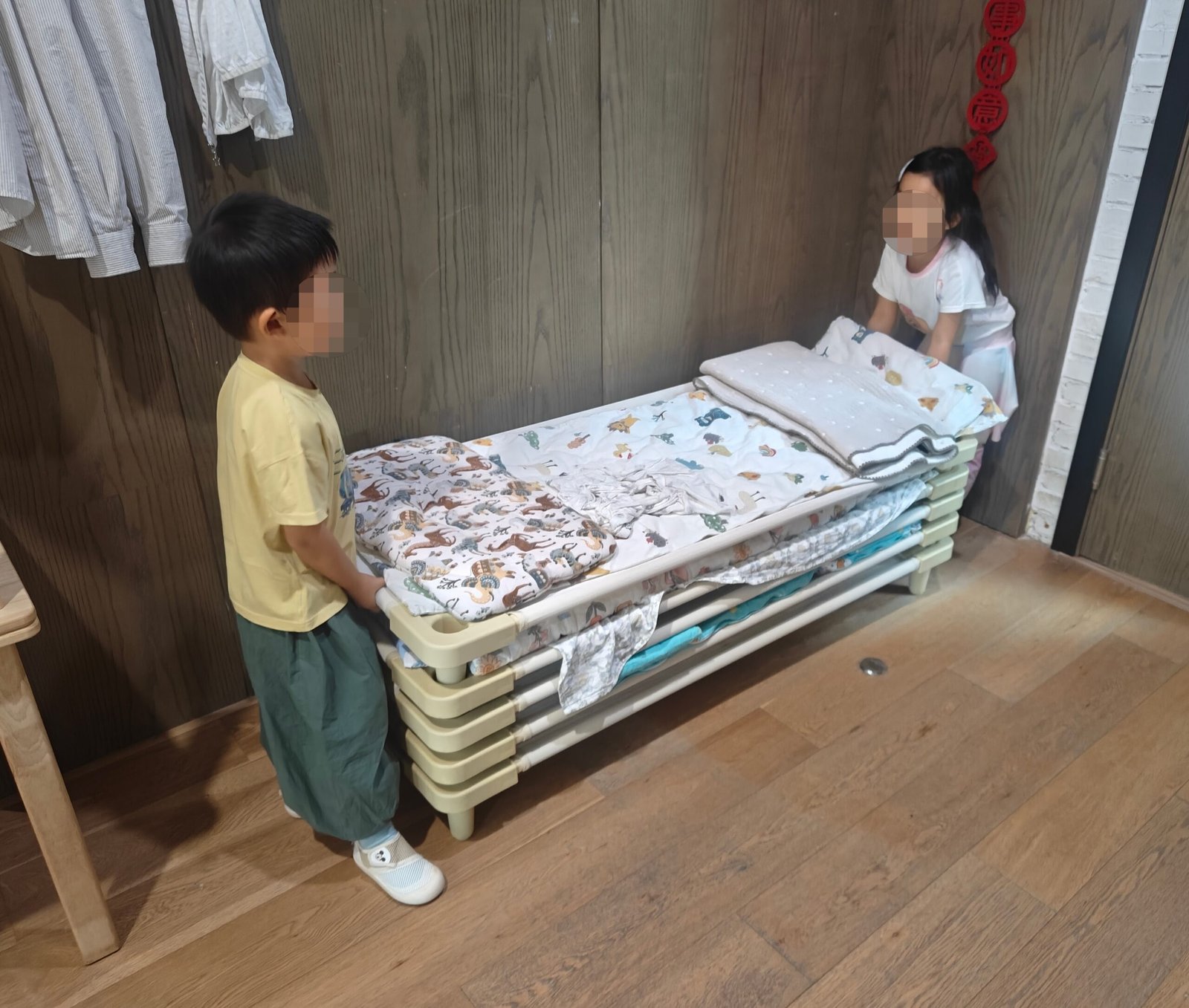
And one that many children want to play.
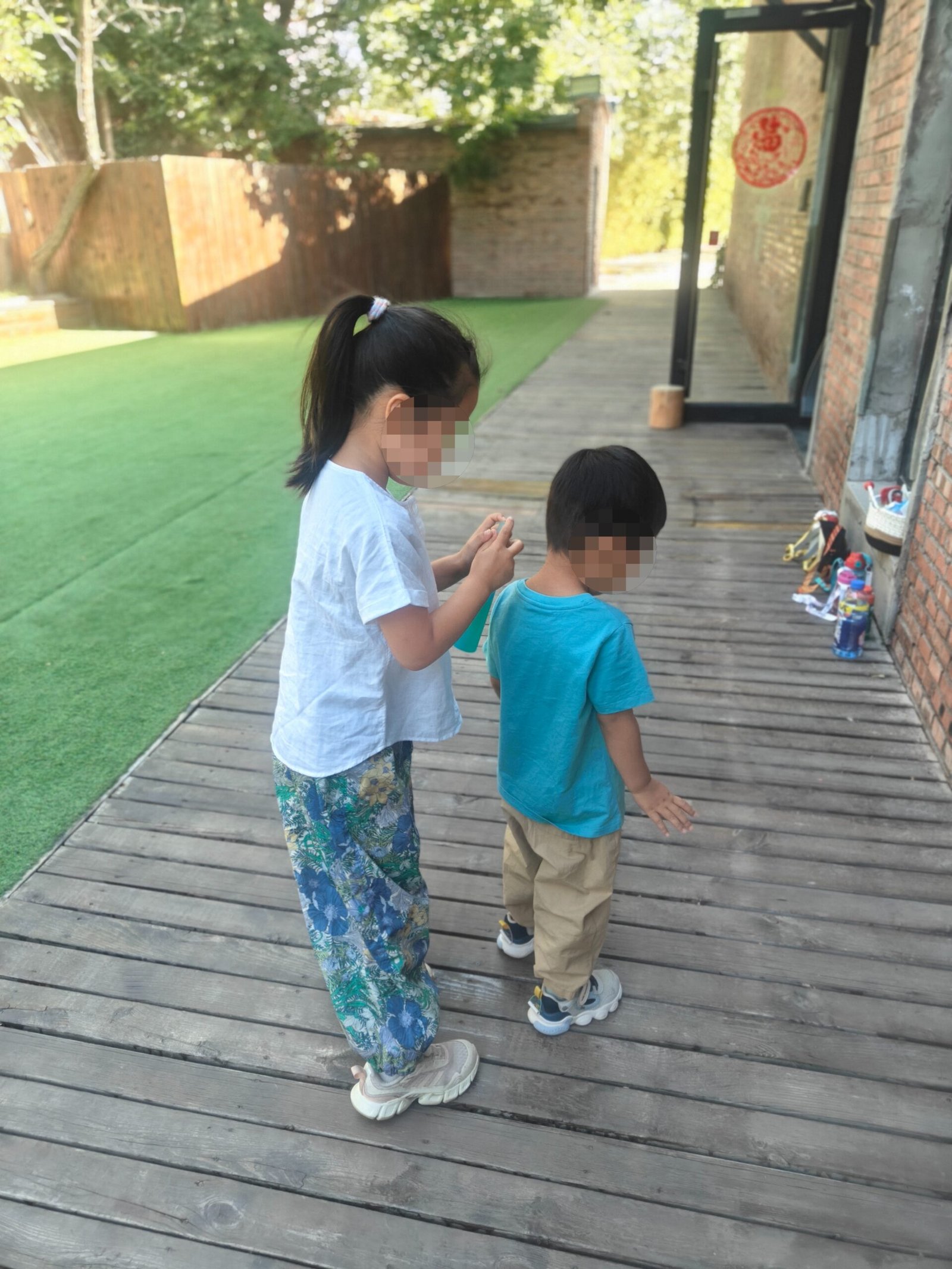
The children are quick to assume responsibility for helping their classmates in many different ways, such as covering them in mosquito spray before they go out to play.
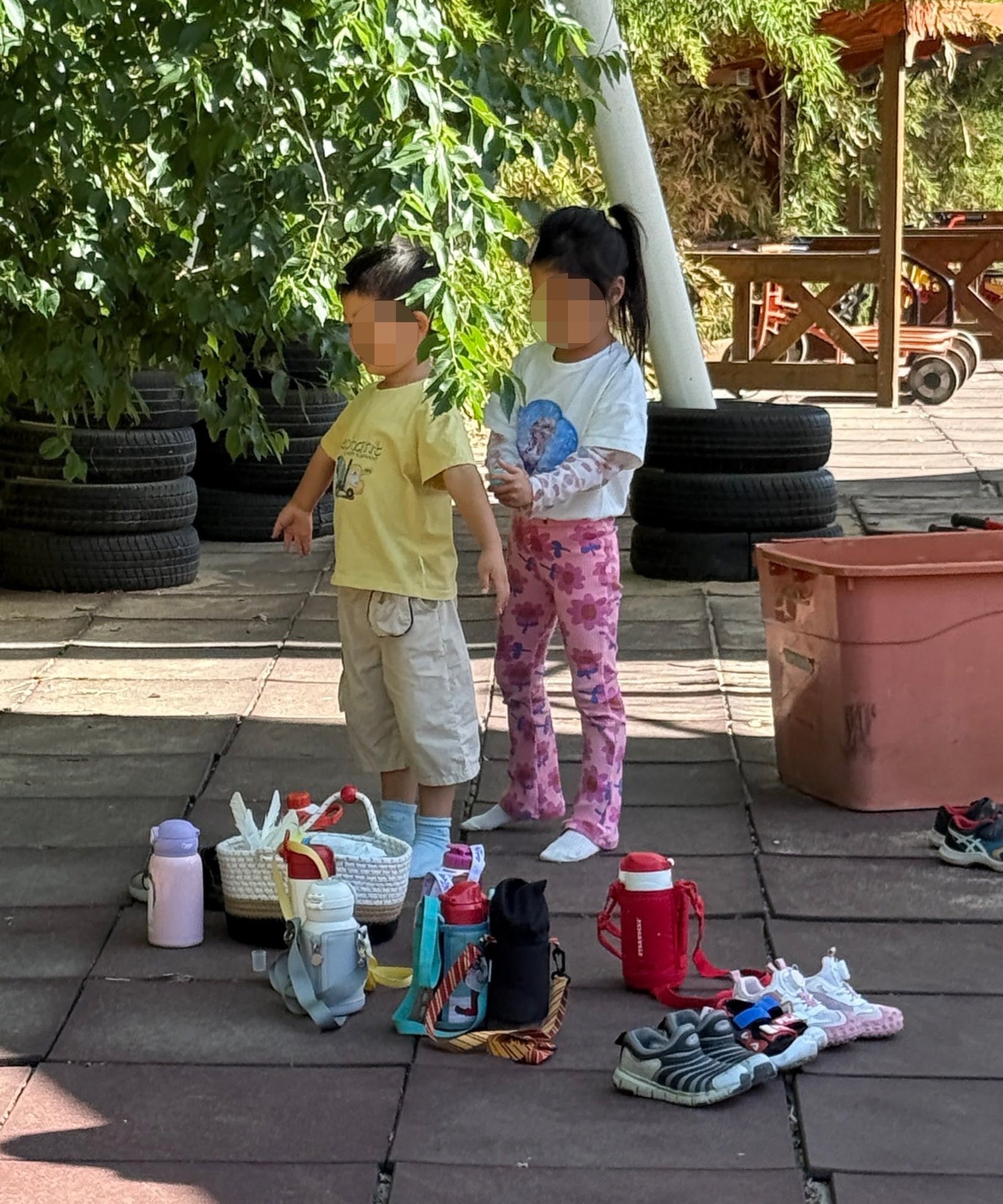
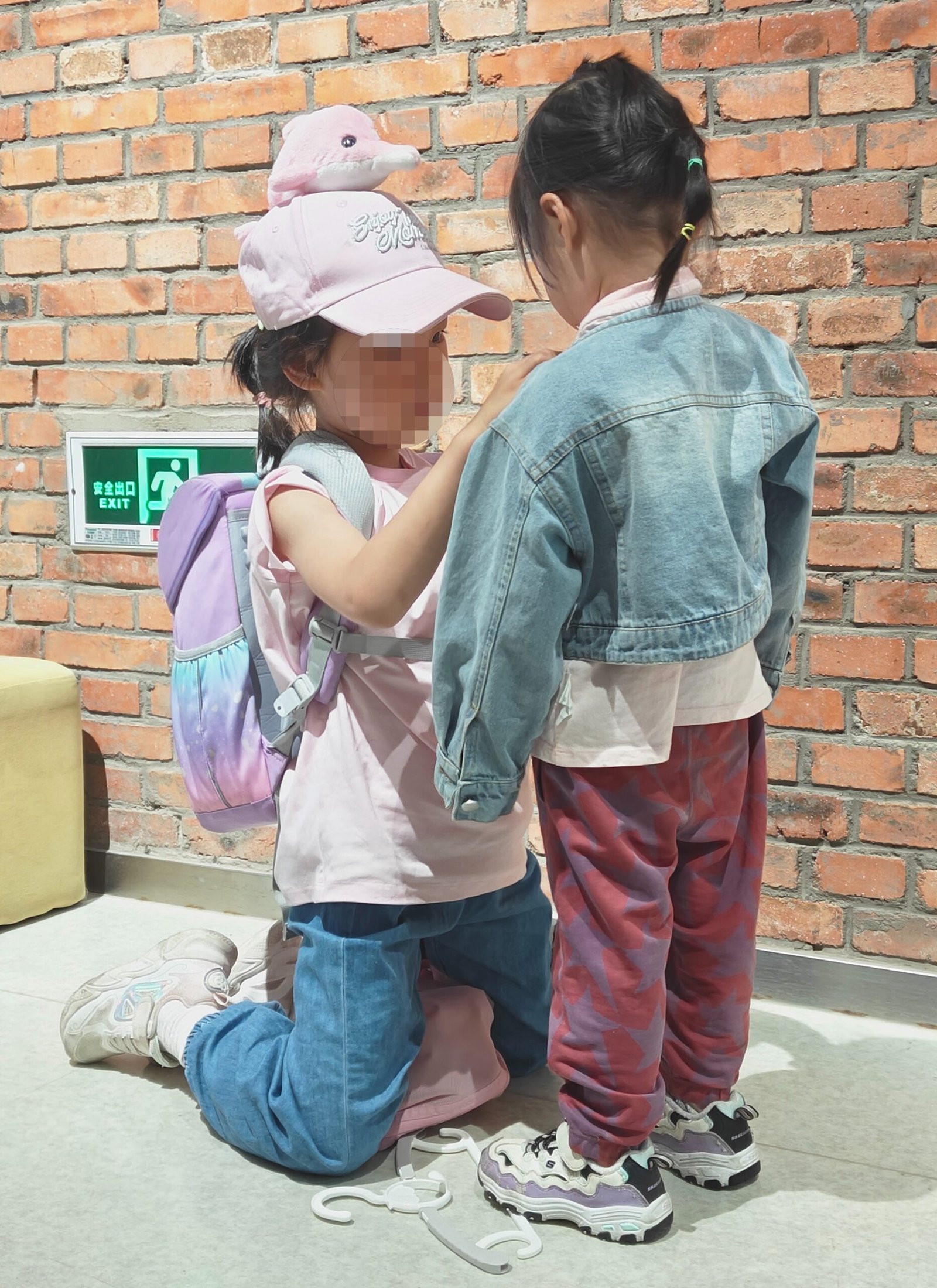
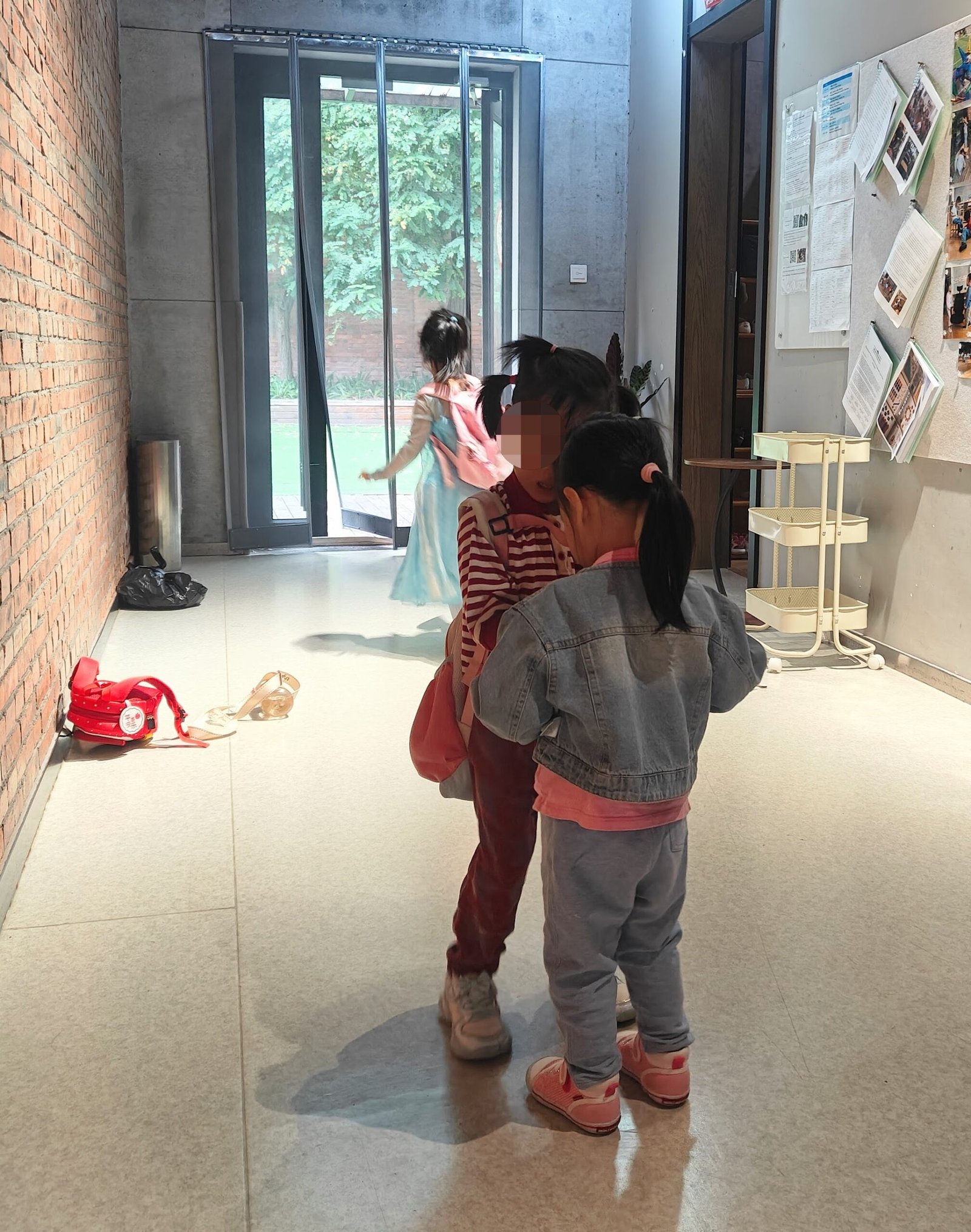
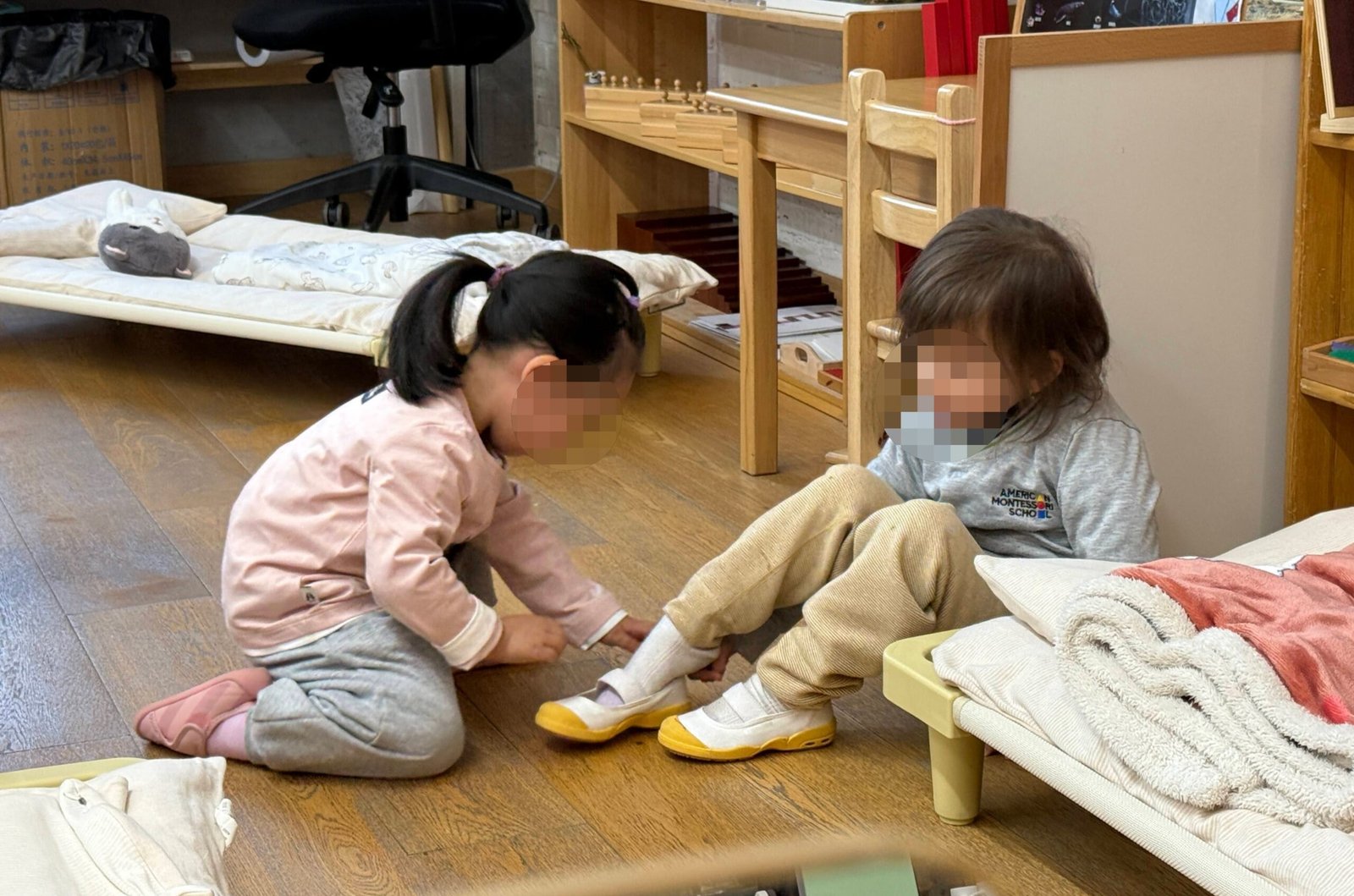
Or helping them take off or put on their jackets, with the child who is helped one day becomes the child offering help the next …
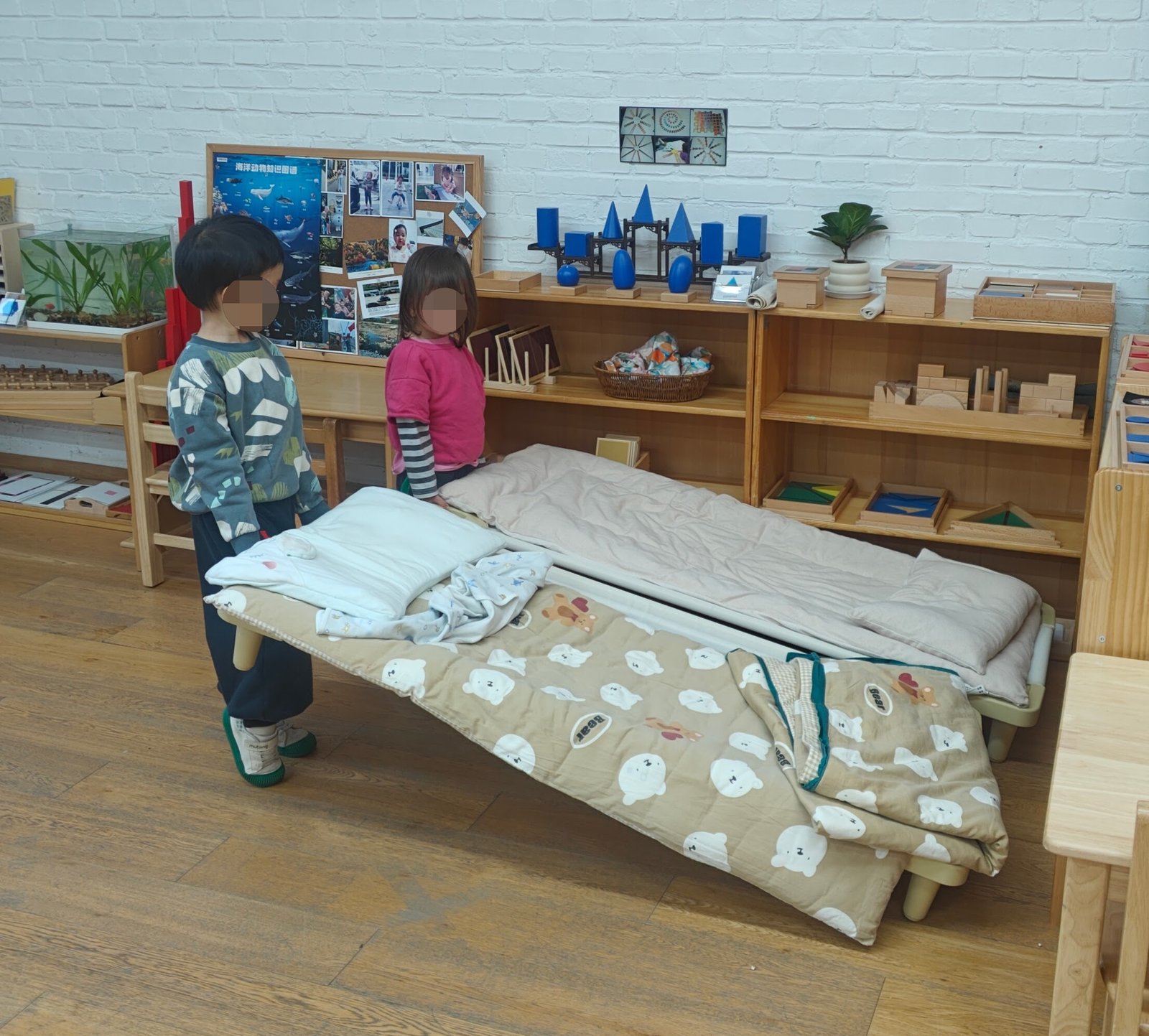
In the afternoons, they put the beds away, and although there might be a few teething problems at the beginning, they figure things out pretty quickly.
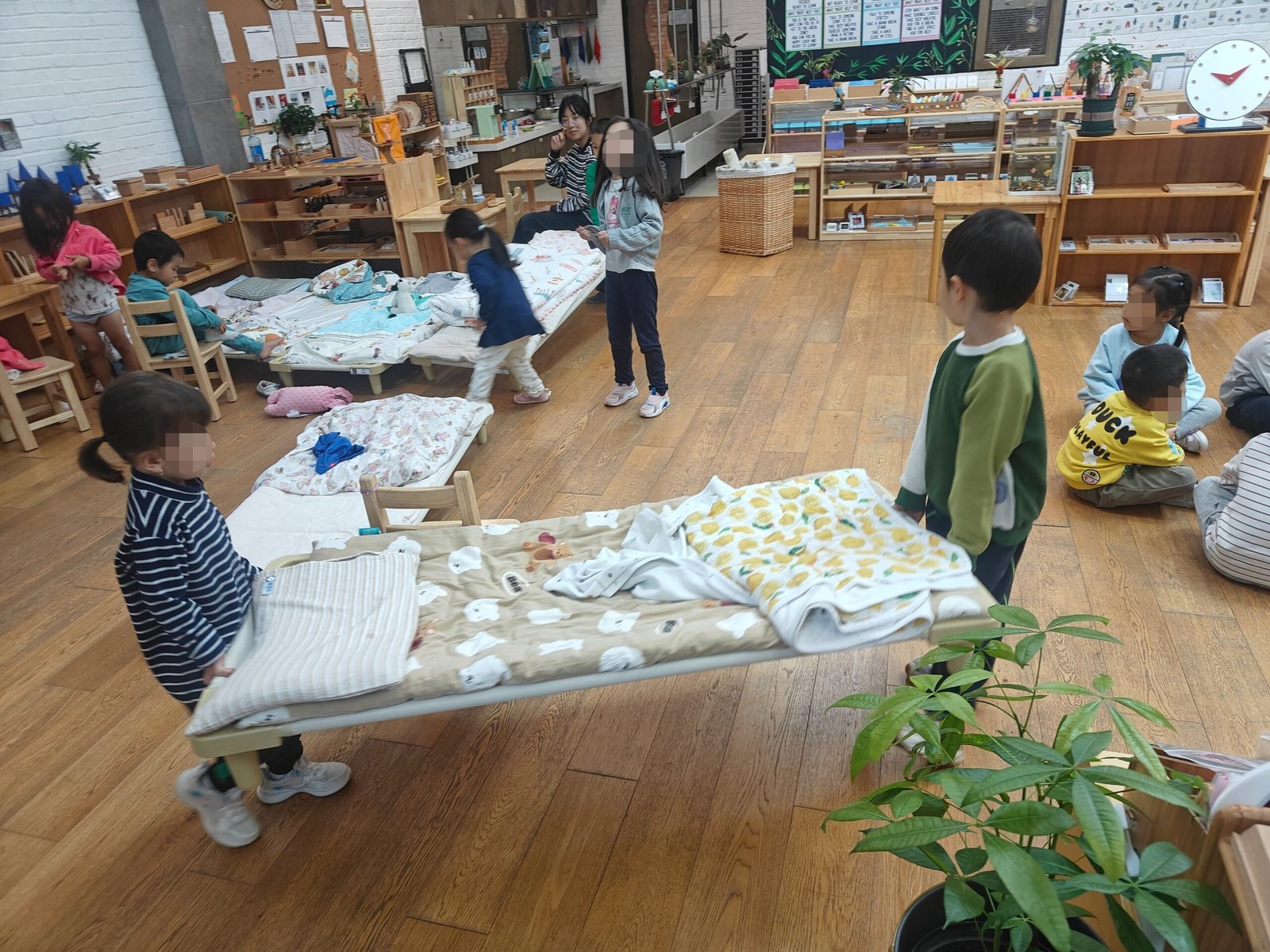
After the children wake from their nap, some of the older ones will put away their beds and some help fold the blankets.
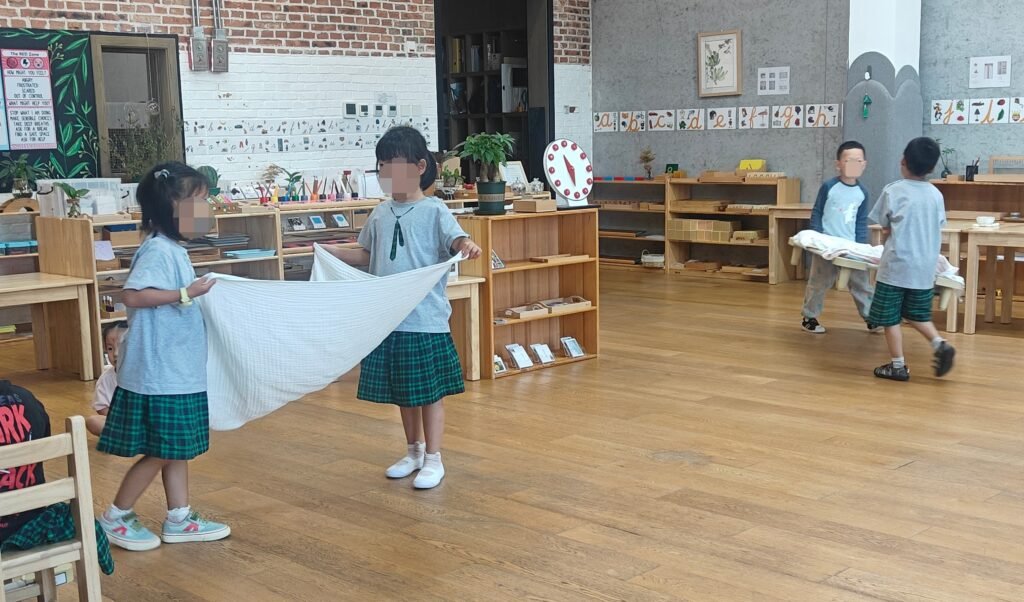
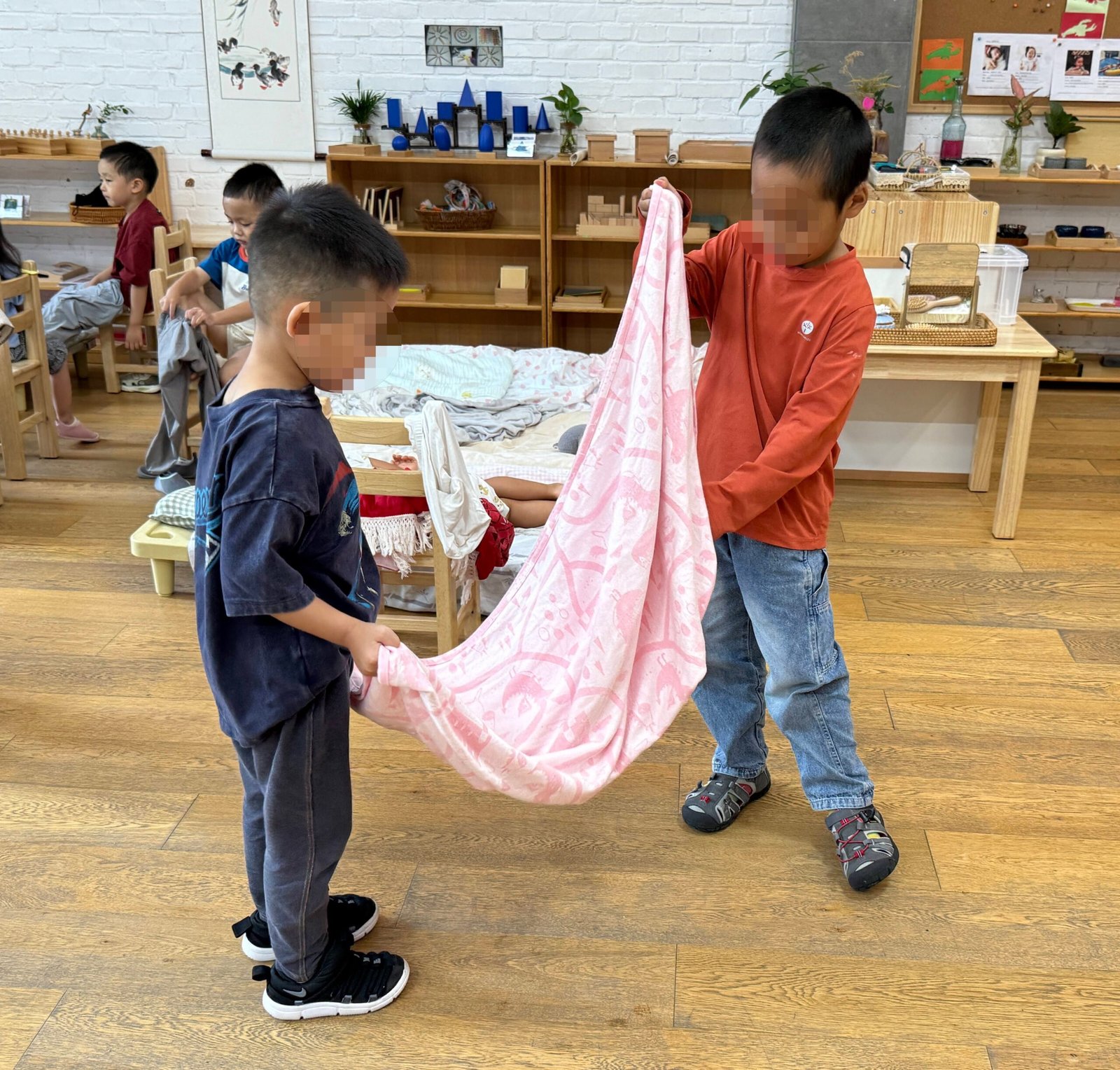
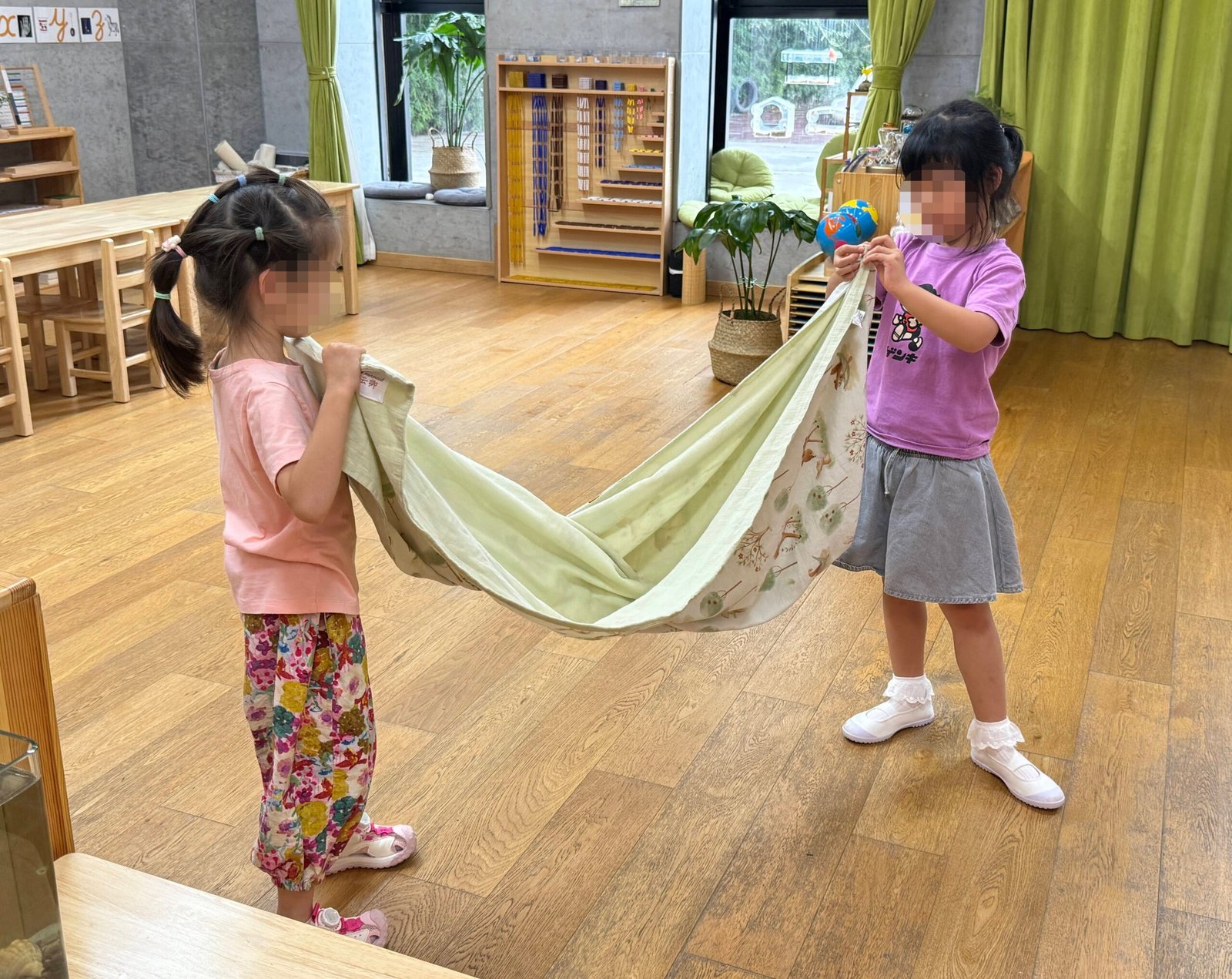
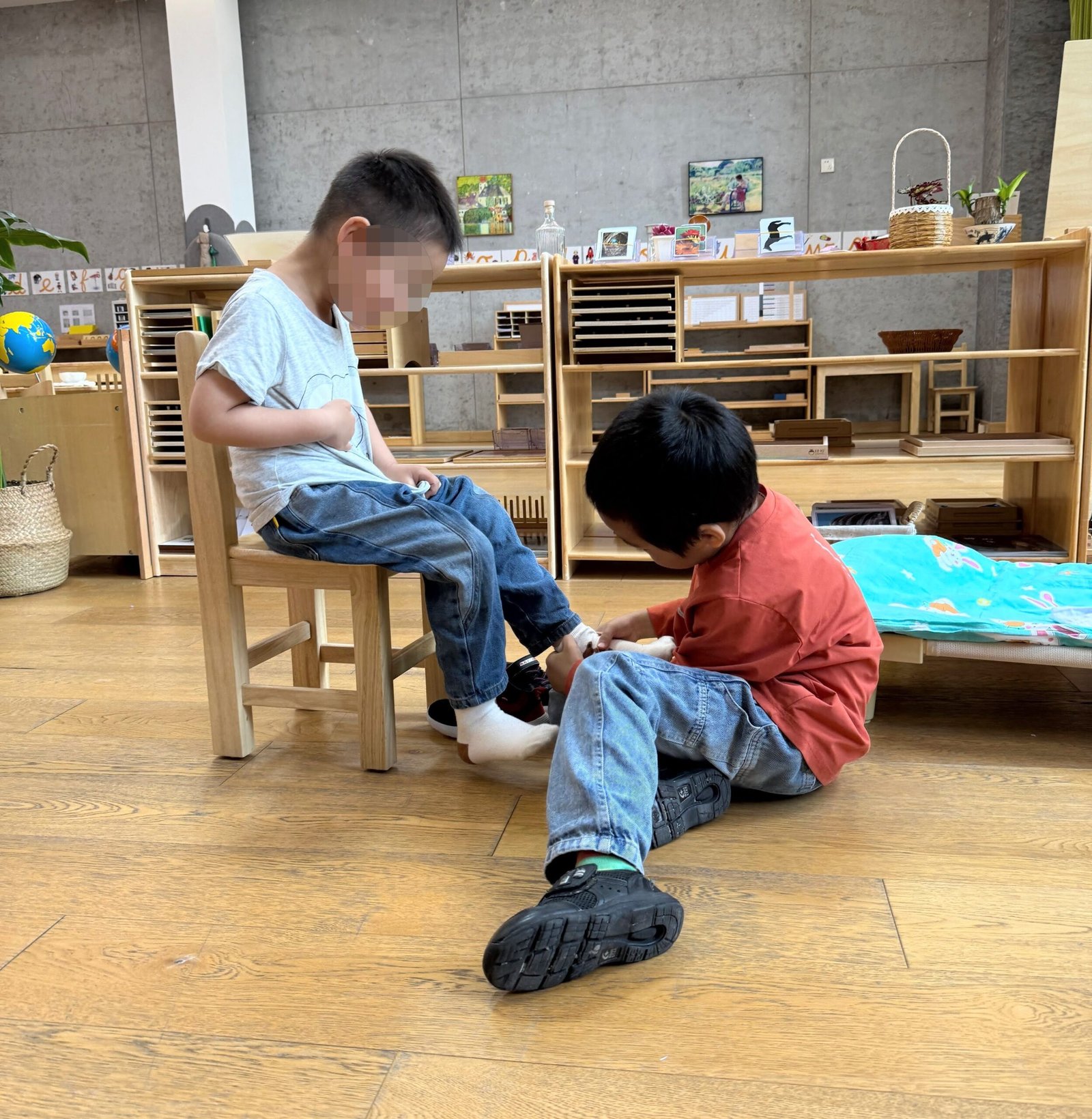
While others help their classmates get dressed.
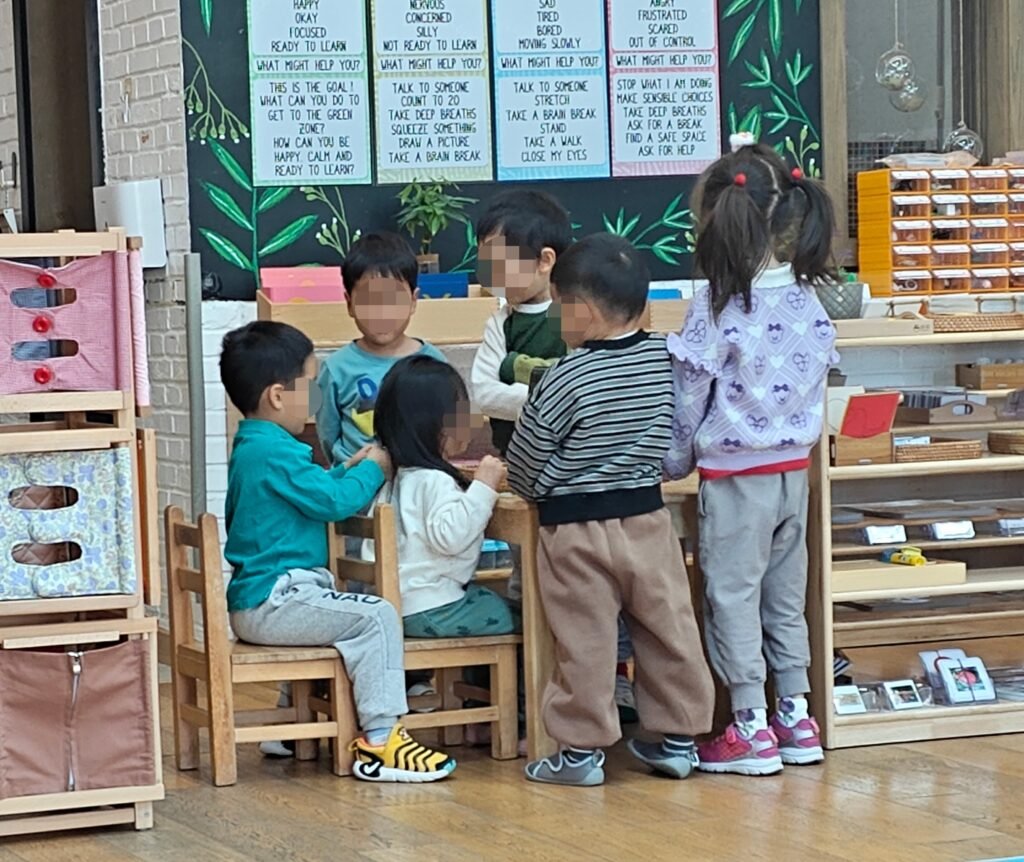
Respect can demonstrated be something as simple and relaxing as brushing your friend’s hair.
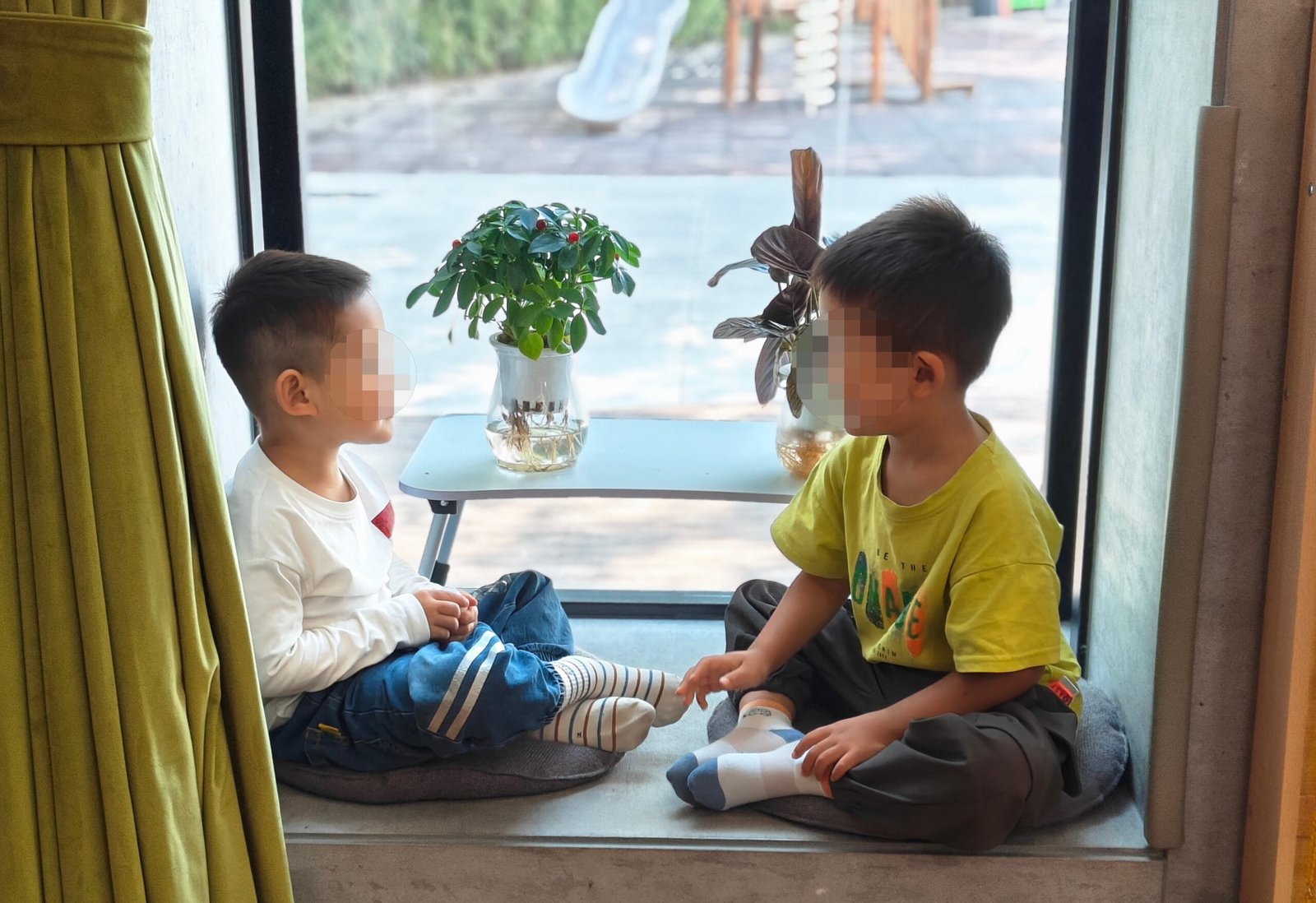
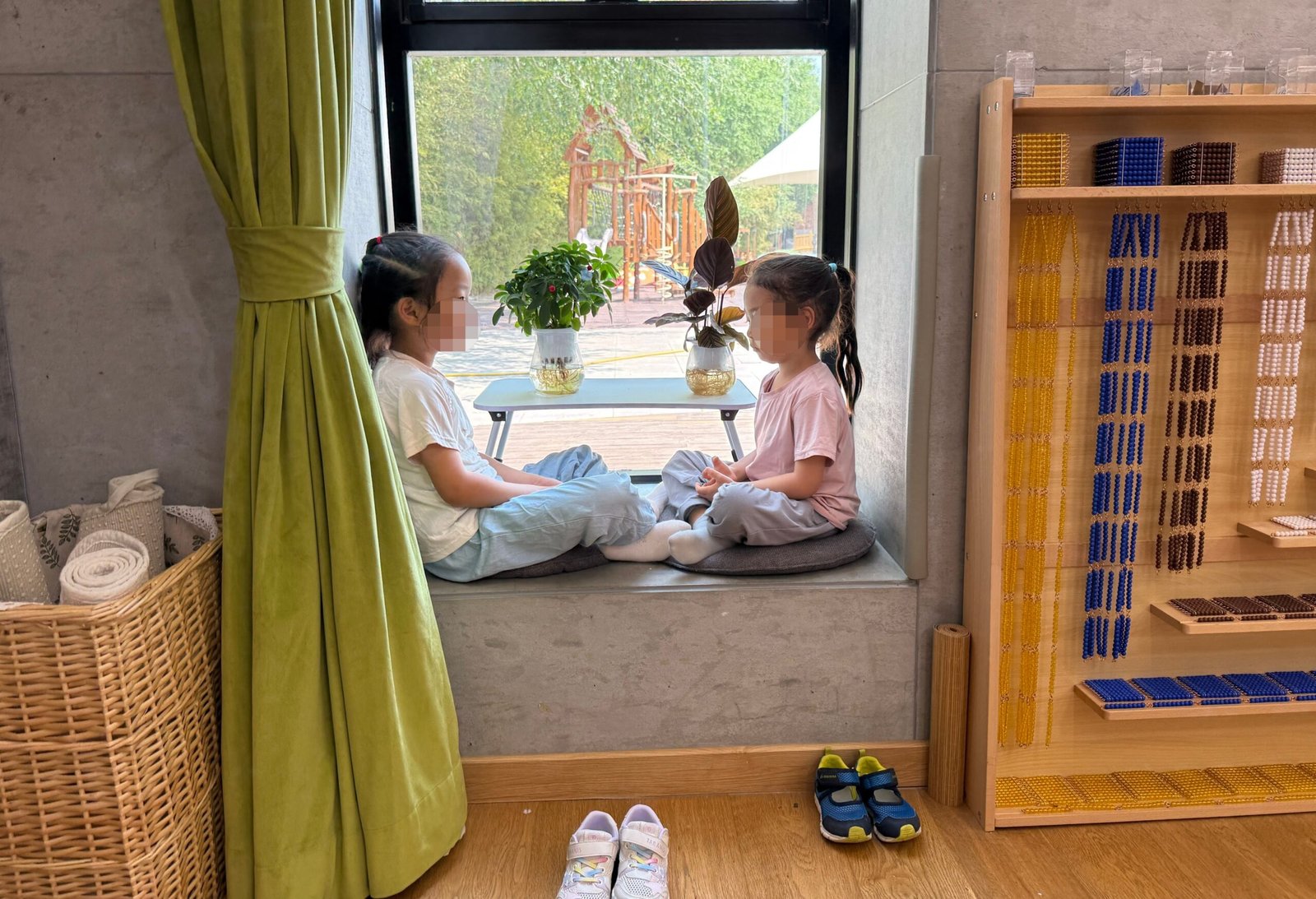
An important aspect of responsibility is accepting that you are the best person to fix your problems, and that includes resolving your own disputes. Although oftentimes these aren’t even disputes so much as opportunities to sit and have a chat:
But even when the children disagree, with practice they become adept at resolving their issues independently, then getting back to work.
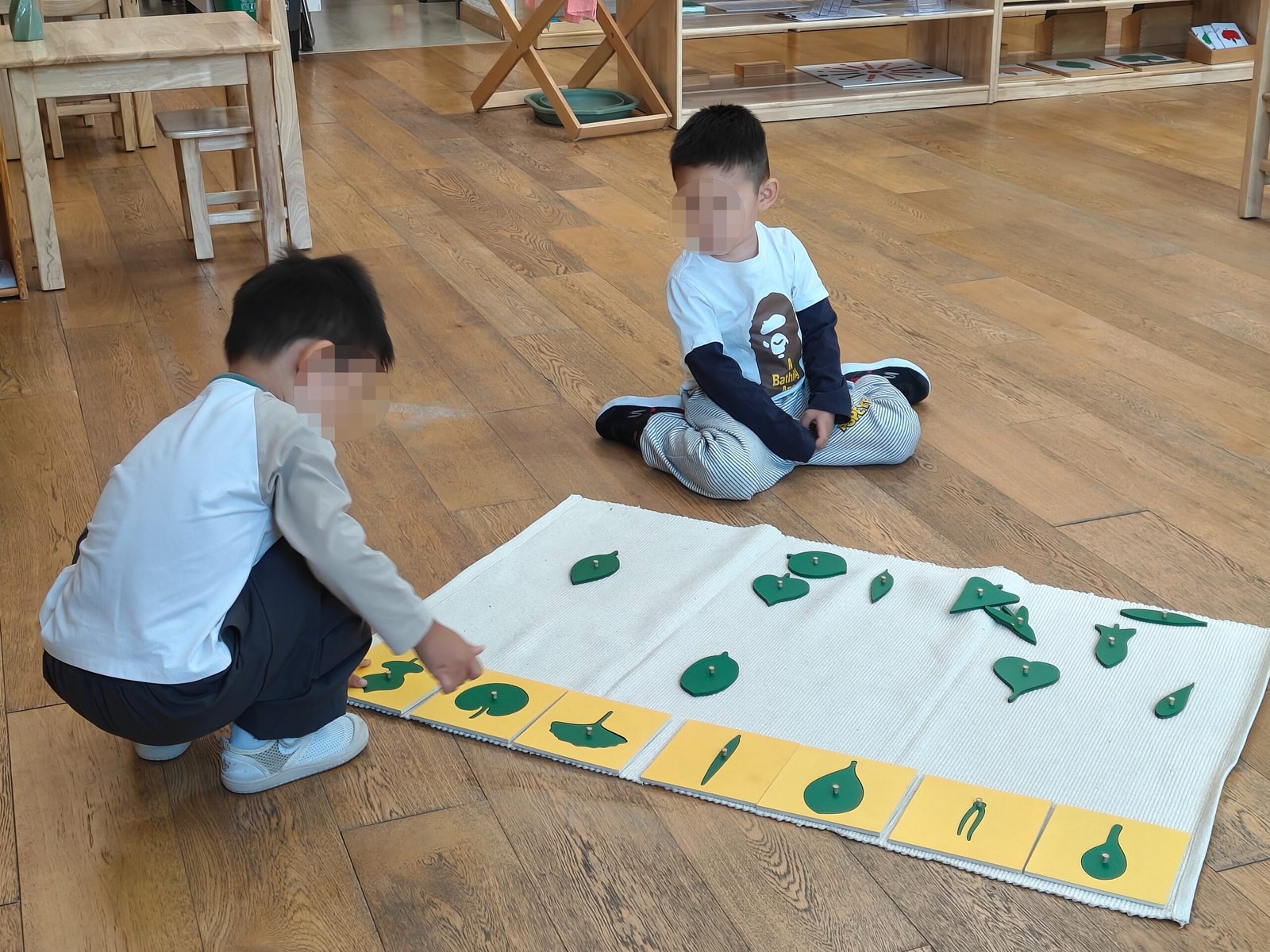
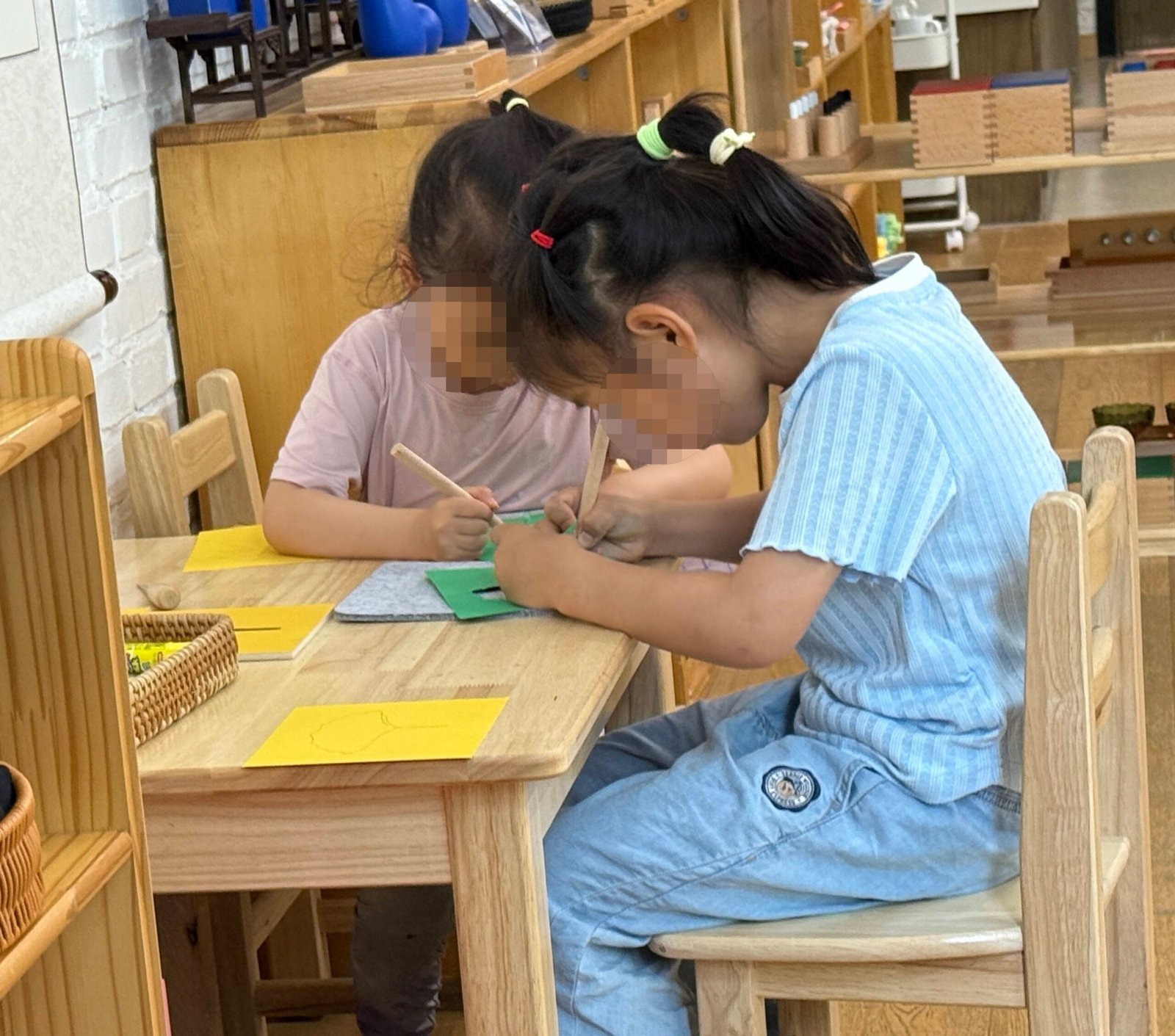
Aristotle said ‘We are what we repeatedly do. Excellence, then, is not an act, but a habit’. We help and support and guide the children, but by completing these and dozens of other tasks, the children are learning by doing, becoming responsible by being responsible.
Developing Responsibility in a 3 – 6 Montessori Environment - Theory
To be responsible means to be self-disciplined, to use self-control, to be accountable for one’s actions, and to be trustworthy. There are many kinds of respect and responsibility, including:
•Self-respect
•Respect for others (peers, teachers, parents)
•Social responsibility – respect for rules of society
•Classroom responsibility
Teaching Strategies
Responsibility and respect are essential in the class, but many children lack them, often because the adults in their life do everything for them, so as educators we play an important role in helping students develop these character traits. The following are some of the strategies that I have had success with.
1. Model Responsibility
As a teacher, I are a role model, so before I can teach responsibility, I have to demonstrate it. I do this by keeping my space neat and organized, straightening things up, putting things in order, picking up after myself, and being reliable and dependable. One of the mantras I use is, “I clean my mess, you clean your mess” and I demonstrate that every day.
2. Provide Clear Expectations and Structure
In Japan, students take part in a daily cleaning tradition called o-soji, where they tidy classrooms, hallways, and common areas. This routine goes far beyond simple upkeep – it instills respect for one’s surroundings and a shared sense of responsibility in which older students learn to lead and serve, while younger ones develop accountability through participation. The true purpose of o-soji is not cleanliness alone, but the cultivation of character.
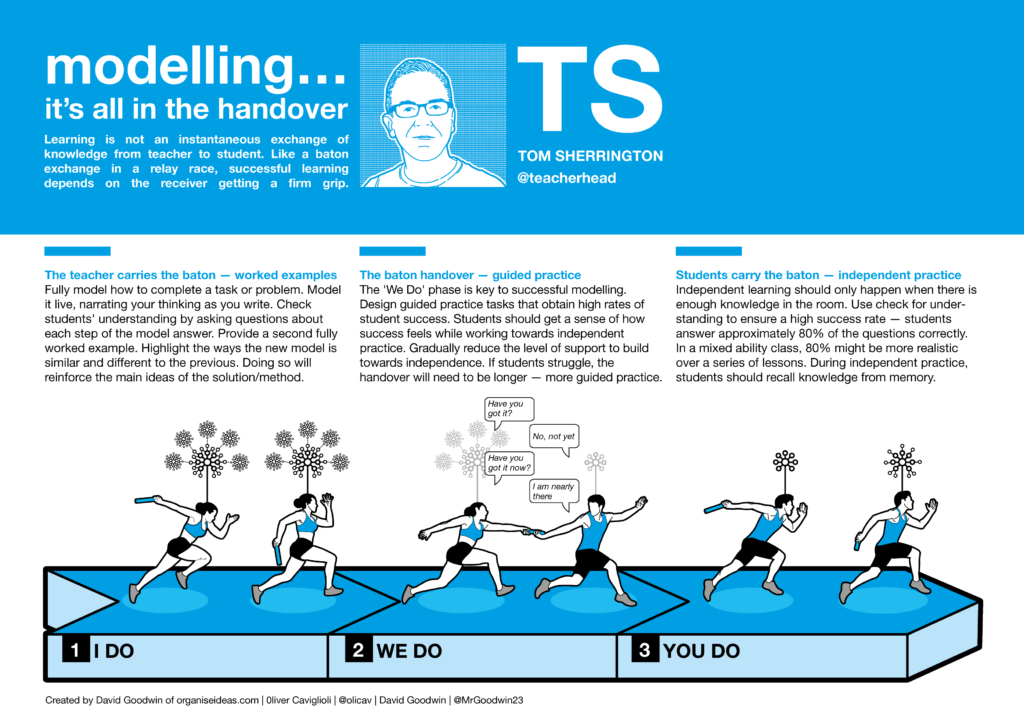
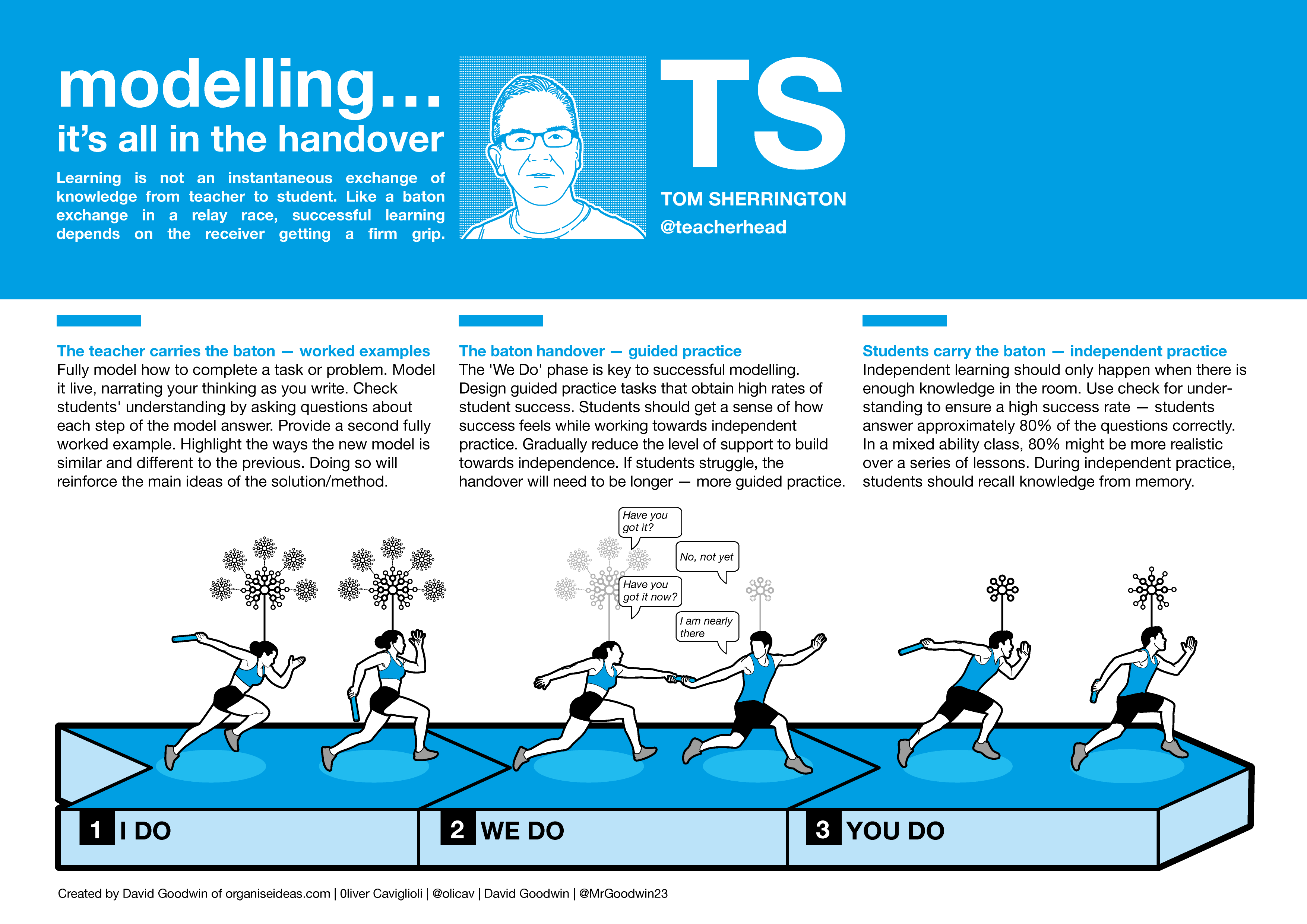
I implement something similar in my class, using an instructional strategy based on scaffolding, the theory first propounded by Ley Vygotsky. It is known by different names -‘Gradual release of responsibility’ or ‘I do, we do, you do’ or ‘modelled, guided, independent practice’- and is a structured approach to guidance that gradually shifts responsibility from the teacher to the students. It is informed at each stage by checking for understanding, as is the Three-Period Lesson. The following graphic represents the three stages of this process:
•Modelling
•Scaffolding
•Independent practice
Every classroom has a long list of tasks that need to get done, but many children are ready, willing and able to take on some of the workload. In my current class, there are a pair of girls (not yet 5 years of age) who come and ask me every morning, “Can we help you?” Some of the tasks they enjoy are feeding the birds, changing the books in book corner, straightening the books on the bookshelves, unpacking the bedsheets and pillows (on Mondays) and making the beds, preparing the snack, cleaning tables, brushing or mopping spills, sharpening pencils, and dozens of similar small but essential jobs.
The first time the children work at one of those tasks I work alongside them, using as few words as possible, demonstrating mostly, and occasionally asking questions to gauge understanding. The next time I’ll invite them to work on their own, but I’ll monitor them and step in if they need assistance, guidance or encouragement. The goal is to get them to a place not just where they can complete the task on their own, but that they will initiate these tasks without being prompted and without needing my help in any way. When they’re finished, I might simply comment, “The books look really neat now, girls. Thank you for making our class beautiful.”
3. Use Logical Consequences
Many aspects of the Montessori approach guide the children towards responsibility, for example the cycle of activity –
•Choose a material.
•Engage with it.
•Return it to the shelf.
Following class observations, one of the commonest questions I hear from parents is why their child happily cleans up after themself in the class but refuses to do so at home. The answer is consequences: in the class, if the child doesn’t return the materials to the shelf, they can’t choose anything else, but at home they can refuse knowing full well that mom or dad -or granny or grandad or the babysitter- will clean their mess for them.
In Shanghai I had this little girl who was pouring beans and decided it would be fun to pour them all over the floor. She laughed, I laughed, the other children laughed, it was good fun. Then she stood up to walk away and my assistant brought her back to the table and reminded her that she had made the mess so she had to clean it up, and until she did, she couldn’t leave the table. She cried, she wailed, walked away, was brought back, wailed some more, took a breath, relaxed, tried walking away again, cried some more, and eventually she just sat there staring at us, in willful silence. It was the beginning of the year, and the 3-year-olds were only staying for half-days, so at 11am she went home.
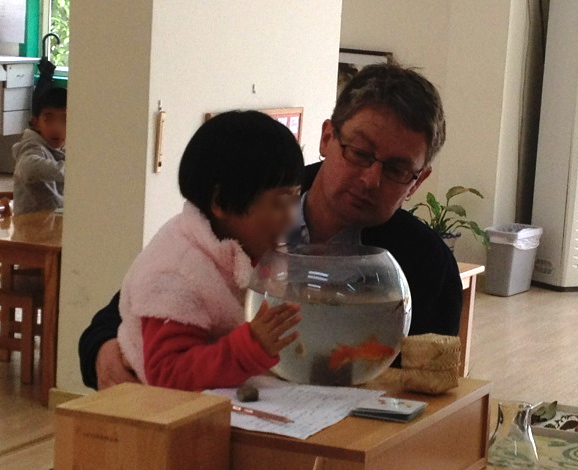
However, I asked the cleaner not to touch the beans, so when the child walked into the class the next morning and saw them on the floor, she realised what was going to happen, looked at me, and wailed even louder. After about 10 minutes of this she had cried herself out. I have her another five minutes to calm down, and then I went and asked, “The beans need to be cleaned. Would you like me to help you clean them.” She nodded, and we cleaned them up in a few minutes. From then on, we were inseparable: no matter where I was sitting or what I was doing -reading a book, staring out the window, looking at the fish- she’d come and sit on my lap.
I like to say, “Let’s get the crying out of the way in the first two weeks, and then we can have three years of laughter” and I have found this to be a very accurate description of what happens.
4. “Catch them doing good.”
A Head of School gave this a very useful piece of advice: “You have to catch them doing good” and this is a simple but profoundly important truth. It’s easy to notice mistakes -and point them out- and it can be difficult to spot the good things but it’s as or more important that we do so. No fuss and it’s not a question of handing out gold starts or praising them in front of the group, it’s simply an acknowledgement that yes, I saw what you did there. Thank you.
5. Use Cooperative Learning Groups to Teach Responsibility
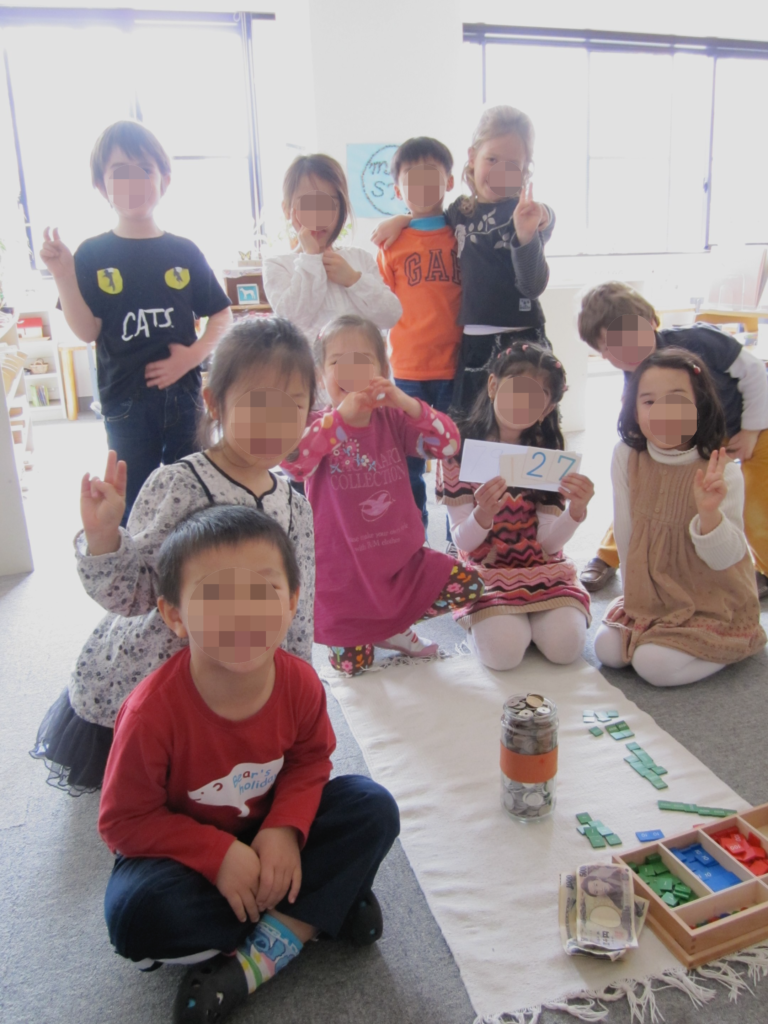
In cooperative learning groups, children work together to achieve a common goal, one that they cannot achieve unless each member of the group has done his part in the task, and it is a simple-yet-effective way to reinforce the importance of responsibility.
This was my class in Tokyo, during one of the charitable fundraising events that the school held throughout the year. This group of children ranged from age 4 to 6, and had just counted all of the money (coins and notes) they’d raised. They’d used The Stamp Game to count each of the categories (units, tens, hundreds and thousands), converting them to the higher category as needed, then used the Large Number Cards to record the total. Their grasp of mathematics was admirable, but more impressive was their ability to cooperate, collaborate and come together to create an effective the team.
6. Assign Daily/Weekly Responsibilities
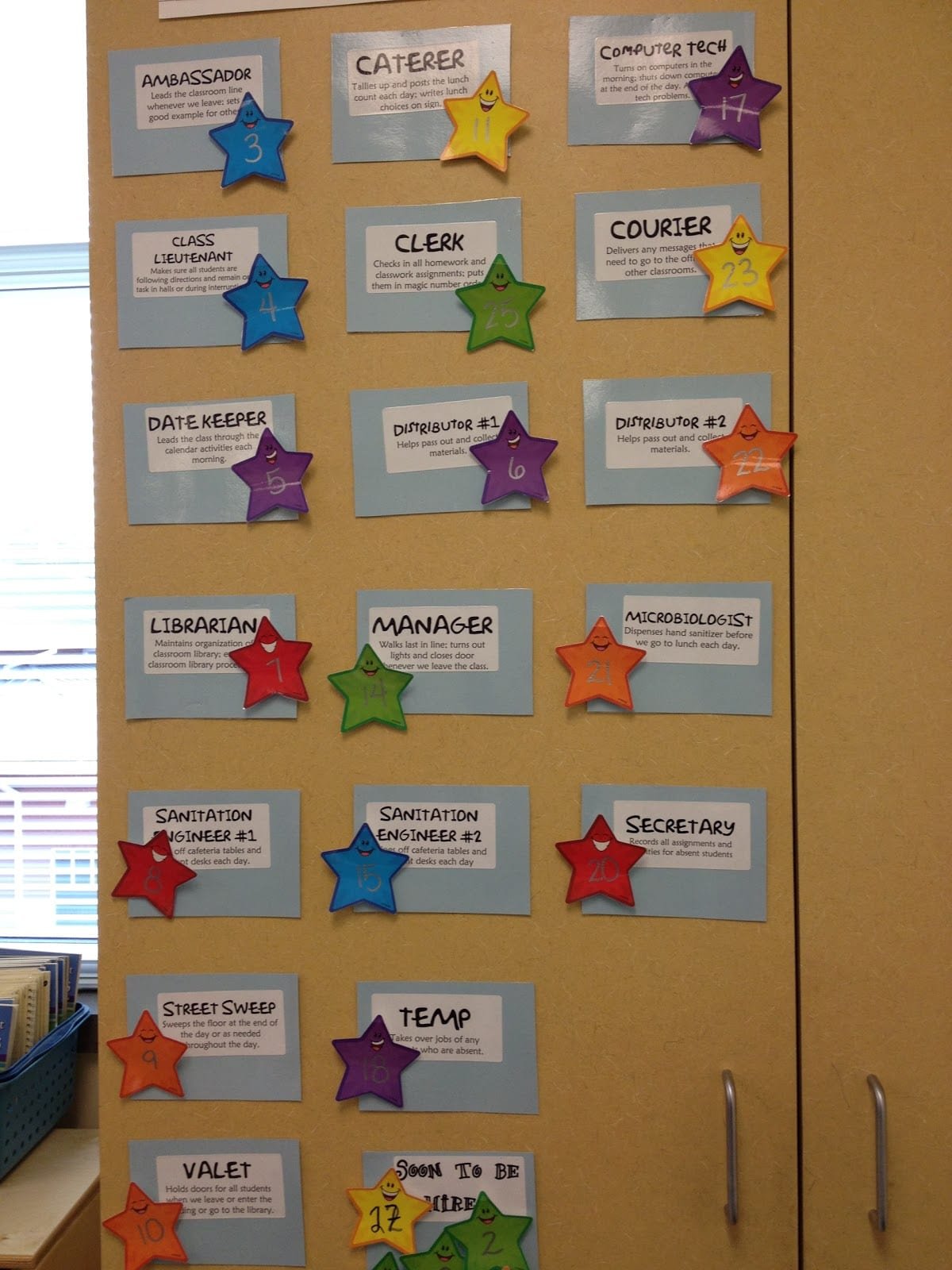
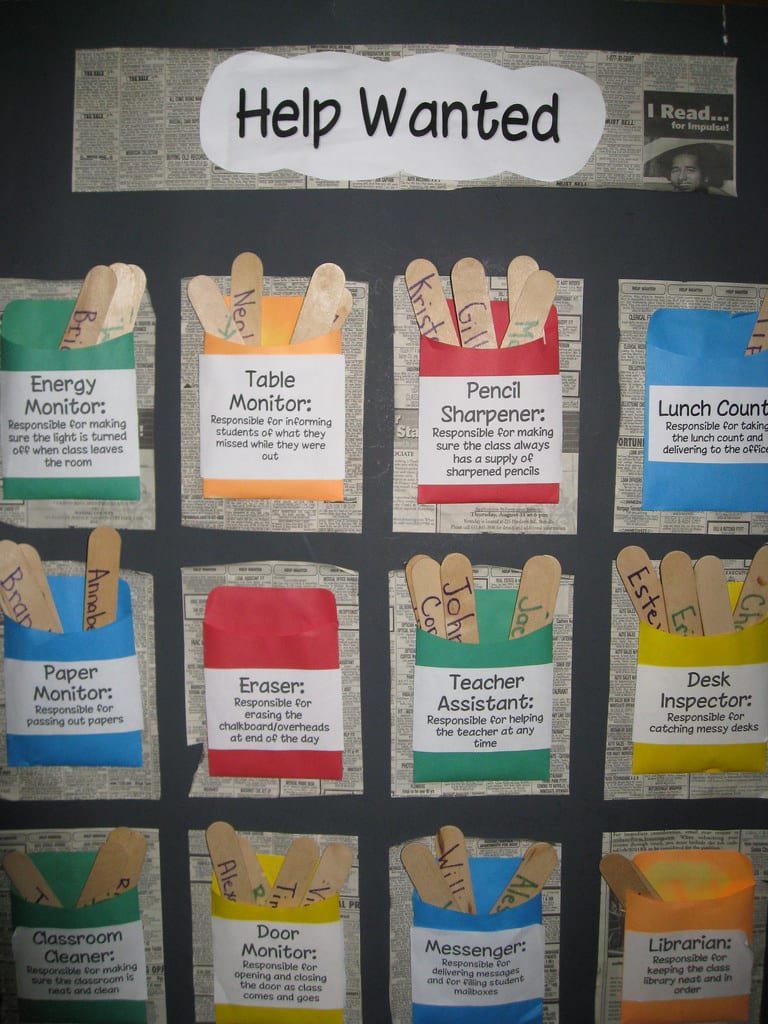
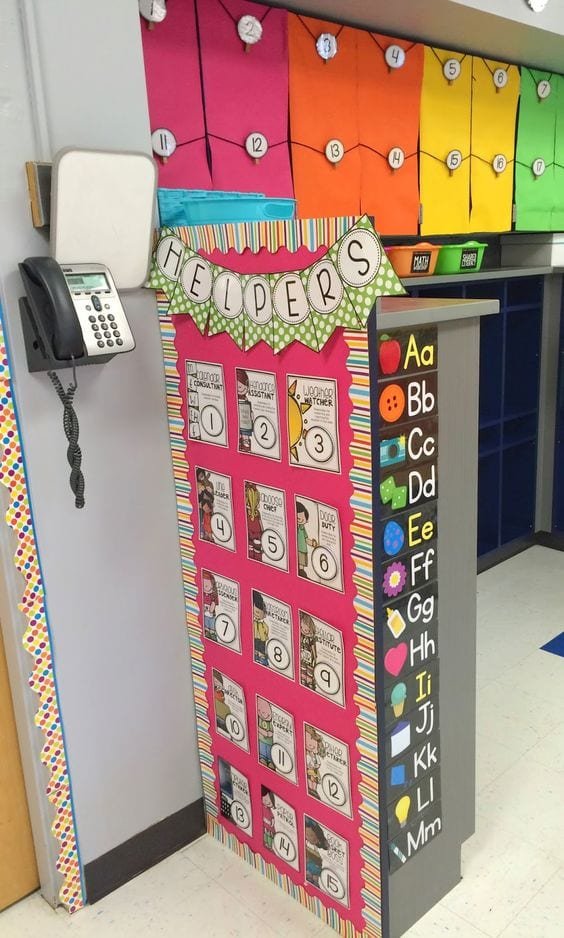
A strategy commonly used in Elementary Montessori classes is to assign jobs, sometimes putting 2 or 3 children into groups and giving each group a specific task to get done for that day, or if there are many tasks that need to get done, assigning one task per child, with the tasks rotating between the children each week.
References
Modelling graphic by David Goodwin, sourced from here.
‘Explicit teaching – Gradual release of responsibility’, by the Gov’t of New South Wales, Australia
‘38 Ideas for Flexible, Fun Classroom Job Charts’ by We Are Teachers