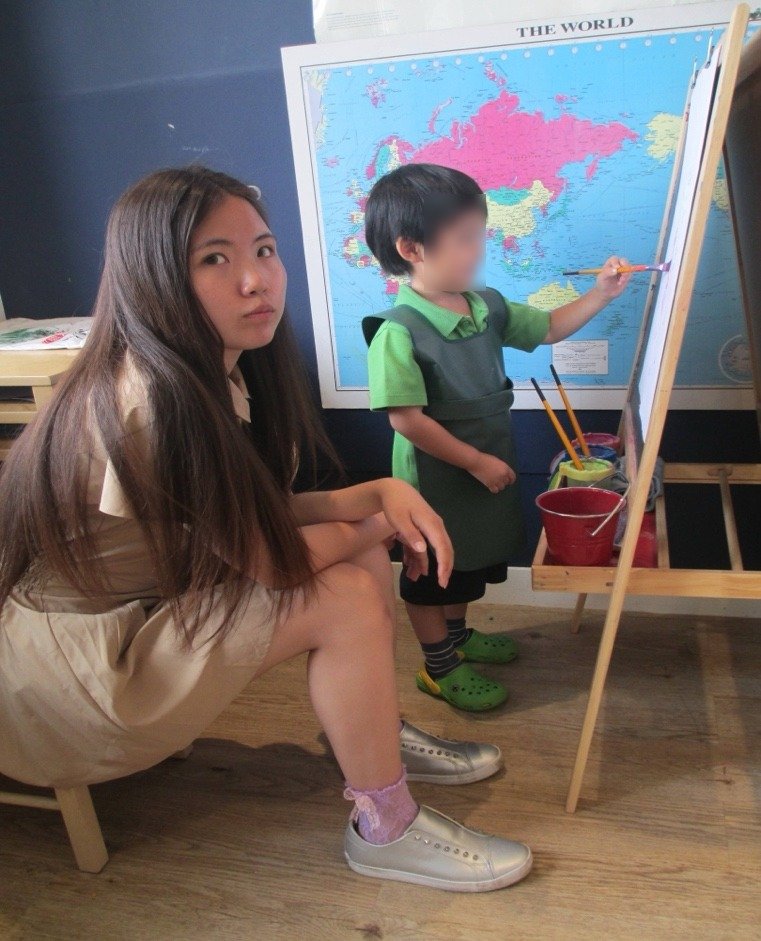
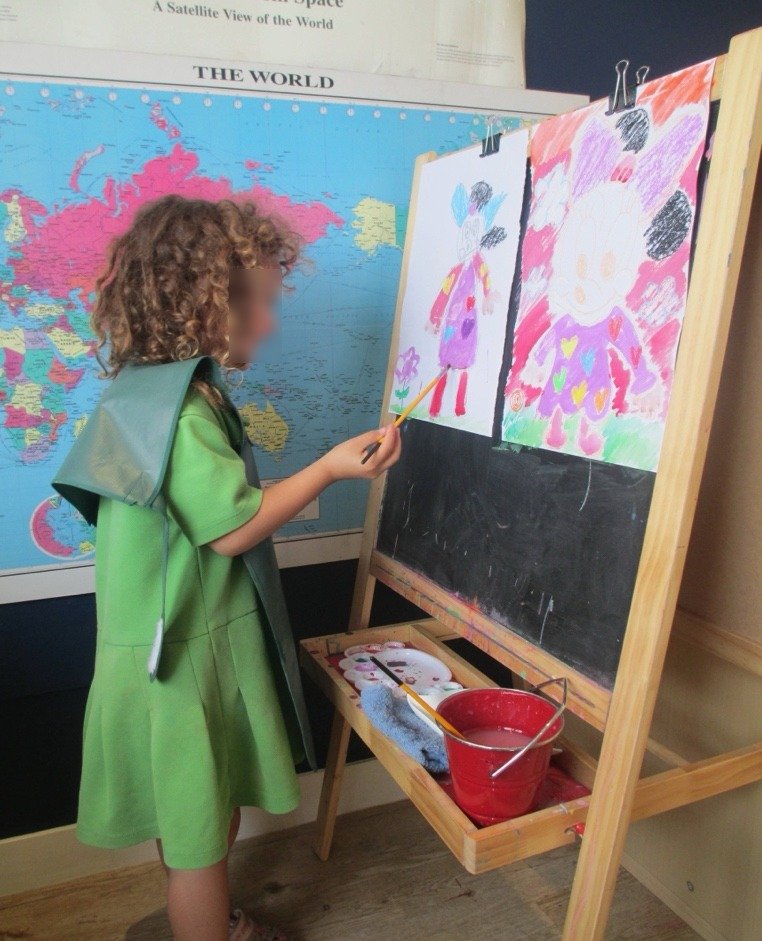
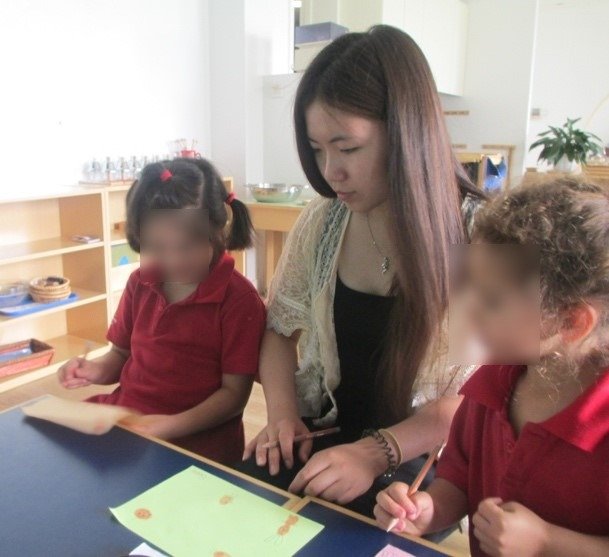
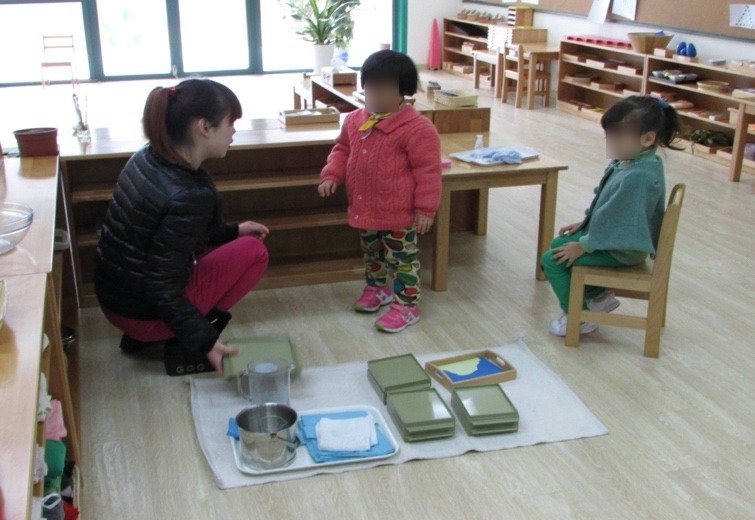
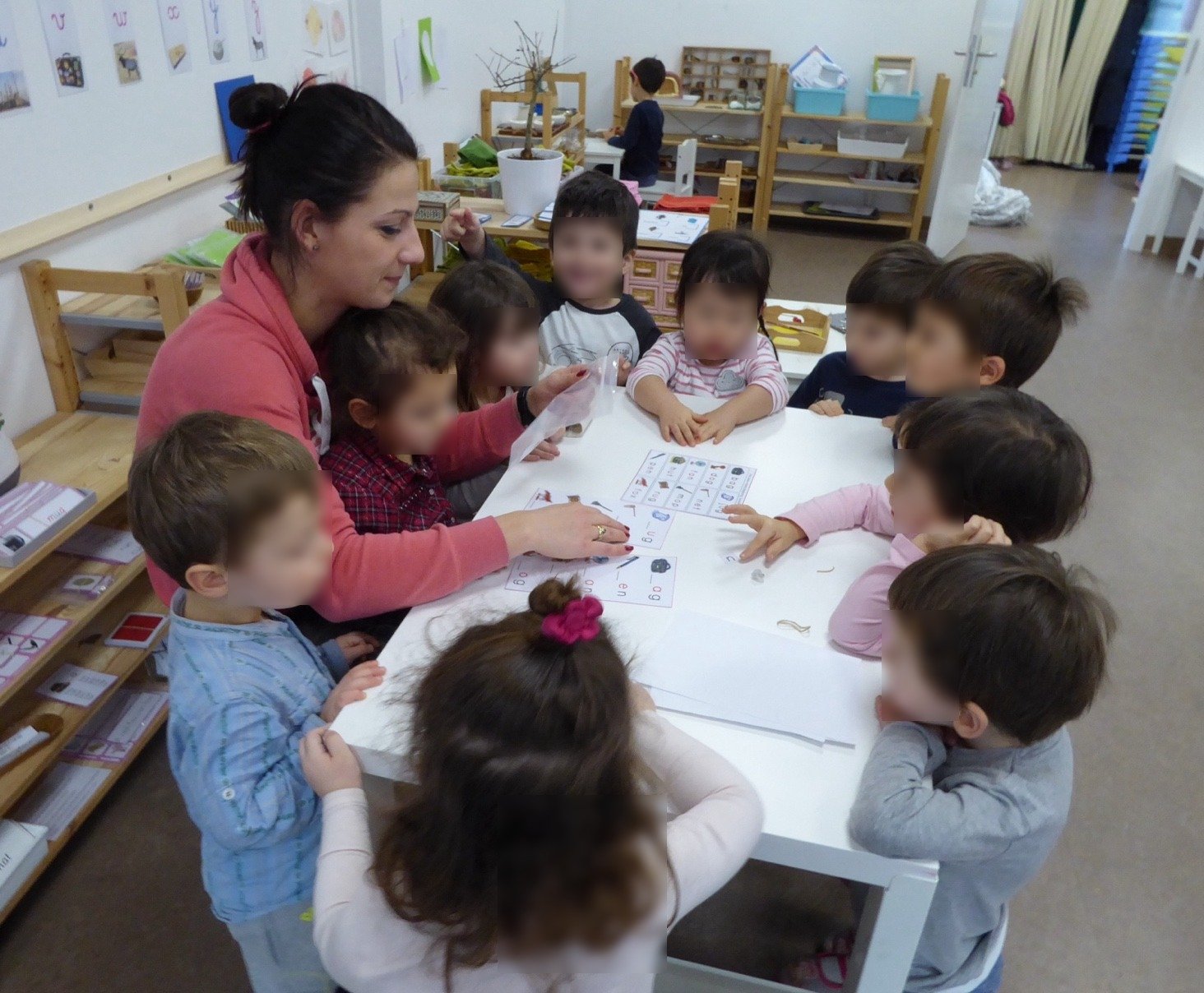
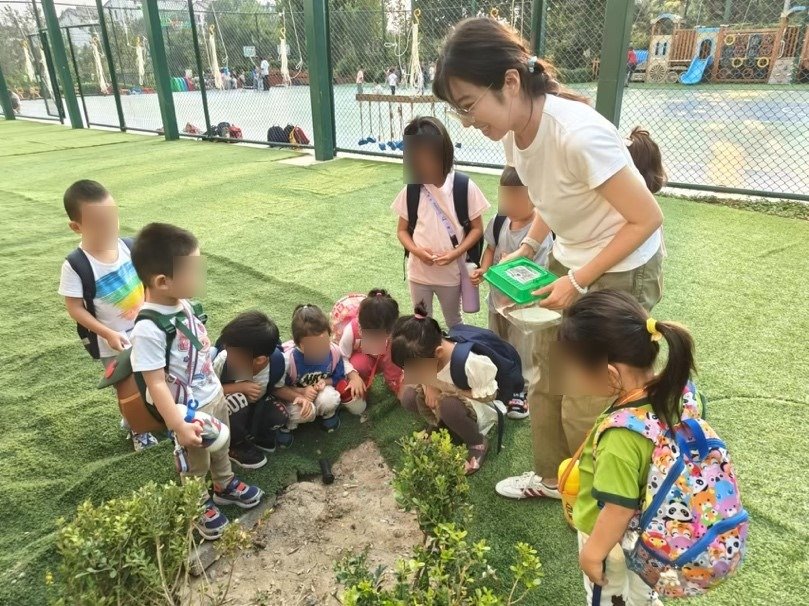
The Montessori assistant’s role is to support the teacher and promote peace and order in the classroom.
Classroom assistants work with the lead teacher to prepare and maintain an orderly, attractive, and joyful environment.
They provide another pair of observant, attentive eyes and ears.
Classroom assistants are crucial in modeling courteous and respectful behavior as well as contributing to the warm, supportive, and calm atmosphere.
In a Montessori classroom, the Montessori Director/Directress is supported by a Montessori Assistant. They assist with the preparation of the environment and the group activities of the classroom.
Yes indeed, a non-teaching role. That’s the key bit of information. A few years ago, I worked in a school where one of the parents had decided to become a Montessori guide, and as part of the training she had to do a certain number of hours of practice teaching. She asked if she could do them in my class and out of politeness I mentioned it to my co-teacher, who was also AMI-qualified.
My colleague opposed the idea for the reason that the lady wasn’t qualified, so she shouldn’t be giving presentations. I pointed out that when we did our AMI training, we were in the exact same situation, and a lead teacher had allowed us to give presentations in their class. My co-teacher was intransigent however and refused to agree. I went to my boss and asked how to proceed. He pointed out that as I was the lead teacher it was my decision to make. Result: the lady gave the presentations, finished her training, and was awarded an AMI diploma. To the best of my knowledge, most of the children to whom she gave presentations survived the ordeal.
As I’ve written above, a Montessori environment should be inviting, stimulating, and fun. That holds for the children but also for the adults. I love going to school: every day is different, sometimes challenging but always interesting. I want my assistant to feel the same joy and sense of accomplishment that I do, and I feel they have skills and talents that I don’t, and it makes no sense not to share them with the children. My colleague in Beijing, for example …
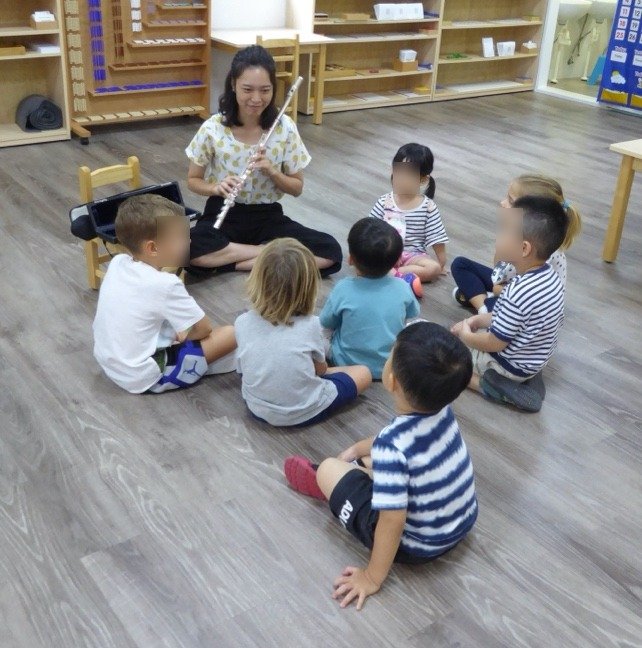
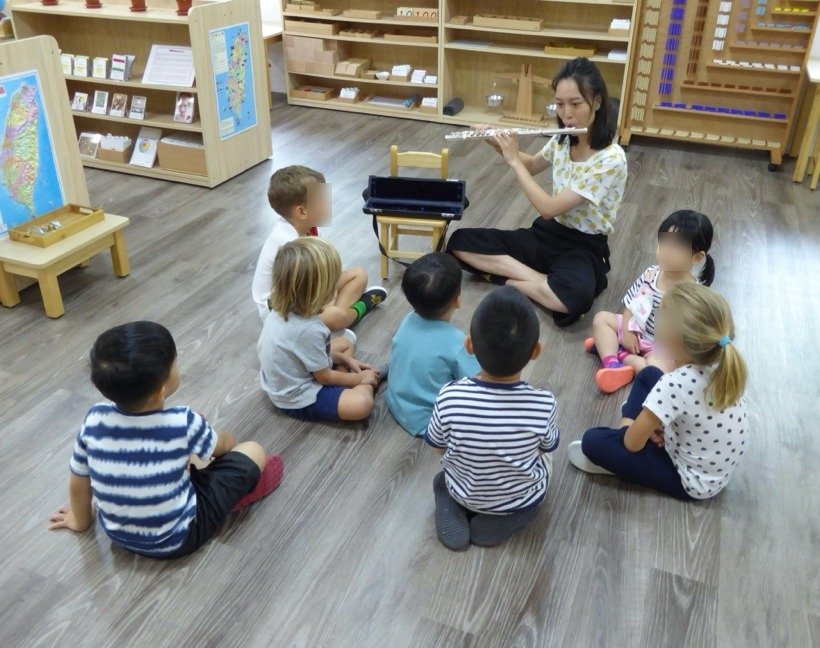
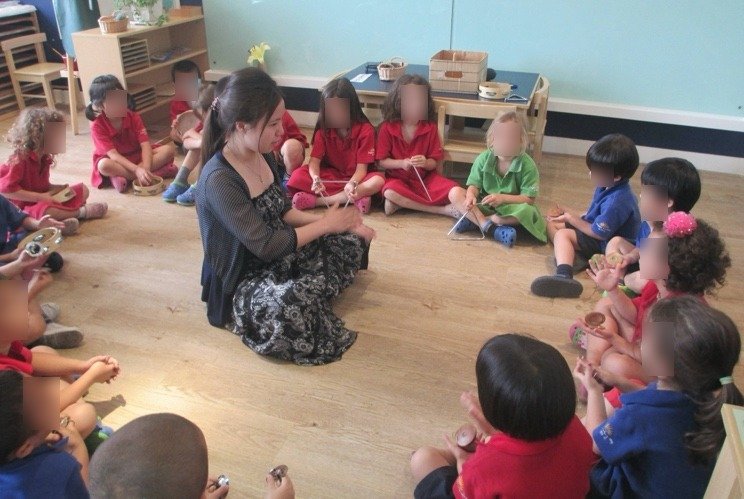
In Taipei my assistant had a degree in music and could play half a dozen instruments, so I overlooked the fact that she didn’t have an AMI diploma and invited her to take charge of the Music Curriculum.
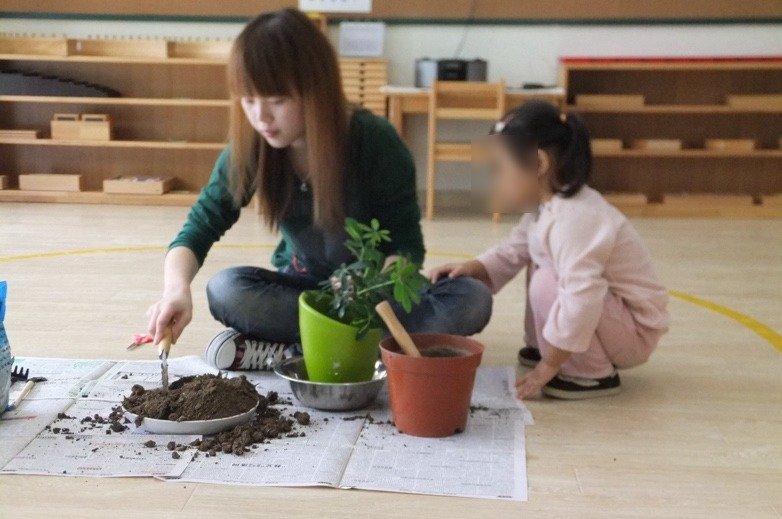
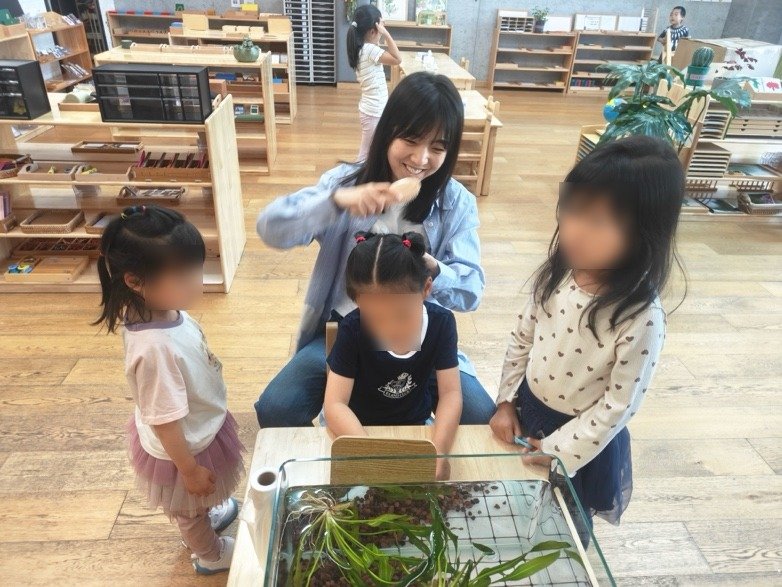
It’s my belief that there’s more than one right way to do many things, and an easy way to convey this to the children is by exposing them to a different way to dust a shelf or re-pot plants.
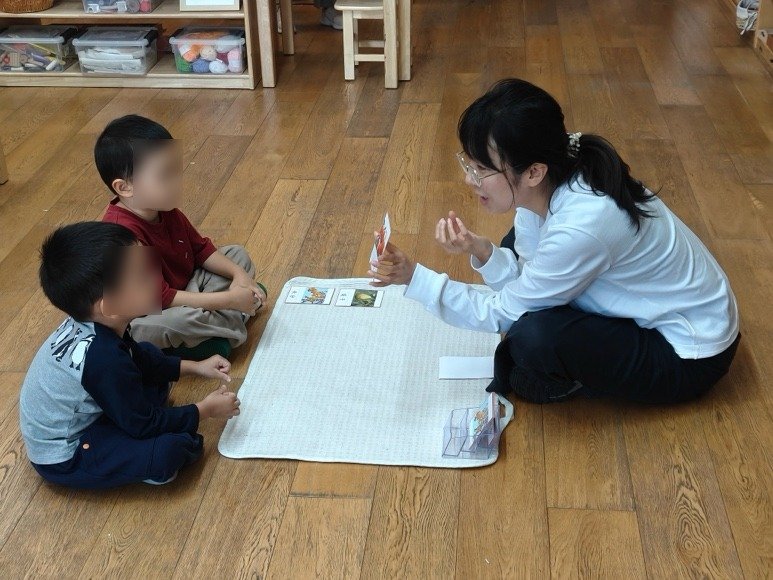
And I believe it’s as easy to brush the children’s hair as it is to present Three-Part Cards.
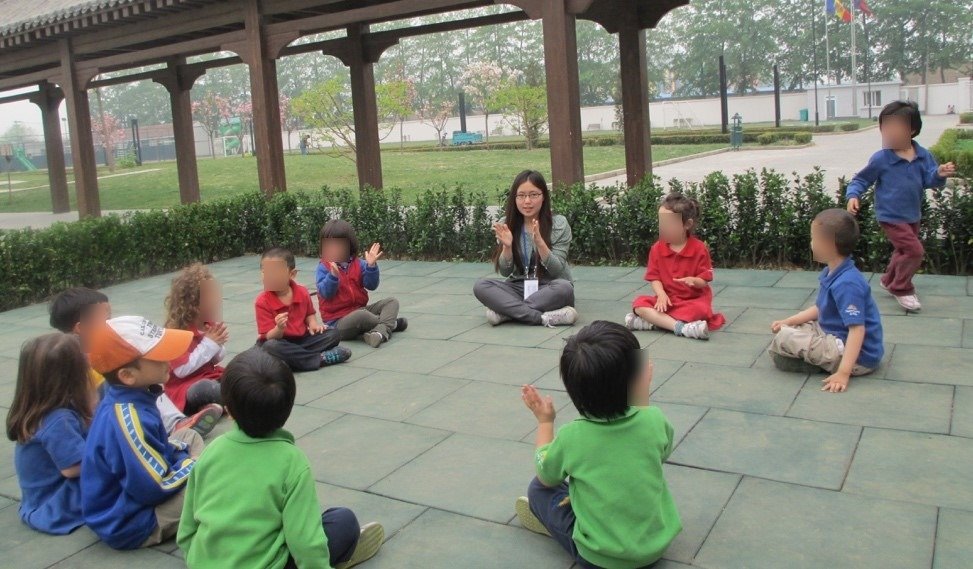
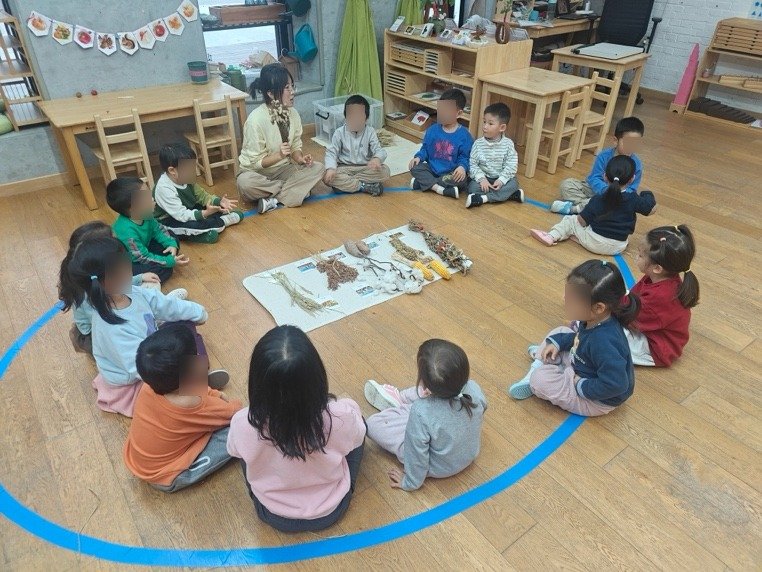
I also ask assistants to help at circle time. It they want to chat with the children or sing a song or share a story or read a book or do anything that interests them -and the children- then go for it. Just make it fun.
Mostly, I want their job to be fun, as it should be when they’re surrounded by children all day.
The Assistant in a Montessori Classroom PDF
This document, from NCMPS, explains the key role of an assistant in a Montessori classroom in supporting the lead teacher and ensuring faithful implementation of the pedagogy. Key assistant responsibilities include preparing the environment, observing students, supporting procedural independence, protecting concentration, and modeling grace and courtesy. Having two adults enables individualized instruction, continuous data collection, and consistent social modeling, which together foster students’ executive functions and social-emotional development.
Working With Your Assistant by M. Shannon Helfrich PDF
A concise, actionable playbook for building a respectful, effective guide‑assistant team, stressing collaboration, mutual respect, and purposeful role definition in order to preserve child independence, leverage the assistant’s strengths, and create a warm, consistent environment for children.
Montessori Assistant Job Description PDF
There are many variations of this document available online; this one from is Mater Amoris Montessori School.
“In 1998 at the AMI/USA National Conference, Sandra Girlato presented a paper on “The Role of the Assistant in a Montessori Classroom” where she describes the environment by dividing it into tangible and intangible. Inspired by this approach to explaining the role of the assistant, this paper will draw from Sandra Girlato’s writings and discuss what the role of the assistant is in relation to the intangible environment as it relates to Maria Montessori’s vision for the creation of a “new teacher”.“
Maria Montessori, The New Mistress, from: ‘The Call of Education’, Volume 11, No. IV, December 1925. PDF